
REVIEW · COSTA RICA
Chocolate Making and Tasting at a Local Factory in San José
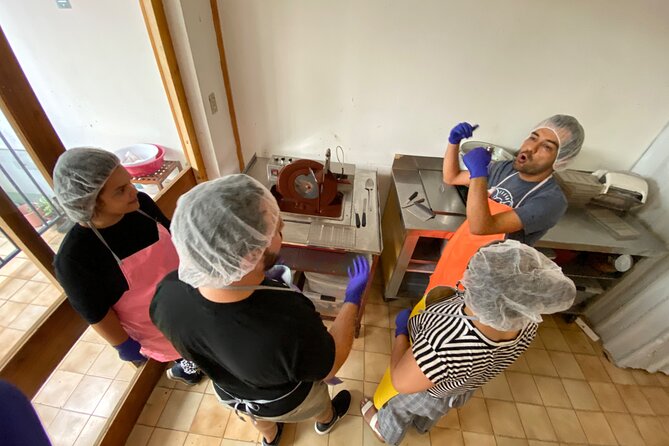
The most interesting part of this San José workshop is the tasting trail from fresh cacao fruit to finished chocolate. You do not simply sample a few candy bars. You work through the bean, nibs, powder, cocoa butter, drinks, and different cocoa concentrations, then use what you learned to make your own chocolate.
I like the chance to taste more than 15 fillings and toppings, and I like that your finished chocolates go home in packaging you design yourself. Mauricio is a warm, patient guide who explains the process clearly and enjoys questions. The main caution is group size: the experience is promoted as intimate, but one session reportedly had around 20 people, which slowed the hands-on work.
Key points
- Fresh cacao fruit tasting: You begin with the fruit itself, an unusual treat that many chocolate classes skip.
- Bean-to-bar tasting: Sample cacao at several stages, including seeds, nibs, powder, butter, drinks, and finished chocolate.
- Make your own bars: Choose fillings and toppings from more than 15 local options and create personalized chocolates.
- Barrio Escalante setting: The class starts at Tapir Chocolates in one of San José’s popular food neighborhoods.
- Small-group promise: Most sessions appear to be intimate, but confirm the current group limit before booking.
- Take-home souvenir: You package your creations with boxes, paper, stickers, and other eco-friendly materials.
A cacao lesson that starts with the fruit
This two-hour activity at Tapir Chocolates offers a useful correction to the usual idea of chocolate. Most of us meet cacao only after it has been roasted, ground, sweetened, and molded. Here, you begin much earlier, with fresh cacao fruit and seeds at different points in their preparation.
That first taste matters. The white pulp around a cacao seed has a different character from the dark chocolate most people know, and sampling it gives you a clearer sense of the plant behind the finished product. You then move through cacao nibs, cocoa powder, cocoa butter, chocolate drinks, and bars, noticing how each stage changes the flavor and texture.
Mauricio leads the session, and his teaching style is a major part of the experience. He explains both the practical steps and the cultural role of cacao in the Americas. You can ask questions as you go, and the class allows room for visitors who want more explanation about growing, processing, or flavor.
This is not a formal museum talk. It is a working chocolate class with tasting built into the lesson. That makes it especially useful if you want to understand what you are eating in Costa Rica rather than simply buy another box of sweets.
More Chocolate Factory Tours in the world:
- Lindt Home of Chocolate Museum Entry Ticket
★ 4.7 · 9,329 reviews - Zurich: City Tour, Cruise, and Lindt Home of Chocolate Visit
★ 4.5 · 4,624 reviews - Zurich Sights: Cruise, Lindt Chocolate and optional FIFA Ticket
★ 4.0 · 1,028 reviews
What happens during the two-hour workshop
The class begins at 3:00 p.m. at Tapir Chocolates in Barrio Escalante. The activity ends at the same place, so you do not need to arrange a separate ride between stops. Private transportation is not included, and you are responsible for reaching the shop.
The first section focuses on cacao’s background and basic production. You taste fresh fruit, then examine or sample the seeds in several forms. The progression continues through nibs, cocoa powder, cocoa butter, and cacao drinks.
Expect a fair amount of tasting before you make anything. That is a strength, since you can compare the stages instead of treating chocolate as one single flavor. It also means the experience is more educational than a quick candy-making class.
Next comes the modern chocolate section. You taste different cocoa concentrations and learn how the percentage affects the final bar. The exact pace can vary with the group, but the goal is to connect the earlier samples with the chocolate you will soon create.
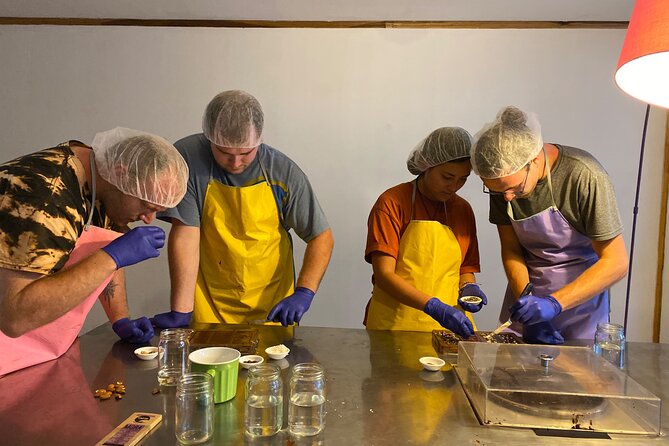
Then you work with molds, spatulas, and the available equipment. Each participant can combine chocolate with local ingredients, fillings, and toppings. The activity has been described as producing two bars per person in some sessions, while another participant left with four chocolates, so the exact number may depend on the group and the day.
The final step is packaging. You select from eco-friendly boxes, wrapping paper, stickers, and related materials, then prepare your chocolates to take home. This gives the class a satisfying finish, especially for families and couples who want a souvenir made rather than purchased.
The fresh cacao tasting is the unusual highlight
The most memorable element for me is the chance to taste raw cacao fruit. Many chocolate activities begin with prepared chocolate or roasted beans. Starting with the fruit gives you a more complete picture of the ingredient and makes the finished bar feel less like a factory product.
You also get to taste cacao through several stages. Seeds, nibs, cocoa powder, cocoa butter, drinks, and finished chocolate each show a different part of the process. If you have only thought of cacao as a sweet flavor, this progression makes the ingredient more interesting.
The workshop also connects chocolate with Costa Rica. The focus is not only on making a snack. Mauricio explains the place of cacao in the Americas and the work involved in turning the fruit into something smooth and familiar.
That context is useful for anyone planning a longer Costa Rica trip. You may see cacao products in other parts of the country, but this class gives you a vocabulary for understanding them. You can taste the difference between the bean and the nib, and you can see why cocoa butter matters in the final texture.
Making your own bars keeps the class lively
The hands-on section is where the workshop becomes more than a tasting. You choose from more than 15 fillings and toppings, then decide how to combine them. The creative freedom is part of the fun, but it also means your results depend on your choices.
This works well for families with older children, couples, friends, and solo visitors. You can make a simple bar or experiment with a more unusual combination. The class supplies the materials, including aprons, gloves, caps, molds, spatulas, and other equipment.
Clear instruction matters here. Several participants described Mauricio as patient and encouraging, especially when someone felt unsure about a step. That is useful because chocolate work can become messy or confusing when several people are trying to follow a process at once.
The class is not designed as advanced training for professional confectioners. You will not leave ready to open a chocolate shop. You will, however, understand more about working with chocolate and have something personal to eat later.
More Chocolate Making Workshops in the world:
- Vienna: Chocolate Workshop in Chocolate Museum w/ Tasting
★ 4.5 · 1,802 reviews - Brussels: Belgian Chocolate Making Workshop with Tastings
★ 4.7 · 1,629 reviews - Brussels: Chocolate Museum Visit with Workshop
★ 4.6 · 1,474 reviews - Brussels: 2.5-Hour Belgian Chocolate Making Workshop
★ 4.8 · 933 reviews
Packaging turns the chocolate into a real souvenir
The last stage is easy to underestimate. After making the chocolate, you use eco-friendly packaging materials to prepare it for the journey home. Boxes, wrapping paper, and stickers let you create a wrapper rather than accepting a standard package.
For children, this adds a craft activity at the end. For couples and friends, it gives everyone a chance to make a separate design. It also makes the chocolate feel like a proper souvenir from San José, not merely a snack eaten before the next stop.
Be aware that chocolate can be delicate. The information provided does not promise special shipping arrangements or temperature-controlled transport, so plan accordingly if you are taking your bars on a long trip. The class provides packaging, but you should still treat the finished pieces with care.
Barrio Escalante makes the timing useful
Tapir Chocolates is in Barrio Escalante, a San José neighborhood known for restaurants and food businesses. Since the workshop starts at 3:00 p.m. and lasts about two hours, it can fit neatly into an afternoon and early evening in the city.
I like this timing for a final or near-final San José day. You can spend the morning elsewhere, arrive for the class, then remain in the neighborhood for dinner. You do not need to return to a distant hotel between the activity and an evening meal.
The meeting point can be difficult to spot, so allow time to find Tapir Chocolates at the listed Barrio Escalante address. The shop is near public transportation, but private transportation is not part of the price. Confirmation is sent when you book, so keep the meeting details available.
Group size is the main practical question
The experience is presented as a small-group activity, with a maximum of eight in the highlights. Additional information gives a maximum of 12, and one participant reported a session of at least 20. That conflict is worth taking seriously.
A small group changes the class. You get more direct help, the tasting moves at a better pace, and you have more room to create your bars without waiting. Several sessions appear to have had only three or a few participants, creating an almost private lesson.
A large group does not ruin the tasting or the explanation, but it can slow the making portion. You may spend more time waiting for equipment, instructions, or assistance. If personal attention is your main reason for booking, contact the operator before paying and ask for the expected group size on your date.
The experience has earned a 4.9 rating from 115 ratings, and 97 percent of participants recommend it. Those numbers point to strong consistency, but they do not erase the one important logistical concern. Group size can affect value as much as the ingredients do.
Is $57.50 a fair price?
At $57.50 per person, this is not the cheapest chocolate activity in San José. You are paying for a roughly two-hour lesson, a full cacao tasting, equipment, personal ingredients, fillings and toppings, packaging materials, and finished chocolate to take home.
The value improves if you care about the bean-to-bar explanation and the chance to make your own creations. You are not simply buying the equivalent amount of chocolate from a shop. You are paying for instruction, tasting access, creative time, and the local setting.
The price may feel high if you want only a short demonstration or a few samples. One dissatisfied participant compared it with a less expensive class elsewhere in San José. That is a fair comparison, especially if you judge activities mostly by quantity of chocolate or length of time.
I would book this one for the teaching and the broad tasting rather than for the amount of candy you take home. If you want a polished, intimate session, confirm the group size first. If the class is full, the experience may feel less personal and the price less attractive.
Who will enjoy this chocolate class most?
Families with children and teenagers are a natural fit. The activity combines a short cultural lesson, repeated tasting, hands-on work, and package design. It has enough variety to keep the class moving, though very young children may not follow every explanation or enjoy every cacao stage.
Couples can treat it as an afternoon activity before dinner in Barrio Escalante. Friends can compare their combinations and designs, while solo visitors receive a structured way to meet people without committing to a full-day excursion.
Chocolate fans will get the most from the detailed tasting. If you already enjoy learning how food is produced, the move from fruit to bean to bar is the real reason to go.
I would be more cautious if you dislike group workshops, have a tight schedule, or mainly want an inexpensive tasting. The class is scheduled for about two hours, and rushing it can reduce the value because the making section comes toward the end.
Service animals are allowed, and the meeting point is near public transportation. The supplied information does not describe full accessibility details, so contact Tapir Chocolates directly if you need specific arrangements.
Booking and cancellation details to know
You receive confirmation at the time of booking. The activity has free cancellation up to 24 hours before the 3:00 p.m. start time, based on local time. Cancellations or changes made within 24 hours are not refunded or accepted.
The operator can cancel if the minimum number of participants is not reached, or for poor weather under the stated policy. In that case, you are offered another date or activity, or a full refund. One past cancellation was connected to a water leak in the workshop, a reminder that a small food business can face practical problems outside its control.
Because this is a hands-on food activity, check the meeting details before leaving your hotel and arrive with enough time to find the shop. The class ends where it begins, which keeps the rest of your evening simple.
Should you book Tapir Chocolates?
I would book this workshop if you want to understand cacao as a Costa Rican ingredient, not just eat a finished bar. The fresh fruit tasting, the step-by-step samples, Mauricio’s patient instruction, and the custom packaging give it more substance than a basic candy-making stop.
The decision comes down to expectations. At $57.50, it offers good value when the group is small and you take part in the full two-hour session. It offers weaker value if the class is crowded, if you must leave early, or if you only want a cheap chocolate sample.
Ask about the group size before booking, then arrive ready to taste unfamiliar cacao stages and make a few imperfect but personal bars. For families, food-focused visitors, couples, and anyone spending an afternoon in Barrio Escalante, this is a tasty and useful San José activity.
FAQ
Where does the chocolate workshop take place?
It starts and ends at Tapir Chocolates, 10101 San José, San José, Barrio Escalante, Costa Rica.
What time does the activity start?
The scheduled start time is 3:00 p.m.
How long does the chocolate experience last?
The activity lasts approximately two hours.
What does the tasting include?
You taste fresh cacao fruit, seeds at different stages, cacao nibs, cocoa powder, cocoa butter, chocolate drinks, different cocoa concentrations, and finished chocolate.
Can I make my own chocolate?
Yes. You make chocolate using the supplied equipment and choose from more than 15 fillings and toppings.
What do I take home?
You take home your chocolate creations in packaging you prepare with supplied eco-friendly boxes, paper, stickers, and related materials. The exact number of pieces can vary.
Is transportation included?
No. Private transportation is not included. The meeting point is near public transportation.
How many people can join the class?
The information gives different limits: the main description says a maximum of eight, while the additional details say 12. One session was reported to have around 20 participants, so confirm the expected group size before booking.
Can I cancel for a full refund?
Yes, if you cancel at least 24 hours before the scheduled start time. Cancellations or changes within 24 hours are not refunded.
More Food and Drink Tours in the world
- Hungry Mary’s Famous Beer and Chocolate Tour in Brussels
★ 5.0 · 2,258 reviews - Epic Yarra Valley Wine Tour + Lunch, Chocolate & Gin/Beer Option
★ 5.0 · 1,819 reviews - Brussels: Historical Tour with Chocolate & Waffle Tasting
★ 4.8 · 1,206 reviews - Brussels: Historical Walking Tour with Chocolate & Waffle Tasting
★ 5.0 · 1,165 reviews
More Chocolate Tastings in the world
- Choco-Story Brussels: Chocolate Museum Entrance with Tasting
★ 4.3 · 4,883 reviews - 4×4 Dominican Adventure with Chocolate and Coffee Tasting
★ 5.0 · 2,920 reviews - Bruges: Choco-Story Museum with Audio Guide and Tastings
★ 4.2 · 1,825 reviews - 4×4 ATV Experience, Water Cave, Chocolate and Coffee Tasting
★ 5.0 · 1,430 reviews
Just added around the world
- Zurich Open-top Tour and Chocolate and Cheese Countryside★ 3.5 · 11 reviews
- Zurich: Chocolate Tasting and Walking Tour with a Local★ 4.2 · 13 reviews
- Lindt Chocolate Museum with Cruise Transfer from Zurich★ 4.6 · 7 reviews
- York: Introduction to Chocolate Making Experience★ 4.9 · 10 reviews
- Zagreb: Lake Bled and Ljubljana Day Tour with Chocolate Gift★ 5.0 · 26 reviews
- Private Wine and Chocolate Tasting Experience★ 4.4 · 3 reviews
- Wine and Chocolate experience★ 4.6 · 3 reviews
- Yarra Valley: Wine and Chocolate tasting tour.★ 5.0 · 5 reviews
Costa Rica Chocolate Tours, compared.
Puerto Viejo hands on chocolate making class. From bean to bar, get chocolatey!
Read our review →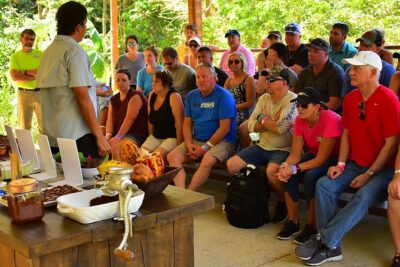
Chocolate Experience in Jaco Beach and Los Suenos
Read our review →
Coffee & Chocolate Tour+Sloths Park & Llanos de Cortez Waterfall
Read our review →
Chocolate Experience by Bribri Indigenous Culture
Read our review →
Sloths in the Rain Forest and Safari by the River
Read our review →Browse the lists this tour appears in