
REVIEW · COSTA RICA
Chocolate Experience by Bribri Indigenous Culture
The chocolate is only the beginning here. You visit a Bribri community near Limón, learn how cacao becomes chocolate, and take part in the work yourself. I like the small group size, capped at nine, and the chance to hear about Bribri life from guides such as Ariel and Tamara, who have a close connection to the community.
I also like the mix of learning and outdoor activity. You may walk among plants used for food and medicine, then finish with a swim at Cataratas Bribri Talamanca. The main thing to consider is the terrain: the short walk to the cacao farm can be steep, especially on the way back up.
Key points to know before you book
- Bribri culture comes first: Chocolate is the doorway to lessons about language, daily life, plant medicine, and Bribri cosmovision.
- You make the chocolate: This is a hands-on process, not just a tasting stop.
- Ariel and Tamara may lead: Both guides receive strong praise for their warmth, local knowledge, and ability to adjust the pace.
- The waterfall is part of the reward: You can swim in the natural pool at Cataratas Bribri Talamanca for about 45 minutes.
- Plan for a real walk: The path to the cacao farm may be more demanding than the phrase short hike suggests.
- The $95 price buys time and access: For five to six hours, pickup availability, a small group, cultural teaching, chocolate making, and a waterfall visit, the value is strongest for visitors who want more than a quick food stop.
Chocolate is the doorway, not the whole tour
This experience takes you into Bribri territory near Limón for a look at a community and way of life that many Costa Rica itineraries skip. The pace is not built around checking off several attractions. Instead, you spend much of the day with a local guide and members of a Bribri community, learning how culture, nature, food, and daily work fit together.
That distinction matters. If you want a polished cooking class with a finished box of chocolates, this may feel too earthy and unstructured. If you want to understand where cacao comes from and how it fits into Bribri life, the visit has far more to offer.
The experience lasts roughly five to six hours. The cultural portion takes about three hours, followed by about 45 minutes at the waterfall, with the remaining time used for transportation and movement between stops. Pickup is offered, and mobile tickets make the booking side simple.
A few more chocolate tours around the world worth a look
- Lindt Home of Chocolate Museum Entry Ticket
★ 4.7 · 9,329 reviews - Choco-Story Brussels: Chocolate Museum Entrance with Tasting
★ 4.3 · 4,883 reviews - Zurich: City Tour, Cruise, and Lindt Home of Chocolate Visit
★ 4.5 · 4,624 reviews
Meeting the Bribri community near Limón
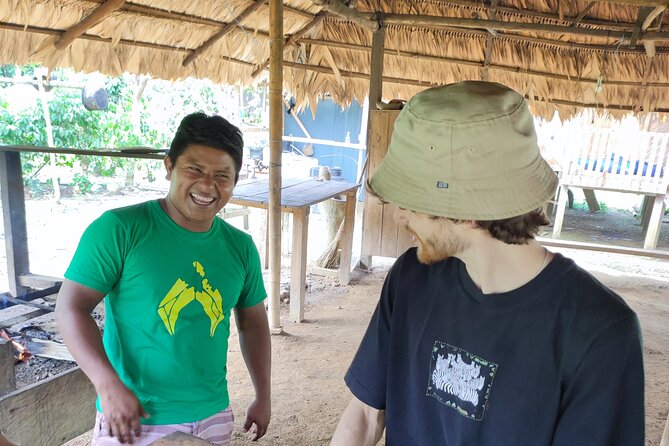
Your guide meets you at the agreed starting point and accompanies you through the visit. Ariel is one guide associated with this experience, and Tamara is another. The exact guide may vary, but the strongest part of the setup is the local connection. Ariel is Bribri himself, and Tamara is described as having a close understanding of the community and the terrain.
That local link gives the conversation more weight than a standard sightseeing talk. You learn about the Bribri language, family and community life, and the practical benefits and limits of living far from large towns. The point is not to present rural life as a postcard. You hear about both the advantages and the difficulties of distance and isolation.
You also learn about Bribri cosmovision, the cultural ideas that shape the relationship between people, nature, and the wider world. This is one of the more unusual parts of the visit. It moves the day beyond food and into a better sense of how the community understands its place in Costa Rica.
Keep your questions ready. Ariel is known for answering them carefully, and Tamara is described as adjusting the pace to suit a small group. This makes the tour work well for curious adults, families, and anyone who prefers conversation over a memorized speech.
Walking among plants, fruit, and traditional knowledge
The route through the community and surrounding land adds a strong nature element. Your guide may point out herbs, fruits, and other plants, explaining how they are used for food or traditional medicine. Some visitors have also spotted sloths during the walk, though wildlife sightings are never guaranteed.
This portion rewards attention. Instead of simply looking at tropical greenery, you begin to understand why particular plants matter. A leaf, fruit, or herb becomes part of a wider lesson about health, cooking, building, and daily work.
The walk is also where you should judge your own fitness honestly. The tour is suitable for most people, but it is not a flat, fully paved cultural center visit. The path to the cacao farm includes a short hike, and the uphill return can feel difficult. Good walking shoes are a wise choice, along with water and insect repellent.
Families can enjoy this section, but young children may need help on the rougher parts. One family traveled with children as young as 18 months, while another parent described the visit as especially rewarding with a nine-year-old. The guide stays with the group, but you should still expect an outdoor route rather than an easy stroll.
From cacao pod to handmade chocolate
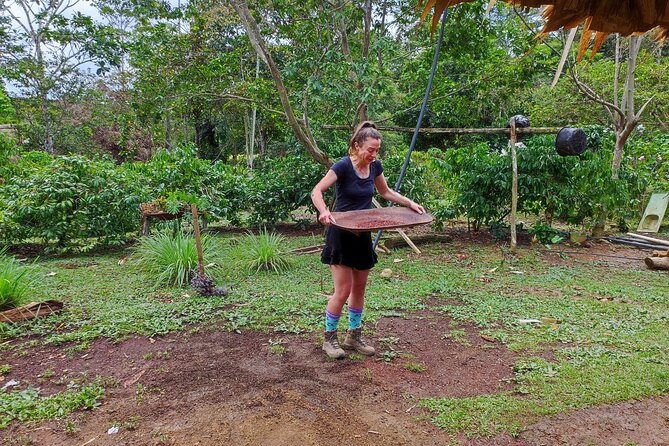
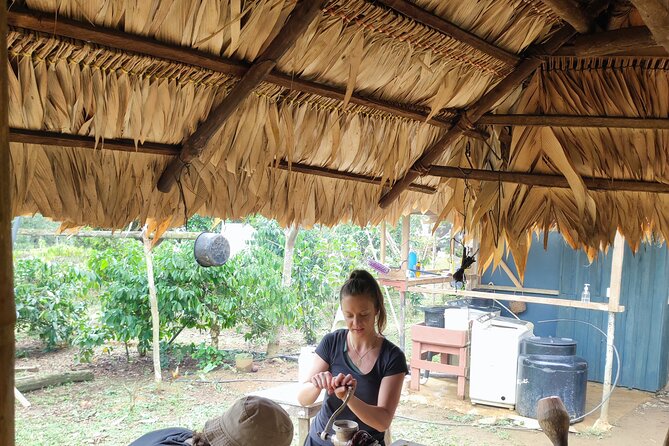
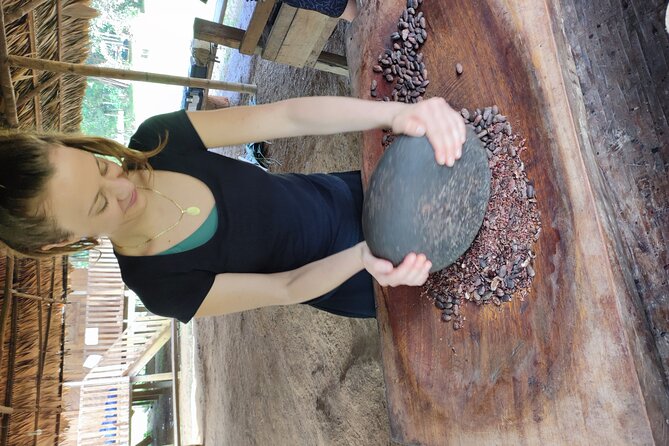
The chocolate lesson is the heart of the activity. You learn the basic process from cacao to chocolate and take part in making your own pieces. This gives the food a sense of place. You are not simply handed a sweet treat without context. You see how much work comes before the finished chocolate reaches a shop.
The process can involve several stages, from handling cacao to preparing it for eating or drinking. The exact sequence may depend on the day and what the community is preparing, but the central idea is clear: you participate rather than watch from a distance.
That hands-on work suits children and adults. It gives younger participants something concrete to do, while adults can ask about the role of cacao in Bribri life and the differences between traditional and commercial chocolate production. You may also have the chance to taste chocolate in a simple form, including hot chocolate, as one detailed account describes.
The work is part of the appeal, so do not expect a slick demonstration with everything prepared in advance. You may handle ingredients, follow instructions, and spend time on basic steps. The experience is more memorable because it shows labor as well as flavor.
A detailed family account also describes a meal shared after the chocolate lesson. Since meals are not clearly listed as a standard inclusion, I would confirm this before booking if lunch matters to your plans. It is safest to think of the chocolate-making lesson as guaranteed, and food beyond that as something to verify.
Same place, a different way to taste it:
- The Chocolatarium Chocolate Tour Experience in Edinburgh
★ 5.0 · 4,322 reviews - Award-Winning Geneva Chocolate &Old Town Tour with Boat Ride (3h)
★ 5.0 · 3,721 reviews - Melbourne: Yarra Valley Wine, Gin, Whisky and Chocolate Tour
★ 5.0 · 3,667 reviews - 4×4 Dominican Adventure with Chocolate and Coffee Tasting
★ 5.0 · 2,920 reviews
A personal visit rather than a staged show
The strongest cultural moments come from meeting people connected to the community and seeing how the visit fits into everyday life. You may spend time near a family home or farm, and members of the family may help explain the cacao work and answer questions.
That setting can feel personal. It also asks you to behave thoughtfully. You are entering a living community, not a museum display. Listen first, ask before photographing people or homes, and remember that the purpose is to learn, not to treat the community as scenery.
The experience can be especially meaningful for families. Children may have room to interact with local children, while adults can talk with the guide or family members. The tone is relaxed rather than formal, and the small maximum of nine people helps keep the visit from feeling like a bus tour.
At the same time, small-scale cultural tourism requires flexibility. The day may not run with the minute-by-minute precision of a city attraction. A conversation may take longer, weather may alter the walking route, and the amount of time spent at each stage can shift. I see that as part of the value, but visitors who need a tightly controlled schedule should plan carefully.
Cooling off at Cataratas Bribri Talamanca
After the cultural portion, the tour heads to Cataratas Bribri Talamanca. You have about 45 minutes to enjoy the waterfall and its natural pool, swim, and cool off under the falling water.
This is a smart ending to a warm, active day. The waterfall gives you time to relax after walking and working with cacao, and it adds the kind of outdoor moment that makes for memorable photographs. The setting is natural rather than heavily developed, so bring a swimsuit and expect a simple swimming stop.
Swimming is optional in practice, even though the stop is built around the pool. You can enjoy the water, take pictures, or simply sit and cool down. Be aware that natural pools can have uneven surfaces, and follow any instructions given by your guide.
Pack your swimsuit in an easy-to-reach place. If you wait until the end of the day to find it at the bottom of your bag, you will miss the simple pleasure of stepping into cool water after the hike.
Is $95 a fair price?
At $95 per person, this is not the cheapest chocolate activity around Costa Rica. But price comparisons can be misleading. You are paying for roughly five to six hours, a guide, access to a Bribri community, cultural interpretation, a hands-on chocolate lesson, a walk through the area, and a waterfall visit. Pickup is offered, which may add useful value if you are staying in the Limón area or another covered location.
I consider the price fair for someone who values local access and a small group. The maximum of nine people is important. A group this size makes it easier to ask questions, hear the guide, and take part in the chocolate work without standing behind a crowd.
The value is weaker if chocolate is your only goal. You can find simpler tastings and cooking activities for less money. You are paying for the cultural setting and the time spent learning about Bribri life, not just for the final product.
The tour is also a good use of a day for visitors who want variety. In a single outing, you get food, culture, a short nature walk, traditional plant knowledge, and swimming. That combination is harder to compare with a basic half-day food tour.
Who will enjoy this most?
I would recommend this experience to curious visitors who want a personal introduction to Bribri culture and do not mind getting involved. It suits couples, families with older children, and small groups who prefer local conversation to a large commercial operation.
It is a particularly good match if you enjoy:
- Learning how food is made from its original ingredients
- Hearing about Indigenous language, beliefs, and daily life
- Walking through tropical surroundings
- Trying a practical activity instead of only watching
- Swimming at a natural waterfall
- Asking questions and taking the day at a relaxed pace
You should think twice if you dislike uneven paths, humid outdoor conditions, or activities that may change pace during the day. The cacao-farm walk can be strenuous on the return, and the experience is not designed as a passive ride from one polished stop to another.
Most people can participate, and service animals are allowed. Still, the combination of walking, outdoor conditions, and natural swimming means you should consider your group’s comfort before booking.
What to bring for a smoother day
Wear good walking shoes. The route to the cacao farm can be harder than expected, especially uphill, and sandals may be a poor choice for the walking portion.
Bring insect repellent, drinking water, and a swimsuit. A towel, sun protection, and a change of clothes are also practical additions for the waterfall, though these are not listed as supplied items.
If you are visiting the family home, a small, respectful gift may be appropriate. One family specifically suggested bringing surprises for the host family. Ask your operator what is suitable rather than guessing, and avoid anything that could create an awkward obligation.
Keep your phone charged. You may want it for photographs at the waterfall and during the chocolate activity, but put it away often enough to stay engaged with the people explaining the work.
The tour is commonly booked about nine days ahead. That is useful to know if your Costa Rica schedule is tight, especially because the group is small and the experience requires a minimum number of participants.
Booking details and weather concerns
Confirmation is normally sent at booking. If you book within eight hours of departure, confirmation may come later and depends on availability.
The activity is non-refundable and cannot be changed for personal reasons after booking. Read that condition carefully before paying. If poor weather forces cancellation, you are offered another date or a full refund. If the minimum number of participants is not reached, you are offered another date or experience, or a full refund.
Because the waterfall and outdoor walk are central to the day, weather matters. A rainy forecast does not always mean the tour will be canceled, but conditions can affect the route and swimming stop. Keep some flexibility in your schedule if possible.
Should you book the Bribri chocolate experience?
Book it if you want a cultural day with chocolate attached, not merely a chocolate tasting. The best parts are the local guides, the chance to ask real questions, the hands-on work, and the connection between cacao, plants, family life, and Bribri ideas about the world.
I would be especially comfortable recommending it to families, food lovers, and visitors staying near Limón who want something more personal than a standard attraction. Ariel and Tamara bring the kind of local connection that helps the experience feel grounded, and the waterfall gives the day a welcome change of pace.
Skip it if you need a flat route, a tightly timed schedule, or a polished culinary class. The walk can be demanding, and the cultural visit asks you to slow down and take things as they come.
For the right reader, $95 is a fair price for a small-group introduction to Bribri culture, cacao, and the surrounding outdoors. Pack sturdy shoes, insect repellent, water, and a swimsuit, then arrive ready to listen, work, and learn.
FAQ
How long does the Bribri chocolate experience last?
The experience lasts approximately five to six hours. About three hours are spent in the Bribri community, and the waterfall visit lasts about 45 minutes, with additional time for transportation and movement between locations.
What is included in the experience?
The activity includes a visit to a Bribri community, cultural interpretation, a chocolate-making lesson, the opportunity to make your own chocolate, and a visit to Cataratas Bribri Talamanca. Pickup is offered, and the waterfall admission is included.
Can I swim at the waterfall?
Yes. At Cataratas Bribri Talamanca, you can swim in the natural pool and enjoy the falling water. Bring a swimsuit if you plan to get in.
How many people can join the tour?
The tour has a maximum of nine participants. This keeps the group relatively small for the cultural explanations and hands-on chocolate work.
Is the tour suitable for most people?
Most people can participate, and service animals are allowed. You should still be ready for outdoor walking, including a short hike to the cacao farm that may feel difficult on the uphill return.
What happens if bad weather cancels the tour?
If poor weather causes cancellation, you are offered a different date or a full refund. If the minimum number of participants is not reached, you are offered another date or experience, or a full refund. The experience is otherwise non-refundable and cannot be changed for personal reasons.
Just added around the world
- Zurich: Chocolate Tasting and Walking Tour with a Local★ 4.2 · 13 reviews
- Lindt Chocolate Museum with Cruise Transfer from Zurich★ 4.6 · 7 reviews
- Zurich Open-top Tour and Chocolate and Cheese Countryside★ 3.5 · 11 reviews
- York: Introduction to Chocolate Making Experience★ 4.9 · 10 reviews
- Zagreb: Lake Bled and Ljubljana Day Tour with Chocolate Gift★ 5.0 · 26 reviews
- Private Wine and Chocolate Tasting Experience★ 4.4 · 3 reviews
- Wine and Chocolate experience★ 4.6 · 3 reviews
- Yarra Valley: Wine and Chocolate tasting tour.★ 5.0 · 5 reviews
Costa Rica Chocolate Tours, compared.
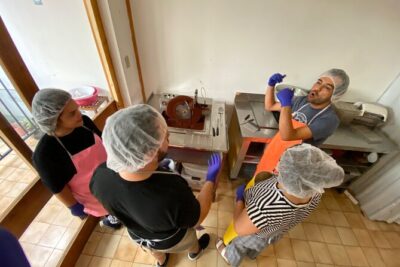
Chocolate Making and Tasting at a Local Factory in San José
Read our review →
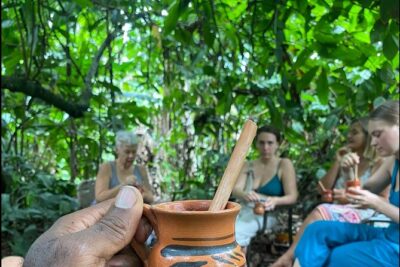
Puerto Viejo hands on chocolate making class. From bean to bar, get chocolatey!
Read our review →
Chocolate Experience in Jaco Beach and Los Suenos
Read our review →

Coffee & Chocolate Tour+Sloths Park & Llanos de Cortez Waterfall
Read our review →
Sloths in the Rain Forest and Safari by the River
Read our review →Browse the lists this tour appears in