REVIEW · BRUSSELS
Brussels: Belgian Chocolate Making Workshop with Tastings
The most interesting part of this Brussels workshop is that you do not begin with a bowl of melted chocolate. You start with the cacao itself: a fresh pod, bitter beans, sweet mucilage, and cacao liquor, which is dark chocolate mass with no alcohol. Then you work with chocolate made from traceable cacao from Haiti and other origins.
I like the bean-to-bar focus, since you learn what happens before the glossy praline reaches a Belgian shop. I also like the generous take-home haul: a personalized bar, mendiants, and truffles are yours to pack away. The main drawback is that the $82 price is not cheap for 90 minutes, and the air-conditioned room can feel cold. Late arrivals are not admitted, so the meeting point takes some care.
Key points to know before booking
- Taste cacao in several forms: Handle a fresh cacao pod, try the beans and mucilage, and sample cacao liquor and finished chocolate.
- Make three kinds of chocolate: You create a personalized bar, decorated mendiants, and truffles during the class.
- Learn from a working chocolatier: Patricia is often the guide, and her funny, firm teaching style has become part of the experience.
- Use traceable Haitian cacao: The chocolate is made from organic cacao supplied by small farmers, with a stated supply chain that avoids deforestation and child labor.
- Meet at one place, work at another: Check in at Place de la Justice 5, then walk about 200 meters to the training centre.
- Take home everything you make: You also receive a box and a 20 percent discount in the company’s Brussels stores.
Starting with the cacao pod, not just the chocolate bar
Many chocolate classes begin with tempered chocolate and a choice of sprinkles. This one takes a more useful route. Your chocolatier explains how cacao grows, what is inside the pod, and how beans become the chocolate used at the worktables.
The fresh cacao pod is a memorable teaching tool. You can hold it, look at the beans in their sticky white coating, and taste that coating, called mucilage. It is a very different flavor from the final chocolate. The beans themselves are notably bitter, which helps explain why cacao needs fermentation, drying, roasting, grinding, and other steps before it becomes the smooth chocolate you know.
You also taste cacao liquor. Despite the name, it contains no alcohol. It is ground cacao mass, usually intensely dark and direct in flavor. This tasting makes the bean-to-bar lesson more than a slideshow. You can compare the raw material with the finished product in the same session.
The workshop uses premium cacao from Haiti, including cacao from Grand Anse, and presents samples from different countries. That matters if you want to understand why chocolate can taste fruity, earthy, bitter, nutty, or mild depending on its origin and treatment.
More Chocolate Making Workshops in Belgium
- Brussels: 2.5-Hour Belgian Chocolate Making Workshop
★ 4.8 · 933 reviews - Brussels Chocolate Walking Tour and Workshop
★ 4.5 · 885 reviews - 1.5h Belgian Chocolate Workshop in Brussels (bean to bar)
★ 4.5 · 462 reviews
What you make during the 90-minute class
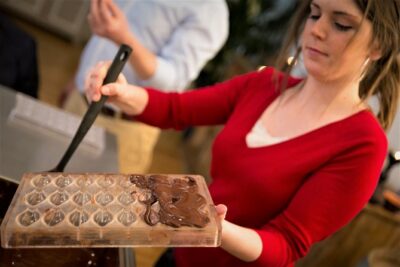
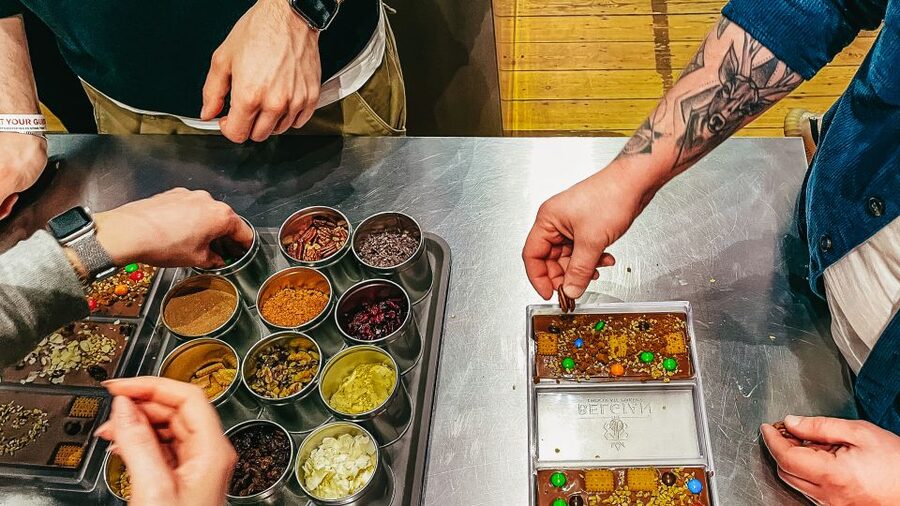
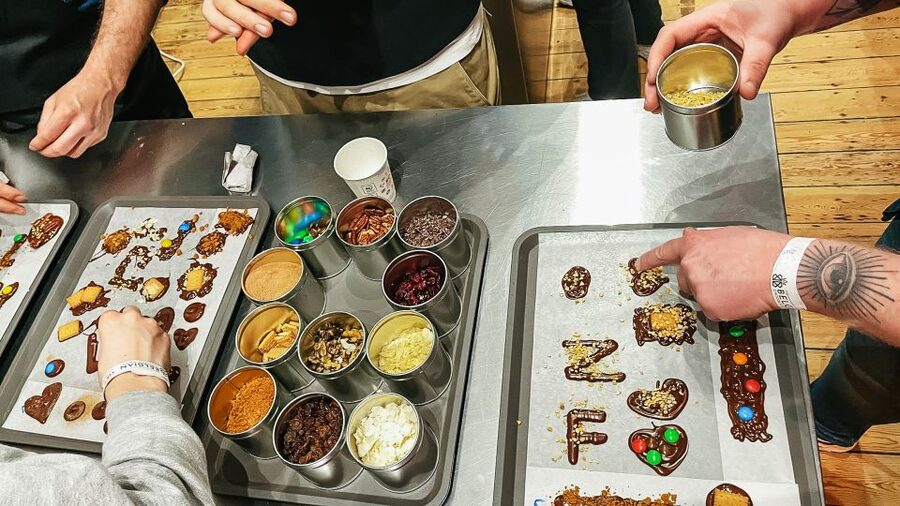
The practical work is divided into three projects. You make a personalized chocolate bar, a set of mendiants, and truffles. A mendiant is a small chocolate disc finished with toppings, so it is simple to make but gives you plenty of room to choose how your chocolates look.
For the bar, you select toppings and decorate the surface. The class works with both milk and dark chocolate. If you are vegan or lactose intolerant, the information provided says you can work only with dark chocolate, but the activity is also listed as unsuitable for people with lactose intolerance, so you should clarify your needs before booking.
You also use dark chocolate to make decorated rounds or mendiants. The toppings contain nuts, an important point for anyone with allergies. The truffles finish the hands-on portion. The precise appearance depends on your decorating skills, and you should expect homemade results rather than shop-window perfection. That is part of the fun, and you get to eat or share the evidence.
The best practical feature is that everything you make is yours. You receive a box for carrying it away, so this is not only a demonstration with a tiny sample at the end. The amount of chocolate helps make the price easier to accept, especially if you value a food activity that also gives you a souvenir.
Patricia and the value of a lively instructor
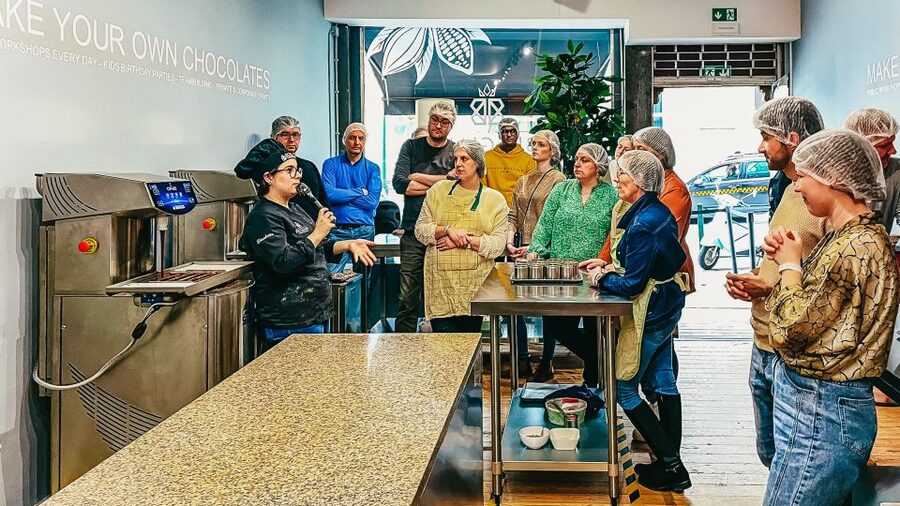
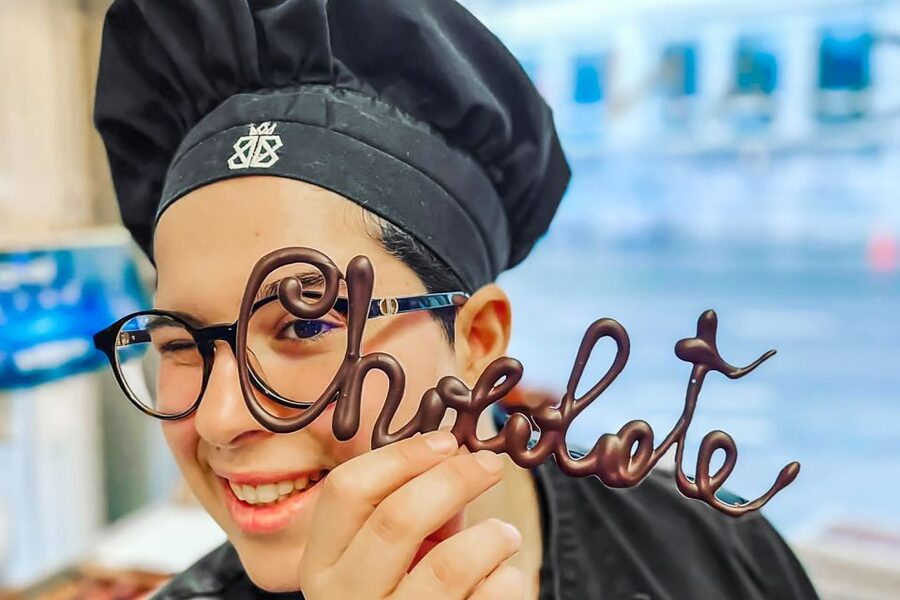
Patricia is frequently named as the main chocolatier, and her teaching style is not quiet or overly formal. She explains the process clearly, keeps the group moving, and uses humor to hold attention. Several details point to a guide who can manage both the technical side and the social side of a group class.
She can also be firm about hygiene, timing, and how the chocolate is handled. That may feel a little like being back in school, but it serves a purpose. Chocolate work depends on clean hands, controlled temperatures, and following instructions in the right order. You are not simply decorating sweets with no explanation.
The strongest part of the class is the balance between instruction and activity. You listen to the bean-to-bar explanation, taste as you go, then make something with your own hands. A host who talks for 90 minutes would make this feel long. A host who gives no context would turn it into a messy craft session. Here, the format aims for both.
The group size can vary. The training centre is a 150-square-meter space that can receive up to 60 participants, but some sessions have been much smaller, including groups of three or four and reports of a maximum of eight. A small group gives you more direct access to the chocolatier. A larger session may feel less personal, and it can be harder to hear. If you have trouble hearing, try to stay close to the instructor.
The meeting point is not the workshop
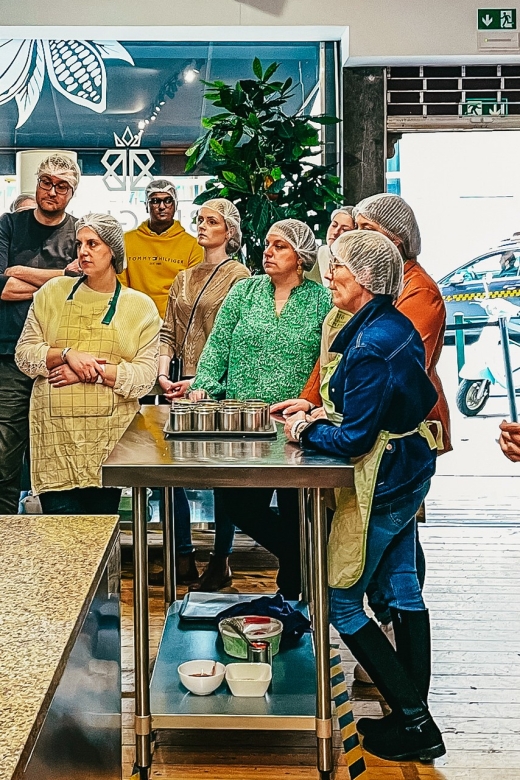
This is the logistical detail most likely to catch you out. You first go to The Belgian Chocolate Makers ticket office at Place de la Justice 5, near Brussels Central Station and Mont des Arts. Staff check your ticket, give you a hairnet and wristband, then lead you on foot to the training centre, about 200 meters away.
Allow at least 15 minutes before the scheduled start. The staff close check-in once the activity begins, and late arrivals are not accepted. This is not a flexible drop-in tasting, so do not plan to arrive at the ticket office at the exact start time.
The short transfer is easy for most people, but it should be explained more clearly at check-in. Keep your group together and follow the staff member rather than assuming the ticket office is the classroom. The training centre has stairs, according to practical feedback, so ask ahead if you need a step-free route. The activity itself is listed as wheelchair accessible and includes an accessible toilet.
You must wear a hairnet, and long hair should be tied back. The room is fully air-conditioned, which keeps the chocolate workable but may feel chilly. Bring a light layer. Large bags, luggage, pets, smoking, and outside food or drinks are not allowed.
More Chocolate Making Workshops in Brussels
- 2.5h Belgian Chocolate Pralines Workshop in Brussels
★ 5.0 · 406 reviews - Brussels: Chocolate Truffle & Belgian Hot Chocolate Workshop
★ 4.7 · 367 reviews - Brussels: Chocolate Workshop and Guided Walking Tour
★ 4.6 · 263 reviews - 1.5h Hands on Chocolate Workshop: Truffles & Tasting
★ 4.5 · 76 reviews
How the bean-to-bar machinery adds value
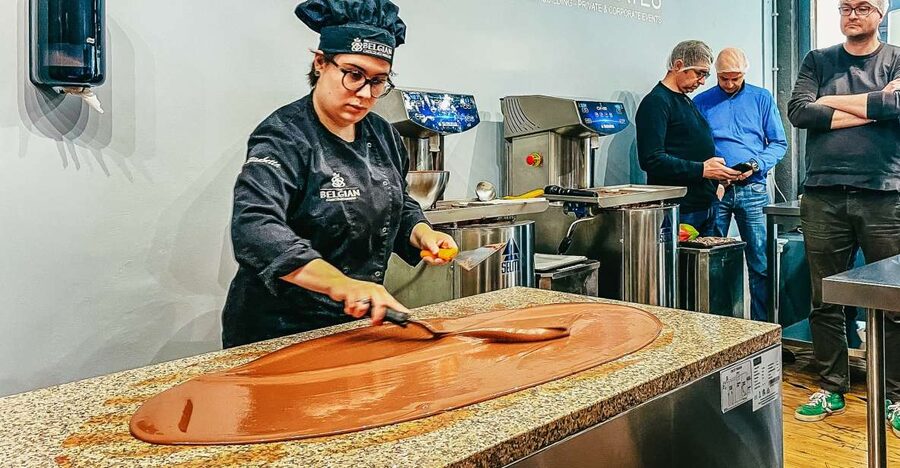
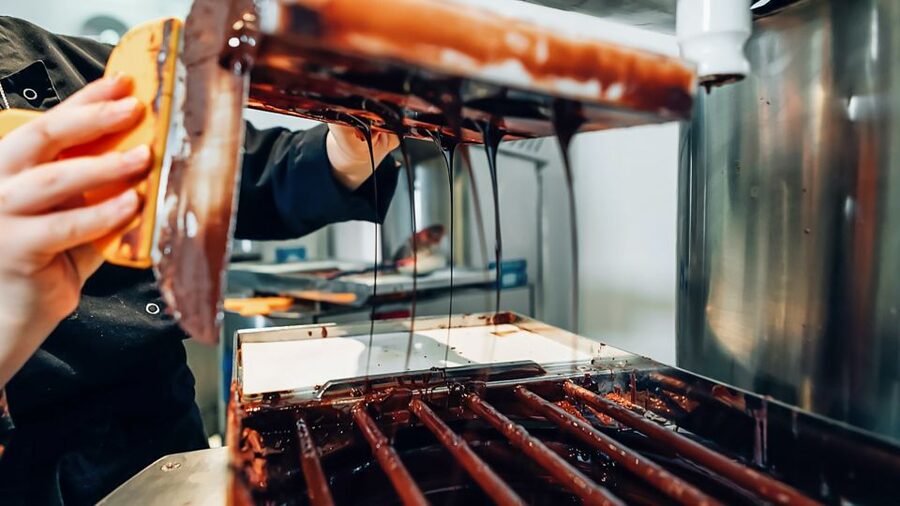
After the making and tasting, you visit the bean-to-bar machinery. The chocolatier explains the steps used to turn cacao beans into chocolate, giving you a look at the production side rather than only the retail side.
This is where the company’s artisan identity becomes relevant. The Belgian Chocolate Makers says its workshop uses no industrial chocolate and that the cacao supply is 100 percent traceable. It also states that the cacao comes from small farmers and is sourced without deforestation or child labor, with farmers receiving a fair level of revenue.
Those claims are important to the experience because the class repeatedly connects the final treat with its origin. You are not just told that Belgian chocolate is good. You are shown the ingredients and the machinery, then given a chance to understand the work behind the product.
The company describes itself as a certified Belgian artisan chocolatier, with chocolate makers certified by the Federal Belgian government. It is also a partner of Les Clefs d’Or, a hospitality program associated with service standards. These credentials may not matter to every person booking a chocolate class, but they help explain why this is presented as a working chocolate maker rather than a simple tourist craft activity.
Is $82 a fair price?
At $82 per person, this is one of the pricier short activities you could add to a Brussels day. The class lasts 90 minutes, so you are paying for a compact experience rather than a half-day food tour.
The value comes from four parts: hands-on instruction, tastings that include unusual cacao products, a substantial box of chocolates to take away, and the chance to see the machinery. You also receive 20 percent off the company’s chocolate collection in its stores, which helps if you planned to buy gifts afterward.
I would find the price easier to justify for a couple, a family, or someone who really wants to understand chocolate production. It is less compelling if you only want a cheap tasting or if you do not eat much chocolate. One practical way to judge it is to ask whether you value the lesson and activity, not just the finished sweets.
The seasonal welcome drink adds a small extra: hot chocolate in winter or chocolate granita in summer. A VIP upgrade may include a Champagne glass, an embroidered apron, and a laboratory visit. The standard option does not include an apron, so do not expect one unless you select that upgrade.
Who will enjoy this class most?
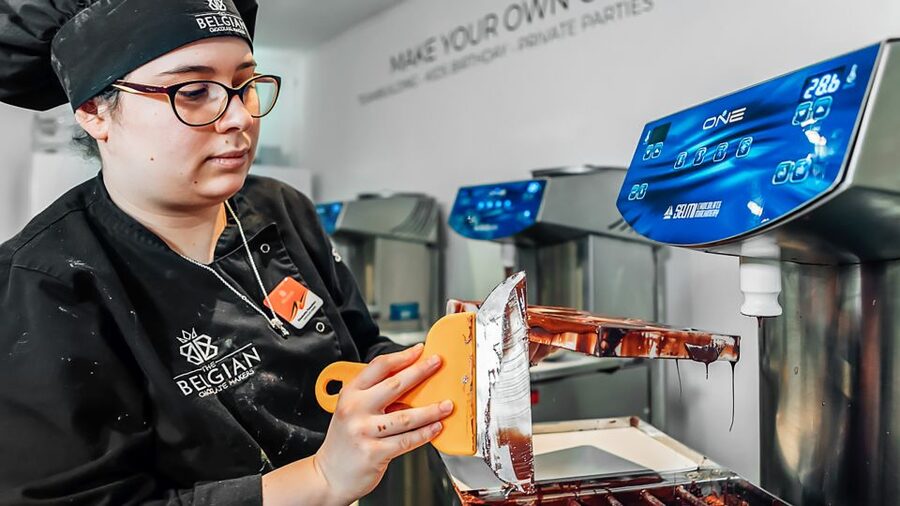
This works well for chocolate fans, families with children over six, couples, and solo visitors who like a structured activity. The class has enough instruction to interest adults and enough decorating to keep older children involved. Children under six cannot join, and minors must not attend without an accompanying adult.
It is also a useful rainy-day or winter activity. The indoor room provides a warm-weather alternative in summer and shelter from cold Brussels weather in winter, though the air-conditioning means you should still bring a sweater.
You do not need to be artistic. The work is guided, and the goal is to make and taste chocolate rather than win a pastry competition. You will probably produce a few uneven pieces. That is fine, since the box is filled with your own work and the taste matters more than perfect edges.
This is not a good choice for people with food allergies, gluten intolerance, or lactose intolerance under the stated restrictions. Nuts are used in the toppings, and the class includes milk chocolate. Contact the provider before reserving if your dietary needs are complicated, then repeat the information at check-in.
Timing your Brussels day around the workshop
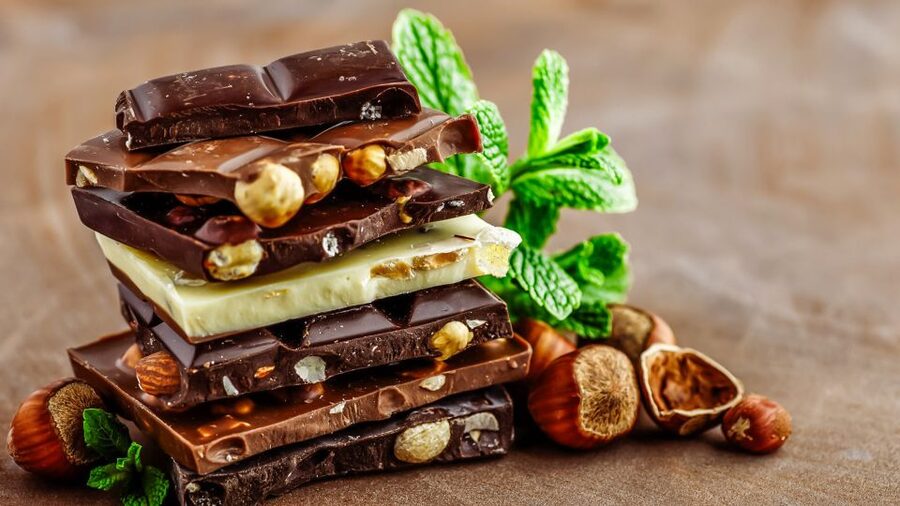
Sessions currently run at 11 AM, 2 PM, and 5 PM. The central meeting point makes it easy to place the class near sightseeing around Mont des Arts and Brussels Central Station.
The 11 AM session can leave your afternoon free. The 2 PM slot is a sensible indoor break between morning sightseeing and dinner. The 5 PM session works well if you want to spend the day in central Brussels first, though you should remember that the class ends with chocolate to carry around.
Chocolate can soften if you take it into warm weather, and your box may be awkward during a long day of walking. If possible, schedule the workshop when you can return to your accommodation afterward or keep the chocolates in a cool place.
Build in the full check-in buffer rather than relying on the 90-minute duration alone. From ticket check to walk, hairnet, wristband, instruction, making, tasting, and packing, this is a planned appointment, not a quick stop between attractions.
My recommendation
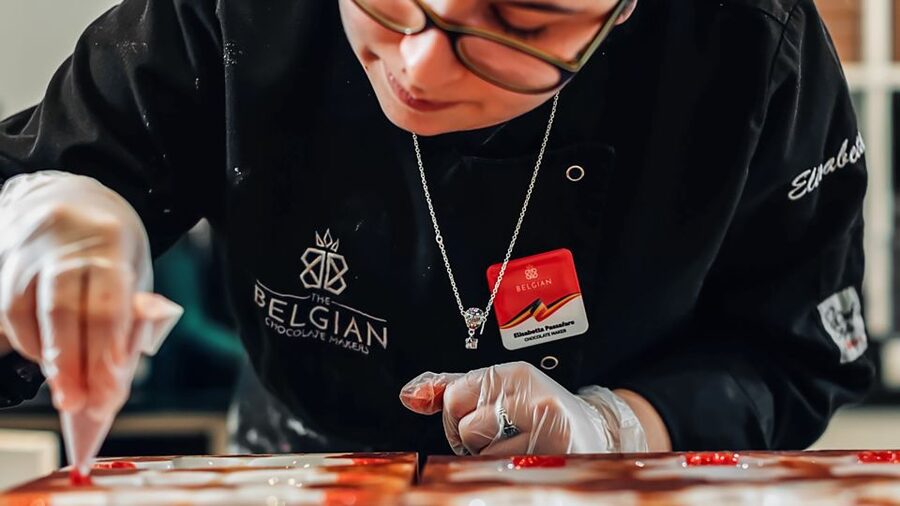
I would book this if you want more than a basic Belgian chocolate tasting. The fresh cacao pod, bitter bean, mucilage, cacao liquor, machinery visit, and hands-on projects give the class a clear purpose. Patricia’s lively style is a strong bonus when she is leading the session.
I would skip it if $82 feels high for a short activity, if you have serious food restrictions, or if you want a quiet, small-group lesson guaranteed from the start. Group size can change, the room can be cold, and the ticket office is separate from the workshop.
For most chocolate lovers, though, the take-home box makes the choice easier. You leave with something you made, a better idea of how cacao becomes chocolate, and a useful discount for buying more. Arrive early, wear a light layer, tie back your hair, and treat the workshop as both a tasting and a practical lesson.
FAQ
Where does the chocolate workshop meet?
You first check in at The Belgian Chocolate Makers ticket office at Place de la Justice 5 in Brussels, near Brussels Central Station and Mont des Arts. Staff then walk you about 200 meters to the training centre.
How early should I arrive?
Arrive at least 15 minutes before the scheduled start. Check-in closes when the activity begins, and late arrivals are not accepted.
How long does the workshop last?
The workshop lasts 90 minutes. Sessions are currently offered at 11 AM, 2 PM, and 5 PM, subject to availability.
What chocolates will I make?
You make a personalized chocolate bar, mendiants, and truffles. Everything you make during the workshop is yours to take home in a box.
Can I taste fresh cacao?
Yes. You can handle a fresh cacao pod, taste fresh cacao beans, and try the sweet mucilage or cacao pod juice. You also taste cacao liquor, which is cacao mass and contains no alcohol.
What type of cacao is used?
The workshop uses organic cacao from small farmers with a stated 100 percent traceable origin. The chocolate includes premium cacao from Haiti, including Grand Anse, and the session includes samples from different countries.
Is an apron included?
An apron is included only with the VIP upgrade. The standard activity does not include an apron. A VIP upgrade may also include Champagne and a laboratory visit.
Is the workshop suitable for people with dietary restrictions?
The stated information says the activity is not suitable for people with food allergies, gluten intolerance, or lactose intolerance. Toppings contain nuts, and the standard workshop uses both dark and milk chocolate. Vegan or lactose-intolerant participants are limited to dark chocolate, so contact the provider before booking.
Is the workshop wheelchair accessible?
The activity is listed as wheelchair accessible, and the training centre has a disabled toilet. However, practical information notes stairs between the ticket office and workshop area, so contact the provider in advance to confirm the best route for your needs.
More Chocolate Tastings in Brussels
- Brussels Chocolate Tasting Tour
★ 5.0 · 568 reviews - Brussels: Beer Tour with 6 Beers and 3 Chocolate Tastings
★ 4.7 · 392 reviews - Brussels: Chocolate Appreciation and Tasting Walking Tour
★ 4.8 · 178 reviews - Brussels: Belgian Chocolate, Beer, and Fries Tasting Tour
★ 4.5 · 54 reviews
More Chocolate Tastings in Belgium
- Choco-Story Brussels: Chocolate Museum Entrance with Tasting
★ 4.3 · 4,883 reviews - Brussels: Historical Tour with Chocolate & Waffle Tasting
★ 4.8 · 1,206 reviews - Brussels: Historical Walking Tour with Chocolate & Waffle Tasting
★ 5.0 · 1,165 reviews - Brussels Walking and Tasting Tour (Beers,Chocolates&Fries/Waffle)
★ 5.0 · 929 reviews
Just added around Brussels
- Brussels: Make Your Own Chocolates Workshop with Tastings★ 4.8 · 38 reviews
- Afternoon Tipsy Tour with Cocktails & Chocolates in Brussels★ 5.0 · 9 reviews
- Brussels Chocolate Tour Private & Personalized with a Local Guide★ 5.0 · 13 reviews
- Beer and Chocolate Tasting Tour in Brussels min 6 pax★ 5.0 · 11 reviews
- Private: Discover Brussels beer & breweries by a young local (incl. chocolate)★ 5.0 · 8 reviews
- Navigate through Brussels and Discover Beer and Chocolate★ 5.0 · 9 reviews
- Brussels: Tour Bruges & Ghent with Cruise + Chocolate visit★ 4.0 · 24 reviews
- Beer & Chocolate Tasting in a Brewery-Distillery★ 5.0 · 4 reviews
Brussels Chocolate Tours, compared.
Choco-Story Brussels: Chocolate Museum Entrance with Tasting
Read our review →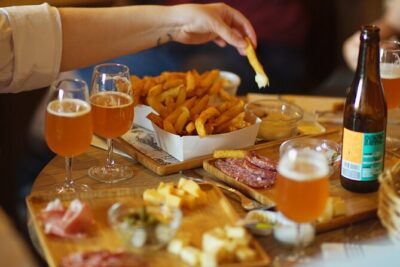
Hungry Mary’s Famous Beer and Chocolate Tour in Brussels
Read our review →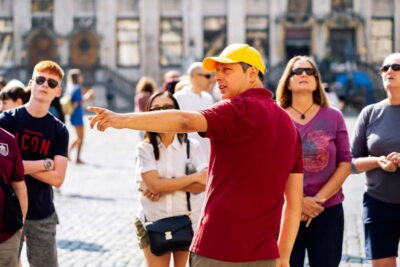
Historical Tour with Chocolate & Waffle Tasting
Read our review →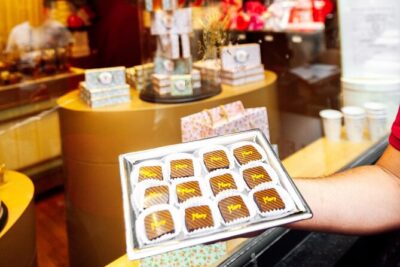
Historical Walking Tour with Chocolate & Waffle Tasting
Read our review →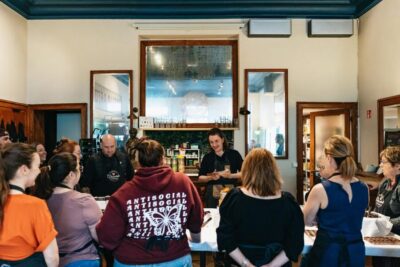

Brussels Walking and Tasting Tour (Beers,Chocolates&Fries/Waffle)
Read our review →