
REVIEW · BRUGES
Bruges: Choco-Story Museum with Audio Guide and Tastings
Chocolate here is more than a sweet at the end of a museum visit. You follow cacao from ancient Maya and Aztec drinks through European sugar and milk chocolate to the pralines sold across Belgium. The audio guide sets your own pace, while the final demonstration gives the story a tasty finish.
I like the large collection of chocolate objects, which brings the subject beyond candy bars, and the child-friendly quizzes and touchscreens. The chocolate samples are another strong point, especially the different tasting buttons and the filled praline made during the demonstration. The main drawback is the layout: numbering can be confusing, and busy periods make some sections hard to navigate.
Key points to know before you go
- Four thousand years of chocolate history: Learn how cacao moved from Central America to Europe and became the chocolate we know today.
- More than 500 chocolate-related objects: Displays cover cacao growing, shipping, processing, packaging, tools, and chocolate culture.
- Self-guided audio tour: Choose from 11 languages, including a special version for children.
- Interactive stops for families: Quizzes, games, and digital displays help keep younger visitors involved.
- A short live demonstration: Watch filled chocolates being made, then taste the finished praline.
- Central Bruges location: The museum is at Wijnzakstraat 2, close to the city center, and takes about 90 minutes at a relaxed pace.
A chocolate museum with a story to tell
Choco-Story Brugge works best when you treat it as a small cultural museum with edible rewards, not simply as a shop with a few display cases. Its subject is familiar, but the route gives you useful context: cacao began as a bitter, often spiced drink, then changed dramatically when European producers added sugar, milk, and new production methods.
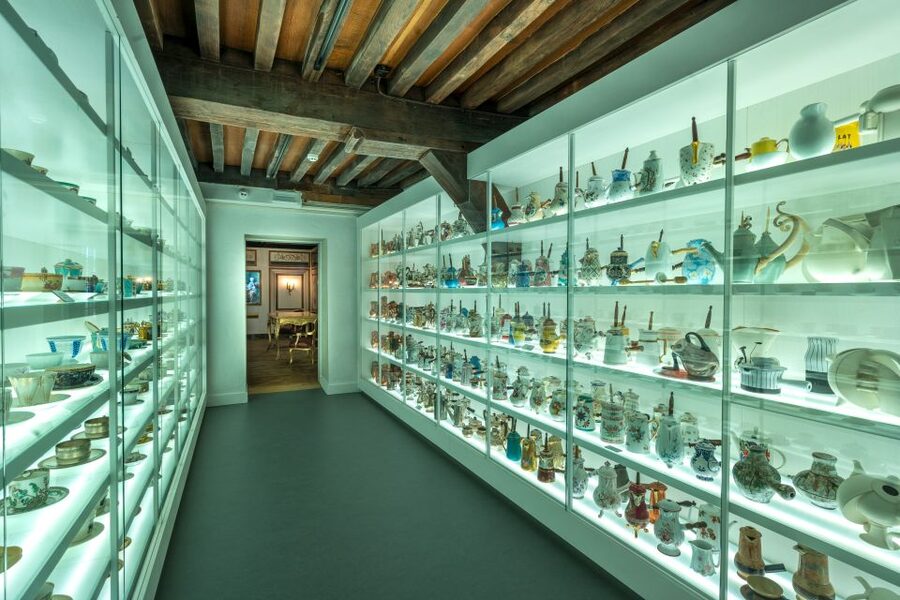
The museum is arranged in three broad parts. You begin with origins and history, continue through the ingredients and production process, and finish with the demonstration and tastings. The collection includes more than 500 objects, with the full description also referring to almost a thousand items across the museum’s wider displays.
I like that the story includes the less sugary parts of chocolate. You learn about the cacao plant, the movement of beans from producing regions to Europe, the work needed to process them, and the importance of fair trade and farmer support. That gives the museum more substance than a simple Belgian chocolate advertisement.
The tone remains light. Interactive sections and chocolate figures keep the experience approachable, and the audio guide lets you skip or linger over material. If you want every explanation, allow the full 90 minutes. If you read quickly or focus on the displays, you may finish in an hour or less.
More Chocolate Tastings in Belgium
- Bruges: Belgian Chocolate Making Workshop with Beer Tasting
★ 4.9 · 203 reviews - Medieval Tour in Bruges with Chocolate Tasting
★ 5.0 · 71 reviews - 2-Hour Medieval Walk and Chocolate Tasting in Bruges
★ 5.0 · 48 reviews
Starting with cacao, not pralines
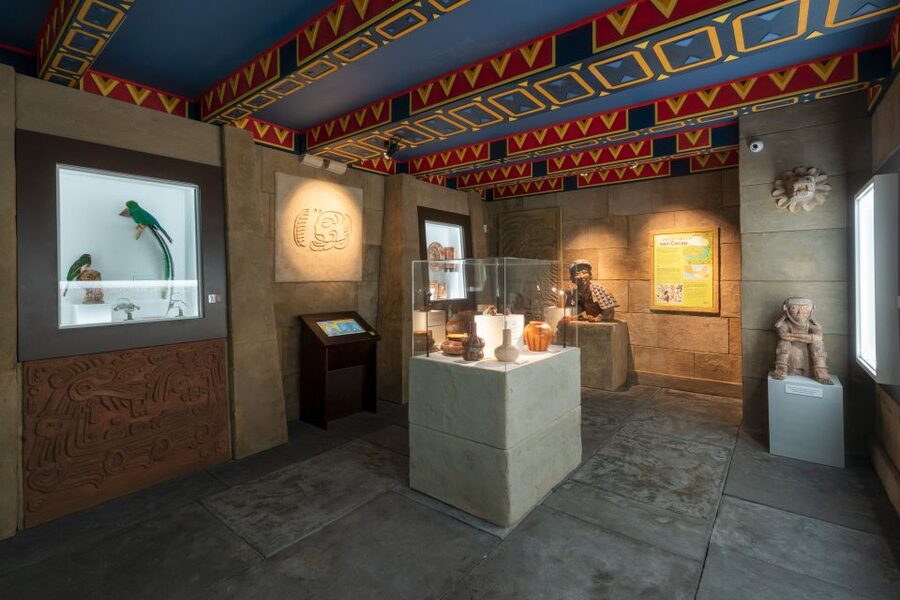
The first section takes you back to the origins of cacao and the early use of chocolate. The museum explains the spicy and watery drinks associated with the Maya and Aztec civilizations, a useful reminder that chocolate did not begin as a sweet European confection.
From there, the story follows cacao as it reached Europe and changed into something more familiar. Sugar played a major part in that shift, and the museum shows how taste, technology, and trade shaped the finished product.
This section suits adults who want historical context, but it is not presented like a formal lecture. You use the audio device at marked points, listen to short explanations, and continue when ready. That format is handy if you are traveling with children or with someone who prefers to browse at a different speed.
The audio guide is available in Dutch, English, French, Spanish, Arabic, German, Italian, Russian, Chinese, and Japanese. A children’s version is included, which can make a real difference for families. Several displays also include games and quizzes, so children are not expected to stand still while adults read every panel.
The one practical nuisance is finding the correct order. Numbered squares trigger the audio, but some numbering can feel random, and parts of the route are not immediately obvious. Look around before pressing play, and do not assume every number will appear in perfect sequence.
From cacao pod to finished chocolate
The middle portion explains how raw cacao becomes chocolate. You see information about the plant, the ingredients, processing, shipping, and packaging. This is where the museum gives you a better sense of the work hidden behind a small chocolate bar.
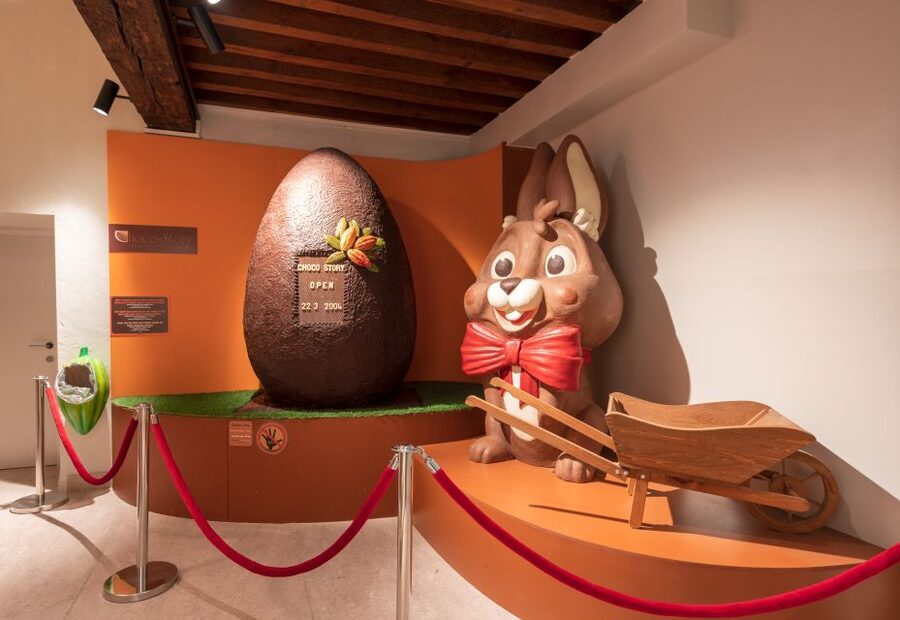
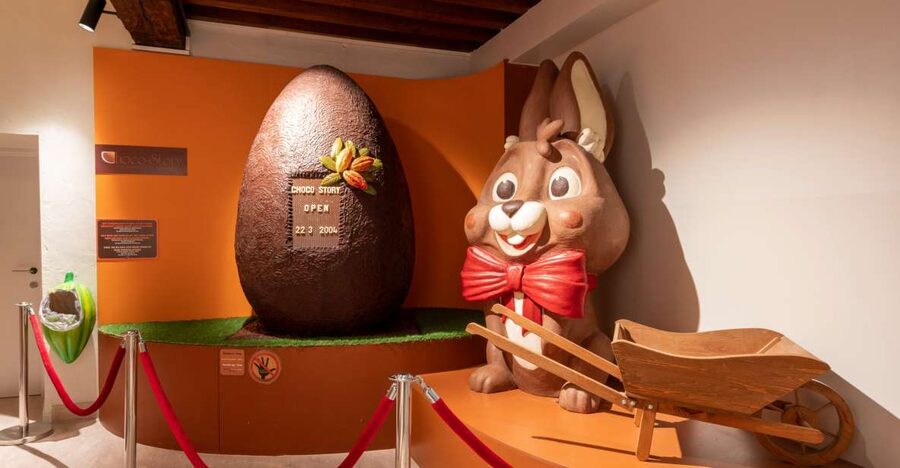
The collection includes old-fashioned tools and chocolate-related objects alongside modern examples. That contrast helps explain how production developed over time. You also encounter chocolate sculptures and decorative work, including striking figures made entirely from chocolate.
I find this section useful because it shows that Belgian chocolate is not just about the final taste. Texture, temperature, ingredients, grinding, and handling all affect the result. The museum does not turn the process into a technical course, but it gives you enough detail to appreciate the skill involved.
The displays also touch on the difficult side of cacao production. Fair trade and support for farmers appear in the story, along with the wider supply chain. This is welcome context in a museum centered on pleasure. You can enjoy the tasting while also understanding that cacao production involves people, transport, labor, and complex trade networks.
If your main interest is ancient history, you may find the production section less exciting. If you want to know how a bean becomes a smooth bar or filled praline, this is one of the more useful parts of the visit.
The audio guide and the museum pace
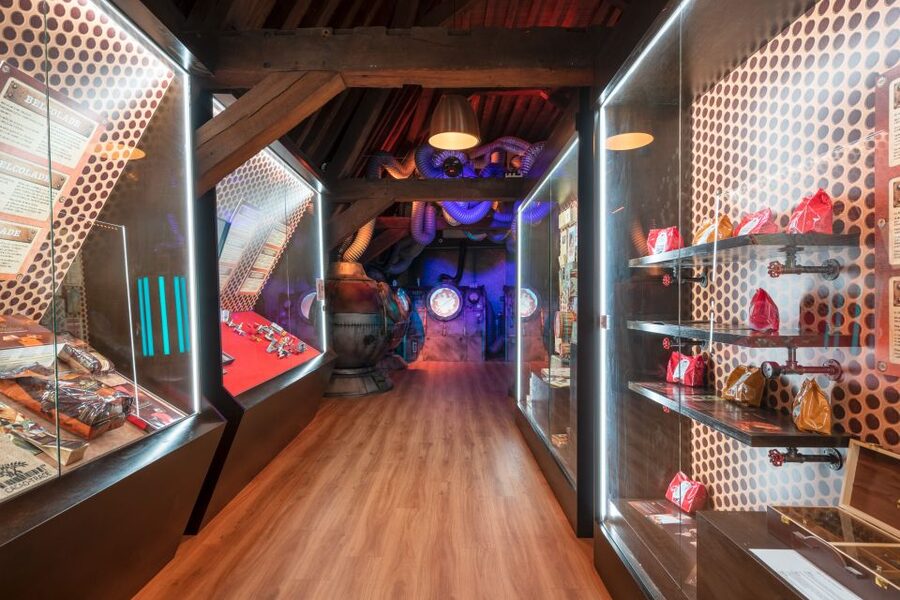
This is a self-guided experience, not a walking tour led by a person. That matters because some visitors arrive expecting a live guide and are surprised to receive an audio device instead.
The audio system is simple: you move to a numbered point, tap or activate the corresponding section, and listen. You can pause, move ahead, or spend extra time at an object. The setup works well for couples and families who do not always want to move together.
I like the flexibility. You can make the visit last around 90 minutes, or move through the displays more quickly if you have a tight Bruges schedule. The activity has a stated duration of 90 minutes, but your actual time depends on how much audio and reading you choose.
The downside is that the museum can feel less smooth at busy times. People may gather around the same listening points, and the route may not always tell you clearly where to go next. A few visitors have found the numbering out of sequence, with one number appearing after a later one. That is not a major problem, but it can interrupt the flow.
The building also includes stairs, and the experience is not suitable for wheelchair users. If you have limited mobility, check carefully before booking. The museum’s compact design can also feel crowded when several groups reach the same section together.
More Chocolate Tastings in Bruges
- Bruges: Belgian Beer Tour with Chocolate Pairing
★ 4.4 · 32 reviews - Bruges Beer Tour with chocolate pairing by a young local
★ 5.0 · 13 reviews - Private Bruges’ Iconic Sites and Chocolate Tasting Tour
★ 5.0 · 8 reviews - Bruges: 3-Hour Beer and Chocolate Tasting Private Tour
★ 4.9 · 8 reviews
Interactive features for children and adults
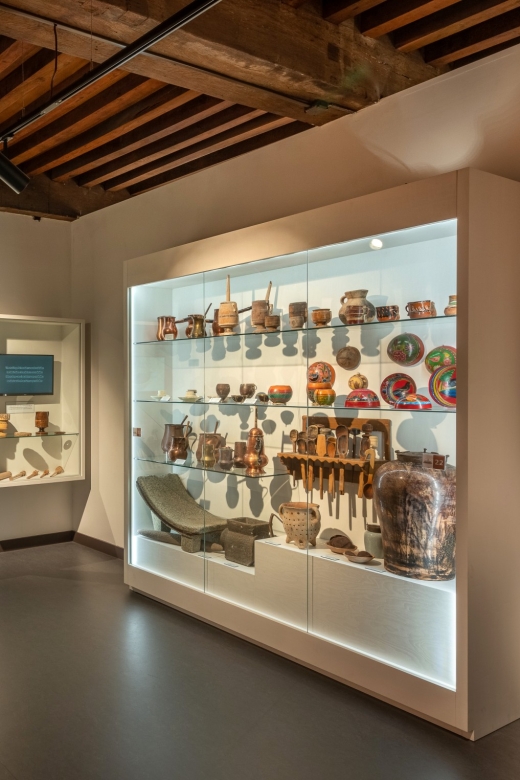
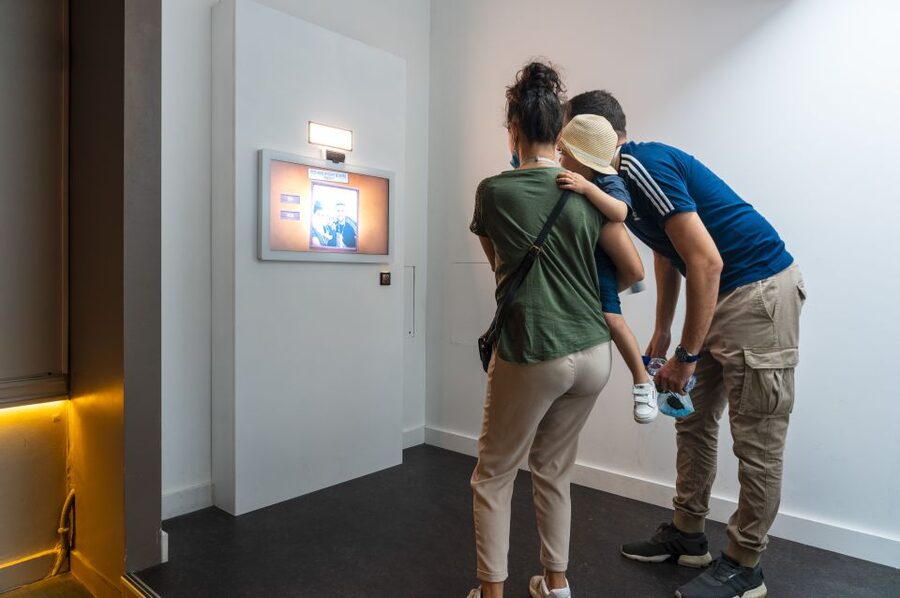
Choco-Story is strongest as a family activity when children like pressing buttons, solving quizzes, and trying small games. The children’s audio version gives younger visitors a reason to listen rather than simply wait for the adults.
The interactive features are scattered through the displays. You may find questions that test what you have just learned, digital material with extra information, and a leaderboard that adds a little competition. Near the end, a quiz can suggest the kind of chocolate that suits your taste, with matching products available in the shop.
That makes the museum more active than a line of glass cases. Still, expectations matter. The museum is educational first, and some younger children may lose interest during the longer historical explanations. A three-year-old, in particular, may find the audio device and information panels less engaging than the tasting.
For children around school age and older, the balance is better. The history gives adults something to follow, while games and samples give children regular points of interest. Teenagers may enjoy the production details and the chocolate sculptures, though the experience is not designed as a fast-paced attraction.
The chocolate-making demonstration
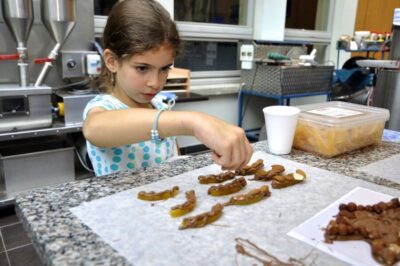
The demonstration comes near the end, after you have seen the history and production displays. It focuses on making a filled chocolate or praline, showing how liquid chocolate becomes a polished shell with a filling inside.
The presentation is relatively short, but it adds something that the audio guide cannot. You see the texture and handling of chocolate in real time, then receive a sample of the finished product. The demonstrator’s skill is part of the appeal, especially when the praline looks simple but requires careful work.
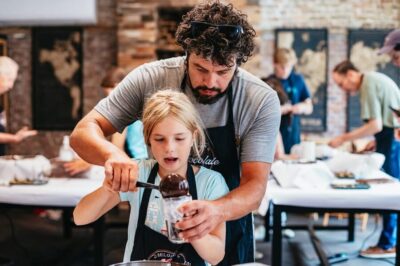
Do not expect a long workshop or a full lesson in professional chocolate production. The demonstration is a compact presentation rather than a hands-on class. Some visitors would prefer to see more stages of the process, instead of concentrating mainly on the filled chocolate at the end.
Timing can also matter. If you arrive late in the day, you may have to wait for the next presentation or miss it if the museum is closing. Check the demonstration schedule when you enter, then plan your route around it. That is especially important if you are visiting near the end of opening hours.
Tasting chocolate in four styles
The tasting is one of the clearest reasons the $18 price feels reasonable. At the end, you can try chocolate samples, including different types of chocolate buttons. The range may include dark, milk, white, and amber chocolate, with amber offering a caramel or butterscotch-like flavor.
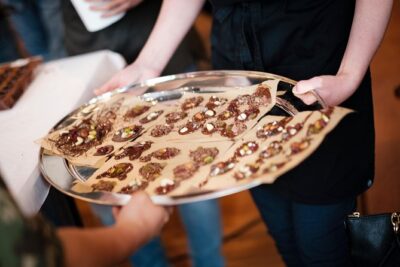
You also receive the filled chocolate connected to the demonstration. That final praline gives the tasting a clear purpose: you have seen how it is made, then sampled the result.
The tasting area can be popular, so it may feel crowded when several groups arrive together. Stock can vary, and one visitor found that a particular flavor had run out. If you have your heart set on a certain sample, it is sensible to ask staff what is currently available.
The tasting is generous enough to be enjoyable, but you should not expect a full meal or a box of chocolates included with admission. The samples are there to compare flavors and finish the visit. If you want more, the gift shop sells a broad selection of chocolates and chocolate-themed items.
The gift shop and the value of the $18 ticket
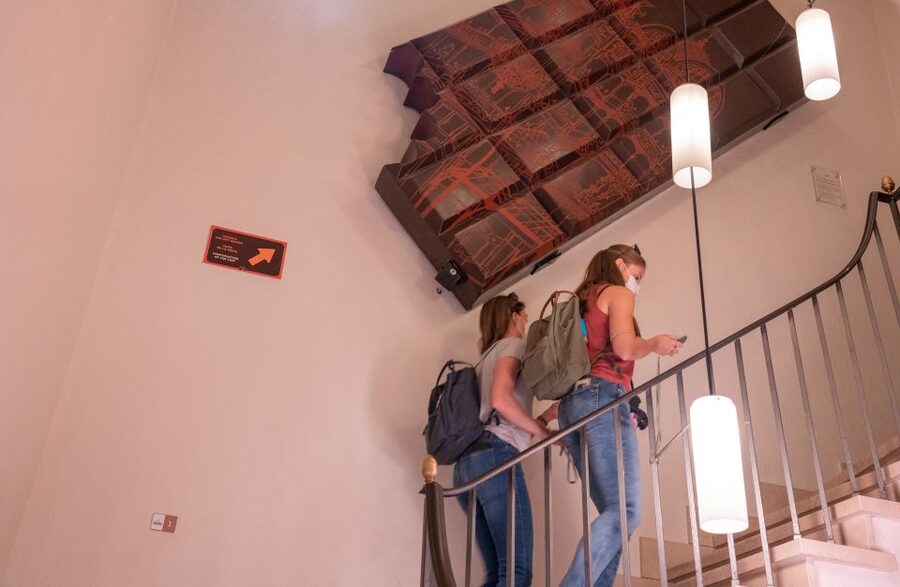
At $18 per person, this is a fair-priced Bruges activity if you use the full route, listen to much of the audio, and stay for the demonstration. You receive museum admission, the audio guide, free tastings, and the chocolate presentation. For a 90-minute indoor activity in the center of town, that is solid value.
The value is lower if you plan to rush through in under an hour or mainly want free samples. The historical displays are the core of the visit, so the ticket makes the most sense for someone curious about cacao, production, or Belgian chocolate culture.
If you plan to visit several Bruges museums, compare the individual ticket with the Bruges Museum Pass. Choco-Story is included in that pass, and the pass may work out better if you will also visit other participating museums.
The shop is a pleasant final stop rather than an obligation. It includes chocolates in different forms, along with chocolate-themed soaps, candles, toys, and gifts. Prices are described as reasonable, but the main value of the admission remains the museum and tasting rather than any purchase afterward.
When to go and how long to allow
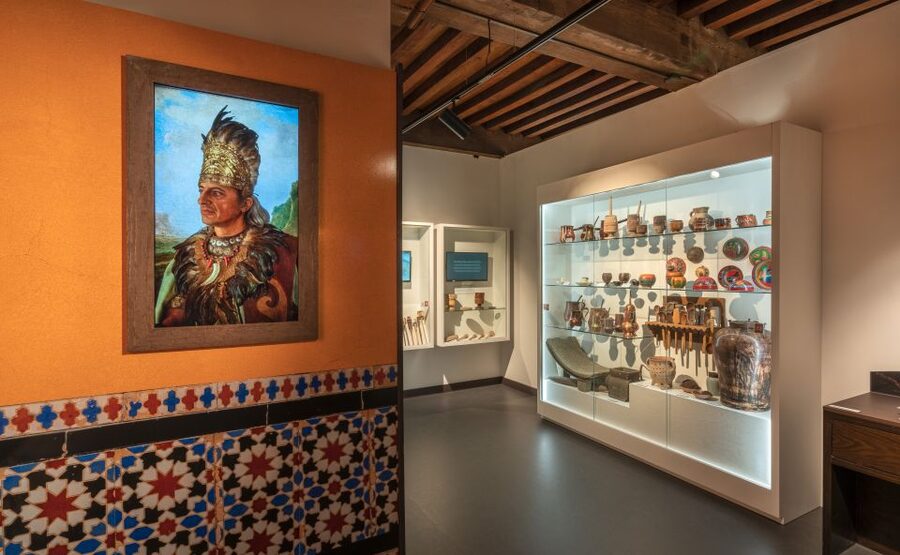
Plan on 90 minutes if you want to hear the audio explanations, try the activities, attend the demonstration, and taste the samples. You can shorten the visit, but doing so means skipping some of the context that makes the museum worthwhile.
Busy periods can make movement slower. Several groups may gather around the listening points or demonstration area, and the narrow route can feel crowded. A quieter time will make it easier to follow the numbers and take your time with the objects.
The location at Wijnzakstraat 2 is close to central Bruges, so the museum fits neatly into a day of sightseeing. It is also a useful indoor choice on a rainy day. The activity has free cancellation up to 24 hours in advance, and the reserve-now, pay-later option can help if your itinerary is still changing.
Pets are not allowed. The museum is not suitable for wheelchair users, and the stairs are worth keeping in mind for anyone who finds them difficult.
Who should book Choco-Story Brugge?
I would choose this museum for families with children who enjoy small games and tasting activities, couples looking for an indoor stop, and anyone who wants more context before buying Belgian chocolate. It is also a good choice if you like self-guided museums and prefer to move at your own speed.
I would be more cautious if you want a live guide, a long technical demonstration, or a polished, perfectly numbered route. The presentation is brief, the audio format may surprise you, and busy periods can make the experience less comfortable.
Should you book it?
Book Choco-Story Brugge if you want a relaxed 90-minute museum visit that combines history, production, interactive features, and chocolate samples. The children’s audio option and tasting stations make it especially useful for families, while the fair price works well for an indoor activity near central Bruges.
Skip it if you only want a chocolate workshop or expect to make chocolates yourself. For that purpose, the demonstration is too short. But if you want to understand how cacao became Belgian chocolate, see an extensive collection, and finish with a praline, this is a sensible addition to your Bruges day.
FAQ
How long does the Choco-Story Brugge experience take?
The stated duration is 90 minutes. You can complete it faster if you skip some audio explanations, while listening to everything and attending the demonstration can take the full amount of time.
Is the tour led by a live guide?
No. The museum visit is self-guided with an audio device. A separate staff demonstration shows how a filled chocolate or praline is made.
Which languages are available for the audio guide?
The audio guide is available in Dutch, English, French, Spanish, Arabic, German, Italian, Russian, Chinese, and Japanese. A children’s version is also included.
Are chocolate tastings included?
Yes. Free tastings are included, along with chocolate made during the demonstration. The samples include different chocolate types, though availability can vary.
Is the museum suitable for wheelchair users?
No. The activity is listed as unsuitable for wheelchair users, and the museum includes stairs.
Can I cancel the booking?
You can cancel up to 24 hours in advance for a full refund. A reserve-now, pay-later option is also available.
More Self-Guided Tours in Bruges
- Chocolate Workshop and Self-Guided Museum Visit at Choco-Story in Brussels
★ 4.5 · 72 reviews - Self Guided walk around London’s Delicious Chocolate Shops
★ 4.5 · 3 reviews
More Chocolate Museums in Bruges
- Choco-Story: The Chocolate Museum in Bruges
★ 4.0 · 544 reviews - Bruges: Chocolate Making Workshop and Chocolate Museum Entry
★ 4.6 · 395 reviews - Chocolate Workshop at Choco-Story Brugge
★ 5.0 · 84 reviews - Lindt Home of Chocolate Museum Entry Ticket
★ 4.7 · 9,329 reviews
Just added around Bruges
- Private Belgian Chocolate Tour in Bruges★ 5.0 · 19 reviews
- Private Bruges’ Iconic Sites and Chocolate Tasting Tour★ 5.0 · 8 reviews
- Unique Belgian Chocolate Making Workshop in Bruges★ 5.0 · 47 reviews
- Bruges Beer Tour with chocolate pairing by a young local★ 5.0 · 13 reviews
- Evening Delights: Bruges Tour with Beer & Chocolate★ 4.0 · 4 reviews
- Secrets of Bruges: Walking Tour With a Chocolate and Waffle Bite★ 5.0 · 27 reviews
- Tasty massage chocolate and spicy stories!★ 4.5 · 17 reviews
- Authentic and Complete Bruges, with Local Guide and Chocolate★ 5.0 · 12 reviews
Bruges Chocolate Tours, compared.
Belgian Praline and Mendiants Chocolate Workshop
Read our review →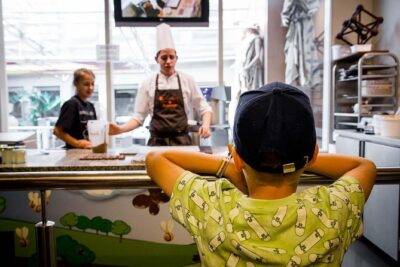
Chocolate Making Workshop and Chocolate Museum Entry
Read our review →
2-Hour Historical Walking Tour in Bruges with Praline Included
Read our review →
Belgian Chocolate Making Workshop with Beer Tasting
Read our review →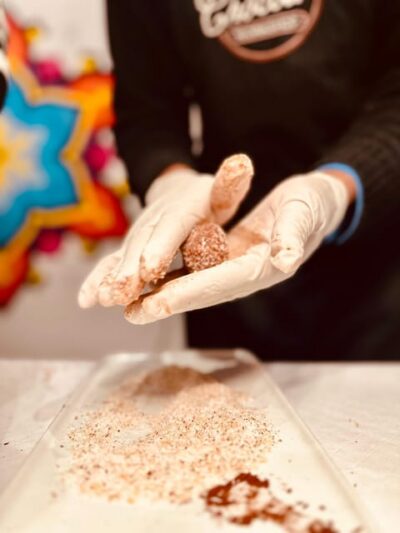
Browse the lists this tour appears in