
REVIEW · ECUADOR
Day Trip Churute Howler Monkey Observation and Chocolate Making
The best part of this day is the unusual pairing: wildlife in Churute followed by cacao turned into chocolate by hand. You may spot howler monkeys among the trees, then roast, grind, and prepare cacao yourself at Hacienda Cacao y Mango.
I like the private format, which gives Simon, Yamil, or another guide room to adjust the pace and answer questions. I also like the meal: this is not just a quick roadside stop, but a farm-based Ecuadorian lunch that can include several courses and house-made coffee.
The main drawback is the outdoor setting. Mosquitoes, heat, and a long drive are part of the deal, and howler monkeys are wild animals, not a guaranteed show. Bring long clothing, repellent, water, and patience.
Key points to know before you go
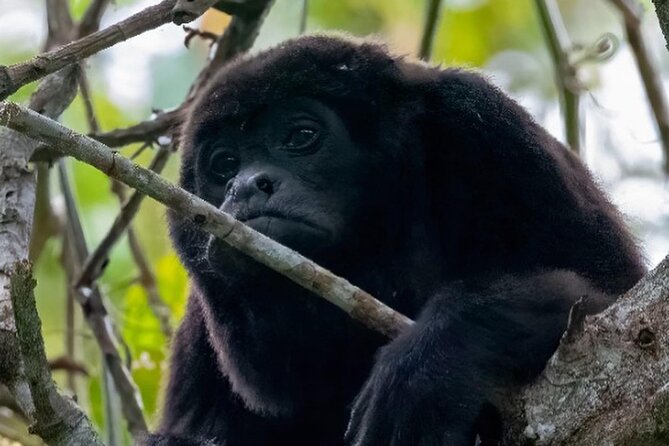
- Howler monkey watching: Churute is home to 54 mammal species, though sightings vary. Some outings find several monkeys, while others see only a few.
- Cacao from pod to bar: You can learn about cultivation, roasting, grinding, hot chocolate, and making a personalized chocolate bar.
- Private transportation: A private, air-conditioned vehicle and hotel pickup make the day easy from Guayaquil.
- A real farm lunch: Expect Ecuadorian food prepared locally, with past meals including three courses and house-made coffee.
- Outdoor conditions: The hike is generally manageable but can be hot, humid, muddy, and full of mosquitoes.
- Seven hours for $276: The price makes the most sense for couples, families, or friends who value a private guide and several experiences in one day.
Churute and cacao in one long day
This tour gives you two very different views of the countryside outside Guayaquil. Churute brings forest, wildlife, and a walk through a protected reserve. The cacao farm brings agriculture, food, family hospitality, and the work behind a chocolate bar.
The combination is useful if you have limited time in Guayaquil. Instead of choosing between a nature outing and a food-focused visit, you get both. The tradeoff is time in the vehicle. The drive to the reserve and farm takes up a meaningful part of a seven-hour day, although a private guide such as Simon or Yamil can make that time more useful with local stories and explanations.
This is not a polished theme-park attraction. The appeal comes from seeing how people work with the land, how cacao is prepared with simple tools, and how wildlife fits into a hot tropical environment. If you need air-conditioned comfort all day, this is not the right choice. If you want a close look at rural Ecuador, it has a lot going for it.
More Chocolate Making Workshops in the world:
- Vienna: Chocolate Workshop in Chocolate Museum w/ Tasting
★ 4.5 · 1,802 reviews - Brussels: Belgian Chocolate Making Workshop with Tastings
★ 4.7 · 1,629 reviews - Brussels: Chocolate Museum Visit with Workshop
★ 4.6 · 1,474 reviews
Walking through Reserva Ecologica Manglares Churute
The first major stop is Reserva Ecologica Manglares Churute, a protected area with 54 mammal species, 221 bird species, eight amphibian species, and 12 kinds of reptiles. The numbers give you an idea of the reserve’s range, but they do not promise a checklist of sightings.
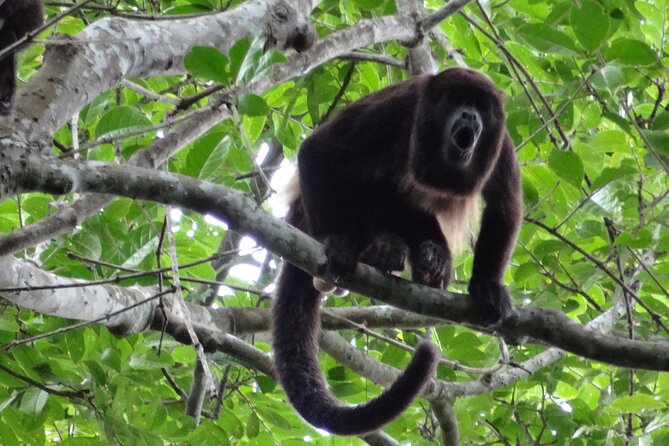
The main target is the howler monkey. You may hear them before you see them, then search the upper branches for movement. Some outings have found several monkeys and allowed time for photographs. Other days have produced only three or fewer. That variation is normal for a wild reserve, so you should treat the monkeys as a possibility rather than a scheduled performance.
The walk itself is part of the attraction. The setting can shift from tropical forest toward mangrove country, with red crabs and other small wildlife adding interest along the way. One account also describes watching for snakes in the trees, so keep your attention on the path and the branches above it.
Heat is a serious factor. The hike is not described as technically difficult, but the tropical conditions can make it tiring. One outing included a three-hour walk in an alternate nature area, and another described using a walking stick once or twice. Your exact route may vary with conditions, weather, and what is accessible that day.
Wear light, long sleeves and long pants if you can tolerate them. A hat helps with the sun, and a mosquito net worn under a hat was specifically useful on one outing. Bring water even though bottled water is included. Mosquito repellent is essential, not optional.
Meeting Simon, Yamil, and the private guide advantage
The strongest part of this experience is the guiding. Simon has been described as a Guayaquil native who also lived in Canada, with excellent English. Yamil is also praised for his friendly manner and English communication. Daniel has led an alternate forest hike and is described as skilled with a camera.
The private format matters here. You can ask about monkeys, coffee, fruit, farming, native plants, and cacao without waiting for a large group to move along. A guide can also spend more time helping you spot wildlife or explaining what you are seeing.
The tour includes a local guide, a driver-guide, and private transportation. Hotel pickup and drop-off are included, although the stated meeting information also lists a Viasam Day Trips address in Guayaquil. I would confirm the exact pickup arrangement before the day begins, especially if you are staying outside the usual hotel area.
The vehicle is air-conditioned, a welcome feature after the forest walk. Still, expect a fair amount of driving. That is the price of reaching Churute and the cacao farm from Guayaquil. If you enjoy conversation, the drive can become part of the experience. If you dislike long road transfers, a shorter city outing may suit you better.
Seeing cacao grow at Hacienda Cacao y Mango
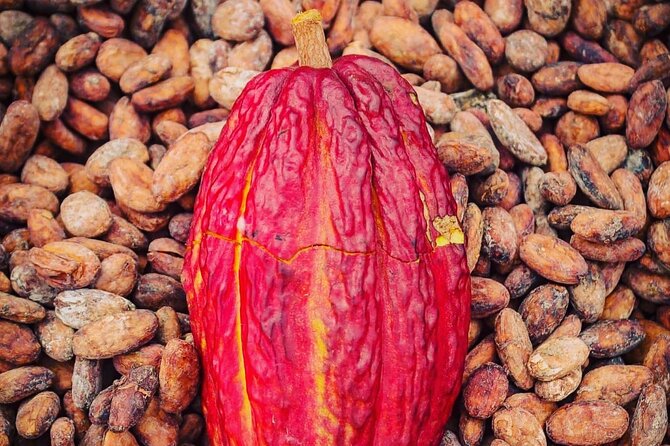
The cacao visit is more than a tasting stop. You begin with the story of cacao and its role in different cultures, then walk among the plants to learn how the crop is grown and harvested.
A particularly good feature is the chance to see how cacao depends on more than cacao trees alone. One farm visit included different fruit trees, with explanations of how they contribute to the growing process and the flavor of the final product. You may taste local fruit as you walk, which helps connect the finished chocolate to the farm itself.
The farm described in one outing used no pesticides or herbicides and showed how natural alternatives are made. That detail gives you a better sense of the work involved. Cacao farming is not simply picking pods and melting chocolate. The beans must be removed, fermented, dried, roasted, and ground before they become something familiar.
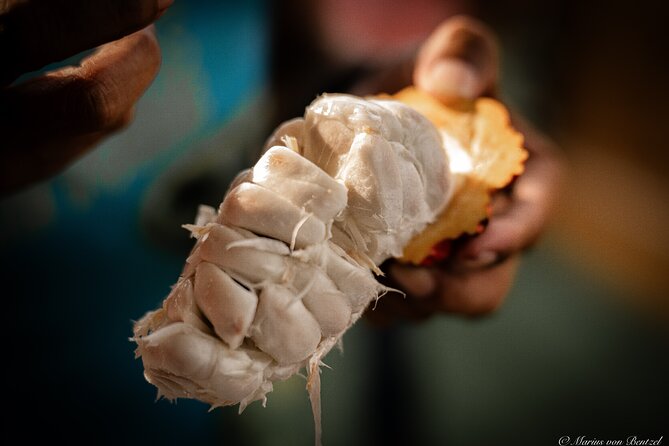
You may even suck the sweet pulp from fresh cacao beans straight from the pod. It is a small but memorable contrast to the bitter, roasted flavor that comes later.
Same place, a different way to taste it:
- Lindt Home of Chocolate Museum Entry Ticket
★ 4.7 · 9,329 reviews - Choco-Story Brussels: Chocolate Museum Entrance with Tasting
★ 4.3 · 4,883 reviews - Zurich: City Tour, Cruise, and Lindt Home of Chocolate Visit
★ 4.5 · 4,624 reviews - The Chocolatarium Chocolate Tour Experience in Edinburgh
★ 5.0 · 4,322 reviews
Making chocolate the old-fashioned way
The hands-on part is the reason chocolate fans will want this tour. You can take part in roasting prepared cacao beans, grinding them, and using the result for hot chocolate. The process is shown in a traditional, open-air manner, with simple tools and methods linked to rural life.
You then taste different chocolates and make your own artisanal bar. A nice personal touch is the chance to shape it around your preferences. Photos and videos may be taken during the process, giving you a record of the activity as well as something edible to take away.
The farm may demonstrate both an old-style approach and a more modern method. That comparison helps you understand how much labor sits behind even a small chocolate bar. The experience is educational without requiring specialist knowledge, and children can take part as long as they are accompanied by an adult.
Chocolate is also useful here as a window into Ecuadorian food culture. You are not just tasting a finished product in a shop. You are handling the raw ingredient and following its transformation from pod to drink and bar.
A three-course lunch with local flavor
Lunch is included, and it is one of the better reasons to choose this outing over a basic wildlife transfer. The meal is prepared locally, with one described as a three-course lunch followed by house-made coffee.
The setting is part of the value. You may eat at a family-owned farm or small local restaurant rather than a standardized tourist dining room. That gives the meal a stronger connection to the people and place you have just been learning about.
The food may include farm products such as fruit, cacao, and fried plantains, depending on the exact arrangement. One alternate outing included cocoa flesh, cocoa juice, cookies, and other local treats. Alcoholic drinks are not included but may be available to purchase.
The meal is not a minor snack between attractions. Plan for it to be a proper pause in the day. If you have dietary restrictions, ask the operator in advance. The provided information confirms lunch but does not specify a fixed menu or special-diet policy.
What $276 per person really buys
At $276 per person, this is not a cheap day trip. The price is easier to justify if you are traveling as a small private group and want several services bundled together: guide, driver-guide, hotel transportation, private vehicle, air conditioning, bottled water, lunch, reserve admission, and cacao-farm admission.
You are also paying for flexibility and local interpretation. A large group tour might cost less, but it may not give you the same chance to stop for questions, adjust the pace, or spend extra time looking for monkeys. For a couple or family that values privacy, that difference can matter.
The value is weaker if your main goal is a guaranteed wildlife sighting. Churute is a real reserve, and wildlife moves on its own schedule. The value is stronger if you see the day as a combination of nature, food, rural life, and chocolate making.
The tour is often booked well ahead, with an average booking lead time of about 43 days. That suggests you should not leave it until the last minute if your Guayaquil dates are fixed.
Weather, mosquitoes, and possible changes
Good weather is required, and poor conditions can lead to a different date or a full refund. Routes may also change if rain floods a road or makes part of the plan inaccessible.
One outing could not reach its intended kayaking area during the rainy season. Instead, the group visited the cacao farm and went to Cerro Blanco for a forest hike. The substitute still included wildlife and nature, but it did not include the original Churute plan. This is a useful reminder to keep some flexibility in your schedule.
Mosquitoes are the clearest practical warning. One family ended the day with many bites despite covering up and using repellent. Other outings were comfortable enough with preparation and help from the guides, who may apply repellent or help you prepare for the conditions.
Bring:
- Long pants and a long-sleeved shirt
- Strong insect repellent
- A hat, with a mosquito net if you are very sensitive
- Closed walking shoes
- Water
- A camera with enough battery for wildlife and the cacao process
The activity is recommended for people in good condition without physical impediments. Children can participate with an adult, and the outing has worked for different age groups, including a 10-year-old and a 67-year-old family member. Still, the heat, walking, and uneven outdoor conditions deserve honest consideration.
Who should book this Guayaquil day trip
I would recommend it to couples, families, friends, and solo visitors who want a private day outside the city. It suits anyone who likes food, farming, wildlife, and conversation with a local guide more than anyone seeking a fast list of postcard sights.
Chocolate lovers get the clearest payoff. You will see cacao growing, taste fresh ingredients, roast and grind beans, drink hot chocolate, and make a bar. Nature fans will appreciate Churute, but should be comfortable with uncertain sightings and insects.
I would hesitate if you have limited mobility, dislike heat, or expect a fully controlled environment. I would also hesitate if your schedule cannot tolerate a weather-related change. Free cancellation is available up to 24 hours before the start time, but late cancellations and late changes are not accepted.
Should you book this experience?
Book it if you want an authentic countryside day near Guayaquil rather than a simple chocolate tasting or a guaranteed animal encounter. The guides, private vehicle, substantial lunch, and hands-on cacao work give the $276 price a reasonable basis for people who value a personal experience.
Go with realistic expectations. You may see howler monkeys, but you may see only a few. You will encounter heat, mosquitoes, and driving time. Prepare properly, confirm pickup details, and keep your schedule flexible in rainy weather. Done that way, this is a thoughtful choice for combining Ecuadorian nature and food in one full day.
FAQ
How long does the Churute and chocolate tour last?
The experience lasts approximately seven hours, including the reserve visit, cacao-farm visit, transportation, and lunch.
Where does the tour begin and end?
The stated meeting point is Viasam Day Trips at Dr. Leopoldo Benitez Vinueza, Mz 1, V97, Guayaquil. The activity ends back at the meeting point, while hotel pickup and drop-off are included.
Is this a private tour?
Yes. Only your group participates in the private activity.
Are hotel pickup and drop-off included?
Yes. Hotel pickup and drop-off are included, along with transportation in a private, air-conditioned vehicle.
Are meals and drinks included?
Lunch and bottled water are included. Alcoholic drinks are not included but may be available to purchase.
Will I definitely see howler monkeys?
No. Churute is home to howler monkeys, but sightings vary. Some outings see several, while others see only a few.
How many wildlife species live in Churute?
The reserve is described as home to 54 mammal species, 221 bird species, eight amphibian species, and 12 reptile species.
Is the tour suitable for children?
Children may participate but must be accompanied by an adult. The activity is recommended for people in good condition without physical impediments.
What happens if bad weather cancels the tour?
If poor weather causes cancellation, you will be offered a different date or a full refund. You can also cancel up to 24 hours before the start time for a full refund.
More 1-Day Tours in the world
- Zurich: Rhine Falls, Chocolate & Cheese Factory Day Trip
★ 4.5 · 212 reviews - Gruyère Cheese and Chocolate Tasting Day Trip from Geneva
★ 5.0 · 99 reviews - Cacao Farm Excursion Day Trip from Guayaquil
★ 5.0 · 31 reviews - From Geneva: Gruyére Chocolate and Cheese Tasting Day Trip
★ 4.8 · 27 reviews
Just added around the world
- Zurich: Chocolate Tasting and Walking Tour with a Local★ 4.2 · 13 reviews
- Lindt Chocolate Museum with Cruise Transfer from Zurich★ 4.6 · 7 reviews
- Zurich Open-top Tour and Chocolate and Cheese Countryside★ 3.5 · 11 reviews
- York: Introduction to Chocolate Making Experience★ 4.9 · 10 reviews
- Zagreb: Lake Bled and Ljubljana Day Tour with Chocolate Gift★ 5.0 · 26 reviews
- Private Wine and Chocolate Tasting Experience★ 4.4 · 3 reviews
- Wine and Chocolate experience★ 4.6 · 3 reviews
- Yarra Valley: Wine and Chocolate tasting tour.★ 5.0 · 5 reviews
Ecuador Chocolate Tours, compared.
Private Full-Day Mindo Cloud Forest,Butterfly Farm, Chocolate Tour bird watching
Read our review →
Cuenca to Guayaquil one-way tour with Cajas Park and a Cacao Farm visit
Read our review →
Guayaquil to Cuenca one-way tour with Cajas Park and a Cacao Farm visit
Read our review →
Half Day Guayaquil Historical Tour and Cocoa Culinary Experience
Read our review →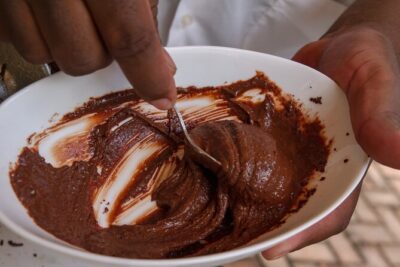
Browse the lists this tour appears in