
REVIEW · ECUADOR
Cacao Farm Excursion Day Trip from Guayaquil
The best part of this outing is that you do not simply look at cacao trees. You follow the beans from fruit on the tree to toasted seed, ground paste, hot chocolate, and often a chocolate bar you can take home. Making chocolate by hand gives the farm visit a purpose beyond sightseeing.
I like the warm, family-run setting and the way the farm uses its own produce for lunch. I also like the personal guiding, with guides such as Jaime, Eddie, and Adrian adding information about Guayaquil and Ecuador during the drive. The main consideration is the price: at $205.72 per person, this is not a cheap half-day trip, though the private transport, food, guide, and hands-on program help explain the cost.
Key points to know before booking
- Chocolate from the whole cacao fruit: See the beans inside fresh pods, toast them, remove the husks, grind them, and turn the paste into chocolate.
- A real working family farm: The 30-acre property grows cacao, rice, mango, papaya, dragon fruit, avocado, breadfruit, vegetables, herbs, and other crops.
- Farm lunch included: Expect a traditional Ecuadorian meal made with organic ingredients grown on the property, with dishes changing by the day.
- Private hotel transfers: Pickup and drop-off at centrally located Guayaquil hotels are included, with a 10am departure.
- Good for families: The activity offers enough hands-on work for children and teens without requiring a full day of difficult walking.
- Bring protection from insects and sun: Bug spray is strongly recommended, and long sleeves, long trousers, and sunscreen are sensible choices.
From Guayaquil to the cacao country near Naranjal
Your day begins with pickup at about 10am from a centrally located hotel in Guayaquil. The drive to the farm takes roughly 40 minutes according to the planned schedule, placing you well outside the city without consuming the entire day in transit.
This transfer is part of the experience. Guides such as Jaime have been praised for explaining Guayaquil, Ecuadorian life, and local history along the way. If you get a guide like Jaime, Eddie, or Adrian, you can expect the drive to feel more like an introduction to the region than a silent ride to the countryside.
The farm is near Naranjal, about 32 miles from Guayaquil, beside the Churute River and near the hills of the Churute ecological reserve. That setting gives you a clear change of pace. You leave traffic and city buildings behind for rice fields, fruit trees, tropical vegetation, and a family property where food production remains central.
The timing does deserve a little care. The advertised duration is about four hours, and the listed stops add up to roughly three hours and 40 minutes before allowing for the return transfer. Actual road conditions can affect the day, and one account of a different or expanded outing described a much longer drive through heavy traffic. For the cacao farm program itself, though, the stated plan is a four-hour excursion with hotel transportation included.
More Cocoa Farm Tours in the world:
- Lahaina: Maui Ku’ia Estate Guided Cacao Farm Tour and Tasting
★ 5.0 · 1,103 reviews - Award Winning Farm Tour: Coffee, Chocolate and Unique Gifts
★ 5.0 · 484 reviews - Finca 18 Puerto Vallarta Tequila Tour + Chocolate Pairing
★ 5.0 · 393 reviews
A working 30-acre farm, not a staged chocolate showroom
At Cacao y Mango Farm, you are introduced to a family-owned 30-acre, or 12-hectare, property. Cacao is the main reason for your visit, but it is not the only crop you will see.
The farm also grows rice, mango, papaya, dragon fruit, avocado, breadfruit, tomatoes, green peppers, lemongrass, and other plants. Some of these ingredients are used for lunch, which gives the meal a direct link to what you have just seen growing around you.
That variety matters. Cacao does not exist in isolation, and the tour gives you a useful view of small-scale agriculture in coastal Ecuador. You learn how farmers sow cacao seeds, care for the trees, and harvest the pods. Along the way, you may also be introduced to plants and fruits that are less familiar if your food experience in Ecuador has mostly been limited to city restaurants.
The property includes a cacao greenhouse and several types of fruit trees. You should expect a farm visit rather than a polished museum. The appeal is the chance to meet the people connected to the land, ask questions, and see the work up close. The family hosts have been described as welcoming and eager to explain both cacao and the farm’s broader story.
Bring shoes and clothing suited to a rural property. The supplied details do not promise a paved route or a formal visitor center, so you should be ready for an outdoor setting. Bug repellent is specifically recommended, and several accounts stress that mosquitoes can be plentiful.
Following cacao from pod to paste
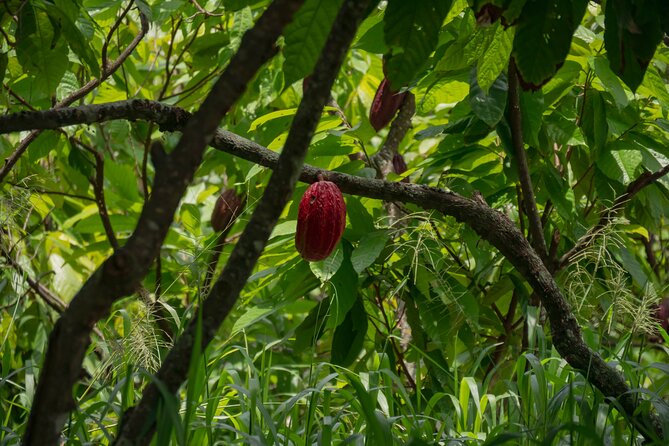
The most useful part of the visit is the step-by-step process. You begin with the cacao fruit itself, seeing the fresh pod and the seeds inside. This makes the finished chocolate bar easier to understand: it starts as a tropical fruit, not as a brown candy block.
The farm team explains the stages from planting and harvesting through processing. You may handle the beans, taste cacao in different forms, and watch the changes that come from heat and grinding.
A typical hands-on sequence includes:
- Opening or examining fresh cacao fruit
- Seeing the seeds before processing
- Toasting the cacao beans
- Removing the husks
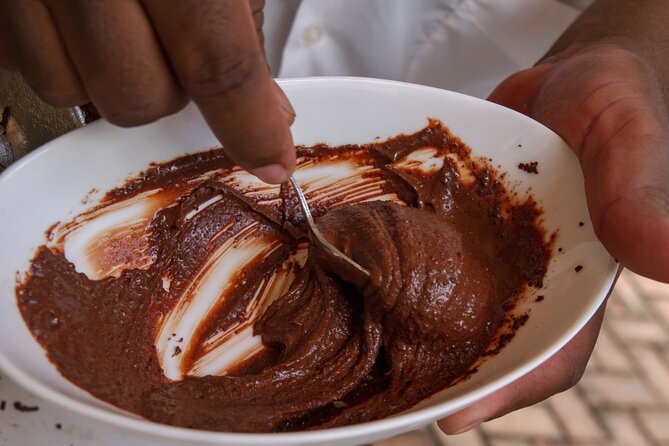
- Grinding the beans into a thick paste
- Mixing and preparing chocolate
- Making hot chocolate
- Creating a chocolate bar to take home, depending on the day’s exact activity
The toasted beans and husk removal are especially useful steps because they show how much work comes before the familiar chocolate flavor appears. Once the beans are ground, you see the basic ingredient of a chocolate bar. Milk, sugar, and flavorings are added later, but the cacao paste is where the process begins.
This is not a factory tour with large machines and production figures. It is a small-scale demonstration that lets you use your hands. That makes it a strong choice for families, couples, and anyone who learns better by doing than by listening to a long lecture.
The farm guides, including names such as Jamil, Jamilh, Simon, Alberto, and other family members mentioned in the experience details, focus on both chocolate and the plants around them. The exact guide can vary, and the operator notes that the guide may be multilingual. If language is important to your group, confirm it when booking.
Lunch is a major reason to make room for this trip
After the farm tour and chocolate work, you sit down for a typical Ecuadorian meal. Lunch is included in the price, and the ingredients are largely organic products grown on the property.
The menu can change, but examples described for the experience include crab empanadas, fried fish with rice, and a frozen chocolate cake. Other meals are described as three-course, traditional Ecuadorian lunches. A cup of chocolate or hot chocolate may also be part of the tasting.
This is more than a convenient meal between activities. It shows how the farm’s crops connect to the table. You may have just seen the herbs, vegetables, fruit, or rice used in the dishes. That farm-to-table link is one of the strongest features of the outing.
I would not book this tour expecting a fixed restaurant menu. The meal depends on what the farm and kitchen prepare that day. If you have dietary restrictions, ask ahead rather than assuming the included lunch can be changed.
Drinks are not included, so plan to pay separately if you want something beyond the included food and tasting. The information supplied does not specify which drinks are available or their cost.
A few more chocolate tours around the world worth a look
- Zurich: Rhine Falls, Chocolate & Cheese Factory Day Trip
★ 4.5 · 212 reviews - Gruyère Cheese and Chocolate Tasting Day Trip from Geneva
★ 5.0 · 99 reviews - Day Trip Churute Howler Monkey Observation and Chocolate Making
★ 5.0 · 55 reviews - From Geneva: Gruyére Chocolate and Cheese Tasting Day Trip
★ 4.8 · 27 reviews
What the private format means for your day
This is a private activity, so only your group participates. That can make a real difference on a hands-on farm visit. You have more room to ask questions, spend extra time on chocolate making, and move at a pace that works for children or older family members.
Hotel pickup and drop-off are included, as are taxes, fees, food tasting, and lunch. The private transfer also removes the need to find a bus connection to Naranjal or arrange a taxi back to Guayaquil.
The price is $205.72 per person. That is a serious amount for approximately four hours, especially if you are traveling alone. The value improves for a family or small group that wants a private guide, round-trip transport, a full farm visit, a meal, and several tastings in one booking.
I would compare it with the cost of arranging transportation, a rural guide, lunch, and a cacao workshop separately. Once those pieces are added, the price becomes easier to understand. Still, this is best viewed as a special Guayaquil excursion, not a budget activity.
The strongest value comes from the combination of transport and access. You are not just paying to enter a farm. You are paying for the local guide, the practical instruction, the food, and the convenience of returning to your hotel.
Why families tend to fit this activity well
Children must be accompanied by an adult, and the child rate applies only when sharing with two paying adults. Most people can participate, and the program is suitable for children, teenagers, couples, and solo visitors.
The hands-on work gives younger participants something concrete to do. Toasting beans, removing husks, grinding cacao, and making chocolate are easier to remember than a talk about farming alone. The tropical fruit and animals seen around the property can add another layer of interest.
Older children and teens may get the most from the process because they can connect the farm work to the chocolate they already know. Adults, meanwhile, tend to appreciate the farming details, the family story, and the traditional meal.
This is not the right choice if you want a fast chocolate tasting in the city. It is also not ideal if you dislike outdoor heat, insects, rural roads, or a flexible farm schedule. The activity is comfortable enough for most participants, but it is still an agricultural visit.
Practical tips for a more comfortable visit
Use insect repellent before leaving Guayaquil and bring extra if you have it. Long trousers and sleeves are sensible, especially because mosquitoes can be common around tropical farmland.
Wear sunscreen and consider a hat. The tour takes place outdoors, and one account of a broader countryside outing noted intense heat. The supplied information does not list a required dress code, but light, practical clothing will serve you better than city sightseeing clothes.
Bring some money for drinks and optional purchases. Chocolate and coffee may be available to buy at the farm, though the details do not specify prices or stock. These purchases are not required, but they can be a useful way to take home a product connected to the visit.
The tour begins at 10am, so confirm your hotel pickup details after booking. Confirmation is provided at booking, and the operator may assign a multilingual guide. Since the tour is private, tell the operator about children, mobility concerns, food restrictions, and language needs before the day of departure.
Cancellation is free up to 24 hours before the start time for a full refund. Changes or cancellations made less than 24 hours before departure are not accepted for a refund, and the cut-off uses local time. That rule is worth noting if you are coordinating the tour with flights.
Should you book the cacao farm excursion?
Book it if you want a personal, food-focused look at Ecuadorian agriculture and you like the idea of making chocolate rather than simply buying it. The strongest reasons are the family farm, the clear bean-to-paste process, the included lunch, and the private hotel transfers.
I would especially recommend it for families and small groups staying in Guayaquil who want one countryside outing without giving up an entire day. It also suits couples and solo visitors who value a guide-led experience and do not mind paying for private transportation.
Think twice if $205.72 feels high for four hours, if you want a city-based activity, or if heat and mosquitoes will spoil the day for you. Also keep expectations focused on the cacao farm. The separate account of a longer trip involving mangroves and a boat was a different, expanded outing with rough transport and basic facilities, not a reason to expect those elements on this farm program.
For the right visitor, this is a practical way to see where Ecuadorian cacao begins, meet the people who work with it, eat food tied to the farm, and leave with a better sense of what goes into a piece of chocolate.
FAQ
What time does the cacao farm tour begin?
Pickup begins at approximately 10:00am from a centrally located Guayaquil hotel.
How long does the excursion last?
The tour lasts about four hours, including the visit to the farm, lunch, and return transfer to your Guayaquil hotel.
Is hotel pickup and drop-off included?
Yes. Pickup and drop-off at Guayaquil hotels are included in the tour price.
What can I do during the cacao activity?
You can learn how cacao is grown and harvested, see fresh cacao fruit, toast the beans, remove the husks, grind them into paste, and prepare chocolate. The activity may also include making a chocolate bar and hot chocolate.
Is lunch included?
Yes. Lunch is included and is made with organic ingredients grown on the farm when available. The menu may change.
Are drinks included?
No. Drinks are not included in the tour price.
Is the tour suitable for children?
Yes. The activity is family friendly, and most people can participate. Children must be accompanied by an adult, and the child rate applies only when sharing with two paying adults.
What should I bring?
Bring insect repellent and sunscreen. Long trousers and sleeves are also sensible because mosquitoes may be present on the farm.
Just added around the world
- Zurich: Chocolate Tasting and Walking Tour with a Local★ 4.2 · 13 reviews
- Lindt Chocolate Museum with Cruise Transfer from Zurich★ 4.6 · 7 reviews
- Zurich Open-top Tour and Chocolate and Cheese Countryside★ 3.5 · 11 reviews
- Zagreb: Lake Bled and Ljubljana Day Tour with Chocolate Gift★ 5.0 · 26 reviews
- York: Introduction to Chocolate Making Experience★ 4.9 · 10 reviews
- Private Wine and Chocolate Tasting Experience★ 4.4 · 3 reviews
- Wine and Chocolate experience★ 4.6 · 3 reviews
- Yarra Valley: Wine and Chocolate tasting tour.★ 5.0 · 5 reviews
Ecuador Chocolate Tours, compared.
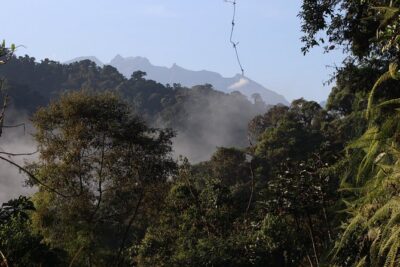
Private Full-Day Mindo Cloud Forest,Butterfly Farm, Chocolate Tour bird watching
Read our review →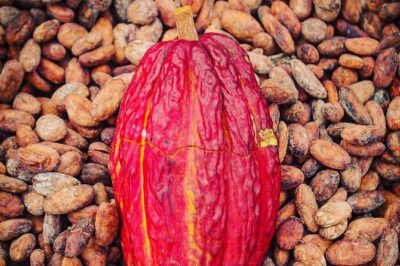
Day Trip Churute Howler Monkey Observation and Chocolate Making
Read our review →
Cuenca to Guayaquil one-way tour with Cajas Park and a Cacao Farm visit
Read our review →
Guayaquil to Cuenca one-way tour with Cajas Park and a Cacao Farm visit
Read our review →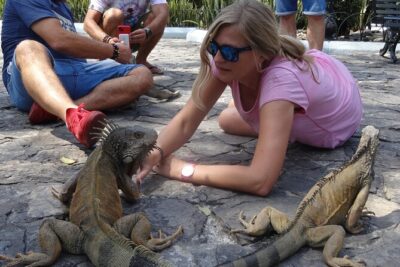
Half Day Guayaquil Historical Tour and Cocoa Culinary Experience
Read our review →Browse the lists this tour appears in