
REVIEW · ECUADOR
Cocoa farm and Chocolate making!
Cacao does not arrive in a shiny wrapper. On this half-day trip from Guayaquil, you walk among the trees, open a cacao pod, handle the beans, and turn them into chocolate yourself. The farm is family-run, with guides such as Mario, Alison, Tony, and Antonio helping connect the crop to Ecuadorian food and daily life.
I like the hands-on chocolate making and the chance to spend time in a rural setting rather than another city attraction. I also like the private transportation, which makes the outing easy after several days in Guayaquil. The main consideration is time: the farm visit is listed as about three hours, but the full outing takes four to five hours, and the $155 price is high for a half-day activity.
Key points at a glance
- Harvest a cacao pod and make chocolate from the beans, rather than simply watching a demonstration.
- Visit a family-run farm where cacao grows alongside fruit trees and other useful crops.
- Ride in private round-trip transportation from Guayaquil, a welcome break from city traffic.
- Meet farm guides and makers such as Rody and Niffa, with guide assignments varying by date.
- Expect a home-cooked three-course meal as part of the farm visit experience described by past participants.
- Book at least 24 hours ahead if plans may change, since cancellations inside that window are not refundable.
From Guayaquil streets to a working cacao farm
The day begins at 10:00 a.m. in Guayaquil. You travel by private vehicle to a cacao farm outside the city, with the drive forming part of the introduction to Ecuador. Guides such as Mario have used the ride to explain farming, local customs, and the country’s connection to cacao.
That private ride matters. You do not need to find a bus, negotiate a taxi, or worry about getting back after lunch. It also gives you a chance to ask questions before arriving, though the exact pickup arrangements are not detailed, so confirm the meeting point when you book.
The farm setting is the opposite of city life. Past participants describe a family property with cacao groves, flowering trees, a small river, and other crops growing nearby. This is not a polished factory tour. You are visiting a working rural home and meeting the people who care for the land.
The group size can reach 15 people, but the experience is arranged as a private tour. If you are traveling as a couple or family, ask how the private setup applies to your booking. Some bookings have been very small, allowing the guide to adjust the pace and answer questions in detail.
More Cocoa Farm Tours in the world:
- Lahaina: Maui Ku’ia Estate Guided Cacao Farm Tour and Tasting
★ 5.0 · 1,103 reviews - Award Winning Farm Tour: Coffee, Chocolate and Unique Gifts
★ 5.0 · 484 reviews - Finca 18 Puerto Vallarta Tequila Tour + Chocolate Pairing
★ 5.0 · 393 reviews
Walking among cacao trees
The first real activity is a walk through the cacao farm. You learn to recognize the trees, see how pods grow, and understand that cacao is a crop with a long process behind every finished bar.
The farm also helps explain why chocolate flavors are not all the same. The plants growing around a cacao tree and the way pollination occurs can affect the flavor of the beans. Guides have also discussed different cacao species and the way Ecuador has built a reputation for producing excellent cacao.
You may encounter more than cacao on the walk. Past outings have included guava, citrus, bananas, and other fruit, with opportunities to see or taste crops growing on the property. One particularly appealing detail is that the farm visit is not restricted to a single plant. You get a broader view of how a family farm works and how different fruits can influence food and flavor.
The pace is one of the strengths here. This is not a quick photo stop followed by a rushed demonstration. The schedule allows time to walk, ask questions, and take in the setting. Wear shoes that can handle a farm path, and bring protection from sun and rain. The supplied information does not specify the path conditions, so sensible outdoor clothing is the safe choice.
Harvesting a pod and starting from scratch
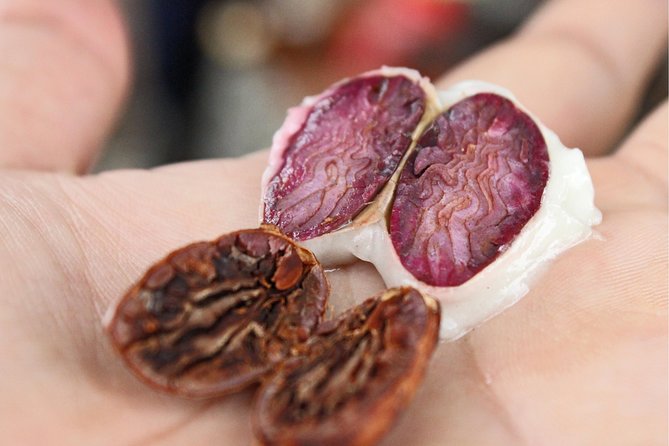
At some point during the farm walk, you harvest a cacao pod. That simple act changes the way you see chocolate. The finished product is familiar, but the pod is not. It is a substantial fruit, and the beans inside need several stages of work before they become something you would eat from a chocolate bar.
The guides involve you in the process instead of keeping you on the sidelines. You can expect to help open the pod and work through the early stages of turning cacao into chocolate. The exact tools and sequence may vary, but the central idea is clear: you follow the crop from tree to treat.
The activity has been especially well suited to families. Children can take part when accompanied by an adult, and the child rate applies only when sharing with two paying adults. Because the process is physical and practical, it gives younger visitors more to do than simply listen to a lecture.
Adults get something valuable out of it, too. Making a small amount of chocolate by hand shows how much labor and care sits behind a product most of us buy without thinking. You leave with a better sense of why fine chocolate costs more than a mass-produced snack.
Making your own chocolate bar
The main event is the chocolate-making session. You handle the cacao through the stages that lead to a finished bar, with the farm team guiding you along the way. The end result is your own chocolate, and several outings have also included hot chocolate made from the beans.
This is where the tour earns its name. Plenty of farm visits stop at explanation. Here, you take part. You can expect a little mess, some waiting, and the need to follow instructions, but that is part of the appeal. The final taste has meaning because you helped produce it.
The farm family is central to this portion of the day. Rody has guided visitors through the process and is described as passionate about his farm and chocolate work. Niffa has also led demonstrations, and Jamil has helped explain how the beans become hot chocolate. Guide names can vary, but the small, personal nature of the presentation is consistent.
Mario is another name associated with the experience. He has guided farm visits and brings a family connection to cacao farming, along with a broad understanding of Ecuador. Alison, Tony, and Antonio have also led outings. If you have a strong preference, request a particular guide, but do not assume that person will be available.
More Chocolate Making Workshops in the world:
- Vienna: Chocolate Workshop in Chocolate Museum w/ Tasting
★ 4.5 · 1,802 reviews - Brussels: Belgian Chocolate Making Workshop with Tastings
★ 4.7 · 1,629 reviews - Brussels: Chocolate Museum Visit with Workshop
★ 4.6 · 1,474 reviews - Brussels: 2.5-Hour Belgian Chocolate Making Workshop
★ 4.8 · 933 reviews
A farm lunch under the trees
The farm visit has often ended with a three-course, home-cooked meal served on the property. Meals have been enjoyed outdoors near the cacao trees and a small river, or at the family home. The food is prepared by members of the farm family, including Rody’s wife on some visits.
This meal adds real value because it extends the visit beyond a workshop. You are not simply shown a farm and sent back to town. You sit down with the people who live and work there, eat food prepared in their kitchen, and experience the hospitality of a family-run place.
The meal has received unusually strong praise, but keep your expectations practical. The available information does not provide a fixed menu, dietary details, or a formal list of inclusions. If you have allergies or dietary restrictions, ask before booking. The three-course lunch is a major part of the experience as described, but you should confirm exactly what your reservation covers.
The setting is part of the meal’s appeal. A shaded outdoor table, flowering plants, farm sounds, and a nearby river offer a pleasant change from Guayaquil’s traffic and concrete. The scenery is not presented as a grand national park. Its charm is simpler: you are eating in a family’s rural home while the farm continues around you.
What the private format adds
The private format is useful if you value conversation and flexibility. Guides have adjusted the pace for couples, families, and very small groups, and they have answered questions about cacao, Ecuadorian culture, agriculture, and local life.
It also gives you a better chance to ask for small extras if time allows. One guide took a group to a local fruit market and other Guayaquil sights after the farm visit because they had already completed a city tour and wanted something different. Another outing included a visit to Guayaquil’s famous old cemetery.
Do not treat these additions as guaranteed parts of the program. They depend on the guide, schedule, and your interests. The confirmed plan is the cacao farm, chocolate making, and private transportation. Any extra stop should be arranged directly rather than assumed.
The maximum group size is 15, which is still manageable for an outdoor activity, but the word private deserves a little attention. The experience may feel highly personal for a couple or family, while a larger booking could feel more like a small group outing. Ask how your party will be handled if that distinction matters to you.
Is $155 a fair price?
At $155 per person, this is not the budget way to see cacao. You are paying for private round-trip transportation, a guide, access to a family farm, a hands-on workshop, and the convenience of leaving Guayaquil without arranging the day yourself.
The price makes more sense if you value personal guiding and want more than a standard plantation stop. The farm visit connects agriculture, food, family life, and Ecuadorian culture in one outing. It also saves you the trouble of piecing together transportation and a rural visit on your own.
The value is weaker if your only goal is to taste chocolate or spend a short time among cacao trees. You can find less expensive food activities in many destinations, and the core farm walk is listed at about three hours even though the full day runs four to five hours.
I would consider it a good splurge for a first visit to Guayaquil, especially if you have already seen the main city sights. It is also a strong option between a Galápagos trip and an international flight, when you want one final Ecuadorian experience that feels connected to local food and countryside.
The tour is booked an average of 21 days ahead, so early planning is sensible. Confirmation is normally issued at booking. If you book within three days of departure, confirmation may arrive within 48 hours and remains subject to availability.
Who will enjoy this most?
I would choose this experience for:
- Families who want children to handle ingredients and take part in the process.
- Couples looking for a relaxed rural outing with a meal included in the day’s experience.
- Food-focused visitors who want to understand where chocolate begins.
- People staying in Guayaquil who want a break from city streets.
- Visitors who prefer a guide-led day over arranging transport and a farm visit independently.
- Anyone interested in Ecuadorian agriculture, fruit, cacao, and family-run businesses.
It may not be ideal if you want a fast activity, a luxury plantation setting, or a tightly timed factory tour. The farm is personal and informal. That is the attraction, but it also means the day may feel less polished than a commercial chocolate museum.
Most people can participate, and service animals are allowed. Children must be accompanied by an adult. The supplied details do not describe specific mobility features or the walking surface, so contact the provider if you have mobility concerns.
Booking, cancellation, and practical planning
The experience is offered by My Trip to Ecuador and begins at 10:00 a.m. It lasts roughly four to five hours, with the farm portion listed at three hours. The difference likely covers the transportation and meal, but the exact timing can vary.
Free cancellation is available up to 24 hours before the start time for a full refund. Canceling or changing the booking less than 24 hours before the start time is not accepted and will not be refunded. The cutoff uses local Ecuador time.
I would book early, then confirm the pickup point, meal details, and guide name. Bring a camera, comfortable outdoor shoes, sun or rain protection, and enough curiosity to ask questions. The chocolate is the souvenir, but the better takeaway is understanding how much work stands between a cacao pod and the bar in your cupboard.
Should you book the cacao farm tour?
Yes, if you want a personal, food-centered day outside Guayaquil and the $155 price fits your budget. The strongest reasons are the hands-on process, private transport, family-run setting, and farm lunch. The guides, including Mario, Alison, Tony, and Antonio, have helped make the day feel more like a conversation than a standard excursion.
I would hesitate only if you need a low-cost activity, dislike outdoor conditions, or want a short chocolate tasting with no rural travel. For everyone else, this is a thoughtful way to see another side of Ecuador. You do not just eat chocolate. You meet the crop, the farm, the family, and the work behind it.
FAQ
How much does the cacao farm and chocolate-making tour cost?
The tour costs $155 per person.
How long does the experience last?
The full experience takes approximately four to five hours. The farm visit itself is listed as three hours.
What time does the tour start?
The stated start time is 10:00 a.m.
Is transportation included?
The experience includes round-trip private transportation.
Can children take part?
Yes. Children must be accompanied by an adult, and the child rate applies only when sharing with two paying adults.
What is the cancellation policy?
You can cancel up to 24 hours before the start time for a full refund. Cancellations or changes made less than 24 hours before the start time are not accepted and are not refundable.
Just added around the world
- Zurich Open-top Tour and Chocolate and Cheese Countryside★ 3.5 · 11 reviews
- Zurich: Chocolate Tasting and Walking Tour with a Local★ 4.2 · 13 reviews
- Lindt Chocolate Museum with Cruise Transfer from Zurich★ 4.6 · 7 reviews
- York: Introduction to Chocolate Making Experience★ 4.9 · 10 reviews
- Zagreb: Lake Bled and Ljubljana Day Tour with Chocolate Gift★ 5.0 · 26 reviews
- Private Wine and Chocolate Tasting Experience★ 4.4 · 3 reviews
- Wine and Chocolate experience★ 4.6 · 3 reviews
- Yarra Valley: Wine and Chocolate tasting tour.★ 5.0 · 5 reviews
Ecuador Chocolate Tours, compared.
Private Full-Day Mindo Cloud Forest,Butterfly Farm, Chocolate Tour bird watching
Read our review →
Day Trip Churute Howler Monkey Observation and Chocolate Making
Read our review →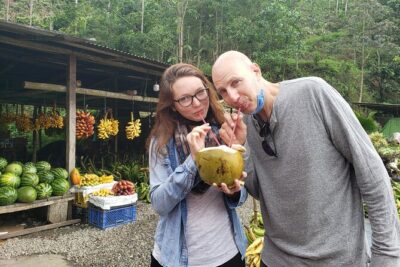
Cuenca to Guayaquil one-way tour with Cajas Park and a Cacao Farm visit
Read our review →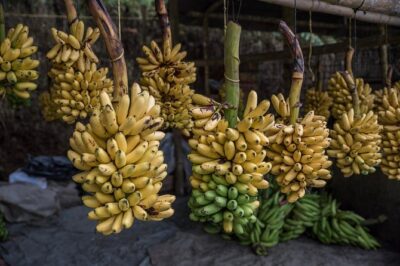
Guayaquil to Cuenca one-way tour with Cajas Park and a Cacao Farm visit
Read our review →
Half Day Guayaquil Historical Tour and Cocoa Culinary Experience
Read our review →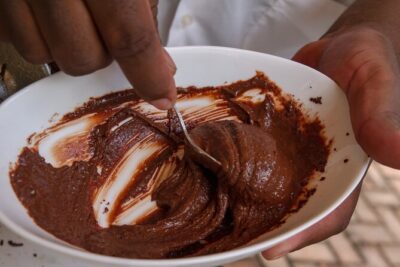
Browse the lists this tour appears in