
REVIEW · PORTUGAL
Port Wines & Chocolate Pairing
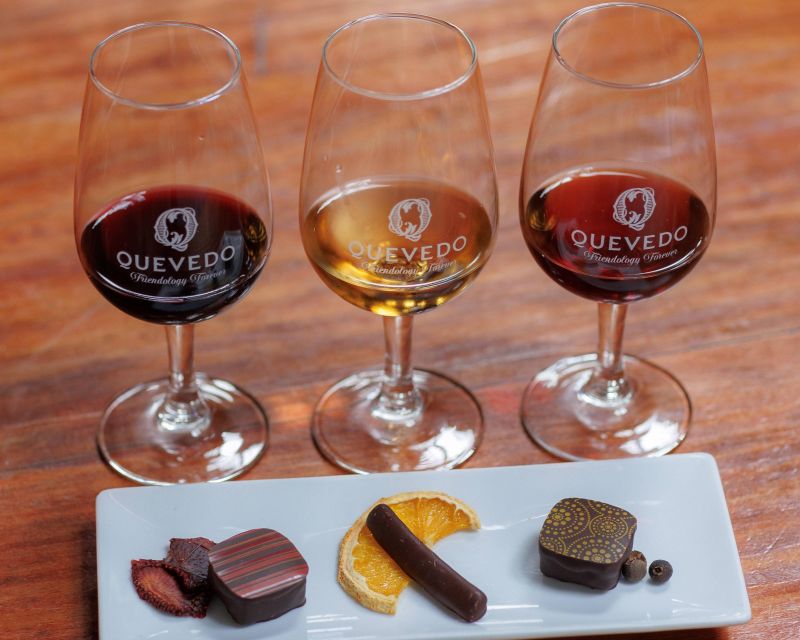
The clever part of this tasting is the pairing menu. You are not simply handed three glasses of Port and left to guess what you are tasting. Each wine comes with a specific Porto-made chocolate, from raspberry with Late Bottled Vintage to candied orange with white Port and peppered praline with Tawny.
I like the small group limit of eight, which gives the tasting a more personal feel than a large cellar tour. I also like the clear 40-minute format. It fits neatly into a day exploring Vila Nova de Gaia, especially if you want a focused introduction rather than a long wine program.
The main consideration is the price. At $34 per person, this is not a casual drink stop, and the tasting includes only three glasses with three chocolates. It makes the most sense if you value the explanation and the thoughtful pairings, not just the amount of wine in your glass.
Key points to know before booking
- Three precise pairings: LBV with raspberry chocolate, 10 Year Old White Port with candied orange, and 20 Year Old Tawny with pepper chocolate.
- A family wine producer: Quevedo has five generations of Port-making experience and has bottled under its own name since 1993.
- Small and potentially private: The group is limited to eight, and one booking for four people became a private tasting.
- Easy Gaia location: Find the lodge opposite Santa Marinha Church, near the Bordalo II rabbit sculpture.
- A compact 40-minute stop: This works well between sightseeing, lunch, or a walk along the Douro.
- Adults only: The tasting is not suitable for children under 18 or pregnant women.
The tasting begins in Vila Nova de Gaia
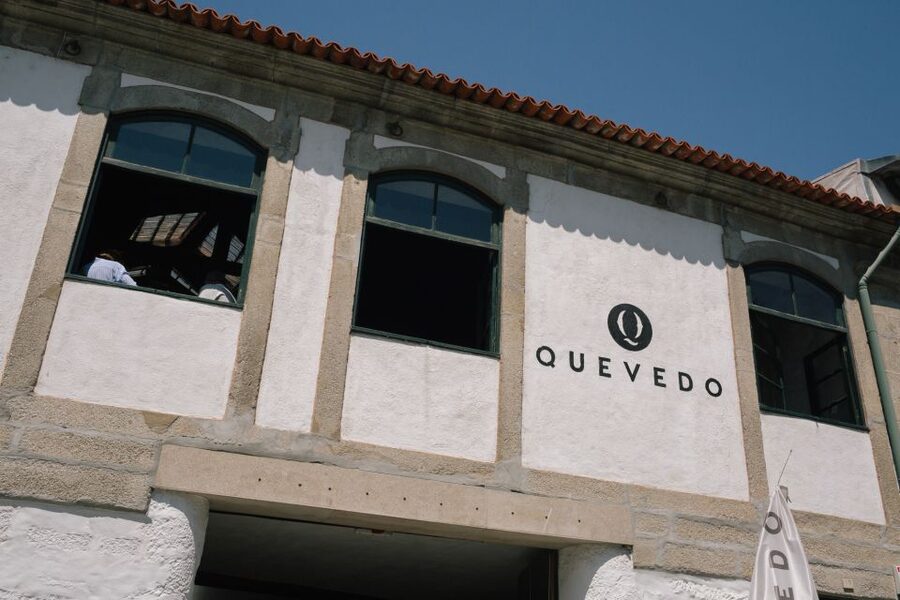
Quevedo’s lodge sits in the heart of Vila Nova de Gaia, the city across the Douro from Porto. The meeting point is directly opposite Santa Marinha Church, so you have a useful landmark from the start.
If you approach from the river, walk past the large Bordalo II rabbit sculpture. The lodge is nearby. Once inside, speak with a staff member, who will direct you to the tasting area. That last step matters because the arrival point is also the meeting point, not necessarily the exact seat where your tasting begins.
I like this location for practical reasons. You can combine the tasting with Gaia’s riverfront, its Port houses, and the views across to Porto without setting aside half a day. The short walk from the river also makes it easy to place this experience before or after other plans.
The area can be hilly in places, so allow a little extra time if you are walking up from the waterfront. The activity itself is wheelchair accessible, but the provided information does not describe every part of the route from the river or the exact interior layout. If access details are important for you, ask the staff before booking.
More Chocolate Tastings in the world:
- Choco-Story Brussels: Chocolate Museum Entrance with Tasting
★ 4.3 · 4,883 reviews - 4×4 Dominican Adventure with Chocolate and Coffee Tasting
★ 5.0 · 2,920 reviews - Bruges: Choco-Story Museum with Audio Guide and Tastings
★ 4.2 · 1,825 reviews
A family producer with Douro roots
Quevedo’s story gives the tasting useful context. The family has worked with Port for five generations, but the business could not bottle wine under its own brand until Portugal entered the European Union. In 1993, Quevedo began putting its own name on its bottles.
That makes the company relatively young as a named Port House, even though the family’s connection to the wine reaches back much further. I find that distinction interesting. You are tasting the work of an old wine family through a younger independent label.
The wines are grown, matured, and bottled in the Douro Valley. Quevedo farms 100 hectares of vineyards and 25 hectares of organic olive groves across five properties. The important point for you is not the acreage alone. Different properties can provide grapes with different aromas and flavors, giving the producer more material to work with when making its Ports.
The tasting staff can connect those broad ideas to the wines in your glass. The supplied information promises an explanation of Port styles and the reason each chocolate suits its wine. It does not promise a full vineyard visit or a technical cellar tour, so keep your expectations focused on tasting and conversation.
The first glass: Late Bottled Vintage with raspberry chocolate
The tasting begins with Late Bottled Vintage, usually shortened to LBV. Here, it is paired with raspberry bean-to-bar chocolate made in Porto.
This is a sensible first pairing because raspberry brings a sharp, fruity note to the tasting. The chocolate adds sweetness and texture, while the fruit flavor gives you something clear to compare with the wine. You can taste the LBV on its own, then take a bite of chocolate and see how the balance changes.
The pairing also offers a useful introduction to Port. You are not asked to memorize production details before tasting. Instead, the host can point you toward the relationship between fruit, sweetness, and chocolate. That makes this part approachable for someone new to Port.
If you already drink fortified wines, LBV may be the least surprising of the three selections. Its role here is to give you a firm starting point before the tasting moves into white and Tawny styles.
The second glass: 10 Year Old White Port with candied orange
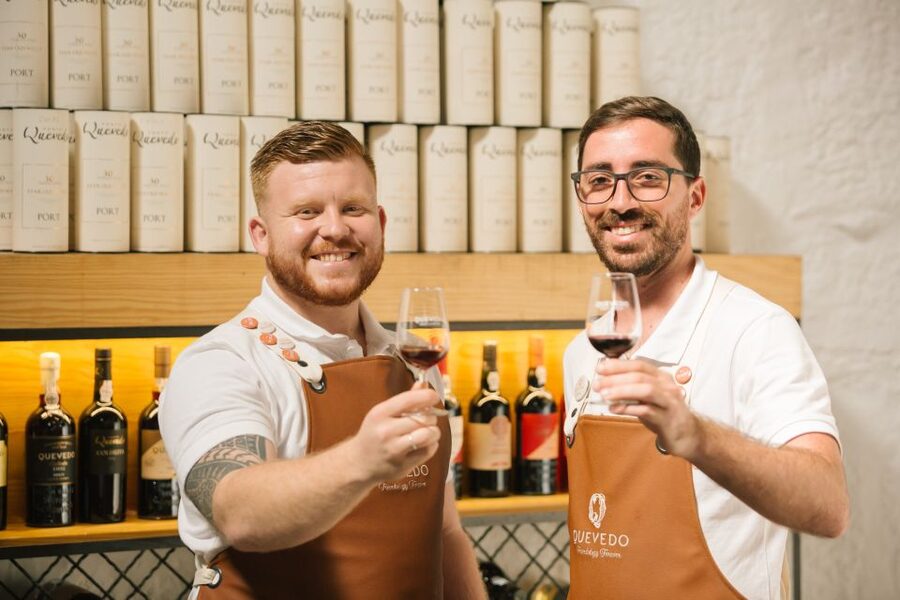
Next comes a 10 Year Old White Port paired with dark chocolate covered candied orange. This is the pairing that gives the tasting its widest contrast.
White Port is different enough from the red styles to reset your palate. The candied orange links the two elements through citrus, while the dark chocolate adds a more bitter edge than the raspberry chocolate. That contrast helps you notice how one Port can feel brighter and more lifted, while the chocolate can bring depth and length to the bite.
I especially like that the orange is not just a general chocolate flavor. The candied peel gives you a direct point of comparison. Take a small sip, try the orange-covered chocolate, and then return to the wine. You may find the citrus character becomes easier to identify after the pairing.
This is also a good moment to ask questions. The host speaks Portuguese, English, or Spanish, and the tasting is designed around explanation rather than silent sampling. The exact depth of the talk may depend on your group and the host, but the format gives you room to ask about the differences between white Port and the other two pours.
A few more chocolate tours around the world worth a look
- Lindt Home of Chocolate Museum Entry Ticket
★ 4.7 · 9,329 reviews - Zurich: City Tour, Cruise, and Lindt Home of Chocolate Visit
★ 4.5 · 4,624 reviews - The Chocolatarium Chocolate Tour Experience in Edinburgh
★ 5.0 · 4,322 reviews - Award-Winning Geneva Chocolate &Old Town Tour with Boat Ride (3h)
★ 5.0 · 3,721 reviews
The final glass: 20 Year Old Tawny with pepper praline
The last pairing is a 20 Year Old Tawny Port with praline and pepper chocolate. It is the boldest chocolate match of the three because pepper adds a savory, spicy note to the sweetness of the praline.
Ending with Tawny makes sense. You move from the fruit-led opening, through the citrus and dark chocolate pairing, to an older style with a more developed character. The pepper helps keep the final bite from becoming too sweet.
This is the pairing I would pay closest attention to if you want to understand how chocolate can change a Port. Try the Tawny first, then the praline, and notice what the pepper does to the finish. You can also compare the 20 Year Old Tawny with the LBV from the first round. The two pours show how different Port styles can be even when both are made from grapes grown in the Douro.
The portions are three tasting glasses, not full servings. That is appropriate for a guided tasting, but it is worth knowing if you are hoping for a generous wine session. Extra wines and snacks are not included, so budget separately if you want to continue afterward.
Why the bean-to-bar chocolate matters
The chocolates are made in Porto, and that local connection improves the experience. You are not pairing Port with anonymous sweets from a supermarket. Each chocolate was selected to create a particular comparison with the wine.
The phrase bean-to-bar also tells you that the chocolate is part of the product story, not merely a garnish. The pairings are built around distinct flavors: raspberry, candied orange, and pepper praline. This gives the tasting a clear structure and keeps the food component from feeling like an afterthought.
I would not book this solely as a chocolate tasting. The three pieces are small parts of a Port lesson. Their purpose is to help you notice fruit, citrus, bitterness, spice, and sweetness as you move from one wine to the next.
A relaxed format for small groups
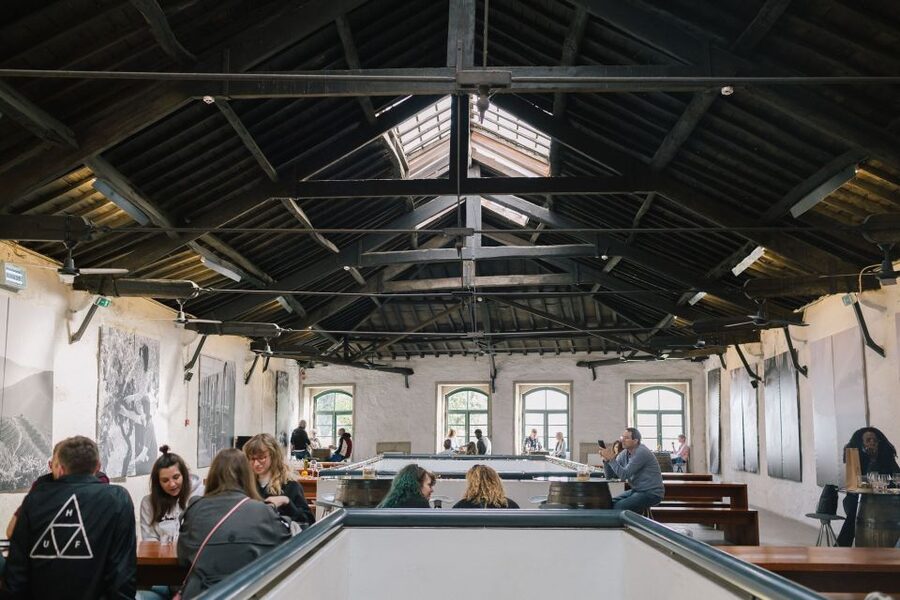
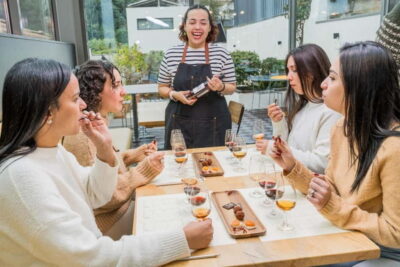
The group limit is eight people. That is small enough for the host to speak with the table rather than deliver a fixed speech to a crowd.
One booking for four people turned into a private tasting, which is possible when there are no other participants at that time. You should not assume every departure will be private, but the capacity makes that outcome more likely than on a large cellar visit.
A small group also suits first-time Port drinkers. You can ask a basic question without feeling lost in a crowd. At the same time, people who already know Port may get more useful answers because the host has time to discuss the differences between the three pours.
The tasting received a 5 out of 5 rating from the published bookings, with particular praise for the clear explanation, the friendly host, and the way each Port complemented its chocolate. Those are the parts I would use to judge the experience. The value rests more in the guidance and pairings than in the quantity served.
How much time should you allow?
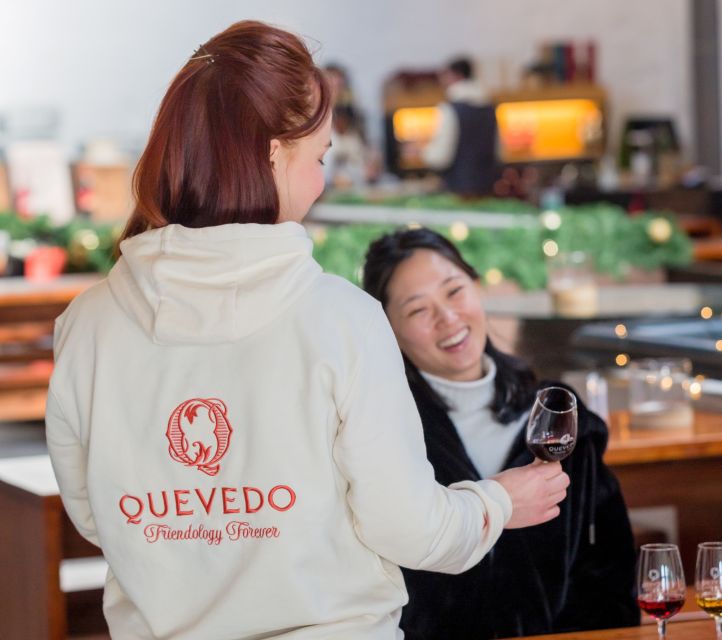
The tasting lasts 40 minutes. That is long enough for three pours and three chocolate pairings, with a basic explanation of Port, but it is not a full afternoon program.
I would allow extra time around the scheduled start because you need to locate the lodge and speak with staff on arrival. Afterward, you can continue exploring Gaia or cross back toward Porto. The compact length is useful if you have a busy sightseeing day.
The pace should feel organized rather than rushed, but you will not have unlimited time to linger over each glass. If you prefer very slow tastings with extensive technical discussion, a longer wine program may suit you better. If you want a focused introduction between other plans, 40 minutes is a strong fit.
The $34 price: good value for the right visitor
At $34, you are paying for three Quevedo Ports, three Porto-made chocolates, the setting, and the host’s explanation. The amount of wine is modest, so I would not call this a bargain based on volume.
The price becomes more reasonable when you consider the structure. You get three distinct Port styles rather than three similar pours, and each has a deliberately chosen chocolate. The family background and Douro production story give the tasting more substance than a simple sampling flight.
I also place value on the small group size. A large tasting can offer more wine for less money, but it may give you less attention. Here, the chance of a private or near-private session can make the cost feel fair, especially for couples or small groups interested in asking questions.
You should skip the tasting if you mainly want a full glass, a snack, or a cheap break from sightseeing. Extra wines and snacks cost more, and they are not part of the $34 booking.
Who will enjoy this most?
I would recommend this to adults who want a gentle introduction to Port and enjoy food matching. It suits couples, small groups, and solo visitors who prefer a calm indoor stop with a clear beginning and end.
It is also useful for experienced wine drinkers who want to compare LBV, White Port, and Tawny in one sitting. The chocolates give you a practical way to test each wine instead of judging them only by smell and taste.
This is not suitable for children under 18 or pregnant women because alcohol is central to the experience. It may also disappoint anyone expecting a vineyard visit, a tour of all the production rooms, or a large meal. The focus stays on three pours, three chocolates, and a guided explanation.
The hosts can speak Portuguese, English, or Spanish, which makes the activity accessible to a broad range of visitors. The tasting is wheelchair accessible, though the available information does not detail every approach from the riverfront.
Booking details that affect your decision
You can cancel up to 24 hours before the activity for a full refund. You can also reserve now and pay later, which helps if you are still arranging your days in Porto and Gaia.
Check the available starting times because the schedule can affect how easily you fit this around lunch, riverfront walks, or other tastings. The meeting point is easy to identify once you know the Santa Marinha Church and Bordalo II rabbit sculpture landmarks.
On arrival, speak with a Quevedo staff member rather than waiting for a guide to find you. That small step prevents confusion, especially if the lodge is hosting more than one activity.
Should you book the Quevedo Port and chocolate pairing?
I would book it if you want a short, well-organized Port lesson with food pairings and a good chance of personal attention. The LBV, White Port, and Tawny progression is easy to follow, and the raspberry, orange, and pepper chocolates give you useful flavor comparisons.
I would pass if you want a long cellar visit, a full meal, or generous wine portions. At $34, the experience earns its price through the small group, the clear structure, and the local chocolate pairings. For a first taste of Port in Vila Nova de Gaia, it is a sensible and enjoyable stop.
FAQ
Where does the Port and chocolate tasting take place?
It takes place at Quevedo’s lodge in Vila Nova de Gaia, opposite Santa Marinha Church. From the river, walk past the Bordalo II rabbit sculpture to find the meeting point.
How long does the experience last?
The tasting lasts 40 minutes.
What wines and chocolates are included?
You receive three glasses of Quevedo Port paired with Porto-made bean-to-bar chocolates: Late Bottled Vintage with raspberry chocolate, 10 Year Old White Port with dark chocolate covered candied orange, and 20 Year Old Tawny with praline and pepper chocolate.
Is the tasting available in English?
Yes. The hosts or greeters can speak Portuguese, English, or Spanish.
How many people can join the tasting?
The group is limited to eight participants. A small booking may sometimes become a private tasting when no other participants are scheduled.
Is the activity wheelchair accessible?
Yes, the activity is wheelchair accessible.
Can I cancel the booking?
Yes. You can cancel up to 24 hours in advance for a full refund. You can also reserve now and pay later.
Just added around the world
- Zurich: Chocolate Tasting and Walking Tour with a Local★ 4.2 · 13 reviews
- Lindt Chocolate Museum with Cruise Transfer from Zurich★ 4.6 · 7 reviews
- Zurich Open-top Tour and Chocolate and Cheese Countryside★ 3.5 · 11 reviews
- Zagreb: Lake Bled and Ljubljana Day Tour with Chocolate Gift★ 5.0 · 26 reviews
- York: Introduction to Chocolate Making Experience★ 4.9 · 10 reviews
- Private Wine and Chocolate Tasting Experience★ 4.4 · 3 reviews
- Wine and Chocolate experience★ 4.6 · 3 reviews
- Yarra Valley: Wine and Chocolate tasting tour.★ 5.0 · 5 reviews
Portugal Chocolate Tours, compared.
Cálem Cellar with Chocolate, Cheese, and Wine Tasting
Read our review →
Chocolate Museum – Unwrap the Secrets of Chocolate
Read our review →
Tavira Tuk Tuk Tour – Chocolate Tour – Tavira City & Chocolate
Read our review →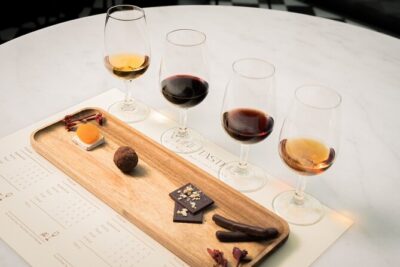
Porto Best of the Best Port Tasting with Artisan Chocolates
Read our review →
Chocolate Museum – Chocolate’s Delicious Journey + Tasting
Read our review →
Porto ‘Best of the Best’ Port Tasting and Artisan Chocolates
Read our review →
Browse the lists this tour appears in