
REVIEW · PORTUGAL
Porto: Chocolate Museum – Unwrap the Secrets of Chocolate
The best part of Porto’s Chocolate Museum is that it treats chocolate as more than a sweet snack. You follow cocoa from 5,000 years of history to a working factory, with raw cacao and finished chocolate along the way. The story reaches from Mesoamerican rituals to royal tables, advertising, packaging, and the modern chocolate bar.
I like the mix of history and hands-on tasting, and I like that the Vinte Vinte factory gives you a look at real production rather than only display cases. The main drawback is that much of the museum depends on reading, and the factory work happens behind glass. The route can also feel a little unclear at times.
Key points to know before you go
- Bean-to-bar in 90 minutes: Follow cocoa from origin and ritual use through processing, manufacturing, and sale.
- Raw cacao is part of the tasting: You may try 100 percent cacao as well as artisan 20|20 chocolate samples.
- The factory is visible, not hands-on: You can watch production at Vinte Vinte, but you do not take part in making the chocolate.
- A good family stop: Older children, especially those over about eight, are likely to get more from the reading and interactive sections.
- Sunday may be the wrong day for factory action: The museum is open daily, but the in-house factory may not be operating on Sunday.
- The shop can be expensive: Plan to browse the chocolate-filled shop and cafe, but do not assume every item is a good-value souvenir.
Entering Porto’s Chocolate Story
The Chocolate Story is part of The World of Wine, known as WOW, in Porto’s Norte Region. Your ticket is shown directly at the museum entrance, and the visit is self-guided with an audio guide rather than a named guide leading a group.
You can use the audio guide in English, Spanish, Portuguese, or French. That makes the visit easy to fit into a day in Porto, especially if you prefer to move at your own pace instead of keeping up with a set group.
The experience takes about 90 minutes. That is long enough to cover the main story without taking over your day, but you should allow extra time if you read every panel, linger at the tasting points, or want to browse the shop and cafe afterward.
The museum is open daily from 10:00 AM until 7:00 PM, with last entry at 7:00 PM. Your ticket can be used at any time on the selected date during opening hours. Bank holiday hours may change, so check before setting out.
More Chocolate Museums in the world:
- Lindt Home of Chocolate Museum Entry Ticket
★ 4.7 · 9,329 reviews - Choco-Story Brussels: Chocolate Museum Entrance with Tasting
★ 4.3 · 4,883 reviews - Cologne: Chocolate Museum Entrance Ticket
★ 4.4 · 2,790 reviews
From sacred cacao to the modern chocolate bar
The opening part explains where cacao came from and why it mattered long before chocolate became a supermarket treat. The story begins with Mesoamerican traditions, where cacao had cultural and ceremonial importance, then follows its move into European society.
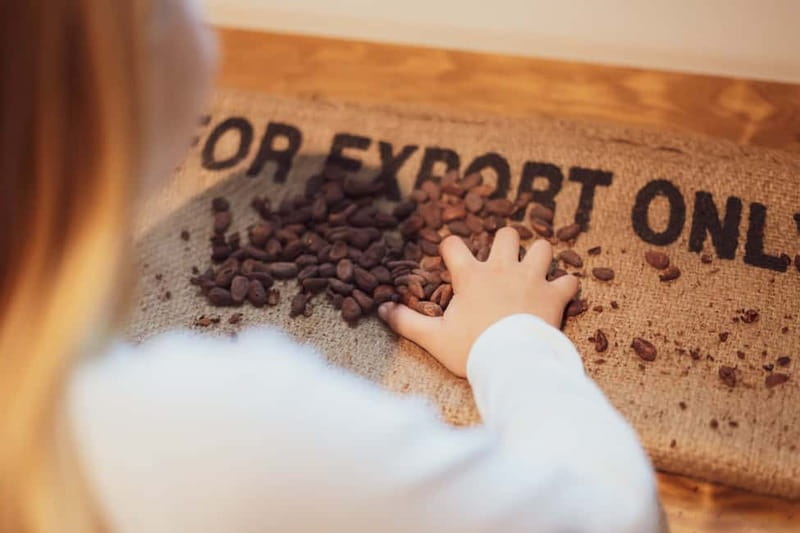
This section gives the tasting more meaning. Raw cacao can taste very different from the sweet bars most people know, and the museum uses that contrast to show how much work happens between bean and finished chocolate.
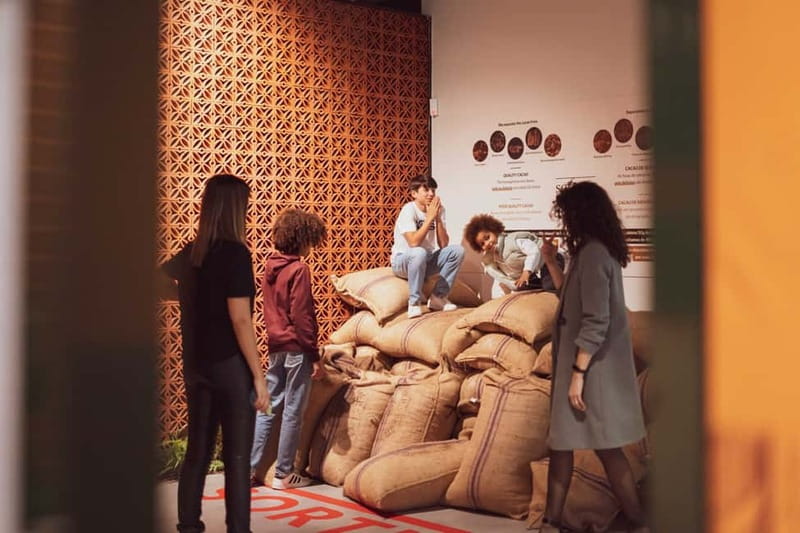
You will encounter information about chocolate’s cultural journey, including its connection with royalty, trade, advertising, and packaging. The museum also looks at how chocolate changed as production became more industrial and as it reached ordinary shops.
I like this broad approach because it avoids reducing chocolate to a simple manufacturing display. You learn why people valued cocoa, how its image changed, and how a product once linked with ceremony and status became an everyday purchase.
The trade-off is the amount of reading. Some sections contain a lot of written information, and the first part may feel more like a traditional museum than an interactive attraction. If you want a fast, highly visual experience, you may need to move briskly.
The bean-to-bar process, step by step

The central thread is the journey from cocoa bean to chocolate bar. The displays explain the stages of production and the science behind turning cacao into the smooth chocolate people expect.
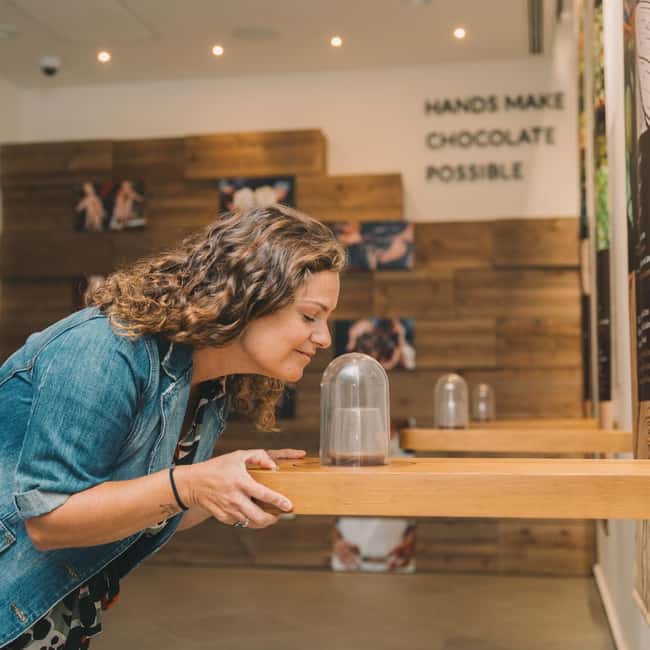
You can expect to see raw cacao and learn how it differs from processed chocolate. One particularly useful tasting is 100 percent cacao, which helps you understand the bitter, intense character of the bean before sugar and other ingredients change its flavor.
The museum also connects production with design. Advertising and packaging are part of the story, not an afterthought, so you see how chocolate is sold as well as how it is made.
Interactive sections help break up the reading. Some visitors find these features more engaging than the opening displays, and children can get more from the visit when they can respond, scan, or take part rather than only read panels.
Still, the interactive material is not perfect. A chocolate game has been known to have trouble scanning codes, and the number of games and quizzes is limited. Staff can help if a feature does not work, but this is not a fully hands-on science center.
Looking through the glass at Vinte Vinte
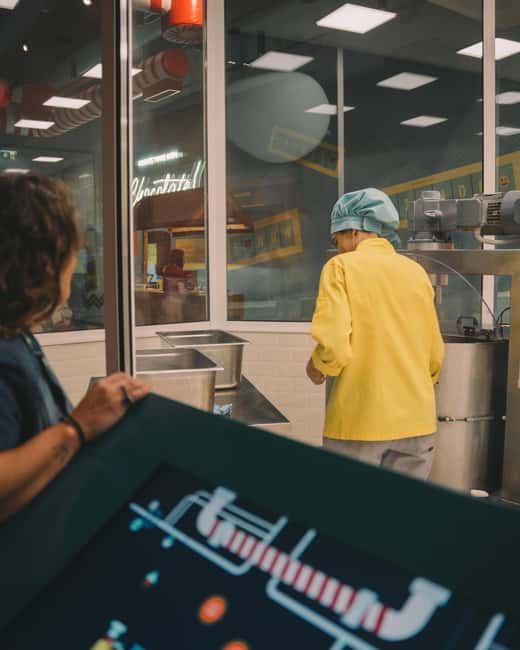
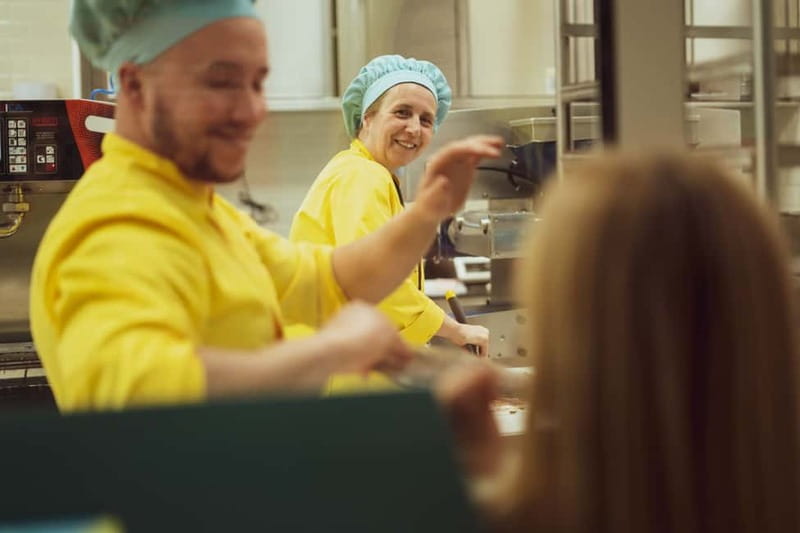
The factory is the museum’s biggest practical attraction. The Vinte Vinte production area lets you see chocolate being made in a working setting, which gives the bean-to-bar explanation a useful real-world finish.
Keep your expectations clear. You are watching the process through glass, not stepping onto a factory floor or making your own bar. For some people, that behind-the-scenes view will be enough. For others, it may feel less involving than expected.
Timing matters here. The museum is open every day, but the in-house chocolate factory may not be operating on Sunday. If seeing machinery and production is one of your main reasons for booking, choose another day when possible.
This is also one reason I would avoid arriving near closing time. The last entrance is at 7:00 PM, but a late visit gives you less room to stop at each display and less chance of seeing the factory active.
A few more chocolate tours around the world worth a look
- Zurich: City Tour, Cruise, and Lindt Home of Chocolate Visit
★ 4.5 · 4,624 reviews - The Chocolatarium Chocolate Tour Experience in Edinburgh
★ 5.0 · 4,322 reviews - Award-Winning Geneva Chocolate &Old Town Tour with Boat Ride (3h)
★ 5.0 · 3,721 reviews - Melbourne: Yarra Valley Wine, Gin, Whisky and Chocolate Tour
★ 5.0 · 3,667 reviews
Tasting raw cacao and 20|20 chocolate
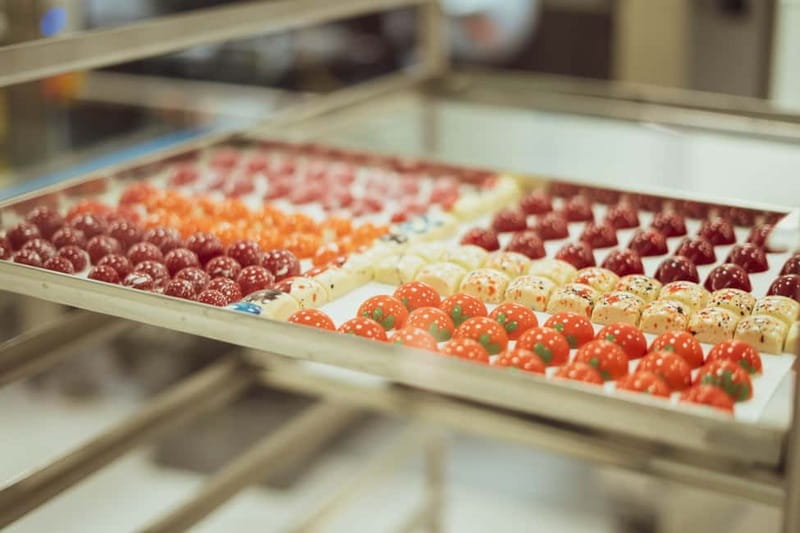
The tasting is spread through the visit rather than saved for one formal session. You may sample raw cacao, artisan chocolate, and products from the museum’s 20|20 brand.
The tastings are valuable because they connect the displays to your senses. You can compare intense cacao with finished chocolate and notice how ingredients, texture, and processing affect the result.
The exact amount of chocolate can vary in how generous the experience feels. Some people find the samples plentiful, while others want more. The focus is education, not an unlimited chocolate buffet, so you should not book it mainly for quantity.
A small chocolate bar may also be provided at entry, and the shop at the end offers more chocolate products. The shop is appealing if you want to take home a branded item or a gift, but prices can feel high. I would treat it as an optional extra, not part of the ticket’s core value.
The cafe gives you another reason to linger after the displays. It can be a pleasant finish, especially for families or anyone who wants a short break after reading and tasting.
Is the museum good for children?
This is a useful family stop, but the best age depends on the child. Older children, especially those around eight and above, are more likely to follow the historical material and enjoy the process explanations.
Younger children can still enjoy the chocolate and visual elements. A three-year-old may have fun with the tasting and the general atmosphere, but will not get much from the longer written sections.
The museum does not allow unaccompanied minors, so children need to visit with an adult. That rule matters if you are planning a family itinerary around independent activities.
For families, I would keep the pace flexible. Let children focus on the interactive stations and tastings, then skip some of the denser text if attention fades. The visit works better as a shared discovery than as a demand to read every panel.
How long the visit really takes
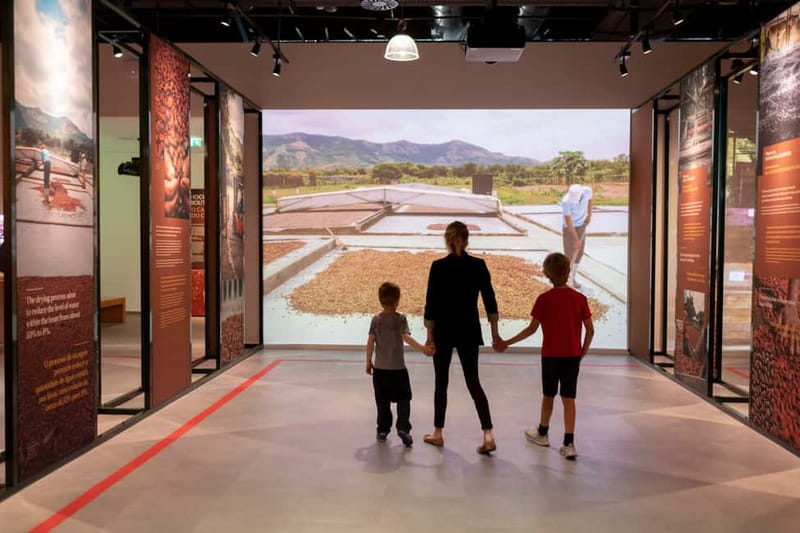
The stated duration is 90 minutes, which is a reasonable target for the museum itself. You can spend less time if you move quickly, or more if you listen closely to the audio guide and read the displays in full.
I would plan the visit as a relaxed block rather than a timed appointment. The museum allows entry at any time on your selected date during opening hours, so you have some freedom to fit it around other Porto plans.
The route can be slightly confusing. Direction signs and the flow from one section to the next are not always obvious, so take a moment to check where the next display begins. This matters more on a busy day, when it may be harder to pause and work out the intended path.
A quieter visit can make the reading and tastings easier. If you have a choice, an early or less crowded time should give you more space, although the museum does not promise a particular crowd level.
Wheelchair access and practical planning
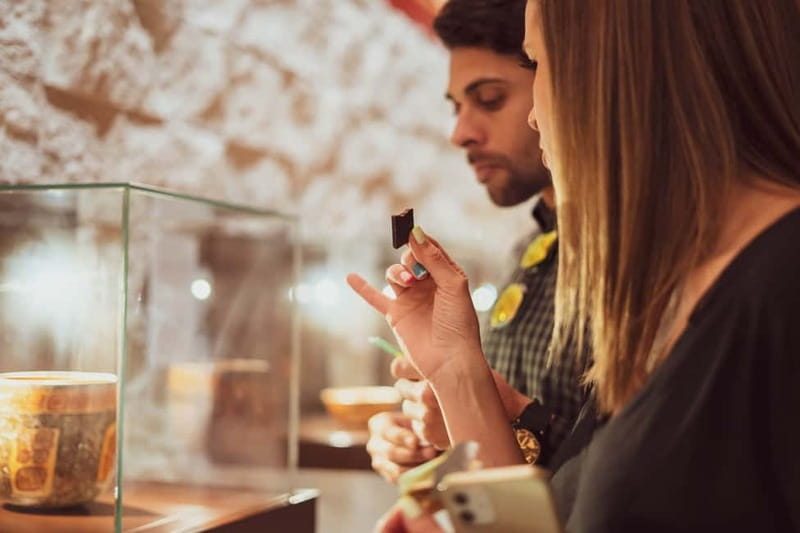
The experience is wheelchair accessible. Hotel pickup and drop-off are not included, so you arrange your own way to The Chocolate Story.
The audio guide is included with admission, and the four language choices make the visit practical for many international visitors. You do not need to arrange a separate guided tour to understand the main story.
The flexible cancellation policy is useful if your Porto plans are still changing: you can cancel up to 24 hours in advance for a full refund. You can also reserve and pay later, which reduces the risk of fixing your schedule too early.
At $23 per person, the price is fair if you value the combination of museum displays, audio content, tastings, and a look at working production. It is less compelling if you expect a long factory tour, a chocolate-making workshop, or a large amount of free chocolate.
Who should book this chocolate museum?

I would recommend it to chocolate fans, families with older children, and anyone who likes museums that connect food with culture and industry. It is also a sensible rainy-day activity in Porto because much of the experience is indoors and self-paced.
You will get the most from it if you enjoy reading, listening, and making small comparisons between samples. The history and science sections have more substance than a simple branded shop display.
I would hesitate if your main goal is to make chocolate yourself. The factory is observed from behind glass, and there is no stated workshop or hands-on production session. I would also think twice about visiting on Sunday if the live factory is your priority.
Should you book The Chocolate Story?
Book it if you want a well-rounded chocolate museum with real cultural context, a few useful tastings, and a view into Vinte Vinte production. The strongest elements are the long story from Mesoamerican cacao to modern retail, the chance to taste raw cacao, and the easy audio-guided format.
Skip it if you want an intensive factory tour or a generous chocolate free-for-all. At $23, the value comes from the education and the variety of the visit, not just from the sweets.
For most Porto itineraries, I would choose a weekday, allow 90 minutes plus time for the shop or cafe, and visit with children old enough to enjoy the history and interactive features. That gives you the best chance of seeing the factory active and getting the full point of the experience.
FAQ
Where is the Chocolate Museum located?
The Chocolate Museum, also called The Chocolate Story, is in Porto in Portugal’s Norte Region. The experience is provided by The World of Wine, known as WOW.
How much does the experience cost?
The listed price is $23 per person.
How long does the museum visit take?
The planned duration is 90 minutes. You may need extra time if you read all the displays or stop at the shop and cafe.
What are the museum’s opening hours?
The Chocolate Experience by 20|20 is open daily from 10:00 AM until 7:00 PM, with last entry at 7:00 PM. Hours may vary on bank holidays.
Can I visit at any time on my selected date?
Yes. You can use your ticket at any time on the selected date during the museum’s opening hours.
What languages are available for the audio guide?
The audio guide is available in English, Spanish, Portuguese, and French.
Is the museum wheelchair accessible?
Yes. The activity is wheelchair accessible.
Is chocolate tasting included?
Yes. The admission includes chocolate tasting from the 20|20 brand. The experience also includes tastings of raw cacao and artisan chocolate samples.
Can children visit without an adult?
No. Unaccompanied minors are not allowed.
Can I see the chocolate factory operating on Sunday?
The museum is open on Sunday, but the in-house factory may not be working that day. Visit on another day if seeing active production is important to you.
Just added around the world
- Zurich: Chocolate Tasting and Walking Tour with a Local★ 4.2 · 13 reviews
- Lindt Chocolate Museum with Cruise Transfer from Zurich★ 4.6 · 7 reviews
- Zurich Open-top Tour and Chocolate and Cheese Countryside★ 3.5 · 11 reviews
- York: Introduction to Chocolate Making Experience★ 4.9 · 10 reviews
- Zagreb: Lake Bled and Ljubljana Day Tour with Chocolate Gift★ 5.0 · 26 reviews
- Wine and Chocolate experience★ 4.6 · 3 reviews
- Yarra Valley: Wine and Chocolate tasting tour.★ 5.0 · 5 reviews
- Private Wine and Chocolate Tasting Experience★ 4.4 · 3 reviews
Portugal Chocolate Tours, compared.
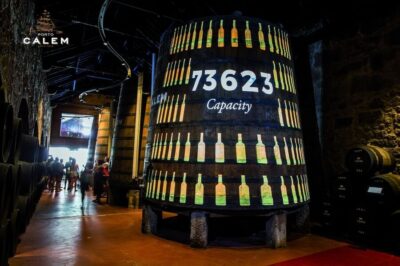
Cálem Cellar with Chocolate, Cheese, and Wine Tasting
Read our review →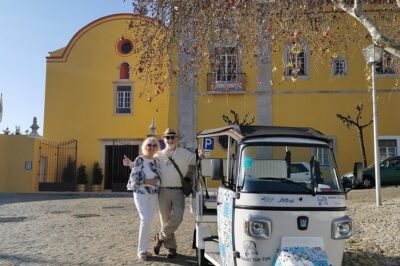
Tavira Tuk Tuk Tour – Chocolate Tour – Tavira City & Chocolate
Read our review →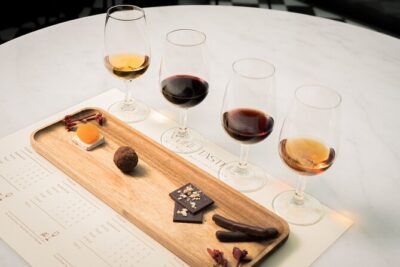
Porto Best of the Best Port Tasting with Artisan Chocolates
Read our review →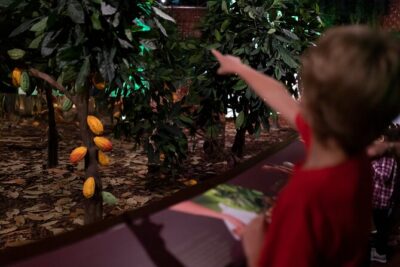
Chocolate Museum – Chocolate’s Delicious Journey + Tasting
Read our review →
Porto ‘Best of the Best’ Port Tasting and Artisan Chocolates
Read our review →

Browse the lists this tour appears in