
REVIEW · BELGIUM
Chocolate history workshop Ghent
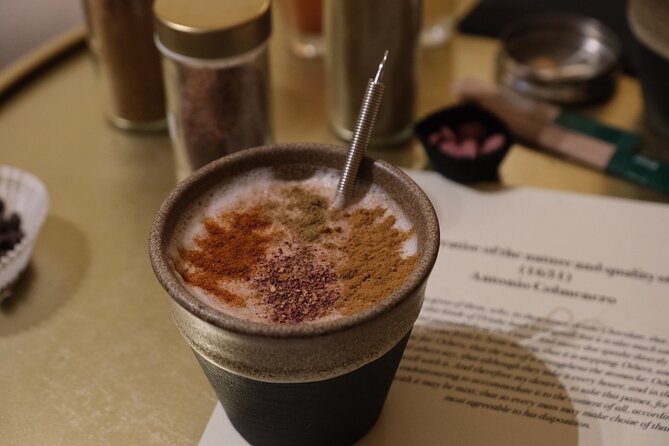
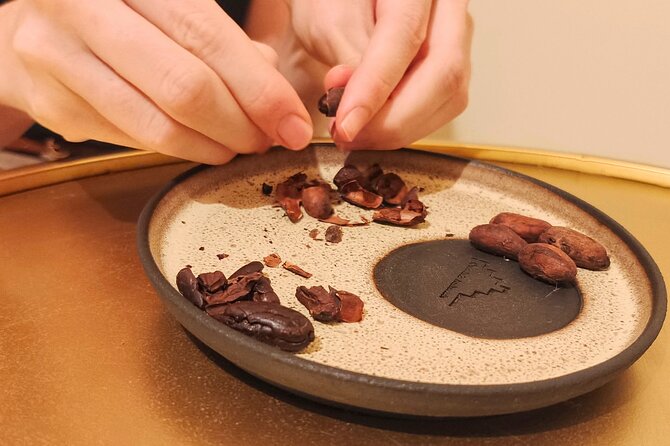
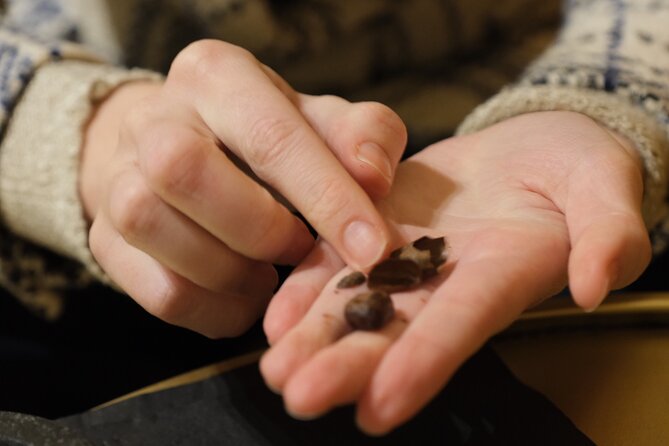
The unusual part of this Ghent workshop is that you start with cacao beans, not a finished chocolate bar. You taste cacao fruit juice, cacao tea, and an early form of drinking chocolate, then compare modern Belgian chocolates from several makers. I like that the session connects food history with hands-on work, and I like the tiny group size, capped at six people.
The workshop also fits neatly into a sightseeing day. The Chocolade Ambassade sits near Gravensteen castle, about five minutes from Graslei and Korenlei. The main drawback is the cool tasting room, kept at about 18°C for the chocolate, so bring a sweater if you get cold easily. At $82.90, it is not a cheap tasting, but it covers instruction, several tasting stages, a handmade chocolate bar, and a hot chocolate recipe.
Key points to know before booking
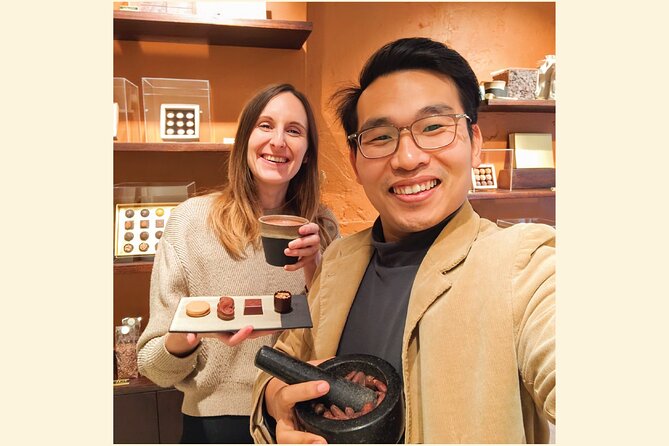
- You work from cacao beans: Make your own chocolate bar instead of only sampling finished sweets.
- The tasting follows a timeline: Cacao products, early drinking chocolate, and modern pralines show how chocolate changed.
- The group is very small: The activity has a maximum of six people, creating plenty of room for questions.
- It takes place in central Ghent: The meeting point is on Kraanlei, close to Gravensteen, Graslei, and Korenlei.
- It is more than a tasting: You get chocolate-making, history, and shopping time in one 90-minute session.
- The room is cool: The temperature is kept near 18°C to protect the chocolate, so light layers are useful.
Starting with cacao instead of candy
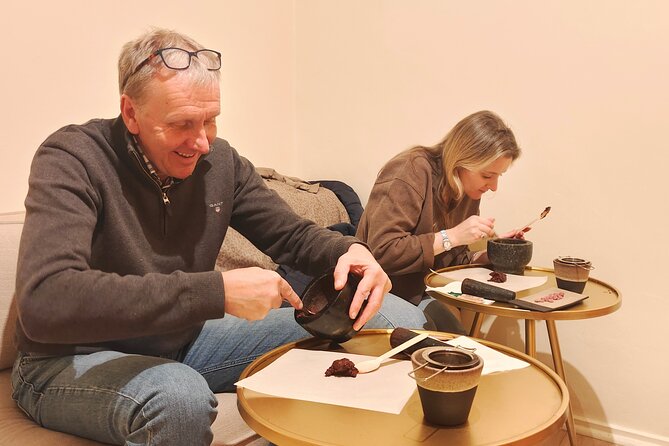
Many chocolate activities begin with a polished praline placed on a plate. This one takes you a step back. At the Chocolade Ambassade, you learn how chocolate begins with cacao and follow its path toward the familiar Belgian sweets sold in shops across the country.
That change in starting point matters. You are not simply comparing flavors. You are learning what cacao products are, how chocolate was prepared in earlier periods, and how the finished product developed over time. The workshop gives you a basic working picture of chocolate production without asking you to spend half a day in a museum.
The setting is a chocolate shop with a separate tasting room. It is cozy and intentionally small, with a maximum of six participants. That is a useful limit for a hands-on class. You can see the demonstrations clearly, ask questions, and get attention while making your own bar.
The English-speaking guide leads the session and explains each stage in plain terms. Leo is named as one of the instructors, and his style comes through as friendly, funny, and clear. Guide assignments can change, but the format is built around an English-speaking licensed or certified guide.
More Chocolate Making Workshops in Belgium
- Ghent: Belgian Chocolate Making Workshop with Beer Tasting
★ 4.3 · 15 reviews - Chocolate history workshop Ghent
★ 5.0 · 11 reviews - Brussels: Belgian Chocolate Making Workshop with Tastings
★ 4.7 · 1,629 reviews
Following chocolate through time
The workshop is organized around the development of chocolate. You begin with cacao products and learn about the ingredient before moving toward drinking chocolate and solid chocolate.
One especially interesting part is the chance to taste cacao fruit juice and cacao tea. These products help you understand that cacao is more than the brown ingredient used in a Belgian praline. They also give the early part of the workshop a different flavor from a standard candy tasting.
The session then introduces an early form of drinking chocolate. Historic chocolate drinks were not simply the sweet, creamy drink many people know today. Tasting an earlier version gives you a direct way to compare past and present, rather than treating history as a list of dates.
You also make versions of chocolate items associated with the 16th and 17th centuries. This is where the workshop becomes more memorable than a talk. You are using your hands while learning, and the finished result gives you something to take away from the class.
The history section is not meant to replace a full museum visit. Instead, it works as a compact introduction with edible examples. If you like understanding how food changes across time, this part is likely to be the main reason to book.
Making your own bar from cacao beans
The central activity is making a chocolate bar from cacao beans. That is more involved than choosing toppings for a ready-made slab, and it gives the session its practical edge.
You learn the steps involved in moving from cacao to chocolate, with the guide explaining the process as you go. The precise working method can depend on the class, but the supplied details make clear that you are not starting with melted supermarket chocolate. You are working closer to the raw material.
This is a good fit if you like workshops where you produce something yourself. At the end, you have a bar crafted during the session, rather than only a box of samples. The activity also helps younger participants and hands-on learners stay focused during the history portion.
Do not expect a full professional chocolatier course in 90 minutes. The workshop offers a guided introduction, not technical training for opening a chocolate business. You will get a clear look at the process and a finished bar, but not an advanced lesson in tempering, filling, or commercial production.
Comparing Belgian makers in one room
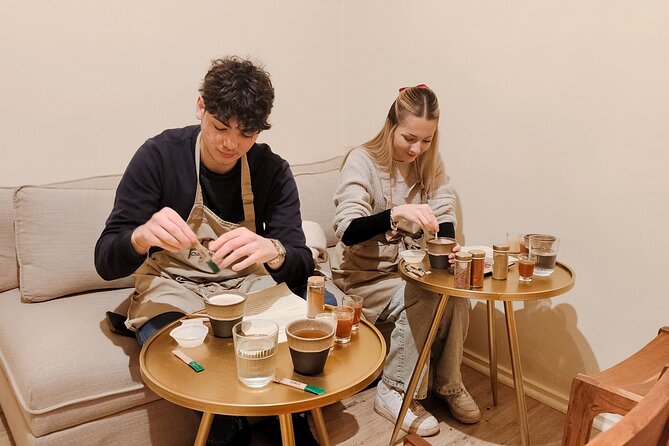
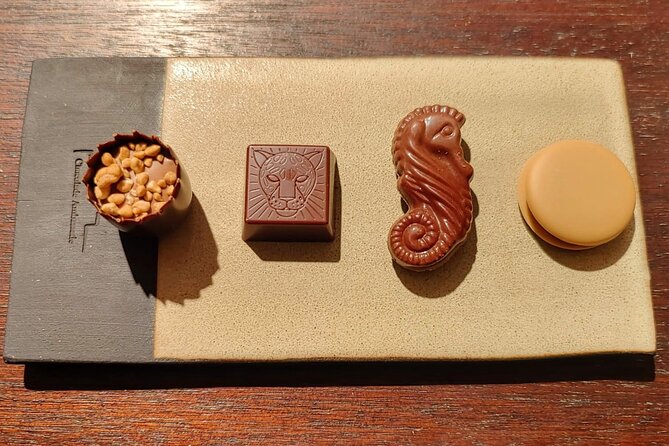
Belgium has many chocolate makers, and visiting several shops can quickly eat up your time and budget. This tasting brings chocolates from different Belgian makers together in one place.
That setup is useful because it lets you compare styles without walking all over Ghent. You can think about the differences between pralines and other artisanal chocolates, then decide which kind suits your taste. The point is not to declare one maker the winner. It is to help you notice how Belgian chocolate varies.
The tasting includes artisanal chocolates from chocolate makers located throughout Belgium. The range gives you a broader view than a visit to one boutique shop, though the exact pieces served may change.
The contrast between the older chocolate samples and the modern pralines is also important. You can see how chocolate moved from a historical drink and cacao product toward the refined sweets associated with Belgium today. That makes the tasting feel connected to the workshop rather than added as a separate snack break.
If you are already planning to buy chocolate in Ghent, this session can help you shop with more purpose. You will have tasted different styles before choosing what to bring home. Shopping is optional after the workshop, so you are not forced into a purchase.
More Chocolate Making Workshops in Ghent:
- Vienna: Chocolate Workshop in Chocolate Museum w/ Tasting
★ 4.5 · 1,802 reviews - Brussels: Chocolate Museum Visit with Workshop
★ 4.6 · 1,474 reviews - Brussels: 2.5-Hour Belgian Chocolate Making Workshop
★ 4.8 · 933 reviews - Brussels Chocolate Walking Tour and Workshop
★ 4.5 · 885 reviews
The hot chocolate finish
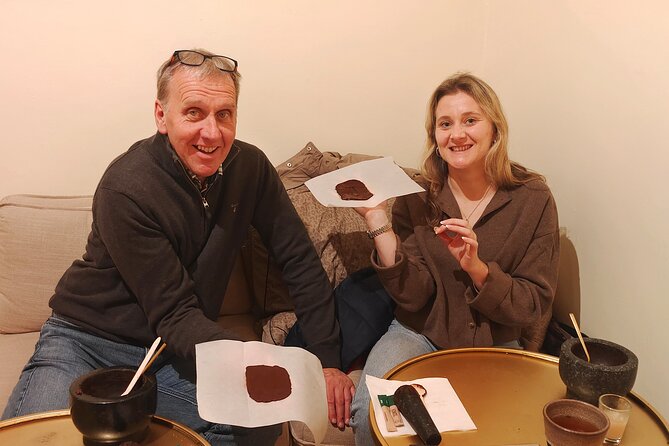
Hot chocolate is included, along with the recipe. That may sound simple, but it gives you a practical item you can use after returning home.
The recipe makes the final drink more useful than a cup consumed and forgotten. You can repeat it later and remember the workshop through the taste. Since the class has already introduced historic drinking chocolate, the hot chocolate also provides a link between the past and the modern version.
Water is included as well. That is a small but sensible detail during a tasting, especially when you are trying several sweet samples in one sitting.
The session is only about an hour and a half, so the hot chocolate is part of a compact sequence rather than a long café stop. You should still plan another meal or snack around it. This is a tasting and workshop, not a lunch replacement.
Why the location works well for a Ghent day
The meeting point is Chocolade Ambassade, Kraanlei 3, 9000 Gent. It is in the historic center, around the corner from Gravensteen castle and about a five-minute walk from Graslei and Korenlei.
That location makes scheduling easy. You can visit the castle before the 11:00 a.m. start, attend the workshop, and continue toward the canals afterward. You can also reverse the order and use the chocolate session as a break from sightseeing.
No transportation is included, and none is needed as part of the activity itself. The meeting point is near public transportation, but the information provided does not specify a particular tram, bus, or station. Check your route before setting out and allow time to find Kraanlei.
The central address is a real advantage if your Ghent plans already focus on the old town. If you are staying far outside the center, you will need to arrange your own transport. The tour ends back at the meeting point, so you are free to continue exploring on foot.
What the small group changes
The maximum group size is six, although the general description also presents the tasting as a small-group activity for up to eight. The specific booking information gives six as the maximum for this activity, so that is the figure I would use when planning.
A group this size suits a workshop better than a large tasting line. You are close to the guide, and the chocolate-making portion should feel personal rather than staged for a crowd.
It also means the mood may depend on the people booked for your date. A tiny group can be lively and social, but it can also feel quieter if everyone is reserved. Either way, you get more direct access to the instructor than you would in a large class.
The format suits couples, friends, solo visitors, and families who want a short activity with a clear focus. It is particularly good for people who enjoy asking questions and trying unfamiliar ingredients.
Is $82.90 a fair price?
At $82.90 per person, this is a premium tasting. You are paying more than you would for a single chocolate-shop purchase or a casual cup of hot chocolate.
The value comes from the combination. The price includes Belgian artisanal chocolates from different makers, cacao products, a cacao-bean chocolate bar you make yourself, hot chocolate with its recipe, water, and an English-speaking licensed or certified guide. You are also paying for a small group and a structured lesson.
I would consider it worthwhile if you want context as well as sweets. The workshop saves you from visiting several chocolate shops just to compare makers, and it gives you a practical activity rather than only a seated tasting.
It is less appealing if your main goal is quantity. You can likely spend less on chocolate bars and pralines elsewhere. This price makes sense for the history, instruction, guided comparison, and hands-on work, not for taking home a large box of candy.
Who will enjoy this workshop most
You should consider booking if you like food history, small classes, and activities that leave you with something you made. It is also a smart choice if you want to understand Belgian chocolate before buying gifts.
The workshop is suitable for people who have already visited chocolate shops and want more explanation. It is also a good alternative to a chocolate museum if you prefer tasting and participation to displays and panels.
Families may appreciate the making portion, though the supplied information does not give a minimum age. If you are booking for children, confirm age requirements directly before paying.
Chocolate specialists may find the class introductory rather than advanced. The focus is on origins, development, tasting, and basic making. It does not promise advanced confectionery skills or a long technical course.
If you dislike sweet foods, this probably is not the best use of your morning. You will taste several chocolate-related products, and the activity centers on cacao and chocolate from beginning to end.
Practical details that can affect your visit
The start time is 11:00 a.m., and the session lasts approximately 90 minutes. Arrive with enough time to find the meeting point in the old center rather than rushing in at the start.
The tasting room is kept at around 18°C to protect the chocolate. That temperature is comfortable for some people and chilly for others. I would carry a light sweater, especially if you tend to feel cold while sitting still.
Mobile tickets are accepted, and the activity is offered in English. Service animals are allowed, and the meeting point is near public transportation. Transportation itself is not included.
You receive confirmation at the time of booking. Free cancellation is available if you cancel at least 24 hours before the local start time. Changes or cancellations made inside that window are not accepted for a refund, and the activity may be rescheduled or refunded if its minimum number of participants is not reached.
Should you book the Chocolade Ambassade workshop?
Book it if you want more than a quick box of Belgian chocolates. The cacao-bean work, historic drinking chocolate, cacao fruit products, modern pralines, and small group give you a clear reason to spend the extra money.
I would especially choose it for a first visit to Ghent when you want a compact activity near the main sights. The location is convenient, and the 90-minute format leaves most of the day open.
Skip it if you only want the cheapest chocolate fix, a large amount of chocolate to take home, or an advanced confectionery lesson. For everyone else, this is a focused way to connect Belgian chocolate with its ingredients, past, makers, and modern appeal.
FAQ
Where does the chocolate history workshop take place?
It starts and ends at Chocolade Ambassade: The Belgian Chocolate Experience, Kraanlei 3, 9000 Gent, Belgium.
What time does the workshop start?
The activity starts at 11:00 a.m.
How long does the workshop last?
It lasts approximately 1 hour and 30 minutes.
Is the workshop offered in English?
Yes. The activity is offered in English, with a licensed or certified English-speaking guide.
What is included in the price?
The price includes a chocolate bar made by you from cacao beans, Belgian artisanal chocolates from different makers, cacao products, hot chocolate with a recipe, and water.
How many people can join the activity?
The specific activity has a maximum of six participants.
Is transportation included?
No. Transportation is not included, though the meeting point is near public transportation.
Can I cancel for a full refund?
Yes, if you cancel at least 24 hours before the experience start time. Cancellations or changes made less than 24 hours in advance are not refunded or accepted.
More Heritage Tours in Ghent
- Brussels: Historical Tour with Chocolate & Waffle Tasting
★ 4.8 · 1,206 reviews - Brussels: Historical Walking Tour with Chocolate & Waffle Tasting
★ 5.0 · 1,165 reviews - 2-Hour Historical Walking Tour in Bruges with Praline Included
★ 5.0 · 291 reviews - Best of Bruges: History, Chocolate & Beer Tour
★ 5.0 · 256 reviews
Just added around Ghent
- Private Chocolate Experience in Ghent★ 5.0 · 31 reviews
- Ghent Chocolate Tasting and Sightseeing Tour★ 5.0 · 21 reviews
- Chocolate and Jenever (Belgian Gin)Tasting in Ghent★ 5.0 · 2 reviews
- Discover authentic Ghent with historian & taste the best chocolate★ 5.0 · 30 reviews
- Charlie’s Private Chocolate Tour (Ghent)★ 5.0 · 34 reviews
- Private Chocolate Tasting Experience in Ghent★ 4.6 · 7 reviews
- Ghent: Guided City Tour with Chocolate Tastings★ 4.8 · 36 reviews
- Ghent: Belgian Chocolate Making Workshop with Beer Tasting★ 4.3 · 15 reviews
Belgium Chocolate Tours, compared.
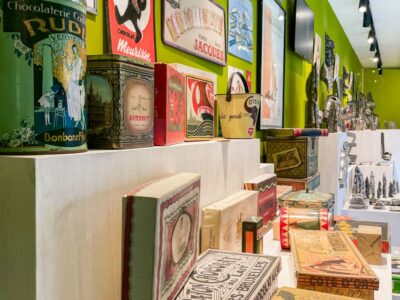
Choco-Story Brussels: Chocolate Museum Entrance with Tasting
Read our review →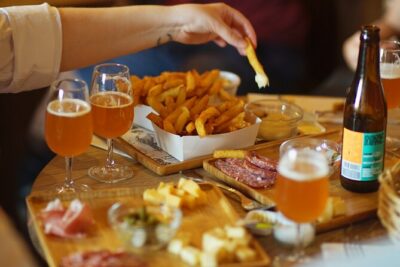
Hungry Mary’s Famous Beer and Chocolate Tour in Brussels
Read our review →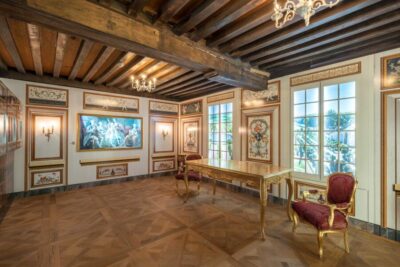
Choco-Story Museum with Audio Guide and Tastings
Read our review →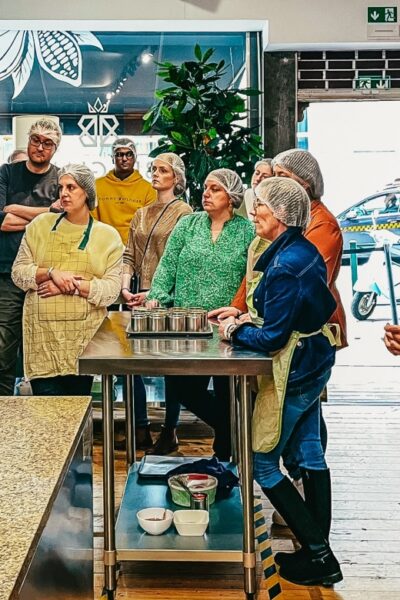
Belgian Chocolate Making Workshop with Tastings
Read our review →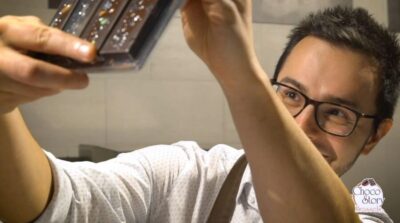
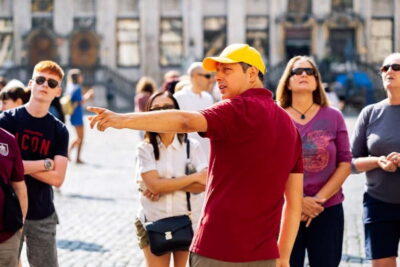
Historical Tour with Chocolate & Waffle Tasting
Read our review →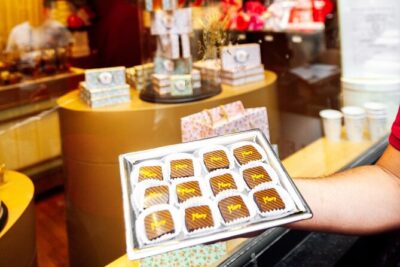
Historical Walking Tour with Chocolate & Waffle Tasting
Read our review →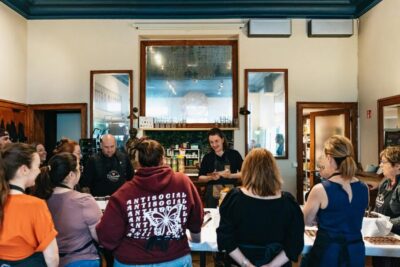
Browse the lists this tour appears in