
REVIEW · BELGIUM
Discover authentic Ghent with historian & taste the best chocolate
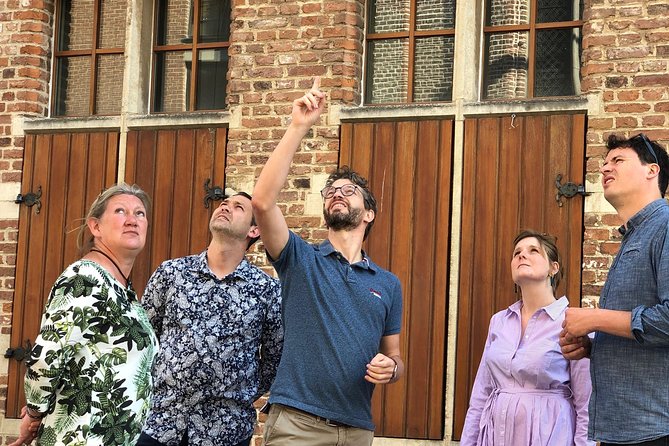
Ghent reveals itself best on foot, and this tour connects its grandest sights with the stories that explain them. Historian and teacher Wim leads you from Sint-Baafsplein through medieval streets, past St. Bavo’s Cathedral and Gravensteen, and along the handsome Graslei and Korenlei. A short chocolate stop breaks up the history lesson.
I like the small group limit of 15, which gives the walk a more personal feel than a large city outing. I also like the way the route links economics, religion, politics, and architecture instead of treating Ghent as a string of pretty buildings. The main drawback is the chocolate portion: this is a history walk with chocolate, not a two-hour tasting tour.
Key points
- Historian-led storytelling: Wim brings Ghent’s political and religious past to life with local stories and background beyond a standard brochure.
- A compact medieval route: In about two hours, you see the cathedral, town hall, Gravensteen, Korenmarkt, and the Graslei and Korenlei.
- Chocolate as a short interlude: You receive a taste of Belgian chocolate, but the main focus remains the city.
- A maximum of 15 people: The limited group size should make it easier to hear the guide and ask questions.
- A useful first look at central Ghent: The tour begins at Sint-Baafsplein and ends near Saint Michael’s Bridge, close to several major sights.
- Good value for a short walk: At $42.05 per person, the price makes the most sense if you want context, orientation, and a strong introduction in one sitting.
Starting at Sint-Baafsplein, where Ghent tells its story
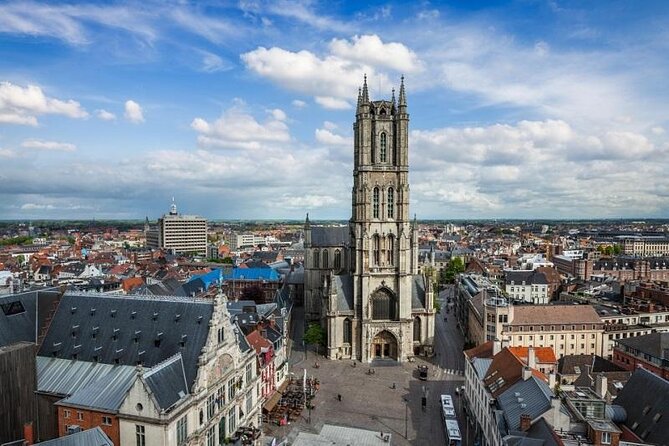
The meeting point is the white statue in the middle of Sint-Baafsplein. Be precise here. The operator has had at least one serious meeting-point dispute, so I would arrive early, stand near the statue, and keep your phone available for messages. The advertised start is clear, but busy city squares can still create confusion.
Wim begins with a broad introduction to Ghent, then uses the square to explain four forces that shaped the city: economic power, political conflict, cultural life, and religion. That is a smart opening. Instead of asking you to memorize dates, he gives you a framework for understanding why Ghent looks and feels the way it does.
Sint-Baafsplein also gives you an early look at the city’s layered character. Grand religious buildings, civic spaces, and old commercial routes sit close together. You are not just ticking off a cathedral and a square. You are learning how they worked together.
The first stop takes about 20 minutes, the longest pause on the route. That matters because the rest of the walk moves briskly from one point to the next. If you enjoy asking questions, this is a good moment to do it.
More Chocolate Tastings in Belgium
- Ghent: Belgian Chocolate Walking Tour with Tastings
★ 4.9 · 259 reviews - Brussels: Bruges & Ghent Tour w/ Cruise & Chocolate Tasting
★ 4.2 · 144 reviews - Ghent: Famous Belgian Chocolate Walking Tour with Tastings
★ 5.0 · 131 reviews
St. Bavo’s Cathedral and the Van Eyck connection
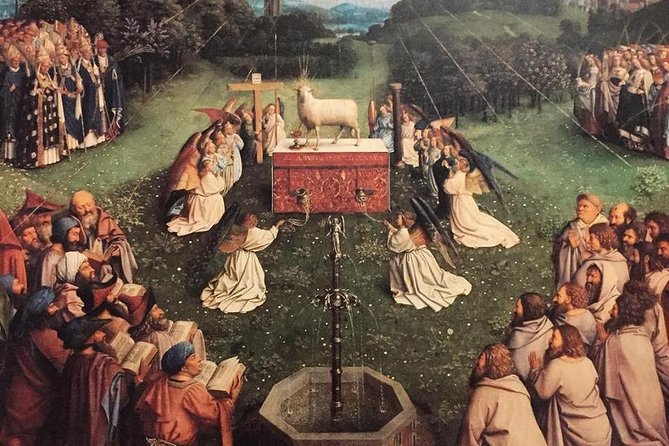
The walk continues around St. Bavo’s Cathedral, with about 10 minutes devoted to its construction and art. The tour does not promise an interior visit or admission to the cathedral, so think of this as an outside explanation of the building and its treasures.
The cathedral is especially important for understanding Ghent’s religious and artistic identity. Its building history gives Wim a chance to show how different periods can appear in one structure. The discussion of its art also points toward the Van Eyck brothers, whose work is closely tied to Ghent’s cultural reputation.
At nearby Maaseikplein, you will consider whether the image of the Van Eyck brothers really resembles them. It is a small stop, only about five minutes, but it adds a human touch to what could otherwise become a formal art-history lesson.
I like this part because it connects a major monument with a playful question. You get the serious context, then a moment to look closely and make your own judgment.
From Geeraard de Duivelsteen to Ghent’s old streets
At Geeraard de Duivelsteen, also called the Castle of Gerald the Devil, the story shifts toward the Scheldt and the people who shaped Ghent’s early past. Vikings and the castle’s notorious namesake enter the tale. The stop lasts about five minutes, so expect a concise explanation rather than a full castle visit.
The building gives the route a slightly darker edge. Ghent’s old center is not only churches, guild houses, and waterfront views. It also has fortifications, villains, threats, and the hard practical business of protecting a city.
At Hoogpoort, Wim turns your attention to buildings dating from the 13th century. This is easy to miss when walking alone. You may notice old façades, but without guidance you might not understand what survives, what was rebuilt, or why the street mattered.
The route works well here because each short stop adds another piece. You move from religion to defense, then from defense to the old urban fabric. The walk is not physically long, but it asks you to keep looking up and around.
Ghent Town Hall and the story of the noose bearers
The Town Hall is one of the most useful stops for understanding Ghent’s political character. It was built over several centuries, and Wim connects that long construction process with Emperor Charles V and the revolt of the people of Ghent.
The result is one of the tour’s most memorable local stories. Ghent’s nickname, noose bearers, comes from its rebellion against Charles V and the punishment associated with that conflict. You get a story about civic pride, imperial authority, and a city that was not shy about resisting power.
This is the kind of detail that gives the city a personality. Without it, a town hall can remain just another ornate façade. With it, the building becomes part of a long argument about who should control Ghent.
The stop takes about 10 minutes. That is enough time for a useful explanation, though anyone fascinated by Belgian politics may wish the discussion lasted longer. Wim’s background as a historian and teacher is particularly valuable here because the story needs context, not just a date and a name.
More Chocolate Tastings in Ghent:
- A Taste of Ghent: Beer & Chocolate with storytelling by a local
★ 5.0 · 77 reviews - Ghent: Guided City Tour with Chocolate Tastings
★ 4.8 · 36 reviews - Ghent Chocolate Tasting and Sightseeing Tour
★ 5.0 · 21 reviews - Ghent: Belgian Chocolate Making Workshop with Beer Tasting
★ 4.3 · 15 reviews
Stadshal and the city’s most debated modern building
The Stadshal provides a change of pace. After medieval structures and imperial conflicts, you encounter one of Ghent’s most controversial modern buildings. Wim explains its nickname and why the structure has caused debate.
This stop is brief, about five minutes, but it adds an important lesson: Ghent is not frozen in the Middle Ages. The city continues to argue about design, public space, and how new buildings should relate to old ones.
I appreciate this inclusion. Many walking tours show only the buildings that photograph well. By including a disputed structure, the route gives you a more honest view of the city. Ghent is proud of its past, but it is still a living place with disagreements about how it should look.
Korenmarkt and the old commercial center
At Korenmarkt, the tour turns back to trade. The buildings around the square carry roughly 800 years of history, and some have mysterious inscriptions that invite closer inspection.
This is a good place to slow your eyes. Look at the façades, signs, and details above street level. The square can feel like a modern meeting point, but its shape and buildings reflect centuries of commerce and movement.
The stop lasts about five minutes, which keeps the walk moving. You will not receive a full architectural study of every building. Instead, Wim gives you clues that help you notice details you might otherwise pass without seeing.
For me, that is one of the strongest reasons to take a guided walk early in a Ghent visit. Once you know what to look for, you can return later and examine the square at your own pace.
Het Groot Vleeshuis and medieval food control
At Het Groot Vleeshuis, the subject becomes practical: how did a city check the quality of meat before refrigeration? The answer involved bringing butchers together in one building.
This stop shows how medieval urban life depended on rules and shared systems. Food, trade, and public health were not abstract matters. They shaped the layout of the city and the daily work of its residents.
The explanation is short, around five minutes, but the idea is easy to remember. It also helps you see the old market district as a working center rather than a decorative backdrop.
If you enjoy everyday history, this may be one of your favorite stops. It deals with a simple question, then uses it to explain how a medieval city functioned.
Gravensteen, the count’s show of force
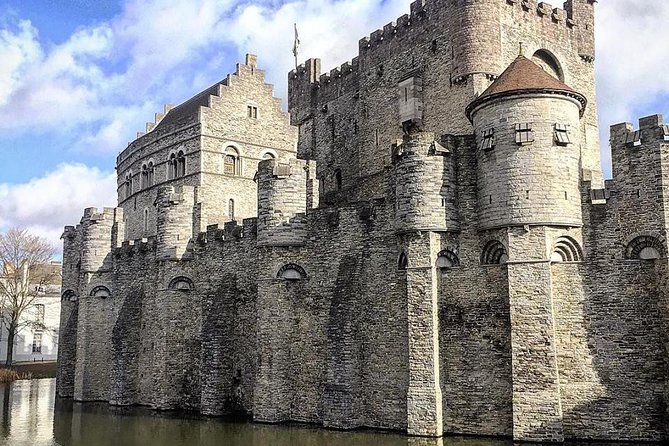
Gravensteen is the route’s most obvious medieval fortress. Wim explains how the count of Flanders built the castle to show strength to the people of Ghent.
That purpose matters. A castle in the middle of a city is not only a defensive structure. It is also a message. The count wanted residents to understand who held power, and the fortress made that authority impossible to ignore.
The tour visits the area around Gravensteen, but the supplied plan does not include admission or an extended interior visit. If you want to explore the castle inside, treat that as a separate activity and allow extra time beyond the two-hour walk.
This is one of the places where the tour’s compact format helps and limits you. You receive the political reason for the castle, then continue through the city. You do not spend the rest of the afternoon inside one attraction.
St. Veerleplein and the waterfront symbols
At St. Veerleplein, Wim points out Neptune, seahorses, and unusual dolphins. It is a short stop, but it gives you another chance to read Ghent’s public art and architectural decoration.
These figures are easy to overlook when you are focused on getting from one major sight to another. A guide helps you pause and ask why they are there and what they might represent.
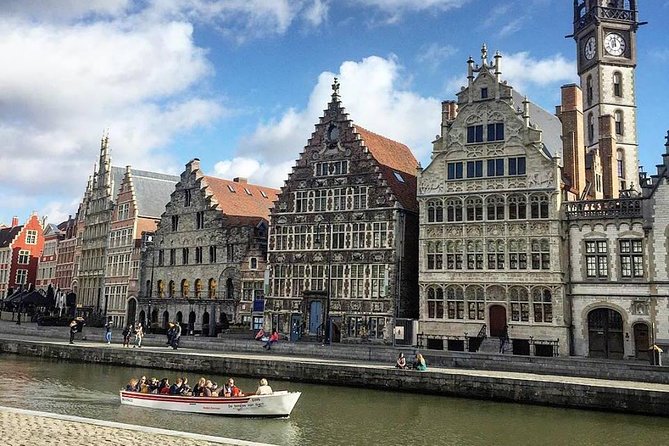
The route then reaches the Graslei and Korenlei, the harbor area that many people consider the visual high point of central Ghent. The waterfront was a place where skippers worked for centuries, then sought food, drink, and entertainment nearby.
Today, the view is elegant and calm, but Wim’s explanation restores its working character. You can picture the harbor as a place of loading, business, noise, and social life, not simply a postcard scene.
The walk ends at Saint Michael’s Bridge. This is a useful finish because the bridge gives you a broad view back toward the waterfront and old city. It also leaves you in a convenient central position for continuing on foot.
What the chocolate stop is really like
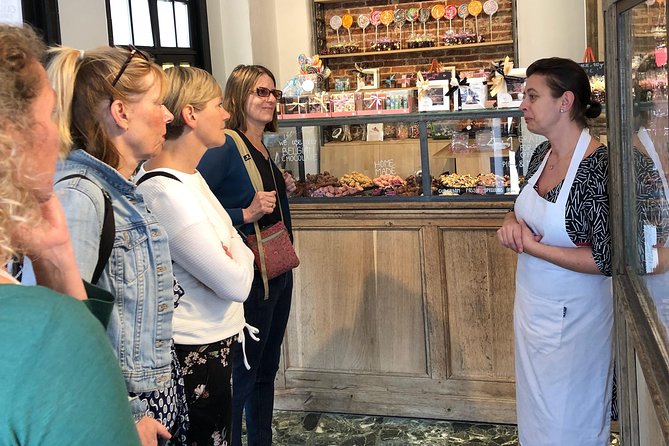
The chocolate element is best understood as a short refresher during the history walk. You get a taste from a chocolatier, but the experience is not built around multiple tastings, extended shop time, or a lesson in chocolate production.
That distinction is important. The title may appeal to anyone searching for Belgian chocolate, but the structure gives much more time to history and architecture. One person found the chocolate excellent but wanted more of it, and another suggested spending longer at the chocolatier.
I think the balance works if you want a city introduction with a sweet pause. If your main goal is to compare pralines or spend two hours eating chocolate, choose a dedicated chocolate tour instead.
Is $42.05 a fair price for two hours?
At $42.05 per person, this is not the cheapest way to see Ghent’s center. You can walk past many of these sights without paying for a guide. The value comes from the connections between them.
You are paying for a historian’s interpretation, an English-language explanation, a planned route, and a chocolate taste. Wim is repeatedly described as warm, professional, passionate about Ghent, and able to keep a good pace while covering a lot of information.
The small group cap also matters. With no more than 15 people, you are less likely to lose the guide in a crowd, and you should have a better chance to ask a question. The tour is especially good value if you have only a short time in Ghent and want to understand the city before exploring alone.
It is less useful if you already know Ghent well, dislike guided walks, or want a slow photography outing. The schedule includes 12 stops in about two hours, so the pace is purposeful.
Practical details before you book
The tour is offered in English and uses a mobile ticket. It begins at Sint-Baafsplein and ends at Saint Michael’s Bridge, so you should not expect to finish at the starting point.
Most people can take part, and service animals are allowed. The route is near public transportation, which makes it suitable for fitting into a wider day in Ghent.
Wear comfortable shoes. The information does not state that the route is wheelchair accessible, so if that is important for you, contact the provider before booking rather than assuming every part of the old-center route will be easy.
The experience requires a minimum number of participants. If that minimum is not reached and the tour is canceled, you will be offered another date or experience, or receive a full refund.
You can cancel for a full refund up to 24 hours before the start time. Changes or cancellations made inside that 24-hour window are not accepted for a refund.
Who should book this Ghent walk?
I would choose this tour for a first visit, a short stay, or anyone who wants more than pretty façades. It suits history-minded visitors, architecture fans, and people who like a guide who can explain why a place matters.
It also works well for couples and small groups who want a compact introduction without committing half a day. Families with older children may enjoy the castle, Vikings, imperial conflict, and medieval food rules, though the amount of historical information may be more than young children want.
I would skip it if chocolate is your main reason for booking. The tasting is a bonus, not the central event. I would also skip it if you need a fully flexible schedule, since the route moves through many stops at a steady pace.
FAQ
How long does the Ghent tour last?
The walk lasts approximately two hours.
Where does the tour begin?
It begins at Sint-Baafsplein in Ghent. The meeting point is in front of the white statue in the middle of the square.
Where does the tour end?
The tour ends at Saint Michael’s Bridge on Sint-Michielshelling.
Is the tour offered in English?
Yes. The experience is offered in English.
How many people can join the tour?
The group has a maximum of 15 participants.
Can I cancel for a full refund?
Yes. You can cancel at least 24 hours before the scheduled start time for a full refund. Cancellations or changes made less than 24 hours in advance are not refunded.
Should you book it?
Book this walk if you want Ghent to make sense, not merely look attractive. Wim’s historical approach, the compact route, and the short chocolate stop make it a useful first introduction to the city.
Just set your expectations correctly: the chocolate is a taste, while the real subject is Ghent’s power, trade, faith, architecture, and stubborn civic character. At $42.05, it is a fair choice for a well-paced two-hour orientation, especially if you arrive early at the meeting point and want a guide who can connect the city’s major sights with memorable local stories.
Just added around Ghent
- Private Chocolate Experience in Ghent★ 5.0 · 31 reviews
- Ghent Chocolate Tasting and Sightseeing Tour★ 5.0 · 21 reviews
- Chocolate and Jenever (Belgian Gin)Tasting in Ghent★ 5.0 · 2 reviews
- Charlie’s Private Chocolate Tour (Ghent)★ 5.0 · 34 reviews
- Chocolate history workshop Ghent★ 5.0 · 34 reviews
- Private Chocolate Tasting Experience in Ghent★ 4.6 · 7 reviews
- Ghent: Guided City Tour with Chocolate Tastings★ 4.8 · 36 reviews
- Ghent: Belgian Chocolate Making Workshop with Beer Tasting★ 4.3 · 15 reviews
Belgium Chocolate Tours, compared.
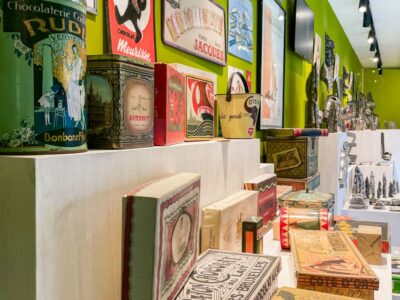
Choco-Story Brussels: Chocolate Museum Entrance with Tasting
Read our review →
Hungry Mary’s Famous Beer and Chocolate Tour in Brussels
Read our review →
Choco-Story Museum with Audio Guide and Tastings
Read our review →
Belgian Chocolate Making Workshop with Tastings
Read our review →
Historical Tour with Chocolate & Waffle Tasting
Read our review →
Historical Walking Tour with Chocolate & Waffle Tasting
Read our review →
Browse the lists this tour appears in