
REVIEW · BELGIUM
Chocolate history workshop Ghent
The most unusual part of this Ghent experience is that you grind cacao beans yourself and turn them into a chocolate bar. This is not a truffle-making lesson or a professional tempering class. It is a hands-on story of chocolate, with your own bar at the finish.
I like the way the 90 minutes mix making, tasting, and history without letting any one part take over. I also like the small group, limited to six people, which gives the chocolate expert room to explain the work and answer questions. The main consideration is physical: grinding cacao takes ordinary hand and wrist strength, and the shop is kept cool at about 18°C or lower.
Key points at a glance
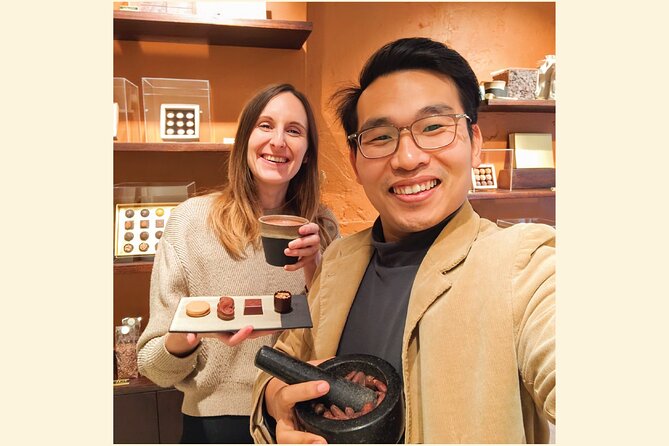
- Grind cacao beans into your own chocolate bar: You do not simply decorate a ready-made treat. You begin with cacao and take part in the basic transformation.
- Taste chocolate across 5,000 years: The story moves from Maya and Aztec drinks to European recipes and modern Belgian bonbons.
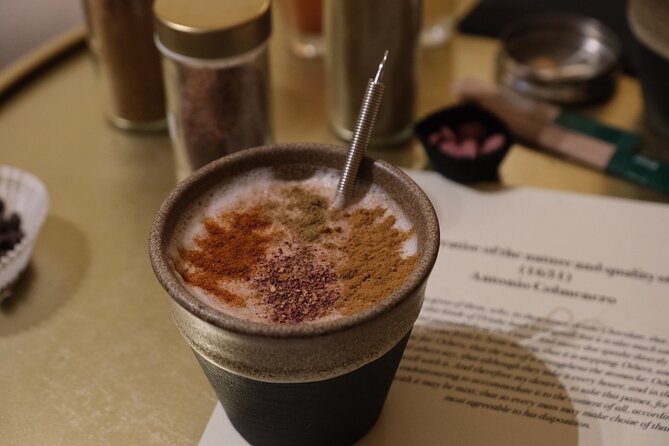
- Recreate a 17th-century hot chocolate: Add your own amounts of spice, sugar, and chocolate, with care around the chili.
- Sample cocoa fruit and other products: The workshop shows flavors beyond the familiar bar in your cupboard.
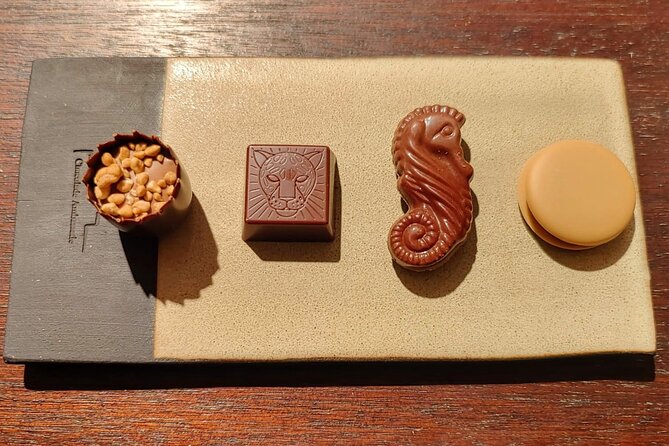
- Finish with four Belgian bonbons: The selection ranges from classic flavors to more modern combinations, including the famous seashell style.
- Walk straight into Ghent sightseeing: The shop is around the corner from Gravensteen, with Patershol, Graslei, Korenlei, and boat tours nearby.
A chocolate workshop beside Gravensteen
The meeting point is the Chocolade Ambassade, just around the corner from the Castle of the Counts. Look for the tallest traditional Flemish stairs house. The building dates from the 16th century, so the setting gives the workshop more character than a modern demonstration room.
That location matters. You can pair the activity with Ghent’s medieval center without wasting time on transport. Afterward, you are within about five minutes of Gravensteen, the Patershol quarter, the Graslei and Korenlei waterfront, or a boat tour.
The workshop runs in English and lasts 90 minutes. With no more than six participants, the format should feel personal rather than like a large lecture. That small size is especially useful when you are grinding beans, adjusting a recipe, or trying to identify unfamiliar flavors.
The shop is kept cool to protect the chocolate, around 18°C or sometimes lower. Bring a light sweater or jacket if you get cold easily. You may also get a little chocolate on your clothes, so this is a good time to skip your most delicate outfit.
More Chocolate Making Workshops in Belgium
- Chocolate history workshop Ghent
★ 5.0 · 34 reviews - Ghent: Belgian Chocolate Making Workshop with Beer Tasting
★ 4.3 · 15 reviews - Brussels: Belgian Chocolate Making Workshop with Tastings
★ 4.7 · 1,629 reviews
From cacao bean to your own chocolate bar
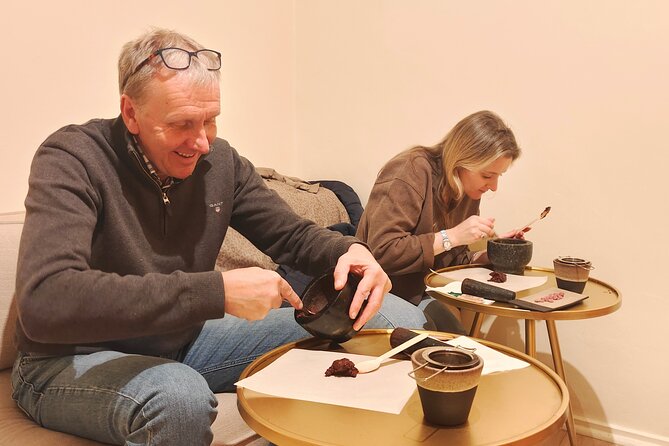
The session begins with an introduction to how chocolate is made from cacao. Then you get to work with a particular variety of cacao beans and grind them yourself. This gives you a clearer sense of what chocolate is before sugar, flavoring, and factory processing turn it into a familiar finished product.
The physical work is part of the point. You are not just pressing a design into melted chocolate. You are helping create a partly liquid chocolate mixture from cacao, sugar, and technique. The process offers a useful lesson in how much transformation sits behind a simple chocolate bar.
You need normal strength in your hands and wrists for this part. If you have reduced strength from rheumatism, arthritis, or a similar condition, grinding the beans may be difficult. That is the most important practical limitation to consider before booking.
Once your mixture is ready, you shape your bar. You can taste it during the session or take it home to share. Since it is your own creation, the result is more personal than the chocolates you buy in the shop, even if it does not look perfectly factory-made.
The workshop does not teach professional chocolate-making techniques such as tempering, melting in detail, or forming truffles and bonbons. If your goal is to learn confectionery skills for a home kitchen, this may feel too basic. If your goal is to understand cacao through touch, taste, and a little effort, the format makes sense.
Five thousand years of chocolate in 90 minutes
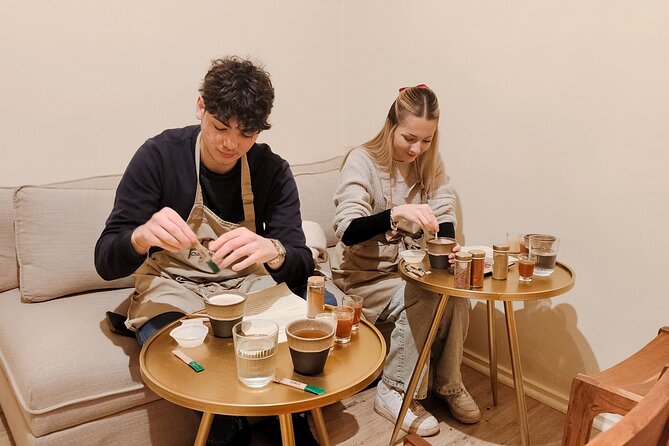
The history section gives the activity its shape. As you work, the chocolate expert explains how cacao changed across 5,000 years. The story includes Maya and Aztec traditions, European courts, Martha Washington, Marie-Antoinette, and the curious path that led to the bonbon.
This is not history for its own sake. You taste along the way, so each period has a flavor attached to it. The workshop includes different historical drinks and cacao products, helping you notice how chocolate moved from a bitter beverage to the sweet bars and filled chocolates associated with Belgium today.
One especially memorable element is the chance to taste a chocolate drink based on a tradition that reaches back 5,000 years. The wording matters here: you are tasting a recreated historical style, not drinking an actual beverage preserved for five millennia. It gives you a direct sense of how different early cacao drinks could be from modern hot chocolate.
The stories also include unusual details, such as chocolate’s links with bloodstained lips and the invention of the bonbon in a pharmacy. These odd turns keep the session lively. You are less likely to forget a strange anecdote than a list of dates and names.
The workshop has earned particular praise for its explanations and enthusiastic presentation. The strongest part for me, as a choice between chocolate activities, is the balance between listening and doing. You are not seated for 90 minutes, but you are also not rushed from one tasting to the next.
Mixing your 17th-century hot chocolate
After making your bar, you recreate a 17th-century hot chocolate recipe. This is one of the most interactive parts because you control the proportions of chocolate, sugar, and spices.
You can adjust the drink to suit your taste, but the chili deserves caution. A small amount can have more force than expected. If you prefer gentle flavors, start modestly and add more only if needed.
This recipe also shows how far historical hot chocolate can be from a standard café drink. The spices and balance are yours to set, so the finished cup becomes a small experiment. It is a good moment to compare your preferences with the historical recipe rather than simply accepting a prepared sample.
The drink has been singled out as a highlight by people who enjoy the workshop. That makes sense: you get both a story and an edible result, and the process is simple enough to follow without previous experience.
More Chocolate Making Workshops in Ghent:
- Vienna: Chocolate Workshop in Chocolate Museum w/ Tasting
★ 4.5 · 1,802 reviews - Brussels: Chocolate Museum Visit with Workshop
★ 4.6 · 1,474 reviews - Brussels: 2.5-Hour Belgian Chocolate Making Workshop
★ 4.8 · 933 reviews - Brussels Chocolate Walking Tour and Workshop
★ 4.5 · 885 reviews
Four Belgian bonbons, from classic to modern
The final tasting focuses on four bonbons from different top Belgian chocolatiers. The selection ranges from traditional flavors to more modern styles. You also get classic Belgian chocolates, including the familiar seashell-shaped pieces.
This part works best as a comparison exercise. Instead of eating one sweet after another without a plan, you can notice how makers differ in shell, filling, texture, and flavor. If you have mainly tried supermarket chocolate, the contrast should be clear. If you already know Belgian chocolate, the tasting gives you a chance to compare several makers in one sitting.
The shop can also offer personalized buying suggestions based on the flavors you prefer during the workshop. There is no obligation to shop. Still, the option is useful because Belgian chocolate shops can present a bewildering number of choices, and a recommendation tied to your own tasting is more practical than grabbing a box at random.
Keep in mind that the tasting is about sampling finished chocolate, not learning how to make filled bonbons. The activity shows you what professional products can taste like, but it does not teach the technical steps behind them.
What the small group changes
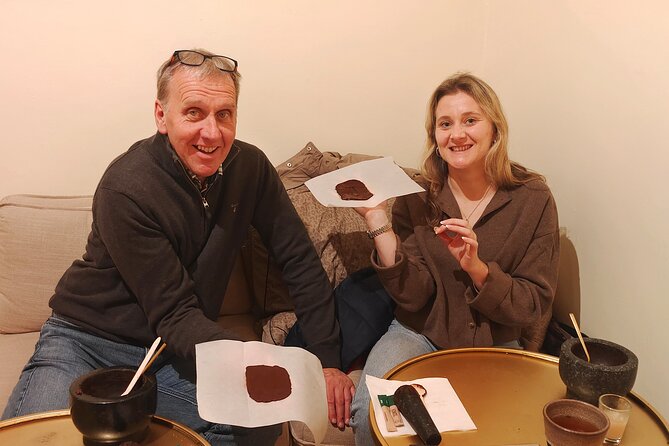
A maximum of six participants is a real advantage here. Each person needs time to grind cacao, shape a bar, adjust a drink, and ask questions. In a large class, the history could become a one-way talk while the hands-on work turns into a demonstration. This format should give you more room to participate.
The small group also suits mixed interests. One person can focus on cacao origins, another on recipes, and another on Belgian confectionery. The workshop has enough moving parts to keep the session interesting for people who enjoy food culture as well as those who simply like chocolate.
The activity is for ages 12 and up. It can work for a family with older children, provided they can manage the grinding and follow the English explanations. A review from a family group specifically noted that the experience appealed to a 12-year-old as well as an older participant, which fits the workshop’s mix of tasting and physical activity.
The language is English, so you should be comfortable following explanations and instructions in English. No other language option is provided.
Is $81 a fair price?
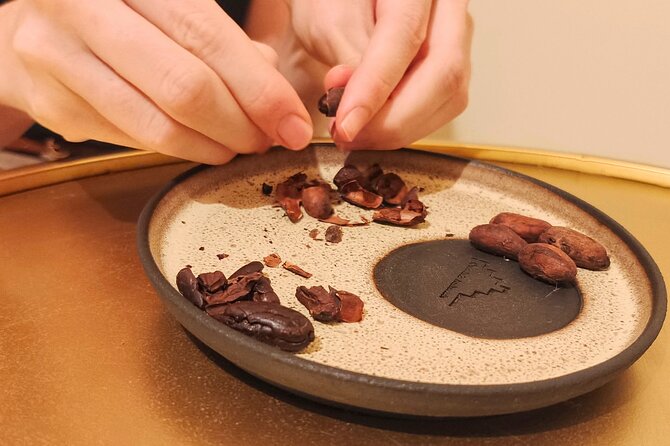
At $81 per person, this is not a budget chocolate tasting. You are paying for a 90-minute small-group session, an instructor, several samples, a made-from-scratch bar, a historical hot chocolate, and the setting in one of Ghent’s oldest houses.
The value depends on what you want. If you only want to eat Belgian chocolate, you can spend far less in a shop. If you want a practical activity that gives structure to your chocolate tasting and adds local sightseeing convenience, the price is easier to justify.
I see the strongest value in the combination of ingredients and explanation. You taste cacao fruit and historical products, work with raw beans, make a bar, prepare a period recipe, and compare four professional bonbons. Buying those experiences separately would be less organized and would not give you the same progression from bean to finished chocolate.
The workshop also fills a useful gap in a Ghent itinerary. It is short enough to fit between major sights, and its location reduces the need for a separate trip across town. You can visit Gravensteen before or after, then continue through Patershol or along the two waterfront quays.
Who should book this experience?
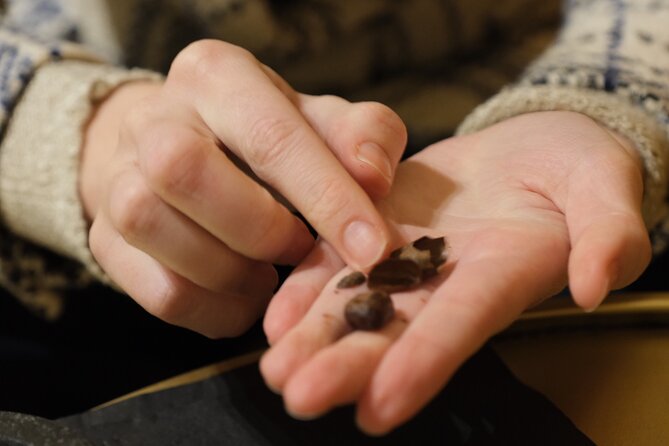
I would choose this for anyone who wants more than a standard chocolate sampling. It suits food-minded visitors, curious families with children aged 12 or older, couples looking for a compact activity, and anyone interested in how everyday foods developed across time.
It is also a good choice if you enjoy learning through taste. The historical material is easier to remember because the workshop links each period with a drink or product. The pace alternates between explanation, grinding, shaping, tasting, and mixing, so the 90 minutes should feel active.
You may want to skip it if you are looking for a serious pastry class. There is no detailed training in tempering, melting, truffle work, or bonbon shaping. You should also reconsider if hand and wrist strength is limited or if you dislike cool rooms and the possibility of getting a small spot of chocolate on your clothes.
The workshop is not aimed at children under 12, and the instruction is in English. Those details narrow the audience, but they also make the small-group format more focused.
Practical timing and booking advice
You can cancel up to 24 hours before the activity for a full refund, and the reserve-now, pay-later option keeps your plans flexible. Starting times vary, so check availability for your chosen day.
I would schedule this near your visit to the old center rather than treating it as a stand-alone trip. The Castle of the Counts is the obvious companion, while Patershol, Graslei, Korenlei, and boat tours are all close enough to continue sightseeing on foot.
Wear comfortable clothing and bring a light layer. Do not arrive expecting a polished professional kitchen class. Arrive ready to handle cacao, listen to stories, taste unfamiliar products, and make something you can eat or take home.
Should you book the Ghent chocolate history workshop?
Yes, if you want a small, hands-on chocolate experience with a strong history element. The best features are the cacao grinding, the customizable 17th-century drink, and the range of tastings, especially the chance to compare Belgian bonbons after making your own bar.
At $81, it is best viewed as a food experience and a short cultural activity, not simply a box of chocolates. Book it if the process and stories matter as much as the sweets. Skip it if you want advanced confectionery instruction or only need a quick chocolate sample.
FAQ
Where does the chocolate workshop take place?
It takes place at the Chocolade Ambassade in the heart of Ghent, just around the corner from the Castle of the Counts. Look for the tallest traditional Flemish stairs house.
How long does the workshop last?
The activity lasts 90 minutes.
What language is the workshop conducted in?
The instructor speaks English.
How many people are in each group?
The group is limited to six participants.
What will I make during the workshop?
You will grind cacao beans and use them to create your own chocolate bar. You will also recreate a 17th-century hot chocolate recipe.
Do I learn to make truffles or bonbons?
No. The workshop does not focus on techniques such as tempering, detailed melting, or shaping truffles and bonbons.
Is the activity suitable for children?
Children under 12 are not suitable for this activity. Participants aged 12 and older can take part.
What should I wear or bring?
Wear comfortable clothing because a small amount of chocolate may land on your clothes while grinding. The shop is kept around 18°C or lower, so bring a sweater or light jacket if you get cold easily.
More Heritage Tours in Ghent
- Brussels: Historical Tour with Chocolate & Waffle Tasting
★ 4.8 · 1,206 reviews - Brussels: Historical Walking Tour with Chocolate & Waffle Tasting
★ 5.0 · 1,165 reviews - 2-Hour Historical Walking Tour in Bruges with Praline Included
★ 5.0 · 291 reviews - Best of Bruges: History, Chocolate & Beer Tour
★ 5.0 · 256 reviews
Just added around Ghent
- Private Chocolate Experience in Ghent★ 5.0 · 31 reviews
- Ghent Chocolate Tasting and Sightseeing Tour★ 5.0 · 21 reviews
- Chocolate and Jenever (Belgian Gin)Tasting in Ghent★ 5.0 · 2 reviews
- Discover authentic Ghent with historian & taste the best chocolate★ 5.0 · 30 reviews
- Charlie’s Private Chocolate Tour (Ghent)★ 5.0 · 34 reviews
- Chocolate history workshop Ghent★ 5.0 · 34 reviews
- Private Chocolate Tasting Experience in Ghent★ 4.6 · 7 reviews
- Ghent: Guided City Tour with Chocolate Tastings★ 4.8 · 36 reviews
Belgium Chocolate Tours, compared.
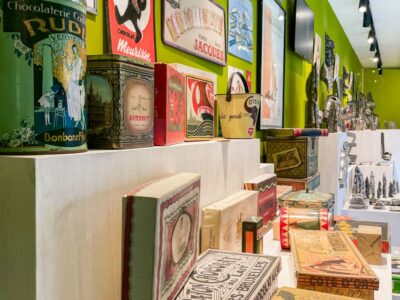
Choco-Story Brussels: Chocolate Museum Entrance with Tasting
Read our review →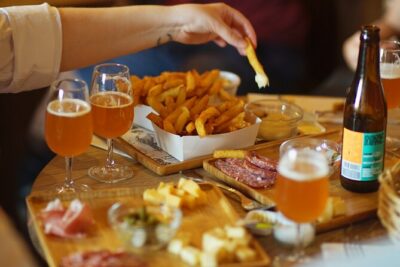
Hungry Mary’s Famous Beer and Chocolate Tour in Brussels
Read our review →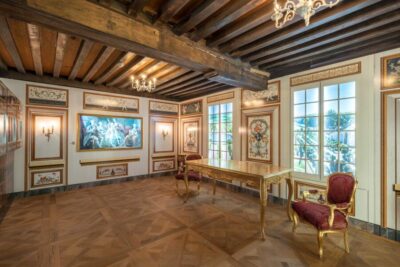
Choco-Story Museum with Audio Guide and Tastings
Read our review →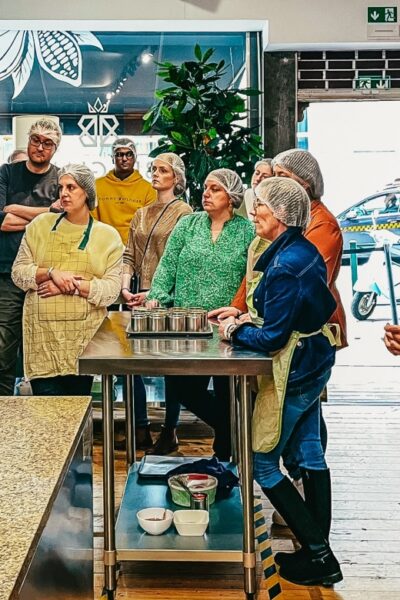
Belgian Chocolate Making Workshop with Tastings
Read our review →
Historical Tour with Chocolate & Waffle Tasting
Read our review →
Historical Walking Tour with Chocolate & Waffle Tasting
Read our review →
Browse the lists this tour appears in