
REVIEW · MEXICO
Tulum: Chocolate & Honey Sanctuary Experience with Lunch
The most unusual part of this Tulum outing is the mix of Maya cacao tradition and stingless-bee conservation. You roast and peel cacao, grind it on a metate, and learn how the Maya once used cacao seeds as currency. I like the family-run setting and the chance to swim in a clear cenote after lunch.
I also like the slow pace. You can rest in hammocks, hear local stories, taste honey and chocolate in several forms, and enjoy a meal such as chicken with chocolate sauce. The main drawback is that the advertised hands-on soap and chocolate workshops may not always happen in full, so ask what is available that day.
Key points
- Grind cacao on a traditional metate: Learn how raw beans become chocolate, then taste versions flavored with vanilla, coffee, amaranth, or habanero.
- Meet the Maya stingless-bee tradition: Hear how the local bee is protected and how its honey is used in food, drinks, and personal-care products.
- Swim in a cenote: Cool off in clear water at the end of the visit, with a life jacket available only for an extra charge.
- Eat an organic honey-and-chocolate lunch: The menu can include distinctive dishes such as chicken served with chocolate sauce.
- Expect a family-owned, relaxed setting: Antonio and his family have been especially warm hosts, with hammocks, a small shop, and a calm dog named Lola.
- Plan for jungle conditions: Bring insect repellent, water shoes, swimwear, a towel, and a change of clothes.
A small Maya cacao sanctuary near Tulum
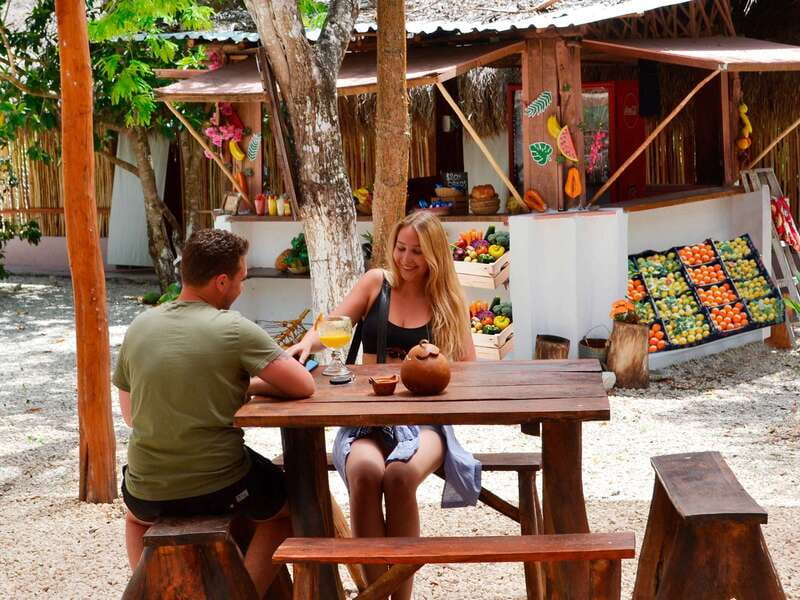
At $59 per person for three hours, this is not a standard sightseeing stop. You come to Chococacaomaya to learn how cacao and honey fit into Maya culture, make or taste a few products, eat lunch, and cool off in a cenote.
The sanctuary is near Aldea Coba, about a 45-minute drive from Tulum’s beach area. Meet at the Chococacao Maya entrance, across from the Starbucks at Hotel Aldea Coba, and check in at the Shamans’ Palapa. That meeting point matters because this is not a hotel pickup activity. You need to arrange your own way there.
The setting is family-run and unhurried. That makes the visit feel quite different from a large group excursion with a guide pushing everyone from one station to the next. You may have time to sit in a hammock before or after the activities, especially if you arrive hot from the drive.
A shaman begins with a blessing before you enter the jungle sanctuary. The ceremony is presented as a way to thank the ancient spirits connected with honey and chocolate. You can treat this as a cultural welcome rather than a staged show. It gives the visit a clear sense of place from the start.
A few more chocolate tours around Mexico worth a look
- Epic Yarra Valley Wine Tour + Lunch, Chocolate & Gin/Beer Option
★ 5.0 · 1,819 reviews - Hunter Valley Wines, 2-Course Lunch, Cheese & Chocolate Tour
★ 5.0 · 132 reviews - Hunter Valley Wine Tour ex Hunter Valley – Lunch, Cheese, Chocolate, Distillery
★ 4.5 · 80 reviews
Cacao on the metate, from bean to drink
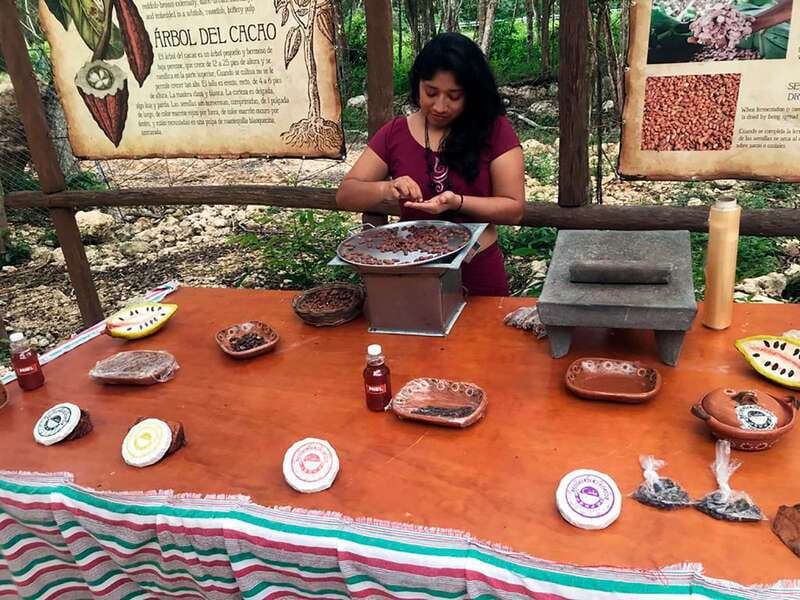
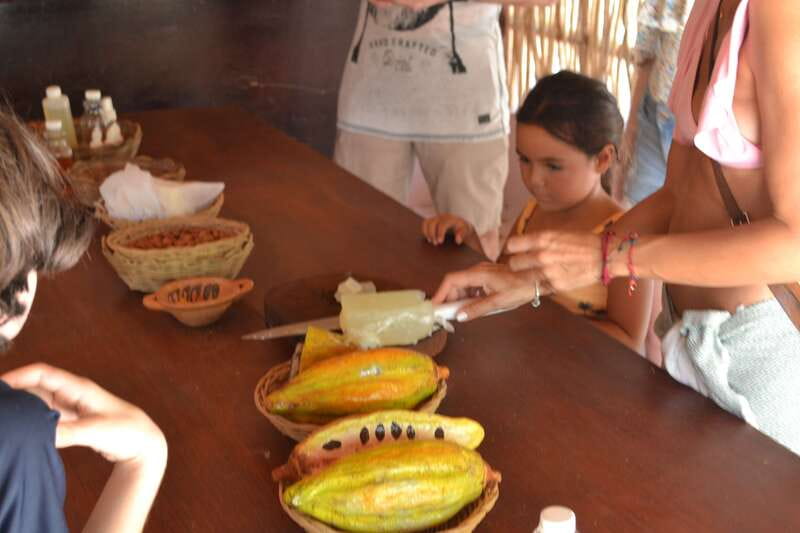
The chocolate section is the strongest part of the visit for anyone who likes food with a story. Local hosts explain the importance of cacao in pre-Hispanic Maya society, including the use of cacao seeds as a form of payment or barter.
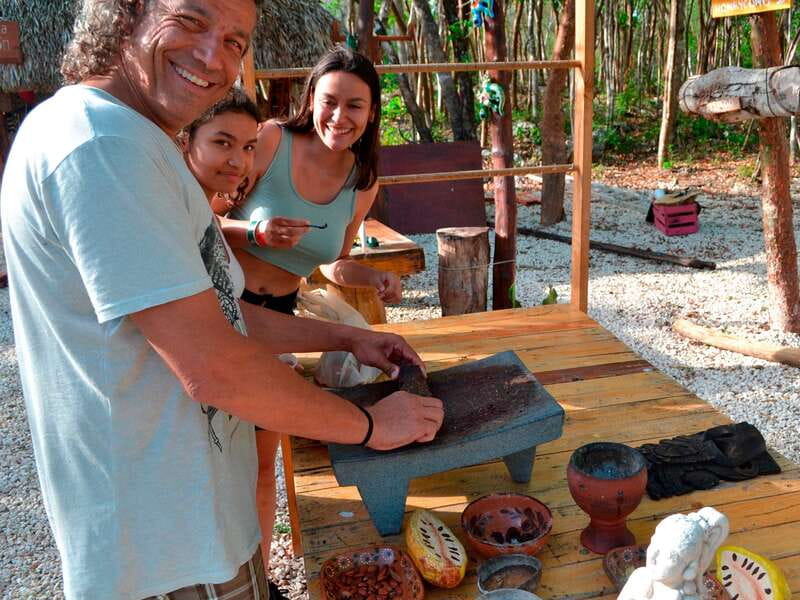
You then see the basic work behind a chocolate bar. The beans are roasted, peeled, and ground by hand on a metate, the traditional stone tool used to crush grains and seeds. You may get to handle the metate yourself, which gives you a better sense of how much labor sits behind a simple cup of chocolate.
The process is not polished into a modern cooking demonstration. That is part of its appeal. You are seeing a traditional method, with its rough stone surface and strong roasted aroma, rather than a factory-style explanation.
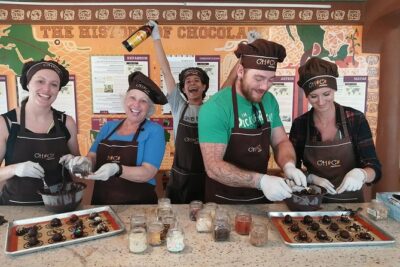
The activity is advertised as a chance to make your own organic chocolate and select flavors. Possible additions include vanilla, amaranth, coffee, and habanero. The tasting also includes different flavored chocolates, hot chocolate, and combinations of honey with chocolate.
Here is the practical catch: the exact level of participation can vary. Some visits include grinding and tasting but not a full chocolate-making session or a chance to choose every ingredient. If making your own finished chocolate is the main reason you are booking, confirm the day’s plan when you arrive.
This is still worthwhile if you enjoy food history. You learn why cacao mattered before Spanish contact, how the raw seed changes through roasting and grinding, and how local flavors can shift chocolate from sweet to spicy. The habanero option is especially useful for anyone who wants something beyond ordinary milk chocolate.
Learning about the Maya stingless bee
The honey workshop focuses on the Maya bee, described here as the only bee in the world without a stinger. Its conservation is an important part of the sanctuary’s work, and the hosts explain how the bees are protected and how their honey is used.
The honey has a distinct flavor and is treated locally as a medicinal product. You will learn about its uses, taste the honey, and try honey mixed with chocolate. The lesson is simple but useful because it connects a small local insect with food traditions, farming, and personal care.
The listed activity includes making a natural honey soap. The intention is to show how honey can become something useful beyond a breakfast ingredient. You should be aware that this portion is not guaranteed in the full advertised form. On one visit, a missing ingredient meant the soap could not be made. The hosts gave an example and explained the process instead.
That limitation is worth knowing before you arrive. If the soap workshop is available, you can make a product by hand and take one item home. If it is not, you may still see or buy honey-based soaps, shampoo, body oil, and related products in the small shop.
The conservation talk is best for curious adults and older children who want more than a quick tasting. It is not a formal wildlife tour, and you should not expect a long scientific presentation. You get a local explanation tied to the sanctuary’s own work.
A lunch built around chocolate and honey
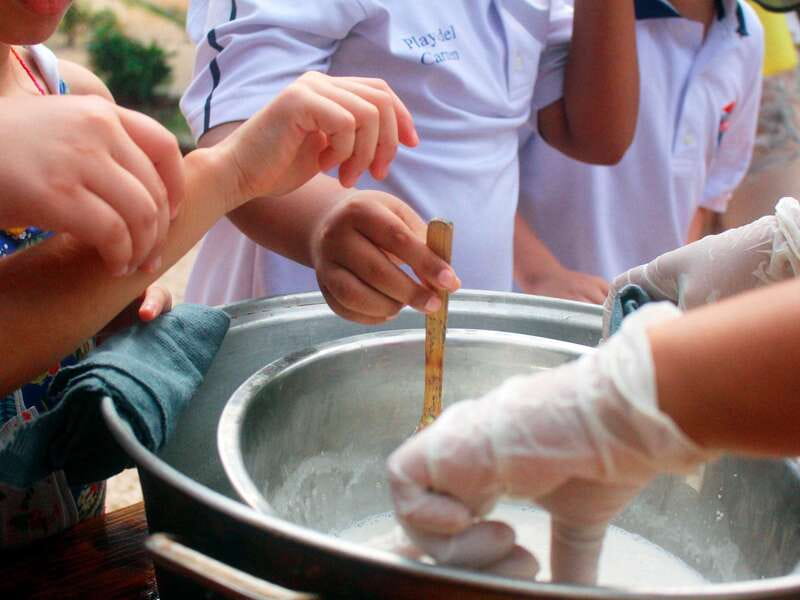
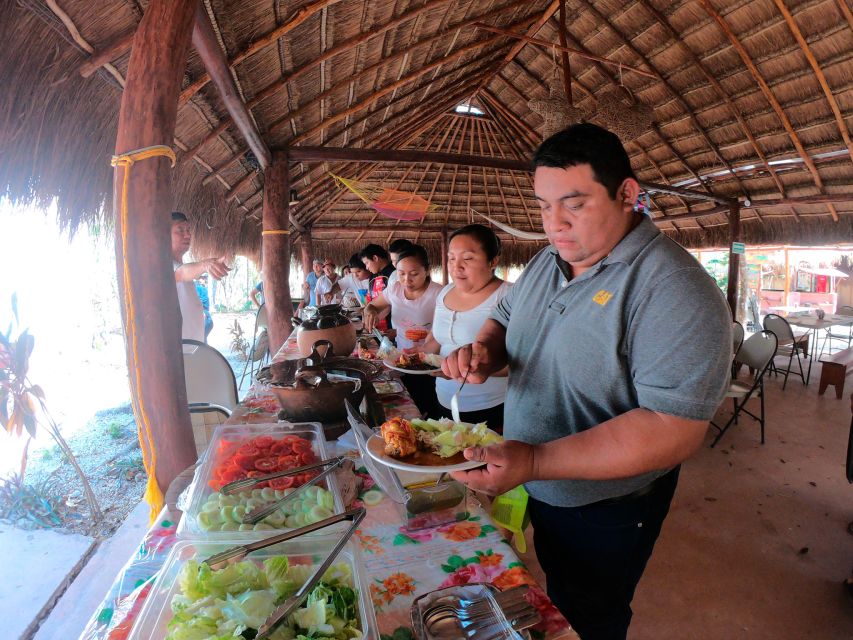
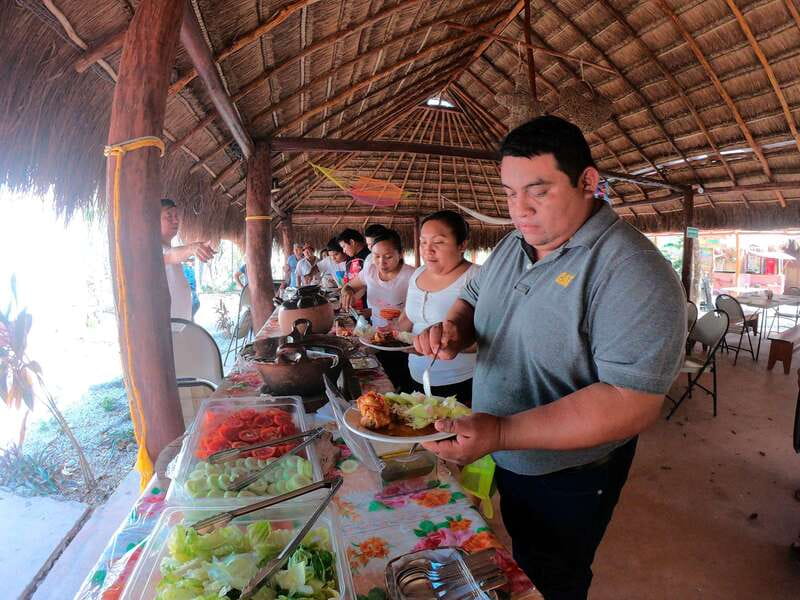
The meal is included, which makes the $59 price easier to justify. It is described as an organic lunch built around honey and chocolate, and one menu example is chicken with chocolate sauce.
That may sound unusual if your idea of chocolate belongs only in dessert. In Mexican cooking, chocolate can be part of a savory sauce, so this meal gives you a chance to try a less familiar use of cacao. The flavor may be a conversation starter at the table, even if you prefer chocolate in a cup or bar.
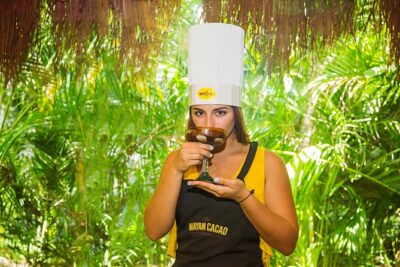
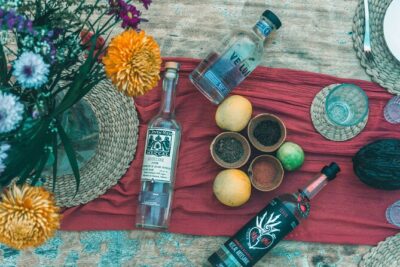
You may also receive a honey-infused cocoa drink, hot chocolate, or a small chocolate liqueur tasting. These details can vary, so think of the meal as a local tasting rather than a fixed restaurant menu.
Drinks are not included in the listed price. Bring water for the day, especially in warm weather, and budget for any additional beverages. The hosts have been praised for serving the food with care, which suits the relaxed, home-style character of the sanctuary.
The meal also breaks up the activity nicely. You begin with cultural and food lessons, then sit down to eat before heading to the cenote. That order can be adjusted when the group is small, and one family group was able to choose the order of activities.
Same place, a different way to taste it:
- Finca 18 Puerto Vallarta Tequila Tour + Chocolate Pairing
★ 5.0 · 393 reviews - Bean to Bar Chocolate Workshop in Puerto Vallarta
★ 5.0 · 381 reviews - Chocolate Tour in Vallarta
★ 5.0 · 226 reviews - Chocolate & Margarita Workshop
★ 5.0 · 207 reviews
Cooling off in a clear cenote
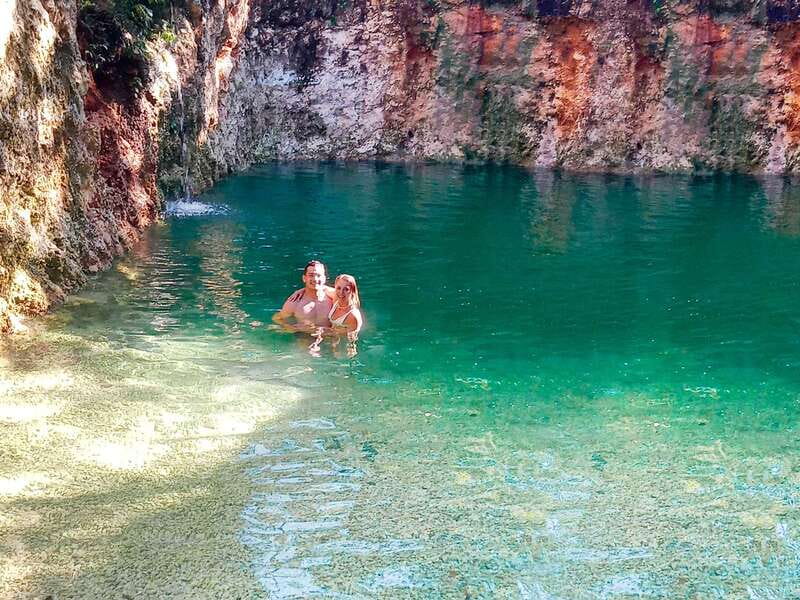
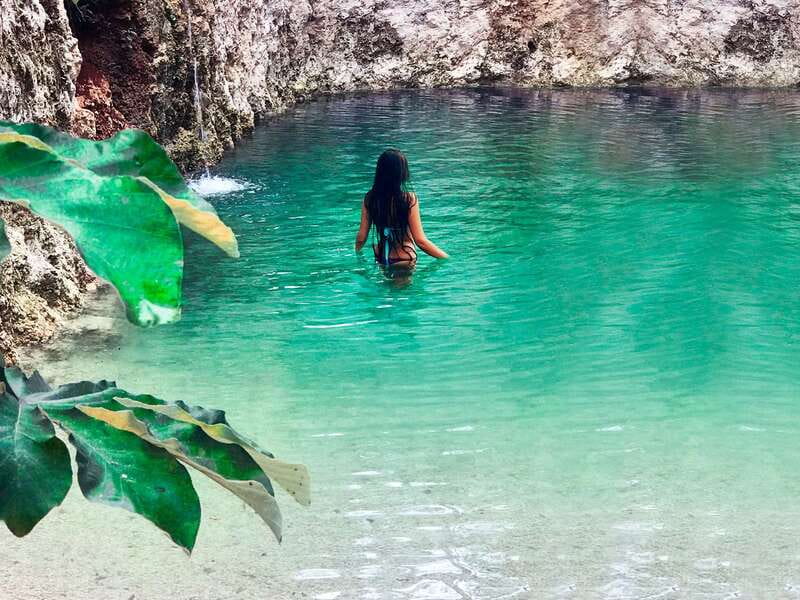
The cenote is the natural finish to the visit. After the cacao, honey, and lunch, you can swim in clear water surrounded by the jungle setting. It is less about a long swim than about cooling down and resting after a warm morning.
Local tradition describes the water as sacred and says that each swim may add one or two years to your life. Take that as a legend, not a medical promise, but it adds a pleasant bit of Maya folklore to the stop.
You need to bring swimwear, a towel, water shoes, and a change of clothes. Biodegradable sunscreen is recommended, and biodegradable insect repellent is especially useful because the sanctuary is in a jungle area. One person specifically found mosquito repellent essential.
A life jacket is not included. If you need one, check availability and expect to pay separately. The provided information does not give details about water depth, so anyone who is not a confident swimmer should ask the guide about conditions before entering.
The cenote is a good reason to pack properly. Without dry clothes and a towel, the ride home can be uncomfortable. Water shoes can also make getting in and out easier, depending on the entry surface.
The hosts, pace, and atmosphere
Antonio is the guide named most often in the experience details, and he has been described as patient, welcoming, and attentive. His family helps create a personal atmosphere, with explanations that feel more like a conversation than a rehearsed speech.
English and Spanish guidance is available. A little language difference may still occur, but the hosts are used to explaining the activities patiently. If a detailed history lesson is important to you, tell the guide what you want to understand and ask questions as you go.
The pace is one of the activity’s best features. You are not rushed from cacao to honey to lunch. Hammocks offer a place to rest, and the sanctuary’s calm dog, Lola, may wander over for a sniff. That small detail tells you what sort of place this is: informal, family-owned, and not designed as a slick theme park.
The tradeoff is that the experience may feel less polished than a large commercial tour. Instructions may change with the group, ingredients may not always be ready, and a workshop can turn into a demonstration. I would choose it for warmth and local contact, not for strict timing or production-line efficiency.
The sanctuary also sells honey, chocolate, body products, jewelry, and other souvenirs. You do not need to buy anything, but the shop gives you a chance to take home something connected to the visit instead of a generic Tulum keepsake.
Is $59 good value for three hours?
I think the price is fair if you plan to use all parts of the visit. The fee includes the host’s explanations, sanctuary entry, the chocolate activity, the honey soap activity, an organic meal, and cenote swimming. Food, cultural instruction, and a natural swimming stop in one short outing make it a stronger value than a simple cenote admission.
The value is less clear if you are expecting a fully hands-on craft class. The chocolate and soap portions may be partly demonstrations, and extra drinks and a life jacket cost more. You are paying for the setting, the family welcome, the stories, the tastings, lunch, and the cenote, not just for a finished bar of chocolate or a bar of soap.
I would also factor in the drive. From the Tulum beach area, the journey takes about 45 minutes, so the outing uses more time than the three-hour activity length suggests. It makes sense as a half-day plan, especially if you are staying near Aldea Coba or already visiting that side of the area.
Free cancellation up to 24 hours before the activity and a reserve-now, pay-later option make booking less risky. The experience is wheelchair accessible, though the information does not explain which parts of the cenote entry or jungle paths are accessible, so ask before booking if that detail affects your plans.
Who should book this experience?
I would recommend it to you if you want a quieter alternative to beach clubs, nightlife, and crowded sightseeing. Couples will appreciate the relaxed meal and cenote swim, while families can enjoy a mix of stories, food, and water time.
It also suits anyone interested in Maya food traditions. The cacao work is more memorable when you understand the seed’s old economic role and see the grinding process yourself. People who enjoy tasting unusual combinations should make room for chocolate with coffee, vanilla, amaranth, or habanero.
This is less suitable if you want a high-energy adventure, a guaranteed craft project, or a detailed archaeological tour. There are no ruins in the listed activities, and the visit centers on family hospitality, food, honey, and the cenote.
For families, keep in mind that swimming ability and comfort with jungle conditions matter. Bring every item on the packing list, especially insect repellent, swimwear, a towel, and dry clothes. You will enjoy the day more if you are ready for heat, humidity, and a wet finish.
Should you book it?
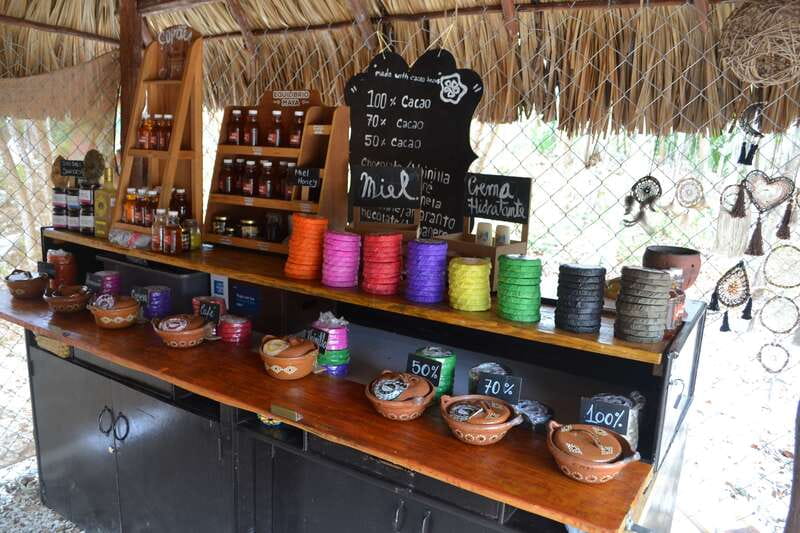
Book this experience if you value personal hosting, local food, Maya cacao traditions, and a calm cenote swim more than a perfectly scripted workshop. The combination of metate-ground cacao, stingless-bee honey, an organic lunch, and time in the water gives you a varied half-day for $59.
Before paying, ask whether the chocolate-making and soap-making portions will be fully hands-on on your date. That one question will set the right expectation. If you can accept that a craft session may become a demonstration, Chococacaomaya offers a warm, distinctive break from the usual Tulum schedule.
FAQ
How long does the Honey and Chocolate Sanctuary Experience last?
The activity lasts three hours. Starting times vary, so check availability when booking.
Where is the meeting point?
Meet at the Chococacao Maya entrance, across from the Starbucks Coffee at Hotel Aldea Coba. Check in at the Shamans’ Palapa.
Is lunch included?
Yes. An organic meal based on honey and chocolate is included. A dish such as chicken with chocolate sauce may be served.
Is swimming in the cenote included?
Yes. Cenote swimming is included in the activity. A life jacket is not included, and drinks are also separate.
What should I bring?
Bring comfortable shoes, comfortable clothing, swimwear, a towel, a change of clothes, water shoes, biodegradable sunscreen, and biodegradable insect repellent.
Is the activity available in English?
Yes. Live guidance is available in English and Spanish. The activity is also listed as wheelchair accessible.
Just added around Mexico
- Uxmal: Choco History Museum & Cenote★ 4.1 · 21 reviews
- Tulum: Chocolate & Honey Sanctuary Experience with Cenote★ 3.5 · 6 reviews
- Cultural Adventure: Artisanal Chocolates, Coffee and Doll Making★ 5.0 · 2 reviews
- Tarot Reading with Coffee & Chocolate or Smoothie★ 5.0 · 17 reviews
- Sayulita Magical Town Tour: Local food, and chocolate.★ 5.0 · 18 reviews
- Private Make Your Own Chocolate Experience in Puerto Vallarta★ 5.0 · 8 reviews
- Chocolate Macarons Workshop in Puerto Vallarta★ 5.0 · 5 reviews
- 1 Hour Oaxacan Chocolate Making Class with Mole-making and Drinks★ 5.0 · 9 reviews
Mexico Chocolate Tours, compared.
Finca 18 Puerto Vallarta Tequila Tour + Chocolate Pairing
Read our review →
Bean to Bar Chocolate Workshop in Puerto Vallarta
Read our review →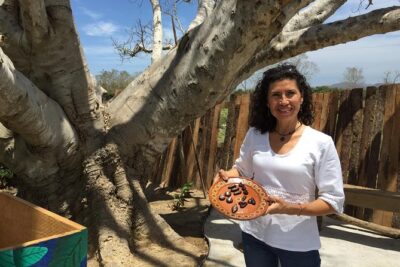
Tour to Uxmal Kabah and Chocolate Museum from Mérida
Read our review →Browse the lists this tour appears in