
REVIEW · MEXICO
Chocolate Tour in Vallarta
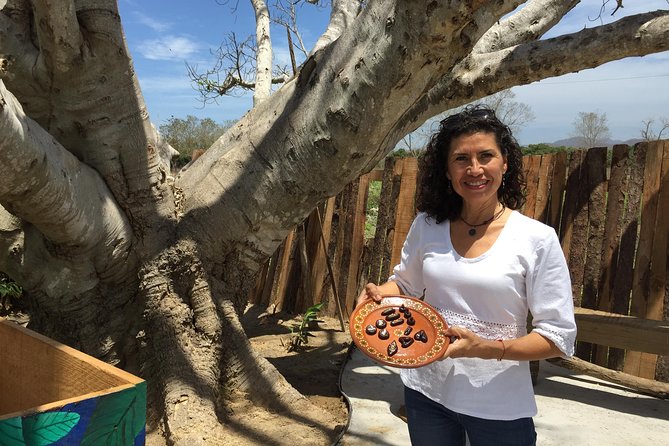
Planeta Cacao takes you past the candy-store version of chocolate and into the real work behind it. In a small cacao garden near Puerto Vallarta, you can cut open a pod, taste the fresh pulp and seeds, roast cacao, grind it by hand, and shape your own chocolate to take home. The setting is modest, rural, and hands-on.
I like the way the tour connects Mesoamerican cacao traditions with the plant growing in front of you. I also like that a private booking lets your guide adjust the pace, answer questions, and involve children or older family members without a large group pressing onward.
The main thing to plan around is transportation. Planeta Cacao is outside Puerto Vallarta, and private transportation is not included. The advertised visit lasts about 90 minutes, but the workshop can run closer to two hours, so leave room for both the activity and the ride.
Key points to know before you book
- You make chocolate from roasted cacao seeds: Roast, shell, grind, sweeten, season, and shape your own batch.
- The cacao garden is small and educational: Expect a short path with trees at different stages, not a vast commercial plantation.
- The visit takes place in Tondoroque: It is about 15 minutes from Puerto Vallarta and roughly five minutes from Nuevo Vallarta or Bucerías.
- Your group stays private: Only you and your companions participate, with an English-speaking guide.
- Tastings are built in: You receive a cacao drink, chocolate, Mexican cacao cookies, and samples of house-made products.
- Budget extra for the ride: An Uber or other transport is needed because transfers are not part of the $39 tour price.
From cacao flower to chocolate bar
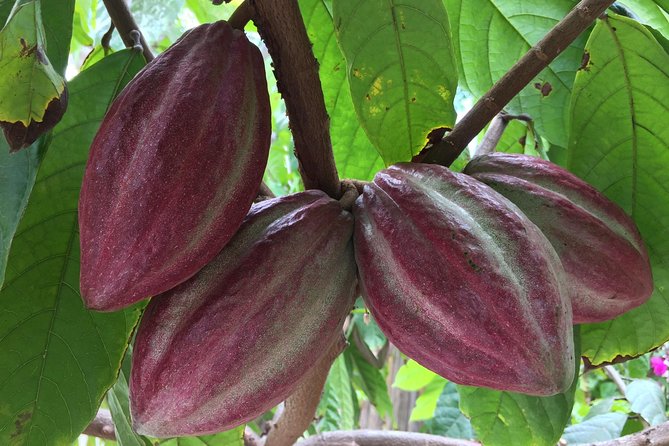
The best part of this Puerto Vallarta chocolate tour is its clear beginning-to-end story. You do not simply watch a demonstration or sample finished sweets. You follow the cacao seed through the stages that turn a tropical fruit into something you recognize as chocolate.
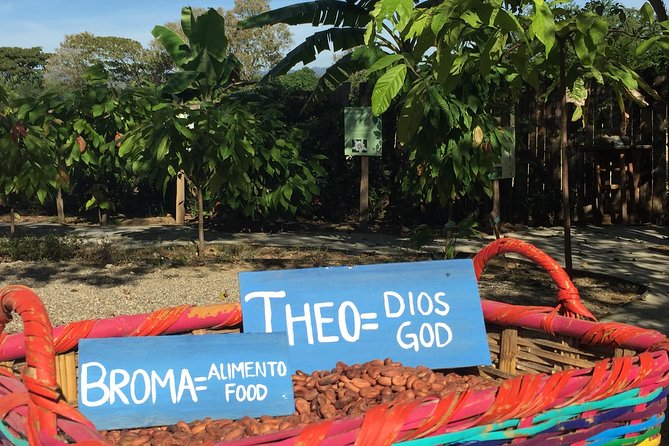
The visit begins in Planeta Cacao’s garden and exhibition area. Your guide introduces the cacao tree, its flowers, pods, and seeds, then explains how the plant has been used over time. The site also covers cacao’s role in Mesoamerican culture and its importance around the Bay of Banderas, where cacao has been cultivated in Nayarit for more than a thousand years.
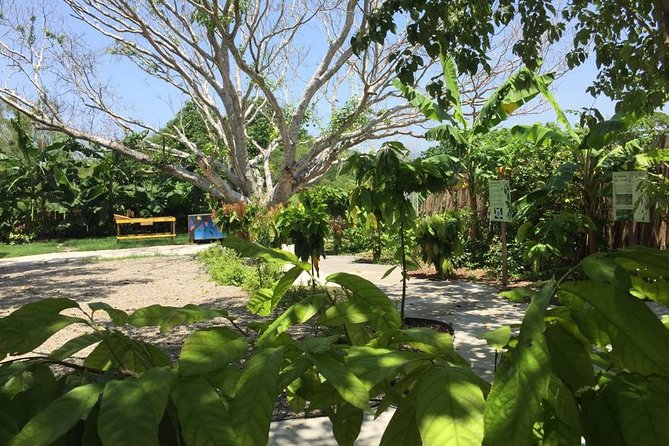
That local setting matters. You are not learning about an abstract crop in a downtown shop. You can see cacao pods in their natural state and examine trees at different stages of growth. The garden is small, so keep your expectations in check. This is an open-air educational site with a short walking route, not a sprawling plantation.
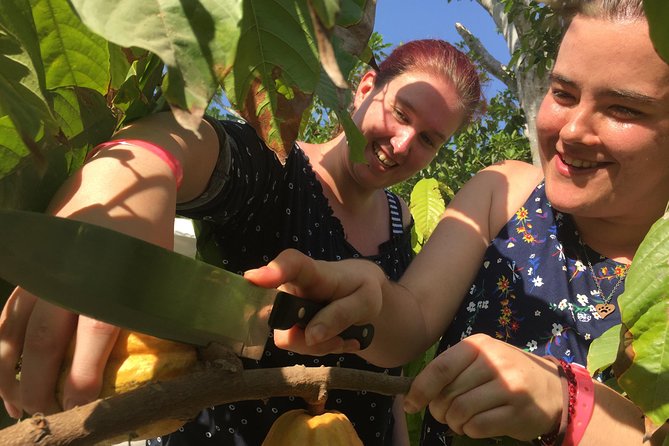
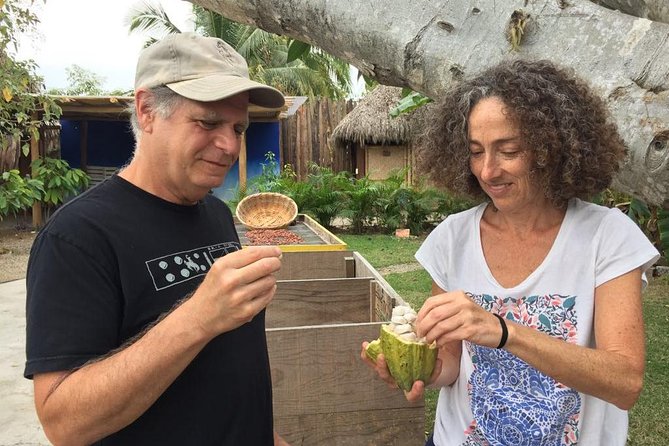
Depending on the season, you may be able to select a pod from a tree and open it yourself. The fresh cacao fruit is an important surprise for many people because the seeds do not initially look or taste like a chocolate bar. You may sample the raw seeds and pulp before the roasting and grinding begin.
The guide also explains cultivation, harvesting, fermentation, drying, and grinding. That sequence gives you a better sense of how much work comes before the familiar sweet flavor. The process is practical rather than polished, which is part of the appeal.
A few more chocolate tours around Mexico worth a look
- Finca 18 Puerto Vallarta Tequila Tour + Chocolate Pairing
★ 5.0 · 393 reviews - Bean to Bar Chocolate Workshop in Puerto Vallarta
★ 5.0 · 381 reviews - Chocolate & Margarita Workshop
★ 5.0 · 207 reviews
A cacao drink with Mesoamerican roots
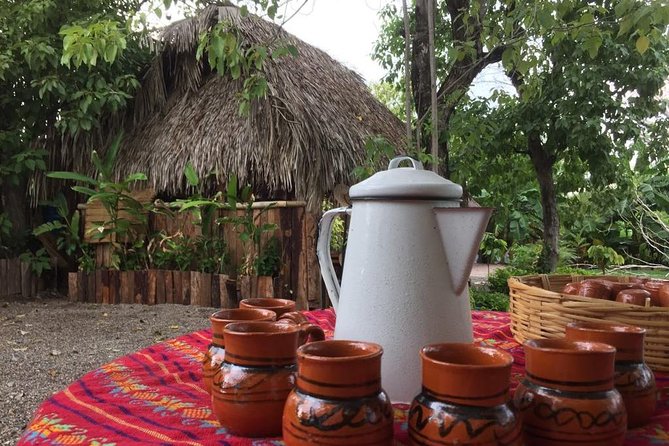
The first tasting is a cacao and corn drink inspired by older Mesoamerican traditions. You also receive chocolate and Mexican cacao cookies as part of the visit.
This opening drink is useful context, not just a snack. Modern chocolate is usually associated with milk, sugar, and dessert, but cacao has long been used in drinks and ceremonial or cultural settings. Tasting a preparation based on cacao and corn helps you think about the ingredient on its own terms.
The experience also discusses nutritional qualities associated with cacao and the many uses of the tree. You may see products made from different parts of the plant, along with traditional utensils and a mud kitchen in the exhibition area.
The tasting portion is included in the tour price, and additional chocolate products are available in the small shop. The shop carries homemade items and gives you a chance to bring something back without turning the visit into a sales pitch. You can browse at your own pace.
The hands-on chocolate workshop
The workshop is where Planeta Cacao earns its price. After the garden and cultural introduction, you work with cacao that has already been prepared for the next stages. Fresh pods are seasonal, and fermentation takes time, so the full farm process cannot be completed from one newly opened pod during a short visit.
In practice, you may open a fresh pod for the demonstration, then use pre-fermented seeds for roasting. Your guide roasts them in front of you. Once cooled, you shell the seeds by hand and remove the husks.
Next comes grinding. A hand grinder turns the roasted cacao into a thick paste. This is a simple tool, but it makes the change from dry seed to chocolate feel immediate. You are not merely watching a machine do the work. You can see and feel the texture develop.
You then add sugar and, in some sessions, cinnamon. The amount can be adjusted to taste. Other additions may include chopped nuts or seeds. The exact choices can vary, but the central task remains the same: create a chocolate mixture, shape it, decorate it, and taste it.
You can wrap up your finished chocolate to take home. That small parcel is more meaningful than a standard souvenir because you made it yourself, from a seed you handled only minutes earlier. It also gives children and teenagers a concrete task, which helps keep the history lesson from feeling too long.
Some visits last close to 100 minutes. Others, especially longer workshop versions, continue for about two hours. The listing gives an approximate duration of one hour and 30 minutes, so I would schedule it as a 90-minute to two-hour activity rather than a tightly timed stop.
The guides make the private format work
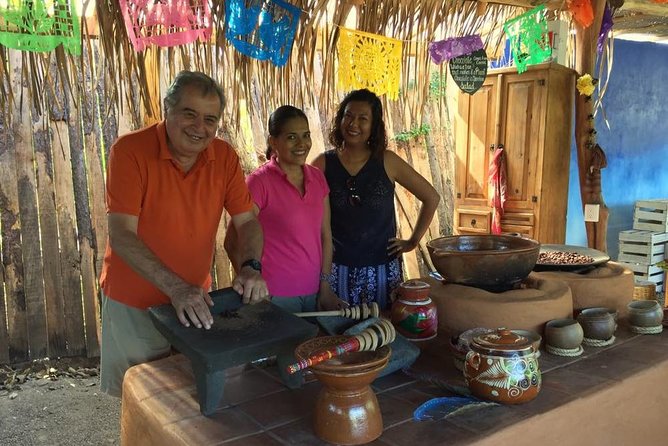
The private setup is a real advantage. Your group is the only group taking part, so the guide can slow down for questions, spend more time with children, or explain a process again if the terminology is new.
Several guides have been praised by name, including Adrián, Rosa, Lia, Aldo, and Millie. Adrián is especially associated with detailed explanations of cacao history and the practical steps from seed to chocolate. Rosa has led sessions that included roasting, grinding, and making truffles, while Lia has worked well with families and children.
The names may change based on the day and schedule, so do not book solely to meet one particular guide. The broader strength is the personal teaching style. The guides present the subject with warmth and answer questions about the trees, flowers, pollination, cultural uses, and chocolate-making process.
English is offered. Since this is a private activity, you can ask for clarification when needed instead of trying to follow a talk meant for a large mixed group.
Same place, a different way to taste it:
- Chocolate and truffles workshop
★ 5.0 · 157 reviews - San Jose del Cabo Art Walk, Beer Tasting &Chocolate Demonstration
★ 5.0 · 141 reviews - Artisanal Mezcal and Fine Chocolate Tasting
★ 5.0 · 132 reviews - Art walk & Cacao delight
★ 5.0 · 111 reviews
What the $39 price really covers
At $39 per person, the tour is reasonably priced for a private, hands-on activity, especially if you value instruction and the chance to make something. You receive the garden visit, historical background, the workshop, cacao drinks, chocolate, cookies, tastings, and your own handmade chocolate.
The value is strongest for a couple, family, or small group that wants participation rather than a quick tasting. If you only want to sample fancy chocolate, the price may feel high compared with buying sweets in Puerto Vallarta. Here, you are paying for the guide’s time, the private format, the garden setting, and the process.
Transportation changes the calculation. No private transfer is included. From Puerto Vallarta, the ride may take around 30 minutes, and reported Uber costs have ranged from about $8 each way from the Vidanta area to roughly $20 each way from Puerto Vallarta. Costs depend on your starting point and the ride service available at the time.
From Nuevo Vallarta or Bucerías, the garden is closer, at about five minutes away. From Puerto Vallarta, allow extra time for the rural location and arrange your return ride. The site is near public transportation, but the information provided does not specify a particular route or schedule.
A direct booking rate of $30 has been reported in the past, compared with the $39 listed price here. Rates can change, so confirm before choosing one booking method over another. The online option offers mobile tickets and confirmation at booking, which may be worth the small difference for a planned vacation schedule.
A small rural site, not a polished attraction
Planeta Cacao is in El Tondoroque, a rural area of Bahía de Banderas in Nayarit. The location gives the visit a local feel, but it also means you should not expect a large visitor center, a grand plantation, or a long series of exhibits.
The site includes an exhibition area with old utensils, a traditional mud kitchen, cacao trees, prepared drinks, and a chocolate shop. The path through the garden is short. You will see plants at different growth stages and learn to identify the flower, pod, and seed.
That compact scale is both a strength and a limitation. I like that the visit stays focused and personal. You can ask questions and handle the materials without spending half a day walking from one exhibit to another. On the other hand, anyone expecting acres of cacao trees may find the garden smaller than imagined.
The workshop itself provides the substance. The garden sets the scene, while roasting, shelling, grinding, and shaping provide the memorable part.
Who will enjoy this experience most
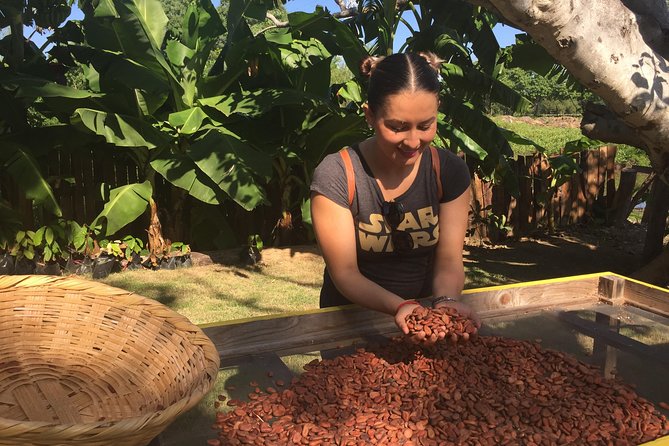
This is a strong choice for families. Children can open a pod, handle the seeds, grind cacao, and decorate chocolate. Teenagers also have enough active work to stay involved, and the private format makes it easier for a guide to adjust the presentation for different ages.
It works well for couples who want something beyond a beach day or a downtown tasting. The experience has enough history and local context to feel like an outing, but it is still relaxed and delicious.
It can also suit a multigenerational group. The activity has welcomed groups ranging from young children to people in their eighties, although the garden path and hand-grinding work may require a slower pace for some participants. Service animals are allowed.
You may want to choose another activity if you are looking for a luxury chocolate boutique, a large working farm, or a short stop directly in central Puerto Vallarta. The rural ride is part of the plan, and the workshop requires participation. You will get more from it if you are willing to handle cacao rather than simply watch.
Practical planning for your visit
Wear clothing suitable for an outdoor garden and hands-on food preparation. The supplied information does not specify a dress code, but you should be prepared for a rural setting rather than an air-conditioned city shop.
Book ahead if your schedule is fixed. The activity is often reserved about 28 days before the visit, which suggests that popular dates can fill early. A mobile ticket is accepted, and confirmation is provided when you book.
Allow at least 90 minutes at the site, and preferably closer to two hours if you want the full creative workshop. Add travel time on both ends, especially from Puerto Vallarta. Since the activity ends back at the meeting point, you will need to arrange your ride home.
The cancellation policy is flexible if your plans change early. You can cancel for a full refund up to 24 hours before the scheduled start time. Changes or cancellations made less than 24 hours ahead are not accepted for a refund.
Should you book Planeta Cacao?
I would book this tour if you want a small, personal food experience with cultural background and real participation. The strongest features are the private group format, the chance to see cacao growing, and the step-by-step work of roasting and grinding your own chocolate.
The main caution is simple: budget for transportation and do not picture a huge plantation. Planeta Cacao is a small rural cacao garden with a focused workshop. For families, curious couples, and anyone who wants to understand what chocolate is before it reaches the wrapper, the $39 price is fair. If you only want dessert, spend the money at a chocolate shop instead.
FAQ
Where does the Chocolate Tour in Vallarta take place?
The activity begins and ends at Planeta Cacao, San Vicente 120, 63735 Tondoroque, Nayarit, Mexico. It is about 15 minutes from Puerto Vallarta and about five minutes from Nuevo Vallarta or Bucerías.
How long does the chocolate tour last?
The advertised duration is approximately one hour and 30 minutes. The workshop may take closer to two hours, and some visits have lasted about 100 minutes.
Is transportation included?
No. Private transportation is not included. You must arrange your own ride to and from Planeta Cacao.
What food and drinks are included?
The tour includes a cacao and corn drink, chocolate, Mexican cacao cookies, and tastings of artisanal chocolate. You also make your own chocolate during the workshop.
Do I make chocolate during the tour?
Yes. The process can include roasting cacao seeds, shelling them, grinding them by hand, adding sugar and cinnamon, mixing in optional additions, and shaping the finished chocolate.
Is this a private activity?
Yes. Only your group participates in the tour, making it a private experience.
Can I cancel for a refund?
You can cancel at least 24 hours before the scheduled start time for a full refund. Cancellations or changes made less than 24 hours before the start time are not accepted for a refund.
Just added around Mexico
- Uxmal: Choco History Museum & Cenote★ 4.1 · 21 reviews
- Tulum: Chocolate & Honey Sanctuary Experience with Lunch★ 4.2 · 34 reviews
- Tulum: Chocolate & Honey Sanctuary Experience with Cenote★ 3.5 · 6 reviews
- Cultural Adventure: Artisanal Chocolates, Coffee and Doll Making★ 5.0 · 2 reviews
- Tarot Reading with Coffee & Chocolate or Smoothie★ 5.0 · 17 reviews
- Sayulita Magical Town Tour: Local food, and chocolate.★ 5.0 · 18 reviews
- Private Make Your Own Chocolate Experience in Puerto Vallarta★ 5.0 · 8 reviews
- Chocolate Macarons Workshop in Puerto Vallarta★ 5.0 · 5 reviews
Mexico Chocolate Tours, compared.
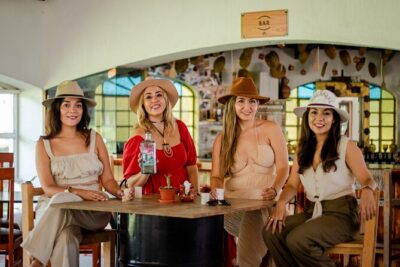
Finca 18 Puerto Vallarta Tequila Tour + Chocolate Pairing
Read our review →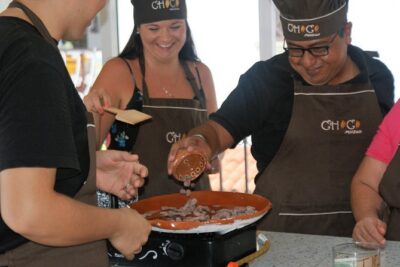
Bean to Bar Chocolate Workshop in Puerto Vallarta
Read our review →

Tour to Uxmal Kabah and Chocolate Museum from Mérida
Read our review →
Browse the lists this tour appears in