
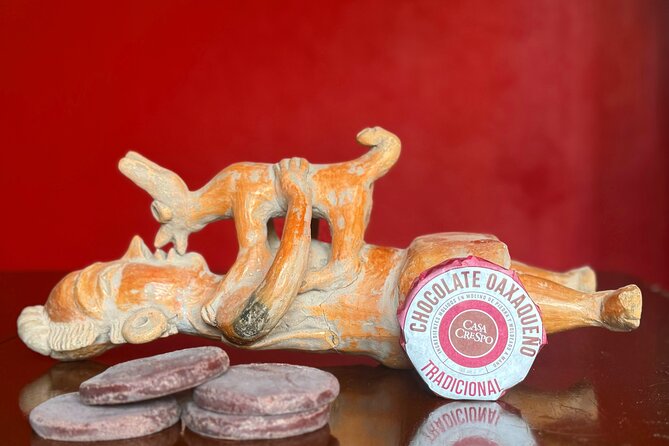
REVIEW · MEXICO
1 Hour Oaxacan Chocolate Making Class with Mole-making and Drinks
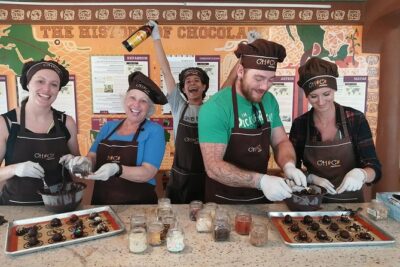
The best part of this Oaxacan chocolate class is that you do not simply taste a finished product. You toast cacao beans, grind them, shape chocolate, and then use your work in a simple mole and hot chocolate. It is a compact lesson in how chocolate fits into everyday Mexican cooking.
I like the hands-on format and the clear link between cacao and mole, a sauce that many visitors taste without seeing how it comes together. I also like the small group limit of 14, which should give the guide room to help with the grinding and cooking. The main drawback is the short one-hour length, so expect an introduction rather than a full cooking course.
Key points at a glance
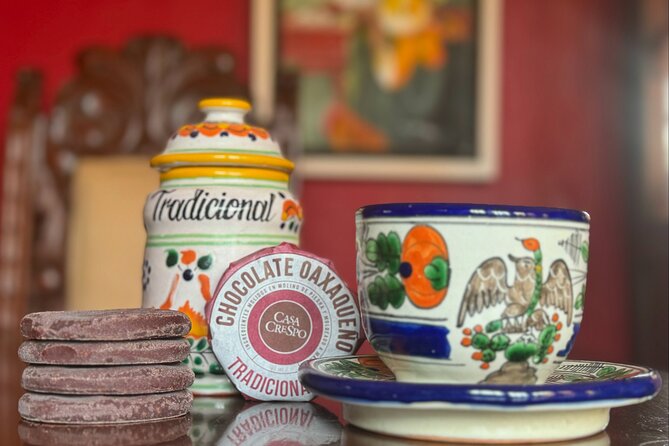
- Toast and grind cacao beans: You handle the beans before turning them into chocolate.
- Make chocolate bars: Your chocolate is later used in the class recipes.
- Prepare simple mole: Dry chiles, chocolate, bread, and other ingredients form the savory centerpiece.
- Finish with a hot drink: Hot chocolate is made with water or milk.
- Small afternoon group: The 3 pm class accepts no more than 14 people.
- Central Oaxaca meeting point: Casa Crespo is at Reforma 808, with the activity returning there.
Turning cacao beans into something you can eat
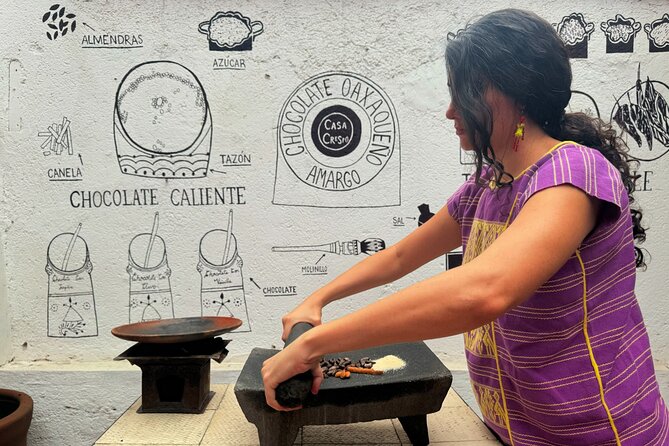
This class starts with the raw material, which gives it more substance than a quick chocolate tasting. You toast cacao beans, grind them, and turn them into chocolate bars. That basic sequence lets you feel the work behind a food that often reaches the table looking effortless.
The guide also explains how chocolate is used in small communities and why it matters in Mexico. That context is important. Chocolate here is not limited to candy or dessert. It can be part of a warm drink, a savory sauce, a family recipe, or a local food tradition.
You should expect a practical demonstration with your own participation, not a formal lecture. The one-hour schedule means the guide needs to keep the steps moving. That suits you if you want a focused activity between sightseeing stops, but it may feel brief if you hope to study roasting methods or regional chocolate styles in depth.
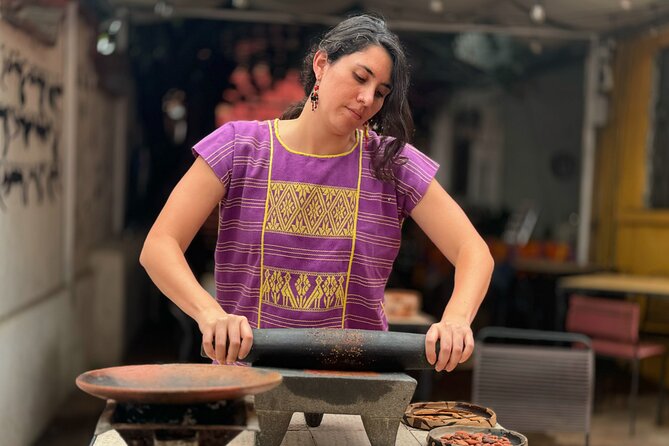
The grinding is likely to be the most revealing step. It shows the change from hard cacao beans to a workable chocolate mixture, and it connects directly to the recipes that follow. You are not only hearing about Mexican chocolate. You are helping produce the ingredient.
More Chocolate Making Workshops in Mexico
- Bean to Bar Chocolate Workshop in Puerto Vallarta
★ 5.0 · 381 reviews - Chocolate & Margarita Workshop
★ 5.0 · 207 reviews - Chocolate and truffles workshop
★ 5.0 · 157 reviews
Making a simple mole with chocolate and chiles
The savory dish is a simple mole made with dry chiles, chocolate, bread, and other ingredients. Mole can be a long and complicated family recipe, so the word simple matters here. This class gives you a manageable version that shows the basic balance of chile, sweetness, spice, and texture without pretending to teach every regional style.
I like this part because it corrects a common misunderstanding. Chocolate in Mexican cooking does not always mean a sweet dessert. In mole, it helps round out the sauce and works with the chiles rather than taking over the dish.
One completed class served the mole over chicken, turning the lesson into a small meal rather than a sauce tasting. That is a useful detail to keep in mind: the final food may feel more substantial than the short schedule suggests. Still, the listed menu describes a simple mole, so you should not expect a large restaurant-style dinner or an advanced lesson in poultry preparation.
The quality of this section depends heavily on your guide. Since the group can reach 14 people, some participants may spend more time actively stirring or grinding than others. If you want to take part in each stage, stay close to the work area and follow the instructions promptly.
Hot chocolate, with room for a possible dessert variation
The listed dessert is hot chocolate, prepared with water or milk. That distinction gives you a small but useful look at how the drink can change. Water keeps the chocolate lighter, while milk makes it softer and fuller. The class focuses on making the drink from the chocolate you helped prepare.
A class session also included chocolate ice cream alongside the mole and hot chocolate process. Because the stated sample menu lists hot chocolate, you should treat ice cream as a possible addition rather than a guaranteed part of every booking. The central promise is the chocolate drink.
This ending works well after the savory mole. You first see cacao in a sauce, then taste it in a warm drink. It gives the class a clear finish and leaves you with a better sense of chocolate as both a cooking ingredient and a drink.
The drink also makes this experience suitable for people who do not want a demanding cooking lesson. You get some physical work with the cacao, but the activity remains approachable. Families, couples, and curious food lovers can all follow the process without needing prior cooking skill.
Why the one-hour schedule matters at 3 pm
The class begins at 3 pm and lasts about one hour. That timing fits neatly into an Oaxaca City afternoon. You can visit a market or museum earlier, attend the class, and still have the evening free for dinner.
The short duration is also the chief limitation. Toasting, grinding, making chocolate, preparing mole, and producing hot chocolate is a lot to fit into 60 minutes. You will get the main ideas and take part in the key steps, but you should not expect a slow, detailed cooking workshop.
I would book this when you want one focused food activity rather than a full afternoon in a kitchen. It is especially useful for a first look at Oaxacan cooking, since the class connects a familiar ingredient, chocolate, with a sauce that may be less familiar.
The 3 pm start is fixed in the supplied details, so plan around it. Arriving at the correct address matters because the activity begins and ends at Casa Crespo, at Reforma 808 in the Centro area of Oaxaca de Juárez.
Same place, a different way to taste it:
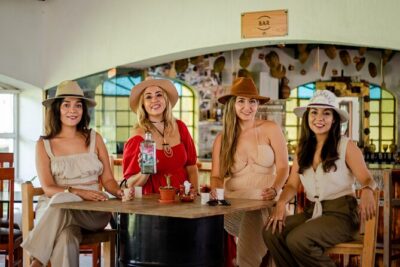
- Finca 18 Puerto Vallarta Tequila Tour + Chocolate Pairing
★ 5.0 · 393 reviews - Chocolate Tour in Vallarta
★ 5.0 · 226 reviews - San Jose del Cabo Art Walk, Beer Tasting &Chocolate Demonstration
★ 5.0 · 141 reviews - Artisanal Mezcal and Fine Chocolate Tasting
★ 5.0 · 132 reviews
A central meeting point and a compact group
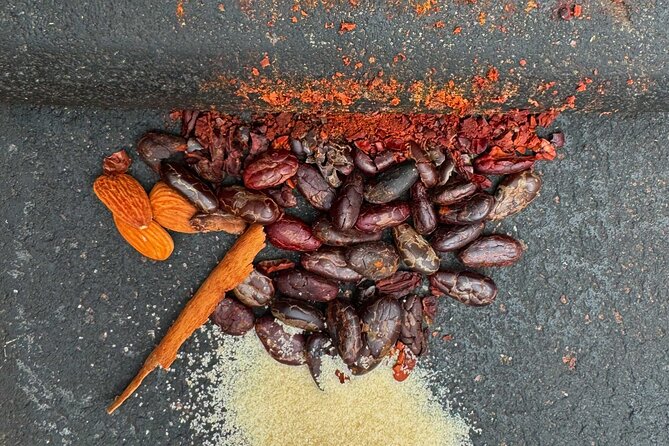
Casa Crespo sits near public transportation, making the meeting point practical if you are already moving around central Oaxaca. The activity ends at the same location, so you do not need to arrange a separate return transfer.
The class accepts a maximum of 14 people. That is not a private lesson, but it is small enough to keep the group manageable. A smaller group can make it easier to watch the guide, ask questions, and get a turn with the ingredients.
The experience is offered in English, which is helpful if you want the cultural explanation as well as the cooking instructions. The guide is licensed, and snacks are included. Service animals are allowed.
You receive a mobile ticket and confirmation at booking. The practical warning is the cancellation rule: this experience is non-refundable and cannot be changed for any reason. Do not book it until your afternoon plans are firm.
Is $40 a fair price?
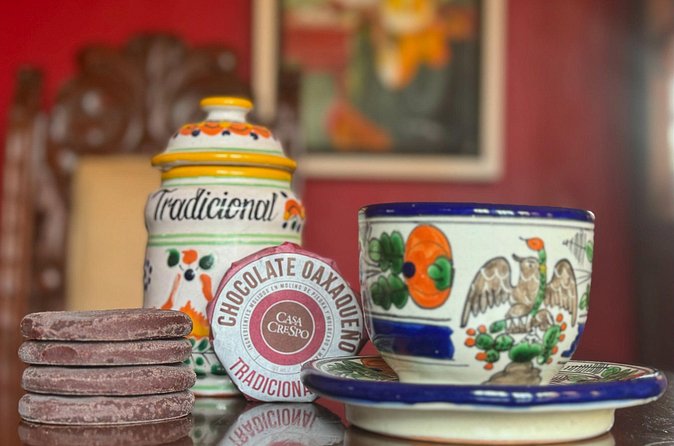
At $40 per person, this is not the cheapest way to drink hot chocolate in Oaxaca. You are paying for more than the finished food, though. The price includes a licensed guide, instruction, ingredients, snacks, and a structured hands-on activity in a central location.
The value is strongest if you care about how the food is made. Toasting and grinding cacao gives you a process you cannot get from ordering a cup at a café. The mole also adds a savory cooking lesson, so the class covers more ground than a simple chocolate tasting.
The value is weaker if you want a long meal or a full cooking course. One hour leaves little room for extended practice, detailed regional comparisons, or several finished dishes. The group size also means you may not control every step yourself.
For a visitor who wants a short, food-centered activity, $40 is reasonable. I would compare it with the cost of a standard meal, then ask whether learning the process matters to you. If the answer is yes, the class offers a more memorable use of your afternoon.
Who will enjoy this class most?
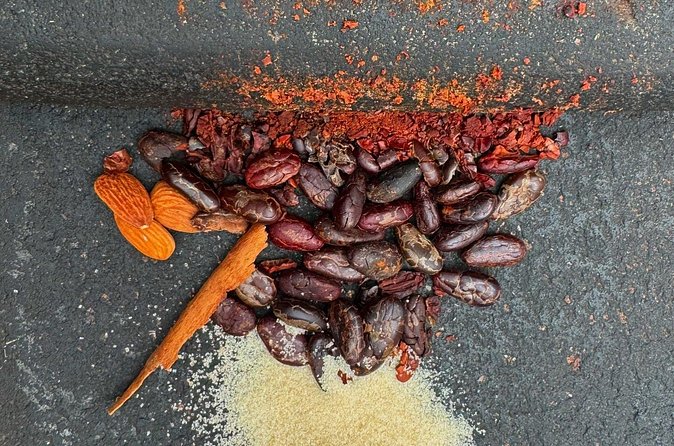
I would recommend it to anyone curious about the connection between chocolate and savory Mexican food. It is also a good match for first-time visitors who want a structured introduction without committing to a half-day cooking program.
Families may appreciate the visible transformation from cacao bean to chocolate. Couples can share the work, and solo participants should have a manageable setting for meeting other food-focused visitors.
You should choose another activity if your main goal is a long, technical cooking lesson. The class does not promise several complex dishes, a market visit, or a detailed tour of Oaxaca’s food districts. Its strength is focus: cacao, chocolate, mole, and a warm drink.
The activity may also suit people who prefer a light afternoon program. Snacks are included, and one class finished with mole over chicken and chocolate ice cream, but the official sample menu centers on mole and hot chocolate. Think of it as a tasting-sized meal paired with instruction, not a guaranteed full dinner.
What to know before you reserve
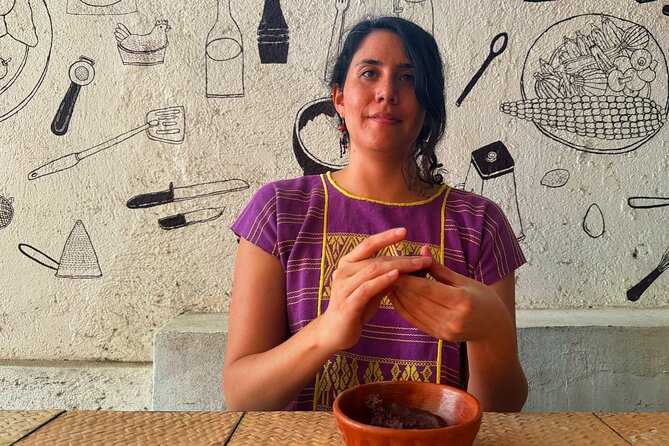
Book only when you are confident about the date. The non-refundable policy gives you no room to cancel or amend the reservation for any reason.
Use the mobile ticket and arrive at Casa Crespo, Reforma 808, in the Centro area. The scheduled start is 3 pm, and the activity returns to that same meeting point.
The class is offered in English and has a maximum of 14 participants. If you want the clearest view of the work, arrive ready to take part rather than standing back. The experience depends on active participation.
The menu is based on chocolate made during the class. You will work with cacao beans, dry chiles, bread, and other ingredients for the mole, then use chocolate in the hot drink. A chocolate ice cream finish has also appeared, but it is not part of the stated sample menu, so do not book solely for that dessert.
Should you book the Casa Crespo chocolate class?
Book it if you want a short, practical introduction to an important Mexican ingredient. The best reasons are the hands-on cacao work, the lesson on chocolate in small communities, and the chance to use your chocolate in both mole and a drink.
Skip it if you want a lengthy cooking school, a private class, or a guaranteed multi-course meal. At one hour, this is a compact experience with a clear subject.
For most food-focused visitors with a free 3 pm slot, I think the class is a sensible choice. It gives you a useful glimpse of Oaxacan cooking without taking over your day, and it may change the way you think about chocolate once you see it working in a savory mole.
FAQ
Where does the chocolate-making class begin?
The class begins at Casa Crespo, Reforma 808, Ruta Independencia, Centro, 68000 Oaxaca de Juárez, Oaxaca, Mexico.
What time does the activity start?
The scheduled start time is 3 pm.
How long does the class last?
The activity lasts approximately one hour.
Where does the activity end?
It ends back at the meeting point at Casa Crespo.
Is the class offered in English?
Yes. The experience is offered in English.
How many people can join the class?
The maximum group size is 14 travelers.
What will I do with the cacao beans?
You will toast cacao beans, grind them, and make chocolate bars.
What is included in the mole?
The simple mole is made with dry chiles, chocolate, bread, and other ingredients.
What drink is included?
Hot chocolate is included. It is made with chocolate and either water or milk.
Can I cancel for a refund?
No. The experience is non-refundable and cannot be changed for any reason.
More 1-Hour Experiences in Mexico
- Madrid: 1-Hour Segway Tour with Chocolate and Churros
★ 4.9 · 65 reviews - Brussels: 1h-Bean-to-Bar Chocolate Making Workshop
★ 4.8 · 26 reviews
Just added around Mexico
- Uxmal: Choco History Museum & Cenote★ 4.1 · 21 reviews
- Tulum: Chocolate & Honey Sanctuary Experience with Lunch★ 4.2 · 34 reviews
- Tulum: Chocolate & Honey Sanctuary Experience with Cenote★ 3.5 · 6 reviews
- Cultural Adventure: Artisanal Chocolates, Coffee and Doll Making★ 5.0 · 2 reviews
- Tarot Reading with Coffee & Chocolate or Smoothie★ 5.0 · 17 reviews
- Sayulita Magical Town Tour: Local food, and chocolate.★ 5.0 · 18 reviews
- Private Make Your Own Chocolate Experience in Puerto Vallarta★ 5.0 · 8 reviews
- Chocolate Macarons Workshop in Puerto Vallarta★ 5.0 · 5 reviews
Mexico Chocolate Tours, compared.
Finca 18 Puerto Vallarta Tequila Tour + Chocolate Pairing
Read our review →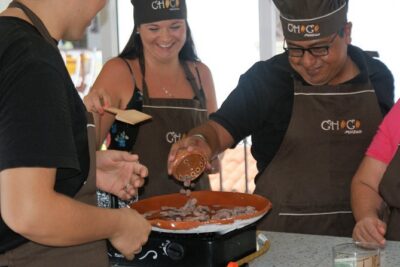
Bean to Bar Chocolate Workshop in Puerto Vallarta
Read our review →

Tour to Uxmal Kabah and Chocolate Museum from Mérida
Read our review →Browse the lists this tour appears in