
REVIEW · MEXICO
Make Your Own Chocolate with Oaxacan Tradition Private Class
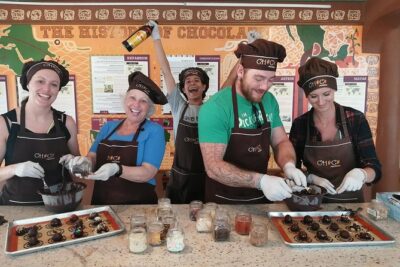
Oaxaca’s chocolate tradition becomes much clearer when you handle the cacao yourself. At Chimalapa Cacao, you taste different beans, roast them on a clay comal from San Marcos Tlapazola, peel them by hand, and grind them into chocolate. It is a small workshop, not a quick tasting stop.
I like the hands-on work and the personal control over your final blend. You choose the sugar level and add regional ingredients, then make a hot chocolate drink with a traditional grinder. I also like the tiny group size, capped at four people, which gives guides such as Fernanda, Diego, Lupita, or Ruth time to help each person.
The main consideration is timing. Although the class is listed at about two and a half hours, you should allow closer to three hours, especially if you linger over the tasting and drink preparation. This is not the best pick if you want a short, polished demonstration with little participation.
Key points at a glance
- Taste cacao before making chocolate: You compare beans and powders while learning how cacao differs from commercial chocolate.
- Roast on a clay comal: The comal comes from San Marcos Tlapazola in Oaxaca’s Central Valleys.
- Make a personal blend: You decide how much sugar to use and mix in regional ingredients.
- Use a traditional grinder: The final drink is prepared with a hand-operated kitchen tool that helps blend the chocolate.
- Keep your own chocolate: Your handmade chocolate becomes a tasty souvenir to take with you.
- Small, family-friendly setting: The maximum group size is four, and children as young as four have taken part.
Starting with Oaxaca cacao at 5 de Mayo 210
The class begins at 5 de Mayo 210 on the RUTA INDEPENDENCIA in Centro, Oaxaca de Juárez. This central meeting point is near public transportation, and the activity returns there at the end, so you do not need to arrange a separate ride between stages.
The first hour sets the tone. You are introduced to cacao from Oaxaca and learn to notice its organoleptic qualities, meaning the things you can judge with your senses: aroma, flavor, texture, and appearance. That language may sound technical, but the practical lesson is simple. Cacao is not one uniform product, and the way it is handled changes what ends up in your cup.
You also learn the difference between cacao, commercial chocolate, and what the class calls conscious chocolate. This gives the workshop more substance than a basic recipe lesson. You are not only adding sugar to melted chocolate. You are learning where the ingredient fits in local food culture and how a handmade product differs from a mass-produced bar.
The format works well for curious eaters. If you already know something about chocolate, you can still compare different beans and ground powders. If you are starting from zero, the staff explains the process in manageable steps. Diego is described as patient, and Fernanda has worked especially well with children. Lupita and Ruth are also named as members of the teaching team.
More Chocolate Making Workshops in Mexico
- Bean to Bar Chocolate Workshop in Puerto Vallarta
★ 5.0 · 381 reviews - Chocolate & Margarita Workshop
★ 5.0 · 207 reviews - Chocolate and truffles workshop
★ 5.0 · 157 reviews
Roasting cacao on a San Marcos Tlapazola comal
The workshop then moves from explanation to heat. You roast cacao on a clay comal, a flat cooking surface associated here with San Marcos Tlapazola in Oaxaca’s Central Valleys. That detail matters because the tool is part of the lesson, not just a decorative prop.
Roasting changes the smell and taste of the beans, and handling the cacao at this stage helps you see how much work comes before the familiar chocolate drink. The clay comal also connects the process to local kitchen practice and to the communities that make these tools.
You should expect this to be a working class. You will handle the beans, pay attention to the roasting, and take part in the next steps. The process is slower than opening a packet of cocoa powder, but that is the point. The extra time lets you see how a simple drink depends on roasting, peeling, grinding, and mixing.
For families, the activity has a useful balance of movement and information. Children can take part in the physical tasks instead of sitting through a long talk. The workshop has worked for children aged 8, 9, 11, 12, and 13, and one parent attended with a four-year-old. Very young children may need more help with the hot comal and grinding, but the class is designed to include them.
Peeling the beans and hearing the local story
Once the cacao is roasted, you peel it by hand. This is a small task, but it changes how you see the ingredient. The beans are no longer an abstract crop or a flavor on a menu. You are preparing them one by one before they become chocolate.
The peeling stage also carries part of the cultural lesson. The guides explain the place of cacao in the community and its social importance. The class does not treat chocolate as a modern luxury alone. It presents cacao as part of daily life, tradition, and shared food practices in Oaxaca.
This is one of the strongest parts of the experience for anyone who wants context with their food. You are not simply shown a finished drink and told it is traditional. You take part in a process that uses local tools and connects the ingredient to a community setting.
The work can be a little repetitive, especially if you are expecting a fast demonstration. I see that as a fair trade for the small-group format. With only four people, you can ask questions while you work, and the guide can adjust the pace.
Grinding your own chocolate blend
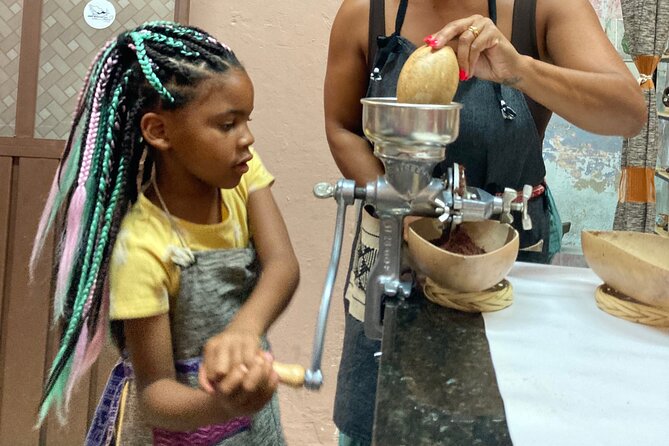
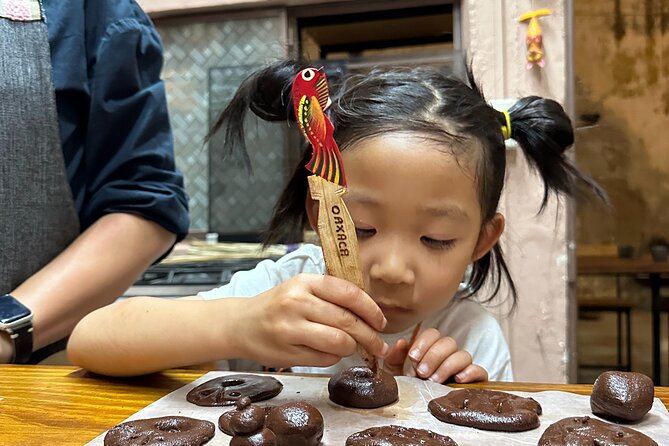
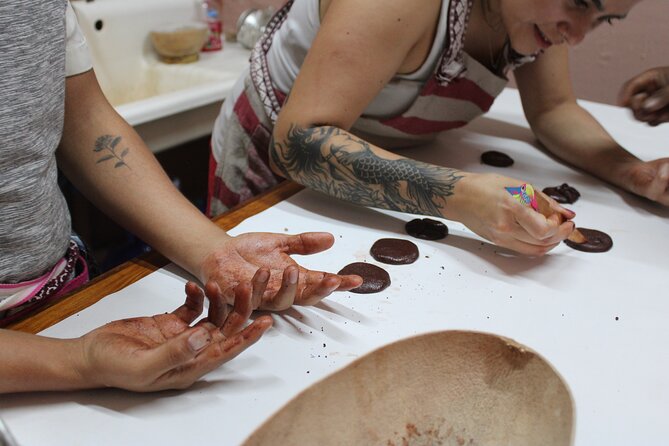
After peeling, you transform the cacao into chocolate in an artisanal way. This is where the class becomes personal. You choose the percentage of sugar in your blend, then combine the cacao with different ingredients from the region.
That control is valuable because sweetness is not the same for everyone. You can make a blend that suits your taste instead of accepting a fixed recipe. The result also gives you a better sense of how sugar changes the character of cacao. A sweeter mixture may feel familiar, while a less sweet blend lets the bean speak more clearly.
The grinding takes effort. One person described it as a workout, and that is useful advice if you picture this as a passive food demonstration. You will use your hands and spend time working the cacao into a usable chocolate mixture. The task is part of the pleasure, but it can also be tiring.
You should also expect variation. Your finished chocolate depends on the beans, the amount of sugar, the regional ingredients you choose, and how thoroughly you grind the mixture. That is a strength of the class. You are making something personal, not reproducing a factory-standard bar.
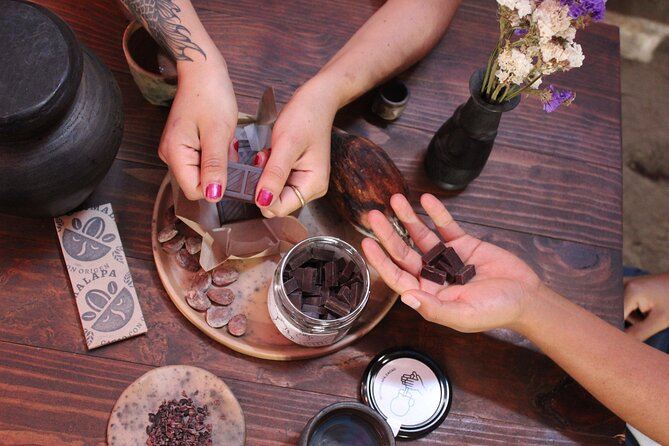
At the end, you take your own chocolate with you. It is a practical souvenir because it records the choices you made during the workshop. Pack it carefully if you are continuing your trip, since it is handmade rather than factory-sealed.
Same place, a different way to taste it:
- Finca 18 Puerto Vallarta Tequila Tour + Chocolate Pairing
★ 5.0 · 393 reviews - Chocolate Tour in Vallarta
★ 5.0 · 226 reviews - San Jose del Cabo Art Walk, Beer Tasting &Chocolate Demonstration
★ 5.0 · 141 reviews - Artisanal Mezcal and Fine Chocolate Tasting
★ 5.0 · 132 reviews
Preparing the drink with a traditional grinder
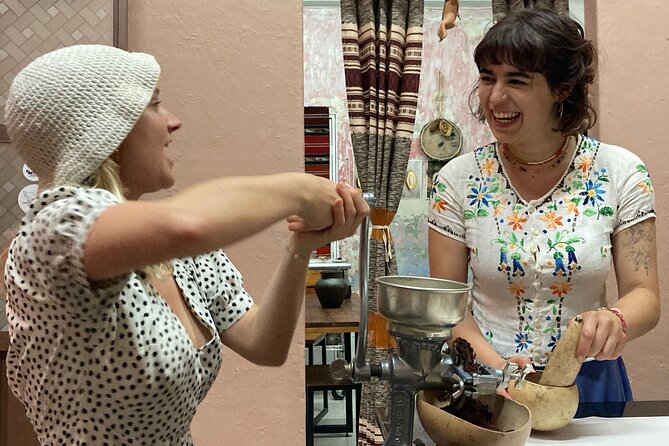
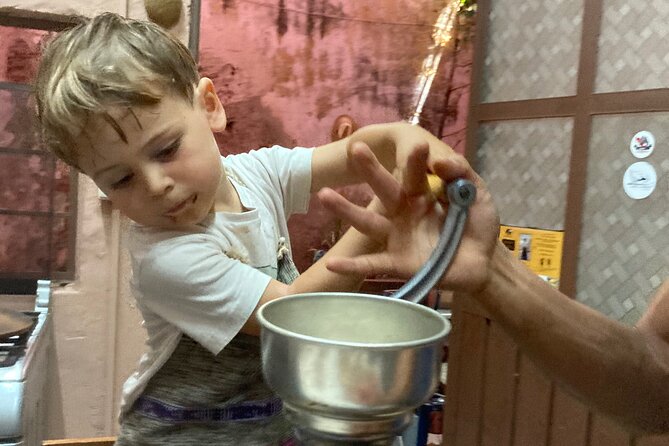
The final preparation uses a grinder, a traditional kitchen utensil that helps incorporate and blend the chocolate. You learn how to turn your handmade mixture into a drink rather than simply tasting the dry product.
This step brings the lesson back to the table. The workshop begins with cacao as a bean and ends with a drink you prepare yourself. You get to judge the aroma, texture, sweetness, and strength of the finished cup. It is also a good moment to ask about the process, since you have now seen every stage from roasting onward.
The pace here may account for the longer visits. One couple estimated about three hours overall, with time divided among instruction, tasting, and drink preparation. The official duration is approximately two hours and 30 minutes, so do not schedule a tight appointment immediately afterward.
The closing bite is listed as a cocoa toast, also described as a cocoa-based sandwich. It gives you something to eat with the drink and rounds out the tasting without turning the class into a full meal. If you need lunch or dinner, plan that separately.
Why the four-person limit changes the experience
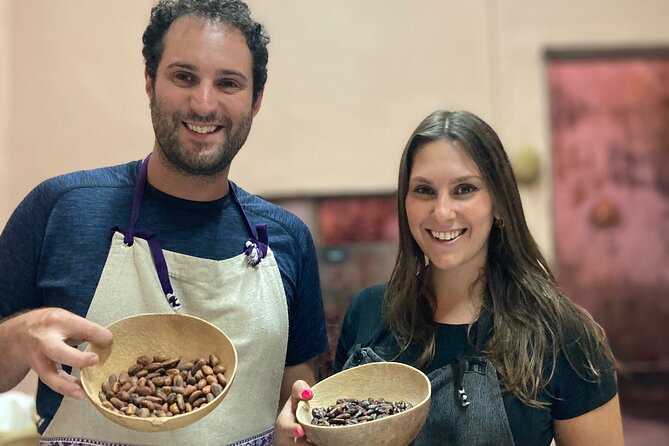
A maximum of four people is one of the clearest advantages here. Small groups make it easier to get help with the roasting, peeling, and grinding, and they allow the guide to discuss each person’s blend.
The format also suits families and friends who want to do the activity together. A parent and child can work side by side, while a pair of friends can compare their sugar choices and finished drinks. Solo visitors are not left in a large crowd, though the class may feel more social if other participants are booked.
The English-language offering is useful for visitors who do not speak Spanish. The listed guide names include Fernanda, Diego, Lupita, and Ruth, but the specific instructor may vary. The teaching style appears to be warm and patient, with particular care given to children and first-time chocolate makers.
There is a limit to what a small class can provide. You may not get a broad tour of Oaxaca’s wider cacao-growing regions or a long agricultural presentation. The focus stays close to the workshop table: tasting, roasting, peeling, grinding, and drinking.
Is $98.57 per person good value?
At $98.57 per person, this is not a bargain snack stop. The price makes more sense if you value instruction, participation, and a small-group setting rather than simply the final cup of chocolate.
You are paying for about two and a half hours of guided activity, ingredient tastings, the use of traditional tools, your handmade chocolate, and the drink and cocoa-based closing bite. The group limit of four is important here. You receive more individual attention than you would in a large public demonstration.
I would consider the price reasonable for a special Oaxaca food experience, especially for a family or couple that wants to learn by doing. It is less attractive if your main goal is to taste many finished chocolates or buy inexpensive treats. The workshop gives you a process and a story, not a large box of samples.
Group discounts are available, which may improve the value for people booking together. The experience is also available with a mobile ticket, and confirmation is provided at booking. These are useful practical features, but the real value comes from the time and personal attention.
Who should book this chocolate class?
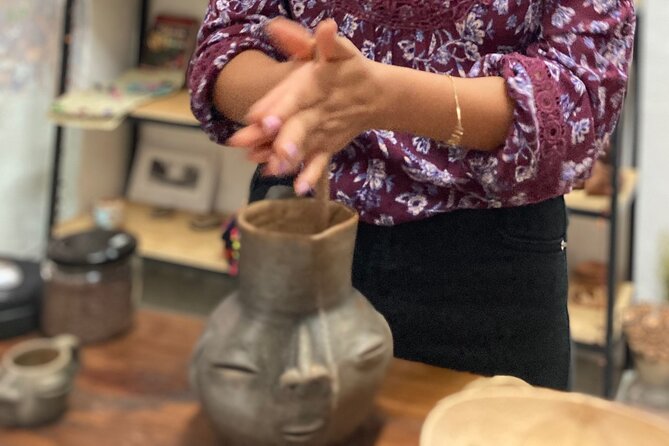
I would recommend it to you if you enjoy food traditions, want a hands-on activity, or are looking for something beyond Oaxaca’s usual restaurant stops. It is especially suited to families because children can roast, peel, grind, and make a drink instead of watching from the side.
It also fits couples and friends who like comparing tastes. The custom sugar level gives each person a small creative choice, and the handmade result makes the class feel more personal than a standard tasting.
Solo visitors can also get a lot from it. The small group keeps the activity focused, and the sensory tasting gives you plenty to discuss with the guide and other participants.
I would hesitate only if you dislike physical tasks, have very little time, or want a polished confectionery lesson focused on molded chocolates. This class is about cacao and traditional preparation, not pastry technique or professional candy making.
Service animals are allowed. The meeting point is near public transportation, and the activity ends where it starts. You can cancel for a full refund if you do so at least 24 hours before the local start time. Inside that window, the payment is not refunded, and changes are not accepted.
Should you book Make Your Own Chocolate with Oaxacan Tradition?
Book it if you want to understand Oaxacan chocolate through your hands, not just your taste buds. The clay comal, hand peeling, hard-working grinder, adjustable sugar blend, and final drink make the class feel connected to local practice.
I would give it priority for families, food-focused visitors, and anyone who values a small group. Allow three hours even though the listed duration is about two and a half, and do not arrive expecting a quick tasting. You will get the most from it when you are ready to work, ask questions, and enjoy the slower route from cacao bean to cup.
FAQ
Where does the chocolate-making class begin?
It begins at 5 de Mayo 210, RUTA INDEPENDENCIA, Centro, 68000 Oaxaca de Juárez, Oaxaca, Mexico.
Where does the activity end?
The activity ends back at the meeting point.
How long does the experience last?
The listed duration is approximately two hours and 30 minutes. You may want to allow closer to three hours for the full class, tasting, and drink preparation.
What language is the class offered in?
The class is offered in English.
How many people can join the class?
The maximum group size is four people.
What will I learn during the introduction?
You will learn about cacao from Oaxaca, taste and identify qualities of different seeds, and learn the difference between cacao, commercial chocolate, and conscious chocolate.
Will I make my own chocolate?
Yes. You will roast and peel cacao, grind it in an artisanal way, choose the sugar percentage, and mix it with regional ingredients.
What drink will I prepare?
You will prepare a chocolate drink using a traditional grinder that helps incorporate and blend the chocolate.
Is food included?
The class closes with a cocoa-based sandwich, also described as cocoa toast, along with the chocolate drink.
Can I cancel for a refund?
Yes. You can cancel at least 24 hours before the experience starts for a full refund. Cancellations or changes made less than 24 hours before the local start time are not accepted, and the amount paid is not refunded.
Just added around Mexico
- Uxmal: Choco History Museum & Cenote★ 4.1 · 21 reviews
- Tulum: Chocolate & Honey Sanctuary Experience with Lunch★ 4.2 · 34 reviews
- Tulum: Chocolate & Honey Sanctuary Experience with Cenote★ 3.5 · 6 reviews
- Cultural Adventure: Artisanal Chocolates, Coffee and Doll Making★ 5.0 · 2 reviews
- Tarot Reading with Coffee & Chocolate or Smoothie★ 5.0 · 17 reviews
- Sayulita Magical Town Tour: Local food, and chocolate.★ 5.0 · 18 reviews
- Private Make Your Own Chocolate Experience in Puerto Vallarta★ 5.0 · 8 reviews
- Chocolate Macarons Workshop in Puerto Vallarta★ 5.0 · 5 reviews
Mexico Chocolate Tours, compared.
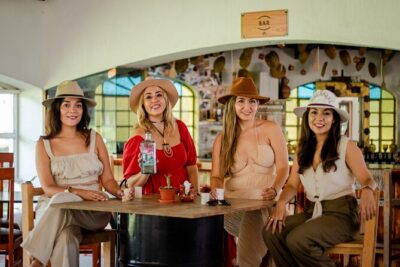
Finca 18 Puerto Vallarta Tequila Tour + Chocolate Pairing
Read our review →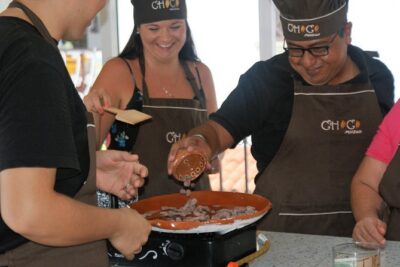
Bean to Bar Chocolate Workshop in Puerto Vallarta
Read our review →
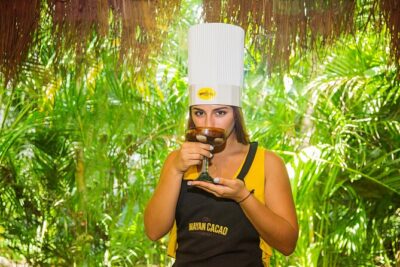

Tour to Uxmal Kabah and Chocolate Museum from Mérida
Read our review →Browse the lists this tour appears in