
REVIEW · CHOCOLATE MAKING WORKSHOPS
Make your own Bean to Bar Chocolate Factory Tour
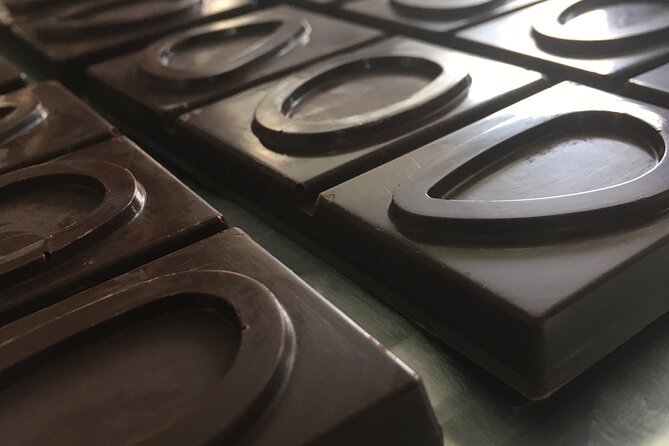
Making chocolate here starts with the cocoa pod, not a bowl of melted chips. At the Falmouth Chocolate Factory, Nick explains Jamaica’s cocoa story, then lets you roast beans, handle the fruit, temper chocolate, and create your own bars. I like the hands-on work and the way chocolate is tied to Jamaican culture and family farming.
I also like the small maximum of 12 people and the useful home technique: a bowl, spatula, and hair dryer are enough for hand tempering. The main consideration is timing. The session starts at 9:00 am, lasts about 90 minutes, and all the chocolate is dark and vegan, so milk-chocolate fans should come ready for a stronger taste.
Key points to know before booking
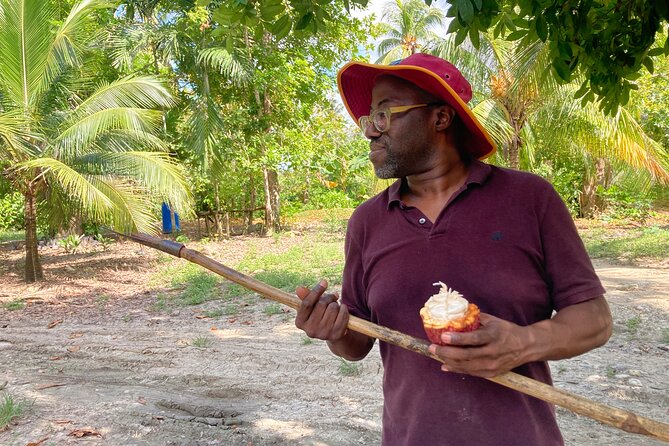
- From pod to bar: You see cocoa fruit, learn about fermentation, roast beans, process nibs, and make finished chocolate.
- Led by Nick and Marta: Nick brings a background as a former BBC correspondent and a family connection to Jamaican cocoa farming. Marta helps teach the chocolate-making process.
- A true hands-on session: You make traditional Jamaican spiced chocolate, learn hand tempering, and design custom inclusion bars.
- Small group setting: The maximum is 12 people, which suits a practical workshop better than a large demonstration.
- Useful for cruise passengers: The factory is at 23 Harbour Lane in historic Falmouth, close to the cruise port area.
- Fully vegan: The chocolate is dark chocolate, with no milk chocolate option stated.
Starting with Jamaica’s cocoa story in Falmouth

The best part of this experience is its sense of place. You are not simply shown a tempering trick and sent home with candy. The session begins by connecting cocoa to Jamaica, the island’s early Indigenous Taíno people, and the way chocolate has been used over time.
Nick’s family has grown cocoa in the area for generations, so the introduction has a personal link to the subject. He also explains his own shift from working as a BBC correspondent to becoming a chocolate maker. That change gives the talk a human angle before the practical work begins.
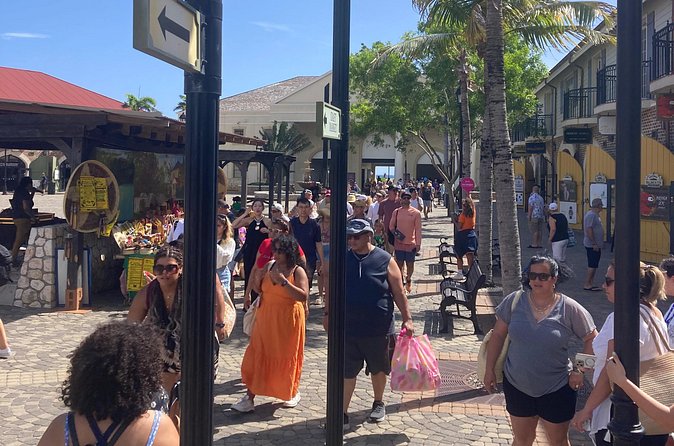
The factory sits at 23 Harbour Lane in Falmouth, on the edge of the Caribbean Sea. The setting matters because Falmouth is not just a convenient address. It is a historic port town, and the location places the workshop close to the area used by cruise passengers.
If you are coming from a ship, pay close attention to the time. Jamaica has its own local time, and ship time can differ. One couple arrived an hour early after mixing up the two clocks, and Nick was able to accommodate them. I would still treat that as good fortune, not a plan. Check the local start time before you leave the ship.
More Chocolate Factory Tours in the world:
- Lindt Home of Chocolate Museum Entry Ticket
★ 4.7 · 9,329 reviews - Zurich: City Tour, Cruise, and Lindt Home of Chocolate Visit
★ 4.5 · 4,624 reviews - Zurich Sights: Cruise, Lindt Chocolate and optional FIFA Ticket
★ 4.0 · 1,028 reviews
Seeing what is inside a cocoa pod
The workshop brings the raw material close to you. You are introduced to cocoa pods and look inside the fruit before the beans become anything resembling a chocolate bar.
That step is useful because the finished product hides most of the work. A supermarket bar gives you no clue about the fruit, the sticky pulp around the beans, or the stages needed to develop a chocolate flavor. Here, the process is explained from the farm onward.
You also learn how the beans are fermented on the farm. Fermentation is one of the key stages in cocoa production, and knowing about it helps explain why chocolate is not simply made by grinding fresh beans. The nibs then need to be processed before they can become chocolate.
I appreciate this part because it gives you a better way to taste the finished product. You can think about the cocoa bean as an agricultural product first, not just a sweet ingredient.
The supplied information does not promise a full farm visit, so do not book this expecting a long walk through cocoa fields. The focus is the factory workshop, with the pods, processing stages, and local story explained at the worksite.
Roasting cocoa in industrial machines
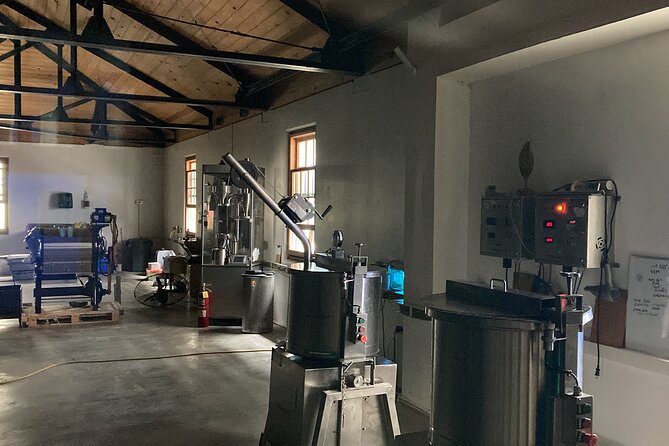
Next comes the roasting stage. You get to see cocoa roasted in large industrial machines, which gives the workshop a real production feel rather than making it look like a home kitchen demonstration.
Roasting is also one of the more engaging moments for anyone who likes to understand how food changes under heat. The raw bean is not the final flavor. Roasting helps prepare it for the next steps, and the aroma makes the process easier to grasp.
This is a short experience, so the tour cannot cover every technical detail in a full chocolate-making course. Still, the movement from pod to roasted cocoa gives you a clear sequence. You learn where the beans start, what happens on the farm, and how the factory begins to shape them.
The industrial equipment may interest food-minded visitors, but it can also be a reminder that the workshop is not only about decoration. You are looking at a working production method before moving into the more creative part of the session.
Jamaican spiced chocolate with a personal twist
After the introduction, the group makes traditional Jamaican spiced chocolate with a twist. This is where the local setting becomes part of the flavor, rather than just a backdrop.
The exact ingredients for the spice mixture are not specified, so you should not arrive expecting a particular recipe. What is clear is that this is not a plain chocolate molding exercise. The session connects the sweet to Jamaican culinary traditions and gives you a regional style to try.
I like that the activity includes a traditional preparation before you design your own bars. It gives you a reference point. You first learn one established Jamaican approach, then get room to make something more personal.
The dark chocolate base will matter here. The session is fully vegan, and the information provided describes the chocolate as dark. If you prefer creamy milk chocolate, this may taste more intense than what you usually choose. If you enjoy darker chocolate, the stronger cocoa flavor should make the spices more noticeable.
More Chocolate Making Workshops in the world:
- Vienna: Chocolate Workshop in Chocolate Museum w/ Tasting
★ 4.5 · 1,802 reviews - Brussels: Belgian Chocolate Making Workshop with Tastings
★ 4.7 · 1,629 reviews - Brussels: Chocolate Museum Visit with Workshop
★ 4.6 · 1,474 reviews - Brussels: 2.5-Hour Belgian Chocolate Making Workshop
★ 4.8 · 933 reviews
Learning to temper chocolate with a hair dryer
The most practical lesson may be the hand-tempering method. Nick shows you how to temper chocolate at a kitchen table with a bowl, spatula, and hair dryer.
That is a clever takeaway because it does not depend on buying specialist equipment. Tempering is often the point where home chocolate projects become complicated. This method gives you a simple technique to try after returning home.
The hair dryer detail is also a good example of the workshop’s tone. You are learning a proper chocolate-making step, but the equipment list stays approachable. A hair dryer is not a piece of confectionery machinery, and most kitchens already have one.
You should keep your expectations sensible. The session teaches the method and lets you work with chocolate, but it does not promise that every home attempt will look professional. Temperature control and handling still matter. What you gain is a practical starting point and a better sense of what tempering is meant to do.
Creating custom inclusion chocolate bars
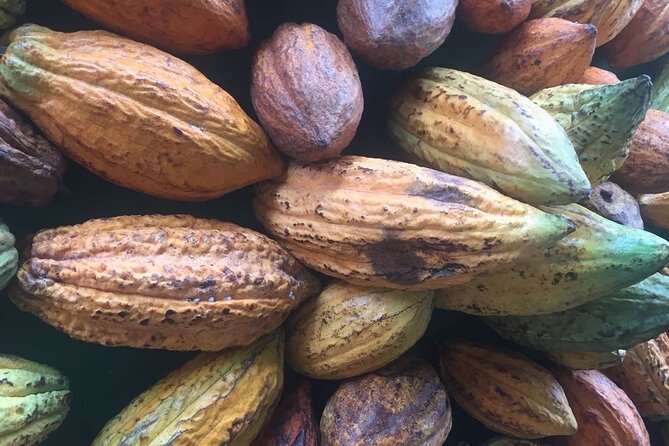
The final hands-on stage is making your own inclusion bars. Inclusions are the added ingredients placed into the chocolate, so this is your chance to create something with a personal combination rather than simply repeating the factory recipe.
The available information does not list the specific inclusions, so I would not book with a fixed idea of using one particular fruit, nut, spice, or topping. The useful promise is customization itself. You get to make bespoke bars after learning the basic stages.
This order works well. You see the pod, hear about fermentation, roast cocoa, taste a Jamaican spiced style, learn tempering, and then create your own chocolate. Each activity builds on the one before it.
The bars are also the natural souvenir of the session. Instead of buying a packaged treat and forgetting how it was made, you leave with a direct reminder of the work. The information does not state how many bars you receive or how they are packaged, so those details should be confirmed when booking if they matter to you.
Why the 90-minute schedule matters
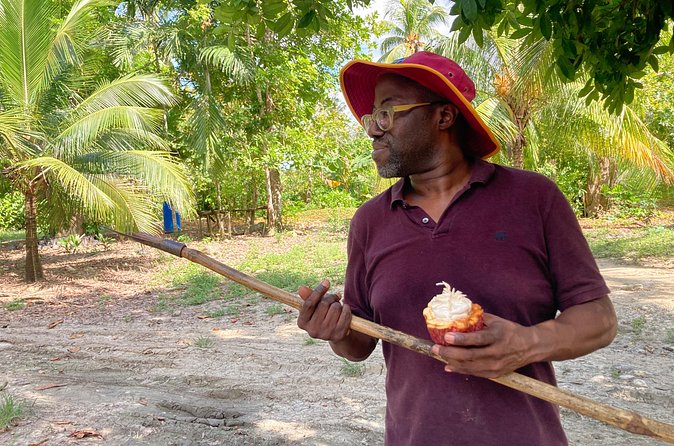
The experience lasts about one hour and 30 minutes. That is long enough for several practical stages, but short enough to fit into a morning plan in Falmouth.
You should not expect a full-day chocolate course. The value comes from the range of activities packed into the session: local context, cocoa pods, fermentation, industrial roasting, spiced chocolate, tempering, and custom bars.
A short format can be helpful for a cruise day. You get a focused activity without giving up the entire port stop. It also suits you if you like food workshops but lose interest during long technical lectures.
The tradeoff is that each stage receives limited time. Nick can introduce the farming and processing story, but this is not designed as a detailed agricultural study. You will get a clear overview and hands-on practice rather than a specialist qualification.
The start time is 9:00 am. That early schedule may work well for a morning in Falmouth, but it can be inconvenient if you prefer a slow breakfast or have a later port plan. Since the activity ends back at the meeting point, you do not need to arrange a separate return location.
Group size, transport, and meeting point
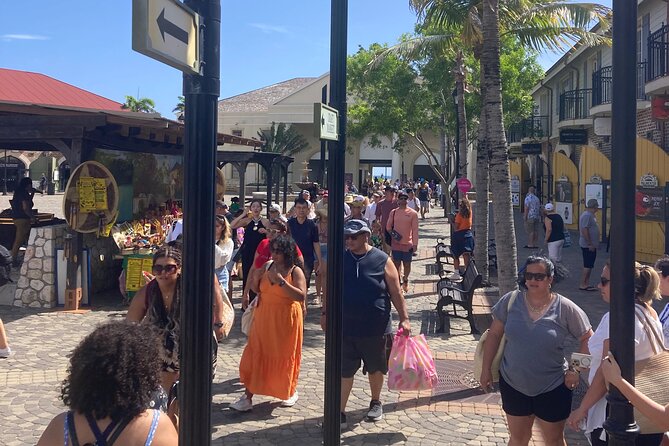
The maximum group size is 12 people. That is a useful limit for a practical workshop. With chocolate-making tasks, a small group gives you a better chance of following the demonstration and taking part rather than watching from the back.
The meeting point is 23 Harbour Lane, Falmouth, Jamaica. The activity ends at the same place. It is near public transportation, though no specific route or fare is provided.
The location is normally accessible to cruise ship passengers, making it a natural choice if Falmouth is on your ship’s schedule. I would allow extra time to walk from the port area and confirm the local time. The early arrival story shows that timing can be confusing, especially when ship clocks and island clocks do not match.
Mobile tickets are available, and booking confirmation is received at the time of booking. The activity has free cancellation up to 24 hours before the start time. Cancellations or changes inside that 24-hour window are not accepted for a refund, with cut-off times based on local time.
Is $75 a fair price?
The price is $75 per person. That is more than a quick chocolate tasting, so the value depends on how much you want from the session.
If you only want to sample Jamaican chocolate, $75 will likely feel high. You are paying for a structured workshop, a local cocoa story, factory access, roasting, preparation, instruction, and your own custom bars. The price makes more sense if you enjoy taking part and want a skill to use at home.
The family connection to cocoa and Nick’s personal career story add context that a generic candy-making class would not provide. The session also covers Jamaican culinary history from the Taíno period to the present, according to the experience description. That wider view gives the tasting a purpose beyond sugar and decoration.
The small group limit improves the value for me. Twelve people is still enough for a social class, but it is not a huge crowd. You should have a better chance to see the equipment and follow the practical steps.
Still, no information is provided about the amount of chocolate you take home, the exact ingredients used for inclusions, or the size of the finished bars. If those details affect your budget, ask before booking.
Who will enjoy this chocolate workshop?
I would recommend it most strongly to you if you like food with a story behind it. The workshop links farming, processing, history, local flavor, and practical technique in one compact session.
It also suits cruise passengers looking for something more personal than a standard port stop. The location in Falmouth, small group size, and 90-minute schedule make it easier to fit into a morning plan.
Families may appreciate the visible transformation from cocoa pod to bar, though the information does not state a minimum age or child price. Couples and small groups who enjoy making food together should find the custom bars more engaging than a simple tasting.
Chocolate enthusiasts should note the dark, vegan format. This is not the right choice if you specifically want milk chocolate or a broad comparison of milk, dark, and white styles.
You may want to skip it if you dislike hands-on food activities, have no interest in cocoa production, or need a completely flexible start time. The class has a fixed 9:00 am beginning, and the short format leaves little room for a late arrival.
Should you book the Falmouth Chocolate Factory Tour?
Book this experience if you want to understand chocolate from the fruit outward and prefer making something to simply buying it. The strongest reasons are the family cocoa connection, the Jamaican spiced recipe, the factory roasting, and the unusually useful hair-dryer tempering lesson.
The main cautions are the early start, the dark vegan chocolate, and the limited information about the final bar quantity and ingredients. For $75, I would choose it for the complete experience and local context, not just the finished sweets.
If you are in Falmouth and can reach 23 Harbour Lane for 9:00 am, this is a focused, thoughtful way to spend 90 minutes. It gives you a better understanding of Jamaican cocoa and a practical trick to try in your own kitchen.
FAQ
Where does the chocolate factory tour begin?
It begins at 23 Harbour Lane in Falmouth, Jamaica.
What time does the experience start?
The scheduled start time is 9:00 am.
How long does the activity last?
The experience lasts approximately one hour and 30 minutes.
Where does the activity end?
It ends back at the meeting point at 23 Harbour Lane.
How much does the tour cost?
The listed price is $75 per person.
Is the chocolate vegan?
Yes. The experience uses dark chocolate, which is vegan according to the tour information.
Who leads the experience?
Nick leads the experience, and Marta is also identified as one of the hosts. Nick formerly worked as a BBC correspondent, and his family has grown cocoa in the area for generations.
How many people can join the group?
The maximum group size is 12 people.
Is the meeting point near public transportation?
Yes. The meeting point is described as being near public transportation.
Can I cancel for a refund?
You can cancel for a full refund up to 24 hours before the experience start time. Cancellations or changes made less than 24 hours before the start are not accepted for a refund.
More Drinking Tours in the world
- Hungry Mary’s Famous Beer and Chocolate Tour in Brussels
★ 5.0 · 2,258 reviews - Epic Yarra Valley Wine Tour + Lunch, Chocolate & Gin/Beer Option
★ 5.0 · 1,819 reviews - Brussels Chocolate Beer Waffle and Belgian Whiskey All-in-One (Small Group) Tour
★ 5.0 · 551 reviews - Project Chocolat Tree to Bar Tour at Hotel Chocolat Saint Lucia
★ 4.5 · 501 reviews
Just added around the world
- Zurich: Chocolate Tasting and Walking Tour with a Local★ 4.2 · 13 reviews
- Lindt Chocolate Museum with Cruise Transfer from Zurich★ 4.6 · 7 reviews
- Zurich Open-top Tour and Chocolate and Cheese Countryside★ 3.5 · 11 reviews
- York: Introduction to Chocolate Making Experience★ 4.9 · 10 reviews
- Zagreb: Lake Bled and Ljubljana Day Tour with Chocolate Gift★ 5.0 · 26 reviews
- Private Wine and Chocolate Tasting Experience★ 4.4 · 3 reviews
- Wine and Chocolate experience★ 4.6 · 3 reviews
- Yarra Valley: Wine and Chocolate tasting tour.★ 5.0 · 5 reviews
Chocolate Making Workshops, compared.
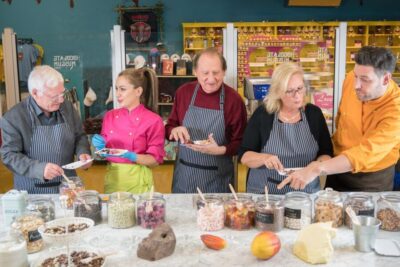
Chocolate Workshop in Chocolate Museum w/ Tasting
Read our review →
Belgian Chocolate Making Workshop with Tastings
Read our review →
Belgian Praline and Mendiants Chocolate Workshop
Read our review →
1.5h Belgian Chocolate Workshop in Brussels (bean to bar)
Read our review →Browse the lists this tour appears in