
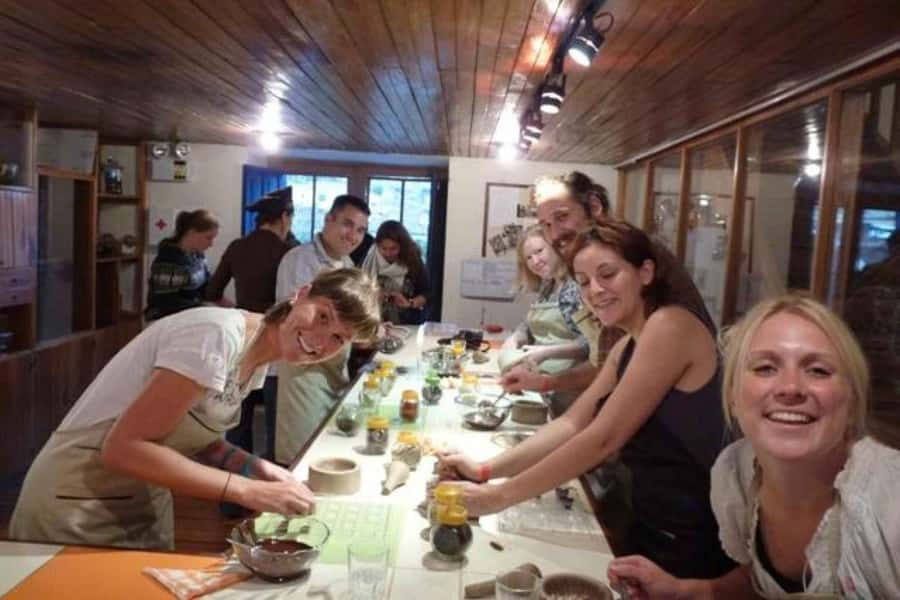
REVIEW · CHOCOLATE MAKING WORKSHOPS
Cusco: Bean to bar chocolate workshop
Cusco’s chocolate workshop gets you close to the real ingredient. You do not simply taste a finished bar. You roast cacao beans, remove the husks, grind the nibs on a metate and mano, then turn the paste into hot chocolate and a bar of your own. It is a hands-on look at the work behind a sweet souvenir.
I like two things here: you do the full bean-to-bar process, and your final chocolate can be tailored with ingredients you choose. The class also includes Maya and conquistador-style drinks, giving the tasting a bit of historical flavor. The main drawback is its fixed two-hour format, which may feel short if you want a slow, technical lesson about every stage of chocolate making.
- Roast and peel your own cacao beans before turning them into chocolate.
- Grind cacao nibs on a metate and mano, using a method linked to Aztec chocolate making.
- Refine cacao paste in a melangeur and see why texture matters.
- Make hot chocolate from your own ground cacao paste, not just a powdered mix.
- Create an organic chocolate bar with ingredients chosen to suit your taste.
- Use English or Spanish instruction, with a live guide throughout the two-hour class.
Why This Cusco Chocolate Class Is More Than a Tasting
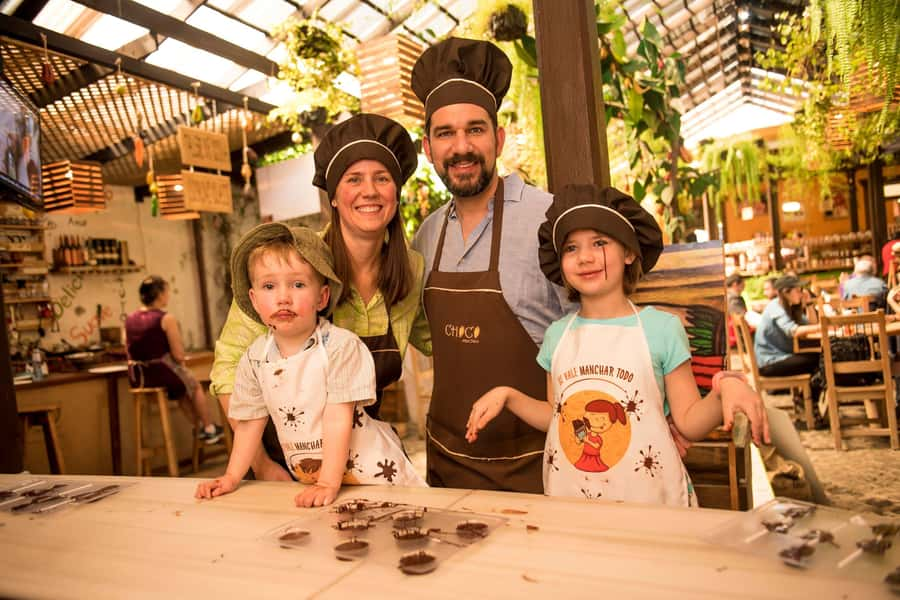
Cusco is well known for its chocolate, but a shop tasting can leave you with only a pleasant flavor and a small package to carry home. This workshop explains the work behind that flavor. You handle the beans at several points, so the finished chocolate makes more sense.
The class focuses on cacao from tree to bar. That means you learn about the bean itself, its place in chocolate making, and the steps needed to turn a hard, bitter ingredient into a smooth sweet. I like this approach because it gives you something to remember beyond the sugar.
The experience lasts two hours. That is enough time for a clear introduction and hands-on work without taking an entire afternoon away from Cusco’s museums, churches, and plazas. It is also a good length for families and for anyone who wants an indoor activity after a morning outside.
Still, keep your expectations in check. This is an introductory workshop, not a professional chocolatier course. You will learn the four main processes and make chocolate yourself, but the available details do not suggest a long lesson about fermentation, farming, tempering temperatures, or commercial production.
Starting With the Cacao Bean
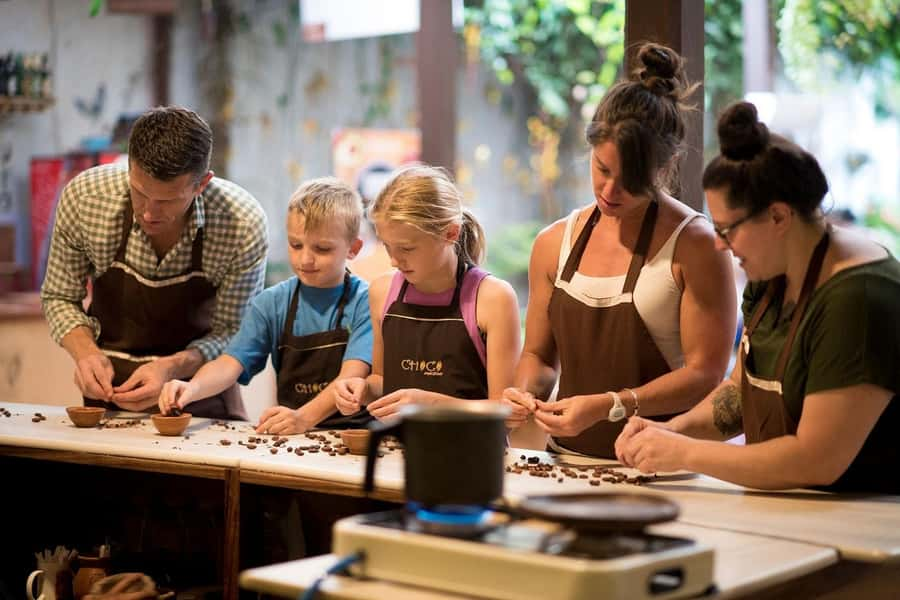
The workshop begins with the raw material: cacao beans. The focus is not only on the final confection. You learn how cacao is transformed as it passes through several stages.
That first look matters. A chocolate bar can seem like a simple snack, but the bean needs heat, cleaning, grinding, and refining before it becomes usable chocolate. By seeing the bean before it is processed, you get a better sense of why handmade chocolate takes time.
The guide explains the background of cacao and why Cusco is associated with high-quality chocolate. The exact farming area and bean variety are not specified, so do not expect a detailed origin tasting by named estate or valley. What you do get is a practical introduction to the ingredient and its role in Peruvian food culture.
Instruction is available in English or Spanish. If you have a technical question, ask it during each stage rather than waiting until the end. The process is easier to understand while the beans, husks, nibs, and paste are in front of you.
More Chocolate Making Workshops in the world:
- Vienna: Chocolate Workshop in Chocolate Museum w/ Tasting
★ 4.5 · 1,802 reviews - Brussels: Belgian Chocolate Making Workshop with Tastings
★ 4.7 · 1,629 reviews - Brussels: Chocolate Museum Visit with Workshop
★ 4.6 · 1,474 reviews
Roasting Cacao Beans Yourself
Roasting is the first of the four practical steps. You work with the beans as they change under heat, preparing them for the next stage.
This is one of the useful parts of the class because roasting affects the aroma and flavor of cacao. You are not just watching a machine produce something finished. You get a direct sense of the bean as it becomes more suitable for chocolate making.
The supplied details do not state the exact roasting equipment, temperature, or time, so the guide’s demonstration will determine how technical this part feels. Pay attention to the smell and the change in the beans. Those small details help you understand why roasting is more than a routine step.
If you are bringing children, this is a good point to keep them involved, with the guide controlling any hot equipment. The class is interactive, but it is still a food workshop, so follow instructions carefully around heat and tools.
Removing the Husk and Finding the Nib
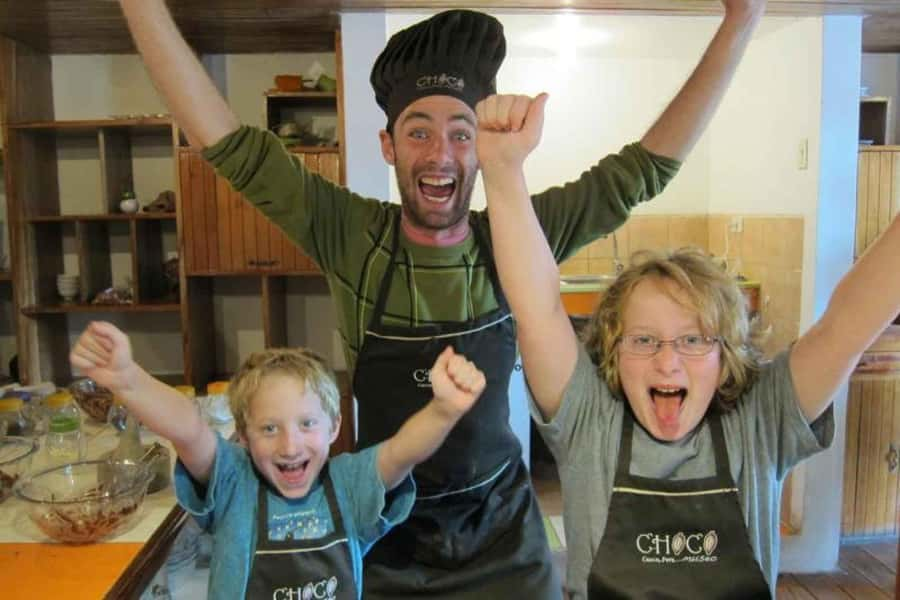
After roasting, you remove the cacao husk. What remains inside is the cacao nib, the part that will be ground into paste.
This stage gives you a simple lesson in food preparation. The bean does not go straight from roasting into a smooth chocolate mixture. It needs cleaning first, and the husk has to be separated from the useful center.
The work may feel small, but it makes the process more memorable. You can see and handle the difference between the outer covering and the nib. That is the kind of detail you miss when you buy a polished bar from a shelf.
It is also a reminder that the workshop is not designed for speed alone. You are taking part in several physical steps. If you want only a quick chocolate tasting, this may feel like more work than expected. If you enjoy making things with your hands, it is one of the reasons to book.
Grinding Cacao on a Metate and Mano
The most distinctive step uses a metate and mano, the stone tools traditionally used to grind ingredients. The class connects this method with the way the Aztecs processed cacao.
Here you grind the nibs into a cacao paste. This is slower and more physical than using a modern blender, and that is the point. You feel how much effort is needed to break down the nibs and release their natural oils.
I especially like this part because it puts old and modern methods side by side. The workshop later uses a melangeur for refining, but the metate shows what chocolate making looked like before powered equipment took over much of the work.
Do not expect a large quantity of chocolate from hand grinding. The goal is to understand the method and prepare a small amount for the next stage. It is also the part most likely to make you appreciate the labor behind handmade chocolate.
More Drinking Tours in the world:
- Hungry Mary’s Famous Beer and Chocolate Tour in Brussels
★ 5.0 · 2,258 reviews - Epic Yarra Valley Wine Tour + Lunch, Chocolate & Gin/Beer Option
★ 5.0 · 1,819 reviews - Brussels Chocolate Beer Waffle and Belgian Whiskey All-in-One (Small Group) Tour
★ 5.0 · 551 reviews - Project Chocolat Tree to Bar Tour at Hotel Chocolat Saint Lucia
★ 4.5 · 501 reviews
Refining the Paste in a Melangeur
The fourth named process is refining the cacao paste in a melangeur. This machine helps create a smoother mixture after the beans have been roasted, cleaned, and ground.
The contrast with the metate is useful. The stone grinding gives you a direct connection to traditional preparation, while the melangeur shows how a machine improves texture. Together, the two steps explain why finished chocolate can feel smooth rather than gritty.
The class does not provide a full technical lesson on particle size or refining time. You will, however, see why grinding alone is not the end of the process. Cacao paste needs further work before it becomes pleasant to drink or shape into a bar.
This is also where the experience shifts from raw ingredient to something you recognize as chocolate. The smell and texture become more familiar, and the workshop starts to feel less like food preparation and more like confectionery.
Making Maya and Conquistador Drinks
The experience includes hot chocolate and drinks described as Maya and conquistador styles. These names point to different traditions in the story of cacao, and they give you more than one way to taste the ingredient.
The exact recipes are not provided, so ask the guide what distinguishes each drink before you sample them. The useful point is that you are not tasting only a finished bar. You are also trying cacao in liquid form, after preparing the paste yourself.
Making hot chocolate from your roasted, peeled, and ground cacao is a highlight. It shows how the same ingredient can taste different depending on how it is processed and served.
One published account of the class specifically praised making the roasted, peeled, and ground chocolate paste for hot chocolate. That detail is worth emphasizing because it separates this activity from a basic demonstration where you watch someone else do the work.
Designing Your Own Organic Chocolate Bar
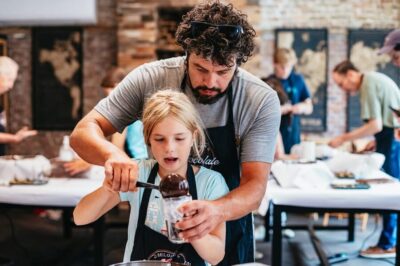
Once the chocolate is ready, you mold your own bar and choose ingredients to match your taste. The available details do not list the ingredient choices, so the range will depend on what the workshop has that day.
This is where the class becomes personal. You can make a bar that is simple, heavily filled, or somewhere in between, based on the options offered by the guide. Your result will not be identical to everyone else’s, which makes it a better keepsake than a standard shop-bought bar.
The chocolate is described as organic. That may matter to you if you pay attention to how food is produced, though the activity information does not provide a specific organic certification or detailed sourcing information. For those details, ask at the workshop.
You can take your handmade chocolate with you. The practical warning is obvious: the bar may not survive the afternoon if you are tempted to eat it right away. Cusco’s altitude and changing temperatures can also affect chocolate, so keeping it wrapped and protected is sensible, even though the activity does not specify packaging or storage instructions.
What the Two-Hour Schedule Means
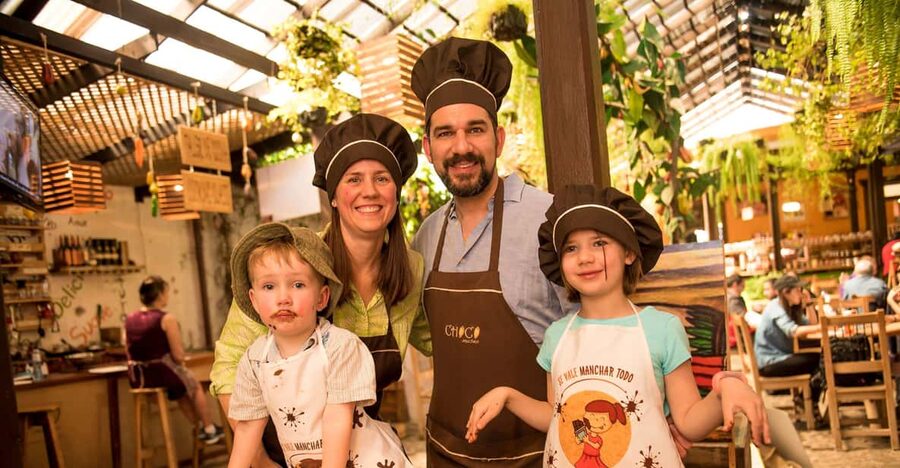
Two hours is a good compromise for this activity. You have time to work through the four processes, prepare drinks, and make a bar without committing a full day.
The schedule also makes the workshop easy to fit between larger Cusco plans. You could pair it with a morning in the historic center, a museum visit, or a relaxed afternoon before dinner. The exact starting times vary, so check availability when choosing your booking.
The short format has limits. Each process will receive an introduction rather than a long lecture. If you want detailed information about cacao farming, fermentation, regional differences, tempering, or professional production, you may leave with questions.
That is not necessarily a flaw. Most people booking a two-hour activity want a clear, enjoyable introduction and something they can make themselves. This workshop delivers that better than a long talk would.
Who Will Get the Most From This Experience
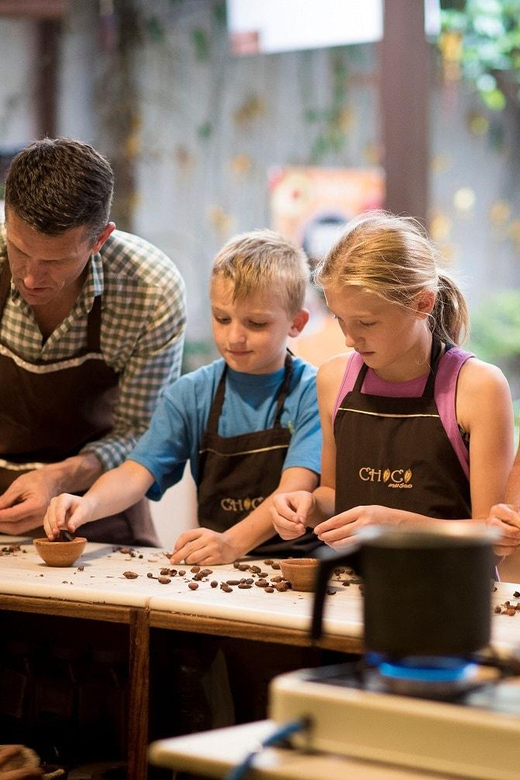
I would recommend the class to anyone curious about Peruvian food and to people who prefer an activity with a finished result. You do not simply listen and move on. You roast, peel, grind, taste, and mold.
It should suit families, couples, solo visitors, and small groups looking for an easy indoor break. The hands-on stages give children something concrete to do, while the cacao background gives adults a reason to pay attention.
Chocolate fans will appreciate the process, but you do not need prior knowledge. The guide works in English or Spanish, and the activity is built around demonstration and participation.
You may want to skip it if you dislike sweet foods, do not enjoy food preparation, or want a highly advanced class. The focus is on a friendly introduction, not on earning a professional chocolate-making skill.
Value, Flexibility, and Practical Booking Advice
No price is provided in the activity details, so I cannot call it a bargain or an expensive outing without seeing the current rate. Judge the value by what is included: a live guide, museum and workshop access, hands-on preparation, hot chocolate, and a handmade bar to take away.
Compared with buying several finished chocolate bars, the class costs more because you are paying for instruction and participation. Compared with a passive tasting, it offers more time and a clearer understanding of how cacao changes form.
You can cancel up to 24 hours before the activity for a full refund, and you can reserve now and pay later. Those terms help if your Cusco schedule may shift because of weather, altitude, or changes to a larger Peru itinerary.
For a last-minute booking, contact the supplier by email first to confirm availability. When booking, enter your phone number with the country code and make sure you use WhatsApp. That is a small but important detail, since the supplier may need to reach you about the meeting arrangements.
The provider is Uyuni Experience EIRL. No pickup or transport is specified, so do not assume the activity includes a hotel transfer. Check the meeting details before you finalize your plans.
My Verdict on the Cusco Bean-to-Bar Workshop
Book this experience if you want a practical Cusco activity that combines local food, a short cultural lesson, and something handmade to take home. The strongest feature is the full sequence: roasting, husk removal, grinding on a metate, refining, drinking hot chocolate, and molding your bar.
The class is especially worthwhile for people who enjoy seeing how everyday food is made. It also works well when you want a break from major archaeological sites and long day trips.
Skip it if you are looking for a detailed professional course or a simple ten-minute tasting. For everyone in between, this is a sensible two-hour addition to a Cusco itinerary, with enough work to make the chocolate feel like yours.
FAQ
How long does the Cusco chocolate workshop last?
The workshop lasts two hours.
Which languages are available?
The live guide provides instruction in English and Spanish.
What chocolate-making steps will I learn?
You will roast cacao beans, remove the cacao husk, grind the cacao nibs on a metate with a mano, and refine the cacao paste in a melangeur.
Will I make hot chocolate during the class?
Yes. You will use the prepared cacao paste to make hot chocolate and try drinks such as the Maya and conquistador styles.
Can I take my handmade chocolate home?
Yes. You can take home the chocolate you make, unless you eat it during or after the workshop.
Can I cancel the activity and receive a refund?
You can cancel up to 24 hours in advance for a full refund. You can also reserve now and pay later.
Just added around the world
- Zurich: Chocolate Tasting and Walking Tour with a Local★ 4.2 · 13 reviews
- Lindt Chocolate Museum with Cruise Transfer from Zurich★ 4.6 · 7 reviews
- Zurich Open-top Tour and Chocolate and Cheese Countryside★ 3.5 · 11 reviews
- York: Introduction to Chocolate Making Experience★ 4.9 · 10 reviews
- Zagreb: Lake Bled and Ljubljana Day Tour with Chocolate Gift★ 5.0 · 26 reviews
- Private Wine and Chocolate Tasting Experience★ 4.4 · 3 reviews
- Wine and Chocolate experience★ 4.6 · 3 reviews
- Yarra Valley: Wine and Chocolate tasting tour.★ 5.0 · 5 reviews
Chocolate Making Workshops, compared.
Chocolate Workshop in Chocolate Museum w/ Tasting
Read our review →
Belgian Chocolate Making Workshop with Tastings
Read our review →
Belgian Praline and Mendiants Chocolate Workshop
Read our review →
1.5h Belgian Chocolate Workshop in Brussels (bean to bar)
Read our review →Browse the lists this tour appears in