
REVIEW · MEXICO
Cozumel: Chocolate Workshop at The Mayan Cacao Company
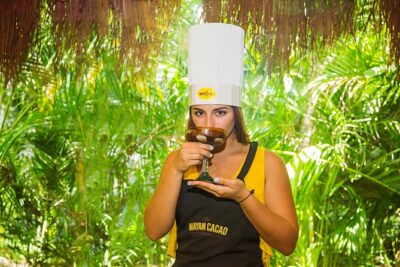
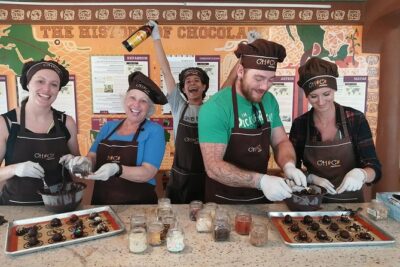
The best part of this Cozumel activity is that you do not just hear about Mayan cacao culture, you work with the beans yourself. You will grind cacao on a traditional pre-Hispanic metate, mix it with simple ingredients, and make a chocolate bar you can take with you.
I like the strong link between food and history, and I like the generous tasting at the end: 13 artisanal chocolates give you plenty of flavors to compare. Guides such as Paty, Roberto, Eduardo, and Leti are praised for making the session lively and for giving extra help when needed. The main drawback is practical: this is not suitable for anyone with chocolate or nut allergies, and the workshop is not wheelchair accessible.
Key points to know before you book
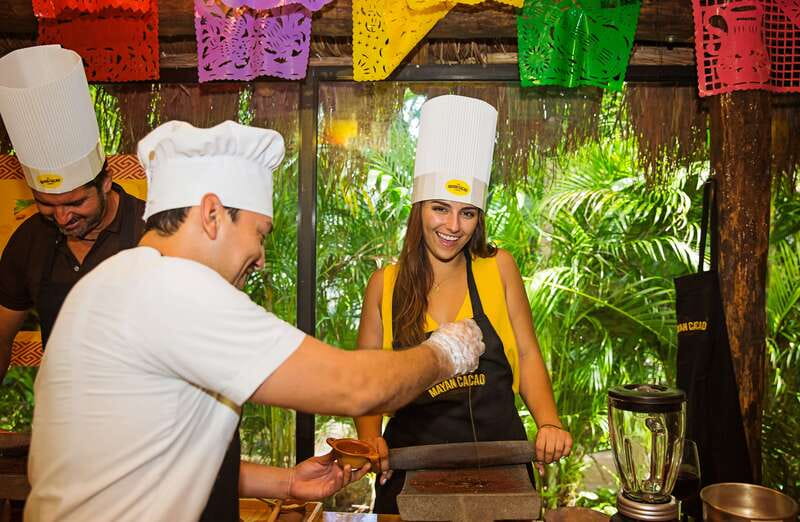
- You make the chocolate yourself: Grinding cacao by hand gives the workshop a real hands-on center.
- The history has a clear purpose: You learn why cacao mattered in Mayan social, religious, and ceremonial life.
- Thirteen chocolates are included: The tasting turns the final part into more than a quick sample.
- Guides shape the experience: Paty, Roberto, Eduardo, and Leti have all been praised for warmth, patience, and audience interaction.
- It takes 90 minutes: That makes it easy to fit before or after other Cozumel plans.
- Check the access and allergy limits: The activity is not wheelchair accessible and is not recommended for people with chocolate or nut allergies.
Why cacao matters in Mayan culture
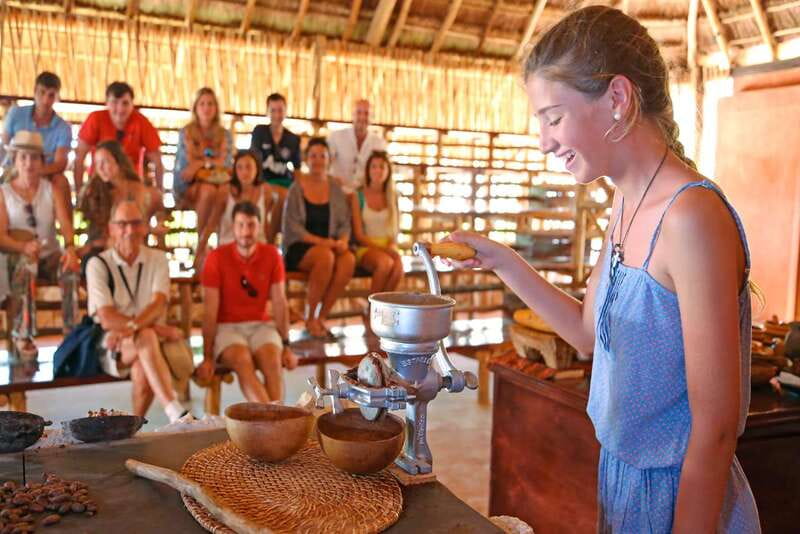
This workshop works best when you see it as a cultural activity with chocolate at its center, rather than as a simple candy-making class. The opening section explains how cacao functioned in pre-modern Mayan society as a sacred food, a sign of status, a social focal point, and part of religious ceremonies.
That context gives the later hands-on work more meaning. When you grind the same type of cacao seeds associated with Mayan rituals and offerings to the gods, you are not just preparing a snack. You are handling an ingredient that carried social and spiritual importance.
The presentation is designed for participation, not silent listening. Guides explain the process in English or Spanish, and the strongest sessions appear to depend on the guide’s ability to answer questions and keep the group involved. Paty has been singled out for helping with the grinding, while Roberto is praised for his energy and for responding carefully to questions.
You should still set your expectations properly. This is a short introduction, not a full archaeology lecture or a visit to a Mayan ruin. Its value comes from connecting a familiar food to Mayan customs through a simple activity you can feel and taste.
More Chocolate Making Workshops in Mexico
- Bean to Bar Chocolate Workshop in Puerto Vallarta
★ 5.0 · 381 reviews - Chocolate & Margarita Workshop
★ 5.0 · 207 reviews - Chocolate and truffles workshop
★ 5.0 · 157 reviews
Starting the workshop at The Mayan Cacao Company
You meet at The Mayan Cacao Company in Quintana Roo, on Cozumel, and should arrive 15 minutes before your scheduled start. Hotel pickup and drop-off are not included, so you need to arrange your own way to the meeting point.
The activity lasts about 1.5 hours. That is long enough for an explanation, a practical session, and a tasting without taking up an entire day. I would place it in a flexible part of your Cozumel schedule, especially if you also want time for other island activities.
The setting has been described as beautiful, which helps the workshop feel more pleasant than a purely indoor demonstration. Still, the important point is the format: you are there to listen, handle ingredients, make chocolate, and sample finished products.
Comfortable clothes are a sensible choice. Chocolate-making can be hands-on, and you will be working with cacao rather than simply watching a demonstration. Bring cash as well, since it is specifically recommended for the activity. Food and drinks beyond the included chocolate experience are not part of the price.
Grinding cacao on a traditional metate
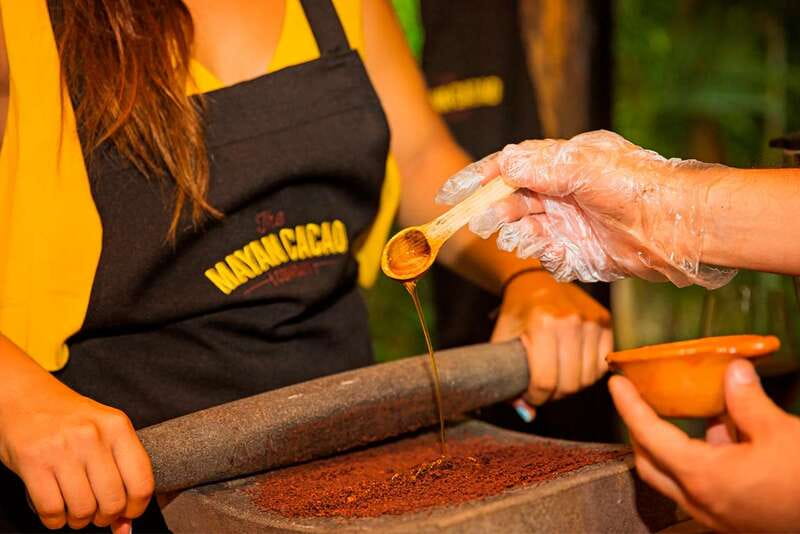
The practical heart of the workshop is the metate. This traditional stone tool was used to grind ingredients by hand, and you will use it to work the cacao seeds in a pre-Hispanic style.
Do not expect this step to feel like pressing a button on a modern machine. Grinding takes effort and coordination, which is exactly why it helps you understand the older method. You get a sense of the work involved before chocolate becomes smooth and ready to shape.
The guide may need to help you, particularly if you are not used to the tool. That is not a flaw. It is part of the activity, and Paty has received special praise for assisting participants with the grinding. The workshop seems well suited to questions and small adjustments rather than a rigid, one-speed demonstration.
Families can find this part especially useful. A child does not need to sit through a long history talk before doing something. Children can take part in the process, with the guide’s help, and then see the result become their own chocolate bar. Leti has been praised for keeping children aged nine and eleven engaged with the story of cacao.
Making your own handmade chocolate bar
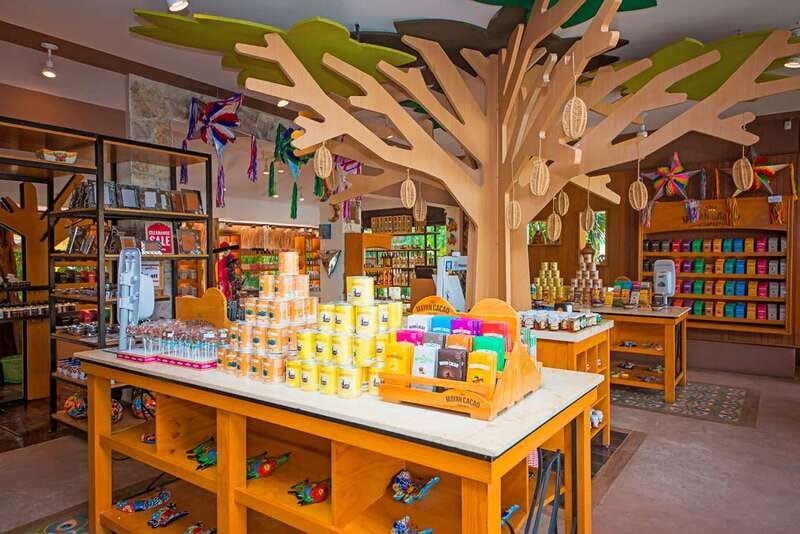
After grinding the cacao, you mix it with simple ingredients and shape your own bar. The ingredients and tools are included, so there is no extra workshop charge for the hands-on portion.
This is the point where the activity feels personal. A factory-made bar gives you a finished product, but making one yourself shows how basic ingredients can be transformed through grinding and mixing. Your bar may not look like a polished shop product, but that is part of its charm.
The experience also gives you a better basis for judging the chocolates you taste later. You have already handled the cacao and seen one traditional preparation method. When you sample the finished products, you can think about the difference between a handmade bar and a more developed artisanal chocolate.
The workshop uses cacao seeds connected with Mayan rituals and ceremonies. That does not mean you are recreating an entire ancient ceremony. Instead, you are learning one part of the food process and seeing how cacao fit into a larger cultural system.
For families, the chocolate bar is a useful reward at the end of the practical work. Several families have found that children could manage the activity and enjoyed making something of their own. If you are booking for children, keep in mind the allergy restriction and the fact that the activity is not wheelchair accessible.
Same place, a different way to taste it:
- Finca 18 Puerto Vallarta Tequila Tour + Chocolate Pairing
★ 5.0 · 393 reviews - Chocolate Tour in Vallarta
★ 5.0 · 226 reviews - San Jose del Cabo Art Walk, Beer Tasting &Chocolate Demonstration
★ 5.0 · 141 reviews - Artisanal Mezcal and Fine Chocolate Tasting
★ 5.0 · 132 reviews
Tasting 13 artisanal chocolates
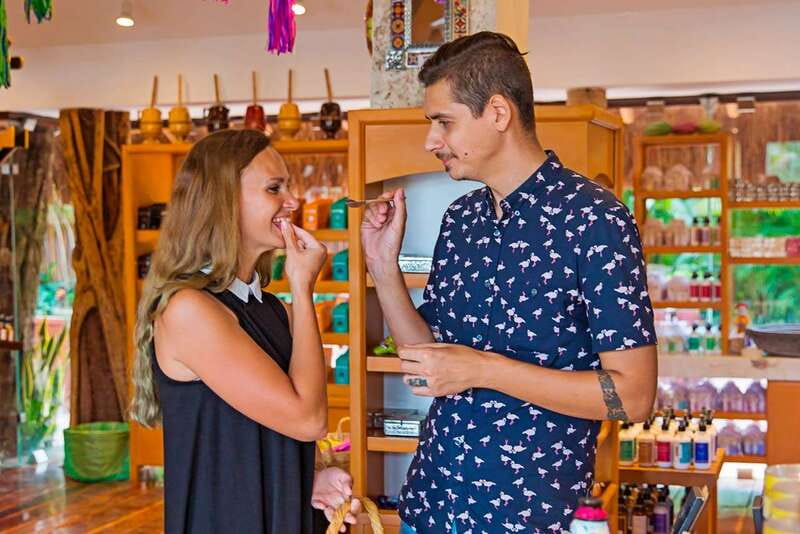
The tasting follows the workshop and takes place through the chocolate boutique. Thirteen artisanal chocolates are included, which is a generous number for a 90-minute experience.
This section gives the activity a second rhythm. First, you make chocolate using a traditional method. Then, you compare finished chocolates in a boutique setting. The tasting is not just an add-on, because it shows the range of ways cacao can be developed into different products.
The supplied details do not identify every flavor or explain a formal tasting order, so I would not arrive expecting a guided chocolate class with a technical scoring sheet. Instead, think of it as a chance to try a broad selection and decide what you like.
The boutique may also be useful if you want to purchase additional chocolate, but the provided information does not specify prices or shopping inclusions. The tasting itself is included, while extra food and drinks are not.
One specific tip comes from the workshop experience: try the chocolate smoothie if it is available for purchase. It is not included in the workshop, but it has been recommended as an enjoyable extra, especially for families.
The guides make a real difference
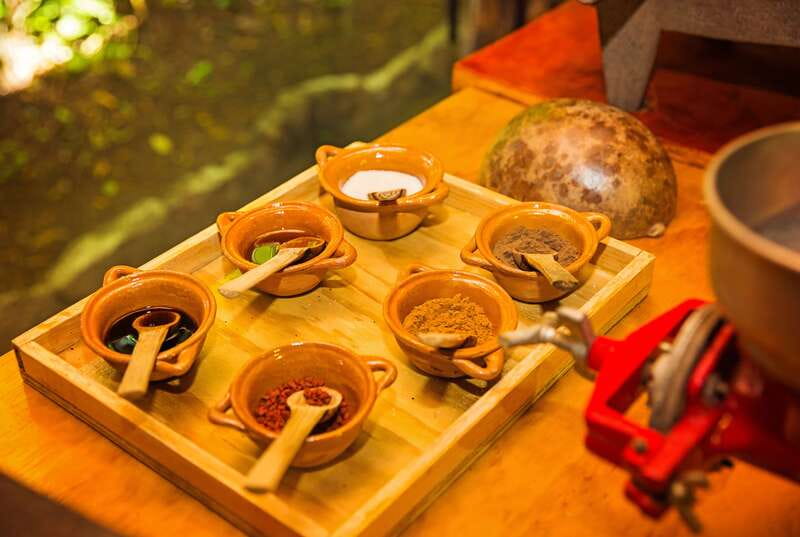
The activity is available in English and Spanish, and the guide is more than a voice delivering set facts. Your experience will depend partly on who leads the session and how much interaction your group wants.
Paty has been praised for being friendly, clear, and willing to spend extra time helping participants. She has also worked well with small groups, including a pair who received careful answers to their questions.
Roberto has been described as enthusiastic and engaging, with a style that includes audience participation. One session was remembered for a playful Mexican Willy Wonka atmosphere, while another gave the impression of a personal tour because he spent time responding to questions and side topics.
Eduardo has been praised for explaining the process clearly and for working well with children. Leti also received credit for making the history of cacao fun for younger participants.
These names matter because they show what to look for in the format. The workshop is strongest when the guide encourages questions, helps with the metate, and connects the history to what you are doing. If you prefer a quiet, self-guided museum visit, the group presentation may feel more active than you want.
Is the $40 price good value?
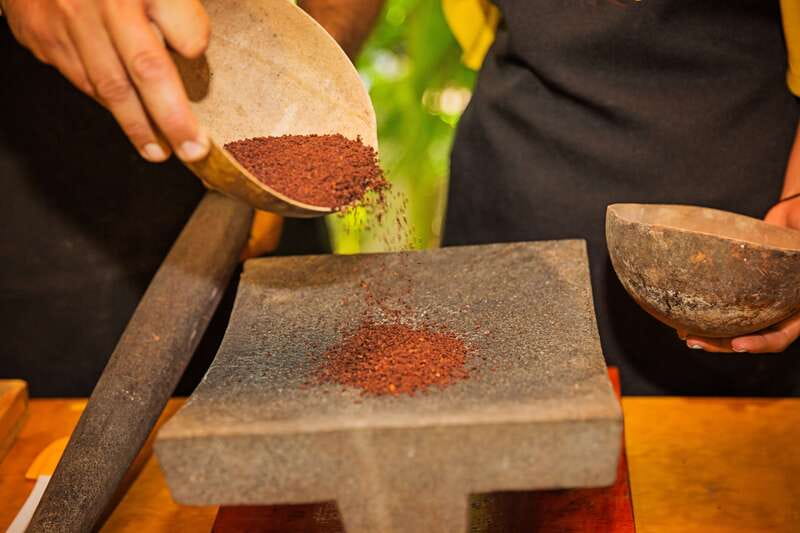
At $40 per person, the price is reasonable if you want three things in one short activity: cultural background, a hands-on craft, and a substantial tasting.
The entrance fee, ingredients, tools, and chocolate tasting are included. You are paying for more than a sample at a shop counter, but less than you would pay for a full-day cultural excursion. The 90-minute length also matters. You get a distinct Cozumel experience without giving up most of your day.
The value is strongest for people who enjoy doing rather than only seeing. Grinding cacao and shaping a bar gives you a memory tied to an action. The 13-chocolate tasting adds variety, and the Mayan cultural context keeps the workshop from feeling like a standard confectionery demonstration.
The price is less attractive if you cannot eat chocolate or nuts, since the activity is not recommended for those allergies. It may also be a poor match if you need wheelchair access or want transportation included. Hotel pickup and drop-off are not part of the package, so include your own transport costs when working out the total.
Who will enjoy this Cozumel activity?
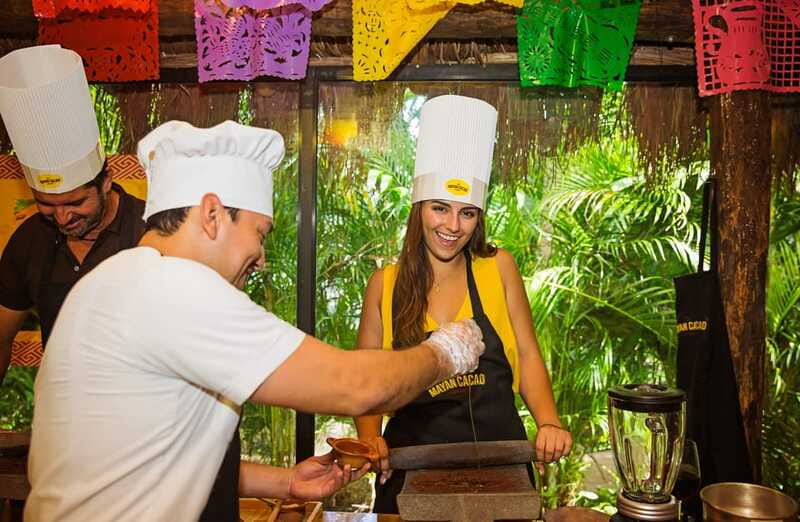
I would recommend the workshop to families, couples, food lovers, and anyone who wants a break from water-based activities. It is a good choice when you want to connect Cozumel with Mexican and Mayan food traditions rather than spend the whole day on the beach.
Children can enjoy the tactile parts, especially the grinding and bar-making. The guides have experience keeping younger participants involved, but parents should be ready to help and should check the allergy issue carefully.
It also suits curious adults who like asking questions. The sessions led by Paty and Roberto seem especially good for people who want to go beyond the basic presentation and ask about the history, process, or cultural role of cacao.
I would be more cautious about booking if you have limited mobility, a chocolate or nut allergy, or no interest in tasting chocolate. The workshop is built around handling and eating cacao, so there is no easy way to avoid its main focus.
Timing, arrival, and practical preparation
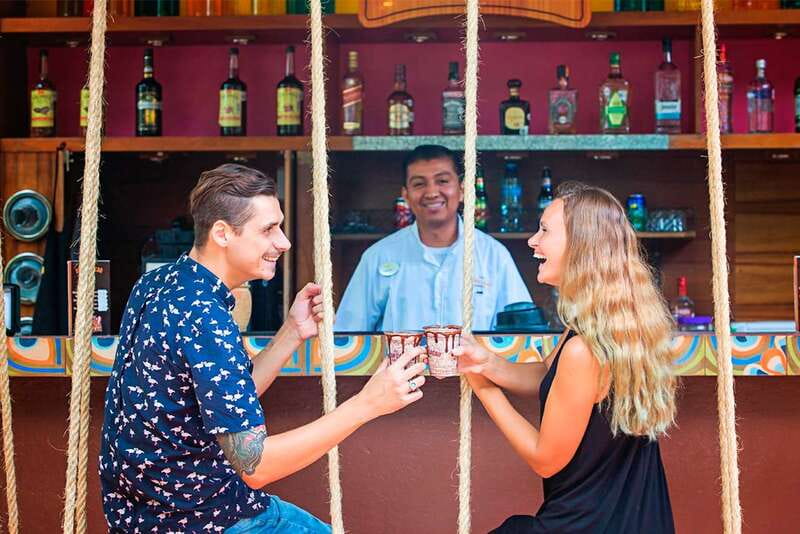
Arrive 15 minutes early at The Mayan Cacao Company. Since there is no included hotel transfer, allow enough time to reach the meeting point and avoid cutting it close.
Wear comfortable clothes. You will take part in the preparation rather than simply sit and watch. Bring cash, and remember that food and drinks beyond the included tasting are not covered.
The activity has a free cancellation policy up to 24 hours before the start time, with a full refund. You can also reserve now and pay later, which is useful if you are arranging several Cozumel plans and want to keep your schedule flexible.
Starting times vary, so check availability when choosing a date. English and Spanish are offered, but you should select the language that will make the cultural explanations easiest to follow.
Should you book the Mayan Cacao Company workshop?
Book it if you want a short, friendly activity where history leads directly to something you can make and taste. The metate work, personal chocolate bar, and 13-piece tasting give the session enough substance for the $40 price, while guides such as Paty, Roberto, Eduardo, and Leti add warmth and patience.
Skip it if you have chocolate or nut allergies, require wheelchair access, or want transportation included. For everyone else, this is a practical way to spend 90 minutes in Cozumel, with a handmade souvenir and a clearer sense of why cacao mattered to the Mayan world.
FAQ
Where does the chocolate workshop take place?
The workshop takes place at The Mayan Cacao Company in Cozumel, Quintana Roo, Mexico.
How long does the activity last?
The workshop lasts 1.5 hours.
What languages are available?
The activity is offered in English and Spanish.
What is included in the price?
The price includes entrance to The Mayan Cacao Company, the chocolate tasting, and the ingredients and tools needed to make your chocolate bar.
How many chocolates will I taste?
You will taste 13 artisanal chocolates after the workshop.
Do I make my own chocolate bar?
Yes. You will grind cacao seeds on a traditional pre-Hispanic metate, mix the cacao with simple ingredients, and make your own handmade chocolate bar.
Is transportation included?
No. Hotel pickup and drop-off are not included. You need to meet at The Mayan Cacao Company.
Is the workshop suitable for people with allergies or mobility needs?
The workshop is not recommended for people with chocolate or nut allergies. It is also not wheelchair accessible.
What should I bring?
Wear comfortable clothes and bring cash. Food and drinks beyond the included chocolate experience are not included.
Can I cancel the booking?
Yes. You can cancel up to 24 hours before the activity for a full refund. You can also reserve now and pay later.
Just added around Mexico
- Uxmal: Choco History Museum & Cenote★ 4.1 · 21 reviews
- Tulum: Chocolate & Honey Sanctuary Experience with Lunch★ 4.2 · 34 reviews
- Tulum: Chocolate & Honey Sanctuary Experience with Cenote★ 3.5 · 6 reviews
- Cultural Adventure: Artisanal Chocolates, Coffee and Doll Making★ 5.0 · 2 reviews
- Tarot Reading with Coffee & Chocolate or Smoothie★ 5.0 · 17 reviews
- Sayulita Magical Town Tour: Local food, and chocolate.★ 5.0 · 18 reviews
- Private Make Your Own Chocolate Experience in Puerto Vallarta★ 5.0 · 8 reviews
- Chocolate Macarons Workshop in Puerto Vallarta★ 5.0 · 5 reviews
Mexico Chocolate Tours, compared.
Finca 18 Puerto Vallarta Tequila Tour + Chocolate Pairing
Read our review →
Bean to Bar Chocolate Workshop in Puerto Vallarta
Read our review →
Tour to Uxmal Kabah and Chocolate Museum from Mérida
Read our review →Browse the lists this tour appears in