
REVIEW · MEXICO
Bean to Beverage: Roast and grind cacao into chocolate
The best part of this three-hour class is that chocolate does not begin as a tidy bar in a shop. You start with cacao beans, roast them, and grind them by hand on a metate, following a process linked to Maya and Aztec traditions. Jim guides the class in English or Spanish, with plenty of room for questions and experimentation.
I like the hands-on work and the chance to taste six different hot chocolate combinations rather than just watch a demonstration. I also like the setting: a relaxed Condesa home, where Jim and his assistant can talk about Mexican food, local ingredients, and places to eat in Mexico City. The main drawback is the price, $115 per person, which is a serious spend for a three-hour drink-making class.
Key points to know before booking
- Roast and grind cacao yourself: You work with the beans and use a traditional metate rather than simply receiving a finished cup.
- Six drinks are included: Ingredients are provided for six hot chocolate creations, with a dessert served at the end.
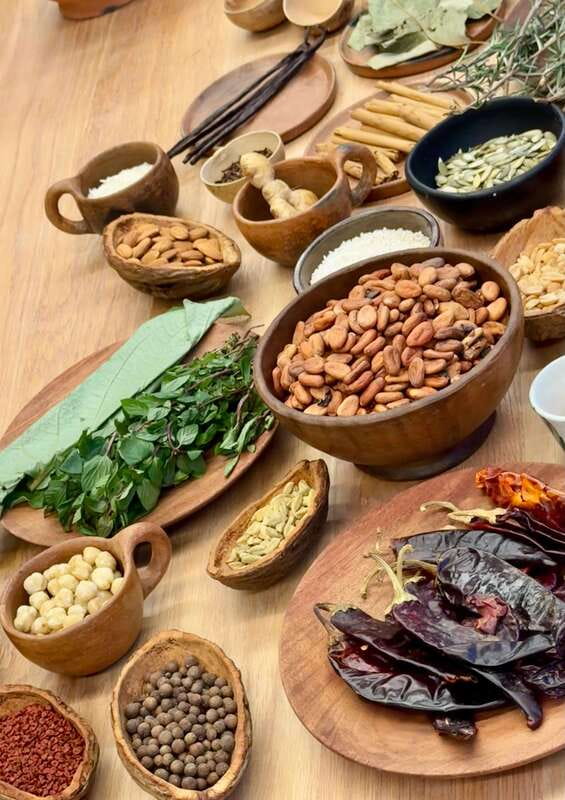
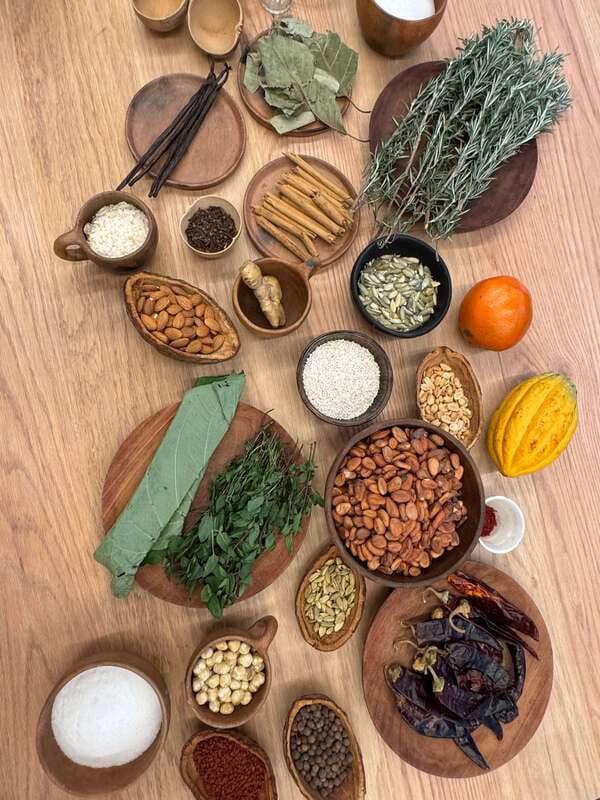
- Ancient ingredients shape the tasting: Chile, achiote, and avocado leaf are among the ingredients available for your combinations.
- Jim leads a history-rich food lesson: The class covers cacao in the pre-Hispanic Maya and Aztec worlds, along with later additions such as sugar and spices.
- Good for families and mixed ages: Children aged 8, 9, and 10 have enjoyed the format, and teenagers can take part in the creative tasting.
- Check the practical details: The home has cats, the building has no elevator, and the meeting point can vary with the option you book.
Starting with cacao instead of chocolate
This class works because it begins at the right place: the bean. You are not merely handed a prepared drink and told a few facts about Mexico. You see how cacao changes as it is roasted, ground, mixed, and seasoned.
Jim first sets the scene with the history of cacao in the Maya and Aztec worlds. The bean was prized long before modern chocolate became a sweet treat. That context matters because it explains why the class focuses on hot, spiced, sometimes earthy drinks rather than the familiar candy-bar flavor you may expect.
You also learn how ingredients changed over time. The class connects pre-Columbian ingredients with later influences such as sugar and spices. For me, that makes the lesson more useful than a simple history talk. You begin to understand the drink as part of Mexico’s food story, not just as dessert in a mug.
The pace is designed for participation. Jim has a reputation for clear explanations and an easy manner, and he encourages questions rather than rushing through a fixed show. If you want to understand the process from the first bean onward, this is the strongest reason to book.
A few more chocolate tours around Mexico worth a look
- Finca 18 Puerto Vallarta Tequila Tour + Chocolate Pairing
★ 5.0 · 393 reviews - Bean to Bar Chocolate Workshop in Puerto Vallarta
★ 5.0 · 381 reviews - Chocolate Tour in Vallarta
★ 5.0 · 226 reviews
Roasting cacao beans over the first stage of the class
The first practical step is roasting the cacao. You handle the beans and see how this changes their aroma and flavor before they are ground.
The supplied details do not specify the exact equipment or heat source, so I would not expect a formal restaurant kitchen demonstration with technical measurements. Think of this as a food workshop in a home setting, where the important point is learning the sequence and taking part.
This stage is especially useful if you normally think of chocolate as one finished flavor. Cacao can taste quite different before sugar, milk, chile, or other additions enter the picture. By roasting your own beans, you get a clearer sense of the ingredient that sits underneath the familiar sweetness.
You should be ready for some hands-on work. The class is not ideal if you want to sit back and sample prepared drinks. Its appeal comes from doing the work yourself, including the less polished parts of the process.
Grinding cacao on a traditional metate
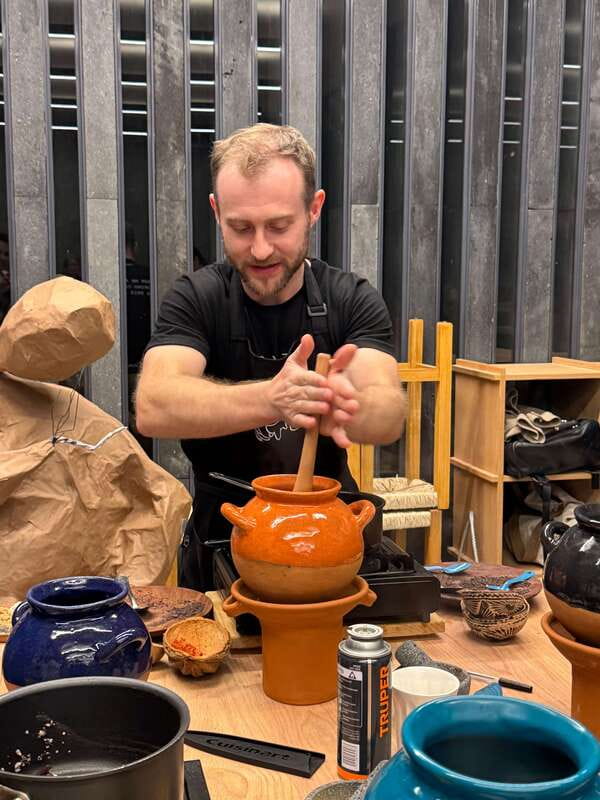
After roasting, you grind the cacao on a metate. This is the part that gives the workshop its physical connection to older Mesoamerican food preparation.
A metate is a stone grinding surface, and using one takes more effort than stirring cocoa powder into hot water or milk. That effort is part of the lesson. You can feel how the beans break down and how a smooth drink depends on patience and technique.
I like this step because it turns history into something you can understand with your hands. A short talk about ancient chocolate can remain abstract. Grinding cacao yourself makes the process concrete.
The class also gives you a better sense of how much work sits behind traditional food. The final drink may look simple, but it involves roasting, grinding, combining, and balancing flavors. That is a useful reminder when you are used to instant cocoa or factory-made chocolate.
The metate work may be tiring for some people, particularly anyone with limited strength or mobility in their arms. Wheelchair users have taken part before, but the building has no elevator, so you should confirm the access arrangements before paying.
Six hot chocolates, six chances to experiment
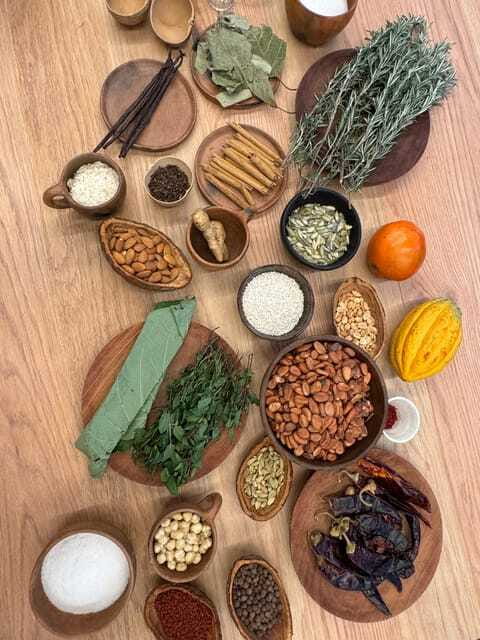
The creative heart of the workshop comes after the cacao has been prepared. You use the handmade chocolate with a range of Mesoamerican ingredients and create six different hot chocolate drinks.
Chile can bring heat and depth. Achiote adds a distinctive traditional flavor and color. Avocado leaf offers another unusual note. These are not the ingredients you usually see in a standard hotel breakfast drink, which is exactly why this tasting is worthwhile.
You are encouraged to try your own combinations. That makes the class more personal than a fixed tasting menu. If one drink is too spicy or another flavor seems unfamiliar, you can compare it with the next mixture and work out what suits you.
The class also gives you a chance to think about balance. Chocolate can be bitter, earthy, spicy, fragrant, or sweet depending on what you add. The process helps you understand why some ingredients support cacao while others take over.
The information provided does not list every ingredient or promise that each drink will suit every taste. That is worth keeping in mind. This is an exploration of traditional flavors, not six versions of a sugary café mocha. If you prefer very sweet, mild chocolate, some combinations may be outside your comfort zone.
Still, the variety is a major strength. You are not paying for one cup. The included ingredients let you prepare six drinks, which gives you enough room to compare flavors and learn from mistakes.
Same place, a different way to taste it:
- Chocolate & Margarita Workshop
★ 5.0 · 207 reviews - Chocolate and truffles workshop
★ 5.0 · 157 reviews - San Jose del Cabo Art Walk, Beer Tasting &Chocolate Demonstration
★ 5.0 · 141 reviews - Artisanal Mezcal and Fine Chocolate Tasting
★ 5.0 · 132 reviews
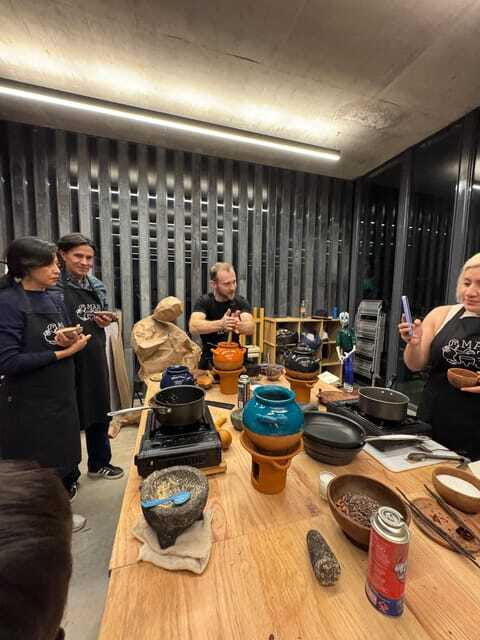
A relaxed Condesa home rather than a formal cooking school
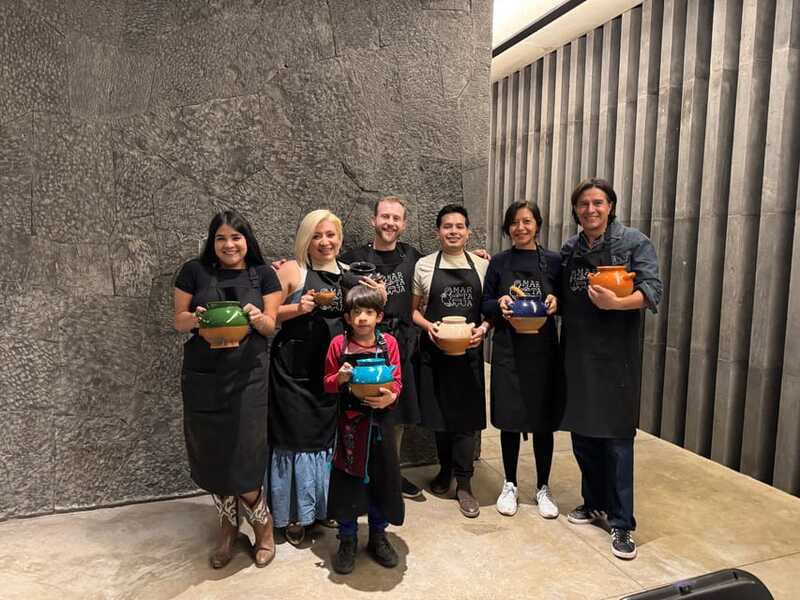
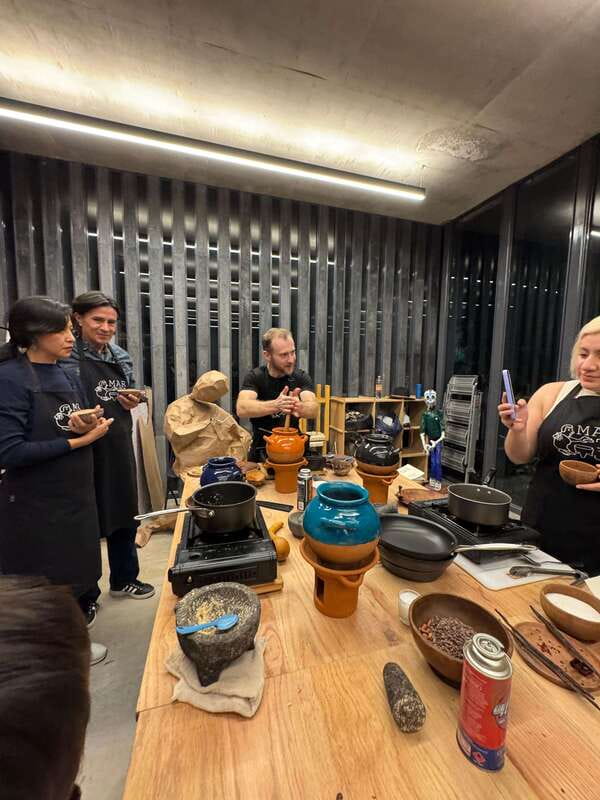
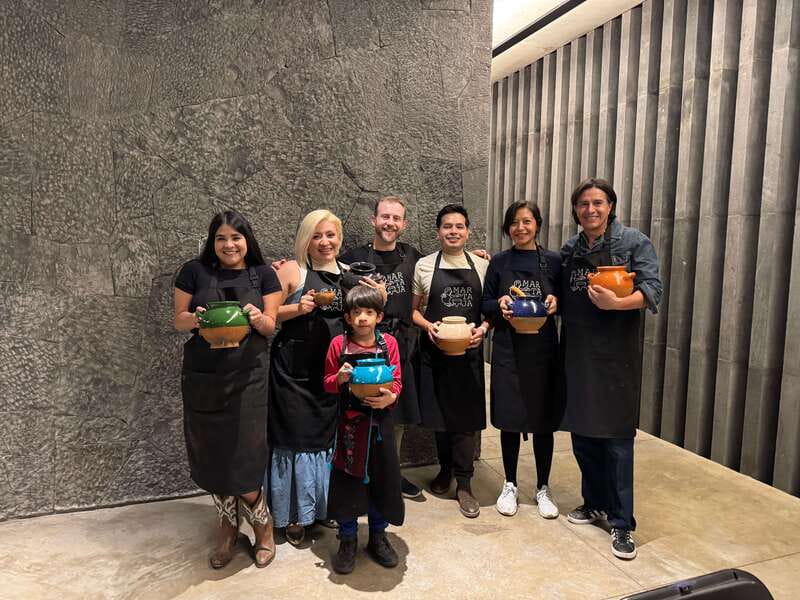
The setting is part of the appeal. The class takes place at the chef and guide’s home in Condesa, with the table prepared using artisanal serveware for the final tasting.
A home setting can feel more personal than a large commercial kitchen. You have space to ask Jim about Mexican ingredients, pre-Hispanic food, and other cooking classes he offers, including mole and tamales. He also gives local restaurant and activity suggestions, which can be handy if you are building a Mexico City food plan.
The tradeoff is that a home is not the same as an accessible teaching facility. There is no elevator in the building. Wheelchair users have enjoyed the class, but you should ask for precise access information before booking, especially if stairs are a concern.
There are also two cats in the house. Allergy pills are available, and the cats are kept out of the cooking area, but this is not a fully animal-free environment. If you have a serious allergy, contact the provider before booking rather than relying on the stated precautions.
The dessert and final tasting
The class ends with your drinks served at a laid table, accompanied by a dessert. This gives you time to taste the results rather than rushing out as soon as the grinding is finished.
The dessert is a useful final contrast. After tasting chile, achiote, avocado leaf, and other combinations, you can see how the drink works with something sweet. It also makes the experience feel like a complete food event rather than a technical lesson.
Do not expect the dessert to be the main reason to book. The real value is in the process, the background, and the six drinks you make yourself. The dessert rounds things off, but cacao remains the focus.
For families, the tasting format gives children a clear reward after the hands-on work. Families with children aged 8, 9, and 10 have found the class suitable, and teenagers can take part without being treated as passive observers. Younger children may need help with the grinding and hot liquids, as you would expect in any cooking activity.
What the $115 price means
At $115 per person, this is not a budget snack stop. You are paying for three hours of instruction, ingredients for six drinks, a dessert, and a private-home setting. The small-group or private format also changes the value compared with a large public demonstration.
I would judge the price by your interest in food and culture rather than by the amount of chocolate you consume. If you only want a good cup of hot chocolate, this is too expensive. If you want to understand cacao, work with a metate, and taste combinations you are unlikely to order in an ordinary café, the cost is easier to justify.
The price also makes more sense for a family or small group that wants one shared activity. You get a structured experience that can suit different ages, and Jim can adjust the conversation to the group’s interests. For a solo visitor on a tight budget, it may be harder to defend.
The listing notes that some people may pay less by booking directly through the Martaja website. I would compare the final prices and booking terms before choosing where to reserve. That is a practical step, especially at this price point.
Who will enjoy this most
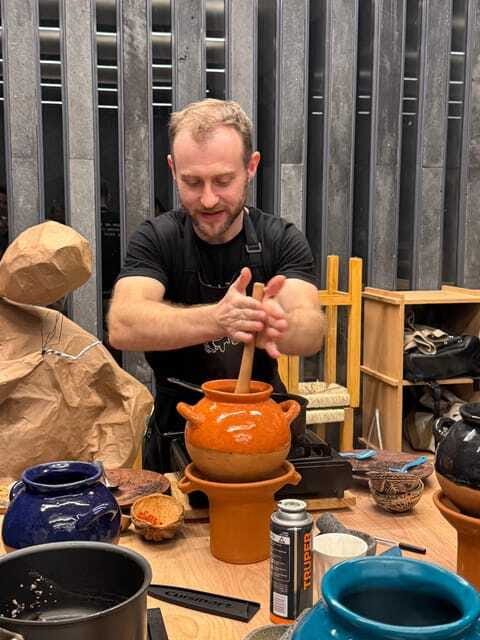
I would recommend the class to you if you enjoy food with a story and prefer making something over watching a demonstration. It is particularly well suited to:
- Families looking for a hands-on Mexico City activity
- Couples or friends who enjoy unusual tastings
- Visitors interested in Maya and Aztec food traditions
- People who want a small-group or private class
- Anyone curious about chile, achiote, avocado leaf, and other less familiar flavors
You may want to skip it if your main goal is a fast, inexpensive drink, or if you dislike strong spices and experimental combinations. It also deserves a careful check if you have serious allergies, need step-free access, or cannot be around cats.
The class is offered in English and Spanish. That makes the historical discussion easier to follow for international visitors, while Spanish-speaking participants can enjoy the lesson in their preferred language.
Timing, cancellation, and dietary notes
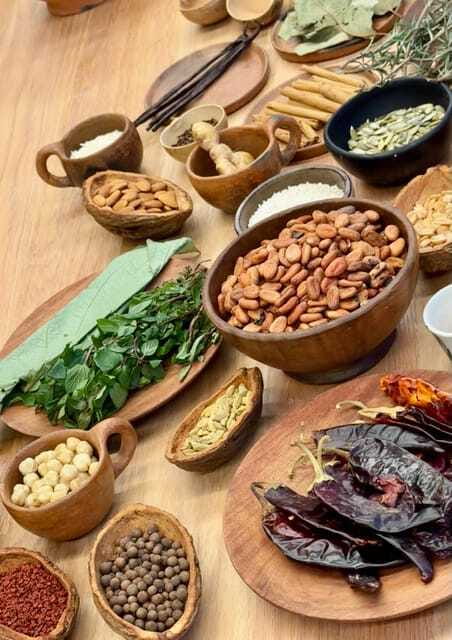
Plan on three hours. That is long enough to cover the history, roasting, grinding, six drinks, and dessert without turning the visit into a rushed tasting.
Starting times depend on availability, and the meeting point can vary with the option booked. Check those details carefully rather than assuming every booking begins at the same Condesa address.
You can cancel up to 24 hours before the experience for a full refund. A reserve-now, pay-later option is also available, which helps if your Mexico City schedule is still changing.
After booking, watch your email for a message about dietary requirements. Most needs can be accommodated, but strict Kosher preparation is not currently possible. Share your requirements early, especially if your group includes children or anyone with allergies.
Is the cacao workshop worth booking?
Book it if you want a personal, practical introduction to Mexican cacao and are happy to pay for a small, guided food experience. The strongest features are the metate grinding, the six drink combinations, Jim’s focus on pre-Hispanic ingredients, and the relaxed home setting.
I would be less enthusiastic if you are simply looking for dessert. At $115, this class needs to deliver more than sweetness, and it does so through history, technique, and tasting. Check the stairs, cats, dietary arrangements, and direct-booking price first. If those details work for you, this is a memorable way to spend three hours in Condesa.
FAQ
How long does the cacao workshop last?
The experience lasts three hours.
How much does the experience cost?
The listed price is $115 per person.
Where does the class take place?
The workshop takes place at a beautiful Condesa home, although the meeting point may vary depending on the option booked.
What languages are available?
The class is offered in English and Spanish.
How many hot chocolate drinks will I make?
The included ingredients are intended for preparing six different hot chocolate drinks.
What ingredients might I use?
The class includes Mesoamerican ingredients such as chile, achiote, and avocado leaf. You are encouraged to create your own combinations.
Is dessert included?
Yes. A dessert is served with the handmade hot chocolate drinks.
Can dietary requirements be accommodated?
Most dietary requirements can be accommodated if you provide them after booking. Strict Kosher preparation is not currently possible.
Is the class accessible to wheelchair users?
Wheelchair users have taken part before, but the building does not have an elevator. Confirm your access needs before booking.
Are there animals in the home?
Yes. There are two cats in the house, although they are kept out of the cooking area. Allergy pills are available for guests who need them.
Just added around Mexico
- Uxmal: Choco History Museum & Cenote★ 4.1 · 21 reviews
- Tulum: Chocolate & Honey Sanctuary Experience with Lunch★ 4.2 · 34 reviews
- Tulum: Chocolate & Honey Sanctuary Experience with Cenote★ 3.5 · 6 reviews
- Cultural Adventure: Artisanal Chocolates, Coffee and Doll Making★ 5.0 · 2 reviews
- Tarot Reading with Coffee & Chocolate or Smoothie★ 5.0 · 17 reviews
- Sayulita Magical Town Tour: Local food, and chocolate.★ 5.0 · 18 reviews
- Private Make Your Own Chocolate Experience in Puerto Vallarta★ 5.0 · 8 reviews
- Chocolate Macarons Workshop in Puerto Vallarta★ 5.0 · 5 reviews
Mexico Chocolate Tours, compared.
Finca 18 Puerto Vallarta Tequila Tour + Chocolate Pairing
Read our review →
Bean to Bar Chocolate Workshop in Puerto Vallarta
Read our review →
Tour to Uxmal Kabah and Chocolate Museum from Mérida
Read our review →Browse the lists this tour appears in