
REVIEW · MEXICO
Oaxaca: The Cocoa Experience, from the Grain to Your Cup
Oaxaca’s chocolate tradition becomes much clearer when you roast the beans yourself. You’ll warm cacao on a clay comal from San Marcos Tlapazola, peel the beans by hand, grind them into paste, and turn that paste into a drink with a wooden molinillo. It is a short, hands-on lesson rather than a quick tasting.
I like two things in particular. First, you taste the cacao at several stages, so the differences between beans, commercial chocolate, and conscious chocolate make sense in your mouth. Second, the work stays close to everyday Oaxacan cooking, using simple tools you could find in a local market. The main consideration is the price: at $98 per person, this is best for people who want a focused cultural workshop, not simply a cup of hot chocolate.
Key points to know before booking
- The three-hour format gives you time to work: You roast, peel, grind, mix, and prepare the final drink rather than watching a demonstration from the sidelines.
- The clay comal has a local connection: It comes from San Marcos Tlapazola in Oaxaca’s Central Valleys.
- You choose the sweetness: Your chocolate can include a selected percentage of sugar and different regional ingredients.
- The drink is the main result: This is traditional drinking chocolate, not a workshop for making molded candy bars.
- The group is capped at six people: That small size suits questions and hands-on work.
- You take chocolate home: The finished handcrafted chocolate gives you a modest souvenir of the process.
Starting with cacao, not candy
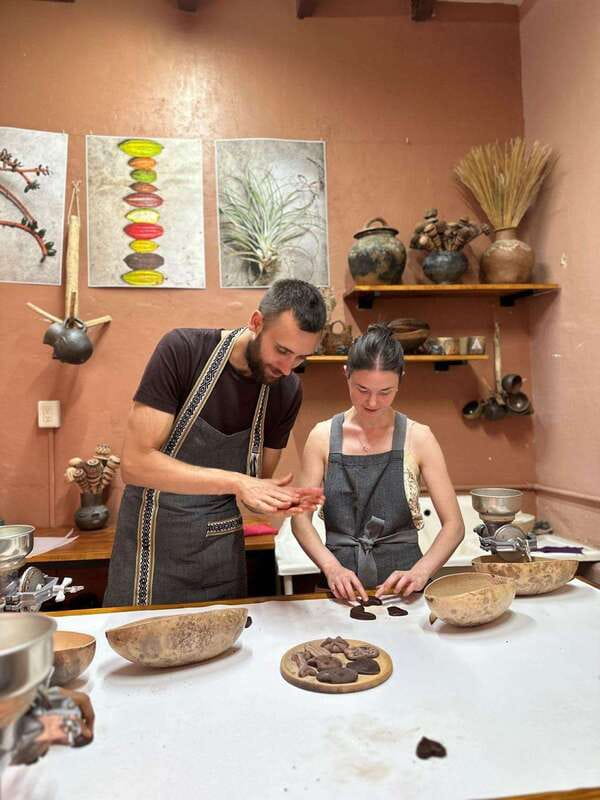
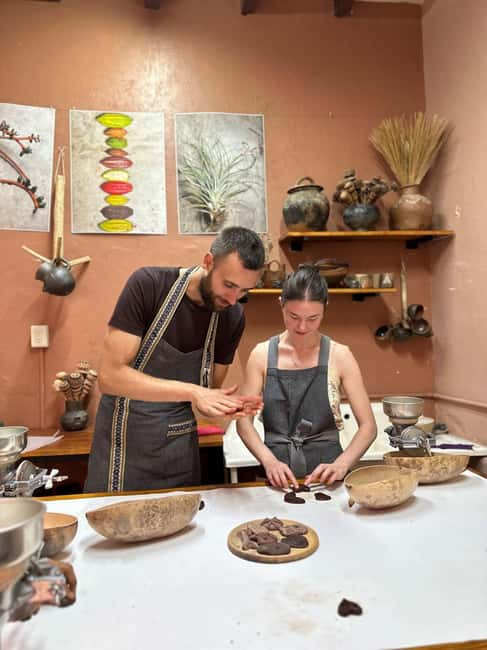
The experience begins with an introduction to Oaxacan cacao. You are not just told that cacao becomes chocolate. You learn to look at and taste the seed, paying attention to its organoleptic qualities, meaning its flavor, aroma, texture, and other sensory traits.
That opening matters because many people arrive with a modern chocolate habit. We often think of chocolate as a sweet bar, a dessert, or a powdered drink. Here, you begin farther back in the process. The cacao itself gets your attention before sugar takes over.
You also learn the difference between cacao, commercial chocolate, and what the workshop calls conscious chocolate. The last term points to environmental and social responsibility in chocolate production. That gives the session a useful ethical angle, though the practical value is that you start asking where the ingredient comes from and how it was made.
I especially like this part for curious eaters. You can compare the taste of the beans instead of treating all cacao as one uniform product. The workshop also explains that chocolate is discussed in terms of categories rather than species, a distinction that helps clear away some common confusion.
Other chocolate tours people book around Mexico:
- Finca 18 Puerto Vallarta Tequila Tour + Chocolate Pairing
★ 5.0 · 393 reviews - Bean to Bar Chocolate Workshop in Puerto Vallarta
★ 5.0 · 381 reviews - Chocolate Tour in Vallarta
★ 5.0 · 226 reviews
Roasting cacao on a San Marcos Tlapazola comal
The most memorable practical step is roasting the cacao on a clay griddle, or comal. The comal used here comes from San Marcos Tlapazola in Oaxaca’s Central Valleys, so the tool itself connects the activity to a local craft community.
You handle the beans as they roast. That changes the pace of the workshop. You need to pay attention to the process, then wait for the right moment to move on. The work is simple, but it is not passive.
A clay comal also gives the lesson a strong sense of place. You are not using a factory-style machine or a complicated piece of equipment. You are working with a basic cooking tool of the sort you can find in a local market. That makes the method easier to understand and remember.
The tradeoff is that this is not a polished chocolate factory tour. If you want machinery, elaborate displays, or a broad history of global chocolate production, this activity may feel narrow. Its strength is the small scale and the direct contact with the ingredient.
Peeling beans by hand and hearing the cultural story
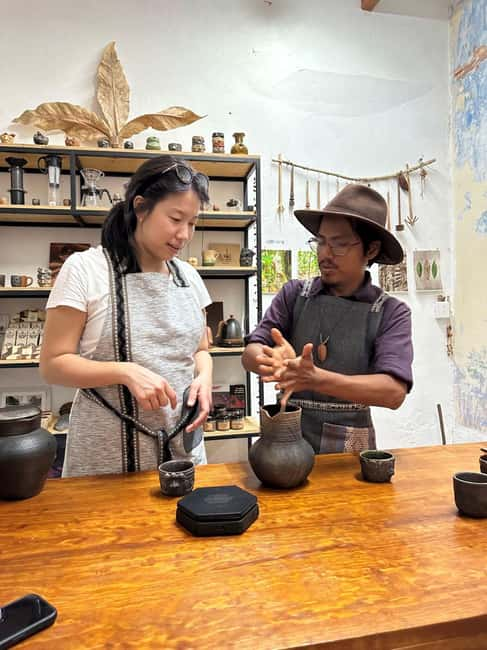
After roasting, you peel the cacao with your hands. This is the messy, tactile part of the experience, and it helps you see how much work sits between a raw bean and a finished drink.
The peeling is paired with history and cultural context about cacao in the community. In Oaxaca, chocolate is more than a sweet flavor. It has been used as a drink for celebration and as a way for people to gather. The workshop presents chocolate as a connection between people, not simply a product placed on a shelf.
That idea gives the handwork a purpose. You are not peeling beans as a novelty task. You are repeating a stage of an older preparation method and learning why the drink has such a place in Oaxacan life.
The pace should suit you if you like learning by doing. You will have time to ask questions in English or Spanish, with a maximum of six participants. A small group is especially helpful here because the steps involve handling ingredients, tasting, and using shared equipment.
Still, remember that hand peeling and grinding take effort. This is a food workshop, not a sit-back tasting. Wear comfortable clothes and shoes, and bring water. The activity also advises bringing snacks, even though a cocoa-based snack is included at the end.
Grinding cacao into an artisanal chocolate paste
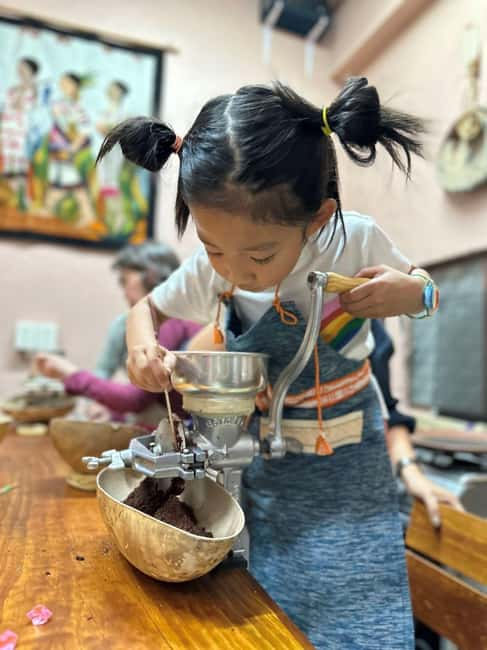
Once peeled, the cacao is ground and transformed into chocolate paste. This is where the bean begins to feel less like an ingredient you are studying and more like something you are making.
The process uses basic utensils rather than specialized gear. That is one of the most useful features for anyone who wants to understand traditional food preparation. You can follow the method without needing equipment that exists only in a professional kitchen.
The finished paste is intended for drinking chocolate. This point is important when you decide if the activity suits you. You are not making a molded chocolate bar to eat later. You are preparing the base for a beverage, then taking home your own handcrafted chocolate from the session.
The flavor may also reset your expectations. One of the notable points from the experience is that native Oaxacan chocolate is not presented as bitter in the way some European-style chocolate can be. You will taste cacao in a less candy-like form, with the final flavor shaped by roasting, sugar, and the regional ingredients you choose.
I would not book this expecting one fixed recipe. The value comes from seeing how flavor develops and how personal choices affect the result.
Same place, a different way to taste it:
- Chocolate & Margarita Workshop
★ 5.0 · 207 reviews - Chocolate and truffles workshop
★ 5.0 · 157 reviews - San Jose del Cabo Art Walk, Beer Tasting &Chocolate Demonstration
★ 5.0 · 141 reviews - Artisanal Mezcal and Fine Chocolate Tasting
★ 5.0 · 132 reviews
Choosing sugar and regional ingredients
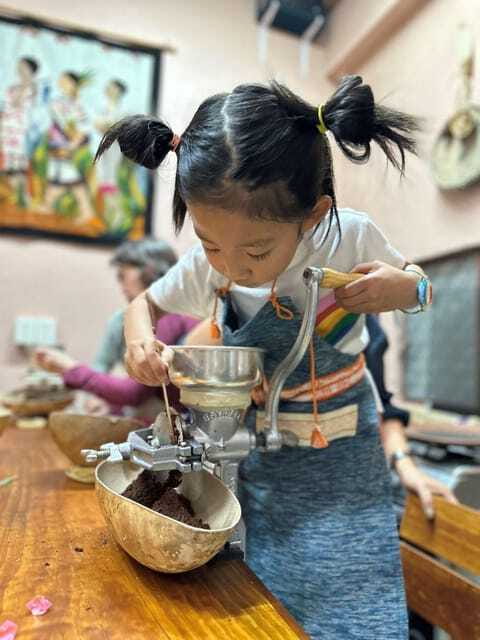
Next, you decide how much sugar to add. The workshop lets you select the percentage of sugar for your chocolate and combine it with different regional ingredients.
This choice makes the session more useful than a standard tasting menu. You can think about balance instead of simply accepting a finished drink. Too little sugar leaves more of the cacao character in view. More sugar makes the drink softer and sweeter. The experience gives you a way to notice that difference.
The regional ingredients also connect the drink to Oaxaca rather than treating chocolate as a generic international flavor. The supplied information does not list each ingredient, so you should expect a selection chosen for the workshop rather than plan around a specific recipe.
This part may be the best match for couples, friends, or food-focused solo visitors who enjoy comparing preferences. A group of six is small enough for each person’s choices to feel personal, but it is still a shared activity.
Learning the molinillo method
To prepare the drink, you learn to use a molinillo, the traditional kitchen tool used to mix and incorporate the chocolate. It is a simple utensil with a very particular action, and using it gives the final stage a sense of ceremony.
The point is not only to dissolve the chocolate. The molinillo brings the ingredients together and helps create the character of the beverage. You get a practical lesson in the movement and see how a traditional tool fits into the preparation.
This is also where the cultural meaning of the drink comes back into focus. Chocolate is treated as something prepared for people to share and celebrate. The molinillo is not a decorative prop. It remains part of the working method.
If you have never used one, do not expect perfect technique at once. The workshop is designed to teach the process, not to test your kitchen skills. Comfortable clothing is sensible, since hand preparation can be less tidy than a café order.
Ending with a cocoa-based snack and a take-home gift
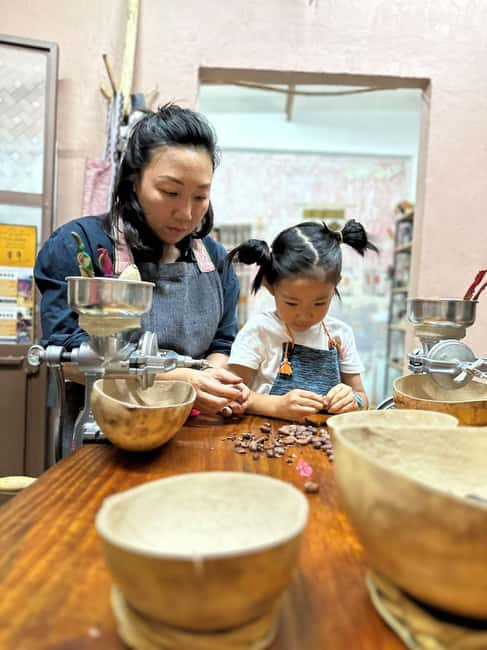
The session ends with a tasting of the chocolate drink and a snack based on cocoa flavors. This gives you a chance to taste the full result after handling the beans through each stage.
The snack is not described in detail, so you should think of it as a small pairing rather than a full meal. If you tend to get hungry during a three-hour activity, bring your own snack as advised. Water is also worth carrying.
You take home your own handcrafted chocolate. It is a better souvenir than a packaged bar because it represents the stages you completed: roasting, peeling, grinding, mixing, and preparing the drink.
Do keep your expectations practical. The take-home item is part of a workshop, not the main reason to book. The central experience is learning how cacao changes as you work with it.
What the $98 price covers
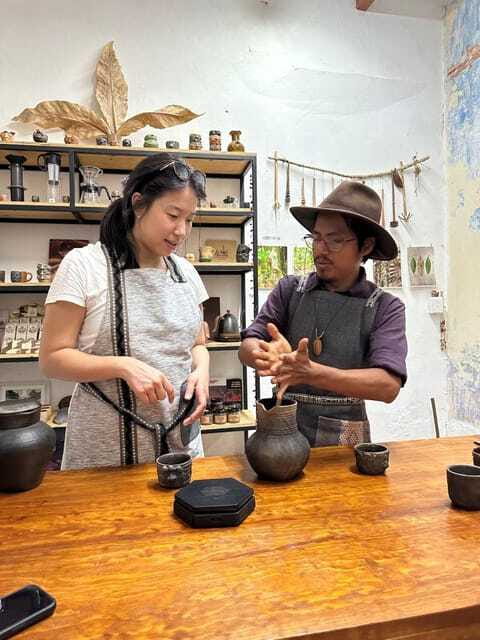
At $98 per person, the experience sits in the premium range for a three-hour food activity. The value depends on how much you want personal instruction and cultural context.
The fee includes the introduction to Oaxacan cacao, roasting on the clay comal, peeling and grinding, mixing the chocolate with regional ingredients, preparing the drink, tasting it, the cocoa-based snack, and the handcrafted chocolate to take home. You are paying for ingredients, instruction, a small group, and access to a process that is not usually part of an ordinary café visit.
The strongest value comes from the hands-on format. You do not simply taste a finished chocolate beverage. You work through the transformation from bean to cup and learn a method that uses accessible utensils.
The price is harder to justify if your only goal is to try Oaxacan hot chocolate. You can find a drink elsewhere for far less. I would book this when the making matters as much as the tasting, especially if you value food traditions, local tools, and a slower workshop.
Meeting in central Oaxaca
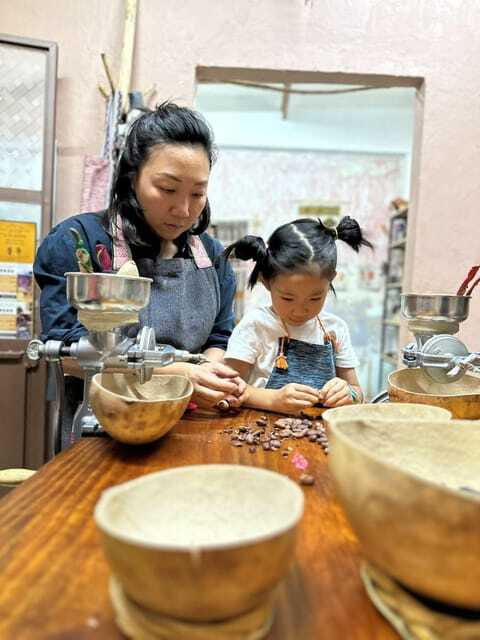
The meeting point is 5 de Mayo 210 on Ruta Independencia in Centro, Oaxaca de Juárez. Transportation to the venue is not included, so you need to make your own way there.
That central address is useful if you are already staying or sightseeing in Oaxaca’s historic center. Still, leave enough time to reach the meeting point without rushing. The activity lasts three hours, and arriving late could mean missing the early introduction or the first tasting step.
Starting times vary, so you need to check availability before booking. Instruction is available in English and Spanish, which makes the activity practical for international visitors as well as Spanish speakers.
The group is limited to six participants. That is a meaningful detail, not just a marketing line. The experience involves shared equipment and individual choices, so a large group would make the work less personal.
Who should book this Oaxaca chocolate experience?
I would recommend it to you if you enjoy food traditions, want to ask questions, and prefer making something over merely photographing it. It is especially suitable for adults and older children who can take part in a three-hour hands-on session, though children under three are not suitable.
It also fits visitors who want a cultural activity that stays close to local practice. The comal from San Marcos Tlapazola, the molinillo, the hand peeling, and the discussion of cacao’s role in celebration all give the workshop a clear Oaxacan focus.
You may want to skip it if you have food allergies, since the activity is specifically listed as unsuitable for people with food allergies. Pets and smoking are not allowed. Anyone looking for a full meal, a factory tour, or solid chocolate candy should choose a different activity.
The best preparation is simple: wear comfortable shoes and clothes, bring water and a snack, and arrive ready to handle the ingredients yourself.
Should you book it?
Book this experience if you want to understand Oaxacan chocolate through your hands, not just your taste buds. The strongest parts are the local clay comal, the bean-to-drink process, the choice of sweetness, and the small group size.
Skip it if $98 feels too high for a three-hour workshop or if you only want a quick hot chocolate. For food-minded visitors who value traditional methods and cultural context, the price is reasonable because you receive instruction, tastings, a snack, and chocolate to take home. This is a focused Oaxaca experience, and its success depends on your interest in the process as much as the final cup.
FAQ
How long does the cocoa experience last?
The experience lasts three hours.
How much does the activity cost?
The price is $98 per person.
Where is the meeting point?
The meeting point is 5 de Mayo 210, Ruta Independencia, Centro, 68000 Oaxaca de Juárez.
Is transportation included?
No. Transportation to the venue is not included.
What languages are available?
The instructor can provide instruction in English and Spanish.
How many people are in the group?
The group is limited to six participants.
What will I do during the workshop?
You will learn about Oaxacan cacao, roast the beans on a clay comal, peel and grind them, mix the chocolate with regional ingredients, prepare a beverage with a molinillo, and taste the drink with a cocoa-based snack.
Do I take anything home?
Yes. You take home your own handcrafted chocolate.
What should I bring?
Bring comfortable shoes, comfortable clothes, water, and snacks.
Can children or people with food allergies join?
Children under three are not suitable for the activity, and the experience is not suitable for people with food allergies.
Just added around Mexico
- Uxmal: Choco History Museum & Cenote★ 4.1 · 21 reviews
- Tulum: Chocolate & Honey Sanctuary Experience with Lunch★ 4.2 · 34 reviews
- Tulum: Chocolate & Honey Sanctuary Experience with Cenote★ 3.5 · 6 reviews
- Cultural Adventure: Artisanal Chocolates, Coffee and Doll Making★ 5.0 · 2 reviews
- Tarot Reading with Coffee & Chocolate or Smoothie★ 5.0 · 17 reviews
- Sayulita Magical Town Tour: Local food, and chocolate.★ 5.0 · 18 reviews
- Private Make Your Own Chocolate Experience in Puerto Vallarta★ 5.0 · 8 reviews
- Chocolate Macarons Workshop in Puerto Vallarta★ 5.0 · 5 reviews
Mexico Chocolate Tours, compared.
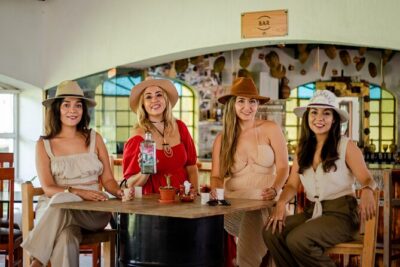
Finca 18 Puerto Vallarta Tequila Tour + Chocolate Pairing
Read our review →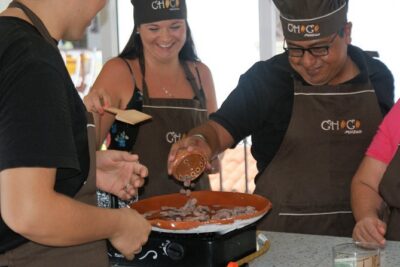
Bean to Bar Chocolate Workshop in Puerto Vallarta
Read our review →
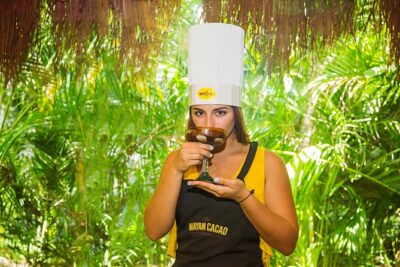


Tour to Uxmal Kabah and Chocolate Museum from Mérida
Read our review →Browse the lists this tour appears in