
REVIEW · BARCELONA
Bean to Bar Chocolate Workshop in Barcelona
The best part of this Barcelona workshop is that you do not simply taste chocolate. You handle the raw material, starting with cocoa beans and working through roasting, peeling, grinding, and making a cocoa paste. I like the genuine bean-to-bar process and the chance to see a cocoa pod while learning what happens before beans reach a chocolate shop. I also like the small group, capped at eight, which gives guides such as Oscar and Renée room to answer questions.
The main consideration is that this is partly a class and tasting, not two hours of making a chocolate bar entirely on your own. You take part in key steps, but much of the time also goes to explanation, sampling, drinks, and chocolate’s past. That balance suits curious adults and teenagers, though children wanting nonstop decorating may find it more educational than expected.
What makes this workshop worth two hours
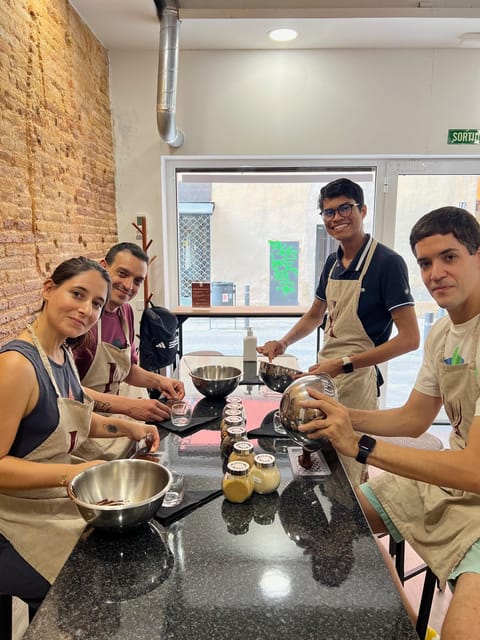
- You begin with the raw cocoa bean: Roast, peel, and grind cocoa yourself rather than starting with finished chocolate.
- You make a bar to take home: Your personal bar is the hands-on souvenir, though Barcelona’s heat can make chocolate difficult to transport.
- You taste cocoa in several forms: Sample chocolates from different growing areas and prepare cocoa-based drinks.
- You learn the full chain: The workshop connects cocoa cultivation, fermentation, production, farmers, and the bean-to-bar movement.
- You meet in a working chocolate shop: Kina Chocolates gives the class an artisan setting instead of a large tourist venue.
- You get a small-group format: With no more than eight participants, the session feels personal and easy to follow.
Starting at Kina Chocolates with a cocoa pod
Your meeting point is Local Kina Chocolates, an artisan chocolate shop in Barcelona. The workshop lasts two hours and is offered in Spanish or English. Some material may be shown in its original language, so ask the guide to clarify anything you miss.
The first useful surprise is the cocoa pod itself. Most people know cocoa only as brown beans or a finished bar. Seeing the pod helps you understand that chocolate begins as an agricultural product, not as a sweet treat in a foil wrapper. The guide explains how cocoa is grown and what takes place in the fields before the beans are shipped for processing.
That farm-to-shop connection gives the class more weight than a standard tasting. You learn that chocolate depends on growing communities, careful handling, and many stages of work. The workshop also discusses how local cocoa-producing communities live and why fair treatment matters in the bean-to-bar trade.
I especially like this opening because it gives you a better way to judge chocolate later. You start thinking about origin, processing, and flavor rather than only sweetness.
More Chocolate Making Workshops in Spain:
- KAICAO bean to bar and design your chocolate experience
★ 4.5 · 18 reviews - KAIACAO Bean to Bar and Design your own chocolate experience
★ 4.5 · 6 reviews - Vienna: Chocolate Workshop in Chocolate Museum w/ Tasting
★ 4.5 · 1,802 reviews
Roasting, peeling, and grinding the beans
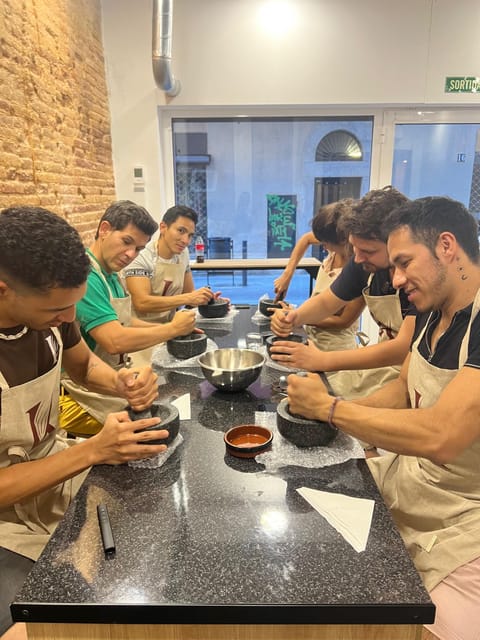
The practical work begins with cocoa beans. You roast them, peel away the outer shells, and grind them by hand. These are simple actions, but they change the way you understand the finished product.
Roasting brings out new aromas. Peeling reveals the nibs inside, and grinding turns those pieces into cocoa paste. You get to handle each stage instead of watching a machine perform it behind glass. That makes the process memorable, and it also explains why quality chocolate takes time and care.
The texture may surprise you. Cocoa paste is not the smooth, sweet mixture most people picture when they hear the word chocolate. The class shows you how chocolate develops from a rough agricultural product into something refined and ready to eat.
You should expect a hands-on session, but not complete independence at every step. The instructor guides the group, demonstrates the work, and keeps the process moving. One useful feature of the eight-person limit is that you should have a better chance to see what is happening and get help when needed.
Wear the apron and hat supplied by Kina Chocolates, and be ready to work with your hands. Tell the provider about allergies or food intolerances before the workshop so the activity can be adapted where possible.
Tasting chocolate by origin and form
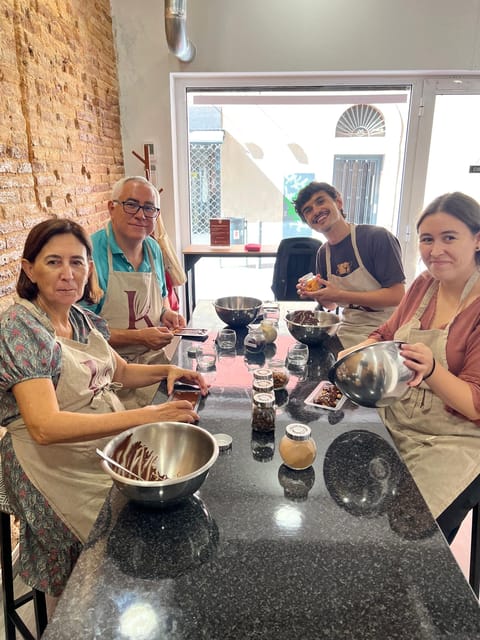
Tasting is not an afterthought here. You sample chocolate made with cocoa from different climates and growing areas, which gives you a practical introduction to how origin affects flavor.
The point is not simply to decide which sample you like best. You learn to notice differences in aroma, bitterness, sweetness, and texture. This can change your attitude toward chocolate. A heavily sweetened supermarket bar and a carefully made bar may taste like very different foods.
The workshop also explores different parts and uses of the cocoa bean. You may taste cocoa nibs, cocoa-based products, and other forms of the bean during the presentation. The precise selection can vary, but the aim is clear: show you how much flavor exists before sugar and other ingredients are added.
Several people have found the tasting one of the most useful parts of the class, especially because the guide asks participants to think about what they are tasting. You do not need a trained palate. The session is designed to help you notice, not to test you.
Making cocoa drinks and learning chocolate’s past
The class includes preparation of cocoa-based drinks. This widens the experience beyond solid chocolate and shows how cocoa has been consumed in different ways over time. You get to taste drinks made from cocoa ingredients while hearing about chocolate in ancient times and its later development.
This historical section is more useful because it is tied to real ingredients. Instead of hearing a long lecture and then returning to a modern chocolate bar, you connect the past with what is in front of you. Cocoa nibs, shells, paste, and drinks each show a different part of the story.
Guide personality matters here. Oscar has been praised for his enthusiasm and storytelling, while Renée is known for a friendly, lively teaching style. Franklin has also led sessions, and the guides are described as willing to answer questions and adjust their explanations for the group.
The tone is informal and playful. One group even mentioned small pranks during the class. That gives the two hours energy without turning the workshop into a noisy performance.
More Drinking Tours in Spain:
- Hungry Mary’s Famous Beer and Chocolate Tour in Brussels
★ 5.0 · 2,258 reviews - Epic Yarra Valley Wine Tour + Lunch, Chocolate & Gin/Beer Option
★ 5.0 · 1,819 reviews - Brussels Chocolate Beer Waffle and Belgian Whiskey All-in-One (Small Group) Tour
★ 5.0 · 551 reviews - Project Chocolat Tree to Bar Tour at Hotel Chocolat Saint Lucia
★ 4.5 · 501 reviews
Creating your own chocolate bar
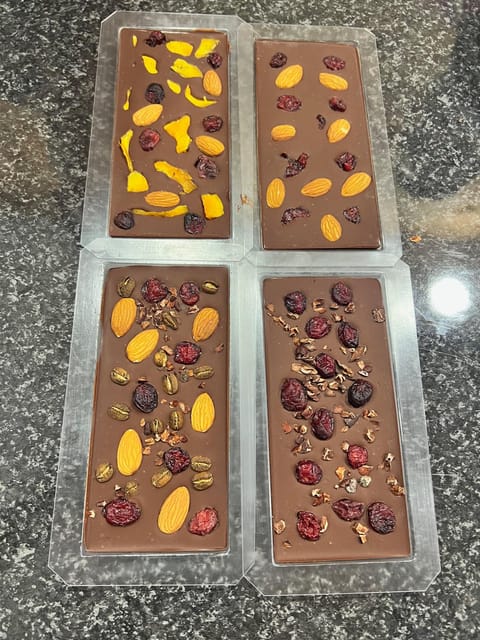
Near the end, you make a chocolate bar to take home. This is the clearest souvenir from the session, and it gives the class a satisfying finish.
The bar is not just a purchased item from the shop. You have handled the cocoa and seen the work that comes before molding. That makes the final piece more personal, even if it is not identical to a professional artisan bar.
Take care with your bar after the workshop. One participant reported that the Barcelona heat melted it, a reminder that chocolate is a poor companion for a long hot walk. The workshop does not state that special transport or cooling is provided, so plan to keep it protected and cool as much as you can.
You can also browse and buy Kina Chocolates products after the activity. The shop may offer bars, cocoa beans, cocoa shell tea, and caramel-coated cocoa beans. Buying something is optional, and the workshop itself focuses on teaching rather than pushing sales.
How much value do you get for $47?
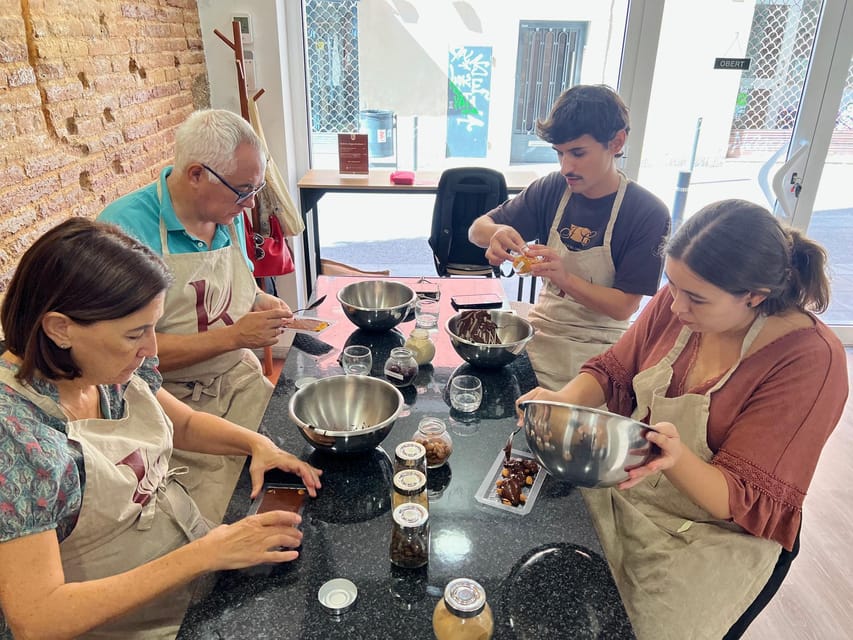
At $47 per person, this is not the cheapest chocolate tasting in Barcelona. It is a fair price if you want a structured activity with instruction, ingredients, tastings, drinks, equipment, and a handmade bar.
The value comes from the range of work packed into two hours. You learn about cultivation, see a cocoa pod, roast and peel beans, grind them, prepare drinks, taste chocolate from different areas, and discuss farmers and ethical sourcing. A simple tasting would cost less, but it would not give you the same physical connection to the process.
The included apron, hat, certificate, and workshop summary add practical value. The written summary is useful if you want to remember the stages later, especially after a busy Barcelona trip when details begin to blur.
I would consider the price strongest for couples, families with older children, and visitors who enjoy food education. If you only want to eat excellent chocolate, spend the money at the shop instead. If you want to understand why one bar tastes different from another, the workshop earns its price.
Who will enjoy the Kina Chocolates format
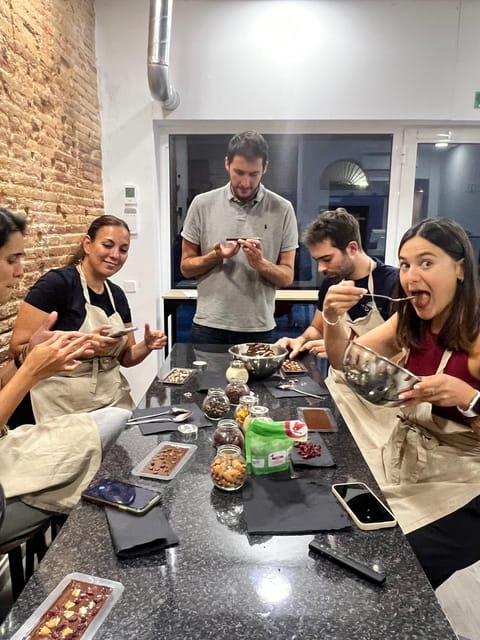
This works especially well for adults and teenagers. Families have used it successfully with children around ten and older, and teenagers who are not usually excited by museums or formal lessons may appreciate the practical work.
It is also a good rainy-day plan. The session is indoors, lasts only two hours, and gives you something active to do without filling an entire day. The pace suits a morning or afternoon between Barcelona’s larger sights.
Chocolate fans will get the most from it, but you do not need prior knowledge. The instructors explain the process from the beginning. Curious cooks, food-focused visitors, and anyone interested in ethical sourcing should also find plenty to think about.
The workshop is wheelchair accessible. Spanish and English instruction is available, though some content may appear in its original language. With a maximum of eight people, the group should remain manageable for questions and demonstrations.
I would not choose it if your main goal is a long professional chocolatier course. The session introduces the process and lets you perform important steps, but it is designed as an accessible cultural activity rather than technical training.
Practical details before you book
The workshop costs $47 per person and lasts two hours. Starting times depend on availability, so check the schedule before building the rest of your day around it.
Cancellation is free up to 24 hours in advance for a full refund. You can also reserve now and pay later, which helps if your Barcelona plans are still shifting.
Tell Kina Chocolates about allergies or intolerances ahead of time. Cocoa products can appear in several forms during the session, so this is not a detail to leave until you arrive.
The small group is one of the strongest practical features. Eight people is enough for conversation but small enough that the guide can watch the hands-on stages. If you have a question about fermentation, farmers, roasting, or flavor, you should have a real chance to ask it.
Bring a way to protect your finished bar from heat. The handmade chocolate is part of the experience, but it may not survive a warm afternoon in a bag.
Should you book this Barcelona chocolate workshop?
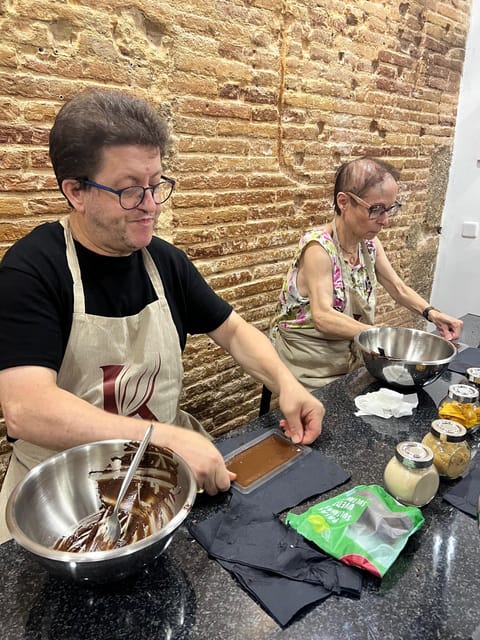
Book it if you want more than a tasting. The best parts are the raw cocoa pod, the roasting and grinding, the comparison of chocolates from different growing areas, and the chance to make a bar yourself. Oscar, Renée, and Franklin bring different personalities to the teaching, but the format remains focused on clear explanations and active participation.
Skip it if you dislike food demonstrations, prefer a fast attraction, or expect to make every part of the chocolate without instruction. This is a lesson with tastings, not a free-form candy-making session.
For most chocolate lovers, families with older children, and visitors looking for a compact indoor activity, $47 is reasonable. You leave with a better sense of what chocolate is, how much work goes into it, and why the bean-to-bar idea matters.
FAQ
Where does the Bean to Bar Chocolate Workshop take place?
The workshop takes place at Local Kina Chocolates in Barcelona, Catalonia, Spain.
How long does the workshop last?
The activity lasts two hours.
How much does the workshop cost?
The listed price is $47 per person.
What languages are available?
The workshop is offered in Spanish and English. Some content may be shown in its original language.
What will I make during the workshop?
You will roast, peel, and grind cocoa beans, make cocoa paste, prepare cocoa-based drinks, and create one chocolate bar to take home.
Is the workshop suitable for children?
The activity is designed for adults and teenagers. Families have also attended with children around ten years old and older.
What is included in the price?
The price includes materials and utensils, an apron, a hat, a personalized completion certificate, and a workshop summary.
Is the workshop wheelchair accessible?
Yes, the activity is wheelchair accessible.
Just added around Spain
- Alicante; Visit the Chocolate Museum and Villajoyosa, a colorful town★ 4.8 · 4 reviews
- Private French Basque Tour: Biarritz, Bayonne & Chocolate★ 5.0 · 8 reviews
- Madrid Segway Tour with Chocolate and Churros★ 4.5 · 16 reviews
- KAICAO bean to bar and design your chocolate experience★ 4.5 · 18 reviews
- Visit with tasting of Vicens nougat and Jolonch chocolates★ 5.0 · 4 reviews
- Gaudi’s Casa Batlló and La Pedrera with Chocolate Tasting★ 5.0 · 5 reviews
- Delicious Chocolate Tour Barcelona★ 5.0 · 37 reviews
- Exclusive Champagne & Chocolate Getaway – with excellent lunch★ 5.0 · 24 reviews
Barcelona Chocolate Tours, compared.
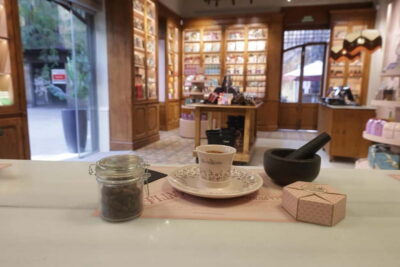
Barcelona & Chocolate Amatller History and Culture + Activity and Tasting
Read our review →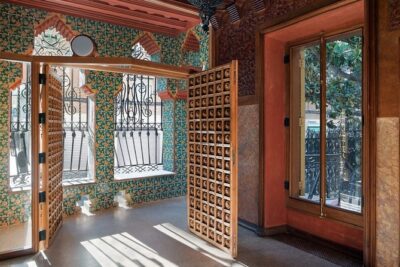
Sweet Gaudi: the most delicious visit to Casa Vicens
Read our review →
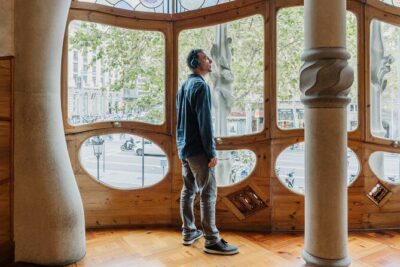
Private First Access Casa Batlló Experience With Breakfast
Read our review →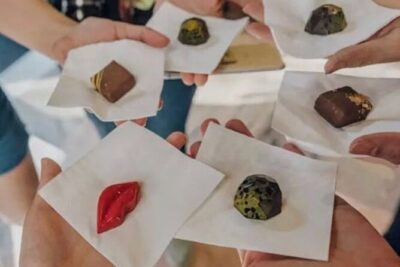
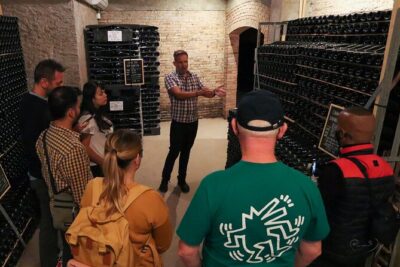
Exclusive Champagne & Chocolate Getaway – with excellent lunch
Read our review →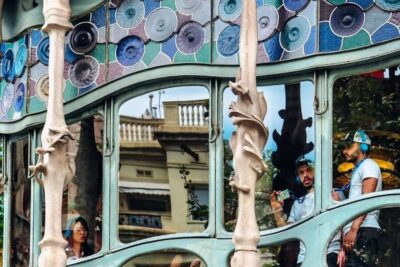
Casa Batlló, La Pedrera, & Chocolate Tasting Tour
Read our review →Browse the lists this tour appears in