
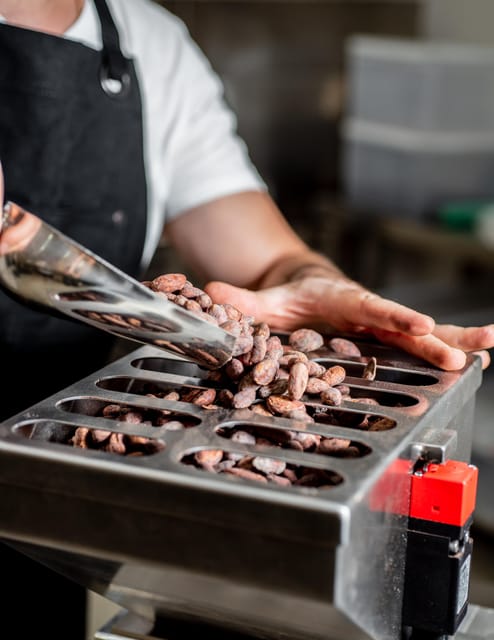
REVIEW · SPAIN
KAIACAO Bean to Bar and Design your own chocolate experience
KAICAO turns a chocolate stop into a hands-on lesson. In 90 minutes, you follow cacao from farm basics to the finished bar, then sort, roast, and winnow beans before making your own 75% dark chocolate bar. I like the clear farm-to-factory link, and I like that the activity gives you something personal to take home.
I also appreciate the small group of up to seven people, which should make it easier to see the equipment and ask questions. The main consideration is taste: these bars are high in cacao and sweetened with dates, not standard milk chocolate, so children and anyone expecting candy-like sweetness may not be happy.
Key points at a glance
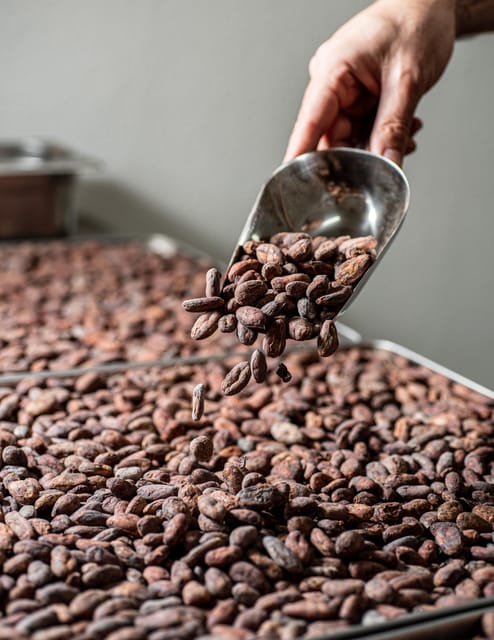
- Hands-on bean work: You sort, roast, and winnow cacao beans rather than only watching a demonstration.
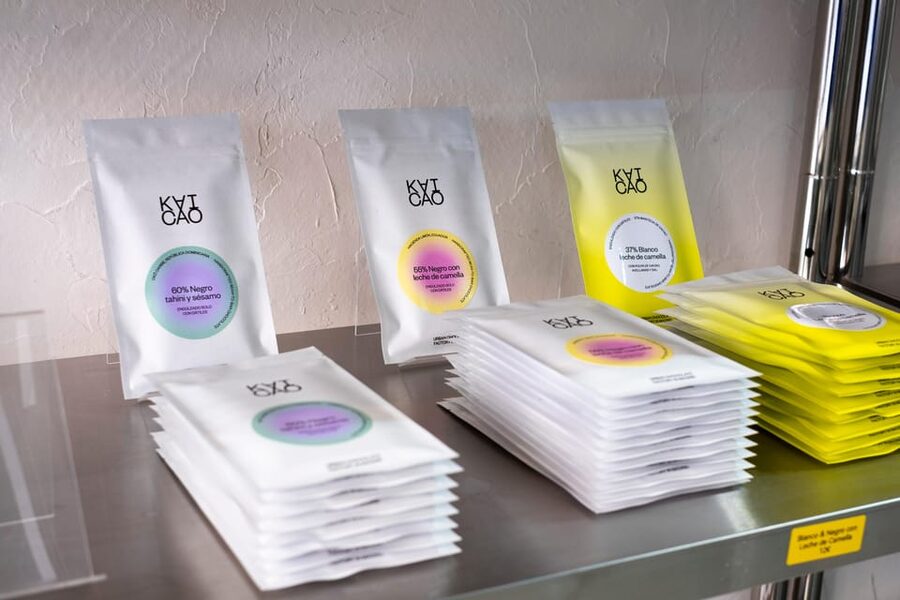
- Date-sweetened chocolate: KAICAO uses fine aroma cacao and dates instead of conventional refined sugar.
- Make your own bar: You design a 75% dark chocolate bar with a choice of toppings and take it home.
- A tasting with ceremonial cacao: The visit includes samples from the lab and a glass of ceremonial cacao.
- English and small-group format: The 90-minute session is conducted in English for no more than seven participants.
- A grown-up chocolate profile: The high cacao percentage means this suits curious older teens and adults better than young children.
From cacao farm to Madrid chocolate lab
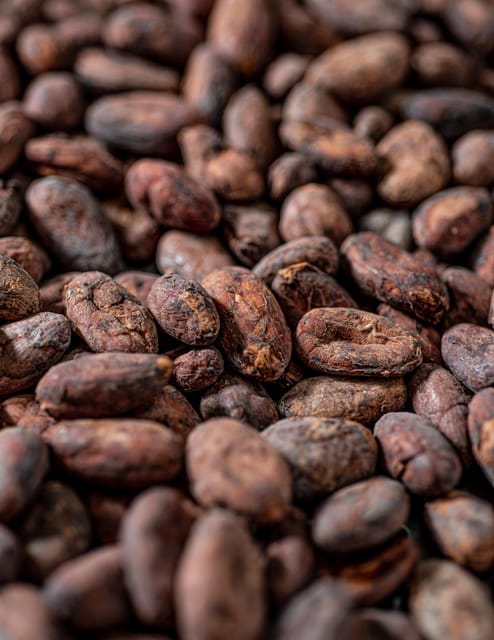
KAICAO is a bean-to-bar factory in the heart of Madrid. That phrase matters. The workshop is not simply a guided tasting in a shop, and it is not only a confectionery class. The focus is on the full chain, starting with cacao beans and ending with chocolate products made in the lab.
You first learn about the cacao process at the farm. The supplied details do not give a specific farm origin or region, so you should not expect a geographic tasting lesson built around named plantations. Instead, the emphasis is on understanding the stages that turn a raw agricultural product into chocolate.
I like this setup because it gives the tasting some context. You learn why the bean needs preparation before you taste what it becomes. For anyone who usually sees only a polished chocolate bar on a shelf, the connection between bean and finished product is the useful part.
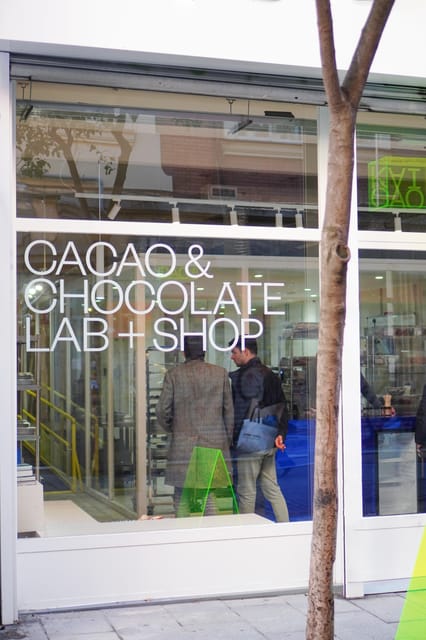
The factory is in central Madrid, so this can fit neatly into a day of sightseeing. The meeting point is KAICAO’s cacao lab, marked by a KAICAO sign and a white facade. You should look for the lab itself rather than a separate tour office.
More Chocolate Making Workshops in Spain:
- Bean to Bar Chocolate Workshop in Barcelona
★ 5.0 · 172 reviews - KAICAO bean to bar and design your chocolate experience
★ 4.5 · 18 reviews - Vienna: Chocolate Workshop in Chocolate Museum w/ Tasting
★ 4.5 · 1,802 reviews
Sorting, roasting, and winnowing your cacao
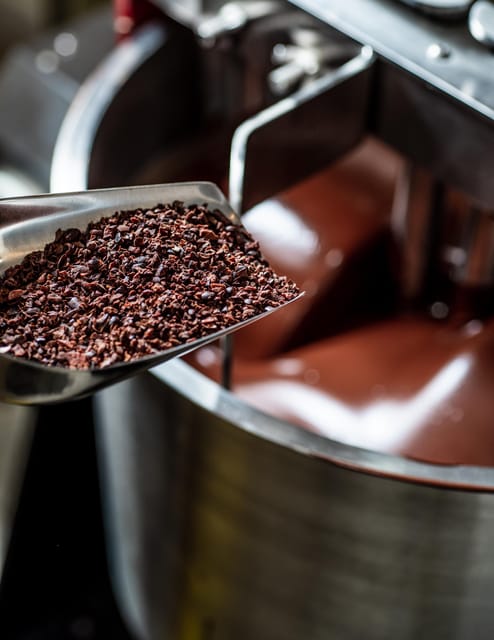
The practical part begins with the beans. You sort them, roast them, and winnow them. Those are simple words, but they represent the essential early steps in bean-to-bar production.
Sorting gives you a feel for the raw material before it is processed. Roasting changes the beans and helps develop the aromas associated with chocolate. Winnowing removes the husk from the roasted beans, leaving the cacao pieces used in later production.
I find this kind of participation more useful than watching a staff member handle every step. You do not become a chocolate maker in 90 minutes, but you get a working sense of the process and the amount of preparation behind a finished bar.
The activity is guided in English. That is important because the value depends on understanding the explanation, not just handling the beans. If you are comfortable following a spoken English demonstration, the format should be straightforward. If you are looking for a tour in another language, this is not the right choice.
The group limit of seven is another practical advantage. A bean-to-bar lab is likely to involve small equipment and close demonstrations, and a very large group would make the hands-on work less personal. With up to seven participants, you have a better chance to see what is happening and take part without standing at the back.
Designing a 75% dark chocolate bar
The most memorable part for many people will be making a bar of their own. You design a 75% dark chocolate bar with a range of toppings, then take the finished creation home.
The cacao percentage tells you what to expect. A 75% bar is firmly on the dark side, with more cacao flavor and less sweetness than an ordinary supermarket milk chocolate bar. KAICAO sweetens its products with dates, so the taste remains different from chocolate made with refined sugar.
This is a good fit if you enjoy dark chocolate or want to compare a date-sweetened product with more familiar bars. You can choose toppings to give your bar a personal touch, though the available choices are not specified in the tour details. Do not arrive expecting a children’s decorating session built around frosting and bright candy.
Taking the bar home adds real value. You leave with a physical reminder of the workshop rather than only a few tasting notes. It also gives you a chance to try the bar later, when you are no longer moving from one sample to the next.
The activity is best suited to older teens and adults. The information gives two age cautions: children under eight are listed as unsuitable, and the experience is also described as not recommended for children under 15. Since the chocolate is high in cacao and less sweet, I would treat 15 as the safer practical minimum unless you have checked directly with KAICAO about a younger child.
Tasting the KAICAO range
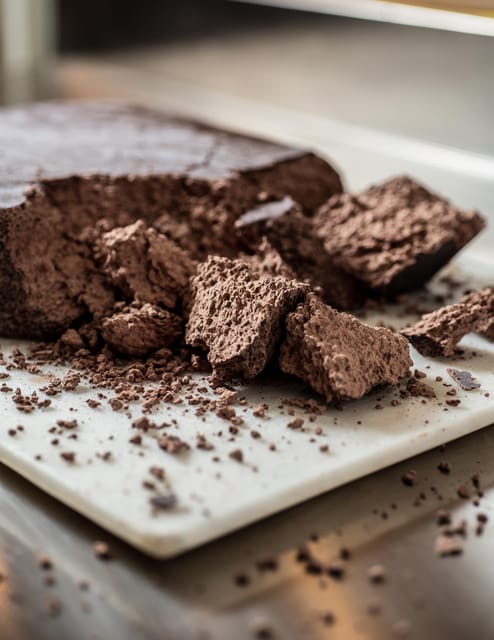
The tasting comes after the factory explanation and hands-on work. You sample products made in the lab, giving you a chance to compare the chocolate in finished form after learning how it is made.
The tasting is one of the strongest reasons to choose this activity over a basic chocolate-making class. You are not only decorating one bar. You get to try several products and understand how the same general ingredients can produce different results.
The products use fine aroma cacao and dates. That combination creates a distinct style. The word healthy appears in the activity information, but you should still think of this as chocolate tasting rather than a health consultation. Date-sweetened chocolate may appeal to you if you are avoiding conventional refined sugar, but it does not guarantee a mild or universally popular flavor.
A verified booking comment described the tasting as offering a lot of delicious chocolate, and that matches the structure of the visit. The chocolate is not a tiny afterthought at the end. Sampling is built into the experience, along with the making and explanation.
Still, dark chocolate has a narrow comfort zone for some people. If you prefer very sweet, creamy chocolate, you may find the 75% bars intense. If you already enjoy darker chocolate, the stronger flavor is part of the appeal.
More Drinking Tours in Spain:
- Hungry Mary’s Famous Beer and Chocolate Tour in Brussels
★ 5.0 · 2,258 reviews - Epic Yarra Valley Wine Tour + Lunch, Chocolate & Gin/Beer Option
★ 5.0 · 1,819 reviews - Brussels Chocolate Beer Waffle and Belgian Whiskey All-in-One (Small Group) Tour
★ 5.0 · 551 reviews - Project Chocolat Tree to Bar Tour at Hotel Chocolat Saint Lucia
★ 4.5 · 501 reviews
Ceremonial cacao to finish
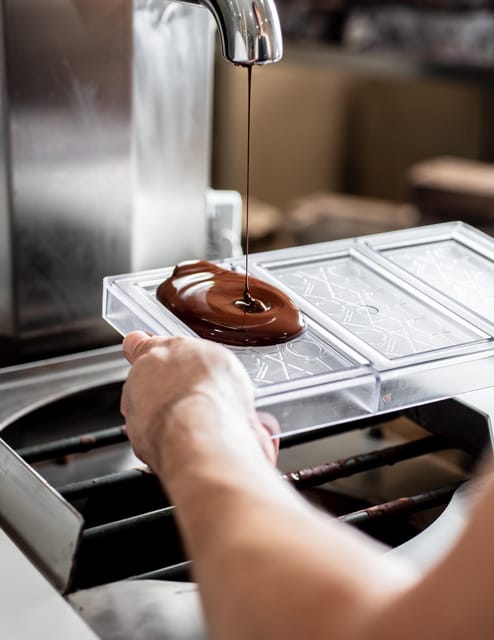
The visit includes a welcoming ceremonial cacao drink and a glass of ceremonial cacao during the experience. This gives the session a second kind of tasting, separate from the solid chocolate products.
The information does not specify the exact recipe, serving size, or presentation, so I would not book this expecting a formal cultural ceremony with a long ritual program. Think of it as a cacao drink included within a chocolate education session.
It is a useful contrast to the bar tasting. Solid chocolate gives you texture and intensity, while a drink shows cacao in another form. If you are curious about cacao beyond familiar confectionery, this part adds variety without extending the visit beyond its 90-minute length.
The welcoming drink also helps set the tone at the start. The session begins with something to taste before you move through the lab and the bean-to-bar process.
What the 90-minute schedule means for you
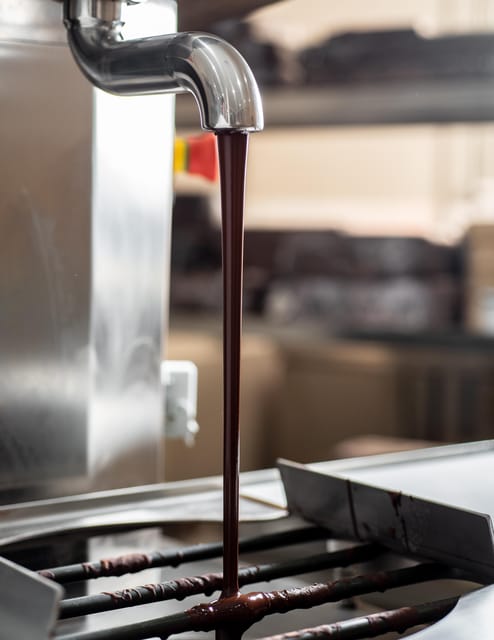
The stated duration is one and a half hours. That is long enough for a proper introduction, the factory portion, practical bean handling, bar design, tasting, and cacao drink, but it is not a full professional chocolate course.
You should expect a brisk, focused format. The factory visit is described as 60 minutes, while the full experience lasts 90 minutes. The remaining time covers the welcome drink, tasting, and the chocolate bar activity.
I like this length for a Madrid itinerary. It is substantial enough to feel like a real activity, yet short enough to combine with museums, neighborhoods, or a meal elsewhere in the city. You will not need to give up half a day.
The tradeoff is that each stage can only receive limited attention. The farm explanation will be an introduction, not an agricultural seminar. The roasting and winnowing are hands-on samples of the work, not a complete production shift. If you want advanced chocolate-making instruction, this format will feel introductory.
Starting times vary, so check availability for the date you want. The meeting point is the white-fronted KAICAO lab, with a visible sign. Since the session takes place in the factory itself, allow a little time to find the entrance in central Madrid rather than arriving at the last minute.
Is $53 a fair price?
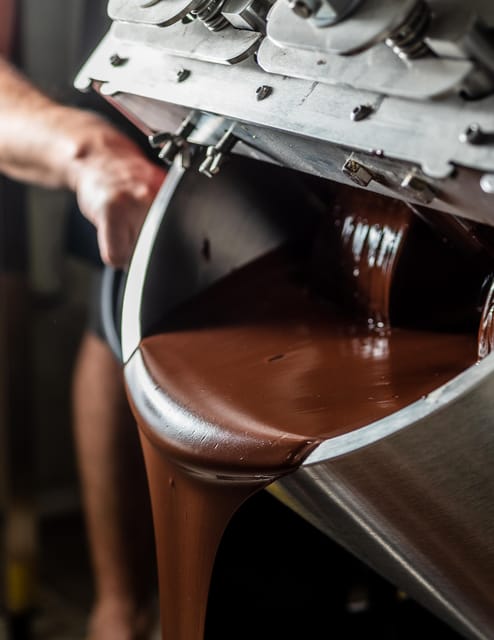
At $53 per person, KAICAO is priced above a simple chocolate tasting but below a long specialist workshop. The value depends on how much you want from the visit.
You are paying for several parts in one package:
- A guided introduction to bean-to-bar production
- A visit around the lab and an explanation of the cacao farm process
- Sorting, roasting, and winnowing cacao beans
- A ceremonial cacao drink
- A tasting of KAICAO products
- A custom 75% dark chocolate bar to take home
- A small group capped at seven people
That is a fair bundle for someone who wants education, tasting, and participation. The take-home bar matters because it gives the session a lasting result. The small group also helps justify the price, since the activity is not designed as a large, anonymous demonstration.
The value is weaker if you mainly want a large quantity of sweet chocolate. The products are dark and date-sweetened, and the session is built around learning how chocolate is made. You should choose it for the process and the flavor profile, not only for dessert.
The average rating is 4.5 from six ratings, with especially strong praise for the informative format, the amount of chocolate available to taste, and the friendly manner of the guide. One comment was in French and another in Spanish, but the scheduled activity itself is conducted in English. That distinction matters if you are choosing based on language.
Who should book this Madrid activity?
I would recommend KAICAO to adults who enjoy dark chocolate, food production, or small practical workshops. It also suits couples, friends, and solo visitors who want an activity with conversation and a clear finished product.
It is a good choice if you want to:
- Learn how cacao changes from bean to bar
- Taste date-sweetened chocolate
- Try a ceremonial cacao drink
- Make a personalized souvenir
- Join a small English-language session
- Add a short food activity to a Madrid sightseeing day
I would be more cautious for families with young children. The age information is not perfectly consistent, but it clearly signals that the session is aimed at older participants. The high cacao percentage and less-sweet flavor are the main reasons.
You should also think about language before booking. The tour is in English, with a live English-speaking guide. That is helpful for an international audience, but it does not offer the flexibility of a multilingual session.
The lab is wheelchair accessible, which removes one concern for people who need step-free access. The available details do not describe the exact layout, restroom arrangements, or equipment clearance, so you may want to contact KAICAO directly if you need specific accessibility information beyond general wheelchair access.
Booking flexibility and practical details
You can cancel up to 24 hours before the activity for a full refund, and you can reserve now and pay later. That is useful when your Madrid schedule is still changing.
The experience lasts 1.5 hours, but check the available start times before you plan a museum visit or meal around it. The meeting point is the KAICAO cacao lab, identified by the sign and white facade.
The group is limited to seven participants. The tour is offered in English, and the provider is KAICAO Fabrica de Chocolate SL.
Should you book KAICAO?
Book it if you want more than a sugar fix. The strongest parts are the hands-on bean work, the explanation of the farm-to-bar process, the generous tasting, and the custom 75% bar you carry home.
Skip it if you prefer very sweet milk chocolate, need a tour in another language, or want a long advanced course in chocolate production. For the right palate and age group, $53 buys a compact, personal introduction to how chocolate is made in central Madrid.
FAQ
Where does the KAICAO chocolate experience take place?
It takes place at the KAICAO cacao lab, a bean-to-bar chocolate factory in the heart of Madrid. Look for the KAICAO sign and white facade.
How long does the activity last?
The full experience lasts 1.5 hours, or 90 minutes. The factory visit itself is described as lasting 60 minutes.
What language is the tour conducted in?
The tour is conducted in English with a live English-speaking guide.
What will I do during the workshop?
You will learn about cacao farming and bean-to-bar production, then sort, roast, and winnow cacao beans. You will also design a 75% dark chocolate bar with toppings.
Can I take my own chocolate bar home?
Yes. The 75% dark chocolate bar you design is included for you to take home.
Is chocolate tasting included?
Yes. You will taste KAICAO products made in the lab. The experience also includes a welcoming ceremonial cacao drink and a glass of ceremonial cacao.
Is the activity suitable for children?
The information says it is not recommended for children under 15 and is not suitable for children under eight. Because the chocolate is high in cacao and sweetened with dates, older teens and adults are the safer fit.
How many people are in each group?
The activity is a small-group experience limited to seven participants.
Is the experience wheelchair accessible?
Yes, the activity is listed as wheelchair accessible. The supplied information does not give further details about the lab layout or facilities.
Can I cancel the booking?
Yes. You can cancel up to 24 hours in advance for a full refund. You can also reserve now and pay later.
Just added around Spain
- Alicante; Visit the Chocolate Museum and Villajoyosa, a colorful town★ 4.8 · 4 reviews
- Private French Basque Tour: Biarritz, Bayonne & Chocolate★ 5.0 · 8 reviews
- Madrid Segway Tour with Chocolate and Churros★ 4.5 · 16 reviews
- KAICAO bean to bar and design your chocolate experience★ 4.5 · 18 reviews
- Visit with tasting of Vicens nougat and Jolonch chocolates★ 5.0 · 4 reviews
- Delicious Chocolate Tour Barcelona★ 5.0 · 37 reviews
- Exclusive Champagne & Chocolate Getaway – with excellent lunch★ 5.0 · 24 reviews
- Gaudi’s Casa Batlló and La Pedrera with Chocolate Tasting★ 5.0 · 5 reviews
Spain Chocolate Tours, compared.
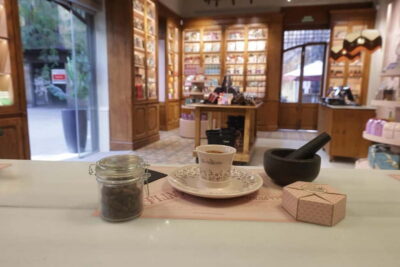
Barcelona & Chocolate Amatller History and Culture + Activity and Tasting
Read our review →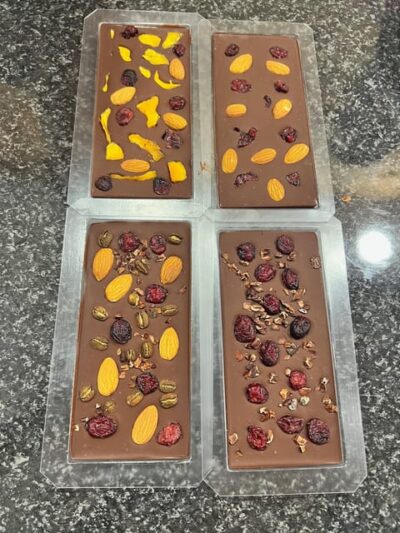
Tapas and history tour ending with churros with chocolate
Read our review →
Sunset vineyard tour with wine and chocolate tasting
Read our review →
Sweet Gaudi: the most delicious visit to Casa Vicens
Read our review →
Semi-Private Tour: Old Town & Chocolate and Churros
Read our review →Browse the lists this tour appears in