
REVIEW · SPAIN
KAICAO bean to bar and design your chocolate experience
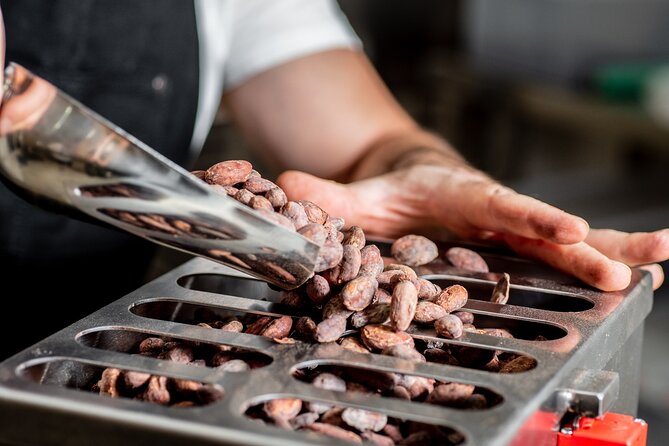
The most interesting part of KAICAO’s experience is that it begins before chocolate is chocolate. You handle unroasted cacao, learn about the fruit and harvest, then follow the beans through roasting, shelling, grinding, and tasting at a small urban factory. I like the bean-to-bar focus and the chance to taste roasted cocoa beans themselves, not just polished sweets.
I also like the small group size, which is limited to 10 people, and the wide tasting at the end. The factory is air-conditioned, a welcome detail in Madrid, and the products include handmade and sugar-free options. The main drawback is time: at about 90 minutes, this is a compact introduction rather than a long workshop where you make a chocolate bar from scratch.
Key points about the KAICAO chocolate tour
- Cacao from the beginning: You start with unroasted beans and learn about the cocoa fruit, harvest, and post-harvest work.
- Real production details: The tour explains bean selection, roasting profiles, shell removal, and the steps that turn cacao into chocolate.
- Tasting goes beyond candy: You taste roasted cocoa beans, chocolate products, and unusual combinations such as 65% dark Arabica coffee chocolate with cardamom.
- Small English-language group: The maximum is 10 people, making it easier to follow the guide in the factory setting.
- Good for mixed ages: The hands-on tasting and approachable format suit children and adults.
- A useful shopping stop: You can buy KAICAO products at the end, including handmade and some sugar-free choices.
Starting at a small chocolate factory in central Madrid
KAICAO’s experience begins at C. de la Encomienda, 15, in Madrid’s Centro district. The activity starts at 4:00 pm and returns to the same meeting point, so you do not need to arrange a separate pickup or navigate to a different ending location.
The factory setting matters. This is not simply a chocolate tasting held in a restaurant or a sales presentation in a shop. You are introduced to the work behind the product, with the explanation tied to the equipment and production steps around you.
The group limit of 10 is one of the strongest practical features. A small group gives you a better chance to see demonstrations, ask questions, and hear the guide without the constant shuffle of a large tour. It also suits families, since children can stay close to the action rather than watching from the back of a crowded room.
The tour is offered in English. The supplier confirms the booking at the time of purchase, and the location is near public transportation. You should allow enough time to reach the address before 4:00 pm, since the published details do not include hotel pickup.
More Chocolate Making Workshops in Spain:
- Bean to Bar Chocolate Workshop in Barcelona
★ 5.0 · 172 reviews - KAIACAO Bean to Bar and Design your own chocolate experience
★ 4.5 · 6 reviews - Vienna: Chocolate Workshop in Chocolate Museum w/ Tasting
★ 4.5 · 1,802 reviews
From cocoa fruit to unroasted bean
The first stage deals with cacao before roasting. You learn about the cocoa fruit, the seeds inside it, and the work involved in harvesting and preparing those seeds after they leave the tree.
That opening gives the tasting a useful frame. Most people meet chocolate only as a finished bar, where the origin of the cacao is easy to ignore. Here, you begin with the raw material and see why post-harvest handling affects the flavor that eventually reaches your mouth.
The guide also introduces the cacao origins used by KAICAO. This is important because beans from different places can have different flavor traits, just as coffee and wine can vary by origin. The tour does not treat cacao as one uniform ingredient. It shows you that selection begins long before a finished recipe is mixed.
For children, this first section turns a familiar snack into something more concrete. For adults, it gives the tasting more meaning. You are not only asking if a chocolate is sweet or bitter. You can start thinking about aroma, texture, roasting, and the character of the bean itself.
Roasting profiles and the craft behind the flavor
After the introduction to cacao, the tour explains how KAICAO selects its seeds and develops roasting profiles. Roasting is one of the points where the maker can shape the final flavor, so this part helps explain why two chocolates made with similar ingredients may taste quite different.
The wording roasting profile can sound technical, but the idea is simple. Time and heat influence the aroma, bitterness, and depth of roasted cacao. KAICAO explains the profiles it has developed to bring out the best flavor from its chosen beans.
This is a useful distinction between a bean-to-bar factory and a standard chocolate attraction. The emphasis is not only on recipes or decorative sweets. You get a look at decisions made during production, including which seeds are selected and how they are roasted.
The tour does not promise that you will operate the roasting equipment yourself. If you are booking specifically to make a complete bar by hand, keep your expectations in check. The experience is mainly a guided explanation and tasting of the full process, with a design element suggested by the tour title, not a long practical confectionery class.
Shelling the roasted beans, then tasting them
One of the more memorable steps is shelling the roasted cocoa beans. Once the beans have been roasted, their outer shells must be removed so the useful cacao pieces can move on to the next stage.
The best part here is that you taste the roasted beans. That direct sample helps you understand cacao before sugar, milk, or other ingredients change its character. It is a small but telling lesson: chocolate begins with a flavor that is more earthy and intense than the bar most people buy at a supermarket.
This stop is especially good for curious eaters. You can compare the taste and texture of the roasted bean with the finished products served later. If you are bringing a child, the shelling and tasting stage may be easier to grasp than a long explanation of machinery.
You should also expect the flavor to be stronger and less familiar than a sweet chocolate bar. That is part of the point. The tour is designed to show the ingredient in several forms, not to make every sample taste like dessert.
More Drinking Tours in Spain:
- Hungry Mary’s Famous Beer and Chocolate Tour in Brussels
★ 5.0 · 2,258 reviews - Epic Yarra Valley Wine Tour + Lunch, Chocolate & Gin/Beer Option
★ 5.0 · 1,819 reviews - Brussels Chocolate Beer Waffle and Belgian Whiskey All-in-One (Small Group) Tour
★ 5.0 · 551 reviews - Project Chocolat Tree to Bar Tour at Hotel Chocolat Saint Lucia
★ 4.5 · 501 reviews
Turning roasted cacao into chocolate
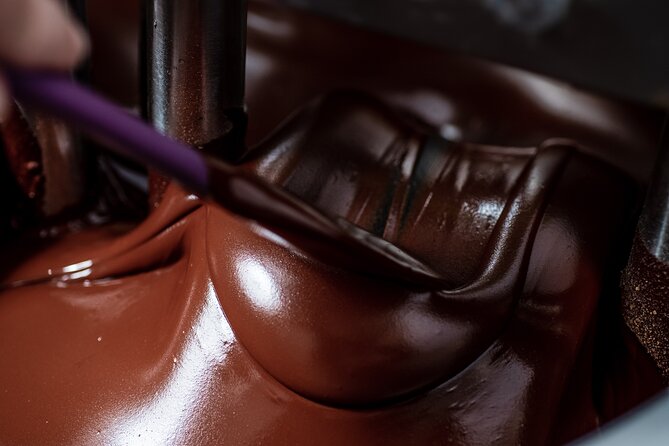
Once the beans are shelled, the guide walks you through the remaining steps required to turn roasted cacao into chocolate. The exact equipment and timing are not specified, but the aim is to connect the earlier stages to the finished product.
This section is where the full bean-to-bar idea comes together. You have seen the raw bean, learned about origins and roasting, tasted the roasted cacao, and then followed it toward chocolate and other products. The explanation gives you a better sense of how much work sits behind a small bar.
I like this approach because it keeps the focus on production rather than only on eating. A tasting without context can blur into a series of sweet samples. Here, each taste has a place in the process, so you can notice how the ingredient changes as it is worked.
The experience remains short, however. Ninety minutes is enough for an introduction and tasting, but it is not enough for an extended technical class covering every stage in factory-level detail. That makes it a good fit for an afternoon in Madrid, not a full-day chocolate course.
A final tasting with coffee, cardamom, and more
The tour ends with samples of products developed with fine cacao. One listed starter is 65% dark Arabica coffee chocolate with cardamom, a combination that gives the tasting more interest than a row of identical squares.
The coffee and cardamom pairing should appeal to adults who like darker chocolate and aromatic spices. At 65 percent cacao, the chocolate is likely to taste more pronounced than a milk chocolate, while coffee and cardamom add their own roasted and fragrant notes. The published menu lists this as a starter, so the complete selection may include other products as well.
The tasting also includes handmade chocolate products and sugar-free choices. Some products are suitable for vegans, with two exceptions that contain camel milk. If you have dietary needs, ask the guide which individual items fit your requirements rather than assuming every product is suitable.
One important caution concerns diabetic diets. A sugar-free product is not automatically right for every person with diabetes. If that matters to you, check the ingredients and make your own dietary decision. The useful point is that KAICAO offers choices beyond standard sugar-heavy chocolate.
The tasting is also a practical time to decide what you want to take home. Products are available to buy after the tour, so you can choose favorites while the flavors are still fresh in your mind.
Who will get the most from the 90 minutes?
This experience works particularly well for families. The route from cacao fruit to finished chocolate gives children a clear story, and the tasting keeps the session active. The small group limit also makes it easier for younger visitors to stay involved.
Adults who enjoy coffee, dark chocolate, unusual ingredients, or food production will find more to appreciate than someone looking only for a quick sweet treat. The explanation of cacao origins and roasting gives the activity enough substance to justify its place in a Madrid afternoon.
It is also a sensible choice for visitors who want an indoor activity. The factory is air-conditioned, and the 4:00 pm start can fit neatly after sightseeing earlier in the day. Since the activity lasts about an hour and a half and ends where it starts, you can plan dinner or another central Madrid stop afterward.
The tour may be less suitable if you want a long hands-on class. The information supplied describes tasting, explanation, and the ability to buy products, but it does not promise that each person makes and takes home a finished bar. The title refers to designing your chocolate experience, yet you should confirm the exact hands-on element if that is the main reason you are booking.
Is $54.07 a fair price?
At $54.07 per person, KAICAO is not the cheapest way to eat chocolate in Madrid. You are paying for more than samples, though. The price covers a guided look at cacao origins, post-harvest work, bean selection, roasting, shelling, production, and a final tasting in a small factory setting.
The value is strongest if you care about how food is made. A regular chocolate shop visit may let you buy a bar, but it will not necessarily show you the raw bean or explain roasting choices. The small group size also gives this experience a more personal feel than a large commercial attraction.
The value is weaker if you mainly want a large quantity of chocolate. This is a compact educational tasting, not an all-you-can-eat session. You should view the purchase option as an extra convenience, not as the main reason the ticket is worthwhile.
For a family, the total cost can add up quickly, so consider the format before booking. The activity is short enough to fit into a busy day, and the indoor setting may help justify the expense when you want something structured and easy to reach. For a solo visitor or a couple with a strong interest in cacao, the specialized content makes the price easier to defend.
Timing, meeting point, and booking details
The start time is 4:00 pm, and the meeting point is C. de la Encomienda, 15, in Centro. The activity ends at that same address. Public transportation is nearby, but the information provided does not identify a specific station or route, so use the address when planning your arrival.
The tour is offered in English and allows mobile tickets. Confirmation is provided when you book. The maximum group size is 10 people, and most people can participate according to the published details.
Free cancellation is available if you cancel at least 24 hours before the local start time. A cancellation made less than 24 hours before the start, or a change made inside that window, is not eligible for a refund. That policy is worth noting if your Madrid schedule is still shifting.
My verdict on KAICAO
I would choose KAICAO if you want to understand chocolate before you taste it. The raw cacao introduction, roasted bean sample, explanation of roasting profiles, and final tasting make the experience more useful than a simple stop for sweets.
I especially like the small group format, air-conditioned setting, and mix of handmade, sugar-free, and some vegan products. The 65% dark Arabica coffee chocolate with cardamom gives the tasting a distinct local-factory feel rather than a generic candy-shop ending.
Book it if you enjoy food craft, are visiting with children, or want a one-and-a-half-hour indoor activity in central Madrid. Skip it if you want a long make-your-own workshop or a large box of chocolate included in the ticket. For everyone in between, the best way to judge the value is to think of it as a compact factory tour with tasting, not simply a dessert stop.
FAQ
Where does the KAICAO chocolate experience begin?
It begins at C. de la Encomienda, 15, Centro, 28012 Madrid, Spain.
What time does the tour start?
The scheduled start time is 4:00 pm.
How long does the experience last?
The activity lasts approximately 1 hour and 30 minutes.
Is the tour offered in English?
Yes. The experience is offered in English.
Where does the activity end?
It ends back at the meeting point on C. de la Encomienda.
How many people can join the tour?
The maximum group size is 10 people.
Can I buy chocolate after the tasting?
Yes. You have the possibility of buying KAICAO products at the end of the experience.
Can I cancel for a full refund?
Yes, if you cancel at least 24 hours before the experience start time. Cancellations made less than 24 hours before the start are not refunded.
Just added around Spain
- Alicante; Visit the Chocolate Museum and Villajoyosa, a colorful town★ 4.8 · 4 reviews
- Private French Basque Tour: Biarritz, Bayonne & Chocolate★ 5.0 · 8 reviews
- Madrid Segway Tour with Chocolate and Churros★ 4.5 · 16 reviews
- Visit with tasting of Vicens nougat and Jolonch chocolates★ 5.0 · 4 reviews
- Gaudi’s Casa Batlló and La Pedrera with Chocolate Tasting★ 5.0 · 5 reviews
- Delicious Chocolate Tour Barcelona★ 5.0 · 37 reviews
- Exclusive Champagne & Chocolate Getaway – with excellent lunch★ 5.0 · 24 reviews
- Chocolate Factory and Guadalest Castle★ 5.0 · 20 reviews
Spain Chocolate Tours, compared.
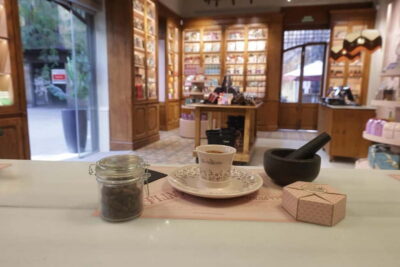
Barcelona & Chocolate Amatller History and Culture + Activity and Tasting
Read our review →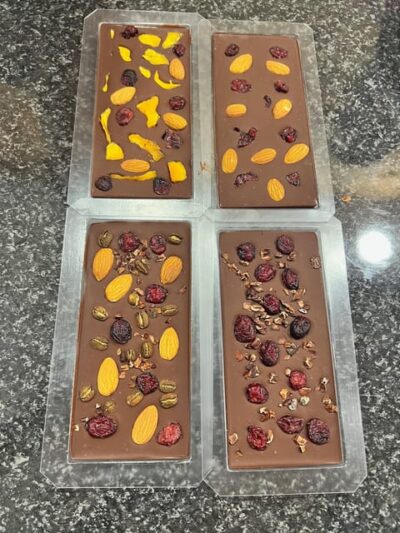
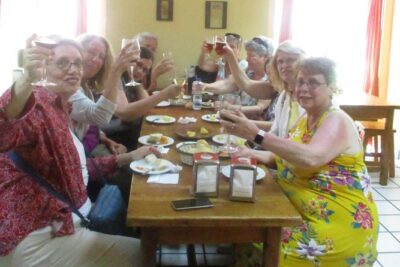
Tapas and history tour ending with churros with chocolate
Read our review →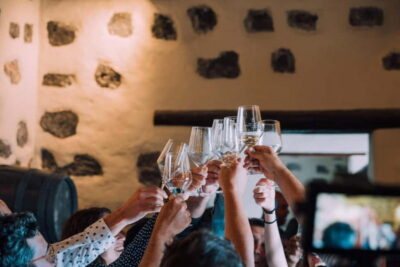
Sunset vineyard tour with wine and chocolate tasting
Read our review →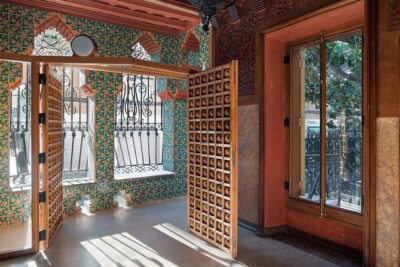
Sweet Gaudi: the most delicious visit to Casa Vicens
Read our review →
Semi-Private Tour: Old Town & Chocolate and Churros
Read our review →Browse the lists this tour appears in