

REVIEW · CHOCOLATE WALKING TOURS
Nairobi: Kibera Slum (The Chocolate city)Guided Walking Tour
Kibera is not a sightseeing backdrop. It is a living Nairobi neighborhood, and this local-led walking tour gives you a chance to meet people who know it from the inside. You will visit Toi Main Market, community projects, and creative spaces while hearing about daily life, hardship, and hope.
I like the direct contact with artisans, musicians, and young people, and I like that part of your $22 fee supports local community work, including projects connected with children. Guides Daniel and Elijah are known for their work with education and opportunity in Kibera.
The main drawback is that this is a walking visit through a dense informal settlement, not a polished city attraction. You need comfortable shoes, an open mind, and respect for privacy. Photography may be limited, and the tour is not suitable for children under 10, wheelchair users, or people with heart problems.
Key points to know before you book

- Local guides lead the way: Guides born and raised in Kibera explain the area through personal knowledge rather than a distant city tour.
- Toi Main Market is a central stop: Expect guided sightseeing, time to shop, and a closer look at local trade.
- Community work is part of the visit: A portion of the fee supports local initiatives, including work that helps children.
- The route is on foot: You start at Greenhouse Mall and finish near Equity Bank Kibera, with no transport included.
- You meet working creatives: Artisans, musicians, and young people are part of the program.
- Respect matters here: Wear modest, practical clothing, ask before taking photographs, and remember that people live and work along the route.
Why this Kibera walk feels different from ordinary Nairobi sightseeing

Many Nairobi tours focus on wildlife, museums, colonial-era buildings, or upscale neighborhoods. This one takes you into Kibera, described as the largest informal settlement in Africa, with local people guiding the conversation.
That change of viewpoint is the main reason to book. You are not simply looking at Kibera from a road or hearing a short statistic from a guide. You walk through parts of the community, visit a market, meet people involved in creative work, and learn how residents face daily problems while building their own solutions.
The word slum can make a place sound like a single story of poverty. A good guide should help you see more than that. Kibera has challenges, but it is also a place where people run businesses, make art and music, organize projects, educate children, and support neighbors.
That balance matters. You should expect difficult subjects, but not a tour designed to make you feel shocked or superior. The best way to approach this walk is as a chance to listen, ask thoughtful questions, and spend money in a way that supports local work.
The experience costs $22 per person. That is a fair price if you want a guided introduction to Kibera and value the community element. It is not simply a market walk. Your fee covers a local guide, visits to community projects, contact with artisans and musicians, and support for local initiatives.
Still, you should be clear about what the price does not cover. You arrange your own transportation to Greenhouse Mall and from Equity Bank Kibera. Meals are not included, and shopping or other personal spending at the market costs extra.
More Chocolate Walking Tours in the world:
- Brussels: Historical Walking Tour with Chocolate & Waffle Tasting
★ 5.0 · 1,165 reviews - Brussels Walking and Tasting Tour (Beers,Chocolates&Fries/Waffle)
★ 5.0 · 929 reviews - Brussels Chocolate Walking Tour and Workshop
★ 4.5 · 885 reviews
Starting at Greenhouse Mall and meeting your guide
The walk begins at Greenhouse Mall. This gives you a clear meeting point, but you need to plan your own way there because transportation is not included.
Once the group starts walking, your guide sets the tone. The guides are from Kibera, and that local connection is a major part of the experience. You can ask about the neighborhood, local projects, work, education, and the changes residents hope to see.
Guides Daniel and Elijah have been associated with the community’s work to educate children and create opportunities. If one of them leads your visit, ask about the school and youth projects connected with the tour. Their role goes beyond pointing out sights. They help explain why the community initiatives matter and how local people are trying to shape Kibera’s future.
You should also feel free to ask questions. The tour is designed to let you learn about village life, in the words used by one participant, and the guides clearly expect curiosity. Ask politely rather than treating the neighborhood like a museum.
Walking through Kibera with a local perspective

The walking section is the heart of the experience. You will see everyday streets, homes, small businesses, and community activity as you move toward the market and project visits.
The supplied information does not give a fixed walking distance or a precise route through every section. That means conditions may vary, and you should prepare for an active day on foot. Wear shoes that can handle uneven walking surfaces, and bring a hat and sunscreen.
This is also where the ethical side of the tour matters most. Residents are not performers hired for your camera. They are people going about their lives. Ask before photographing anyone, and follow your guide if photography is restricted in certain areas.
You may find the setting confronting. That is not a reason to avoid the visit, but it is a reason to choose your attitude with care. Listen when the guide explains problems. Do not assume that one home, street, or story represents all of Kibera. The point is to understand a community with many experiences, not to collect dramatic images.
The tour does not permit smoking, alcohol, or drugs. Those rules are sensible in any neighborhood walk, and especially important during a visit where courtesy and trust shape the whole experience.
Toi Main Market: shopping with a purpose

Toi Main Market is a key stop on the route. Here you get guided sightseeing and time to shop, so you can see how local commerce fits into daily life rather than treating the market as a quick photo stop.
Market visits can be the most enjoyable part of a neighborhood tour because they give you something practical to do. You can browse and make a purchase, but you should shop with restraint and respect. Ask prices politely, keep your belongings secure, and follow the guide’s advice about where to walk and where photography is not welcome.
The market also gives you a chance to support local sellers directly. Your purchase is separate from the tour price, but it can add a small economic benefit to the visit. You do not need to buy something to justify your presence. If you do shop, choose items because you want them, not because you feel pressured.
The available details do not promise specific products or a particular amount of free shopping time. Keep your expectations flexible. The value is in seeing the market as part of the community, with the guide explaining what you are seeing.
A few more chocolate tours around the world worth a look
- Bruges: Choco-Story Museum with Audio Guide and Tastings
★ 4.2 · 1,825 reviews - Lahaina: Maui Ku’ia Estate Guided Cacao Farm Tour and Tasting
★ 5.0 · 1,103 reviews - York’s Chocolate Story: Guided Tour
★ 4.7 · 624 reviews - Dresden: Guided Walking Tour and Chocolate Museum Ticket
★ 4.5 · 479 reviews
Community projects, artisans, musicians, and young people

The tour includes visits to community projects and meetings with local artisans and musicians. These stops help keep the focus on work and creativity rather than poverty alone.
You may see how people use practical skills to earn money or build local pride. You may also meet young people involved in efforts to improve their own neighborhood. The information does not name every project or guarantee a particular performance, so do not book expecting a fixed show or a specific workshop.
What you can expect is a closer look at the people and organizations trying to create options within Kibera. A portion of the tour proceeds supports community initiatives, with particular attention to children and education. That gives the fee a social purpose, although the exact amount donated is not stated.
I would ask your guide how the contribution is used. That is not an awkward question. It shows that you care about the impact of your visit. You can also ask what kinds of help the community wants, rather than assuming that outside money is always the answer.
This part of the tour received the strongest praise from people who found Daniel and Elijah especially committed to educating children and providing opportunity. Their connection with the community appears to be central to the experience, not a small extra added to the route.
What the walk teaches about daily life in Kibera

A short walk cannot explain every part of Kibera. It can, however, give you a more human view than a drive past the neighborhood.
Your guide will discuss the challenges residents face and the progress coming from within the community. The supplied details do not specify every subject covered, but the themes include daily life, local culture, hardship, education, hope, and neighborhood improvement.
That combination is important. If you only hear about problems, you leave with a narrow and possibly unfair picture. If you only hear cheerful success stories, you miss the reason the projects are needed. This tour aims for both sides.
You should ask direct questions about how people work, how children receive support, and how community groups respond to local needs. Your guide can provide the context that you cannot get by walking alone.
I also like that the route finishes in the community rather than returning you to a major tourist attraction. You end at Equity Bank Kibera, which keeps the experience grounded in the neighborhood. You will need to make your own onward plans from there.
Practical preparation for a respectful visit
Dress for walking and warm sun. Comfortable shoes, a hat, and sunscreen are specifically recommended, and they are worth taking seriously.
Bring only what you need. Keep personal items secure, and avoid showing expensive equipment. The tour information does not provide specific security instructions, so listen carefully to your guide once you arrive.
Photography deserves special care. It may be restricted in some areas, and you should always ask before photographing people, homes, children, market stalls, or community projects. If your guide says no, put the camera away without argument.
This is not a good choice if you want a relaxed, highly polished attraction with guaranteed facilities. It is also not suitable for wheelchair users, children under 10, or people with heart problems. The walk may be physically and emotionally demanding, even though the exact distance is not stated.
The experience is available with live guidance in English, Spanish, German, French, and Chinese. That range helps if you are not comfortable using English, but you should confirm the language and start time when you check availability.
You can cancel up to 24 hours before the visit for a full refund, and the reserve-now, pay-later option lets you hold a place without paying immediately. Those terms are useful if your Nairobi plans are still changing.
Who will get the most from this $22 experience
I would choose this tour if you want to understand Nairobi beyond its usual attractions and are willing to walk, listen, and accept some uncertainty.
It suits you especially well if you:
- Want a local guide with a personal connection to Kibera
- Care about how tour money supports community work
- Are interested in education and youth projects
- Like markets, local crafts, music, and direct conversation
- Can walk comfortably and adapt to changing conditions
- Prefer a human story to a quick drive-by view
It is less suitable if you dislike crowded or uneven walking conditions, need step-free access, or want a tightly timed sightseeing program. It also may not suit you if you are mainly looking for photographs. The community’s privacy comes first.
Solo visitors, couples, and small groups who ask questions should find the format useful. Families with younger children should choose another Nairobi activity because children under 10 are not permitted.
Should you book the Kibera Chocolate City walk?
Book it if you want a thoughtful, local-led look at Nairobi and understand that the visit is about people, not spectacle. The $22 price offers good value because it combines a walking tour, market visit, community projects, local creative work, and a contribution to initiatives that support Kibera’s future.
The strongest reason to go is the guide’s connection to the neighborhood. Daniel and Elijah have been praised for their work with children and education, and that kind of local involvement gives the visit more weight than a standard city excursion.
Skip it if you need a gentle, polished attraction or cannot manage a walking route. Go with comfortable shoes, sun protection, modest expectations, and respect for photography rules. If you do that, this can become one of the more meaningful ways to understand Nairobi.
FAQ
Where does the Kibera walking tour start?
The tour starts at Greenhouse Mall.
Where does the tour finish?
The walk finishes at Equity Bank Kibera.
How much does the tour cost?
The listed price is $22 per person.
How long is the experience?
The activity is valid for one day. Check availability for the specific starting time.
Is transportation included?
No. Transportation to and from Kibera is not included, so you must arrange your own way to Greenhouse Mall and onward from Equity Bank Kibera.
Is food included?
No. Meals are not included.
Which languages are available?
Live tour guidance is available in English, Spanish, German, French, and Chinese.
Is the tour suitable for children and wheelchair users?
The tour is not suitable for children under 10 or wheelchair users. It is also not suitable for people with heart problems.
Just added around the world
- Zurich Open-top Tour and Chocolate and Cheese Countryside★ 3.5 · 11 reviews
- Zurich: Chocolate Tasting and Walking Tour with a Local★ 4.2 · 13 reviews
- Lindt Chocolate Museum with Cruise Transfer from Zurich★ 4.6 · 7 reviews
- York: Introduction to Chocolate Making Experience★ 4.9 · 10 reviews
- Zagreb: Lake Bled and Ljubljana Day Tour with Chocolate Gift★ 5.0 · 26 reviews
- Private Wine and Chocolate Tasting Experience★ 4.4 · 3 reviews
- Wine and Chocolate experience★ 4.6 · 3 reviews
- Yarra Valley: Wine and Chocolate tasting tour.★ 5.0 · 5 reviews
Chocolate Walking Tours, compared.
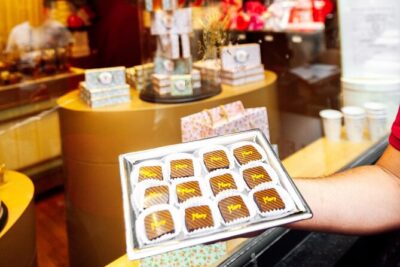
Historical Walking Tour with Chocolate & Waffle Tasting
Read our review →
Brussels Walking and Tasting Tour (Beers,Chocolates&Fries/Waffle)
Read our review →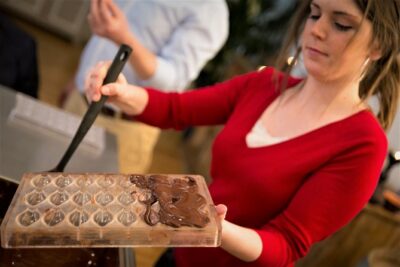


A Morning in Paris Food Tour: Croissants, Baguettes & Chocolate
Read our review →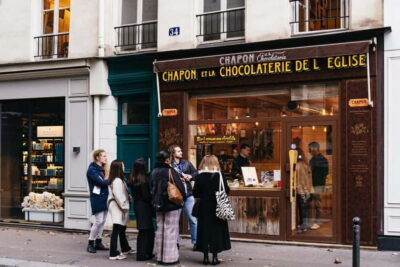
Saint-Germain: Gourmet Chocolate & Pastry Walking Food Tour
Read our review →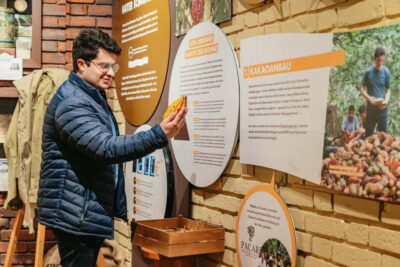
Dresden: Guided Walking Tour and Chocolate Museum Ticket
Read our review →
Vancouver Food Tour with 6 Tastings of Sushi, Chocolate, and more
Read our review →Browse the lists this tour appears in