
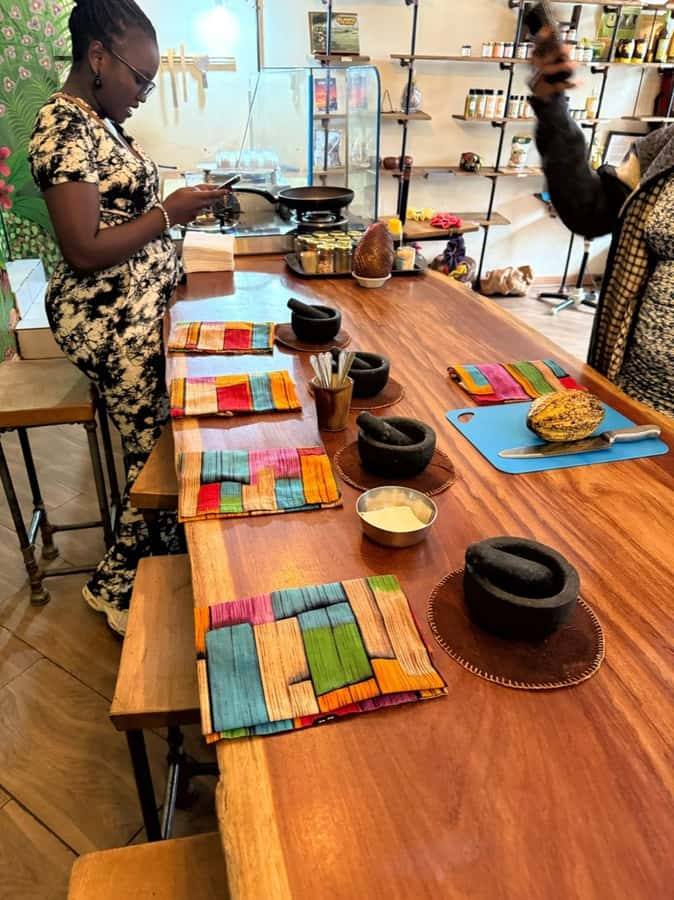
REVIEW · CHOCOLATE MAKING WORKSHOPS
Kampala: Hands-On Chocolate Making Experience
The best part of this two-hour workshop is that you do not begin with a neat chocolate square. You begin with the cocoa pod itself, tasting the fruit and following its path through the garden and processing room. By the end, you have made a bar of your own.
I like the farm-to-bar approach, and I like the chance to taste several stages instead of only watching a demonstration. The Aztec-style drink adds an unusual historical touch, while the chocolate bar gives you something useful to take home. The main drawback is that transportation is not included, and the supplied details give both Mityana District and a Bugolobi meeting point, so confirm the exact venue before setting out.
Key points at a glance

- Taste cocoa at the pod stage: You see and taste the fruit before it becomes a bean or a bar.
- Walk through a working cocoa garden: The guide explains the stages of cocoa farming at ground level.
- Handle the key processing steps: You select beans, roast, winnow, and grind them yourself.
- Make an Aztec-style drink: Your chocolate becomes a spicy drink before you turn it into a bar.
- Take home your own creation: You temper chocolate, add toppings, use a mold, and keep the finished bar.
- Allow time around the venue: The workshop meets at The Dancing Cup Restaurant, where you can relax before or afterward.
Starting with a cocoa pod, not a candy bar
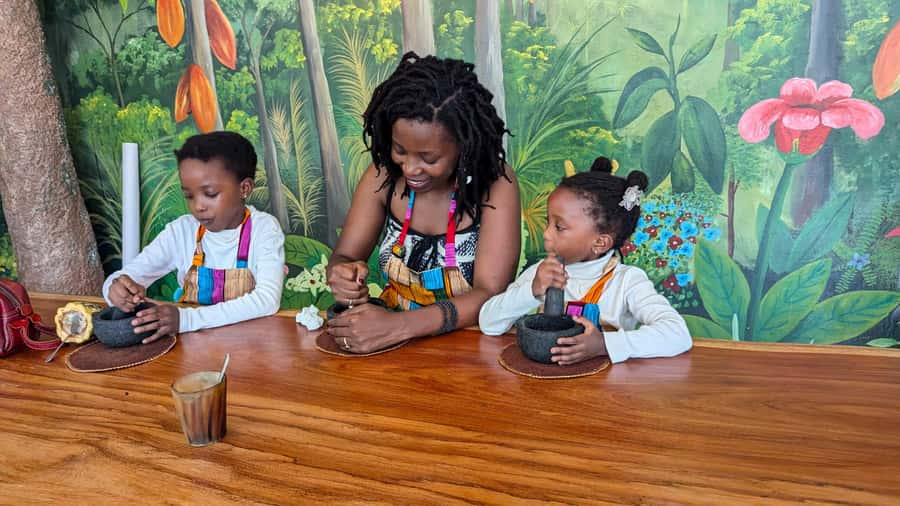
Chocolate often arrives in our lives wrapped, labeled, and ready to eat. This experience strips away that distance. At Moonbean Chocolate, you start with a fresh cocoa pod and learn what the fruit looks and tastes like before processing begins.
That first tasting matters because the cocoa fruit is not simply a hard shell full of ready-made chocolate. It contains beans surrounded by a sweet pulp. Seeing the pod gives you a better sense of how much work sits between a farm and the chocolate bar in your cupboard.
I like that the workshop begins with taste rather than a long talk. You get an immediate point of reference, then the guide can explain how the beans move through the later steps. It makes the process easier to follow, especially if you are visiting with children old enough to take part.
The session is conducted in English. Joy is named in the visitor feedback as a helpful guide who explained the process clearly and assisted with photos and videos. That practical help is welcome during a hands-on activity, when your hands may be covered in cocoa and you may not want to stop every few minutes to manage your phone.
More Chocolate Making Workshops in the world:
- Vienna: Chocolate Workshop in Chocolate Museum w/ Tasting
★ 4.5 · 1,802 reviews - Brussels: Belgian Chocolate Making Workshop with Tastings
★ 4.7 · 1,629 reviews - Brussels: Chocolate Museum Visit with Workshop
★ 4.6 · 1,474 reviews
Walking through the cocoa garden
The garden visit shows you the farm end of the process. You learn about the stages of cocoa growing and see how the plant fits into its surroundings before the beans enter the processing room.
This is a useful counterpoint to the chocolate-making table. The garden makes it clear that chocolate is an agricultural product first. You are not just learning a kitchen recipe. You are following a crop from fruit to finished food.
The garden portion also gives the workshop a sense of place. A standard cooking class could happen almost anywhere. Here, the cocoa plant is part of the lesson, and the walk connects the ingredient to Uganda’s farming setting.
Do not expect this section to replace a full agricultural tour. The activity lasts only two hours, and the garden visit is one part of a larger program that also includes tasting and practical work. Still, it gives you enough context to understand the stages that happen before roasting.
Bring a camera if you want pictures, but wear clothes that can get dirty. You will be working with food and equipment, and the organizers specifically advise comfortable clothing. Aprons are supplied.
Inside the processing room
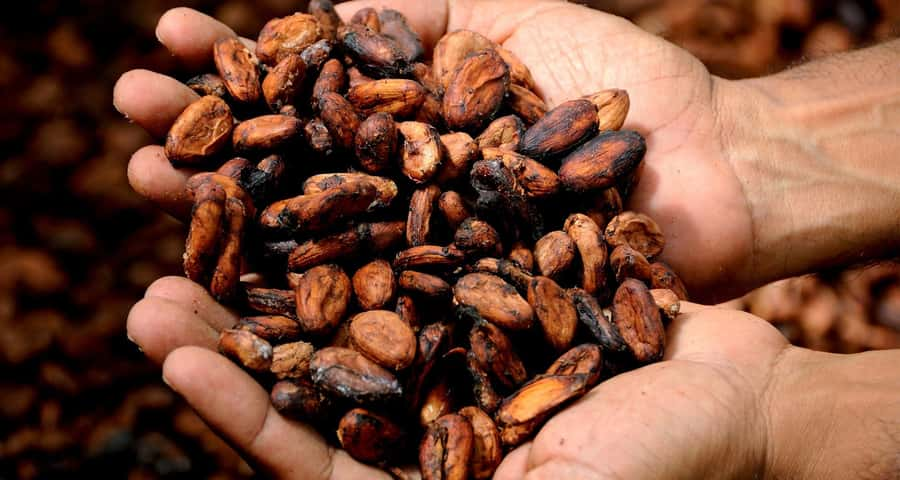
After the garden, you move into the chocolate processing room. This is where the simple cocoa pod becomes a product you recognize.
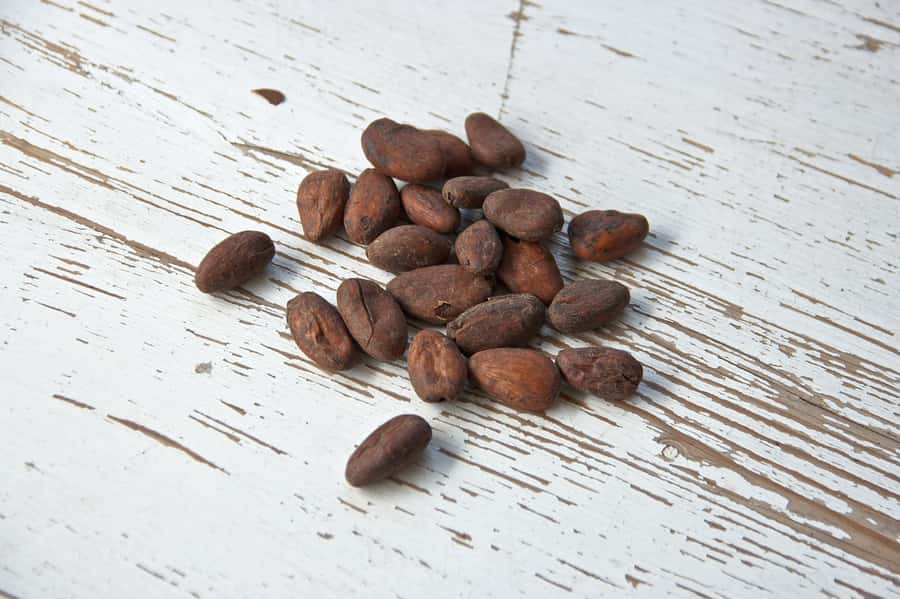
The practical sequence includes selecting cocoa beans, roasting, winnowing, and grinding. Each step changes the beans in a visible way. Roasting develops the flavor. Winnowing removes the husks. Grinding turns the prepared beans into a chocolate mixture.
I appreciate this order because it gives you the basic vocabulary of chocolate making without burying you in technical detail. You can see which parts are physical work and which parts require care. You also taste the progression, rather than hearing about it in the abstract.
The workshop is not only about eating chocolate. You handle the raw material and take part in the stages that shape its flavor and texture. That makes the experience more useful for anyone curious about food production, local agriculture, or small-scale chocolate work.
The provided equipment and ingredients are included, as is an apron for use during the session. You do not need to arrive with specialist tools. You should, however, arrive at least 10 minutes early so the session can begin on time.
Making the spicy Aztec chocolate drink
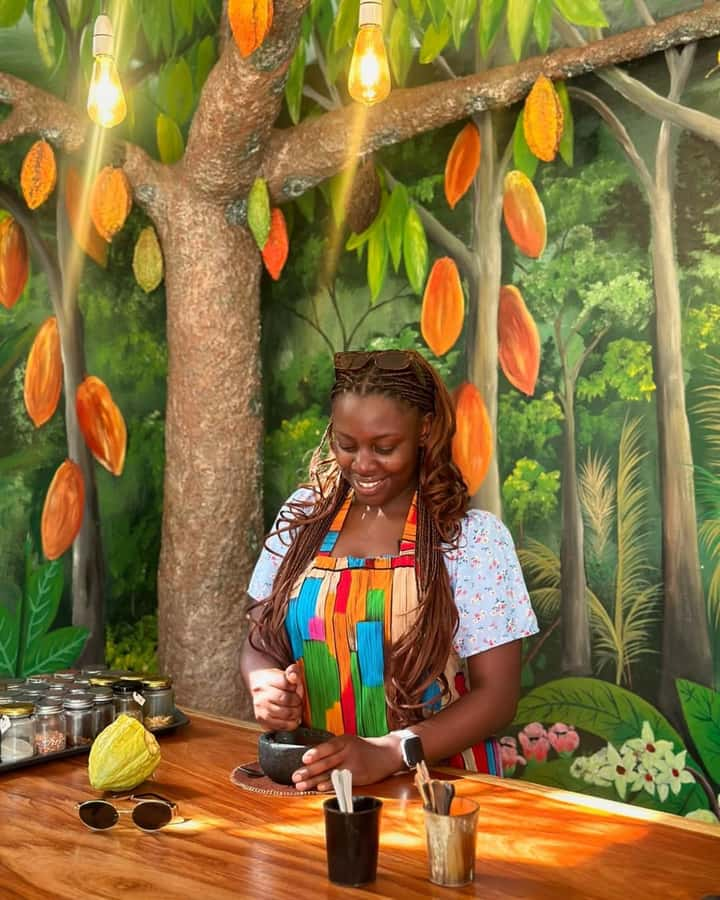
One of the more distinctive parts of the activity is the Aztec-style chocolate drink. You prepare a traditional drink from the chocolate you have been working with, then taste the result.
This gives the workshop a second finish line. You are not only making a bar for later. You also get to try chocolate in a drink form, with a rich and spicy character described in the activity information.
The drink is a good reminder that chocolate has not always been treated as a sweet snack. Its older use as a beverage was often more bitter and spiced than the modern candy-bar version. That difference makes this part feel more like a food lesson than a simple tasting.
If you prefer very sweet chocolate, the Aztec drink may not match your usual expectations. That is part of its value. You are trying a different style, not ordering a familiar café drink with a cocoa label.
A few more chocolate tours around the world worth a look
- Lindt Home of Chocolate Museum Entry Ticket
★ 4.7 · 9,329 reviews - Choco-Story Brussels: Chocolate Museum Entrance with Tasting
★ 4.3 · 4,883 reviews - Zurich: City Tour, Cruise, and Lindt Home of Chocolate Visit
★ 4.5 · 4,624 reviews - The Chocolatarium Chocolate Tour Experience in Edinburgh
★ 5.0 · 4,322 reviews
Tempering and molding your own bar
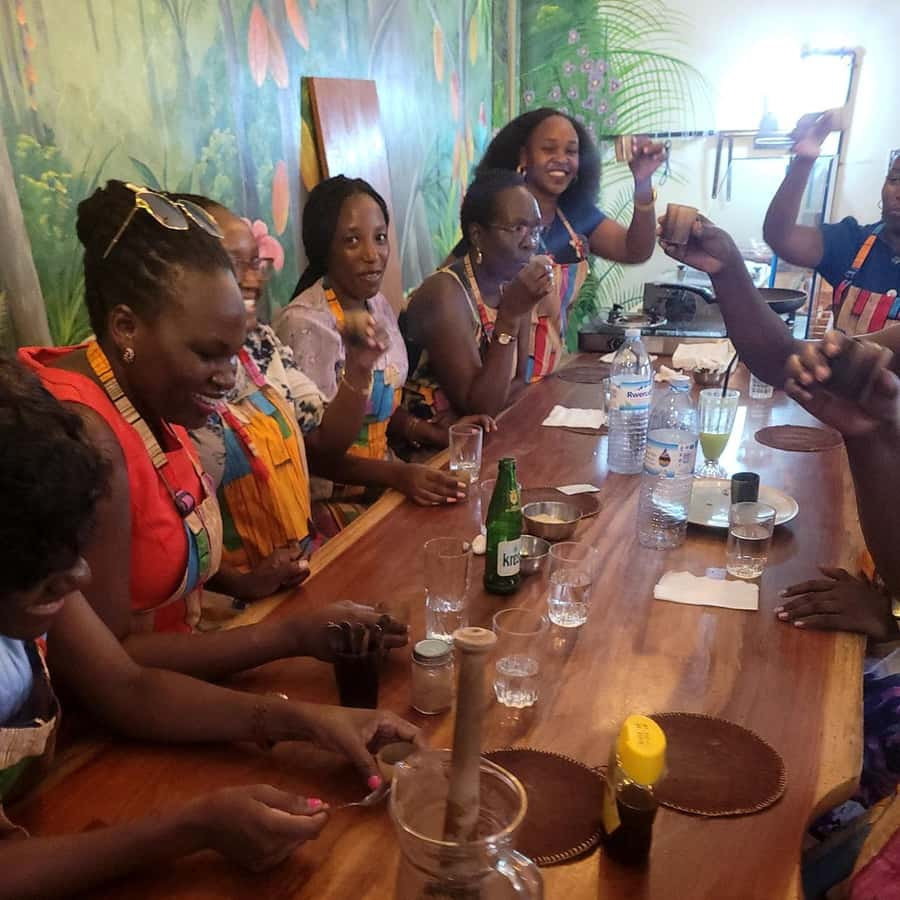
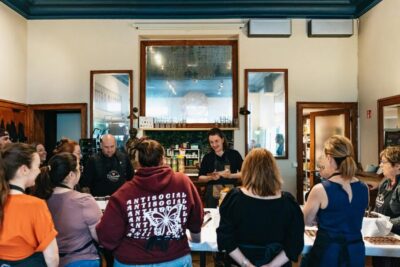
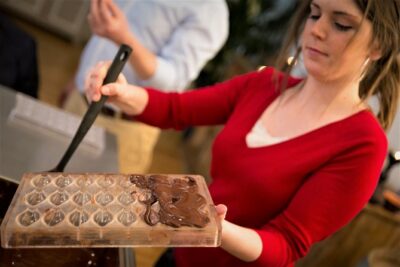
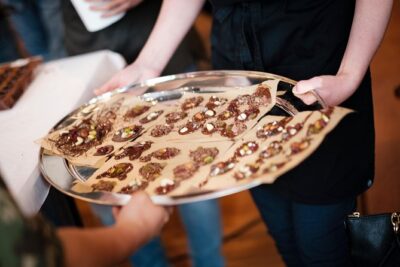
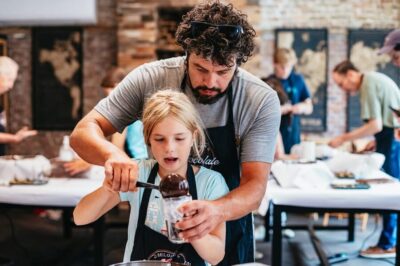
The final hands-on stage is tempering the chocolate and pouring it into molds. You can add your own toppings, then let the bar set so you can take it home.
This is the part most likely to appeal to families and couples. You have a clear result to work toward, and the finished bar is personal rather than identical to every other sample. One visitor described choosing toppings and taking the chocolate home to share with friends. That is a nice feature if you want a small souvenir with a story attached.
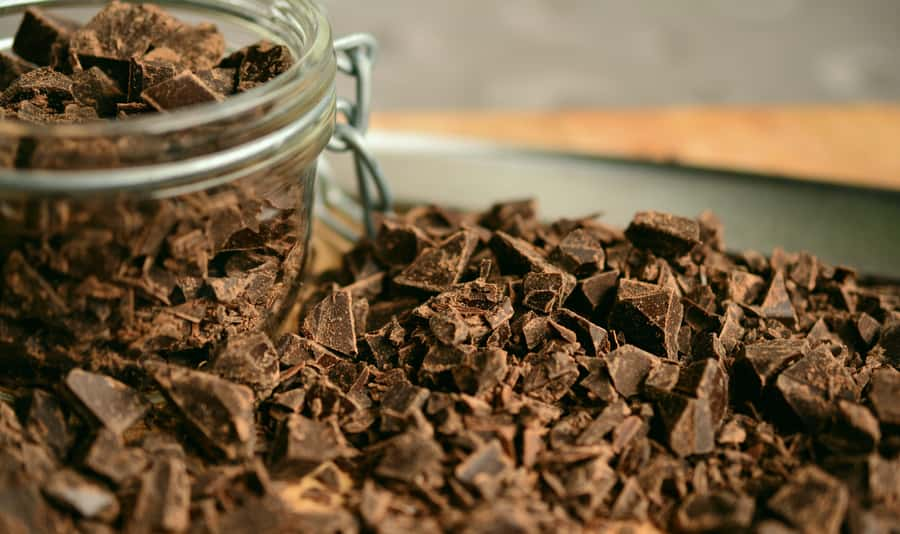
Tempering is also an important step. It helps give chocolate a smoother finish and a firmer set. You are not simply melting chocolate and spreading it on a plate. You are learning one of the techniques that turns a homemade mixture into a proper bar.
The bar you make belongs to you. That sounds simple, but it improves the value of the session. You leave with both the memory and a physical result from your work. Pack it carefully, especially if you will spend time in warm conditions after the workshop.
What the $29 price gets you
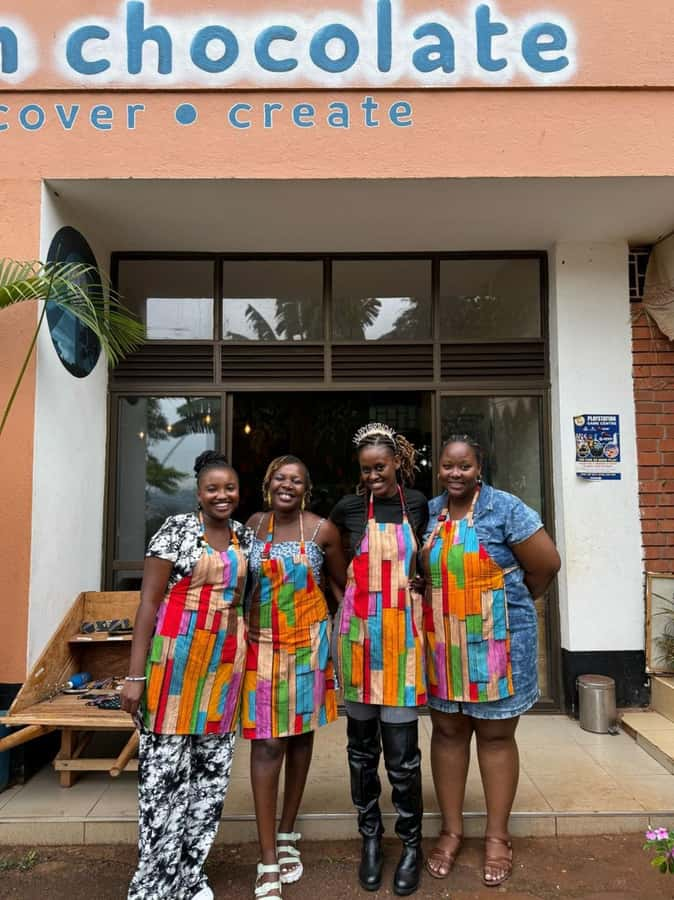
At $29 per person, the workshop offers more than a chocolate tasting. Your fee covers the guided cocoa garden walk, cocoa pod tasting, processing-room visit, equipment, ingredients, apron use, Aztec drink tasting, English-language instruction, and your finished chocolate bar.
I see the value in the range of activities. You get a garden visit, a short production tour, a tasting, and a practical class in one two-hour session. Many food activities charge mainly for demonstration or sampling. This one gives you a product to make and keep.
The price is especially reasonable if you care about participation rather than a polished presentation. You are paying for access to the process and materials, not simply a box of chocolate.
There are extra costs to plan for. Transportation to and from the venue is not included, and neither are meals, additional food, or personal purchases. The meeting point is Moonbean Chocolate, Plot 71, Luthuli Avenue, Bugolobi, at The Dancing Cup Restaurant opposite Union House.
One point deserves attention: the activity information also identifies Mityana District as the location, while the stated meeting point is in Bugolobi, Kampala. I would confirm the exact starting location and any transport instructions when booking. That check is more important than the small print, since a wrong assumption could affect your whole afternoon.
The setting at The Dancing Cup
The workshop meets at The Dancing Cup Restaurant. This gives you a practical place to wait before the session or sit down afterward.
The nearby café is not included as part of the chocolate activity, and food or drinks there cost extra. Still, it can be useful if you arrive early or want a quiet pause after making your bar. One visitor specifically found it a good place to unwind around the workshop.
I would treat the restaurant as a convenient add-on, not a core reason to book. The main attraction is the cocoa experience itself. But the café makes the meeting point easier to manage, particularly if you need a little time before the two-hour session begins.
Who will enjoy this workshop most
I would recommend the experience to families with children aged five and older, couples looking for a shared activity, and solo visitors who enjoy learning through their hands.
It works well for people who want a local food experience with a clear beginning and end. You taste the pod, see the garden, process the beans, drink the chocolate, and make a bar. That sequence gives the session good shape.
It also suits anyone interested in where food comes from. You do not need previous chocolate-making experience. The materials and ingredients are supplied, and the instruction is in English.
Children under five are not suitable for the activity. The workshop is also not suitable for people with food allergies. If either issue applies to you, do not assume the aprons or ingredients solve the problem. Ask for clarification before booking.
Solo visitors should not feel awkward about signing up. The practical format gives you something to do at every stage, and the guide can help with photos and videos. Couples can split tasks or compare toppings. Families can turn the final molding stage into a small creative project.
Practical tips for a smoother session
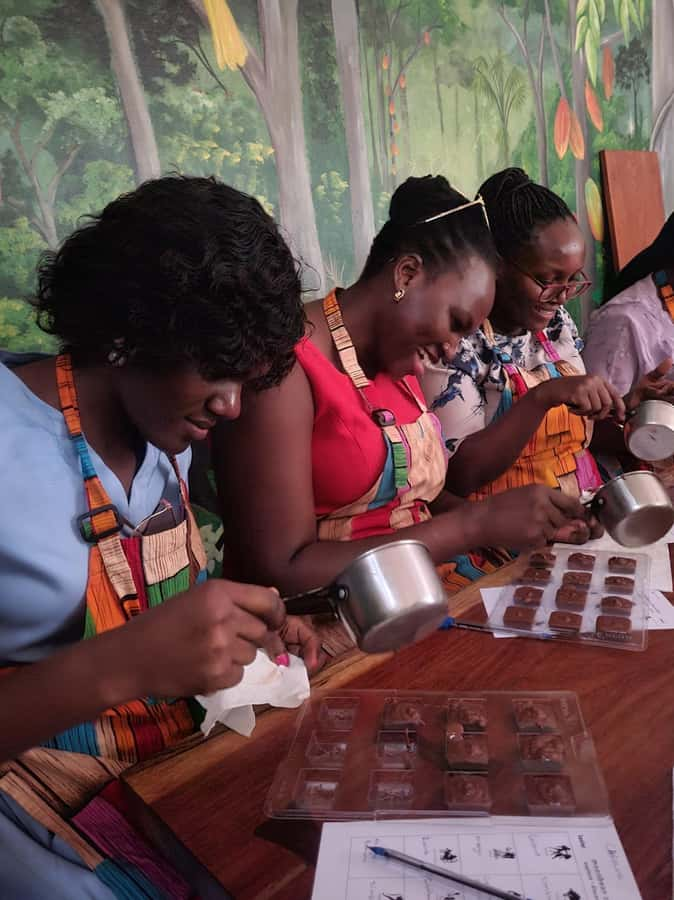
Arrive at least 10 minutes before the start time. This gives you room to find the meeting point and put on the supplied apron without cutting into the workshop.
Wear comfortable clothes that can get dirty. Cocoa processing is hands-on, and tidy clothing is less important than being able to work freely.
Bring a camera, but keep it manageable. You will likely want pictures of the cocoa pod, garden, processing room, and finished bar. If Joy is guiding your session, she may be able to help with photos and videos, but you should still bring your own device.
Book ahead because places are limited. The activity allows cancellation up to 24 hours before the start for a full refund, and you can reserve now and pay later. Those options help if your Kampala plans are still moving around.
Pets, alcohol, and drugs are not allowed. The session is designed around food preparation, so follow the venue rules and tell the organizer about any allergy concern before you arrive.
Is two hours enough?
Two hours is enough for a focused introduction to cocoa and chocolate making. You get the garden, pod tasting, processing room, drink, and personal bar without giving up a full day.
The tradeoff is that no part can be extremely long. If you want a major farming visit or advanced chocolate training, this is not the right format. If you want a well-paced introduction with real participation, the length works.
The session also depends on how much time each group needs at the practical stages. The supplied details do not specify group size, so I would not expect a private class unless that is confirmed separately. Limited places suggest the organizers keep attendance controlled, but you should ask if group size matters to you.
Should you book the Moonbean Chocolate workshop?
Book it if you want to understand chocolate through taste, touch, and a short visit to the cocoa garden. The strongest parts are the fresh pod tasting, the step-by-step bean processing, and the fact that you make a bar to take home.
I would be more cautious if you have food allergies, dislike spicy or less-sweet chocolate drinks, or want a full-day agricultural tour. I would also confirm the Bugolobi and Mityana District location details before paying.
For most families, couples, and curious solo visitors, $29 is a fair price for two hours of guided activity and included materials. You leave with a better sense of how cocoa becomes chocolate, plus a homemade bar that makes a more meaningful souvenir than a standard purchase.
FAQ
How long does the chocolate-making experience last?
The experience lasts two hours.
Where is the meeting point?
The stated meeting point is Moonbean Chocolate, Plot 71, Luthuli Avenue, Bugolobi, at The Dancing Cup Restaurant, opposite Union House.
What language is the activity conducted in?
The session is conducted in English.
Is transportation included?
No. Transportation to and from the venue is not included.
Do I need to bring chocolate-making equipment or ingredients?
No. The equipment and ingredients are provided on-site, along with an apron for use during the session.
Can I take the chocolate I make home?
Yes. The chocolate bar you make during the session is yours to take home.
Are young children allowed to join?
Children under five are not suitable for this activity.
Can I cancel and receive a refund?
Yes. You can cancel up to 24 hours in advance for a full refund. You can also reserve now and pay later.
Just added around the world
- Zurich: Chocolate Tasting and Walking Tour with a Local★ 4.2 · 13 reviews
- Lindt Chocolate Museum with Cruise Transfer from Zurich★ 4.6 · 7 reviews
- Zurich Open-top Tour and Chocolate and Cheese Countryside★ 3.5 · 11 reviews
- York: Introduction to Chocolate Making Experience★ 4.9 · 10 reviews
- Zagreb: Lake Bled and Ljubljana Day Tour with Chocolate Gift★ 5.0 · 26 reviews
- Private Wine and Chocolate Tasting Experience★ 4.4 · 3 reviews
- Wine and Chocolate experience★ 4.6 · 3 reviews
- Yarra Valley: Wine and Chocolate tasting tour.★ 5.0 · 5 reviews
Chocolate Making Workshops, compared.
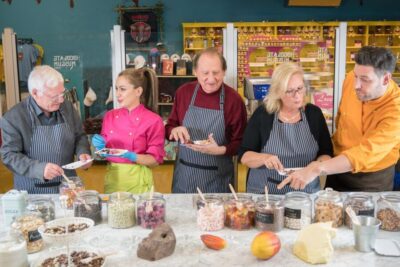
Chocolate Workshop in Chocolate Museum w/ Tasting
Read our review →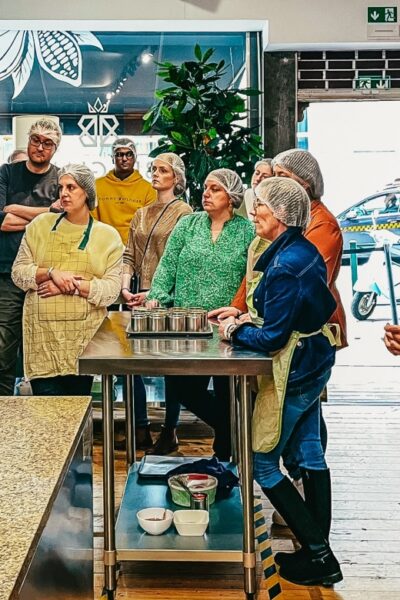
Belgian Chocolate Making Workshop with Tastings
Read our review →
Belgian Praline and Mendiants Chocolate Workshop
Read our review →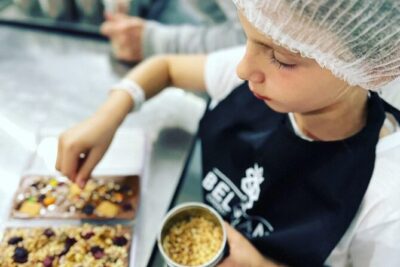
1.5h Belgian Chocolate Workshop in Brussels (bean to bar)
Read our review →Browse the lists this tour appears in