
REVIEW · CHOCOLATE MAKING WORKSHOPS
Cusco: Chocolate Workshop with the Best Local Organic Cacao
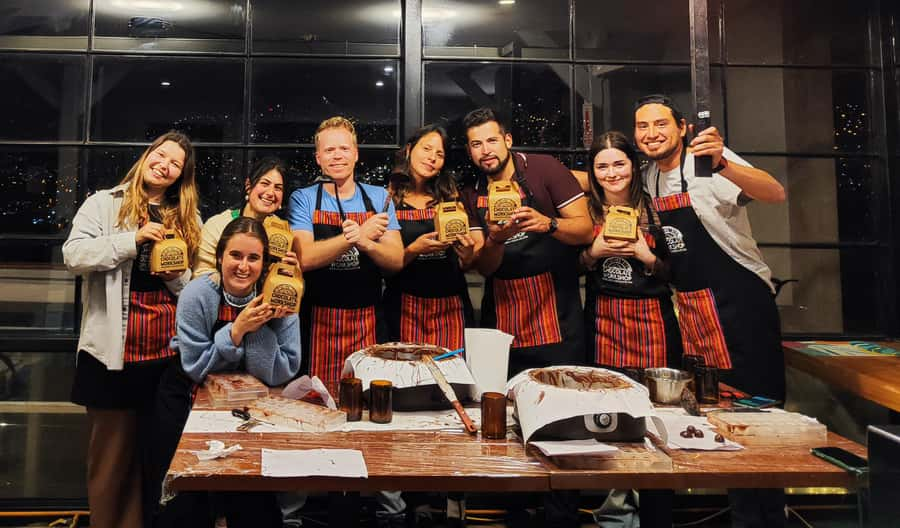
Cusco’s best chocolate lesson comes with a city view and a useful souvenir: your own box of bonbons. At Limbus Restobar, you learn to turn local Chuncho cacao into Belgian-style pralines and mendiants, with hot chocolate served along the way. David, Ken, Angel, Marco, and Alex have led sessions, depending on the day.
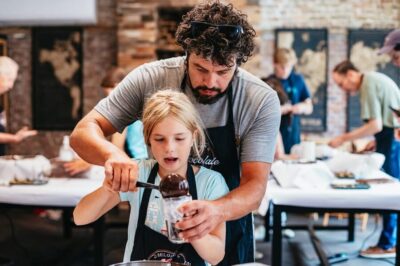
I like the hands-on format and the generous amount of chocolate included: about 300 grams per person, enough for roughly 21 pralines and 10 mendiants. I also like the chance to use local jam, nuts, and homemade ganache rather than simply watching a demonstration. The main drawback is that the workshop does not include roasting or opening the cacao beans, and children under 12 cannot take part.
Key points to know before booking
- Chuncho cacao from the Cusco jungle: Work with a local organic cacao variety known for its distinctive quality.
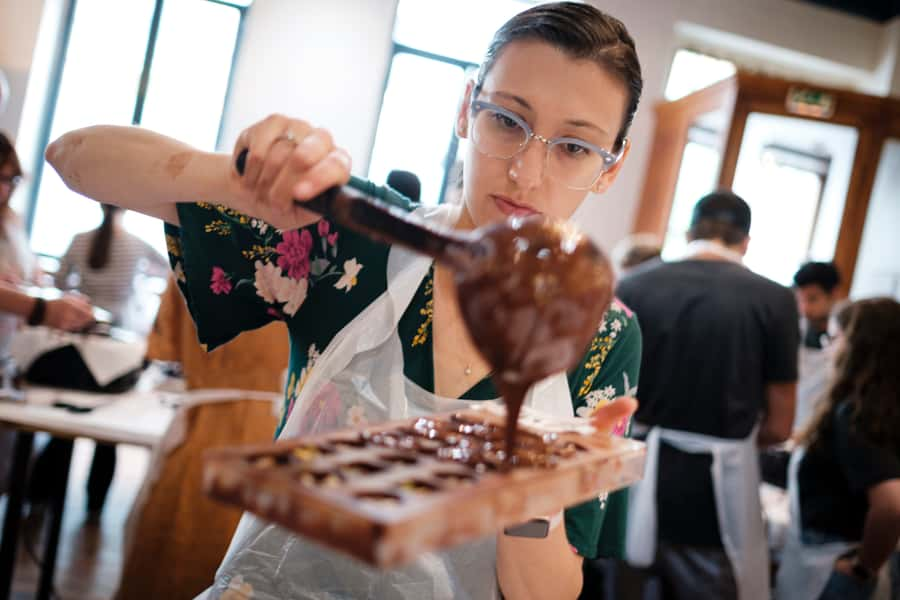
- A real make-and-take class: Prepare pralines, mendiants, fillings, and ganache instead of only tasting finished chocolate.
- About 300 grams to take home: Your box holds around 21 pralines and 10 mendiants, depending on how you shape and fill them.
- A rooftop-style setting: The class takes place at Limbus Restobar, with wide views over Cusco.
- Hot chocolate is part of the lesson: You taste it and learn how to prepare it.
- Adults and older children only: The activity is not suitable for children under 12 or people with diabetes.
Why Chuncho cacao gives this Cusco class its character
Peru is known for several cacao-growing areas, but this workshop focuses on Chuncho cacao, a local product from the jungle of the Cusco region. The class explains why Peruvian chocolate has its own identity and why Chuncho cacao is regarded as one of the world’s finest organic varieties.
That matters because this is not simply a generic chocolate-making activity transplanted into Peru. The raw ingredient connects the class to the region. You are working with cacao linked to Cusco, then using a Belgian-style method to make pralines and mendiants. The combination gives the experience a clear sense of place.
The lesson also gives you a better way to taste chocolate. Instead of treating it as a sweet snack, you learn about the cacao bean, the history of chocolate, and the tempering process. One session included a clear explanation of tempering techniques, which is the part that helps chocolate set with a smooth finish and a pleasant snap.
The class is not a full cacao-farm visit. You will not be taken into the jungle, and the workshop does not include a detailed demonstration of roasting, cracking, and opening the beans. If those steps are important to you, keep that limitation in mind. You are learning the chocolate-making stage, not seeing the entire process from pod to bar.
More Chocolate Making Workshops in the world:
- Vienna: Chocolate Workshop in Chocolate Museum w/ Tasting
★ 4.5 · 1,802 reviews - Brussels: Belgian Chocolate Making Workshop with Tastings
★ 4.7 · 1,629 reviews - Brussels: Chocolate Museum Visit with Workshop
★ 4.6 · 1,474 reviews
Finding the class at Limbus Restobar
There is no hotel pickup. You go directly to Limbus Restobar, a well-known venue with panoramic views over Cusco. At reception, say you are there for the chocolate workshop, or use the Spanish phrase el taller de chocolate. The receptionist will direct you to the experience.
The location adds more than a practical meeting point. It gives you a pleasant way to see the city while you work, and the view is one of the most frequently praised parts of the experience. You may want to arrive with enough time to find the restobar and settle in before the workshop starts.
The setting also makes this a good choice for a slower afternoon in Cusco. You are not rushing between historic sites or climbing through ruins. For two and a half hours, you can sit, listen, make something with your hands, and look out over the city.
The class is offered in English, Spanish, and French. The instructors named in the available information include David, Ken, Angel, Marco, and Alex. David receives particular praise for his humor and energy, while Alex is also noted for making the class fun. Since the instructor can vary, do not assume you will meet one specific person unless the booking details confirm it.
The first part: cacao, chocolate, and Peruvian culture
Before the practical work begins, the instructor introduces the cacao used in the class and explains chocolate’s place in Peruvian culture. You learn why Peruvian cacao is different and what makes Chuncho cacao special.
This opening section gives the hands-on work some context. You are not just melting chocolate into molds without knowing where it comes from. You learn about the ingredient first, then see how it behaves when you work with it.
The class also touches on the history of chocolate and the culture surrounding cacao in Peru. The exact depth may depend on the instructor and the pace of the group, but the session is designed to mix explanation with action. That balance suits most people better than a long lecture.
The practical demonstrations are especially useful for first-time chocolate makers. The teaching covers tempering, filling, shaping, and molding. You can ask questions while working, and assistance is available from the beginning through the end of the session.
If you are hoping for a technical pastry-school class, keep your expectations sensible. This is a friendly tourist workshop, not a professional certification course. You will learn useful techniques, but the main goal is to have fun, make good chocolate, and take it home.
Making pralines with ganache and local fillings
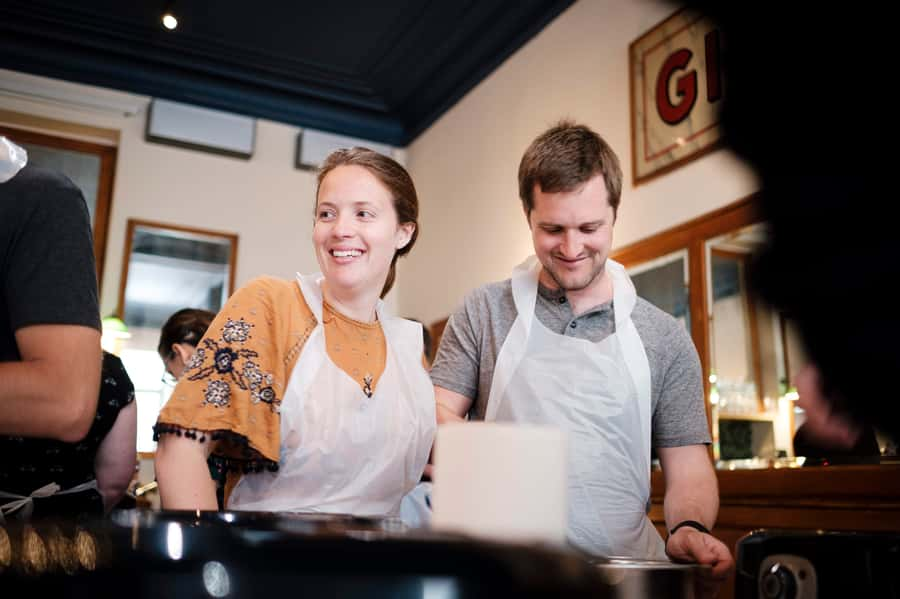
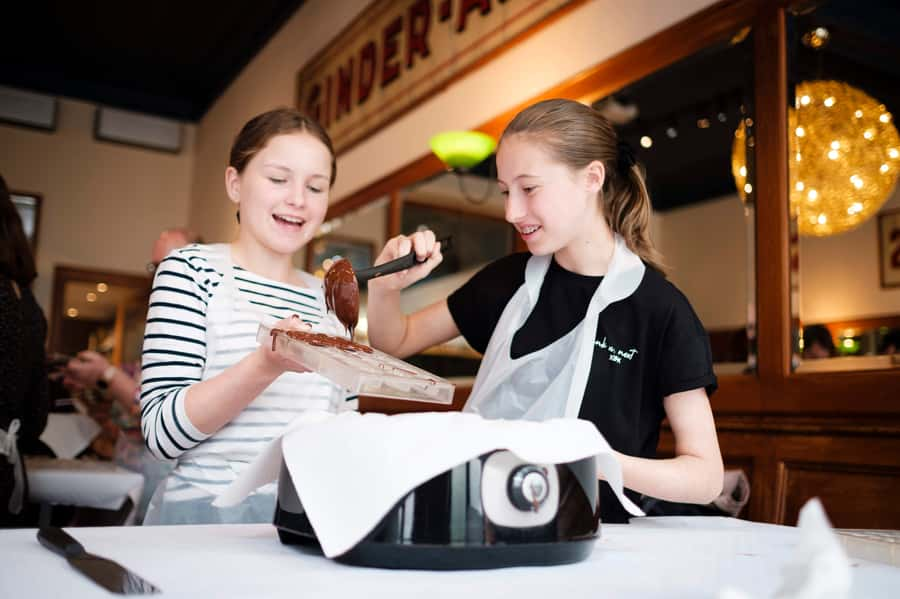
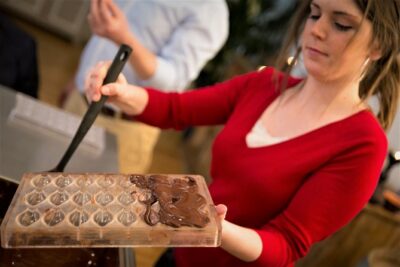
The central activity is making Belgian-style pralines from scratch. You receive chocolate and the tools needed for the session, then work through the stages with help from the instructors.
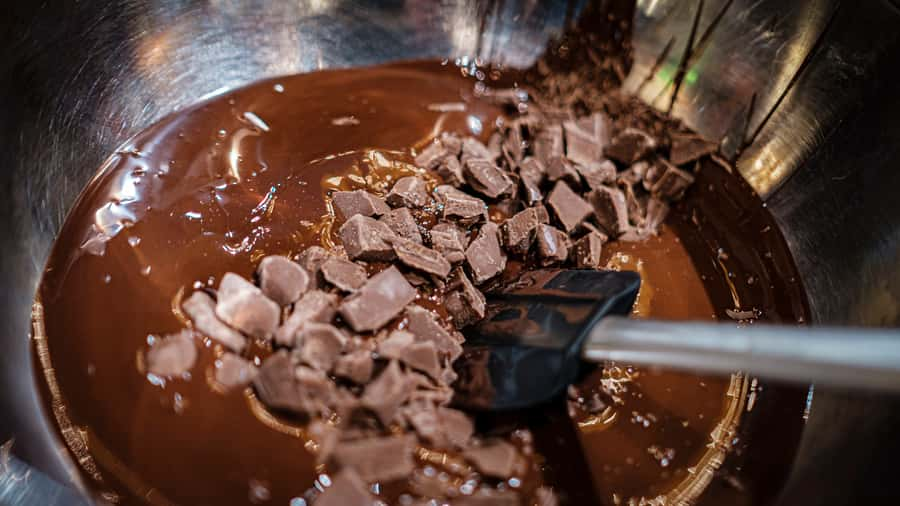
Pralines are the filled chocolates. The fillings give you room to make choices and add a personal touch. You may use ganache prepared during the class, homemade local jam, and a selection of local and organic nuts. That variety is one of the strongest parts of the workshop because each piece does not have to taste exactly the same.
The ganache is made as part of the lesson, rather than handed to you ready-made. You then use it as a filling for your chocolates. The process turns a simple tasting into a small kitchen project, with plenty of opportunities to see how texture and flavor work together.
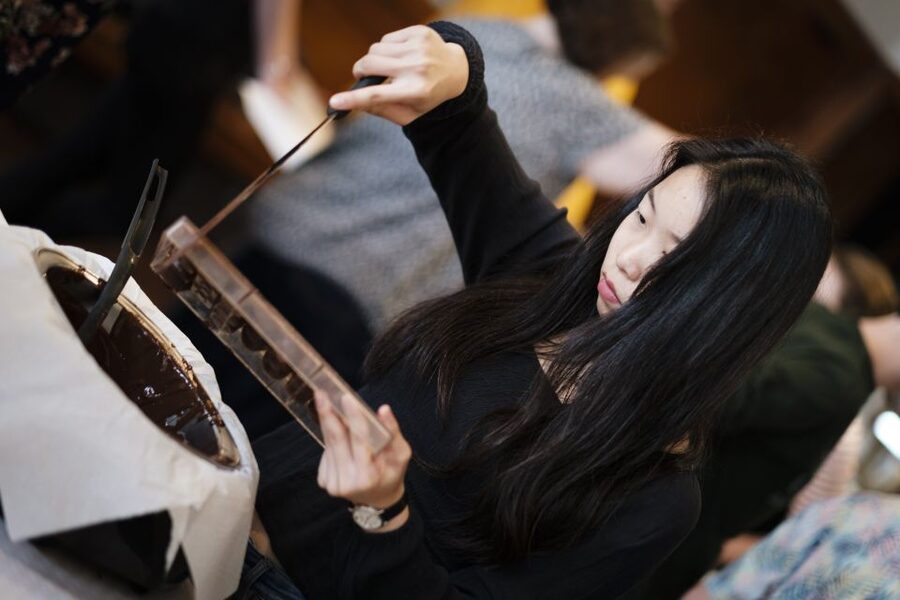
The instructor assists as you fill and shape the pralines. This is helpful if your first pieces look less polished than the examples. Handmade chocolate has a certain charm, and the point is not to produce factory-perfect sweets. Your box will reflect your own choices and technique.
The amount included is generous for a short workshop. Each person receives about 300 grams of chocolate, with the finished collection expected to include around 21 pralines and 10 mendiants. The exact count may vary with the size of your pieces and how much filling you use.
A few more chocolate tours around the world worth a look
- Lindt Home of Chocolate Museum Entry Ticket
★ 4.7 · 9,329 reviews - Choco-Story Brussels: Chocolate Museum Entrance with Tasting
★ 4.3 · 4,883 reviews - Zurich: City Tour, Cruise, and Lindt Home of Chocolate Visit
★ 4.5 · 4,624 reviews - The Chocolatarium Chocolate Tour Experience in Edinburgh
★ 5.0 · 4,322 reviews
Mendiants, toppings, and the take-home box
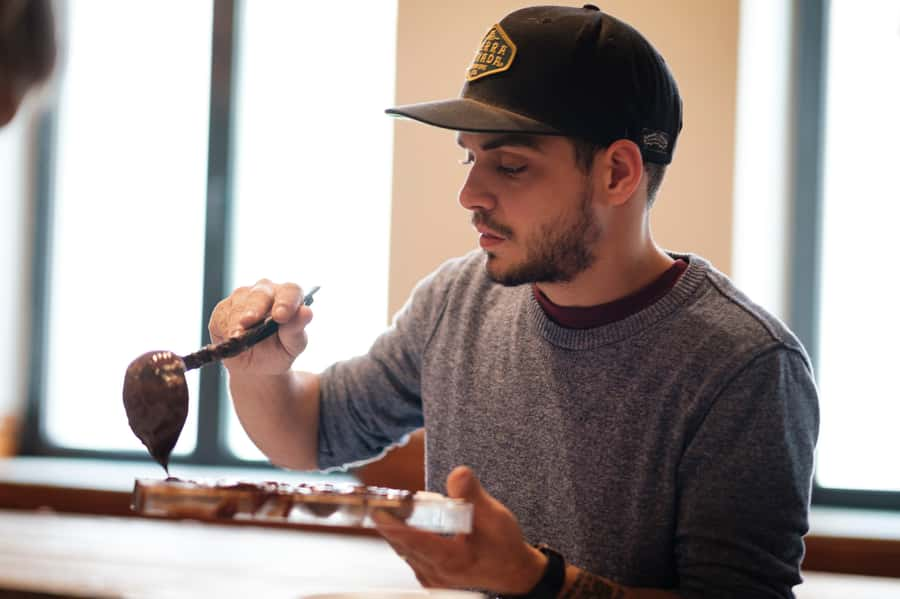
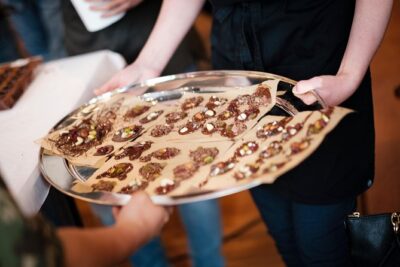
Mendiants are flatter chocolate pieces topped with ingredients such as nuts and other additions. They are simpler to make than filled pralines, but they give you another way to work with texture and decoration.
You choose from the toppings provided and create your own combinations. The use of local and organic nuts makes this part feel tied to Peru rather than like a standard classroom exercise. You can keep the pieces simple or add more toppings, depending on your taste.
At the end, the staff gives you a personalized box for your chocolates. This is a practical benefit, especially if you are staying in Cusco for several more days or have family and friends waiting at home. It also keeps the finished sweets together instead of leaving you to improvise with napkins or a loose bag.
The final box is part of the value of the experience. You are paying for a lesson, but you also leave with a substantial edible souvenir that you made yourself. It is more personal than buying a packaged chocolate bar, though you should remember that handmade chocolates may not travel as well as sealed commercial products.
The hot chocolate break
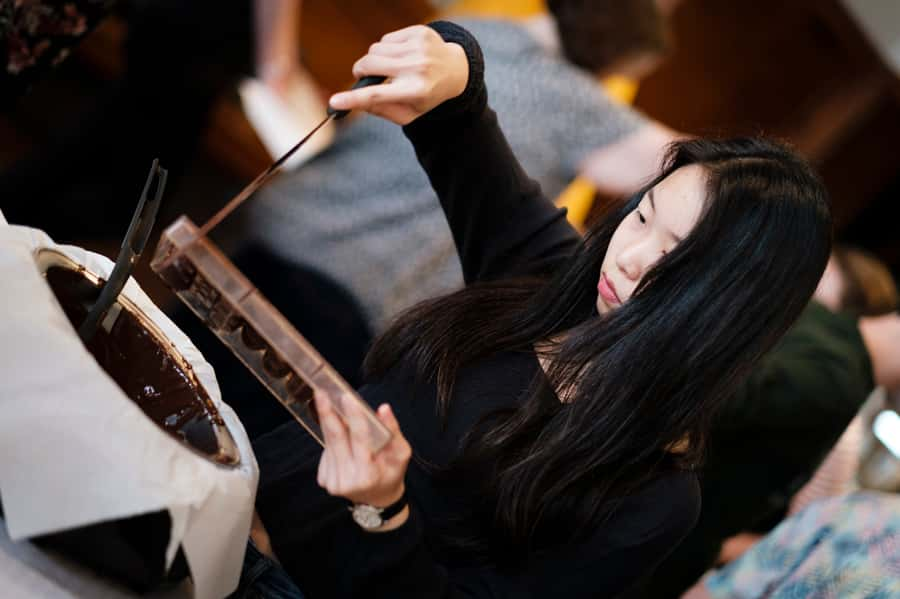
Hot chocolate is included and prepared during the workshop. You do not merely receive a drink at the start. The class teaches you how to make it, then gives you a chance to taste the result.
This is a nice counterpoint to the pralines and mendiants. The filled chocolates are small and detailed, while hot chocolate is warm, simple, and immediate. It also lets you experience the cacao in another form.
The hot chocolate received especially strong praise for flavor. Your experience will depend on the preparation and the group’s pace, but it is clearly more than an afterthought. If you enjoy drinking chocolate as much as eating it, this part adds real value.
Filtered water is also included. Other drinks or food at Limbus Restobar are not listed as part of the workshop, so do not assume a meal is included.
How the two and a half hours are likely to feel
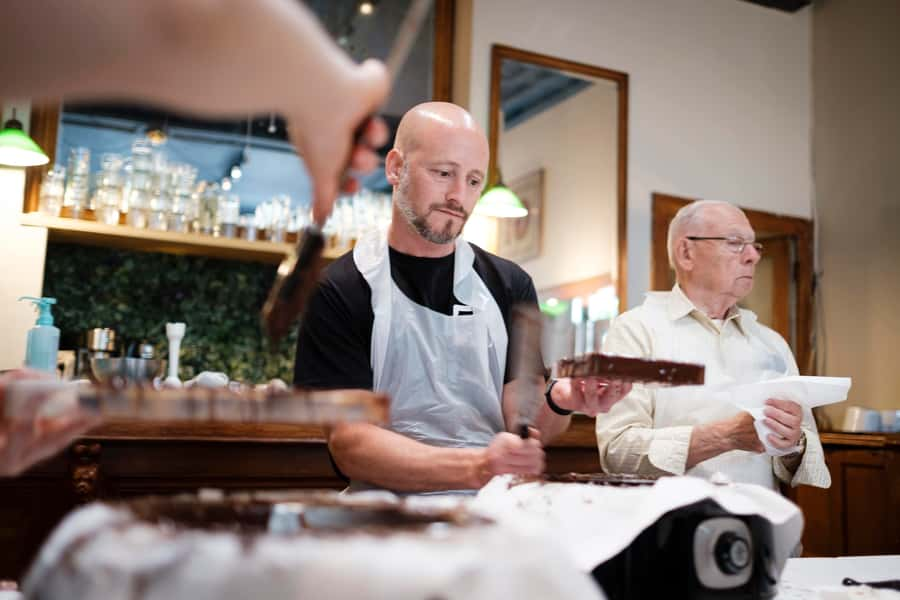
The full activity lasts 150 minutes. That is long enough to cover the cacao introduction, demonstrations, preparation, molding, decorating, hot chocolate, and packing your creations without making the class feel like a rushed stop.
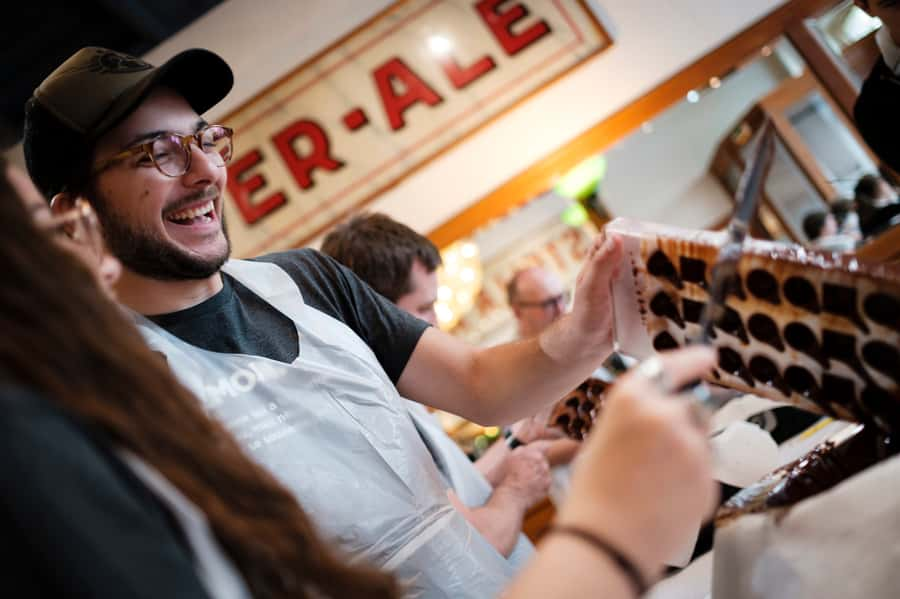
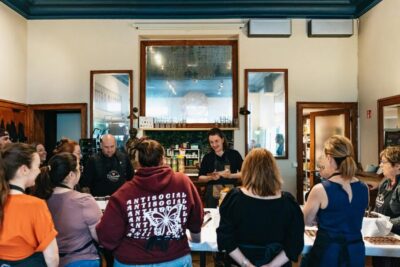
You should expect a social, interactive format. You work alongside the other people in your session, and the tone is informal. The instructors use humor and conversation to keep the class moving, which suits the activity well. Chocolate work can become messy, so a relaxed attitude is more useful than trying to make every piece perfect.
The timing also makes this easy to fit between other Cusco plans. You do not need a full day, and there is no transport time to or from a farm. Still, allow extra time to reach the meeting point and find the reception area.
The class does not allow spectators. Everyone present must take part, which keeps the experience focused and avoids a friend or family member sitting on the side without joining. Children under 12 are not allowed, and unaccompanied minors cannot attend.
People with diabetes should not book this activity. The workshop centers on chocolate, fillings, jam, and hot chocolate, so it is not designed for a restricted-sugar diet.
What the $47 price buys you
At $47 per person, the value depends on what you want from a food activity. You are paying for 2.5 hours of instruction, all ingredients and utensils, assistance throughout, hot chocolate, filtered water, and a take-home box filled with your own work.
The 300 grams of chocolate per person is a strong part of the offer. You are not leaving with one tiny sample after watching someone else do the work. You make a sizable collection of chocolates, with about 21 pralines and 10 mendiants to share or keep.
The city-view setting adds to the appeal, though the price is not mainly about the view. The real value is the combination of local cacao, instruction, hands-on work, and the finished box. If you only want to taste Peruvian chocolate, you can do that more cheaply elsewhere. If you want a guided activity and a souvenir you made yourself, the price is easier to justify.
The session also works well for people who want a break from sightseeing. Cusco can involve a lot of walking, stairs, and scheduled visits. This workshop gives you a seated, creative activity without requiring a long transfer.
What could be better
The clearest limitation is the missing bean-to-bar element. You may learn about cacao and chocolate, but you will not necessarily see beans roasted, cracked open, and prepared from the beginning. One class participant specifically wanted that extra step.
The workshop also seems to depend somewhat on the instructor. David is described as funny and energetic, and other named instructors have also been praised for making the class enjoyable. Still, the teaching style may vary from one session to another.
There was also an isolated booking problem in which a session was canceled a few hours after booking and a refund had not yet arrived at the time of the complaint. The activity offers free cancellation up to 24 hours in advance and a reserve-now, pay-later option, but you should still keep your confirmation details and check your booking messages before setting out.
With a rating of 4.5 from 23 reviews, the overall record is strong but not perfect. That is a fair picture of the experience: most of the appeal lies in the friendly instruction, tasty chocolate, good quantity, and city view, while the main concerns are occasional booking disruption and the lack of a full cacao-processing demonstration.
Who should book this chocolate workshop
I would recommend it to adults and families with children aged 12 or older who enjoy food, crafts, and informal cultural activities. It is especially suitable if you want to learn something practical rather than simply sit through a tasting.
It is also a good fit for couples, friends, and solo visitors who like social classes. The work gives you an easy reason to talk with the people around you, and the instructors keep the tone light.
You should choose another activity if you want a farm visit, a full cacao production tour, or a serious pastry course. You should also skip it if you cannot eat chocolate or need to avoid sugar. The class is built around tasting and making sweets, not observing from the sidelines.
My booking advice
Book this Cusco chocolate workshop if you want a hands-on souvenir, a pleasant city view, and a relaxed introduction to Peruvian cacao. The best reasons to go are the local Chuncho cacao, the generous quantity of finished chocolate, and the chance to make your own fillings and toppings.
Do not book it expecting to see every stage from cacao pod to finished bar. For that, you would need a different kind of excursion. But if your ideal Cusco afternoon includes hot chocolate, a funny instructor, Belgian-style bonbons, and a box of sweets to share later, this is a very good match.
FAQ
Where does the chocolate workshop meet?
The meeting point is Limbus Restobar, which has panoramic views over Cusco. At reception, say you are attending the chocolate workshop or el taller de chocolate, and the receptionist will direct you.
How long does the activity last?
The workshop lasts 150 minutes, or two and a half hours.
What languages are available?
The instructors can lead the experience in English, Spanish, or French.
How much chocolate can I take home?
Each person receives about 300 grams of chocolate and can make around 21 pralines and 10 mendiants. The final amount may vary based on the size and shape of your pieces.
Is hot chocolate included?
Yes. You taste hot chocolate and learn how to prepare it during the workshop.
Can children join the workshop?
Children under 12 are not allowed, and unaccompanied minors cannot attend. Spectators are not allowed either, so everyone present must take part.
What is included in the price?
The price includes the 2.5-hour workshop, chocolate and other ingredients, utensils, assistance throughout, hot chocolate tasting, filtered water, and a box for your handmade chocolates. Hotel pickup is not included.
Just added around the world
- Zurich: Chocolate Tasting and Walking Tour with a Local★ 4.2 · 13 reviews
- Lindt Chocolate Museum with Cruise Transfer from Zurich★ 4.6 · 7 reviews
- Zurich Open-top Tour and Chocolate and Cheese Countryside★ 3.5 · 11 reviews
- York: Introduction to Chocolate Making Experience★ 4.9 · 10 reviews
- Zagreb: Lake Bled and Ljubljana Day Tour with Chocolate Gift★ 5.0 · 26 reviews
- Private Wine and Chocolate Tasting Experience★ 4.4 · 3 reviews
- Wine and Chocolate experience★ 4.6 · 3 reviews
- Yarra Valley: Wine and Chocolate tasting tour.★ 5.0 · 5 reviews
Chocolate Making Workshops, compared.
Chocolate Workshop in Chocolate Museum w/ Tasting
Read our review →
Belgian Chocolate Making Workshop with Tastings
Read our review →
Belgian Praline and Mendiants Chocolate Workshop
Read our review →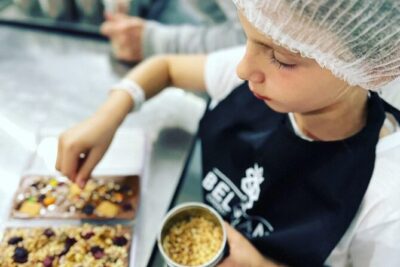
1.5h Belgian Chocolate Workshop in Brussels (bean to bar)
Read our review →Browse the lists this tour appears in