
REVIEW · GERMANY
Cologne: Chocolate Museum Entrance Ticket
Cologne’s Chocolate Museum turns a familiar treat into a surprisingly broad story, from cocoa trees and Central American cultures to industrial machines and fresh pralines. The best moment comes in the glass chocolate factory, where you can watch chocolate move through the production process instead of simply reading about it.
I like the mix of serious history and hands-on fun, and I like that the visit works for both curious adults and children who mainly want samples. The 3-meter chocolate fountain, holding 200 kilograms of warm chocolate, is a clear crowd-pleaser. The main drawback is that the museum can feel hot and busy, with limited toilets and more waiting around the production areas at peak times.
Key points at a glance
- Five thousand years of cocoa culture: Follow chocolate from pre-Columbian Central America through European court life and modern production.
- A working glass factory: See machines, ingredients, roasting, molding, and finishing steps in action.
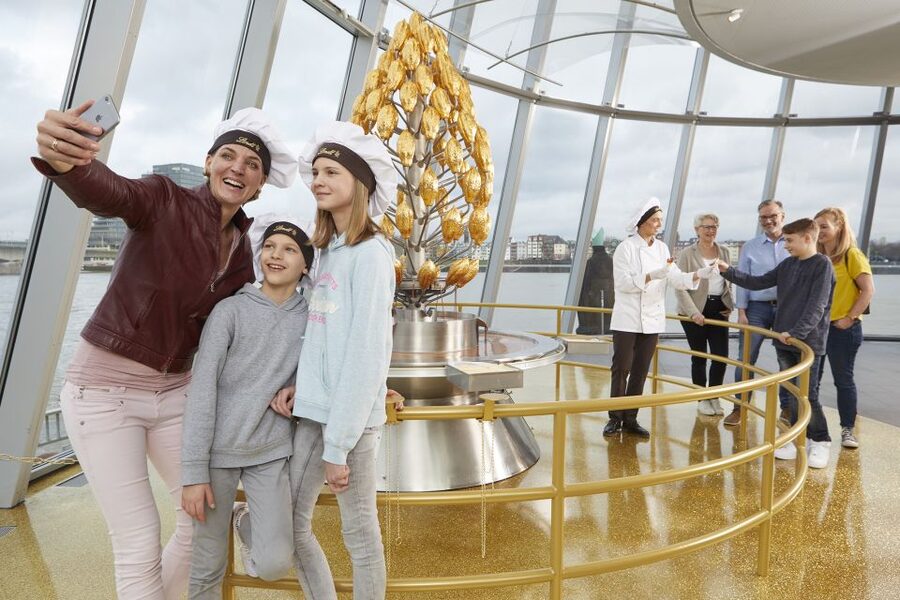
- Chocolate fountain tasting: Sample chocolate at a 3-meter fountain where 200 kilograms continually bubble.
- A useful family stop: Children and teenagers get interactive displays, samples, and the option to create a chocolate bar for an extra charge.
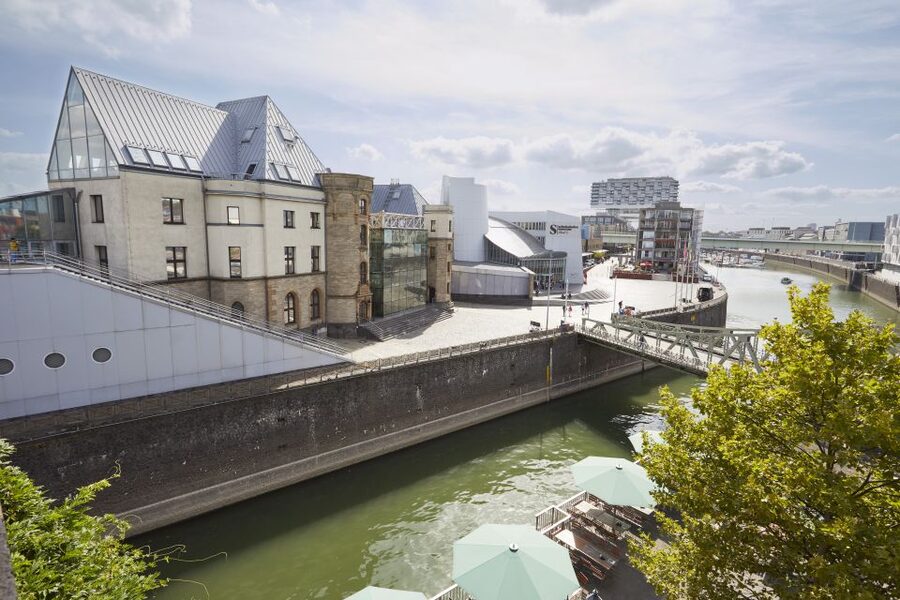
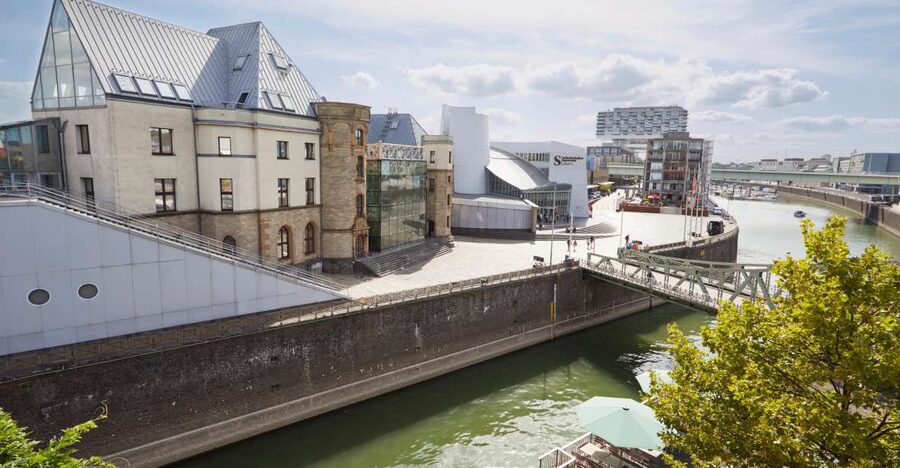
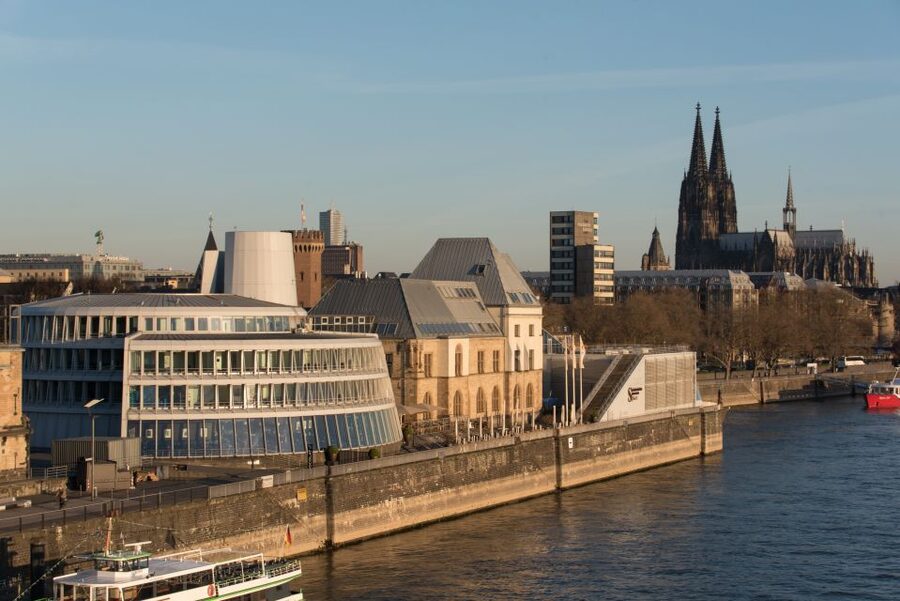
- Riverside setting: The museum sits beside the Rhine, making it easy to pair with a walk through Cologne.
- Good value at $19: The ticket includes museum entry, tastings, and an information booklet, but not a guided tour.
Why Cologne’s chocolate museum is more than a candy stop
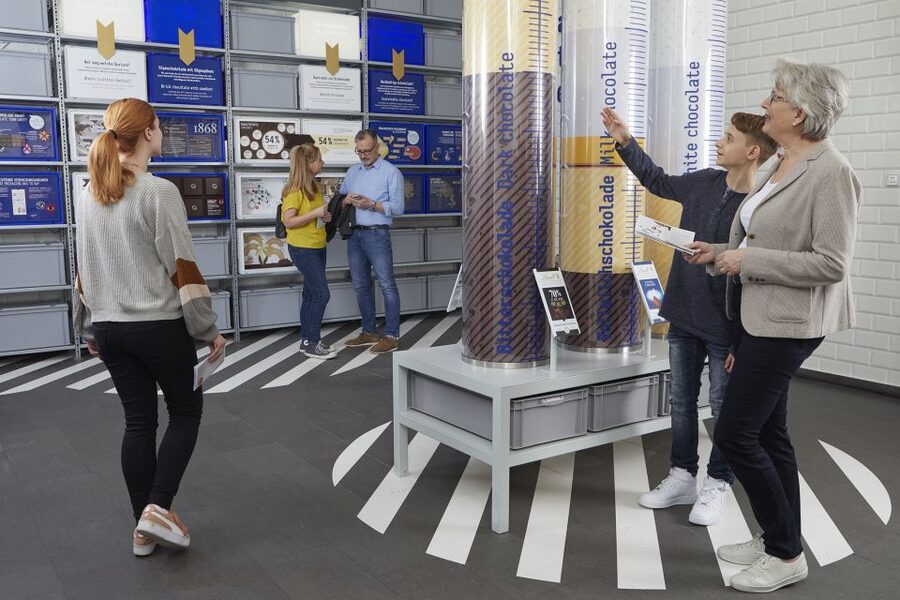
The first surprise is the scope. This is not just a display of famous chocolate brands or a room full of sweets. You begin with the cocoa plant, its growing conditions, and the long human story behind the ingredient.
The museum covers roughly 43,055 square feet, so allow more than a quick look around. A fast visit may take around an hour to an hour and a half, but I would set aside two hours if you want to read the panels, watch the machines, enjoy the tastings, and stop at the cafe.
The route also benefits from variety. One room may explain cocoa cultivation, while the next shows objects from pre-Columbian cultures. Later, you encounter Baroque porcelain and silver connected with the way chocolate was served in European society. Then the focus shifts again to the machines of industrialization.
That change of pace helps. If you are visiting with children, the historical material gives the adults something to study while the factory and fountain keep younger visitors interested. If you come without children, the museum still offers enough detail to make the ticket worthwhile.
More Chocolate Museums in the world:
- Lindt Home of Chocolate Museum Entry Ticket
★ 4.7 · 9,329 reviews - Choco-Story Brussels: Chocolate Museum Entrance with Tasting
★ 4.3 · 4,883 reviews - Bruges: Choco-Story Museum with Audio Guide and Tastings
★ 4.2 · 1,825 reviews
Start with cocoa trees in the tropical house
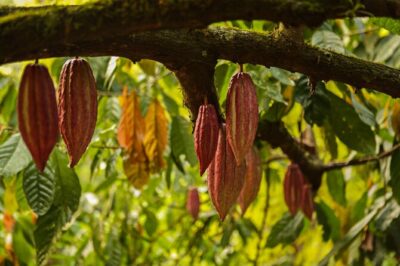
The visit begins with a walk-in tropical house, a small but important part of the story. You can see a real cocoa tree and get a feel for the warm conditions the plant needs.
This section gives useful context before the museum starts talking about chocolate bars and pralines. Cocoa does not begin as a neat ingredient in a wrapper. It starts with a plant, fruit, seeds, farming, processing, and trade.
The natural history displays explain cocoa in a straightforward way. I like this opening because it keeps chocolate connected to agriculture rather than treating it as a finished product that simply appears in a shop.
The tropical house may also feel warm, especially on a hot day. One visitor found the museum uncomfortable in high temperatures and left sooner than planned to find air conditioning. That is worth keeping in mind if you are sensitive to heat.
Follow chocolate through 5,000 years of culture
The historical section reaches back 5,000 years, with particular attention to the cocoa traditions of Central America before European contact. Displays on pre-Columbian cultures show that cocoa was not always a sweet snack. Its uses, meaning, and value changed across time and place.
This part is strongest when you take the time to read. It explains how cocoa moved from local traditions into European culture, where chocolate became tied to wealth, fashion, and formal serving customs.
The Baroque collection adds a nice visual break. Porcelain and silver pieces show how chocolate was presented in an era when drinking it could be a social ritual. These objects make the history easier to picture than text alone.
I would not rush this section, but I also would not expect every visitor in your group to read every panel. If children are with you, use it as a shorter stop before moving on to the machines. Adults interested in trade, food history, or European social life will likely want more time here.
Watch the production line turn cocoa into chocolate
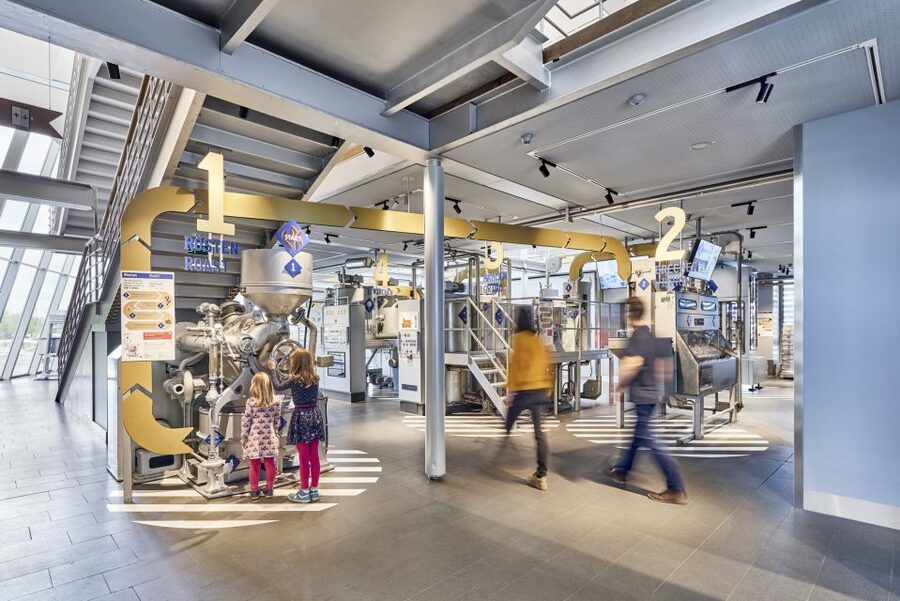
The strongest part of the museum is the glass chocolate factory. Here, you can follow modern chocolate production from cocoa ingredients through mixing, processing, molding, and finished products.
The machines are not simply static displays. You can watch the production line operating, which gives the visit a practical edge. Seeing the process makes the earlier explanations about cocoa, sugar, milk, and cocoa liquor easier to understand.
The factory also shows the difference between industrial production and handwork. The museum’s chocolate atelier presents the individual side of the craft, while the factory demonstrates how chocolate products are made at a much larger scale.
Production facilities close around 30 minutes before the museum itself, so do not arrive near closing and expect to see everything working. If the machinery is your main reason for coming, go earlier in the day and protect enough time for this section.
The production areas can become crowded, especially after opening hours. Going early is a sensible move if you want a calmer look at the machines and a better view of the working displays.
A few more chocolate tours around the world worth a look
- Paris: Entrance Ticket to the Chocolate Museum
★ 4.1 · 1,105 reviews - Zurich Sights: Cruise, Lindt Chocolate and optional FIFA Ticket
★ 4.0 · 1,028 reviews - Princeville Botanical Gardens Tour and Chocolate Tasting Ticket
★ 5.0 · 774 reviews - Dresden: Guided Walking Tour and Chocolate Museum Ticket
★ 4.5 · 479 reviews
Meet the chocolate fountain and start tasting
The tasting stop is built around a 3-meter-high chocolate fountain. Around 200 kilograms of chocolate continually bubble up, and tasting is encouraged.
A wafer dipped into the flowing chocolate is one of the simple pleasures here. You may also receive several small pieces during the visit. The exact number can vary, but people commonly report receiving about six pieces as they move through the museum.
These samples are not a replacement for lunch, but they make the museum feel active rather than purely visual. You are not just studying chocolate. You are smelling it, tasting it, and watching it being made.
The cocoa aroma can follow you through much of the visit. That will be delightful for most chocolate fans, though the overall effect can become a little much if you are already full or sensitive to strong smells.
Families should know that the tasting element is one of the main reasons children stay engaged. Teenagers also have enough practical material here to avoid the usual museum problem of losing interest after ten minutes.
Try a custom chocolate bar for an extra cost
The museum offers the chance to create your own chocolate bar. You choose a recipe or toppings, then watch the bar being made.
This is not included in the $19 admission, so treat it as an optional add-on rather than part of the basic value calculation. It can be a particularly good choice for children, teenagers, or anyone who wants a souvenir that feels more personal than a packaged box.
The custom bar also connects the museum’s two main ideas: factory production and hand finishing. You see how a basic chocolate product can be adjusted into something made for one person.
If you are watching your budget, the museum is still worthwhile without this extra. If you are marking a birthday, family day, or special trip, the added cost may feel justified.
Save time for the cafe and shop
The cafe is a genuine part of the visit, not just a place to buy a quick drink. Chocolate cake, waffles, fondue, souffle, espresso, coffee, and hot chocolate all appear in the practical advice from past visits.
Portions can be generous. One useful warning concerns the waffles, which may be large enough to make ordering one alongside a fondue excessive. The cafe is also described as reasonably priced, which helps the overall outing feel less costly than a museum stop followed by an expensive tourist restaurant.
I would visit the cafe after the exhibits rather than before. You will have a better sense of how much chocolate you can handle, and the cafe gives you a comfortable finish to the visit.
The shop has plenty of gift choices, from chocolate treats to items suitable for friends and family. Prices for Lindt products may be higher than what you pay at home, so compare before buying in bulk. The shop is fun for browsing, but it is not automatically the cheapest place to stock up.
What the $19 ticket really delivers
At $19 per person, the admission is good value if you spend at least 90 minutes inside and take advantage of the working displays and tastings. You are paying for much more than a brand showcase. The ticket covers the museum, the tropical house, historical objects, factory viewing areas, and the information booklet.
The samples improve the value, especially for families. You also avoid paying separately for a guided tour because the standard ticket is self-guided. That gives you freedom to move at your own pace, though readers who want a carefully explained visit should know that a guided tour is not included.
Some ticket holders have received access to an additional chocolate tasting demonstration at the museum, but you should not assume that this is part of the standard package. The listed admission is an entrance ticket, not a full guided experience.
The booking terms are flexible: you can cancel up to 24 hours in advance for a full refund, and a reserve-now, pay-later option is available. The ticket is valid for one day. You go directly to the museum entrance and scan the mobile ticket.
Timing, queues, and access
The ticket is advertised as allowing you to skip the ticket line. In practice, the benefit is clearest when there is a separate line for buying tickets at the counter. On busy weekends, people with advance tickets may still be waiting to enter, so do not treat the wording as a guarantee of instant entry.
Going near opening time is the best practical choice. The museum can get much busier soon after opening, and the production areas are easier to see before large groups arrive.
Plan on one to two and a half hours. A quick reader may finish in about an hour, while anyone studying the displays, stopping at the factory, tasting along the way, and using the cafe can stay considerably longer.
The museum is wheelchair accessible, and it also works for pushchairs. Children under 12 must be accompanied by a paying adult. Keep the early closing of the production facilities in mind, since the machines stop about 30 minutes before the museum closes and final entry is one hour before closing.
Toilets are reported as limited, so plan accordingly before settling into a longer visit.
Best for families, chocolate fans, and rainy days
I would recommend this museum most strongly to families, couples, and adults who enjoy food history. It gives you enough hands-on material to keep children busy while still offering real context for adults.
It is also a useful rainy-day activity in Cologne. The museum provides a clear plan for a few hours, and its location beside the Rhine adds an easy outdoor option before or after the visit.
It may be less suitable if you want a guided, intimate tasting session or a short attraction that takes only 30 minutes. The museum is self-guided, and the busiest parts can feel less personal when many people gather around the machines and fountain.
People with mobility needs should find the accessible layout helpful. People who dislike heat, strong chocolate aromas, or crowded indoor spaces should choose a quieter time and avoid arriving late in the day.
Should you book Cologne’s Chocolate Museum?
Yes, if you want an easygoing Cologne activity with real educational content, working machinery, plenty of samples, and a good cafe at the end. The $19 price is fair for the amount of time and variety included.
Book it especially if you are traveling with children or teenagers. The tropical house, chocolate fountain, factory line, and custom bar option give them more to do than simply read display panels.
I would skip it only if your schedule is extremely tight, you want a formal guided tour, or chocolate is not your thing. For most visitors, the best plan is to arrive early, allow two hours, watch the factory before it closes, and finish with coffee, cake, or fondue beside the Rhine.
FAQ
How long does a visit to the Chocolate Museum take?
A quick visit can take around one to one and a half hours. If you read the displays, watch the production areas, taste the samples, and use the cafe, allow up to two and a half hours.
What does the $19 ticket include?
The ticket includes admission to the Chocolate Museum and an information booklet. Tastings within the museum are part of the visit, but a guided tour is not included.
Can I taste chocolate during the visit?
Yes. Tasting is encouraged at the 3-meter chocolate fountain, and small chocolate pieces are also provided at points along the route.
Is the museum suitable for children?
Yes. Children and teenagers can watch the factory machines, see the cocoa tree, sample chocolate, and choose the optional custom chocolate bar activity. Children under 12 must be accompanied by a paying adult.
Is the Chocolate Museum wheelchair accessible?
Yes, the museum is wheelchair accessible. It is also suitable for pushchairs.
Can I make my own chocolate bar?
Yes. You can create a custom chocolate bar and watch it being made, but this costs extra and is not included in the standard entrance ticket.
When should I arrive?
Arrive near opening time if possible. The museum can become busier later, and the production facilities close about 30 minutes before the museum closes. Final entry is one hour before closing.
Just added around the world
- Zurich: Chocolate Tasting and Walking Tour with a Local★ 4.2 · 13 reviews
- Lindt Chocolate Museum with Cruise Transfer from Zurich★ 4.6 · 7 reviews
- Zurich Open-top Tour and Chocolate and Cheese Countryside★ 3.5 · 11 reviews
- York: Introduction to Chocolate Making Experience★ 4.9 · 10 reviews
- Zagreb: Lake Bled and Ljubljana Day Tour with Chocolate Gift★ 5.0 · 26 reviews
- Private Wine and Chocolate Tasting Experience★ 4.4 · 3 reviews
- Wine and Chocolate experience★ 4.6 · 3 reviews
- Yarra Valley: Wine and Chocolate tasting tour.★ 5.0 · 5 reviews
Germany Chocolate Tours, compared.
Dresden: Guided Walking Tour and Chocolate Museum Ticket
Read our review →
Death and Chocolate: Walking Tour of Munich’s Old South Cemetery
Read our review →

Düsseldorf: Chocolatier Workshop & Chocolate Tasting
Read our review →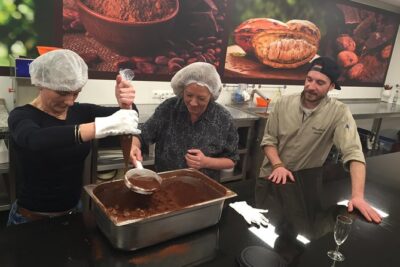
Skip-the-Line Chocolate Museum & Old Town Guided Tour
Read our review →
Explore the Säntis Panorama (2502 m) and Appenzell incl. Swiss Chocolatier
Read our review →Browse the lists this tour appears in