
REVIEW · CHOCOLATE MAKING WORKSHOPS
Mozart Kugel Workshop in Chocolate Museum Vienna “BO-YO”
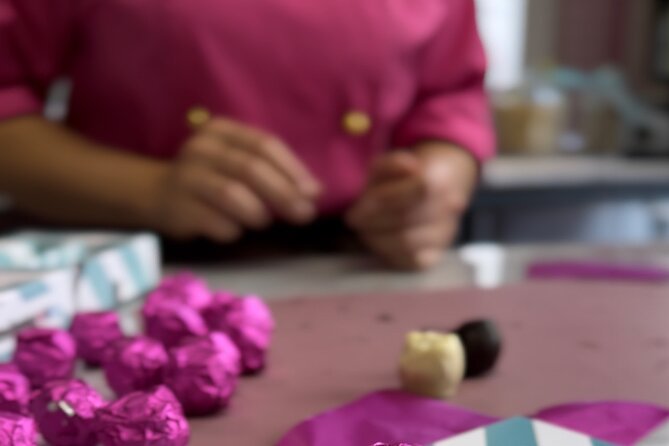
The best part of this Vienna workshop is that you do not simply taste a Mozartkugel, you build one from the inside out. You shape a hazelnut center, add pistachio, wrap it in marzipan, and finish with your choice of milk, white, or dark chocolate.
I like the generous take-home haul, 24 chocolates is enough to enjoy during the rest of your trip and still share. I also like the hot chocolate segment, which gives the 90-minute class a second task rather than making it one long session of candy dipping.
The main consideration is price: at $84.29 per person, this costs more than a simple chocolate tasting. You are paying for instruction, hands-on work, the hot chocolate activity, and a substantial edible souvenir, so it makes the most sense if you want to make something rather than only sample sweets.
Key points at a glance
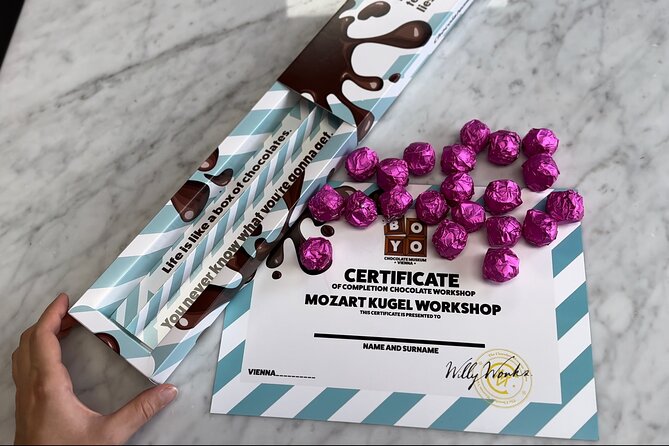
- Make 24 Mozartkugel sweets: Build each one with hazelnut, pistachio, marzipan, and your choice of chocolate coating.
- Choose your finish: Milk, white, or dark chocolate lets you tailor the final batch to your taste.
- Prepare orange hot chocolate: Use traditional tools to make Maria Antonietta’s orange-flavored drink.
- English instruction: The workshop is offered in English, with instructors such as Selma and Jaanyna guiding the class.
- Take home your work: Your chocolates become a tasty souvenir for later in your Vienna visit.
- Small-to-medium group size: The class has a maximum of 25 people and lasts about 1 hour 30 minutes.
Making Mozartkugel from the center outward
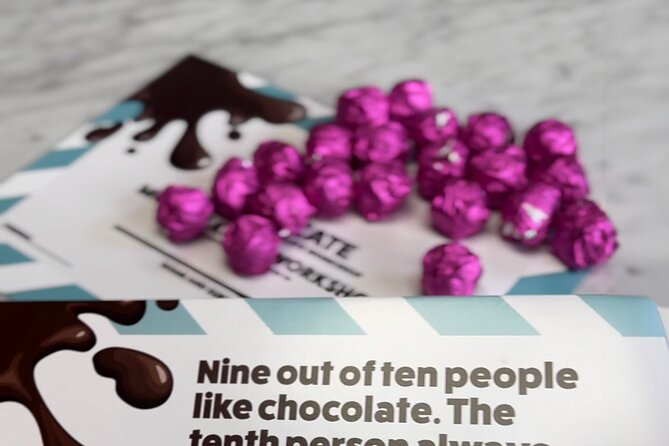
Mozartkugel is one of Austria’s best-known sweets, and this workshop lets you see why its layered design matters. The candy is not just a ball dipped in chocolate. Its appeal comes from the order of ingredients: nut, pistachio, marzipan, then chocolate.
You begin with hazelnut. That gives the center a warm, roasted flavor and a firm base for the next layers. You then wrap it in pistachio, which adds color and a slightly different nutty note. Marzipan comes next, forming the smooth outer layer beneath the chocolate.
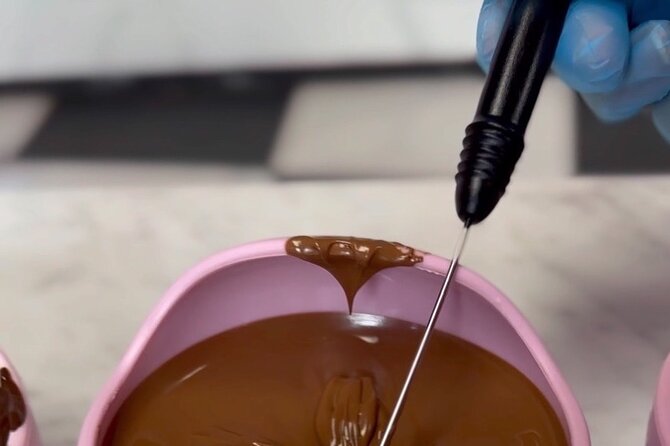
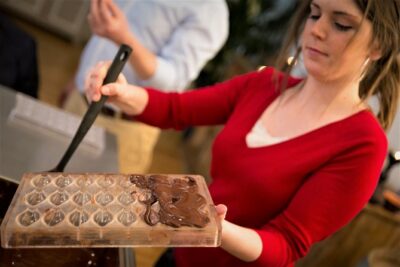
The final step is coating each piece in milk, white, or dark chocolate. This choice is simple but useful. Milk chocolate gives you the sweeter, familiar finish many people expect. Dark chocolate offers a stronger cocoa taste, while white chocolate keeps the result creamy and mild.
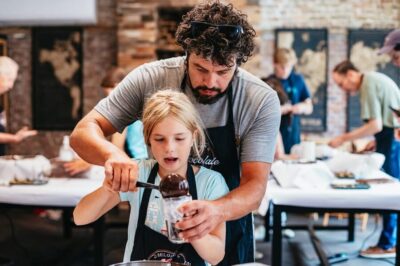
I like this order because it turns chocolate making into a hands-on lesson in texture. You can feel the difference between the firm hazelnut core, the softer marzipan, and the liquid chocolate coating. It also gives children and teenagers a clear task at every stage instead of asking them to watch a demonstration from the sidelines.
You will make 24 Mozart Kugel. That is a serious quantity for a 90-minute class, and it changes the value calculation. This is not one decorative truffle that disappears before you reach your next café. You leave with enough to snack on across several days, assuming you have the self-control to save them.
More Chocolate Museums in the world:
- Lindt Home of Chocolate Museum Entry Ticket
★ 4.7 · 9,329 reviews - Choco-Story Brussels: Chocolate Museum Entrance with Tasting
★ 4.3 · 4,883 reviews - Cologne: Chocolate Museum Entrance Ticket
★ 4.4 · 2,790 reviews
What the 90-minute schedule feels like
The workshop lasts approximately one hour and 30 minutes. That is long enough for a real activity, but short enough to fit neatly into a morning or afternoon in Vienna.
The class begins at Chocolate Museum Vienna BO-YO, at Schönbrunner Str. 99 in the 1050 district. You return to the same location at the end, so there is no complicated transfer or second meeting point to manage.
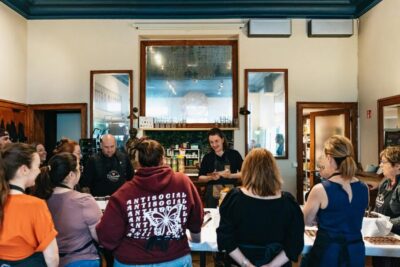
The exact pacing between the chocolate stages is not specified, so you should expect the chocolatiers to guide the room from one step to the next. The group can include up to 25 people. That is not a private lesson, but it is still a controlled class size for a practical activity.
English is the listed language. That matters because the workshop depends on following short instructions while your hands are busy. You will want to understand when to add each layer, how to handle the chocolate, and when to wrap the finished sweets.
The instructors are a big part of the experience. Selma is described as personable and fun, while Jaanyna is praised for clear explanations and a pleasant manner. Another spelling, Jenaiya, appears in the supplied comments, so the instructor’s name may be written differently at booking or on site. The useful point is that the teaching style is warm and hands-on, not a cold production-line demonstration.
The hazelnut, pistachio, and marzipan sequence
The first Mozartkugel layer is hazelnut. You work this into the center of each sweet, creating the small core that everything else surrounds.
Next comes pistachio. Its color gives the candy its recognizable green layer, while its aroma helps separate the nut center from the marzipan. This is also where the class begins to feel like more than basic chocolate dipping. You are assembling a carefully ordered confection.
Marzipan is the outer layer before chocolate. Its almond sweetness can be divisive, and that is worth considering before booking. If you already know you dislike marzipan, the workshop may not be the best match, since it is a central part of every Mozartkugel.
If you enjoy marzipan, though, this layered method is the heart of the class. You get to see how a traditional Austrian sweet is built rather than treating it as an anonymous piece of candy. The process also makes the final chocolate more satisfying because you know what is hidden underneath.
At the end, you pick milk, white, or dark chocolate. The information provided does not state whether you can mix coatings within your batch, so do not assume that all three options are included. Ask the instructor if you want a combination before you begin.
Maria Antonietta’s orange hot chocolate
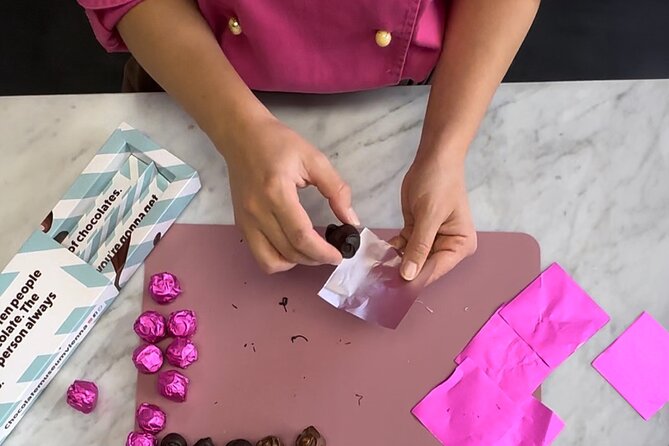
The second part moves from solid sweets to a warm drink. You prepare hot chocolate with orange flavor, inspired by the lavish tastes associated with Maria Antonietta’s era.
This is a good change of pace. After shaping and coating 24 sweets, a warm drink gives you something to enjoy during the session rather than saving every reward for later. The orange adds an aromatic note to the chocolate, keeping the drink from tasting like an ordinary cup of cocoa.
You also use traditional tools to make it. The supplied information does not name the tools or explain the full recipe, so I would treat this as a guided preparation rather than a formal historical demonstration. Still, it gives you another way to handle the ingredients and adds a little ceremony to the class.
The hot chocolate segment also helps families. Young children may lose interest during a long explanation, but making a drink provides another practical job. The activity has been specifically described as suitable for young children and teenagers, though adult supervision remains sensible around hot liquids and chocolate.
More Chocolate Making Workshops in the world:
- Vienna: Chocolate Workshop in Chocolate Museum w/ Tasting
★ 4.5 · 1,802 reviews - Brussels: Belgian Chocolate Making Workshop with Tastings
★ 4.7 · 1,629 reviews - Brussels: Chocolate Museum Visit with Workshop
★ 4.6 · 1,474 reviews - Brussels: 2.5-Hour Belgian Chocolate Making Workshop
★ 4.8 · 933 reviews
Why the take-home chocolates matter
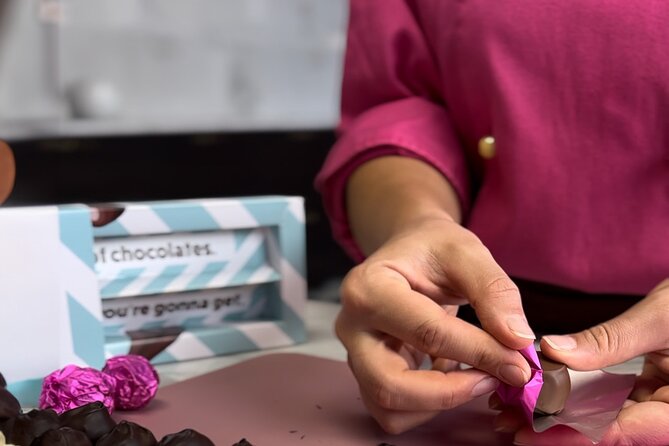
A souvenir from Vienna usually takes one of two forms: something decorative that sits in your luggage, or something edible that becomes part of the trip. These chocolates do both jobs for a short time. They carry the memory of the class, then become a snack.
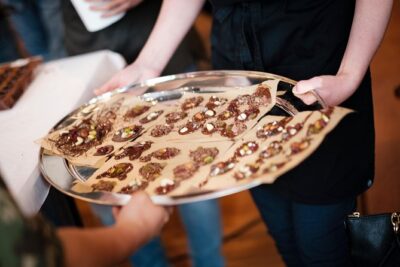
Twenty-four pieces is generous. You can eat a few on your own, offer them to family, or use them as small gifts. You will also have a clear reminder of the ingredients and method, which is more personal than buying a sealed box from a shop.
The practical question is transport. The provided details do not explain packaging, storage, or how well the chocolates handle warm weather. Ask the staff how to keep them during the rest of your visit, especially if you plan to carry them around Vienna before returning to your accommodation.
The personalized foil wrap adds a final personal touch. It turns the finished sweets into something made by you, not simply chocolate purchased at the museum counter. The details of the personalization are not specified, so ask what information or design choices are available.
Is $84.29 a fair price?
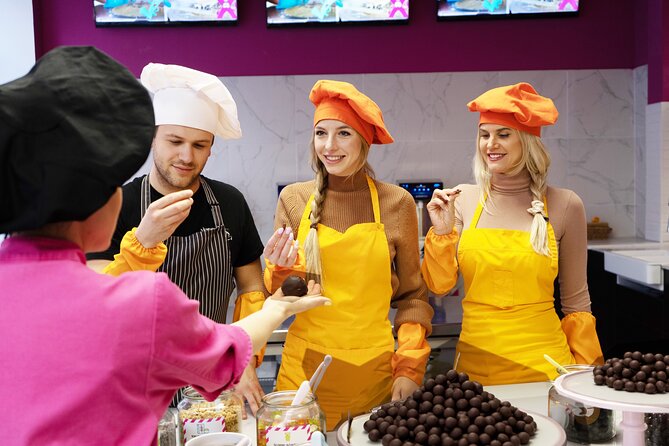
At $84.29 per person, this is a premium food activity. The price is easiest to justify if you count the complete package: about 90 minutes of instruction, the chance to make 24 Mozartkugel, the orange hot chocolate activity, an English-speaking instructor, and the chocolates you take away.
It is less appealing if you mainly want to taste Austrian candy. A shop visit will cost less and take less time. This workshop is for you if the act of making the sweets is part of the appeal.
Families should also think about the value in terms of shared time. A family can work through the recipe together, and the edible result gives everyone a reward at the end. Children and teens have clear stages to follow, while adults get the cultural context and the chance to compare chocolate choices.
Couples and small groups may find the price worthwhile for a rainy-day plan or a break from churches, palaces, and museums. The activity is indoors and structured, though the listing does not state that it is specifically designed as a rain plan.
The class is often booked about 68 days ahead on average. That suggests you should not leave it until the last day of a short Vienna visit, especially if your dates are fixed. The group limit is 25, so popular times may fill before you arrive.
Getting there and planning your visit
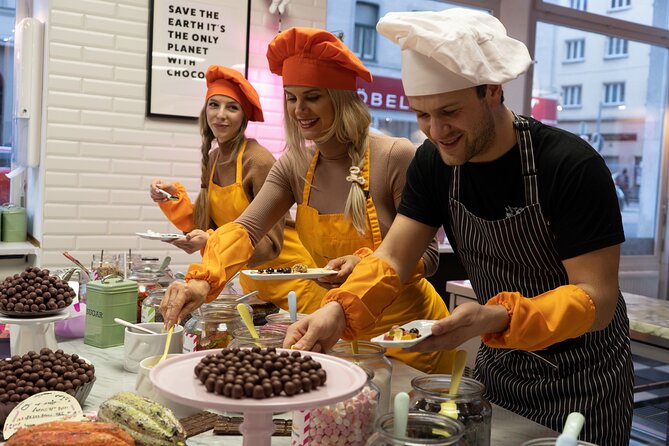
The starting point is Chocolate Museum Vienna BO-YO, Schönbrunner Str. 99, 1050 Vienna. The location is near public transportation, which makes it practical to reach without arranging a private transfer.
The activity ends back at the same meeting point. That is helpful if you are building a day around the area, since you do not need to work out where the class will release you.
The booking includes a mobile ticket, and confirmation is provided at the time of booking. Keep the ticket easy to reach on your phone, particularly if you are moving between several Vienna activities that day.
Give yourself enough time to arrive before the start. The workshop has a fixed sequence and a maximum group size, so arriving late could mean missing the early instructions. The supplied information does not state a required arrival time, so check your confirmation for any specific guidance.
Free cancellation is available if you cancel at least 24 hours before the local start time. Cancellations made less than 24 hours before the activity are not refunded, and changes inside that window are not accepted. This is a useful safety net when planning ahead, but it is not a last-minute flexible booking.
Who will enjoy this chocolate class most?
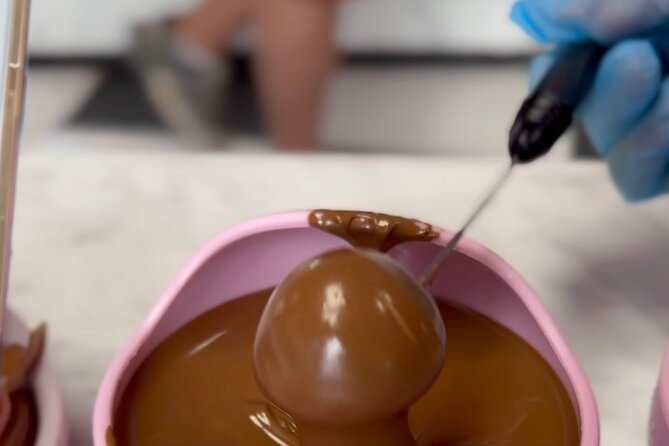
I would recommend it first to families with children or teenagers who enjoy making things with their hands. The class has enough stages to keep the activity moving, and 24 finished chocolates make the result feel worthwhile.
It also suits couples, friends, and solo visitors who want a food activity with a clear Austrian connection. You are not only eating chocolate. You are learning the structure of a traditional sweet and then taking your own batch away.
Chocolate enthusiasts will appreciate the choice of coating and the chance to compare the finished results. Marzipan fans should be especially happy, while people who dislike almond-flavored sweets should think twice.
This may not suit you if you prefer a quiet tasting with no practical work. You will be shaping, layering, coating, and preparing a hot drink. The class is social and instructional, not a private chocolate lounge.
It is also not the right pick if you are watching your food intake or have dietary concerns that were not addressed in the supplied information. The recipe includes hazelnut, pistachio, marzipan, and chocolate, and no allergy or dietary substitutions are specified. Ask the provider before booking if this matters to you.
My take on the BO-YO workshop
I like this experience because it gives you a clear souvenir and a story to go with it. The strongest element is the layered process: hazelnut, pistachio, marzipan, and chocolate is a more interesting lesson than simply decorating a ready-made candy.
The orange hot chocolate is another smart part of the schedule. It breaks up the Mozartkugel work and lets you make something warm with traditional tools. The instructors also matter. Selma, Jaanyna, and the other chocolatiers are expected to keep the tone friendly and explain the steps in accessible English.
The price is the weak point. At $84.29, you should book this for the activity itself, not because it is the cheapest way to get chocolate in Vienna. The 24-piece take-home batch improves the value, but it does not change the fact that this is a hands-on class with a premium cost.
Should you book it?
Book it if you want a practical Austrian food experience, enjoy marzipan and chocolate, and like the idea of taking home 24 sweets that you made yourself. It is especially well suited to families, couples, and anyone looking for a pleasant break from sightseeing.
Skip it if you only want a quick tasting, dislike marzipan, or need a low-cost activity. If you do book, reserve well ahead, confirm the coating options and any dietary questions, and leave enough time to reach Schönbrunner Str. 99 before the class begins.
FAQ
How long does the Mozartkugel workshop last?
The workshop lasts approximately 1 hour and 30 minutes.
Where does the workshop begin?
It begins at Chocolate Museum Vienna BO-YO, Schönbrunner Str. 99, 1050 Vienna, Austria.
Where does the activity end?
The activity ends back at the same meeting point.
How many Mozart Kugel will I make?
You will make 24 Mozart Kugel during the workshop.
What ingredients are used in the Mozart Kugel?
The sweets contain a hazelnut center, a pistachio layer, marzipan, and a coating of milk, white, or dark chocolate.
Is the workshop offered in English?
Yes. The workshop is offered in English.
Is hot chocolate included?
Yes. You will prepare orange-flavored hot chocolate using traditional tools.
What is the cancellation policy?
You can cancel for a full refund up to 24 hours before the local start time. Cancellations and changes made less than 24 hours before the start are not accepted for a refund.
Just added around the world
- Zurich Open-top Tour and Chocolate and Cheese Countryside★ 3.5 · 11 reviews
- Zurich: Chocolate Tasting and Walking Tour with a Local★ 4.2 · 13 reviews
- Lindt Chocolate Museum with Cruise Transfer from Zurich★ 4.6 · 7 reviews
- York: Introduction to Chocolate Making Experience★ 4.9 · 10 reviews
- Zagreb: Lake Bled and Ljubljana Day Tour with Chocolate Gift★ 5.0 · 26 reviews
- Private Wine and Chocolate Tasting Experience★ 4.4 · 3 reviews
- Wine and Chocolate experience★ 4.6 · 3 reviews
- Yarra Valley: Wine and Chocolate tasting tour.★ 5.0 · 5 reviews
Chocolate Making Workshops, compared.
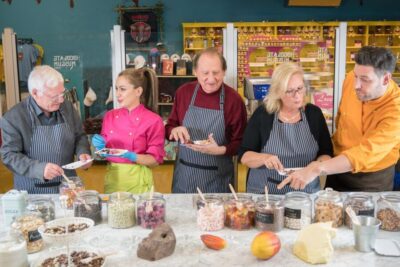
Chocolate Workshop in Chocolate Museum w/ Tasting
Read our review →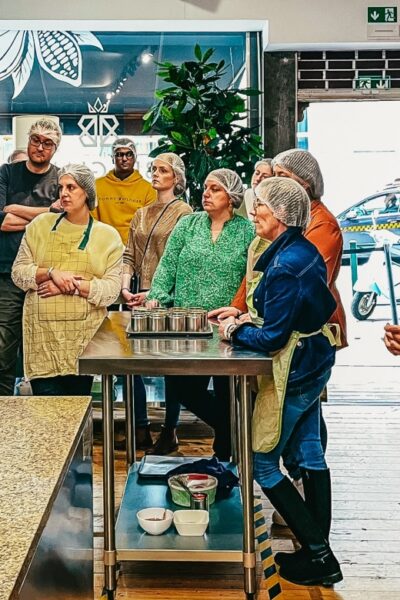
Belgian Chocolate Making Workshop with Tastings
Read our review →
Belgian Praline and Mendiants Chocolate Workshop
Read our review →
1.5h Belgian Chocolate Workshop in Brussels (bean to bar)
Read our review →Browse the lists this tour appears in