
REVIEW · MEXICO
Casa Cacao – Journey From Cacao Bean to Chocolate
Chocolate here begins with the bean, not the candy wrapper. At Casa Cacao, Josh Nisenfeld leads you through cacao varieties, plantation methods, roasting, grinding, and the traditional Mexican drink made from cacao and other ingredients. You then switch gears and make your own molded chocolate bar.
I like the hands-on format and the link to Maya and Mexican culture. I also like the small group cap of seven, which gives Josh room to answer questions and guide the work. The main consideration is timing: the experience is described as about two hours, but the available weekday sessions run for 90 minutes, so confirm the exact schedule before booking.
Key points to know before booking
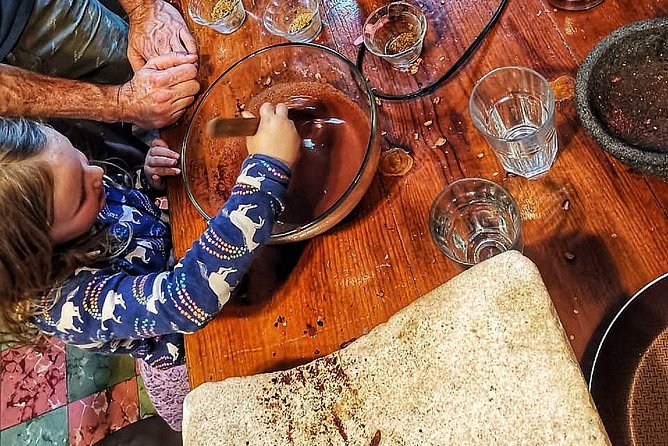
- You handle the cacao yourself: Examine beans, grind roasted cacao, prepare a traditional drink, and mold chocolate.
- Josh Nisenfeld leads the session: His patient teaching style and local tips are part of the experience.
- The group is capped at seven people: This is a better setup for questions than a large demonstration.
- You connect chocolate with Mexican culture: The class covers Maya traditions, cacao sourcing, and modern production.
- You take home a chocolate bar: Dark, milk, or white chocolate are listed among the dessert options.
- It runs on weekday time slots: Sessions are listed Monday through Friday at 11:00 AM, 1:00 PM, 3:00 PM, and 6:00 PM.
Starting at Parque Santa Ana in central Mérida
Casa Cacao begins at C. 49 499b, beside Parque Santa Ana in Centro, Mérida. That puts the meeting point in a central part of town, near public transportation and within an area known for its old buildings and local character.
The setting matters because this is not a chocolate factory tour on the edge of town. The experience takes place in a generations-old building in a well-known Mérida neighborhood. You get a food lesson tied to the city around you, rather than a stand-alone tasting room with no sense of place.
Plan to arrive with enough time to find the address. The meeting point is specific, but the available information does not give a separate arrival buffer or directions from nearby landmarks. Since the session is limited to seven people, arriving late could matter more than it would on a large group outing.
The activity ends back at the same meeting point. You will not need to arrange a separate return transfer, and the central location makes it easy to continue with lunch, dinner, or more sightseeing afterward.
A few more chocolate tours around Mexico worth a look
- Finca 18 Puerto Vallarta Tequila Tour + Chocolate Pairing
★ 5.0 · 393 reviews - Bean to Bar Chocolate Workshop in Puerto Vallarta
★ 5.0 · 381 reviews - Chocolate Tour in Vallarta
★ 5.0 · 226 reviews
Looking closely at cacao before it becomes chocolate
The session starts with cacao itself. You examine different types of beans and learn what happens at a plantation before the beans become a finished chocolate product.
That early stage is one of the strongest parts of the class. Many chocolate tastings begin with polished squares and skip the raw material. Here, you see the starting point and learn why growing, sourcing, roasting, and processing all affect the final drink or bar.
Josh also connects cacao to Maya culture and to Mexico’s long relationship with the ingredient. This gives the activity more substance than a simple dessert workshop. You are not just learning a recipe. You are learning why cacao has such an important place in the region.
The information is presented in English. That makes the session useful for visitors who want cultural context but are not comfortable following a technical lesson in Spanish.
Grinding roasted beans and making the traditional drink
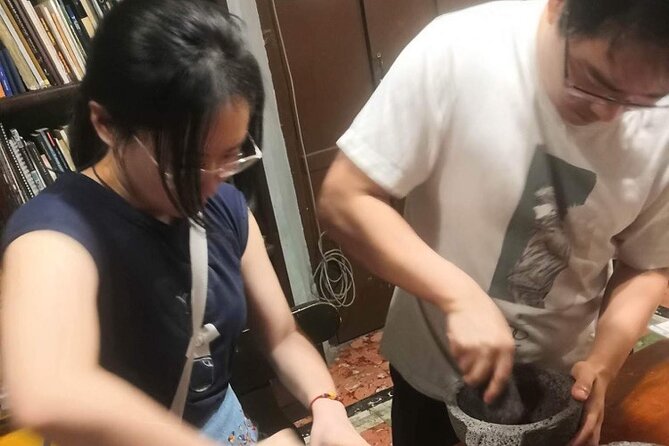
After examining the beans, you work with roasted cacao and grind it together with traditional ingredients. You then taste the beverage that has been consumed in Mexico for thousands of years.
This is the point where the class becomes especially tactile. You can see and feel the difference between a bean, a roasted ingredient, a ground mixture, and a drink. The process helps explain why traditional chocolate is not simply a sweetened version of a modern candy bar.
The activity also gives you a chance to compare older methods with current chocolate production. That contrast is useful. Modern chocolate often hides the work behind a smooth finished product, while this session lets you follow each major step.
Do not expect a full meal. The focus is the preparation and tasting of the chocolate drink, followed by the making of chocolate bars. If you need lunch or a substantial snack, plan to eat separately before or after the class.
Making a chocolate bar to take home
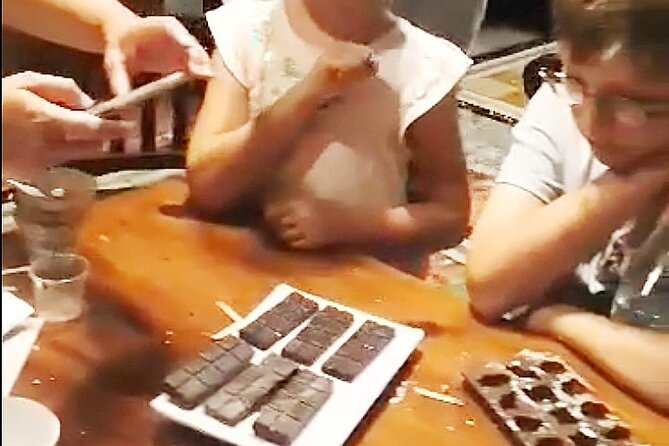
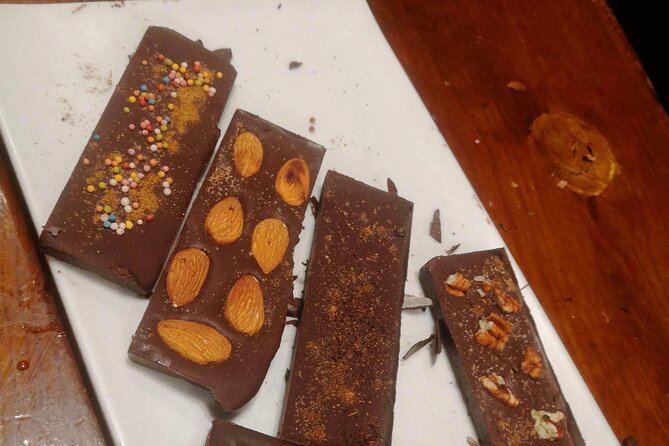
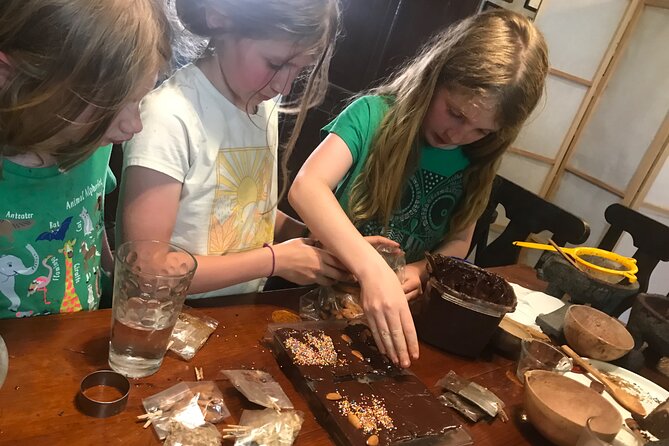
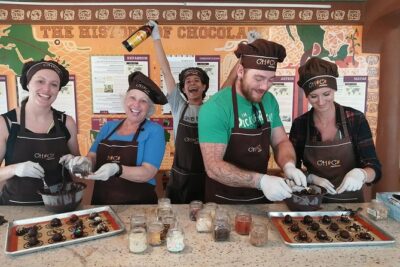
The second half shifts toward modern chocolate. You make your own chocolate bar and take it with you.
The listed dessert choices include dark chocolate, milk chocolate, and white chocolate. The supplied information does not spell out how much choice you have over fillings, toppings, shapes, or decorations, so ask Josh what is available when you arrive.
The bar gives the class a practical finish. You leave with something made during the session rather than only a sample consumed on the spot. That also makes the experience a good fit for families, couples, and anyone who prefers an activity with a clear result.
The workshop is not aimed only at serious chocolate fans. The process is simple enough to be social, while the cacao background gives it interest for people who want more than a dessert stop. Children can also find the hands-on work appealing, though the supplied details do not specify a minimum age or special child pricing.
Same place, a different way to taste it:
- Chocolate & Margarita Workshop
★ 5.0 · 207 reviews - Chocolate and truffles workshop
★ 5.0 · 157 reviews - San Jose del Cabo Art Walk, Beer Tasting &Chocolate Demonstration
★ 5.0 · 141 reviews - Artisanal Mezcal and Fine Chocolate Tasting
★ 5.0 · 132 reviews
Why the small group matters
A maximum of seven people is a real advantage here. Chocolate preparation involves questions, close observation, and individual work. In a small group, you have a better chance to ask about cacao sourcing, Maya traditions, roasting, or the differences among chocolate styles.
Josh Nisenfeld is the named experience provider. The available comments describe him as patient, friendly, and easy to talk with, and they point to his ability to explain both chocolate and local culture. He has also shared suggestions about Mérida restaurants, entertainment, and honey bees, so you can ask for local ideas if you have time before or after the class.
That personal element may be as valuable as the recipe. A large food tour can deliver facts, but a small workshop gives you room for conversation. The tradeoff is that the experience depends more on the guide and on the mix of people in your group. If you prefer a quick, self-guided tasting, this may feel more involved than necessary.
A weekday schedule with several useful time choices
Casa Cacao lists Monday through Friday sessions at:
- 11:00 AM to 12:30 PM
- 1:00 PM to 2:30 PM
- 3:00 PM to 4:30 PM
- 6:00 PM to 7:30 PM
The schedule is helpful if you want to fit chocolate between other Mérida plans. The midday options can work before or after lunch, while the 6:00 PM session may suit a cooler part of the day and leave your afternoon open.
There is one detail worth checking. The tour summary describes the experience as approximately two hours, but each listed time slot lasts 90 minutes. That may reflect rounded timing, a difference between the advertised duration and the session schedule, or a change in operating details. Confirm the actual length when booking, especially if you have a dinner reservation or another tour afterward.
The available operating dates run through February 13, 2027, with the stated weekday schedule. Booking confirmation is sent within 48 hours, subject to availability, so do not treat a request as final until you receive confirmation.
What the experience is worth
No price is provided here, so I cannot give you a fair peso-by-peso judgment. I can still explain what you are paying for: a small English-language class, ingredient handling, cultural background, a prepared traditional drink, and a chocolate bar you make yourself.
That package offers better value than a simple tasting if you want to understand the process. It may feel less worthwhile if your only goal is to eat several premium chocolates. The appeal lies in the instruction and participation, not in the number of finished sweets placed in front of you.
The group limit also affects value. A private class would offer more personal attention, but a maximum of seven keeps the experience intimate without making it a one-on-one lesson. Group discounts are available, which may make it a sensible pick for families or friends booking together.
Since the session is based in central Mérida and ends where it begins, you are also not paying in time for a long transfer. That makes the class easier to fit into a short city stay.
Who should book this chocolate class
I would point this experience toward you if you enjoy food workshops, cultural context, and a little creative work. It suits people who want to understand how cacao changes from bean to drink and bar, rather than simply sample a finished product.
It is also a good choice for families, provided you confirm any age requirements before booking. The grinding, tasting, and bar-making stages offer several ways to stay involved. The small group should help keep the lesson personal.
Couples and small groups of friends may like the relaxed format. You can work side by side, compare dark, milk, and white chocolate, and take home a result from the session. Josh’s local suggestions may also help you plan the rest of your time in Mérida.
You may want to skip it if you have very limited time and want a fast food stop. You should also check the timing if a 90-minute slot is too close to your next plan. The experience is about learning and making, so it rewards curiosity more than speed.
Practical details that affect your plans
The tour is offered in English and accepts mobile tickets. Service animals are allowed, and the meeting point is near public transportation.
The available information does not describe the building’s full accessibility, seating, or the physical demands of grinding and making chocolate. If you have mobility or other access needs, ask the provider before booking so you know what to expect.
Free cancellation is available if you cancel at least 24 hours before the start time. Cancellations made less than 24 hours ahead are not refunded, and changes inside that window are not accepted. The cut-off follows Mérida local time.
My call: book it for the process, not just the sweets
I would book Casa Cacao if you want a compact, personal look at cacao in Mexican culture. The strongest reasons are the bean-to-drink progression, the hands-on chocolate bar, and Josh Nisenfeld’s patient, conversational approach.
Before paying, confirm the exact duration and the chocolate options for your chosen session. If those details fit your schedule, this is a useful Mérida activity for anyone who wants to do more than taste chocolate. You learn where it begins, help turn it into a drink, and leave with a bar made during the class.
FAQ
Where does the Casa Cacao experience begin?
It begins at C. 49 499b, Parque Santa Ana, Centro, 97000 Mérida, Yucatán, Mexico.
Where does the activity end?
The activity ends back at the meeting point.
How long does the experience last?
The tour summary describes it as approximately two hours. The listed weekday sessions run for 90 minutes, so confirm the exact duration when booking.
What days and times is it offered?
It is listed Monday through Friday at 11:00 AM, 1:00 PM, 3:00 PM, and 6:00 PM. The corresponding sessions are listed as 11:00 AM to 12:30 PM, 1:00 PM to 2:30 PM, 3:00 PM to 4:30 PM, and 6:00 PM to 7:30 PM.
Is the experience offered in English?
Yes. English is the listed language for the experience.
What will I make during the activity?
You will grind roasted cacao beans and traditional ingredients to prepare a chocolate drink. You will also make a chocolate bar to take with you.
What types of chocolate are listed?
The dessert choices listed are dark chocolate, milk chocolate, and white chocolate.
How many people can join the group?
The activity has a maximum of seven travelers.
Is cancellation free?
Yes, if you cancel at least 24 hours before the experience start time. Cancellations made less than 24 hours ahead are not refunded, and changes during that period are not accepted.
Just added around Mexico
- Uxmal: Choco History Museum & Cenote★ 4.1 · 21 reviews
- Tulum: Chocolate & Honey Sanctuary Experience with Lunch★ 4.2 · 34 reviews
- Tulum: Chocolate & Honey Sanctuary Experience with Cenote★ 3.5 · 6 reviews
- Cultural Adventure: Artisanal Chocolates, Coffee and Doll Making★ 5.0 · 2 reviews
- Tarot Reading with Coffee & Chocolate or Smoothie★ 5.0 · 17 reviews
- Sayulita Magical Town Tour: Local food, and chocolate.★ 5.0 · 18 reviews
- Private Make Your Own Chocolate Experience in Puerto Vallarta★ 5.0 · 8 reviews
- Chocolate Macarons Workshop in Puerto Vallarta★ 5.0 · 5 reviews
Mexico Chocolate Tours, compared.
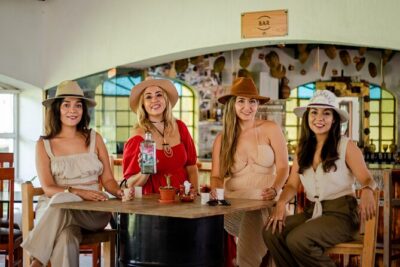
Finca 18 Puerto Vallarta Tequila Tour + Chocolate Pairing
Read our review →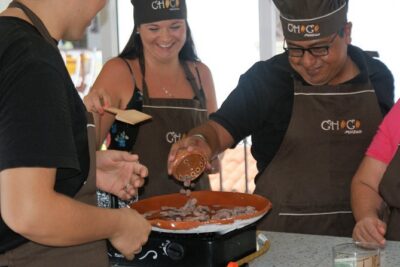
Bean to Bar Chocolate Workshop in Puerto Vallarta
Read our review →
Tour to Uxmal Kabah and Chocolate Museum from Mérida
Read our review →Browse the lists this tour appears in