
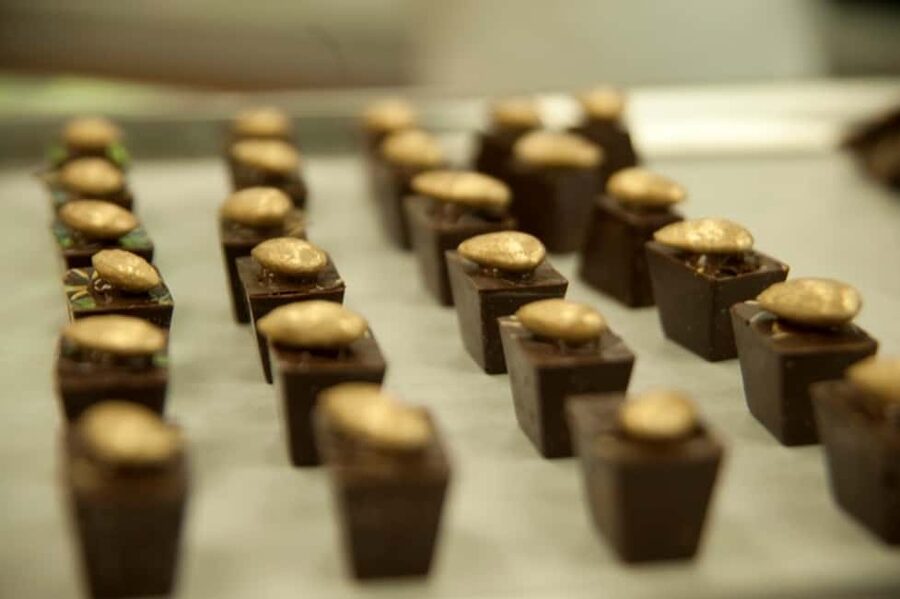
REVIEW · DOMINICAN REPUBLIC
Dominican Republic: 3-Hour Chocolate Lovers Tour
The best part of this tour is that you do not begin with a finished chocolate bar. You start with the cacao plant itself, sow a seed, examine a cacao pod, and follow the beans through cutting, extraction, fermentation, drying, and final processing. The five-senses tasting gives the lesson a tasty finish.
I like the mix of hands-on farming and small-scale chocolate making, and I like that lunch and hot chocolate are included in the $83 price. The main point to consider is timing: the stated duration is three hours, but one booking finished in about two and a half, so do not plan a tightly timed activity right afterward.
Key points at a glance
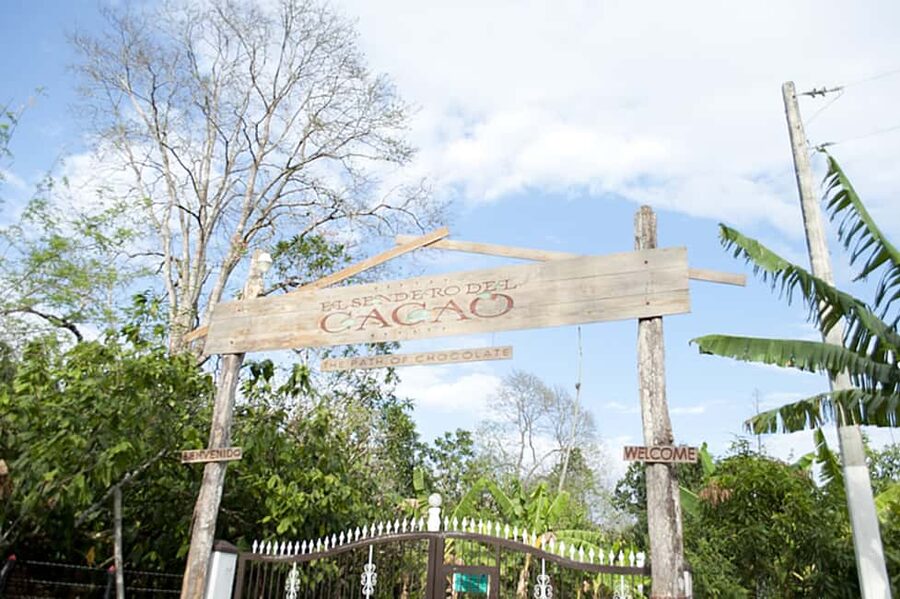
- Sow your own cacao plant: You take part in the first step instead of only watching a demonstration.
- Visit two cacao sites: One focuses on the plantation and the other shows more automated processing on a small scale.
- Follow the full cacao process: Learn why harvesting, fermentation, and drying shape the final chocolate.
- Taste chocolate with five senses: The tasting session goes beyond simply eating samples.
- Enjoy lunch and hot chocolate: Both are included, helping make the tour a complete half-day outing.
- Choose your language: Live guiding is available in English, Spanish, and French.
Starting at El Sendero del Cacao
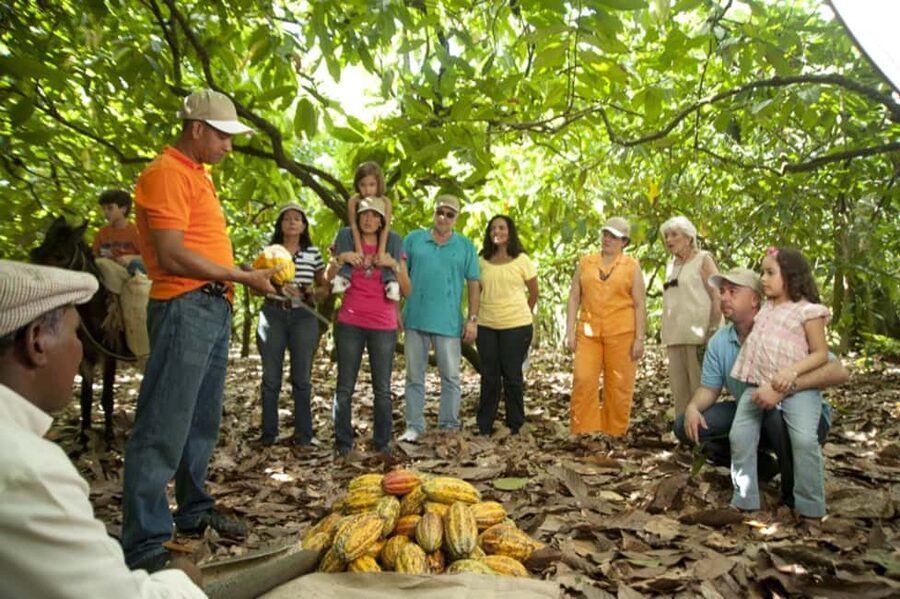
The tour meets at El Sendero del Cacao in Duarte, Dominican Republic, postal code 31000. Transportation is not included, so you need to arrange your own way to the meeting point. This matters if you are staying outside the immediate area or building the tour into a busy day of sightseeing.
Wear comfortable shoes and comfortable clothes. The tour moves between plantation areas, educational stops, and processing spaces, so this is better suited to practical clothing than to beachwear or dress clothes.
Kahkow Experience operates the outing, with live guiding in English, Spanish, and French. No individual guide names are provided, but the format is built around direct explanations from chocolate and cacao specialists rather than a simple walk through a display area.
The experience has a 4.9 rating from four verified ratings. The strongest themes are good organization, an enjoyable guide, useful lessons, and a willingness to help with schedule changes. One booking was moved to the following day by phone, which suggests some flexibility, though you should confirm any change directly with the operator.
A few more chocolate tours around Dominican Republic worth a look
- Award-Winning Geneva Chocolate &Old Town Tour with Boat Ride (3h)
★ 5.0 · 3,721 reviews - Bruges: 3-Hour Beer and Chocolate Tasting Private Tour
★ 4.9 · 8 reviews - 3 Hour Chocolate Making Experience in The Mayford business centre
★ 5.0 · 4 reviews
Planting cacao before tasting chocolate
The opening lesson begins at the plantation, where you learn how cacao is grown in the Dominican Republic. You can sow your own cacao plant, a small but useful activity because it gives the whole process a clear starting point.
From there, the guide explains what happens inside a cacao pod. You learn about the harvest, the cutting of the pod, and the extraction of the beans. This is the part many chocolate fans skip when they buy a finished product, yet it explains why chocolate is an agricultural food before it becomes a confection.
The plantation visit also covers the Dominican ecosystem and the conditions that allow fine cacao to grow. The tour does not only present cacao as a crop. It connects the crop to local surroundings and Dominican culture, using chocolate as a way to explain part of daily life and regional production.
You should expect an educational visit rather than a large commercial attraction. The focus is on seeing the steps, asking questions, and understanding how raw cacao changes over time.
Why fermentation and drying matter
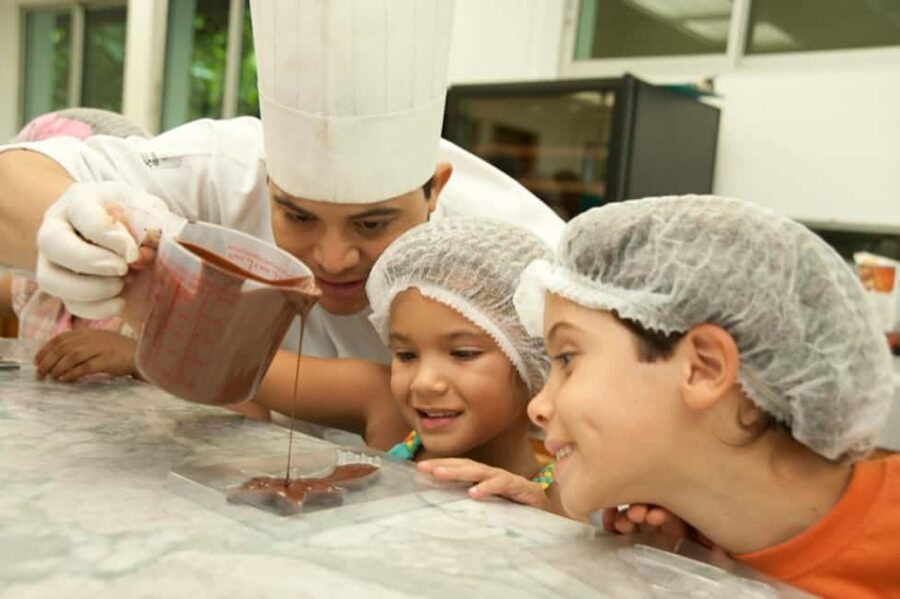
After the beans are removed from the pod, the work is far from finished. The tour explains fermentation and drying, two post-harvest stages that have a major effect on chocolate quality.
Fermentation helps develop the flavors that later appear in the chocolate. Drying prepares the beans for further processing and must be handled with care. The guide explains why these stages can separate ordinary cacao from beans used for gourmet chocolate.
This is one of the most valuable parts of the outing for anyone who already enjoys chocolate. You begin to understand that quality does not come only from the factory. It starts with the plant and depends on choices made after harvest.
The lesson also gives you useful context for chocolate shopping in the Dominican Republic. A bar labeled fine or gourmet reflects a long chain of work, not simply a recipe used at the end.
A second stop for small-scale processing
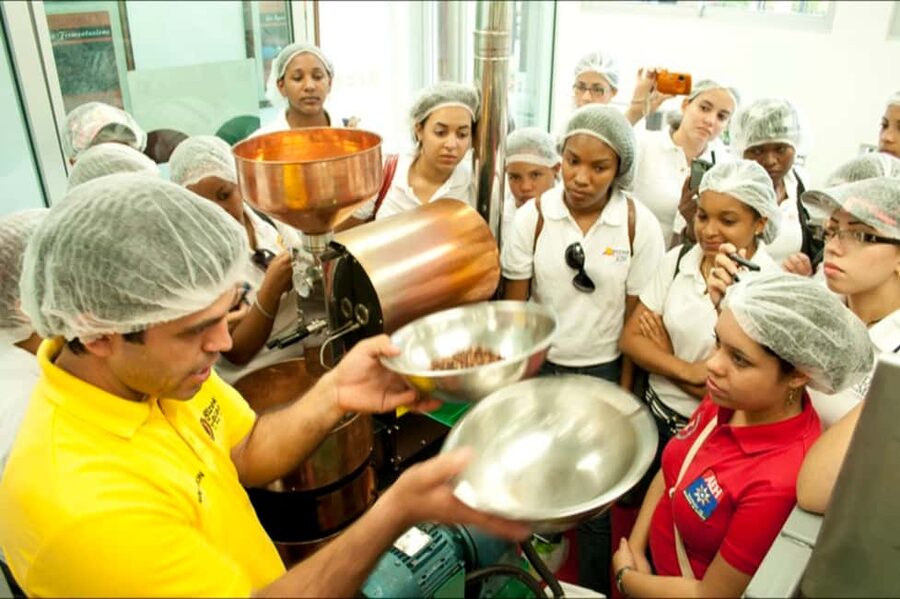
The itinerary includes another plantation where you can see more automated cacao processing on a small scale. This gives you a useful comparison with the more hands-on plantation work earlier in the tour.
The second site also returns to fermentation and drying. Seeing these stages again in a more organized processing setting helps connect the agricultural lesson with the production side of chocolate.
Do not expect a huge industrial factory. The description points to a small-scale operation with some automation, so the appeal is the contrast between farm work and modest machinery. You see how processing can become more efficient while still remaining close to the crop.
The tour then follows the cacao toward the chocolate factory. The wording suggests a sensory transition, with the smell of chocolate helping lead you into the final part of the production lesson. You learn how cacao becomes finished chocolate and why earlier steps matter to the final flavor.
Same place, a different way to taste it:
- 4×4 Dominican Adventure with Chocolate and Coffee Tasting
★ 5.0 · 2,920 reviews - 4×4 ATV Experience, Water Cave, Chocolate and Coffee Tasting
★ 5.0 · 1,430 reviews - Buggy Adventure Tour with Chocolate and Coffee in Punta Cana
★ 5.0 · 953 reviews - Buggy Ride Into the jungle with cave coffee & chocolate tasting
★ 5.0 · 465 reviews
Lunch and hot chocolate in the middle of the lesson
Lunch is included, along with hot chocolate. The meal gives you a pause between the plantation work and the tasting session, and it makes the $83 cost easier to assess.
The lunch is described as local, but no menu is provided. I would not book this expecting a choice of dishes or a formal restaurant meal. Think of it as a practical local meal included within the tour, rather than a separate dining event.
Hot chocolate is also included. That may sound simple, but it fits the theme better than a standard refreshment stop. You get to experience cacao in a warm drink before turning your attention to the more careful tasting session.
If food allergies or dietary needs matter to you, the available information does not specify substitutions. Contact the operator before booking rather than assuming the lunch can be adjusted.
Learning to taste chocolate with all five senses
The tasting session is more structured than simply sampling several sweets. You learn how to use sight, smell, taste, touch, and hearing when assessing chocolate.
Smell comes into play before the chocolate reaches your tongue. The tour has already emphasized following your sense of smell toward the factory, so scent is part of the experience from the production stage through the tasting.
The five-senses approach gives you a simple way to pay attention to texture, aroma, flavor, and the sound or feel of the chocolate as you handle and eat it. It also helps explain why two chocolates made from cacao can taste different.
This session should suit both dedicated chocolate fans and curious beginners. You do not need specialist vocabulary to get something from it. The point is to notice more than sweetness and to connect the tasting notes with the growing and processing methods you have just learned.
I especially like the order of the day: first the plant, then the pod, then post-harvest treatment, then processing, lunch, and finally tasting. You are not asked to remember a list of facts without context. Each stage gives meaning to the next one.
Is $83 a fair price?
At $83 per person, the price is reasonable if you want a full cacao lesson with food included. The package covers the guided tour, lunch, hot chocolate, plantation visits, factory education, planting activity, and chocolate tasting.
You are paying for more than a short farm walk. The tour covers the full path from sowing to finished chocolate, plus the cultural and ecological setting. For someone who would otherwise book separate food and farm activities, the combined format offers solid value.
The value is less clear if you only want a quick tasting. Three hours is a substantial commitment for an activity centered on one ingredient, and the educational sections may feel too detailed if you mainly want dessert.
Timing is another part of the price question. The advertised duration is three hours, while one booking reported about two and a half hours. That shorter schedule may suit you, but it also means you should avoid treating the listed duration as a precise promise.
Transportation is not included. Add the cost and time of reaching El Sendero del Cacao when comparing this with hotel-based or city-based food tours.
Who will enjoy this tour most?
I would recommend this outing to chocolate lovers who want to understand production, not just sample the finished product. It also works well for visitors who enjoy farm visits, food education, and hands-on activities.
Families may appreciate the planting element, though the supplied information does not give an age recommendation. Children who enjoy learning how food is made could find the cacao pod and processing stages interesting, while children who only want sweets may lose patience during the fermentation and drying lessons.
The tour also suits visitors interested in Dominican culture. The cultural content is presented through cacao, local food, and the farming ecosystem rather than through a separate city history lecture.
Language choice is helpful for mixed groups. You can book a live guide in English, Spanish, or French. If language is important for a child or group member, confirm the selected language at booking.
The experience is wheelchair accessible, which makes it more practical for many visitors. Still, the supplied details do not explain the exact surfaces or distances between plantation and processing areas, so you may want to ask the operator about the route if you need specific mobility information.
What to bring and how to plan the day
Comfortable shoes are the main practical tip. You will be visiting plantation areas and moving through several parts of the cacao process, so supportive footwear makes more sense than sandals with little grip.
Wear comfortable clothes that can handle a hands-on agricultural setting. You do not need special equipment, and the tour does not list any required items beyond suitable clothing and shoes.
Plan to arrive at the meeting point with enough time to find it. Since transportation is not included, check your route before the day begins. This is especially important if you are staying in another part of the Dominican Republic.
Leave some space after the tour if possible. The stated length is three hours, but the actual outing may finish around two and a half hours. A flexible afternoon lets you handle either timing without rushing.
You can cancel up to 24 hours in advance for a full refund, and the reserve-now, pay-later option lets you hold a place without paying immediately. These policies help if your plans are still shifting, but check the booking terms at the time you reserve.
My take on the chocolate lesson
The strongest part of this outing is its clear chain of cause and effect. You see how the seed becomes a plant, how the pod produces cacao beans, how fermentation and drying shape quality, and how processing turns those beans into chocolate.
The day also has a pleasant rhythm. Planting and farm work keep the opening active, the lunch provides a pause, and the five-senses tasting gives the visit a memorable finish.
The main limitation is its narrow subject. If you have little interest in cacao production, several hours of explanations about fermentation and drying may feel long. The lack of included transportation also means you must handle the journey to the meeting point yourself.
The small number of ratings gives the experience a high score of 4.9, with praise for its organization, guide, and educational value. One booking also showed that a schedule change was possible by phone. That is useful, but it is not a guarantee that every date or departure can be changed.
Should you book the Chocolate Lovers Tour?
Book it if you want to understand Dominican cacao from plantation to finished chocolate, and if you value lunch, hot chocolate, and a guided tasting in one three-hour outing. The chance to sow a cacao plant and compare two processing sites gives the tour more substance than a basic chocolate sampling.
Skip it if you want only a short tasting, need included transportation, or have a tightly packed schedule. For curious food lovers, families interested in how crops become familiar foods, and visitors who want a local activity with cultural context, the $83 price is a fair trade for a focused lesson with plenty to eat.
FAQ
Where does the Chocolate Lovers Tour meet?
The meeting point is El Sendero del Cacao, Duarte, 31000, Dominican Republic.
How long does the tour last?
The stated duration is three hours. One booking reported that the activity lasted about two and a half hours, so allow roughly three hours but keep your schedule flexible.
How much does the tour cost?
The price is $83 per person.
Is transportation included?
No. Transportation to and from the meeting point is not included.
What food and drinks are included?
The tour includes lunch and hot chocolate.
Can I plant my own cacao?
Yes. The experience includes an opportunity to sow your own cacao plant.
What will I learn about cacao?
You will learn about sowing, harvesting, cutting cacao pods, extracting the beans, fermentation, drying, processing, and chocolate tasting.
Does the tour visit more than one cacao site?
Yes. You visit an organic cacao plantation and another plantation where you can see more automated, small-scale processing.
What languages are available?
Live guides are available in English, Spanish, and French.
Is the tour wheelchair accessible?
Yes, the activity is listed as wheelchair accessible.
What should I wear?
Wear comfortable shoes and comfortable clothes.
Can I cancel for a refund?
Yes. You can cancel up to 24 hours in advance for a full refund.
Can I reserve without paying immediately?
Yes. The reserve-now, pay-later option lets you book your place without paying at the time of reservation.
Just added around Dominican Republic
- Buggy Off-Roading with Chocolate and Coffee Tasting in Punta Cana★ 5.0 · 16 reviews
- Punta Cana Buggy with Chocolate, Coffee & Cave Swim★ 4.5 · 21 reviews
- ATV Ride with Coffee, Chocolate Tasting and Cenote in Punta Cana★ 5.0 · 13 reviews
- Extreme Jungle Buggy Ride with Coffee and Chocolate Tasting★ 5.0 · 10 reviews
- Chocolate Master Class & Taino Concept Store★ 5.0 · 43 reviews
- Half Day ATV tours with coffee & chocolate tasting★ 5.0 · 45 reviews
- Discover Dominican Treasures: Rum, Cigars, Coffee & Chocolate★ 3.0 · 5 reviews
- Guided Shopping Tour to Bella Mare Store (Cigars, Chocolate, Rum and Souvenirs)★ 3.5 · 24 reviews
Dominican Republic Chocolate Tours, compared.
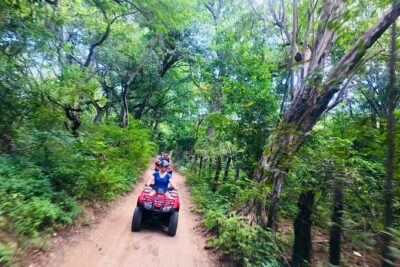
4×4 Dominican Adventure with Chocolate and Coffee Tasting
Read our review →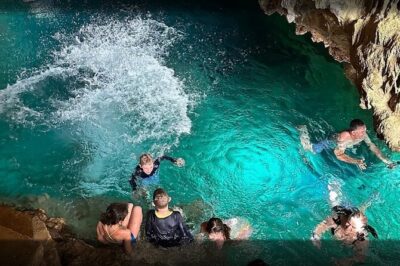
4×4 ATV Experience, Water Cave, Chocolate and Coffee Tasting
Read our review →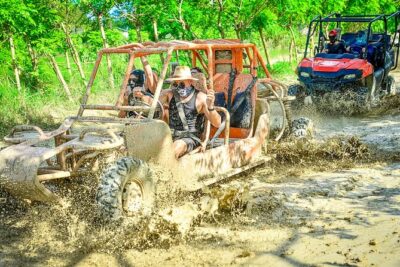
Buggy Adventure Tour with Chocolate and Coffee in Punta Cana
Read our review →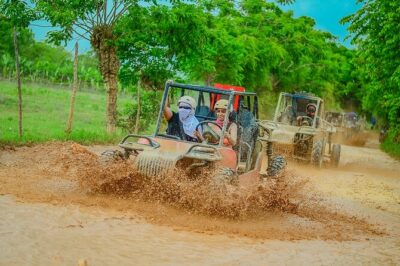
Buggy Ride Into the jungle with cave coffee & chocolate tasting
Read our review →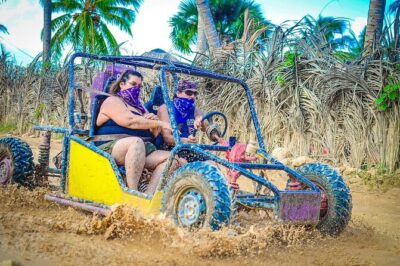
Road Off Half Day Buggy with Chocolate and Coffee Tasting
Read our review →
ATV Adventure w/ Chocolate, Coffee & Cave Swim in Punta Cana
Read our review →
Puerto Plata Private City Tour with Mount Isabel & Rum &Chocolate
Read our review →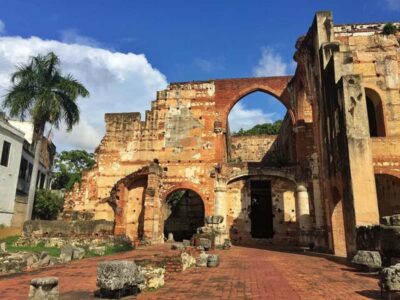
Zona Colonial: Recorrido Histórico con Chocolate y Mamajuana
Read our review →Browse the lists this tour appears in