
REVIEW · DOMINICAN REPUBLIC
Zona Colonial: Recorrido Histórico con Chocolate y Mamajuana
Santo Domingo’s Colonial Zone packs a remarkable amount into a small walking area. This $5 tour takes you from the Sundial and Museum of the Royal Houses to Plaza España, the Alcázar de Colón, Calle El Conde, and the Primate Cathedral of the Americas. You get old stone streets, Spanish colonial buildings, forts, churches, and plenty of stories without committing to a half-day outing.
I like two things right away: the price makes a guided introduction easy to fit into almost any budget, and the route covers several of the district’s best-known landmarks. I also like the choice of languages, with English, French, and Spanish guides available. A guide named Fernando earned specific praise for his work, though your guide may be different.
The main caution is that the advertised two hours may not always be two full hours. One booking lasted about 1 hour and 15 minutes, and the tour appears more focused on buildings and their former residents than on the Dominican Republic’s political story. The title also promises chocolate and mamajuana, but those activities are not described in the actual route.
Key points to know before you book
- Meet at the Sundial: The guide waits at the Reloj del Sol, directly in front of the Museum of the Royal Houses.
- Nine stops in about two hours: The route includes the Alcázar de Colón, Fortaleza Ozama, Calle El Conde, Parque Colón, and the Primate Cathedral.
- Museum tickets cost extra: The guided walk includes visits to major sites, but admission tickets are not included.
- A strong budget option: At $5 per person, this is a low-cost way to get your bearings in the Colonial Zone.
- Chocolate and mamajuana are unclear: Neither the schedule nor the included list describes a tasting or related activity.
- Wear walking shoes: The tour is on foot, wheelchair users are not able to join, and you should bring water, sunscreen, and a camera.
Starting beneath the Colonial Zone’s old Sundial
The tour begins at the Chapel of Our Lady of Remedies, with the actual meeting point at the Sundial, or Reloj del Sol, in front of the Museum of the Royal Houses. This detail matters. The Colonial Zone has many plazas, churches, and old buildings close together, so meeting at a clear landmark saves you from wandering around looking for a guide.
The Sundial sets the mood well. It is a compact historical marker surrounded by old streets and stories about Santo Domingo’s early colonial period. Your guide uses this opening to explain the setting before leading you into the museum and nearby streets.
I would arrive a little early and use the map link supplied with the booking. Look for the guide at the Sundial, not inside the museum. Since this is a walking tour, wear shoes that can handle cobblestones and uneven pavement. There is no need to dress for a long hike, but sandals with poor support could become annoying before the cathedral.
The tour is offered in English, French, or Spanish. The guide’s exact name is not fixed in the details, but Fernando was specifically praised after one booking. That suggests the quality can depend partly on who leads your departure.
A few more chocolate tours around Dominican Republic worth a look
- 4×4 Dominican Adventure with Chocolate and Coffee Tasting
★ 5.0 · 2,920 reviews - 4×4 ATV Experience, Water Cave, Chocolate and Coffee Tasting
★ 5.0 · 1,430 reviews - Buggy Adventure Tour with Chocolate and Coffee in Punta Cana
★ 5.0 · 953 reviews
The Museum of the Royal Houses and a quick look at colonial power
The Museum of the Royal Houses is one of the most useful stops because it gives you objects and rooms to connect with the stories told on the street. The building once served official colonial functions, and the museum presents the systems that governed the Spanish presence in the Americas.
The scheduled guided portion is about 15 minutes. That is enough for an orientation, but not enough for a slow museum visit. If you enjoy reading every display and examining each object, you will probably want to return on your own or allow extra time after the tour.
Museum tickets are not included in the $5 price. This is an important value point. The low cost gets you a guide and a route through the district, but you should budget separately for admission to indoor sites. The information does not give the ticket price, so check the current amount before booking if you want to enter every museum.
I like this stop because it turns the Colonial Zone from a collection of attractive façades into a place shaped by administration, religion, military control, and trade. Still, the short timing means the experience is best viewed as an introduction rather than a full museum visit.
Plaza España and the Alcázar de Colón
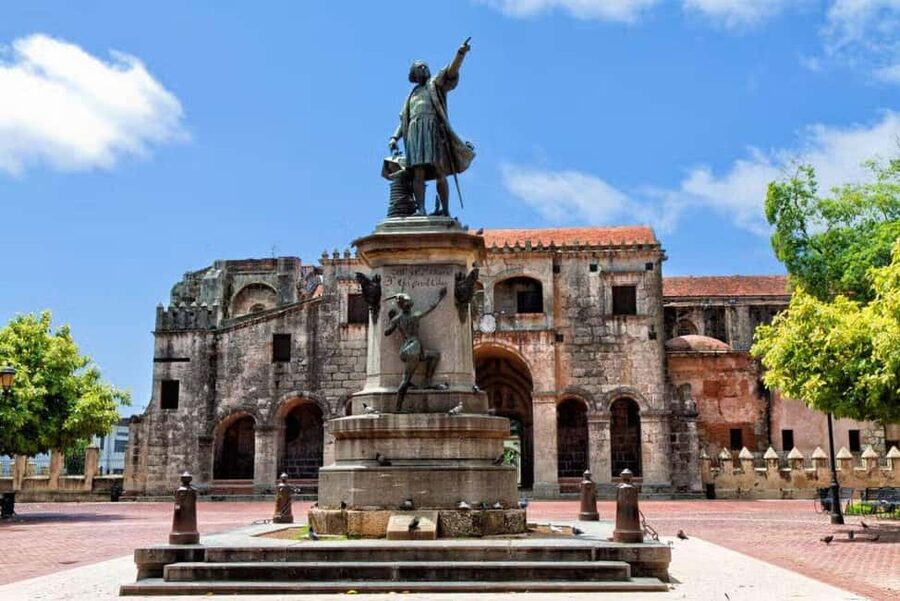
Plaza España gives the tour one of its broadest and most impressive spaces. The square is framed by Spanish colonial architecture and includes a statue of Christopher Columbus. It is also tied to major encounters from the early colonial period, which gives your guide a natural place to explain how Santo Domingo became an important center of Spanish activity.
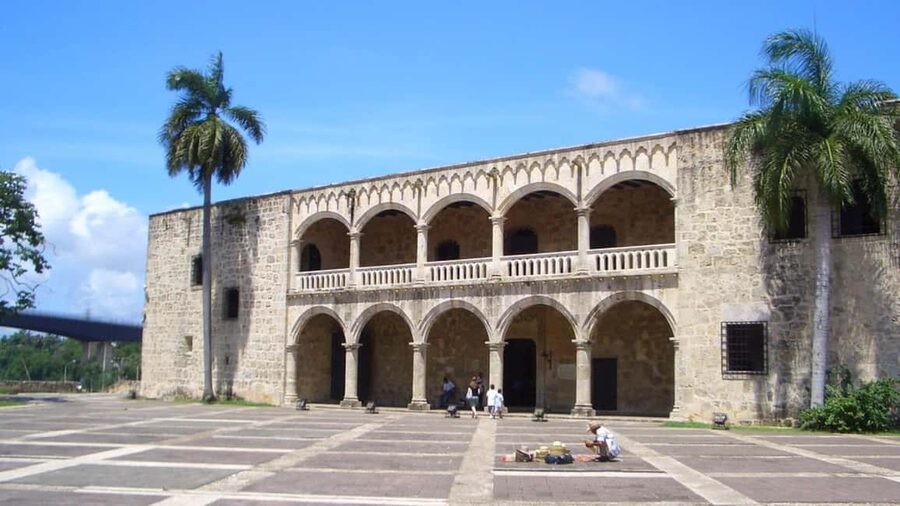
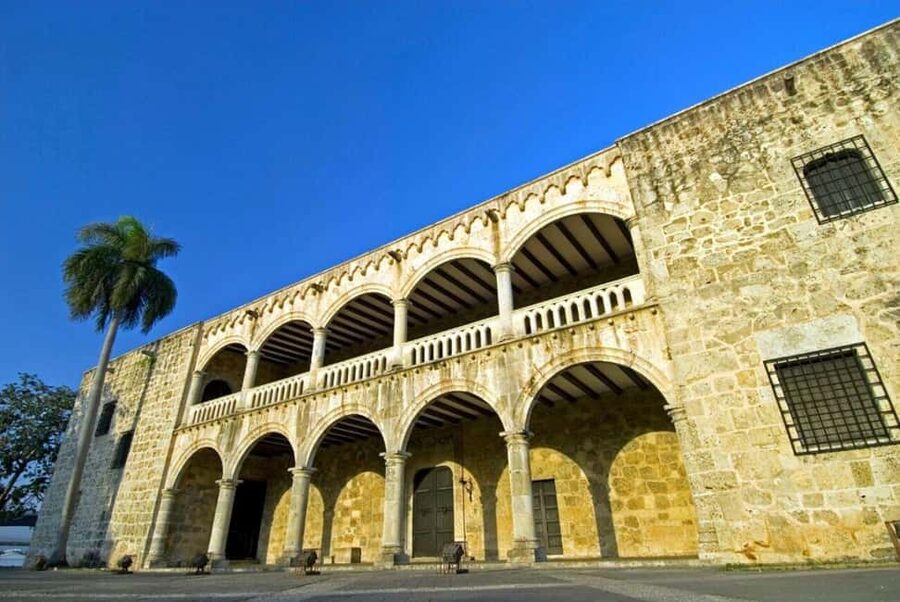
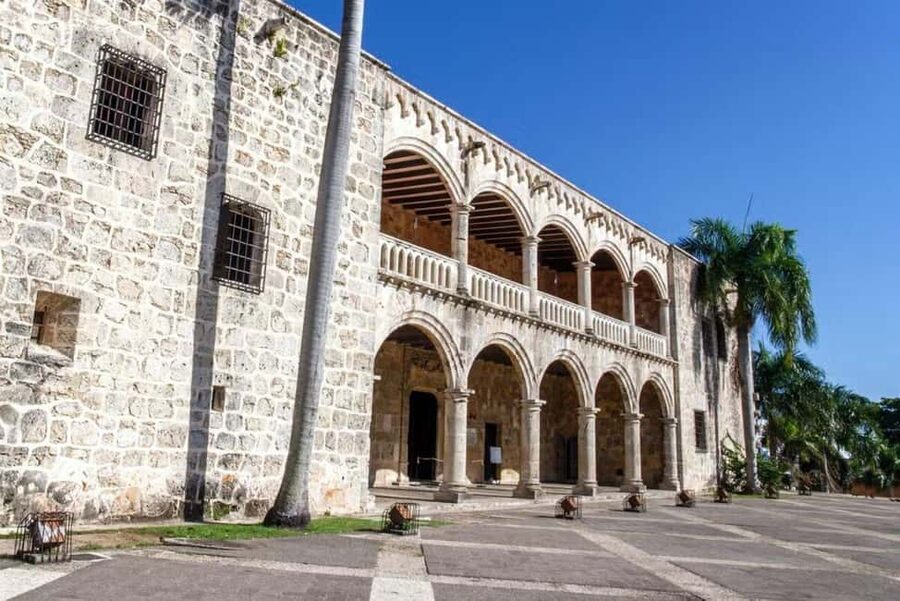
From here, the Alcázar de Colón provides a more intimate look at colonial power. The former residence of the first governors of the Americas is known for its large rooms, courtyards, and formal design. The schedule allows about 15 minutes, so expect a concise visit rather than a long examination of every hall.
This is one of the tour’s best pairings. Plaza España lets you see the district as an urban setting, while the Alcázar shows how the people at the top of the colonial system lived and worked. The contrast helps you read the buildings around you with more care.
The limitation is time. Fifteen minutes at the Alcázar can feel brief, especially if admission lines or museum access slow things down. Since tickets are extra, confirm what your guide means by visit when you meet. You may receive exterior commentary, an interior visit, or a short guided entry depending on the day and timing.
Fortaleza Ozama and the military side of the city
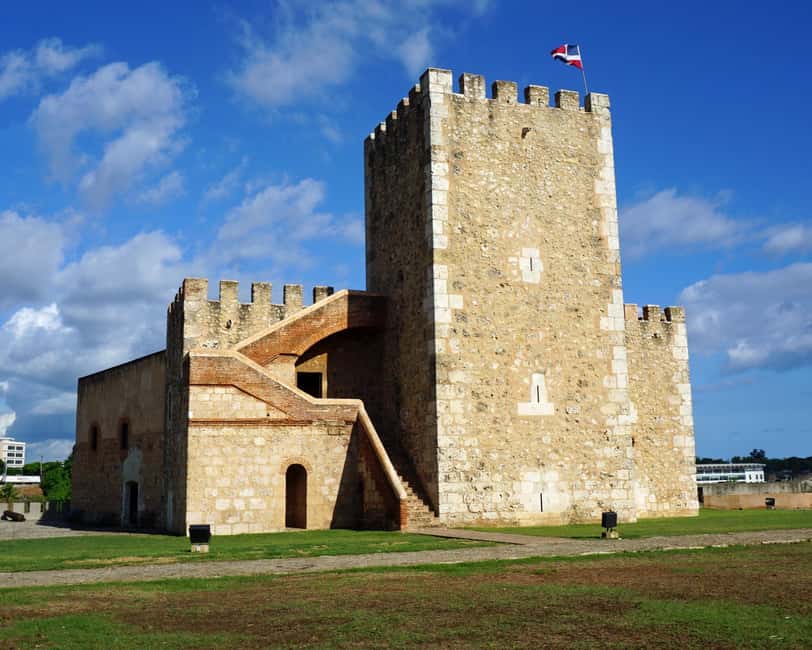
Fortaleza Ozama adds a military chapter to the walk. The fortification is scheduled for about 15 minutes of guided touring, placing it among the stops that explain how the city was protected and controlled.
I find this stop valuable because it balances the palaces and churches. The Colonial Zone is not only about grand residences and religious buildings. Fortifications show the practical concerns of an early port city and help explain why this part of Santo Domingo mattered to the Spanish empire.
Again, the schedule is tight. If you want a slow visit, detailed military explanations, or plenty of time for photographs, two hours may not be enough for the full route and independent exploration. The tour gives you a useful framework, then you can decide which sites deserve a return visit.
Bring water, especially in warm weather. The route includes open-air streets and plazas, and sunscreen is specifically recommended. The guide can provide context, but you are responsible for your own comfort between stops.
Same place, a different way to taste it:
- Buggy Ride Into the jungle with cave coffee & chocolate tasting
★ 5.0 · 465 reviews - Road Off Half Day Buggy with Chocolate and Coffee Tasting
★ 5.0 · 326 reviews - ATV Adventure w/ Chocolate, Coffee & Cave Swim in Punta Cana
★ 5.0 · 178 reviews - Puerto Plata Private City Tour with Mount Isabel & Rum &Chocolate
★ 4.5 · 123 reviews
The Juan Pablo Duarte Wax Museum and Nicolás de Bari Hospital
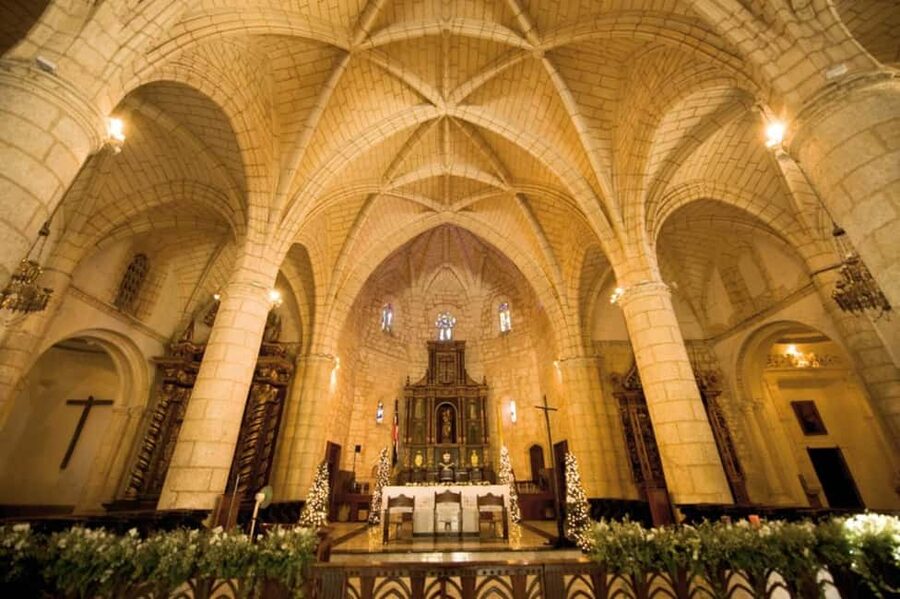
The route also includes the Juan Pablo Duarte Wax Museum, which uses wax figures to present important moments in Dominican history. Juan Pablo Duarte is closely connected with the country’s independence story, so this stop offers a chance to move beyond colonial architecture and toward Dominican national identity.
The supplied schedule does not assign a separate time to the wax museum, and the exact admission arrangement is not explained. Because museum tickets are not included, ask your guide whether the stop includes entry or only an exterior explanation.
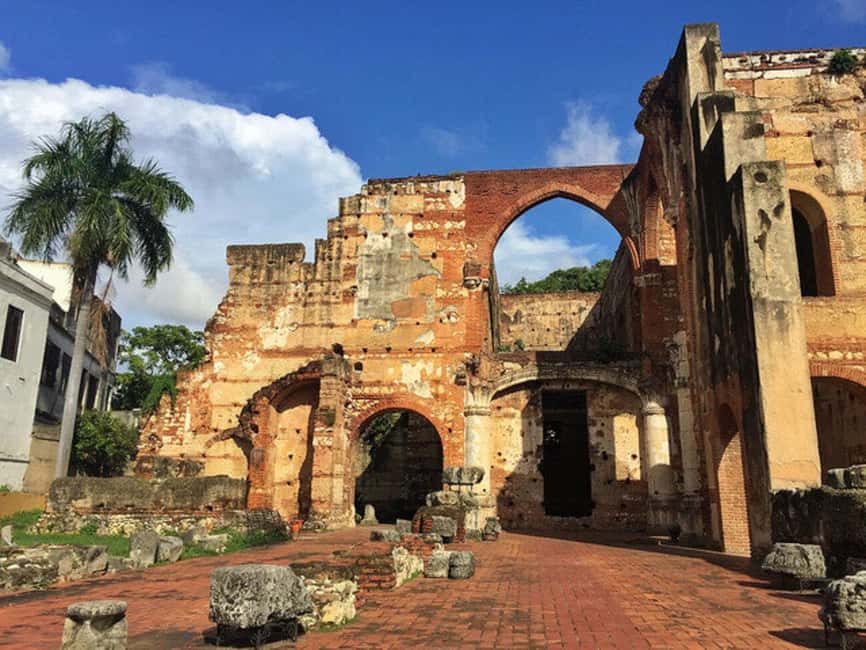
Nicolás de Bari Hospital brings another point of view. The site has witnessed centuries of medical care on the island, and the guide explains how healthcare developed in the Dominican Republic. It is an unusual inclusion and helps widen the tour beyond the usual sequence of plazas, churches, and colonial homes.
These stops could be especially useful if you want social and cultural subjects, not only architecture. Still, the overall route appears to give more attention to buildings and the people connected with them than to a full political account of the Dominican Republic. One booking specifically wanted more explanation of the country’s political past, the relationship with Haiti, and the process of independence. If those subjects are your main goal, ask your guide early and do not assume they will receive much time.
Calle El Conde, where the old district meets daily life
Calle El Conde is one of the oldest and liveliest streets in Santo Domingo’s historic center. The tour allows about 10 minutes here, enough for a guided walk past shops, restaurants, and street performers.
This is a useful change of pace. After museums, forts, and formal squares, Calle El Conde shows the Colonial Zone as a living part of the city rather than a preserved display. You may find it noisy or crowded at times, but that is also part of its appeal. The street gives the old district a present-day pulse.
The short stop is practical for a first orientation. You can note places to revisit later for food, shopping, or people-watching. I would not count on having a leisurely meal during the tour, since the group must keep moving and the street visit is brief.
The route then reaches Parque Colón, scheduled for about 15 minutes. The park offers a pause among the surrounding streets and a closer look at the statue of Christopher Columbus. It is a simple stop, but it gives the guide another chance to connect the city’s public spaces with the wider story of European arrival and colonial rule.
The Primate Cathedral of the Americas
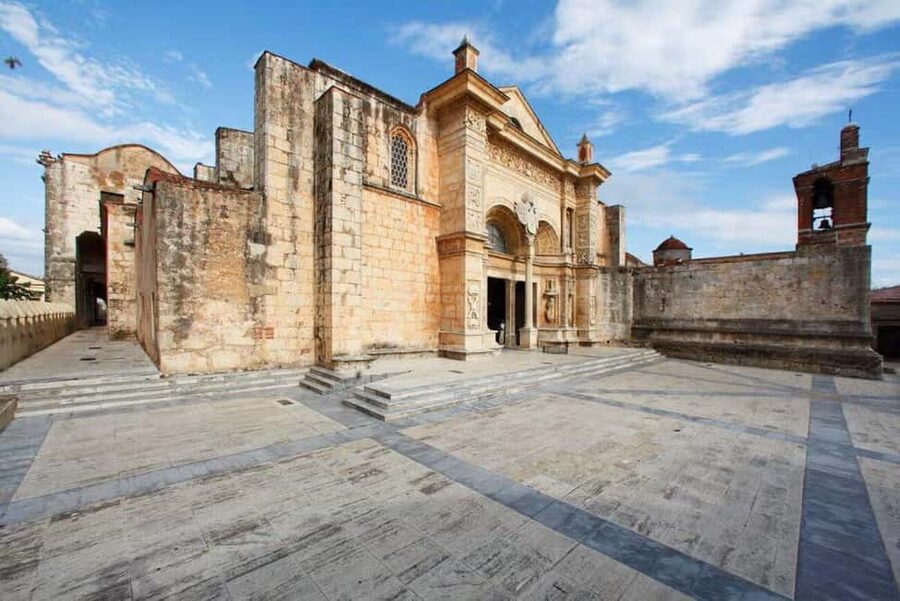
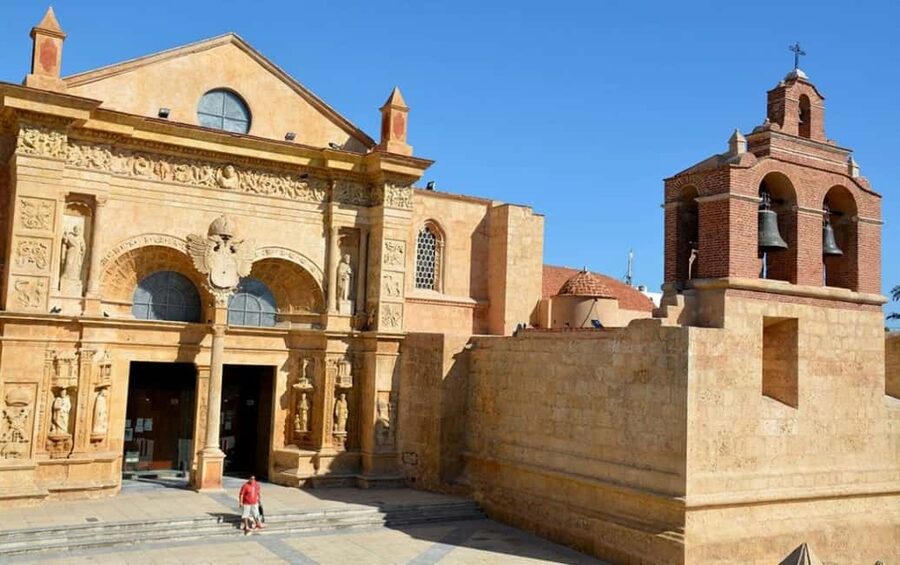
The Primate Cathedral of the Americas receives the longest single scheduled visit, about 20 minutes. That extra time makes sense. The cathedral is one of the district’s major religious landmarks, and its architecture rewards a slower look than a quick photo from the street.
Inside or around the cathedral, your guide can point out architectural details and explain its place in the religious story of the island and the region. The building has witnessed centuries of faith and public life, so it works as a fitting final major stop.
Keep in mind that the tour description does not give detailed rules about interior access, services, photography, or current entry arrangements. Museum tickets are not included, and the information does not clearly separate cathedral admission from other site fees. Ask your guide before entering if you need to know what is covered.
The cathedral is also a good place to decide how much more of the Colonial Zone you want to see. The tour returns toward the Chapel of Our Lady of Remedies after the final guided segment, but you may want to remain in the area afterward if your schedule allows.
What the $5 price really buys you
At $5 per person, this is one of those experiences where the value comes from structure rather than luxury. You are paying for a guide, a set route, and historical commentary across several important sites. You are not paying for transportation, a meal, museum admissions, or a long specialist lecture.
For a visitor who has only a short window in Santo Domingo, the price is easy to justify. A guide helps you find the key landmarks and gives names and context to places you might otherwise photograph without understanding. The route also covers enough ground to help you choose where to spend more time later.
The low price requires realistic expectations. The tour is advertised as two hours, but one booking lasted about 1 hour and 15 minutes. That may reflect a shorter pace, site access, or a particular departure, but I would avoid scheduling an important reservation immediately afterward. Treat the duration as approximate.
The booking also offers free cancellation up to 24 hours before the start and a reserve-now, pay-later option. Those terms make it easier to place the walk into a changing itinerary. They do not change the main question: are you looking for a quick introduction or a detailed study? For the former, the value is strong. For the latter, you will need extra time and perhaps separate museum visits.
The chocolate and mamajuana question
The tour title includes chocolate and mamajuana, which naturally suggests tasting or a short food and drink experience. The actual route and included list do not describe either one. They focus on historical sites, architecture, museums, and the walking route.
I would not book this expecting a chocolate sample, a mamajuana tasting, or a demonstration. Ask the provider for clarification before paying if those elements are important to you. Based on the available details, the dependable part of the experience is the Colonial Zone walk, not the food and drink wording.
That mismatch is the clearest issue with the presentation. It does not erase the value of the historical route, but it can leave you disappointed if you selected the tour mainly for local flavors.
Who will get the most from this walk?
I would recommend it to first-time visitors who want a quick introduction to Santo Domingo’s old center, especially people traveling on a tight budget. It also suits visitors who prefer a guide to handle the basic orientation while they decide which museums and landmarks deserve more time.
The tour should work well for history and architecture fans who enjoy seeing many different types of sites in one outing. You get government buildings, a former governor’s residence, a fort, a hospital, a commercial street, a public park, and a cathedral.
It is less suitable for anyone who wants a detailed account of Dominican political history, the country’s independence, or the relationship between the Dominican Republic and Haiti. Those subjects may come up, but the available feedback indicates that the main emphasis is on buildings and the people who lived or died in them.
It is also not suitable for wheelchair users. The tour involves walking through historic streets, and the supplied information specifically excludes wheelchair access. Bring comfortable shoes, water, sunscreen, and a camera. Guides speak English, French, or Spanish, so choose the language that lets you ask the most questions.
Should you book this Colonial Zone tour?
Book it if you want a very affordable two-hour introduction to Santo Domingo’s historic center and you are happy to pay museum admission separately. The route covers many worthwhile landmarks, and the guide can give you a useful sense of how the district fits together.
Skip it, or choose a longer private experience, if you need a full political history, guaranteed two hours, detailed museum time, or a confirmed chocolate and mamajuana tasting. If you do book, meet at the Sundial in front of the Museum of the Royal Houses, arrive ready to walk, and ask at the start how much time is planned for each indoor site.
At $5, the risk is small. Just book it for what it clearly provides: a brisk, guided walk through Santo Domingo’s Colonial Zone, not a full historical seminar or a food tour.
FAQ
Where does the tour begin?
The guide waits at the Sundial, or Reloj del Sol, in front of the Museum of the Royal Houses. The listed starting location is the Chapel of Our Lady of Remedies.
How long does the tour last?
The advertised duration is two hours. One booking lasted about 1 hour and 15 minutes, so the actual length may vary.
What languages are available?
The live tour guide is available in English, French, and Spanish.
Are museum tickets included?
No. Museum tickets are not included in the activity price.
What sites are visited?
The route includes the Colonial Zone, Alcázar de Colón, Museum of the Royal Houses, Fortaleza Ozama, Calle El Conde, Parque Colón, and the Primate Cathedral of the Americas. The included stops also name the Juan Pablo Duarte Wax Museum and Nicolás de Bari Hospital.
Is the tour wheelchair accessible?
No. The activity is not suitable for wheelchair users.
What should I bring?
Bring comfortable shoes, a camera, sunscreen, and water.
Just added around Dominican Republic
- Buggy Off-Roading with Chocolate and Coffee Tasting in Punta Cana★ 5.0 · 16 reviews
- Punta Cana Buggy with Chocolate, Coffee & Cave Swim★ 4.5 · 21 reviews
- ATV Ride with Coffee, Chocolate Tasting and Cenote in Punta Cana★ 5.0 · 13 reviews
- Extreme Jungle Buggy Ride with Coffee and Chocolate Tasting★ 5.0 · 10 reviews
- Chocolate Master Class & Taino Concept Store★ 5.0 · 43 reviews
- Half Day ATV tours with coffee & chocolate tasting★ 5.0 · 45 reviews
- Discover Dominican Treasures: Rum, Cigars, Coffee & Chocolate★ 3.0 · 5 reviews
- Guided Shopping Tour to Bella Mare Store (Cigars, Chocolate, Rum and Souvenirs)★ 3.5 · 24 reviews
Dominican Republic Chocolate Tours, compared.
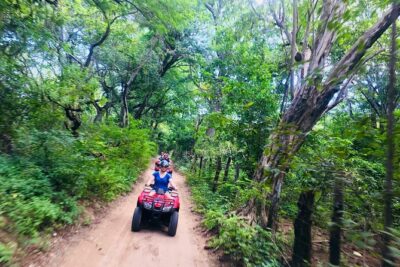
4×4 Dominican Adventure with Chocolate and Coffee Tasting
Read our review →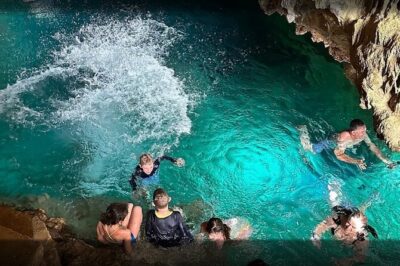
4×4 ATV Experience, Water Cave, Chocolate and Coffee Tasting
Read our review →
Buggy Adventure Tour with Chocolate and Coffee in Punta Cana
Read our review →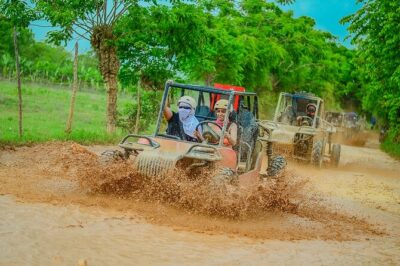
Buggy Ride Into the jungle with cave coffee & chocolate tasting
Read our review →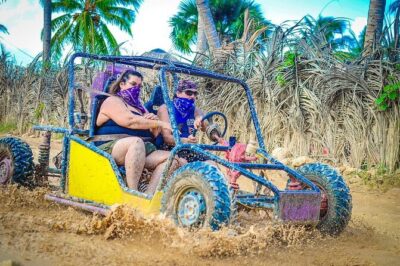
Road Off Half Day Buggy with Chocolate and Coffee Tasting
Read our review →
ATV Adventure w/ Chocolate, Coffee & Cave Swim in Punta Cana
Read our review →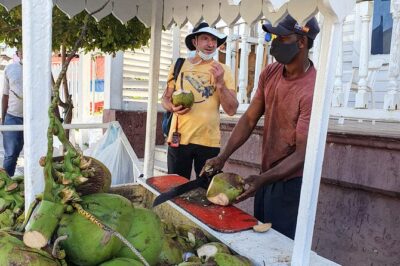
Puerto Plata Private City Tour with Mount Isabel & Rum &Chocolate
Read our review →
ATV OR BUGGY Ride Into the jungle with cave coffee & chocolate
Read our review →Browse the lists this tour appears in