
REVIEW · FRANCE
Colmar: Chocolate Museum Entrance Ticket
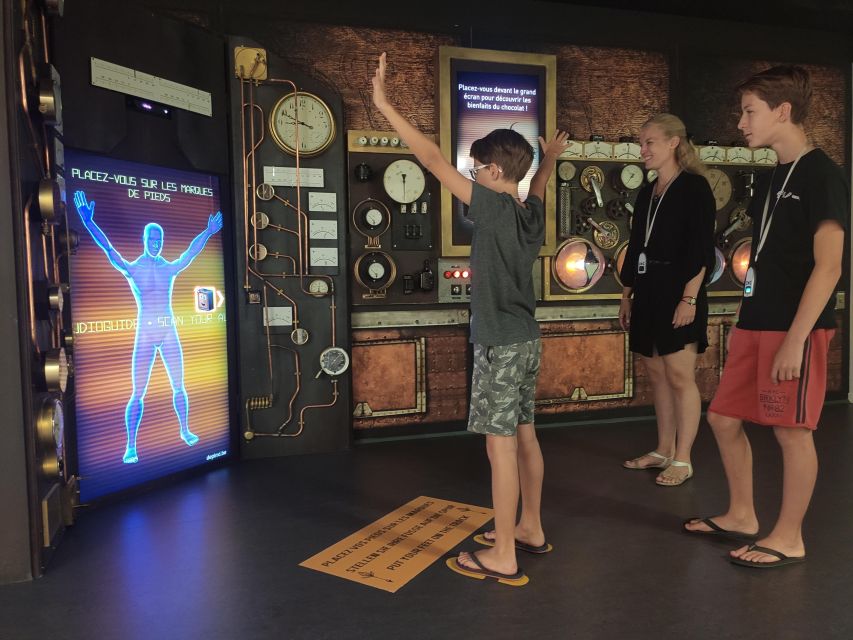
Chocolate gets the full theatrical treatment at Choco-Story COLMAR. You begin in a tropical forest, meet a cocoa-eating monkey, enter an Aztec temple, board a 16th-century Spanish ship, and finish with Alsace’s chocolate industry. It is part museum, part tasting trail, and part family attraction.
I especially like the 30 chocolate experiences, because the visit is not just a line of glass cases. Films, 3D projections, changing rooms, and interactive displays keep the story moving. I also like the many tastings, which turn dry facts about cocoa into something you can judge with your own palate.
The main thing to consider is that this is a self-guided museum rather than a live tour. You get an audio guide app and plenty of visual material, but anyone hoping to ask a specialist questions at each stop may find the presentation less personal.
Key points to know before you go
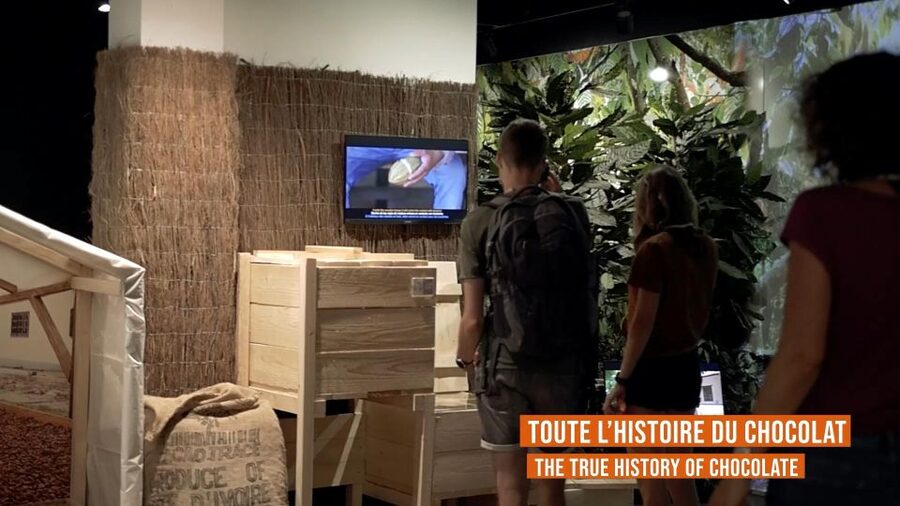
- A five-thousand-year story: Follow cocoa from its early use in the Americas to European courts and modern factories.
- A changing route through themed rooms: Tropical forest, Aztec temple, Spanish ship, royal interiors, and industrial Alsace each present a different chapter.
- Tastings are part of the visit: Samples appear along the route, with historical chocolate flavors included.
- Three chocolatiers appear on screen: The virtual demonstration covers recipes and working tricks rather than offering a live class.
- Good for mixed-age groups: The interactive format works for children, adults, and older visitors.
- Practical value at $14: The ticket includes admission, samples, the virtual demonstration, and the audio guide app.
Starting in the cocoa forest
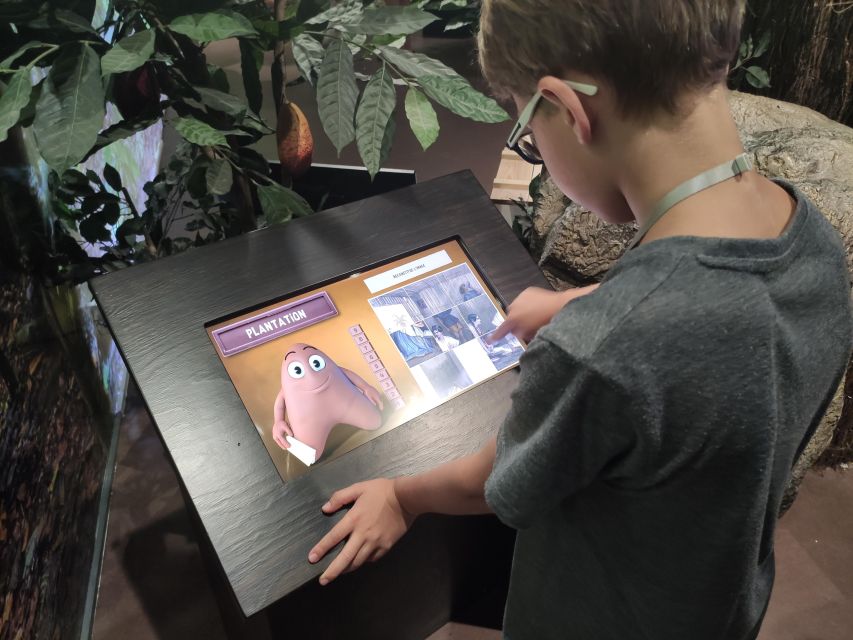
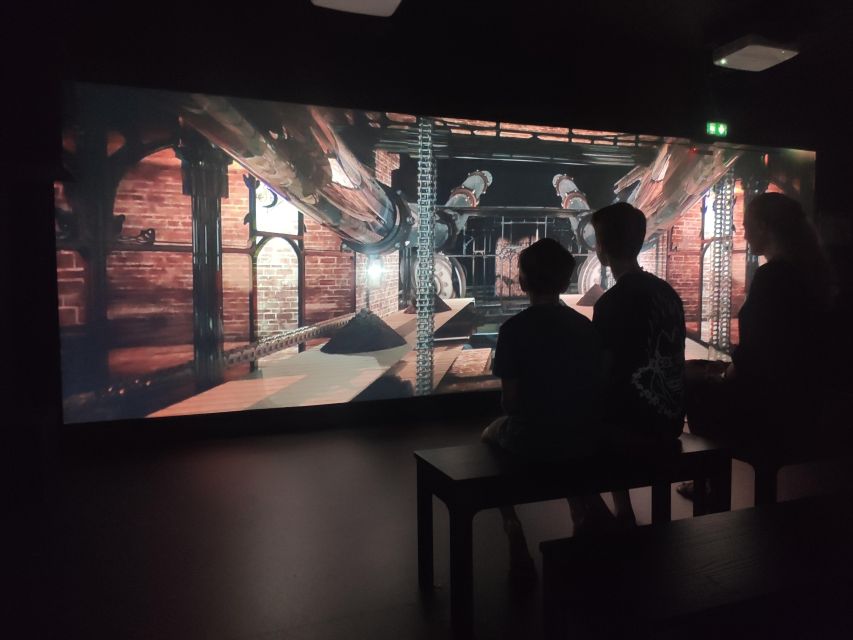
The route opens far from Colmar, in a tropical forest where cocoa trees grow. A small monkey eating cocoa pods helps set the tone. This is a simple entry point, but a useful one: before chocolate becomes a bar, drink, or dessert, it begins as a crop that must be harvested.
You learn about cocoa tree harvesting in this first section. The museum uses scenery and visual effects to make the subject easier to grasp, especially for children who might not linger over a written panel.
I like this opening because it gives the product a physical beginning. Chocolate can seem like something made in a shop window, but here you start with the pod and the tree. The display also gives you a reason to pay attention to later sections, where cocoa changes from a raw ingredient into a prized drink.
More Chocolate Museums in France:
- Paris: Entrance Ticket to the Chocolate Museum
★ 4.1 · 1,105 reviews - Paris: 45-minute Chocolate Making Workshop at Choco-Story
★ 4.4 · 444 reviews - Choco-Story Paris – The Chocolate Museum
★ 4.0 · 183 reviews
Entering the Aztec temple
The next setting is an Aztec temple, centered on the serpent god Quetzalcoatl. According to the legend presented here, Quetzalcoatl introduced cocoa to the earth.
This section gives the museum a mythic turn, but it also shows how food can carry religious and cultural meaning. The story is presented through a themed environment rather than only through text, so it should hold the attention of visitors who prefer a visual approach.
You should treat the legend as a cultural story, not as a modern explanation of cocoa’s origins. That distinction matters, and the museum’s value here is in showing how cocoa was understood and honored in the world it came from.
Sailing toward 16th-century Europe
From the temple, you enter a room set on a Spanish ship. The floor creaks, lamps move, and windows suggest the sea. This theatrical scene presents cocoa’s journey to Europe in the 16th century.
The moving effects are not subtle, and that is part of the fun. This is not a quiet academic gallery. You are meant to feel the ship setting, even though you are still inside a museum in Colmar.
The ship room also helps explain a major change in chocolate’s story. Cocoa leaves its original setting and becomes a new product in Europe. If you have children with you, this is likely one of the easier historical steps to remember because the room gives the journey a clear physical setting.
Chocolate reaches European courts
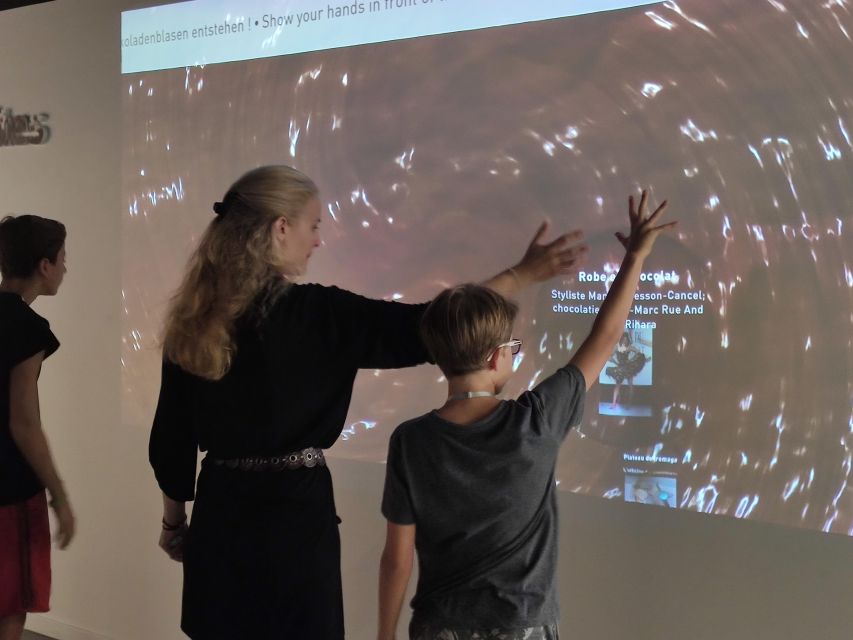
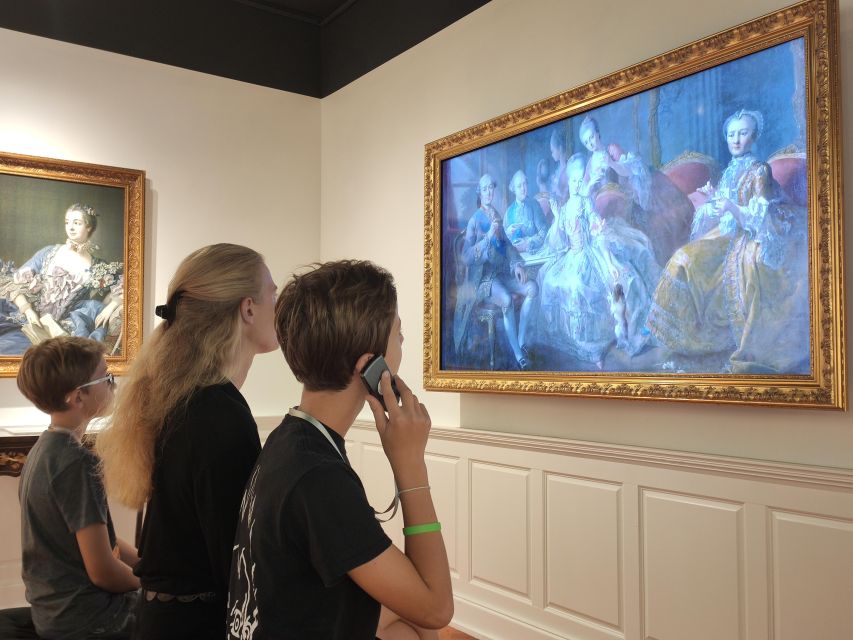
A century later, chocolate enters European courts. The museum turns to the luxurious equipment created for drinking this expensive and unusual beverage.
This is one of the more revealing stops because it shows that chocolate was once a social signal as much as a food. Cups, serving pieces, and drinking customs helped make cocoa part of court life. You also get to try some of the original flavors associated with that period.
Do not expect every historical flavor to match a modern chocolate bar. That is the point. The tasting lets you compare older ideas about cocoa with the sweeter, smoother products most people know today.
For me, this is where the visit moves beyond a basic candy display. You are not only learning that chocolate became popular in Europe. You are seeing how people drank it, displayed it, and built habits around it.
A few more chocolate tours around France worth a look
- Lindt Home of Chocolate Museum Entry Ticket
★ 4.7 · 9,329 reviews - Cologne: Chocolate Museum Entrance Ticket
★ 4.4 · 2,790 reviews - Zurich Sights: Cruise, Lindt Chocolate and optional FIFA Ticket
★ 4.0 · 1,028 reviews - Princeville Botanical Gardens Tour and Chocolate Tasting Ticket
★ 5.0 · 774 reviews
When chocolate was treated as medicine
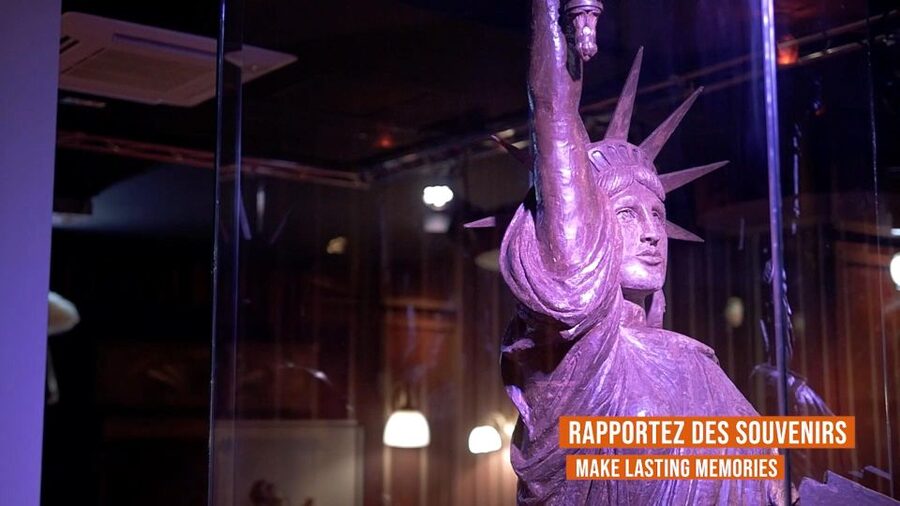
Chocolate was also considered a medicine, and the museum examines the beliefs and claims connected with cocoa’s health benefits. This section separates accepted ideas from older assumptions and shows how chocolate acquired a reputation beyond simple enjoyment.
The subject is useful because health claims around cocoa still appear today. A museum treatment gives you historical context without requiring you to accept every old belief as fact.
This may be a shorter stop for children, but adults interested in food history will find it worthwhile. The key lesson is that chocolate has long carried several identities at once: luxury drink, medicine, religious or cultural substance, and treat.
The Alsace connection on the second floor
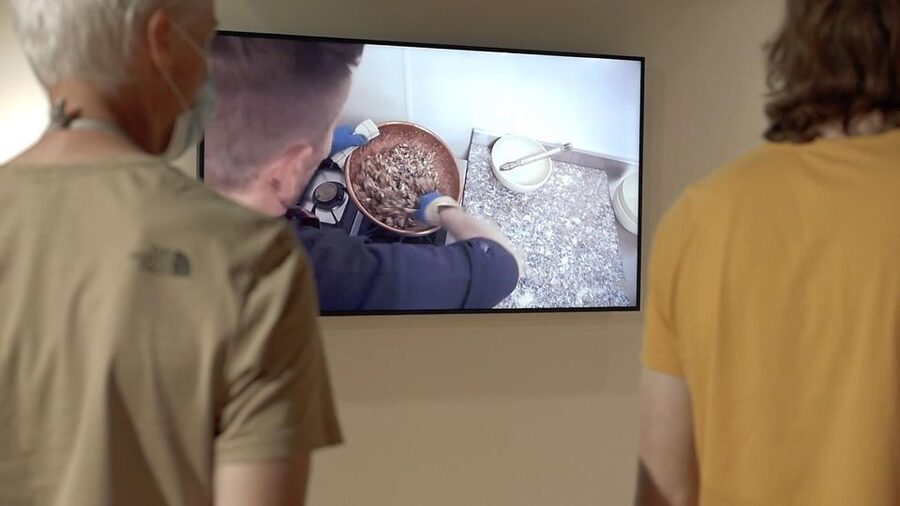
The second floor turns to industrialization and the chocolatiers who helped make Alsace the largest producer of chocolate in France. This section brings the story closer to Colmar and gives the museum a strong regional connection.
The earlier rooms explain where cocoa came from and how it spread. The industrial section explains how chocolate became something that could be produced on a much larger scale. That change is central to the chocolate you buy today, and it also links the museum to the food traditions of Alsace.
I would give this floor proper attention rather than rushing straight to the final demonstration. The regional story is one of the main reasons to visit this museum in Colmar instead of treating it as a generic chocolate attraction.
The information is delivered through a mix of displays and other media. Since there is no live guide, you should use the audio app and let the exhibits set your pace.
The virtual demonstration by three chocolatiers
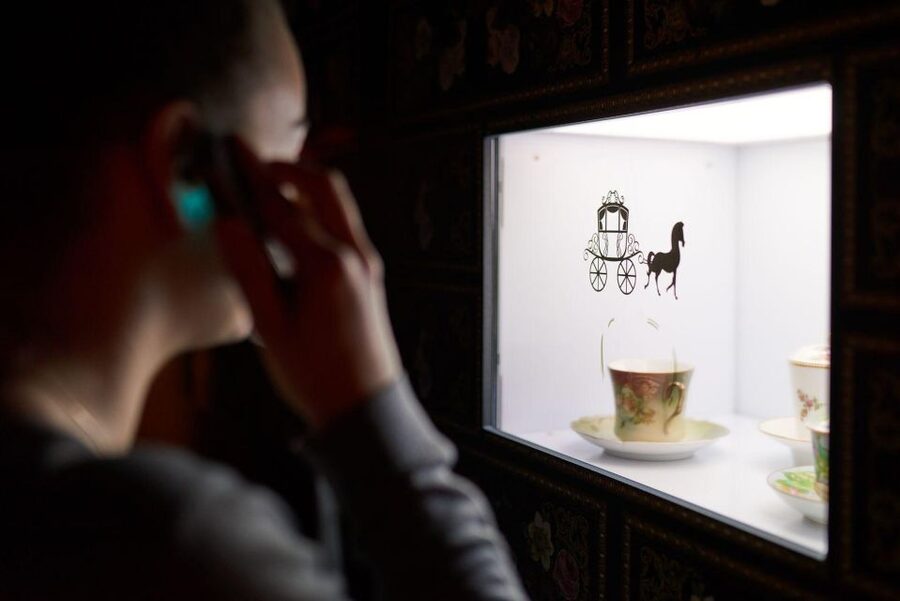
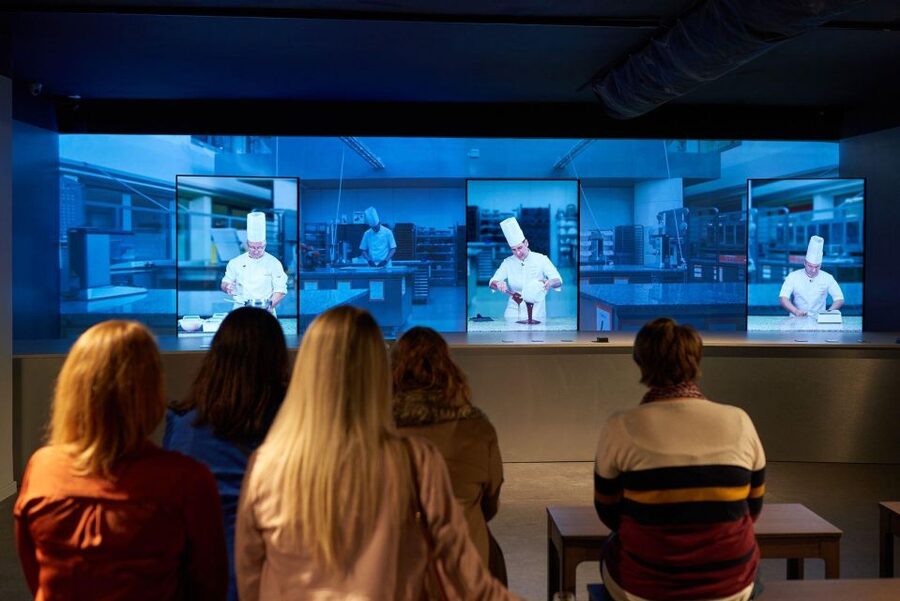
Near the end, you meet three master chocolatiers through a virtual demonstration. They present recipes and explain some of the tricks used to make chocolates properly.
This is not a hands-on class, so keep your expectations in check. You will watch and learn rather than temper chocolate yourself or leave with a box you made. Still, the demonstration adds a practical finish to the historical route.
I like the change in focus here. The early sections explain cocoa’s past, while the demonstration shows how skilled makers work with it today. It gives you something concrete to take away, especially if you enjoy seeing technique rather than only reading about finished products.
The virtual format also fits the museum’s larger approach. The visit uses films, projections, interactive features, and digital material instead of relying on a guide standing in every room.
Tastings make the history easier to remember
Samples appear as you move through the museum, and tasting is one of the ticket’s strongest features. You do not have to imagine how chocolate changed over time when you can sample different flavors along the route.
The tasting element helps justify the $14 price. Admission to a themed museum is one thing, but samples, the audio guide, and the virtual demonstration are all included. For anyone who already enjoys chocolate, the visit offers more than a quick look at displays.
The quality and selection of individual samples are not specified, so I would not book this expecting a full meal or a large take-home box. Think of the tastings as small sensory examples that support the story.
One practical tip: pace yourself. The route covers a lot of material, and the samples are best treated as part of the museum rather than the sole reason to go.
How the audio guide changes the visit
The audio guide app is available in Chinese, English, French, German, Dutch, and Spanish. That range makes the museum easier to use for international visitors, and it lets you absorb the story in a language you understand well.
Because there is no live guide, the app matters. It gives you structure as you move through the rooms and helps explain why each setting appears. If you prefer an energetic guide who can answer questions on the spot, this format may feel limited.
On the other hand, self-guided access gives you control. You can spend more time with the courtly chocolate displays, move quickly through a section that interests you less, and pause for tastings without keeping up with a group.
The museum also lists hosts or greeters who can speak Chinese, English, French, German, Spanish, and Dutch. The activity itself remains self-guided, so do not confuse language assistance at the venue with a private live tour.
Is $14 a fair price?
At $14 per person, the ticket is reasonably priced for a one-day museum visit that includes samples, an audio guide app, and a virtual demonstration. The value is strongest if you enjoy food history and interactive presentation, not just chocolate tasting.
A conventional museum ticket might give you objects and labels. Here, you get a full sequence of themed rooms, films, 3D projections, tastings, and digital instruction. That variety makes the price easier to accept for families or mixed-age groups.
The value is weaker if you want a short stop focused only on premium chocolate. You are paying for the history and staged presentation as much as for the sweets.
The ticket is valid for one day, and availability determines the starting times. You can reserve now and pay later, and cancellation is allowed up to 24 hours in advance for a full refund. Those terms are useful when your Colmar plans are still shifting.
Who will enjoy this most?
Families should find the changing scenes and interactive displays easier for children than a traditional history museum. The tropical forest, monkey, temple, ship, and projections give younger visitors clear visual hooks.
Adults who enjoy food history will get more from the court sections, historical flavors, medicine discussion, and industrial story. The visit is not only about confectionery. It explains how cocoa moved between cultures and how production changed.
It also suits a rainy day in Colmar. The experience is entirely indoors, and the route offers enough variety to fill a meaningful part of your day without requiring a long guided walk outside.
Older visitors may appreciate the clear structure and multiple ways to take in the material. One recent assessment described the museum as suitable for small children, adults, and older people, and that matches the mix of visual scenes, tastings, and explanatory material.
You may want to skip it if you dislike staged attractions, digital presentations, or self-guided museums. A live guide is not included, and there is no indication of a hands-on chocolate-making workshop.
Accessibility and useful planning details
The museum is wheelchair accessible. That is important for a route built around several rooms and a second floor, though the provided information does not detail every surface, lift, or restroom arrangement.
The experience lasts for one day in the booking sense, rather than providing a stated number of hours. Check the available starting times before you reserve, especially if you are fitting the museum between other Colmar plans.
You do not need to arrange a live guide. The audio app is included, and the activity is offered in Chinese, English, French, German, Dutch, and Spanish.
The overall rating is 4.5 out of 5 from 187 ratings. Recent feedback especially praises the variety of supports, the interactive format, clear explanations, and combination of learning and tasting. One useful point of criticism concerns the hot chocolate at the end, which may not meet every visitor’s expectations, so regard that drink as a small extra rather than a reason to book.
Should you book Choco-Story COLMAR?
I would book this for a family-friendly indoor visit, a chocolate enthusiast, or anyone curious about how cocoa moved from the Americas to European courts and Alsace factories. The $14 price is fair because it includes much more than entry: samples, the audio guide, digital presentations, and the chocolatier demonstration.
I would be more cautious if you want a live expert, a serious production tour, or a hands-on class. This is a playful museum with a strong visual and tasting focus. If that sounds like your kind of afternoon, it offers a clear story, plenty to look at, and enough chocolate to make the history stick.
FAQ
How much does the Colmar Chocolate Museum ticket cost?
The ticket costs $14 per person.
How long is the ticket valid?
The ticket is valid for one day. Starting times depend on availability.
What is included with admission?
Admission includes entry to the Chocolate Museum, chocolate samples, the virtual demonstration, and an audio guide app.
Is there a live guide?
No live guide is included. The visit uses an audio guide app and interactive exhibits.
Which languages are available for the audio guide?
The audio guide is available in Chinese, English, French, German, Dutch, and Spanish.
Is the museum wheelchair accessible?
Yes, the activity is listed as wheelchair accessible.
Can I cancel the booking?
Yes. You can cancel up to 24 hours in advance for a full refund. You can also reserve now and pay later.
Just added around France
- Wine and Chocolate experience★ 4.6 · 3 reviews
- Private Wine and Chocolate Tasting Experience★ 4.4 · 3 reviews
- Wine and chocolat tasting at Chablis.★ 4.9 · 5 reviews
- Trio Chocolaté – Tour en français – Champagne Passy-Grigny★ 5.0 · 5 reviews
- tasting workshop of 6 to 8 wines with charcuterie chocolate cheese★ 5.0 · 48 reviews
- Molded Bonbons Chocolate making class in Paris (collective)★ 4.5 · 20 reviews
- Private Wine and Chocolate Tasting in Paris★ 4.5 · 4 reviews
- Paris Sweet & Chocolate Family Treasure Hunt★ 5.0 · 37 reviews
France Chocolate Tours, compared.
Paris French Sweets Tasting Tour with Pastries and Chocolates
Read our review →
A Morning in Paris Food Tour: Croissants, Baguettes & Chocolate
Read our review →
Saint-Germain: Gourmet Chocolate & Pastry Walking Food Tour
Read our review →
45-minute Chocolate Making Workshop at Choco-Story
Read our review →
Paris Chocolate, Macaron & Pastry Food Tour: 10 Gourmet Tastings
Read our review →
Passy-Grigny: Chocolate and Champagne Tasting Tour
Read our review →
Paris Pastry Tour – Croissants, Macarons & Iconic French Desserts
Read our review →Browse the lists this tour appears in