
REVIEW · PARIS
Choco-Story Paris – The Chocolate Museum
Paris has museums for art, war, perfume, and wine. This one is for chocolate, and it takes the subject seriously. At Choco-Story Paris, you follow cocoa from the ancient Olmecs and Aztecs to French royal courts and modern confectionery, with unlimited tastings along the way.
I like the freedom of a self-guided visit. You can move quickly through the displays in about 90 minutes, or linger for two or three hours with the films, tools, molds, and children’s activities. I also like the three-language panels in English, French, and Spanish. The main drawback is that this is a museum about making chocolate, not a full working chocolate factory, so the demonstrations are mainly virtual rather than live.
Key points to know before you go
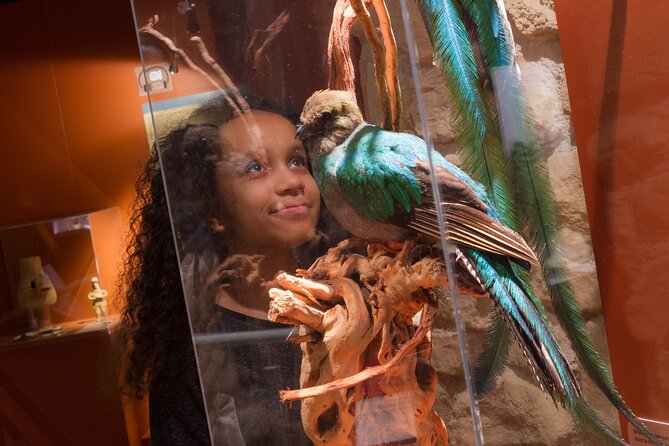
- Three floors cover 4,000 years of chocolate history, from cocoa’s early use in South America to its spread through Europe.
- Unlimited samples are included, with dark, milk, white, praline, and other tastings available during the visit.
- The visit is entirely self-guided, so you set the pace and do not join a tour group.
- A hot chocolate upgrade is worth considering, especially in cool weather, though it may feel too heavy on a hot summer day.
- Children get extra help from activity booklets, making this a stronger family stop than a formal museum tour.
- The museum is near Bonne Nouvelle Metro, with the entrance at 28 Boulevard de Bonne Nouvelle in central Paris.
What the Choco-Story Paris visit is really like
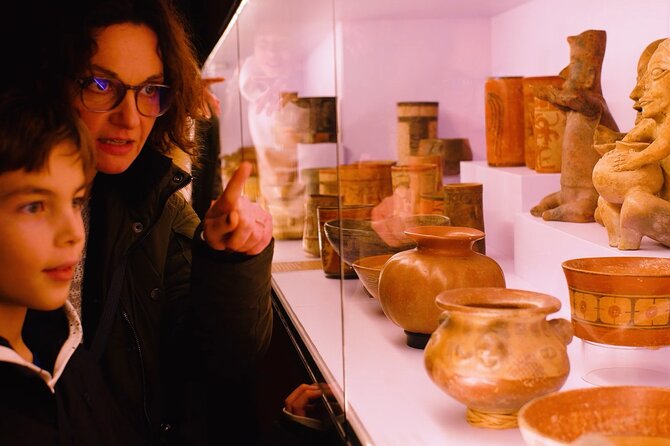
Choco-Story Paris, also called the Musée Gourmand du Chocolat, is a compact museum spread over three floors. You enter at 28 Boulevard de Bonne Nouvelle, show your ticket, and then explore on your own.
The advertised visit takes about 90 minutes, but that is only a guide. If you read every panel, watch the audiovisual material, try the samples, and let children complete the activities, two hours is easy. One particularly enthusiastic visit lasted three hours, which tells you something useful: the museum is small, but it rewards a slow pace.
This is not a grand Paris attraction on the scale of the Louvre or Musée d’Orsay. That is part of its appeal. You can fit it into a free afternoon without giving up half a day, and you do not need to plan your visit around a guide’s schedule.
The museum is best understood as a history and education stop with edible extras. The chocolate makes the subject pleasant, but the exhibits provide the main structure.
More Chocolate Museums in Paris:
- Paris: Entrance Ticket to the Chocolate Museum
★ 4.1 · 1,105 reviews - Paris: 45-minute Chocolate Making Workshop at Choco-Story
★ 4.4 · 444 reviews - Paris : 45 min Chocolate Workshop at Choco-Story Paris
★ 4.0 · 51 reviews
From cocoa bean to royal drink
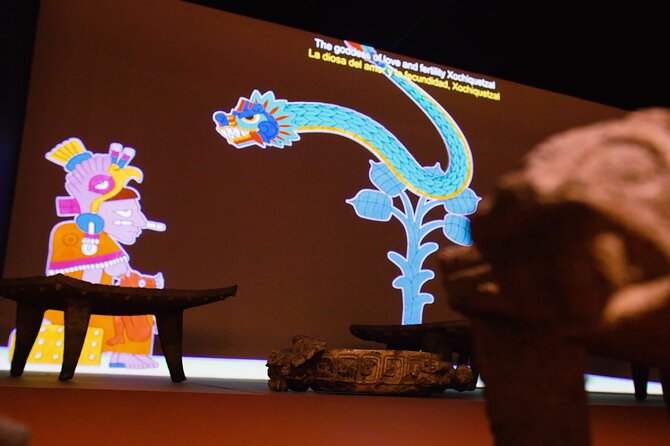
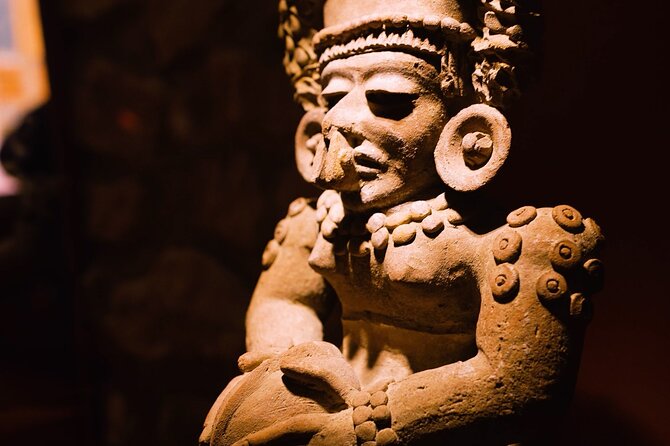
The first part explains where chocolate began. The story reaches back roughly 4,000 years to the Olmec peoples of South America, who appear to have consumed cocoa as a drink as early as about 1900 BC.
From there, the displays explain the role of chocolate among the Maya and Aztec civilizations. Cocoa was not simply a sweet snack. It was used as a drink, connected to ceremony, and treated as a prized product. The museum uses objects and information panels to show how the bean moved from local ingredient to something with social and religious importance.
This section is valuable because it corrects a common modern assumption. Chocolate did not begin as a candy bar. For much of its early history, it was bitter, liquid, and closely linked to ritual and status.
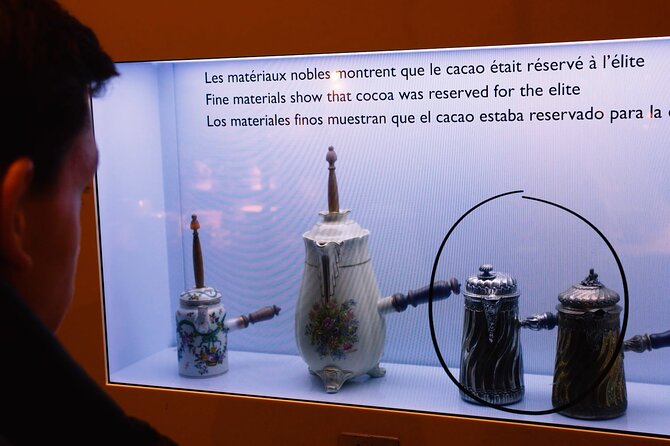
The material is presented through more than 1,000 original artifacts, along with explanatory panels in English, French, and Spanish. If you enjoy reading museum text, you can spend a good deal of time here. If you are visiting with young children, you may prefer to skim the longer panels and focus on the objects, pictures, films, and tastings.
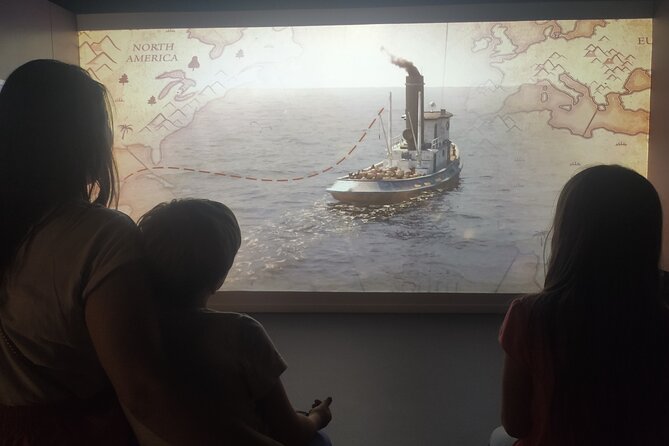
The displays also trace cocoa’s movement through trading routes to Europe. The European chapters explain how chocolate became fashionable among nobles and royal courts, including French monarchs in the 1700s and 1800s.
That part gives the museum a useful Paris connection. You are not just learning about an agricultural product from far away. You are seeing how chocolate became a European luxury before gradually becoming available to a wider public.
Tools, molds, and the craft of chocolate
The museum’s collection includes historical chocolate-making equipment, candy molds, utensils, posters, and chocolate sculptures. These objects help show how chocolate production changed over the centuries.
You can see the contrast between small-scale preparation and later commercial production. The molds are particularly good for families because they make the subject easy to understand. Chocolate is shaped, poured, cooled, and decorated, and the tools reveal how much work sits behind a finished confection.
There are also displays about the cocoa tree, the beans, and the steps that lead to finished chocolate. The museum does not present this as a hands-on factory tour, so you should adjust your expectations before booking.
If you hope to watch a chocolatier temper a large batch, fill a production line, and hand you a freshly finished bar, this may feel limited. The practical process is explained more through objects, films, and demonstrations than through a continuously operating workshop.
Still, the museum gives you enough context to understand why good chocolate has a particular shine, snap, texture, and aroma. The virtual demonstration explains how modern chocolate becomes smooth and glossy, and a recorded presentation shows the path from cocoa tree to finished product.
The tasting stations are the best part for many people
The tasting element gives the museum its energy. Small samples are available as you move through the displays, allowing you to compare different types and origins.
The experience includes tastings made on site, with examples connected to places such as Costa Rica, Peru, and Vanuatu. You may notice differences in fruitiness, aroma, bitterness, and texture. The samples are not simply a bowl of generic sweets at the exit. They support the museum’s larger lesson about cocoa varieties and chocolate styles.
You can expect dark, milk, white, and praline samples, along with other tasting buttons and pieces connected to the demonstrations. The unlimited format is useful for families because you are not rationing one small sample per person. Children can try a little, move on, and return to a favorite.
One practical point is worth remembering: use a fresh sample each time rather than returning a piece to a shared dish. This is especially sensible when children are sampling.
The tasting stations also make the museum more approachable for people who would not normally read every historical panel. You can enjoy the food first, then connect it to the information around you.
The samples are mainly chocolate, not a full meal. Do not arrive expecting pastries, a café lunch, or a large assortment of finished bonbons. Food and drinks are not generally included beyond the stated tastings and the optional hot chocolate.
A few more chocolate tours around Paris worth a look
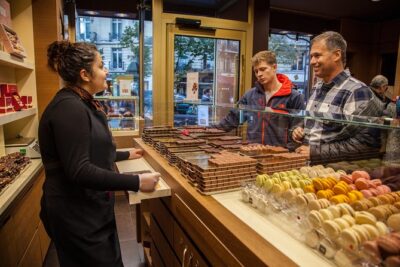
- Paris French Sweets Tasting Tour with Pastries and Chocolates
★ 4.5 · 947 reviews - Paris: Brussels and Bruges Tour & Optional Chocolate Tasting
★ 4.6 · 643 reviews - A Morning in Paris Food Tour: Croissants, Baguettes & Chocolate
★ 5.0 · 556 reviews - Saint-Germain: Gourmet Chocolate & Pastry Walking Food Tour
★ 4.8 · 495 reviews
The hot chocolate upgrade
If you select the appropriate ticket, you receive a cup of hot chocolate at the end. It is described as a rich, satisfying finish, and several visitors consider it one of the best reasons to choose the upgraded option.
The drink is especially appealing in cool or rainy Paris weather. It gives the visit a clear ending and turns the museum into a small chocolate break rather than only an exhibition.
In July or during a warm spell, think twice. A hot drink after repeated chocolate tastings may feel like too much, particularly for children. The upgrade is optional, so do not choose it automatically if you prefer cold drinks or are visiting in summer.
At the demonstration, you may also see praline being prepared and taste what is made. The demonstration material is well produced, but it is important to understand that the main presentation is virtual. Some people expect a live chocolatier speaking directly to the room and feel disappointed when the demonstration is on video.
Why families often get more from the museum
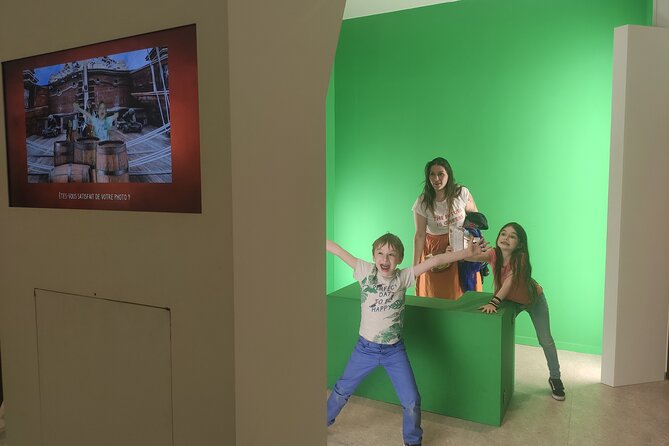
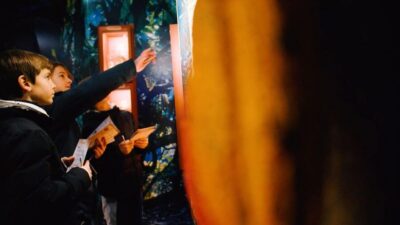
Choco-Story Paris is clearly friendly to children. Young visitors can receive a booklet and pencil, then complete activities as they move through the museum. The scavenger-hunt style tasks give them a reason to look closely rather than race from one tasting to the next.
The subject also works well for mixed ages. Adults can read about trade, royal fashion, production, and cocoa-growing regions while children focus on molds, pictures, films, and samples.
The museum has hosted school and children’s groups, so a family should expect the tone to be educational rather than quiet and formal. That can be a plus, but it also means the visit may feel less sophisticated if you want an adult-focused food museum.
For children aged roughly seven to eleven, the activity booklet can turn a short stop into a two-hour visit. Younger children may be more interested in tasting and visual displays than in the longer explanations.
There is also a lift for anyone who does not want to use the stairs between the three floors. Most people can take part, and the museum is near public transportation.
A self-guided format with real advantages and limits
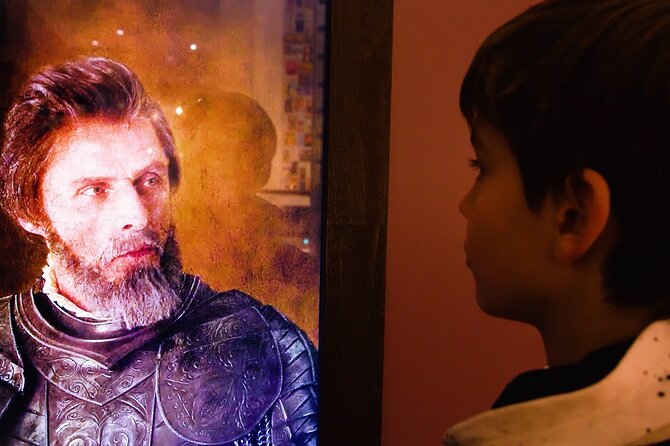
The lack of a live guide is both a strength and a weakness.
I like being able to pause at the objects that interest me and skip panels that feel too detailed. You can arrive, enter, and shape the visit around your own schedule. That is useful in Paris, where a fixed guided tour can make the rest of your day harder to manage.
The English panels make the visit workable for English-speaking visitors. French and Spanish are also available, so families or groups with different language needs have options.
The tradeoff is that you must provide your own structure. There is no guide to answer questions, point out the most important objects, or adjust the explanation for your group. One criticism of the experience is that a handheld audio guide or more personal explanation would improve the visit.
The virtual demonstration partly fills that gap. The video is clear and informative, but it does not offer the back-and-forth of a live presentation. If you enjoy independent museums, this will not bother you. If you want a chef or chocolatier to lead you through each stage, choose with care.
How much time and money should you allow?
The listed price is about $21.63 per person. For Paris, that is a reasonable price if you use the full visit, especially with unlimited tastings and the optional hot chocolate.
The value is strongest for families and chocolate fans who will spend 90 minutes to two hours inside. It is weaker if you only glance at the displays, skip the written material, and leave after a few samples. The museum is small enough that a quick visit can feel short for the price.
Prebooking a timeslot protects your entry, which matters because the attraction is popular enough that people book about 12 days ahead on average. It is sensible to reserve before your Paris trip rather than assume you can walk in at your preferred time.
The ticket includes museum admission, tastings, and the virtual demonstration. A guide, hotel pickup, and transport are not included. The experience begins and ends at the museum, so you handle your own route through Paris.
The cancellation rule is strict: the booking is non-refundable and cannot be changed. Check your date carefully before paying.
Finding the museum and fitting it into your day
The address is 28 Boulevard de Bonne Nouvelle, 75010 Paris. The museum is near public transportation, and Bonne Nouvelle Metro station is directly opposite according to the directions provided by a past visitor.
That location makes Choco-Story easy to combine with other central Paris plans. You can treat it as a planned museum stop, a rainy-day activity, or a break between sightseeing areas.
Allow extra time if you are bringing children. The official estimate is 90 minutes, but activity booklets and tasting stations can stretch the visit. If you are in a hurry, you can see the main displays and leave sooner, though that reduces the value of the ticket.
At the end, the shop sells books, souvenirs, chocolate treats, shirts, utensils, and molds for making chocolate at home. The shop is not the main reason to come, and expectations should stay modest, but it gives you a chance to buy edible or non-edible reminders of the visit.
A Pizza Hut is next to the museum, and a bistro is nearby, which can help if children are hungry afterward. Those meals are separate from the museum ticket.
Who will enjoy Choco-Story Paris most?
This is a good choice for:
- Families with children who enjoy activity sheets and tastings
- Chocolate lovers who want to compare origins and styles
- Visitors looking for a short indoor activity near central Paris
- Anyone interested in food history, trade, royal customs, or old tools
- People who prefer exploring at their own pace
It may not suit you if you want a large museum, a live cooking class, or a working production floor. Adults who have seen several chocolate museums may also find the exhibits familiar, though the Paris and royal-court material adds useful local context.
The overall rating is 3.9 out of 5, which fits the experience. The museum is informative, pleasant, and fun, but its small size and self-guided format will not satisfy everyone equally.
Should you book Choco-Story Paris?
Book it if chocolate is a real interest, you have children with you, or you want a manageable indoor stop with tastings. The strongest parts are the long historical timeline, the original tools and molds, the multilingual panels, and the freedom to sample as you go.
Choose the hot chocolate option in cool weather, but skip it if you are visiting during a hot Paris summer. Reserve your timeslot in advance, confirm the date carefully because the ticket cannot be refunded, and allow closer to two hours if you plan to read and let children complete the activities.
I would not make this a top priority over Paris’s major museums. I would add it confidently to a family itinerary or a chocolate-focused day, especially when you want something educational, central, and pleasantly different from another grand art collection.
FAQ
Where is Choco-Story Paris located?
It is at 28 Boulevard de Bonne Nouvelle, 75010 Paris, France.
How long does the visit take?
The planned duration is about 90 minutes. You can spend longer if you read the displays, watch the films, take part in the activities, and sample the chocolate.
Is Choco-Story Paris guided?
No. It is a self-guided visit, with information panels in English, French, and Spanish.
Are chocolate tastings included?
Yes. Unlimited chocolate tastings are included with the experience.
Is hot chocolate included?
A cup of hot chocolate is included only if you select the option that includes it when booking.
Are the demonstrations live?
The experience includes a virtual demonstration. The presentation shows how chocolate is made, but it is not described as a live, guide-led demonstration.
Is the museum suitable for children?
Yes. Children can receive an activity booklet and pencil, and the museum includes children’s activities and tastings.
Is Choco-Story Paris near public transportation?
Yes. The museum is near public transportation, and Bonne Nouvelle Metro station is opposite the museum according to the directions provided.
Is admission refundable or changeable?
No. The experience is non-refundable and cannot be changed after booking.
Is hotel pickup included?
No. You make your own way to the museum, and hotel pickup and drop-off are not included.
Just added around Paris
- Private Wine and Chocolate Tasting Experience★ 4.4 · 3 reviews
- Molded Bonbons Chocolate making class in Paris (collective)★ 4.5 · 20 reviews
- Private Wine and Chocolate Tasting in Paris★ 4.5 · 4 reviews
- Paris Sweet & Chocolate Family Treasure Hunt★ 5.0 · 37 reviews
- Private Family Chocolate Making Class in Paris★ 5.0 · 16 reviews
- Pure Chocolate Tour in Paris★ 5.0 · 20 reviews
- Paris Marché d’Aligre Walking Tour with Chocolate and Cheese Tasting★ 3.5 · 24 reviews
- Paris Chocolate and Pastry Private Tour With Secret Food Tours★ 5.0 · 44 reviews
Paris Chocolate Tours, compared.
Paris French Sweets Tasting Tour with Pastries and Chocolates
Read our review →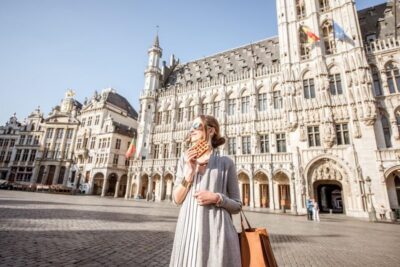
Brussels and Bruges Tour & Optional Chocolate Tasting
Read our review →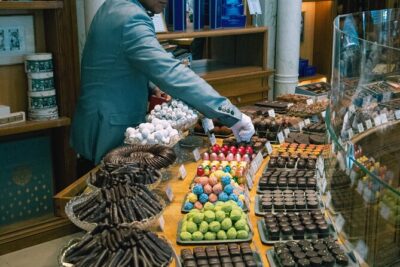
A Morning in Paris Food Tour: Croissants, Baguettes & Chocolate
Read our review →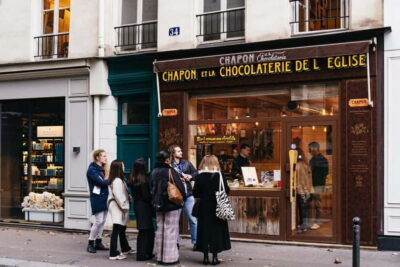
Saint-Germain: Gourmet Chocolate & Pastry Walking Food Tour
Read our review →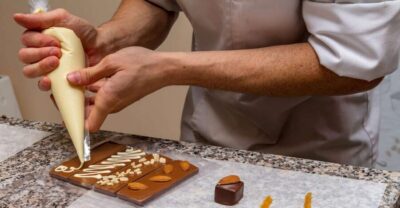
45-minute Chocolate Making Workshop at Choco-Story
Read our review →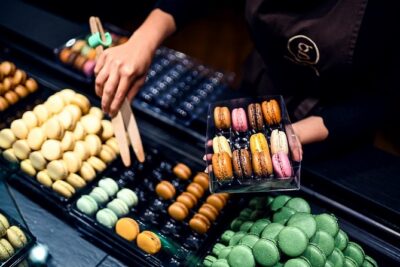
Paris Chocolate, Macaron & Pastry Food Tour: 10 Gourmet Tastings
Read our review →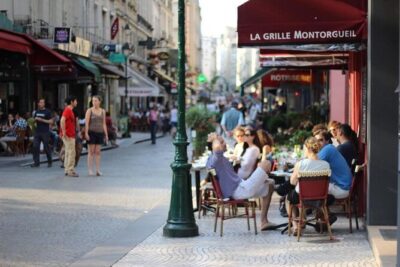
Paris Pastry Tour – Croissants, Macarons & Iconic French Desserts
Read our review →Browse the lists this tour appears in