REVIEW · BASEL
Basel: Farmer’s Market, Cheese, Chocolate & Pastry Tour
Basel’s best introduction may be edible: this private walk links the Basel Minster, Town Hall, and Tinguely Fountain with cheese, chocolate, and a traditional Läckerli spice biscuit. You get a quick lesson in the city, then taste the products that make Switzerland famous.
I like the mix of cultural sightseeing and food stops, and I like that the cheese tasting goes beyond the usual Gruyère. You may also sample Sbrinz, Appenzeller, Raclette, and Tête de Moine, with explanations of how age and production change their flavor.
The main caution is the price, $194 per person for an advertised two-hour tour. That can be fair for a private guide and several tastings, but the experience depends heavily on the guide and the exact food stops. One sharply negative account described almost all of the time being spent at a cheese business, so confirm what your visit will include if the cultural walk matters most to you.
Key points at a glance
- Basel landmarks come first: Meet at the Town Hall, then see the Minster, Old Town, and Tinguely Fountain.
- The cheese tasting is more than a snack: Expect an introduction to Swiss AOP cheeses, including Gruyère, Sbrinz, Appenzeller, Raclette, and Tête de Moine.
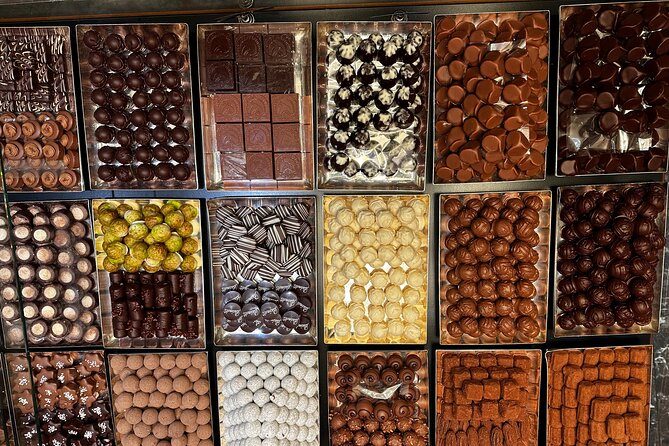
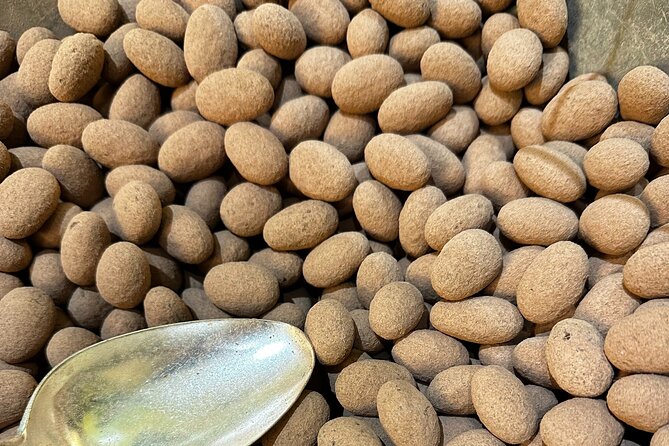
- Chocolate gets a historical lesson: Tastings may include truffles, dark chocolate, chocolate almonds, or small samples of chocolate bars and beans.
- Läckerli is the local specialty: Finish with Basel’s traditional spice biscuit, a pastry with roots reaching back to the 17th century.
- Private guiding changes the feel: You can ask questions and set the pace, but the quality rests on the individual guide.
- Timing deserves attention: The experience is advertised as two hours, while the listed sightseeing segments suggest a brisk schedule.
Basel food and landmarks in one compact walk
This tour works because Basel’s sights and flavors appear together rather than in separate blocks. You do not spend the whole morning inside a shop, nor do you simply march past buildings without context. The plan connects the city’s public landmarks with the food traditions of the region.
Your meeting point is the main courtyard of Basel Town Hall, beside the Roman statue. That is a useful central starting point, especially if you are new to Basel and want a quick orientation before setting off. The tour returns to the Town Hall, so you finish where you began.
The walk is private and conducted in English. That matters if you want to ask about Swiss cheese production, Basel pastry traditions, or the city’s architecture without waiting for a large group to move along. Guides named Gina, Jean, and Jonas have led this experience at different times. You should not assume you will receive a particular guide, but the strongest praise has focused on guides who explain clearly, stay patient, and help you get comfortable in Basel.
More Chocolate and Cheese Tastings in Switzerland
- Gruyères Tour from Geneva With Train, Chocolate and Cheese
★ 4.5 · 258 reviews - From Zurich: Chocolate and Cheese Tour in Appenzell
★ 4.2 · 224 reviews - Zurich: Rhine Falls, Chocolate & Cheese Factory Day Trip
★ 4.5 · 212 reviews
Starting at the Town Hall and Basel Minster
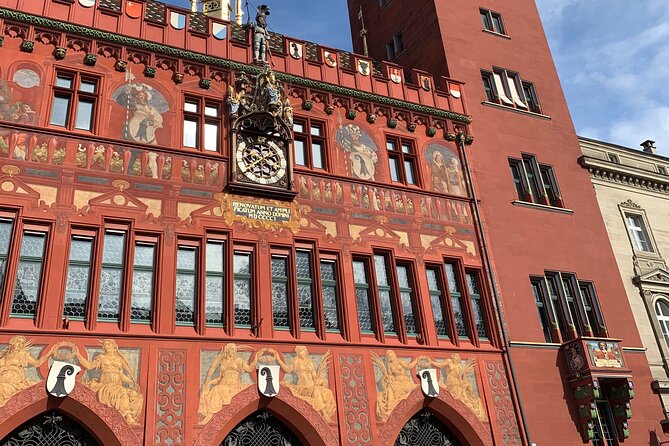
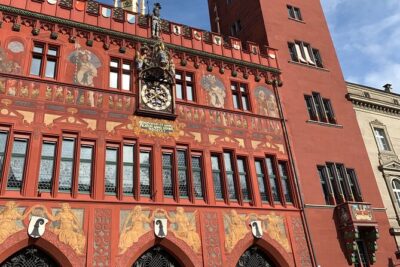
Basel Town Hall is a fitting place to begin. The 500-year-old building, known locally as the Roothus, contains distinctive paintings and gives the guide an easy way to introduce Basel’s civic past. The red exterior and decorated courtyard also make this more than a simple meeting point.
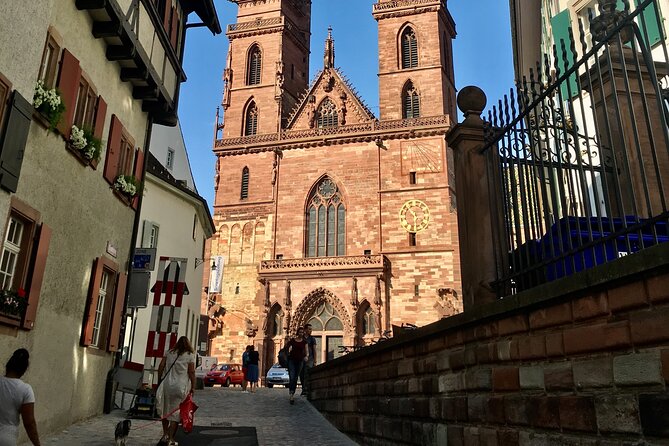
From there, the route heads toward Basel Minster. The Minster is one of the city’s key landmarks, and the listed plan allows about an hour for a guided visit. That is a significant portion of a two-hour food walk, which tells you this is not meant to be a long museum-style tour with extensive time at every cheese and chocolate counter.
You can expect the guide to point out cultural and artistic details connected with Basel. The description also refers to museums, art collections, and cultural artifacts, though it does not promise entry to a specific museum. Treat those references as part of the city walk rather than as included museum admissions.
The Minster stop is valuable if you are arriving in Basel without much background. You get architecture and local context before the tasting begins, and the food later has a clearer place in the city’s culture. If you want a detailed interior tour of the Minster or several museums, this experience will feel too short.
Old Town streets, the Tinguely Fountain, and the food market
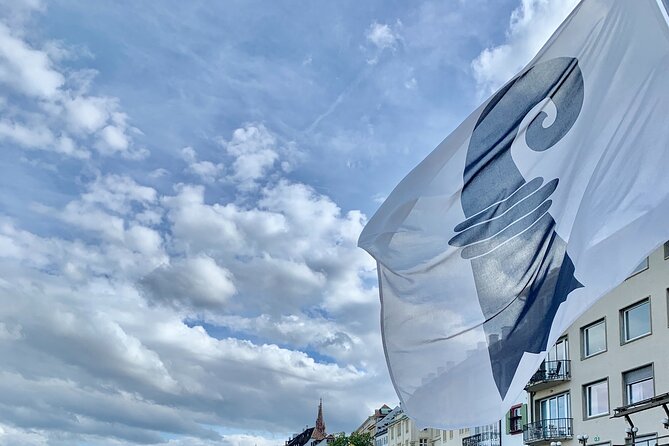
The route continues through Altstadt Grossbasel, the old-town area on the western side of the Rhine. Here the tour combines a guided walk with food tasting and a visit to a local market. The Tinguely Fountain is one of the memorable visual stops, with its moving mechanical figures offering a sharp contrast to Basel’s medieval buildings and formal civic architecture.
That contrast is part of Basel’s appeal. You can see old stone landmarks, then encounter the playful modern art associated with Jean Tinguely. The fountain gives the walk a clear visual anchor and helps keep the sightseeing from becoming a string of names and dates.
The market portion should appeal to you if you prefer seeing food in its local setting rather than only sampling products in a formal tasting room. Still, the supplied details do not name the market or specify how much time is spent shopping there. The listed Old Town section allows about 100 minutes, but the full experience is advertised as two hours, so the actual pace may vary.
That timing issue is worth keeping in mind. The schedule includes a one-hour Minster visit and a 100-minute Old Town segment, which together exceed the stated duration. The experience may use approximate times, or the stops may be handled more briefly than the outline suggests. Ask the operator how the day is currently arranged if you need a precise schedule.
The cheese tasting: Gruyère, Sbrinz, and more
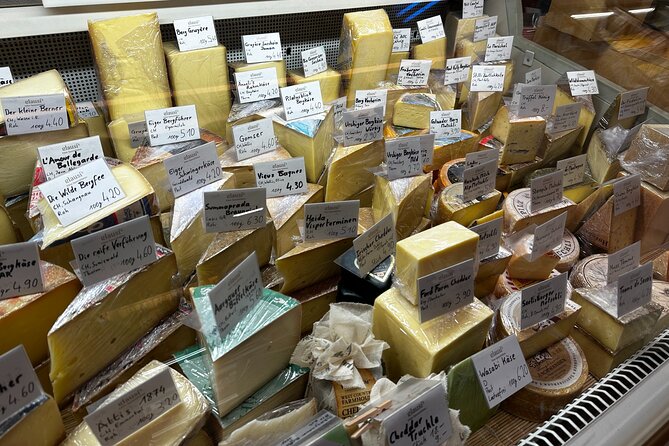
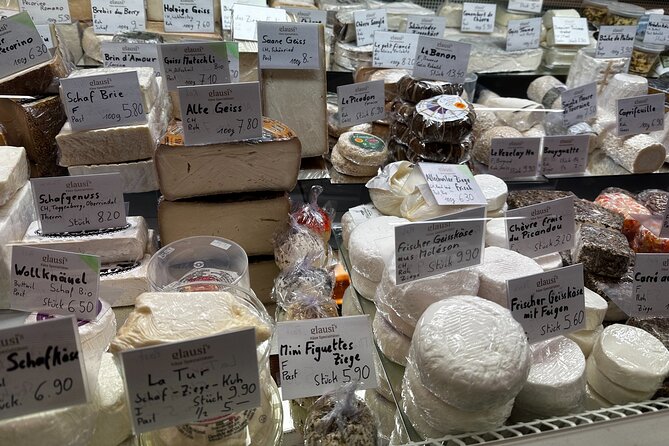
Cheese is the most substantial part of the food program. Switzerland is often reduced to Gruyère and fondue in tourist conversations, but this tasting aims to show a wider range of styles and ages.
The selection may include:
- Gruyère AOP
- Sbrinz
- Appenzeller
- Raclette
- Tête de Moine
- Other Basel-area cheeses
The tasting is described as an introduction to Swiss AOP cheese and to the work of a cheese sommelier and master ager. That is useful because cheese flavor is not only about the milk or the place of production. Age, texture, and handling matter just as much. A young cheese can be mild and soft, while an aged one may be firmer, saltier, and more intense.
You are also given a chance to consider how Swiss cheese is made without preservatives, food coloring, or flavor enhancers. That does not make every sample automatically better, but it gives the tasting a clear focus: natural flavor and traditional production rather than novelty toppings or heavily processed products.
One practical detail: this may be a commercial tasting as well as an educational one. The experience includes access to notable foods, and you may find products available to buy. One account described being able to shop during the visit, while another found the sales element too dominant. If you enjoy bringing Swiss cheese home, this is a plus. If you want a purely cultural tasting with no retail atmosphere, it is a point to clarify.
Same place, a different way to taste it:
- Lindt Home of Chocolate Museum Entry Ticket
★ 4.7 · 9,329 reviews - Zurich: City Tour, Cruise, and Lindt Home of Chocolate Visit
★ 4.5 · 4,624 reviews - Award-Winning Geneva Chocolate &Old Town Tour with Boat Ride (3h)
★ 5.0 · 3,721 reviews - Zurich Sights: Cruise, Lindt Chocolate and optional FIFA Ticket
★ 4.0 · 1,028 reviews
Chocolate with a story behind it
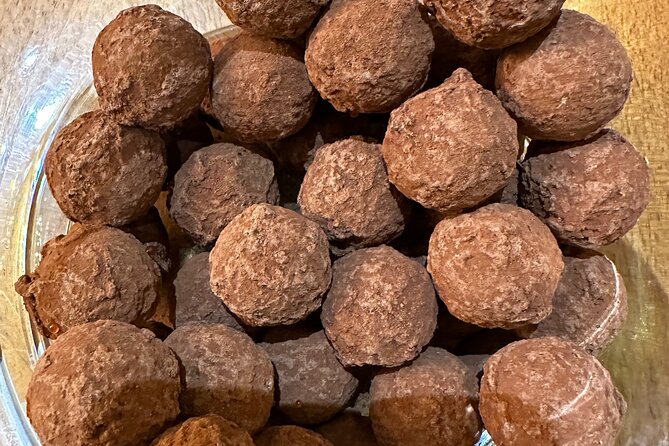
Chocolate is the second major tasting. The guide explains how Switzerland developed its place in the international chocolate trade, then offers samples of finished products.
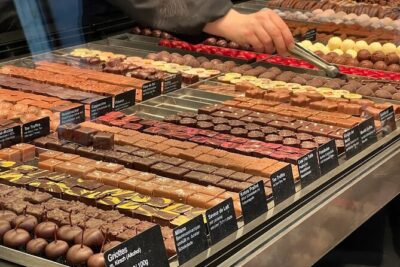
Possible tastes include truffles, hand-scooped dark chocolate, chocolate almonds, chocolate bars, or chocolate beans. The exact selection may depend on the shop and the day. You should expect small portions designed for comparison rather than a full dessert course.
The history lesson gives the chocolate stop more purpose. You are not simply being handed sweets. You learn how the Swiss chocolate industry developed and why Swiss chocolate became associated with careful production and polished texture.
The tasting also lets you compare different forms of chocolate. A truffle gives you a softer, richer mouthfeel. Dark chocolate shows more bitterness and cocoa flavor. Chocolate almonds add crunch. Chocolate beans offer a more direct sense of the raw ingredient, though they may be less sweet than you expect.
This is one area where the private format helps. You can ask what makes a chocolate Swiss, how dark chocolate differs from milk chocolate, or which products are made locally. The amount of explanation depends on the guide. Gina was singled out for clear instruction, while Jonas was praised for being helpful and patient during shopping. Those examples suggest the guide can make a major difference to the stop.
Basel’s Läckerli pastry at the finish
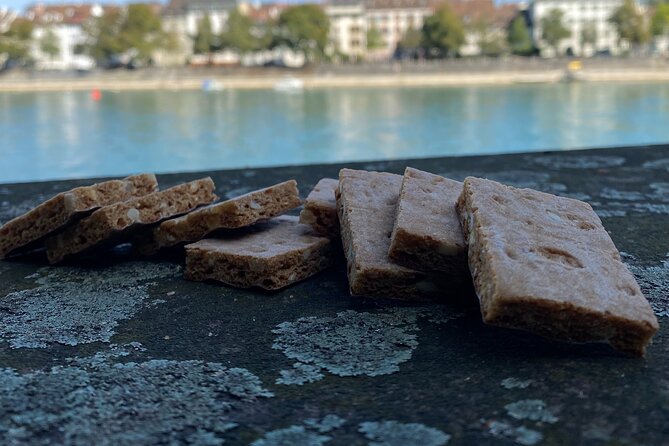
The final sweet is Läckerli, a traditional Basel spice biscuit. It is often written as Basel Läckerli, and the pastry has a firm texture with a distinctive spiced flavor. It is not simply a soft, buttery cake, so keep that in mind if you prefer delicate pastries.
The recipe is associated with the 17th century and was traditionally passed through families by spoken or handwritten instructions. The food also has a social history: it was once made in private homes by women looking for extra household income. That detail gives the final tasting a local connection that a generic chocolate shop cannot provide.
You are guided to a local bakery or sweetshop, where you taste the specialty. The exact serving style may be simple. One account described choosing a pastry from a shop window and receiving it in a bag, rather than sitting down for a bakery visit. That does not make the food itself less local, but it shows that the stop may be a quick takeaway tasting rather than a leisurely café break.
I like ending with Läckerli because it belongs specifically to Basel. Gruyère and chocolate are strongly associated with Switzerland as a whole. Läckerli gives you a product tied to the city, and it is easy to carry home if you want a practical edible souvenir.
What $194 per person really buys
At $194 per person, this is not a budget food walk. You are paying for a private English-speaking guide, local orientation, cultural commentary, and several tastings in a city where food and shopping prices are high.
The value is strongest for a first visit. If you want someone to explain Basel’s main sights while introducing you to Swiss cheese, chocolate, and pastry, the tour can replace several hours of self-guided wandering. It also gives you a starting list of foods to seek out later.
The value is weaker if you mainly want a large meal. This is a tasting tour, not lunch. Portions may be small, and the experience may include opportunities to buy products. You should budget separately for any cheese, chocolate, or pastry you decide to take home.
A private group can make the price more sensible if several people share the same guide and enjoy asking questions. It may be harder to justify for one person who only wants a few samples. For a family or small group interested in food, architecture, and shopping, the cost may feel more reasonable.
The guide matters more than usual
A private tour is only as good as the person leading it. The strongest accounts describe the guides as kind, patient, informative, and easy to relate to. Jonas was especially helpful to a family shopping during the walk, while Gina was praised for her explanations of the food and city. Jean was also described as patient with a group of seven family members.
That is useful information if you are traveling with relatives or a mixed-age group. The tour can work well when some people want history, others want food, and everyone needs a simple introduction to Basel.
But the private format also creates a risk. One very negative account described the experience as mostly standing at a cheese counter for nearly two hours, with limited sightseeing and a pastry handed over from a shop. That account conflicts with the planned route through the Minster and Old Town, but it should not be ignored.
To protect your time, ask these questions before booking or at the start:
- How much time will be spent at the Minster?
- Which cheese shop or market will you visit?
- Is the chocolate tasting seated, standing, or takeaway?
- Will the guide accompany you into the bakery?
- Are purchases optional?
Those questions are especially important because the tour description includes both sightseeing and retail-style tastings.
Who should book this Basel tasting walk?
I would recommend it most to first-time Basel visitors who want a quick orientation with food built into the route. It suits you if you like having a private guide, want to taste several Swiss specialties, and prefer a compact introduction rather than a full-day food program.
It is also a good fit for families and small private groups. The private setting allows the guide to adjust explanations and wait while you shop. The tour can help you decide which cheeses and sweets deserve more attention during the rest of your stay.
You may want something else if you expect a sit-down meal, a long visit inside museums, or a detailed cheese-making demonstration. The tour introduces the products, but the available information does not promise a farm visit, a cooking lesson, or extensive time with producers.
It may also disappoint you if you dislike sales-oriented stops. The food is clearly central, and buying local products may be part of the atmosphere. That is useful for shoppers, but less appealing if you want a purely academic food tour.
Practical details before you go
The advertised duration is two hours, with starting times depending on availability. Because the listed sections add up to more than two hours, confirm the current timing before you reserve if you have a train, museum booking, or restaurant reservation afterward.
The tour is offered in English and is described as wheelchair accessible. It begins and ends at Basel Town Hall, with the meeting point inside the main courtyard beside the Roman statue.
The group is private, and cancellation is allowed up to 24 hours before the start for a full refund. You can also reserve and pay later, which is useful if your Basel plans are still shifting.
Should you book it?
Book this tour if you want a private Basel orientation tied to cheese, chocolate, and Läckerli, and you value a guide who can explain what you are tasting. The landmarks, especially the Minster, Town Hall, Old Town, and Tinguely Fountain, give the food stops a useful sense of place.
Think twice if $194 feels high for small samples, or if you expect two full hours of formal sightseeing. The strongest experience appears to come from a good guide and a well-balanced route. Before booking, confirm that the current version includes the cultural stops as well as the cheese and chocolate business visits. If that balance is in place, this can be a tasty and efficient way to get your bearings in Basel.
FAQ
Where does the tour begin?
It begins at Basel Town Hall, inside the main courtyard next to the Roman statue.
Where does the tour end?
The tour returns to Basel Town Hall.
How long does the tour last?
The advertised duration is two hours.
What language is the tour conducted in?
The tour is conducted in English.
Is the tour private?
Yes. It is offered as a private group experience.
Is a guide included?
Yes. A private local guide is included.
Which Basel landmarks are included?
The route includes Basel Town Hall, Basel Minster, Altstadt Grossbasel, and the Tinguely Fountain.
What foods are included?
The experience includes cheese tasting, chocolate tasting, and a local specialty tasting that includes Basel Läckerli pastry.
Which cheeses might be included?
The tasting may include Gruyère AOP, Sbrinz, Appenzeller, Raclette, Tête de Moine, and other Swiss cheeses.
Is the tour wheelchair accessible?
Yes. The activity is described as wheelchair accessible.
More Market Visits in Switzerland
- Can Tho: A Real Mekong Tour, Floating Market, Cacao & Life’s
★ 4.9 · 574 reviews - Largest Floating Market, Wild Small Canal System & Organic cocoa
★ 5.0 · 564 reviews - Can Tho: Authentic Floating Market, Wild Canal system, Cocoa
★ 4.9 · 398 reviews - Cai Rang floating market, Cacao & hidden small canal
★ 5.0 · 244 reviews
More Chocolate and Pastry Tours in Switzerland
- Brussels: Historical Tour with Chocolate & Waffle Tasting
★ 4.8 · 1,206 reviews - Brussels: Historical Walking Tour with Chocolate & Waffle Tasting
★ 5.0 · 1,165 reviews - Paris French Sweets Tasting Tour with Pastries and Chocolates
★ 4.5 · 947 reviews - Brussels Walking and Tasting Tour (Beers,Chocolates&Fries/Waffle)
★ 5.0 · 929 reviews
Just added around Switzerland
- Zurich: Chocolate Tasting and Walking Tour with a Local★ 4.2 · 13 reviews
- Lindt Chocolate Museum with Cruise Transfer from Zurich★ 4.6 · 7 reviews
- Zurich Open-top Tour and Chocolate and Cheese Countryside★ 3.5 · 11 reviews
- Day/Night Sledding + ALL-YOU-CAN-EAT Cheese&Chocolate Fondue★ 4.7 · 4 reviews
- Zurich City, Lake Cruise and Chocolate (Private Tour)★ 4.5 · 26 reviews
- Zürich, Lindt Chocolate, Rheinfalls and Stein am Rhein★ 5.0 · 14 reviews
- Full-Day Private Zurich Sightseeing Tour and Chocolate Tasting★ 5.0 · 5 reviews
- Zurich with Cruise and Lindt Home of Chocolate Private tour★ 4.5 · 8 reviews
Basel Chocolate Tours, compared.
Basel Farmer’s Market, Cheese, Chocolate & Pastry Tour
Read our review →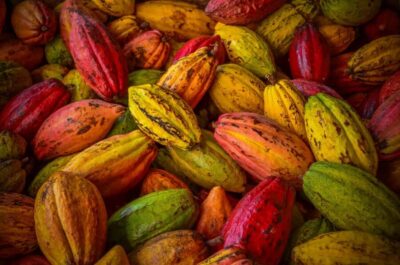
Swiss Experience: Chocolate Tasting and City Tour of Basel
Read our review →Swiss Experience: Chocolate Tasting and City Tour of Basel
Read our review →
Zurich Tour with Chocolate tasting and Lake Cruise
Read our review →