
REVIEW · SPAIN
Semi-Private Tour: Old Town & Chocolate and Churros
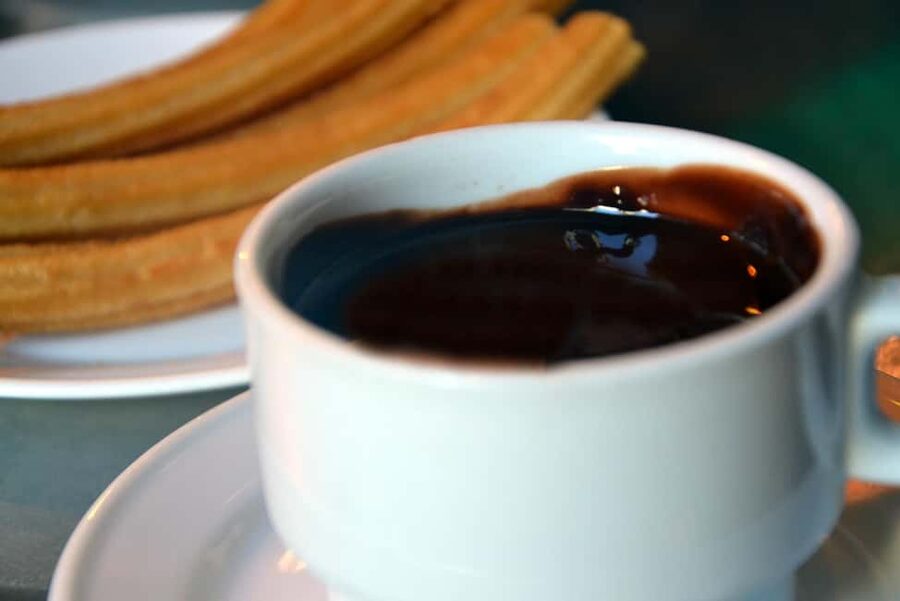
Madrid saves one of its best introductions for your feet. This three-hour walk links Puerta del Sol, Plaza Mayor, Plaza de la Villa, the Royal Palace, and Almudena Cathedral, then finishes with thick chocolate and churros at Chocolatería San Ginés, a Madrid institution dating to 1894.
I like the eight-person limit, which keeps questions easy and the pace relaxed. I also like the mix of grand sights and smaller corners, including the Carboneras convent and the old streets around Plaza de la Villa. The main drawback is that it is a sightseeing walk rather than a museum tour, so you should not expect extended interior visits.
- A compact route through central Madrid: See the city’s most important landmarks in three hours, ending at Plaza de Oriente.
- Chocolate and churros included: The sweet stop at Chocolatería San Ginés is part of the price, not an optional extra.
- Small-group format: A maximum of eight people gives the guide room to answer questions and adjust the conversation.
- Strong local storytelling: Tatiana is repeatedly praised for her warmth, humor, Spanish history, and practical food recommendations.
- Useful first-day orientation: The route gives you a clear map of central Madrid and ideas for places to revisit later.
- Check the mobility details: The activity is described as wheelchair accessible in one place but also marked as not suitable for wheelchair users, so confirm before booking.
A sweet way to begin with Madrid’s old center
At $55 per person, this tour sits in the middle range for a three-hour guided city walk. The price includes the guide, the full walking route, hot chocolate and churros, and local taxes. That makes the value fairly easy to judge: you are paying not only for landmark introductions, but also for a small group and a local food stop.
I think the best use of this tour is early in your Madrid stay. You get a geographical outline of the center, a basic understanding of how Madrid developed, and a list of places to return to at your own pace. Several practical recommendations for restaurants, bars, and other churros spots have also been part of the guide’s approach.
The walk is conducted in English. Tatiana is the guide named most often in the available feedback, and her style comes through clearly: warm, energetic, funny, and eager to answer questions. Guide assignments can change, so book this for the format and route rather than assuming a particular person is guaranteed.
Starting at Puerta del Sol
The meeting point is the statue of the bear and the strawberry tree at Puerta del Sol. This is one of the easiest places in central Madrid to find, but it is also a busy public square, so allow enough time to spot the guide and group.
Sol is a useful opening chapter because it explains Madrid as a city of movement, commerce, and public life. The guided portion here lasts about 20 minutes. You can expect an introduction to the square, the city, and the broader story of Madrid from its medieval beginnings to its modern role as Spain’s capital.
This first stop also helps you understand the tour’s tone. You are not simply being led from one photo stop to the next. The guide connects buildings and squares with kings, nobles, artists, workers, and everyday city life. That wider view is valuable if Spanish history is new to you.
A few more chocolate tours around Spain worth a look
- Private First Access Casa Batlló Experience With Breakfast
★ 5.0 · 56 reviews - Private French Basque Tour: Biarritz, Bayonne & Chocolate
★ 5.0 · 8 reviews - Puerto Plata Private City Tour with Mount Isabel & Rum &Chocolate
★ 4.5 · 123 reviews
Plaza Mayor and the San Miguel market
From Puerta del Sol, the route continues to Plaza Mayor, one of Madrid’s grandest spaces. The stop lasts around 15 minutes, enough for an explanation of its design, role, and place in the city’s past.
Plaza Mayor can feel grand but impersonal when you see it alone. A guide gives the space a clearer purpose by explaining how it changed over time and how public events shaped its importance. The square is also a good place to notice Madrid’s preference for enclosed urban spaces, where cafés, shops, and public life gather around a central stage.
The next stop is the Market of San Miguel, with about 10 minutes of guided time. This is a useful contrast to Plaza Mayor. Instead of royal scale, you get a look at Madrid’s food culture and the way locals and visitors use the historic center today.
The stop is brief, so do not expect a full market meal or a long period for browsing. Think of it as an introduction. Your guide may also help you distinguish between places aimed mainly at sightseeing and spots worth returning to for food.
The Carboneras convent and Madrid’s quieter lanes
The Monasterio del Corpus Christi, known as Las Carboneras, brings the route into a calmer part of the old center. Its presence helps show that Madrid is not only about royal buildings and major squares.
The guided stop lasts about 10 minutes. You will learn about the building and its place in Madrid’s religious and architectural story. The route around here is also part of the experience. Narrow streets and older façades give you a better sense of the city’s scale than the grand open spaces do.
This is one of the places where a local guide adds real value. Without context, you might walk past an unassuming façade and never know why it matters. The tour repeatedly aims to point out such details, including places many first-time visitors would not find on their own.
Plaza de la Villa and medieval Madrid
Plaza de la Villa is one of the strongest stops on the route. The square is known for its medieval buildings, cobblestones, and old-world atmosphere. The guided visit lasts around 15 minutes.
Here, the tour turns more directly toward Madrid’s early development. You can expect stories about the city before it became the grand capital associated with royal power. The square’s preserved architecture gives those stories a physical setting, rather than leaving them as a list of dates and names.
I especially like this stop for visitors who want more than the standard central Madrid checklist. Plaza Mayor and the Royal Palace are essential, but Plaza de la Villa explains the older, more intimate character of the city. The compact size also suits a small group, since you can gather close to the guide without blocking a large public space.
The cobblestones and uneven historic streets may require sensible footwear. The tour is a walking experience, and you should be comfortable being on your feet for three hours.
Same place, a different way to taste it:
- Lanzarote: Vineyard Tour with Wine and Chocolate Tasting
★ 4.7 · 383 reviews - Barcelona: Nougat and Chocolate Museum Tour with Tasting
★ 4.5 · 232 reviews - Barcelona & Chocolate Amatller History and Culture + Activity and Tasting
★ 4.9 · 173 reviews - Bean to Bar Chocolate Workshop in Barcelona
★ 5.0 · 172 reviews
Almudena Cathedral and the Royal Palace
The route then reaches Almudena Cathedral, with approximately 10 minutes of guided attention. The cathedral is one of Madrid’s key religious buildings, and the guide explains its history and changes over time.
The short stop means this is mainly an exterior introduction rather than a full cathedral visit. If you want to study the interior at length, set aside separate time. The benefit here is that you understand the cathedral as part of a larger royal and civic area instead of seeing it in isolation.
The nearby Royal Palace receives around 15 minutes. This is one of the tour’s major visual highlights and one of the best places to connect Madrid’s past with Spain’s monarchy. The guide places the building in its historical setting and explains how its role changed over time.
Do not book this walk expecting palace admission or a room-by-room visit. The route is designed to orient you from outside. That is a limitation, but it also keeps the tour moving and lets you cover more of the old center in a single morning or afternoon.
A changing-of-the-guard ceremony has occasionally added an unexpected bonus to the experience. It is not presented as a guaranteed feature, so treat it as luck rather than part of the booking decision.
Teatro Real and the finish at Plaza de Oriente
The Teatro Real is the final guided stop, with about 10 minutes devoted to the building and its place in Madrid’s cultural life. It adds another side of the capital: performance, ceremony, and the continuing importance of the central district.
The walk finishes at Plaza de Oriente, at 28013 Madrid. This is a sensible ending point because it leaves you near the palace area and other central sights. You can continue exploring from there or use the tour’s suggestions to choose lunch, drinks, or another attraction.
The route is carefully paced for a three-hour experience. You move often, but the stops are long enough to give each place meaning. The trade-off is that none of the major sights receives a very long treatment. I would pair this tour with separate visits to the palace, cathedral, or market if you want to go inside.
Why the eight-person limit matters
A maximum of eight participants changes the feel of a city walk. The guide can keep the group together without shouting across a crowd, and you have a better chance to ask about food, neighborhoods, history, or the next part of your Spain trip.
The small format also makes the hidden corners and narrow streets more manageable. A large group can turn a medieval lane into a slow-moving line. Here, the stated aim is a personal and relaxed atmosphere, and the repeated praise for the friendly, conversational style supports that expectation.
Tatiana is singled out by name in many of the available comments. Her strengths are described as enthusiasm, humor, clear English, local insight, and a talent for making history easy to follow. One particularly useful feature of her approach is the practical advice about restaurants, bars, local markets, and other places to eat churros.
That said, guide quality always depends partly on who leads your departure. The published information identifies Tatiana, but it does not promise that every tour will be led by her. If that matters to you, ask the operator before booking.
The chocolate and churros finish
The final food stop is Chocolatería San Ginés, described as Madrid’s oldest chocolate café and open since 1894. Your included treat is a cup of thick hot chocolate with churros.
This is more than a quick dessert. Chocolate and churros are one of Madrid’s familiar food traditions, and ending the walk here gives the tour a distinctly local flavor. The hot chocolate is thick rather than a thin breakfast drink, while the churros provide the crisp, fried contrast.
The stop also gives you a chance to sit, ask final questions, and sort through the places you have seen. Since the food is included, you do not need to budget for it separately. Any additional drinks, dishes, or purchases are not stated as included, so keep that in mind.
If you prefer a savory meal or have dietary restrictions, the provided information does not explain substitutions. Ask before booking if the chocolate and churros may not suit you.
Who should book this Madrid walk
I would recommend this tour to first-time visitors who want a fast but thoughtful introduction to central Madrid. It suits couples, families with older children, solo visitors, and anyone who prefers a small group over a large city tour.
It is also a good choice if you want local context rather than a long academic lecture. The guide’s role is to connect history with streets, buildings, customs, and places to eat. That balance helps you understand the city without turning the afternoon into a classroom.
You may want something else if your priority is interior access. The route includes important buildings, but the timed stops are mainly guided explanations from outside. Museum lovers and palace enthusiasts should plan separate admission visits.
The walk may also be a poor fit if you cannot manage three hours on foot. The activity is marked as not suitable for pregnant women. The accessibility information is inconsistent: it is described as wheelchair accessible in one section and not suitable for wheelchair users in another. Contact OgoTours Madrid for a clear answer about surfaces, steps, and any assistance before paying.
Price, timing, and cancellation
The cost is $55 per person. For three hours, a local English-speaking guide, a group capped at eight, and included chocolate and churros, I consider that a reasonable price, especially if you use the tour to plan the rest of your time in Madrid.
The value is strongest when you take it near the beginning of your visit. You can return to the palace, cathedral, market, or old squares later with a better sense of what you are seeing. It is less valuable if you already know the center well or plan to spend the day inside museums.
Starting times vary, so check availability for your date. You can cancel up to 24 hours in advance for a full refund, and the reserve-now, pay-later option gives you some flexibility while your schedule is still taking shape.
Should you book it?
Book this tour if you want a friendly, compact introduction to Madrid, prefer a group of no more than eight, and like the idea of finishing with a classic local snack. The combination of major landmarks, quieter medieval streets, practical food advice, and a historic chocolate café gives the walk a good sense of place.
Skip it if you need extensive interior visits, dislike walking, or already have strong knowledge of Madrid’s center. Before booking, confirm the accessibility details and whether Tatiana will lead your departure. For most first-time visitors, though, this is a sensible way to get oriented, hear the city’s stories, and start your Madrid stay with something sweet.
FAQ
How long is the Old Town and Chocolate and Churros tour?
The tour lasts three hours.
Where does the tour meet?
The meeting point is Puerta del Sol, beside the statue of the bear and the strawberry tree.
Where does the tour finish?
The tour finishes at Plaza de Oriente, 28013 Madrid, Spain.
What food is included?
One cup of hot chocolate and churros at Chocolatería San Ginés is included in the price.
What language is the tour conducted in?
The live tour guide speaks English.
How many people can join the tour?
The group is limited to a maximum of eight participants.
Can I cancel for a full refund?
Yes. You can cancel up to 24 hours in advance for a full refund.
Just added around Spain
- Alicante; Visit the Chocolate Museum and Villajoyosa, a colorful town★ 4.8 · 4 reviews
- Private French Basque Tour: Biarritz, Bayonne & Chocolate★ 5.0 · 8 reviews
- Madrid Segway Tour with Chocolate and Churros★ 4.5 · 16 reviews
- KAICAO bean to bar and design your chocolate experience★ 4.5 · 18 reviews
- Visit with tasting of Vicens nougat and Jolonch chocolates★ 5.0 · 4 reviews
- Exclusive Champagne & Chocolate Getaway – with excellent lunch★ 5.0 · 24 reviews
- Gaudi’s Casa Batlló and La Pedrera with Chocolate Tasting★ 5.0 · 5 reviews
- Delicious Chocolate Tour Barcelona★ 5.0 · 37 reviews
Spain Chocolate Tours, compared.
Barcelona & Chocolate Amatller History and Culture + Activity and Tasting
Read our review →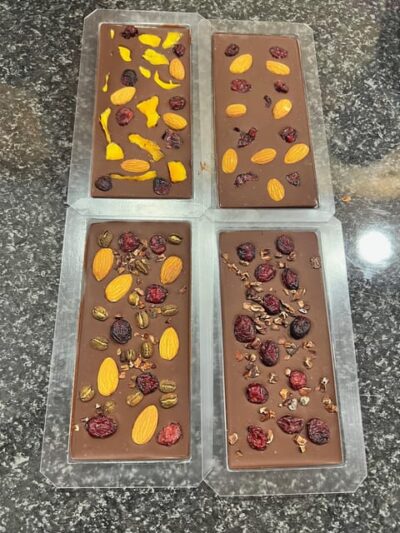
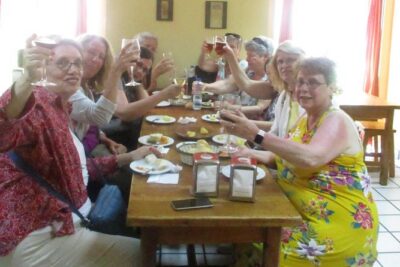
Tapas and history tour ending with churros with chocolate
Read our review →
Sunset vineyard tour with wine and chocolate tasting
Read our review →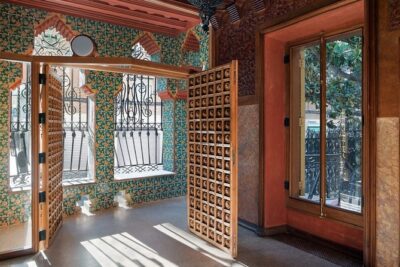
Sweet Gaudi: the most delicious visit to Casa Vicens
Read our review →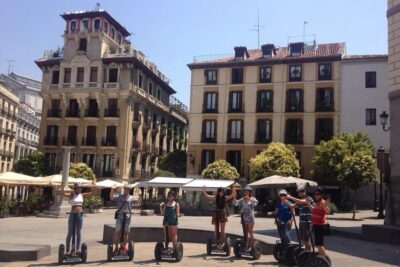
Browse the lists this tour appears in