
REVIEW · COLOMBIA
Cacao Experience Tour
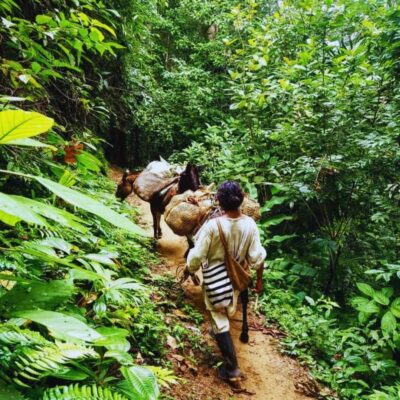
The best part of this Minca outing is that cacao is not just something you taste at the end. You follow it from tree to mouth, while walking through Tayrona indigenous territory and learning about jungle plants, birds, local customs, and family farming. Guides such as Andrés Boh make the experience personal, with English and Spanish explanations along the way.
I like the mix of hands-on cacao tasting and a waterfall swim. I also like the small-group format, which gives you more room to ask questions and take breaks. The tradeoff is a warm, sometimes muddy hike with a few steep or scrambly sections, so this is not a gentle stroll for every visitor.
Key points at a glance
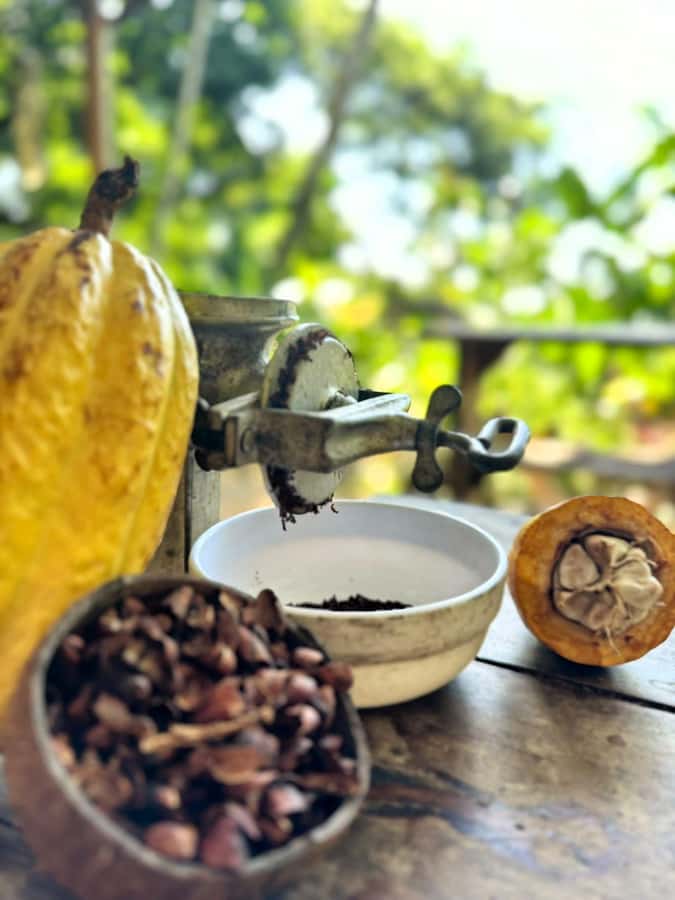
- Cacao from tree to cup: Taste fresh cacao, dried seeds, chocolate drinks, and other preparations while learning how the crop is processed.
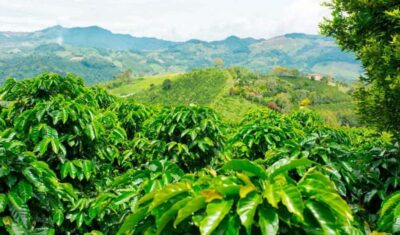
- A real jungle walk: The route includes bird watching, bird nests, fruit tasting, local plants, and views around Minca.
- Tayrona cultural setting: Your guide explains indigenous customs and the importance of cacao in the Sierra.
- Waterfall reward: Finish with a swim and clay face mask beside a waterfall near the cacao farm.
- Small groups: The advertised limit is 10 people, although overlapping departures can make the farm portion feel busier.
- Plan for effort: The walk is manageable for a reasonably fit person, but mud, heat, uneven ground, and the waterfall path add work.
Meeting Andrés at Minca’s church
The tour begins at the church in Minca, a useful landmark in the small mountain town above Santa Marta. From there, you set out on foot rather than simply arriving at a farm by vehicle. That matters because the walk is part of the lesson.
Andrés Boh is the named experience provider, and Andrés is the guide most often associated with this outing. Other guides named by participants include Luis and John, so the exact guide may vary. The guide speaks English and Spanish, which helps if your group includes people with different language needs.
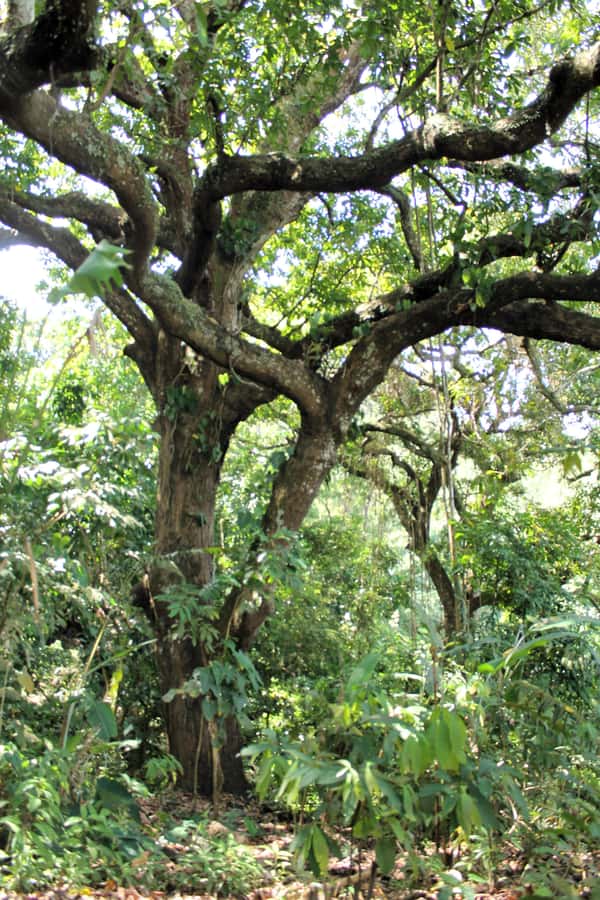
The early part of the walk introduces you to Minca’s forest and countryside. You may stop for birds, nests, fruit, or plants, and the guide can explain local uses and healing properties where appropriate. One of the strengths here is the pace. The walk is not only about reaching the farm, so you have time to notice what is around you.
Do not expect a polished theme-park presentation. The appeal is the direct setting, the family connection, and the chance to see how cacao fits into daily life in the Sierra. That also means conditions can feel basic and weather can affect the path.
A few more chocolate tours around Colombia worth a look
- Cartagena: Boutique Rum and Chocolate Tasting at Lunático
★ 4.9 · 121 reviews - Coffee & Chocolate Private Tour in Medellin: Genuine Experience
★ 5.0 · 100 reviews - Chocolate tour near Medellin
★ 5.0 · 90 reviews
Following cacao from fruit to chocolate
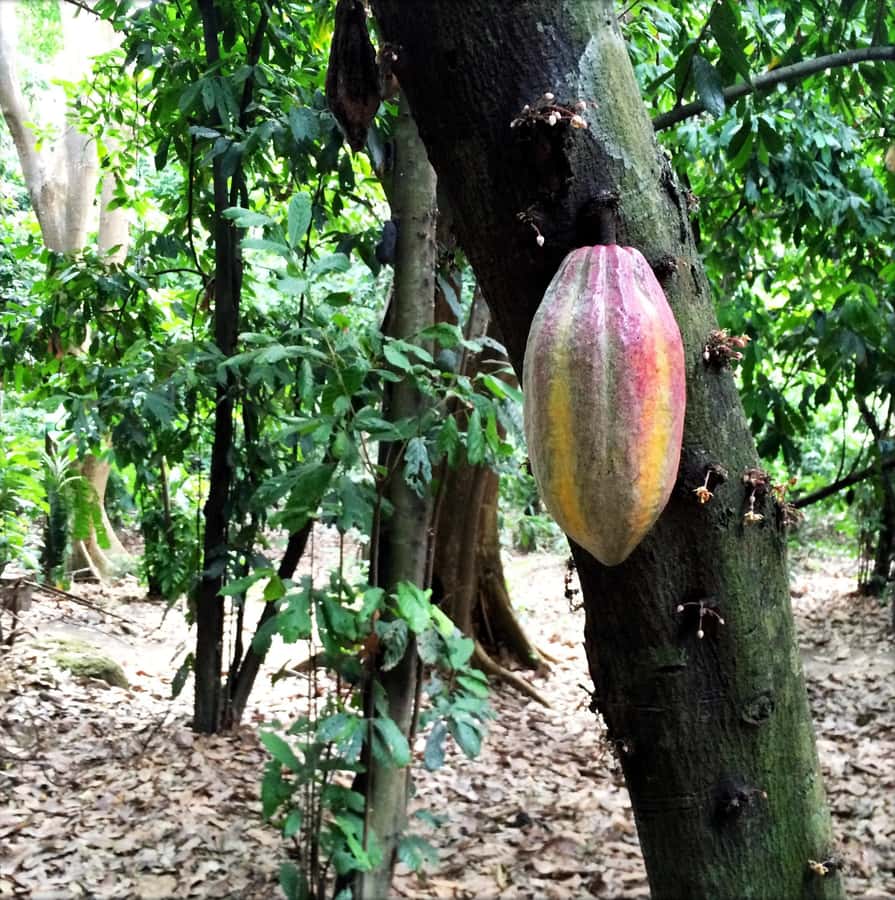
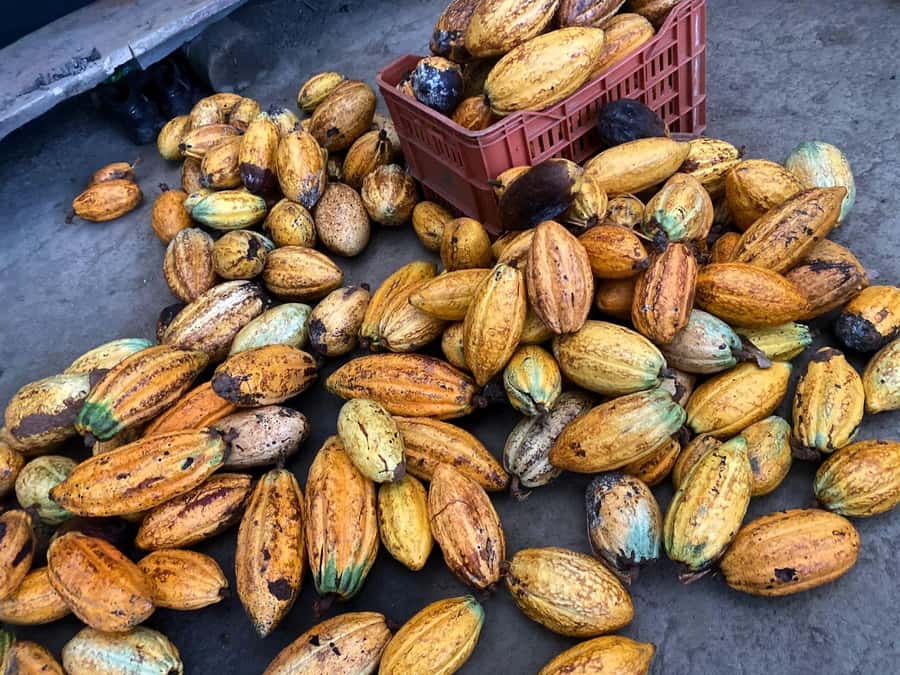
At the cacao farm, the main lesson begins with the plant itself. You see cacao growing, then learn about the stages that turn the fruit into something you can drink or eat. The experience includes tasting fresh cacao, dried seeds, and chocolate in different forms.
For many people, this is more useful than a standard chocolate tasting. You get to compare the fruit and seed before they become the sweet product most of us know. You also learn that cacao production involves work well before the bar or drink reaches a shop.
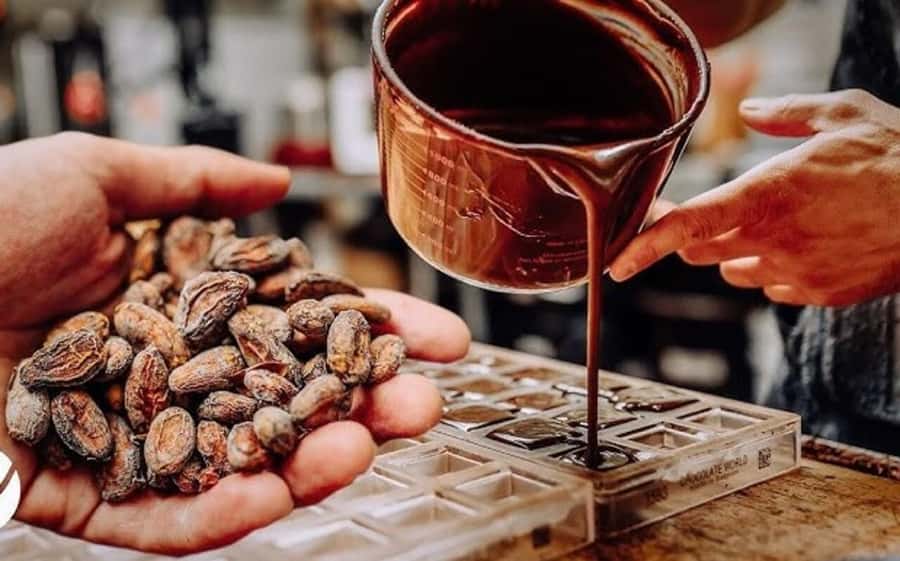
The tasting may include a chocolate drink and other cacao preparations. One particularly memorable version includes time at a small house in the Sierra, where you might have cacao and coffee with the family. A fresh cinnamon bun has also been part of the experience at times, though it should not be treated as a guaranteed inclusion because the official package lists tasting rather than a specific snack.
The setting gives the lesson its value. Instead of standing in a city shop with labeled samples, you connect the flavor to the tree, the farm, and the people who process it. I would pay close attention here, especially if you are interested in food production, local agriculture, or Colombian rural life.
Indigenous territory and local customs
The route passes through Tayrona indigenous territory, and the cultural side of the walk is an important reason to choose this tour. Your guide explains customs and the communities connected with the Sierra, giving you context as you move through the area.
The experience does not present itself as a formal museum visit. You are walking through a living environment, and respectful behavior matters. Follow the guide’s instructions, stay on the route, and avoid treating the community or the farm as a photo prop.
The family-farm setting can make the visit feel more direct than a commercial chocolate factory. You may learn about older ways of processing cacao and see how several stages are handled without industrial equipment. For me, that is the difference between simply tasting chocolate and understanding the crop.
The tour description also mentions bird songs, bird watching, and nests. Wildlife sightings are never promised, but the forest setting gives you a chance to look and listen. Monkeys and many birds have been seen on the walk, but you should treat these as fortunate extras rather than scheduled stops.
The waterfall walk and clay mask
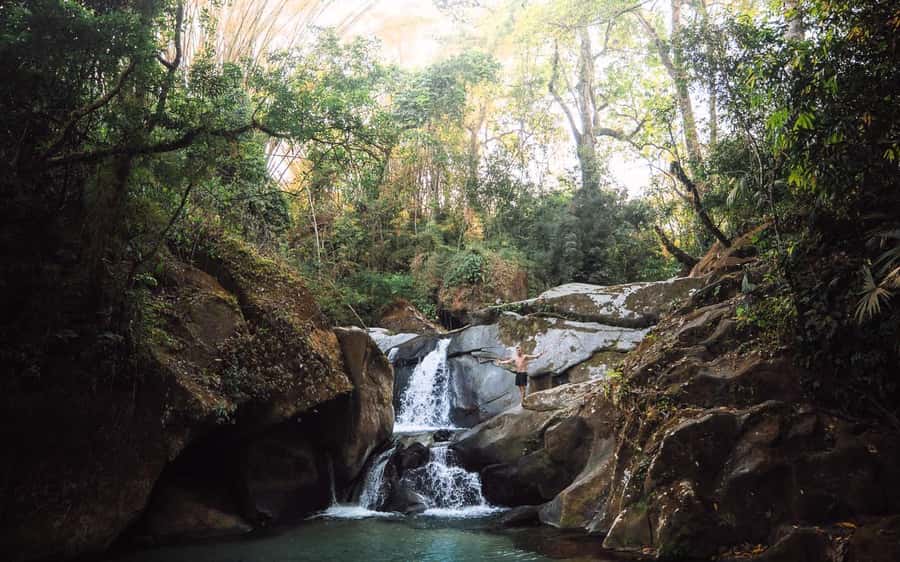
The waterfall is close to the cacao farm, but reaching it still involves a proper walk. The main route is generally manageable, though there are uneven and muddy stretches. The descent to the water and the climb back up can be the hardest part.
At the waterfall, you can bathe in the pool or falling water, depending on conditions, and use clay for a face mask. This is a playful finish to a fairly active morning. It also gives you a chance to cool off after the humid forest walk.
Take the safety warning seriously. The information for this experience points out strong currents, wild animals, and poisonous snakes. The guide’s instructions are not filler, particularly near moving water. Conditions can change, and the operator does not accept responsibility for accidents, so do not swim beyond your comfort level or ignore a warning for the sake of a photograph.
The waterfall setting is one of the strongest parts of the outing, but it is not a spa. Expect rocks, wet surfaces, and a natural pool rather than steps, railings, or changing rooms. Wear clothes and shoes you can get wet and dirty.
Same place, a different way to taste it:
- Santa Marta: Minca Coffee, Cocoa, & Waterfall Full-Day Trip
★ 4.6 · 102 reviews - Trekking History and Indigenous Heritage in Minca + Cacao & Coffee + Waterfall
★ 4.9 · 63 reviews - Minca: Full-Day Coffee and Cocoa Tour from Santa Marta
★ 4.5 · 61 reviews - Cacao and Coffee Tour
★ 4.5 · 24 reviews
How hard is the hike?
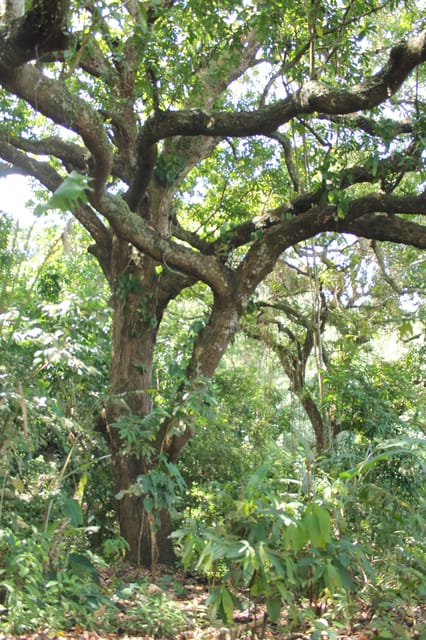
The physical level sits between an easy walk and a serious mountain trek. Most of the route is described as doable, but the full outing lasts 270 minutes, or four and a half hours. Heat, humidity, mud, and the return climb can make the day feel longer than the mileage suggests.
You should be comfortable walking on uneven ground and taking a few short breaks. One helpful feature is the guide’s willingness to adjust the pace. Andrés has been praised for waiting when people need to catch their breath and for explaining plants and wildlife rather than rushing from stop to stop.
A reasonable level of fitness is enough for many people, but I would not recommend this outing if you want a flat route or have difficulty with steep ground. The waterfall section may involve scrambling, and the path can become slippery after rain.
Pack light, but bring the right things:
- Sturdy shoes with grip
- Water
- Swimwear or quick-drying clothing
- A towel
- Sun protection
- Insect repellent
- A dry bag or waterproof pouch for valuables
The official information does not list a required equipment package, so come prepared for a natural setting rather than expecting supplies on the trail.
Why the small-group size matters
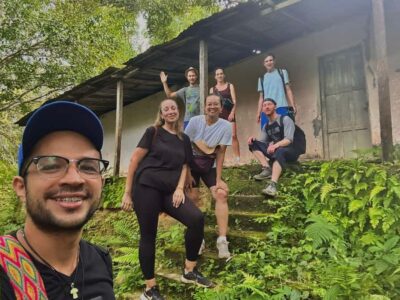
The advertised group limit is 10 people. That is a good size for a path through the forest and for a cacao lesson where you may want to see, taste, and ask questions.
A smaller group also makes the guide’s nature explanations easier to hear. You can stop for a bird or plant without holding up a large coach party, and the guide has a better chance of adjusting the pace.
There is one practical wrinkle. Departures can overlap, and the farm may occasionally have around 15 people when another group arrives. The walk itself may still feel intimate, but the cacao portion can be busier than the advertised group limit suggests.
If having the smallest possible group is important to you, ask about departure timing before booking. The guide has also shown some flexibility when plans change, which is useful in Minca, where weather and personal energy can affect a half-day schedule.
Is $46 a fair price?
At $46 per person, this is good value if you want several experiences in one outing: a bilingual guide, a forest hike, cacao education, tastings, cultural context, and a waterfall swim. You are paying for interpretation and access to a local setting, not simply transportation to a viewpoint.
The price is strongest for someone who would otherwise book separate activities for cacao and nature. You get a connected story, starting with the plants and forest, moving to the farm, then ending in the water.
Keep your expectations sensible. The listed inclusions are the tour, a personal bilingual guide, hiking, tasting, and waterfall access. Lunch, coffee, a cinnamon bun, or a visit to an animal refuge have occurred as part of some outings, but they are not listed as standard inclusions. Budget separately for food and do not assume every optional stop will be part of your schedule.
The tour also offers free cancellation up to 24 hours before the start and a reserve-now, pay-later option. Those policies help if your Minca plans are still shifting, but the more important question is whether you want an active, outdoor half-day rather than a short tasting session.
The guide can shape the day
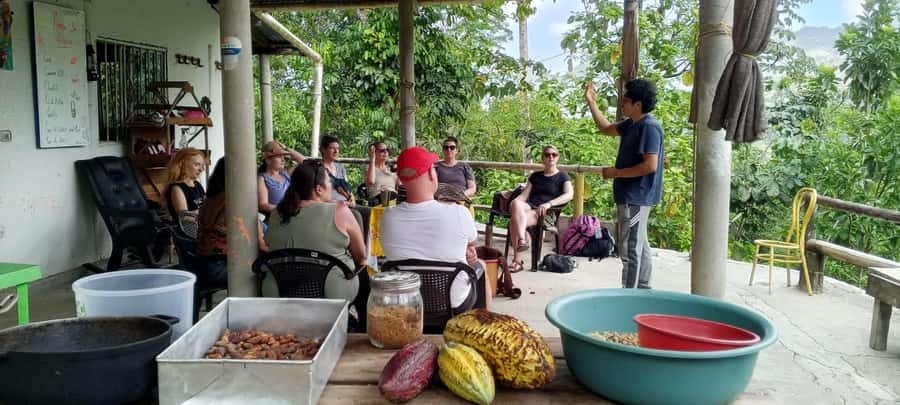
The guide is a major part of this experience. Andrés is described as relaxed, patient, flexible, and strong on local flora, fauna, cacao, and the history of the area. That combination matters because the outing has several moving parts and a route that may require encouragement.
A good guide can turn a muddy path into a lesson. You may hear about a plant’s use, spot a nest, learn about indigenous customs, or understand why cacao is processed in a particular way. The bilingual format also means you can ask questions without relying on a translation app.
Some guides have their own connection to the farm. John, for example, had volunteered there before, which added another personal layer to the visit. The exact tone will depend on who leads your group, but the experience is built around guide-led interpretation rather than a self-guided walk.
Flexibility can also be useful. One outing extended to an animal refuge and additional waterfalls, but treat that as an optional adjustment, not a promise. The standard tour already fills four and a half hours.
The main drawbacks to consider
The biggest issue is physical rather than cultural. You will walk through a warm, uneven environment, and the waterfall path can be muddy and steep. If your idea of a cacao tour is a short, comfortable tasting in town, this is a different product.
Weather may also affect the route and the waterfall. The safety information specifically warns about strong currents, so the water portion should never be treated as guaranteed swimming time under all conditions.
The experience is also not fully private by default. The group limit is small, but overlapping groups can increase the number of people at the farm. This is worth considering if quiet time with the family or guide is your top priority.
Finally, some parts of the day are informal. The tour centers on a farm and natural setting, not a polished visitor center. That is exactly why the experience feels more local, but it also means you should accept a little uncertainty about snacks, optional stops, and the precise flow of the day.
Who should book this Minca experience?
I would choose this tour if you want to combine nature, food, culture, and light adventure in one half-day. It suits curious eaters, first-time visitors to Minca, couples, small groups, and anyone who wants more context than a quick waterfall visit provides.
It is also a good choice for people who enjoy asking questions. The cacao process has several stages, and the forest offers plenty to discuss as you walk. English and Spanish support makes the experience accessible to mixed-language groups.
You may want a different activity if you dislike mud, cannot manage uneven trails, or want a guaranteed quiet and private visit. Families should also consider the route and water conditions carefully, since the data does not specify a minimum age or child suitability.
Should you book it?
Book it if you want to understand cacao in its setting, not just taste a finished product. The combination of a family farm, Tayrona territory, jungle wildlife, bilingual guiding, and a waterfall makes the $46 price reasonable for an active half-day.
Skip it if you are looking for a simple chocolate tasting or an easy walk. For everyone else, bring shoes with grip, accept a little sweat and mud, follow the safety instructions, and leave room for the best parts of Minca to happen at a slower pace.
FAQ
Where does the Cacao Experience Tour begin?
The meeting point is the church in Minca, Colombia.
How long does the tour last?
The tour lasts 270 minutes, which is four and a half hours.
What languages does the guide speak?
The tour is offered in English and Spanish.
How many people are in the group?
The advertised small-group limit is 10 participants. Group numbers at the farm can sometimes be higher if another departure overlaps.
What is included in the tour?
The listed inclusions are the tour, a personal bilingual guide, hiking, tasting, and waterfall access.
Can I swim at the waterfall?
The experience includes a waterfall bath or swim, but conditions can vary. Strong currents are specifically listed as a possible risk, so you must follow the guide’s instructions.
Can I cancel for a refund?
You can cancel up to 24 hours in advance for a full refund. A reserve-now, pay-later option is also available.
Just added around Colombia
- Waterfalls, Animal Reserve and Chocolate: Mango Passage★ 5.0 · 2 reviews
- Cocoa Tour – San Rafael Antioquia from Medellín★ 5.0 · 2 reviews
- Minca: Hidden Waterfall + Coffee and Cocoa Workshop★ 4.9 · 6 reviews
- Medellín: Chocolate Tour & Exfoliation in beautiful river★ 5.0 · 3 reviews
- Coffee, Cocoa and Trekking Tour in Minca: Nature, Crops and Production★ 4.7 · 21 reviews
- Chocolate tour near the Medellín★ 5.0 · 13 reviews
- Cartagena: Express Rum and Chocolate Tasting Experience★ 5.0 · 10 reviews
- Cartagena: The Legendary Colombian Rum and Chocolate Tasting★ 5.0 · 8 reviews
Colombia Chocolate Tours, compared.
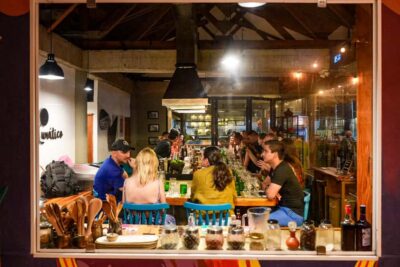
Cartagena: Boutique Rum and Chocolate Tasting at Lunático
Read our review →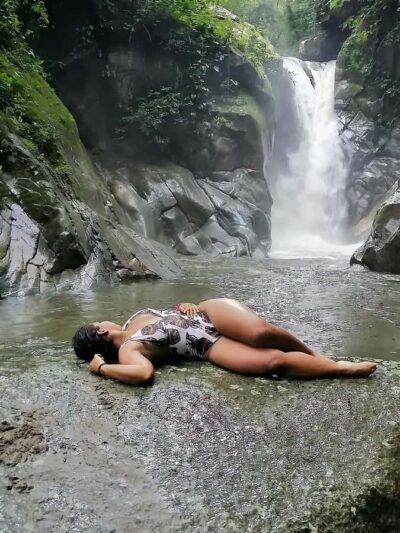
Santa Marta: Minca Coffee, Cocoa, & Waterfall Full-Day Trip
Read our review →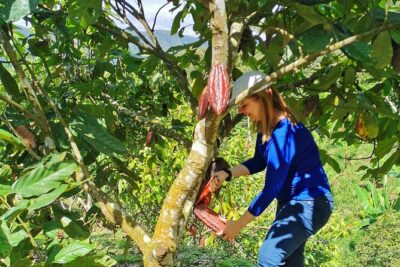
Coffee & Chocolate Private Tour in Medellin: Genuine Experience
Read our review →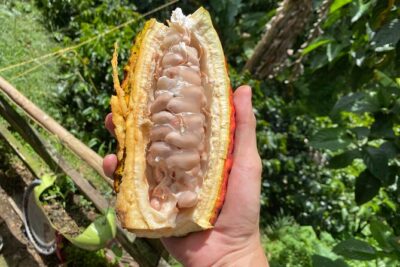
Trekking History and Indigenous Heritage in Minca + Cacao & Coffee + Waterfall
Read our review →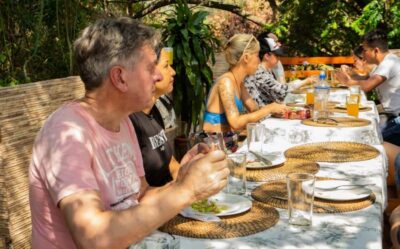
Coffee, Cocoa and Trekking Tour in Minca: Nature, Crops and Production
Read our review →Browse the lists this tour appears in