
REVIEW · COLOMBIA
Coffee, Cocoa and Trekking Tour in Minca: Nature, Crops and Production
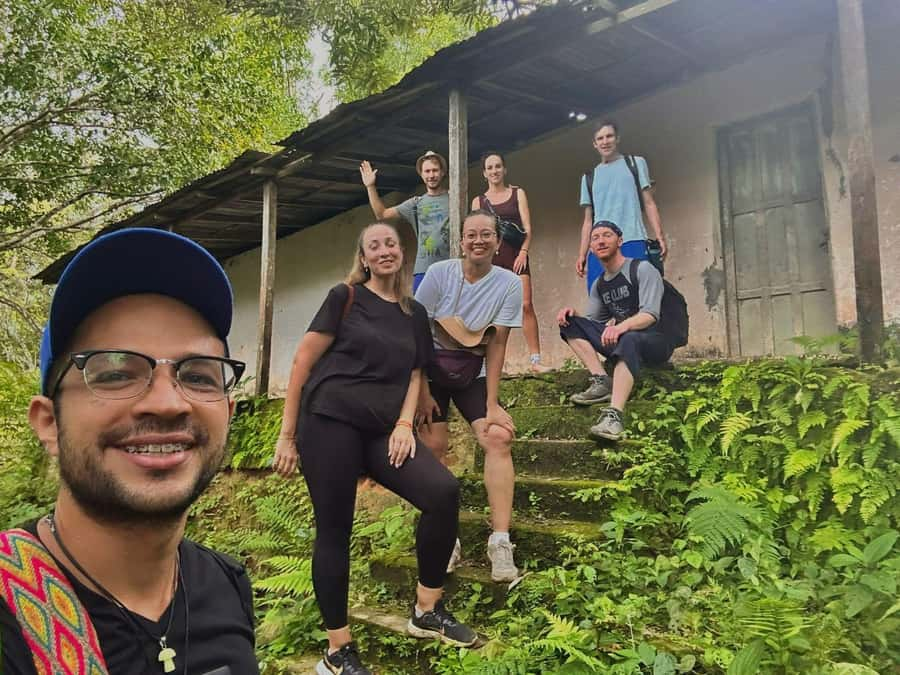
Minca’s coffee and cocoa farms sit among forest trails, clear streams, and mountain views that reach toward the Caribbean Sea. This tour brings those pieces together: a guided hike, a family-run farm, and a hands-on look at how coffee and cocoa move from crop to cup or chocolate. The cocoa work is done by hand, which gives the visit a useful, human scale.
I like the direct contact with local farming and the chance to taste coffee and cocoa where they are grown. I also like the guides’ personal touch: Albert, John, and Jorge are specifically associated with the experience, and Jorge is noted for explaining both the farm and Minca’s story clearly. The main drawback is the uphill walking. This is a short tour, but parts can feel hearty, and the 4.5-hour schedule leaves little room for a slow pace.
Key points at a glance
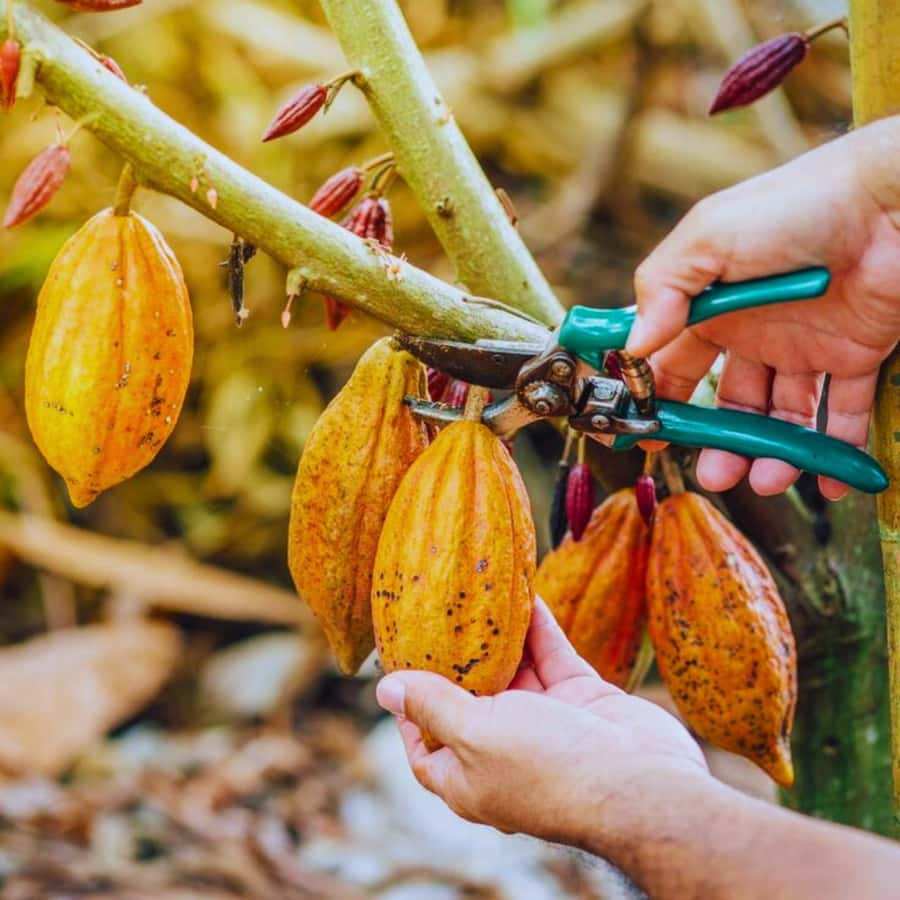
- Family-farm production: See coffee and cocoa cultivation and manual processing at Finca San Rafael.
- A real uphill hike: The walking is scenic but requires comfortable shoes and reasonable fitness.
- Fresh tastings: Try organic coffee and handmade cocoa products during the visit.
- Waterfall break: The route includes access to natural water, with time for a short swim in a small pool near a waterfall.
- Small-community focus: Your payment supports local farming and environmental conservation.
- Easy central meeting point: Start and finish at Minca’s central park, beside the church or small chapel.
Why this Minca tour feels different
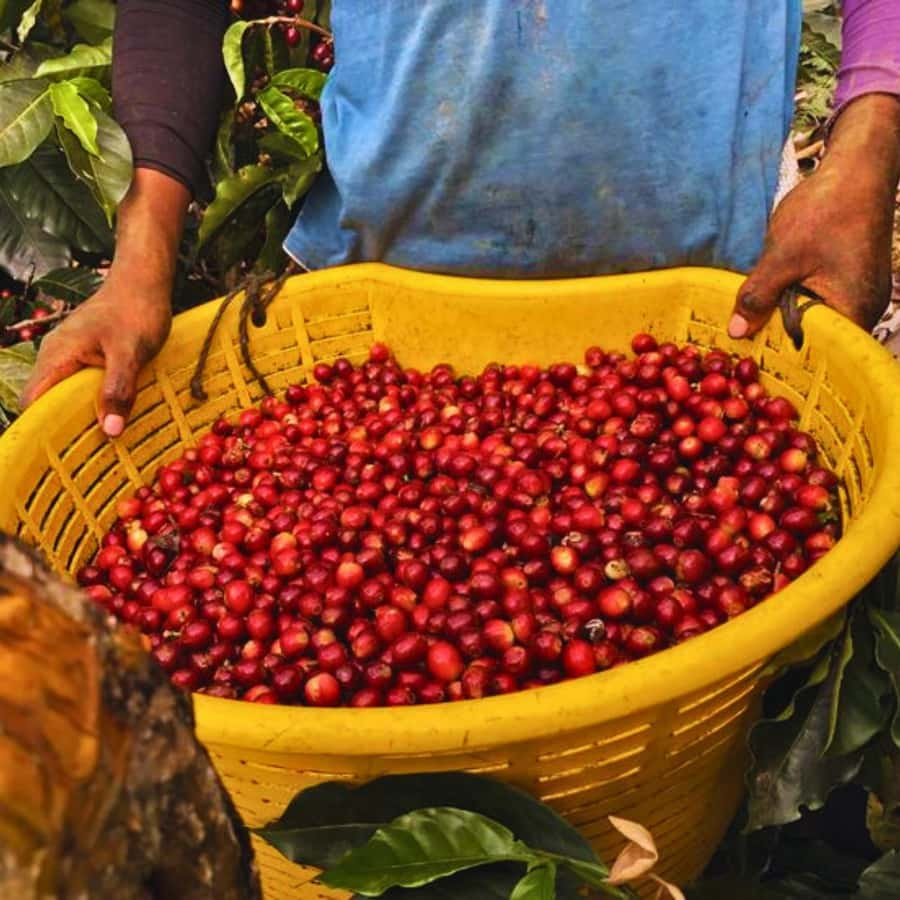
Minca is not just a pretty mountain stop outside Santa Marta. It is a working agricultural community in the Sierra Nevada de Santa Marta, where coffee and cocoa have helped shape local income, food traditions, and daily life.
That matters because this tour does not treat the farm as a backdrop for a quick tasting. You learn how crops are planted, harvested, processed, and prepared. The guide also explains the shift from older farming methods toward more sustainable agroecological practices. You get a clearer sense of the labor behind a cup of coffee or a piece of cocoa.
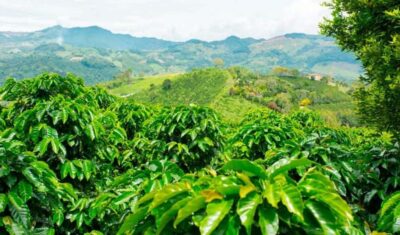
The scenery adds another layer. Minca’s changing elevations support different plants, trees, and wildlife. Along the trails, you might see native vegetation, old trees, small streams, and forest growth. The route also reaches viewpoints where misty mountains, jungle greens, and the Caribbean Sea appear in the same broad view.
I would book this for the combination, not for any one single attraction. If you only want coffee, a farm visit may be enough. If you only want a waterfall, other outings may suit you better. Here, the value comes from connecting the hike, the crops, the people, and the setting in one half-day.
More Chocolate and Coffee Tastings in Colombia:
- Santa Marta: Minca Coffee, Cocoa, & Waterfall Full-Day Trip
★ 4.6 · 102 reviews - Coffee & Chocolate Private Tour in Medellin: Genuine Experience
★ 5.0 · 100 reviews - Trekking History and Indigenous Heritage in Minca + Cacao & Coffee + Waterfall
★ 4.9 · 63 reviews
Starting at Minca’s central park
The tour begins at Parque de Minca, the central park beside the local church or small chapel. This is a practical meeting point because you do not need a separate transfer to a remote farm. The activity also ends here, so you can keep your arrival and departure plans simple.
Your guide leads the first part of the route from the park toward Puente de Minca. This opening section helps you get oriented to the village and its surroundings before the farm visit. The guide may explain local agriculture, the role of coffee and cocoa, and the way communities use the land.
The meeting point is in the heart of Minca, but the tour quickly shifts from town streets to natural paths. Wear clothes that can get dirty. This is not a polished city walking tour, and the trail conditions call for shoes with a secure grip.
The two advertised languages are Spanish and English. If language is important to you, confirm your preferred guide and language when booking, since individual guide assignments can vary.
Walking toward Puente de Minca
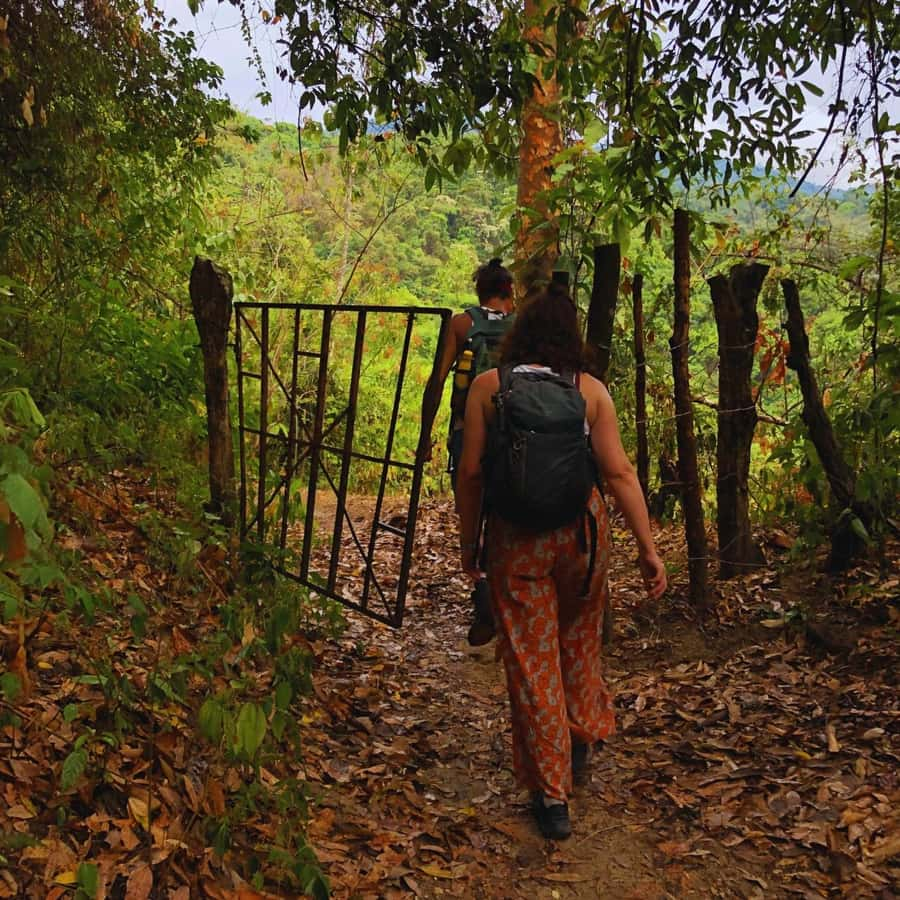
The stop at Puente de Minca includes about an hour of guided touring. The bridge area is useful for seeing how water shapes the community and for beginning the nature portion of the route.
You can expect information about the surrounding plants, the local environment, and Minca’s place in the Sierra Nevada. The guide is not simply pointing out scenery. The stated focus is biodiversity, so the walk gives you a chance to connect the forest with the crops and water sources that support local life.
The route is not described as wheelchair accessible, and it is not suitable for children under eight. That tells you something important about the walking conditions. Even if the total time is only 4.5 hours, this is an active outing rather than a farm visit with a few steps between stops.
Bring a full reusable water bottle. The tour includes access to natural water sources for refreshment, but you should not depend on those alone for all your hydration. Biodegradable sunscreen and insect repellent are also sensible choices for the forest setting.
The three-hour walk through Minca’s nature
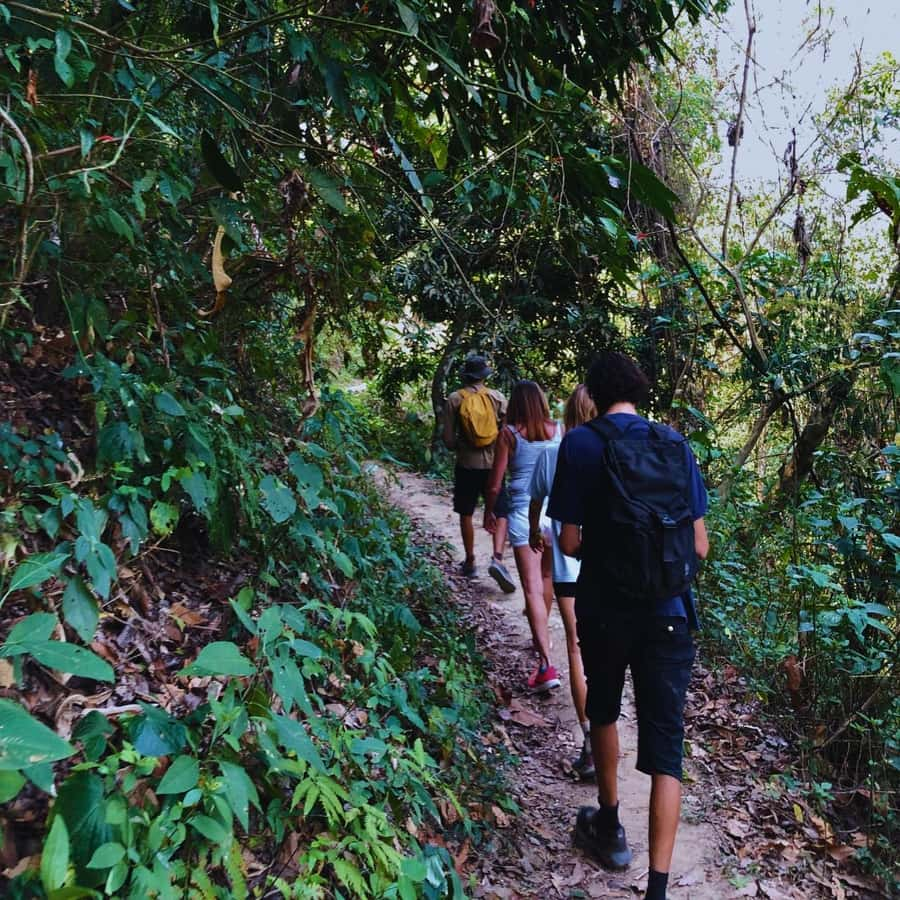
The longer guided section takes place around Minca Park and the nearby natural trails. This is where the tour earns its trekking label.
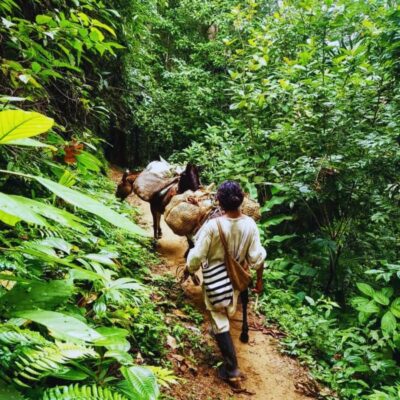
The exact level of difficulty is not given, but the supplied guidance and direct experience notes point to an uphill hike. One useful detail is that the walk has been described as hearty, though worth the effort for the local setting and views. I would treat it as moderate walking with slopes rather than a flat stroll.
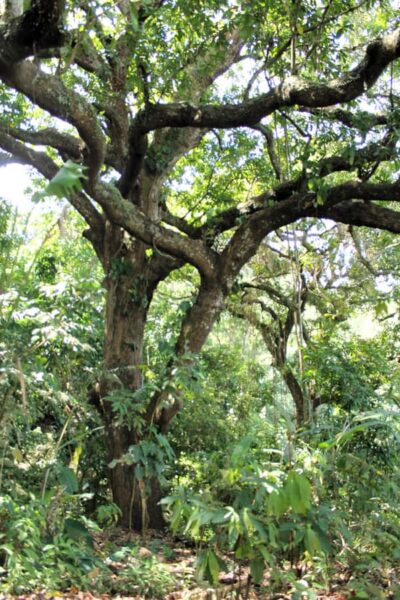
The scenery changes as you move through the Sierra Nevada’s different thermal zones. You may pass tropical forest, native plants, old trees, and clear streams. The guide also explains how fertile soils and varied elevations allow communities to grow more than one type of crop.
This section is valuable because it places farming in its natural setting. Coffee and cocoa do not appear by magic in a tasting room. They depend on soil, shade, rain, temperature, water, and careful work. Seeing the plants and the surrounding forest gives the later farm explanation more meaning.
The route includes rest points with wide views. Depending on conditions, you may see mist over the mountains, thick jungle, and the Caribbean Sea in the distance. These are good moments to slow down, catch your breath, and take photographs.
Do not wear your best white trainers. The instructions specifically recommend hiking shoes, sports shoes, comfortable clothing, hiking pants, and clothing that can get dirty. Waterproof clothing is also advised. Minca’s conditions can change, and the trail may be damp even if the morning begins dry.
Same place, a different way to taste it:
- Cartagena: Boutique Rum and Chocolate Tasting at Lunático
★ 4.9 · 121 reviews - Chocolate tour near Medellin
★ 5.0 · 90 reviews - Cacao Experience Tour
★ 4.8 · 66 reviews - Minca: Full-Day Coffee and Cocoa Tour from Santa Marta
★ 4.5 · 61 reviews
Finca San Rafael and the coffee-to-cup process
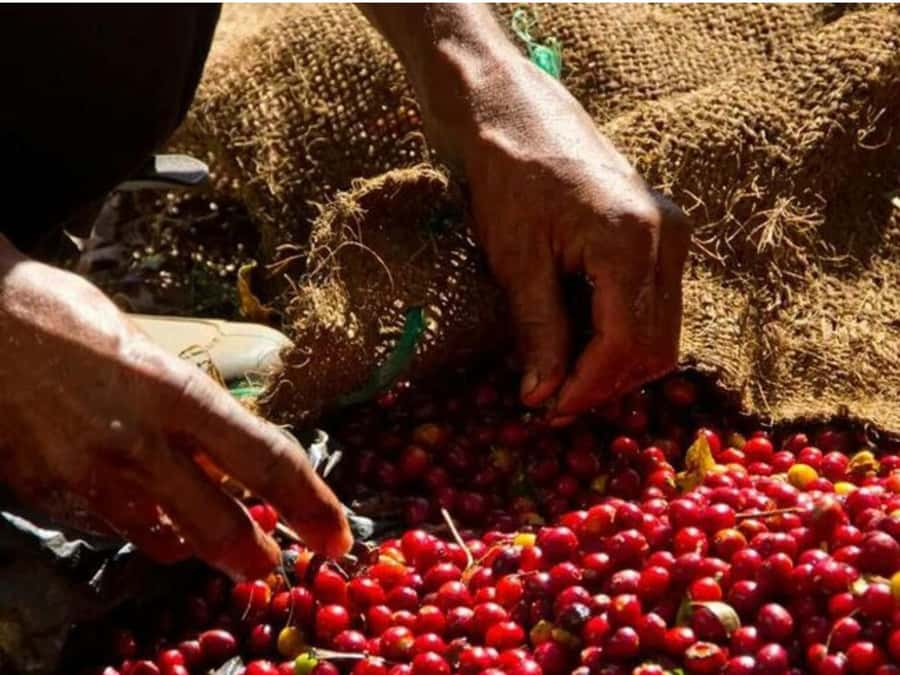
The farm visit at Finca San Rafael is the main reason to choose this experience over a basic nature walk. The family-run plantation gives you a closer look at coffee and cocoa production, with the process explained from cultivation through transformation.
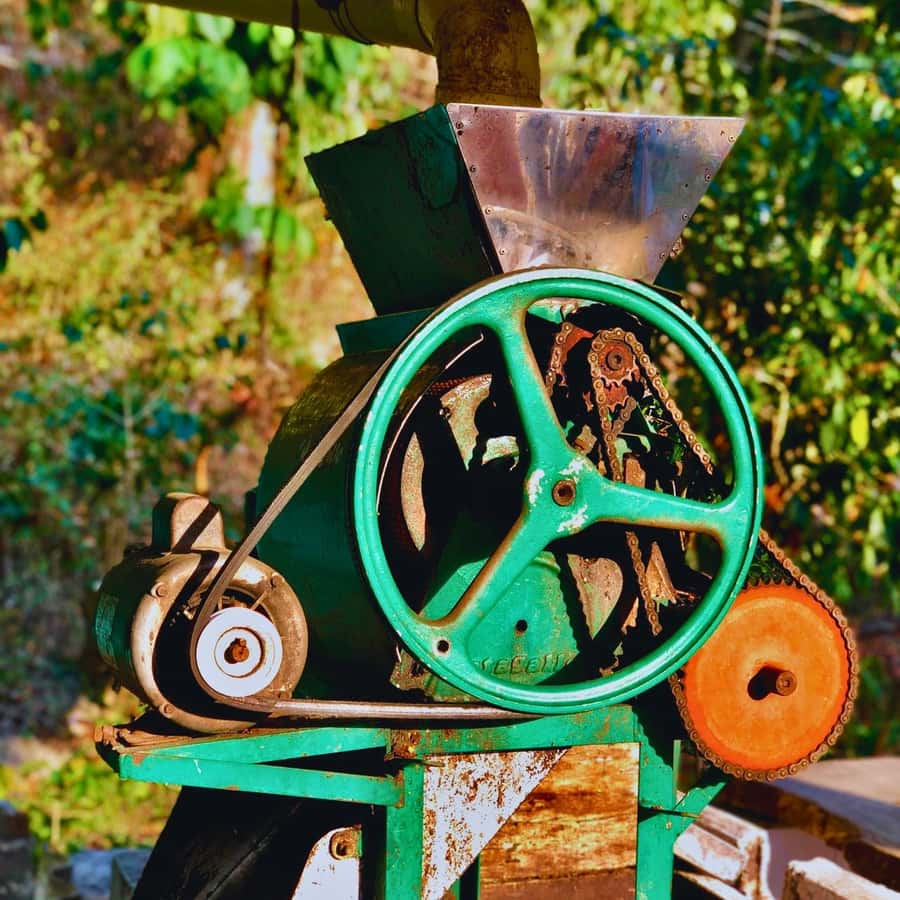
You learn about planting, harvesting, and processing. The cocoa portion includes manual production, which makes the work easier to understand than a purely verbal explanation. You can see how much attention goes into turning a raw crop into a finished product.
The coffee and cocoa focus also gives the tour two different stories. Coffee is closely linked with the highland identity of the region, while cocoa offers a different set of steps and textures. The guide and farm family explain how traditional methods have developed alongside more sustainable farming practices.
The farm visit is listed as a guided stop, though the published breakdown contains an obvious timing error for this section. The full activity is advertised as 4.5 hours, while the farm line shows 30.5 hours. You should read that as a scheduling typo and confirm the exact timing when you reserve. It is not a reason to avoid the tour, but it is worth checking if you have a tight afternoon plan.
The family’s welcome is part of the appeal. Jorge is specifically noted for explaining the plantation well, while the farm family adds its own practical perspective. Guides such as Albert and John are also associated with the outing. Their role is important because the quality of this kind of tour depends heavily on clear explanations and easy conversation.
Coffee, cocoa, and a cool-water break
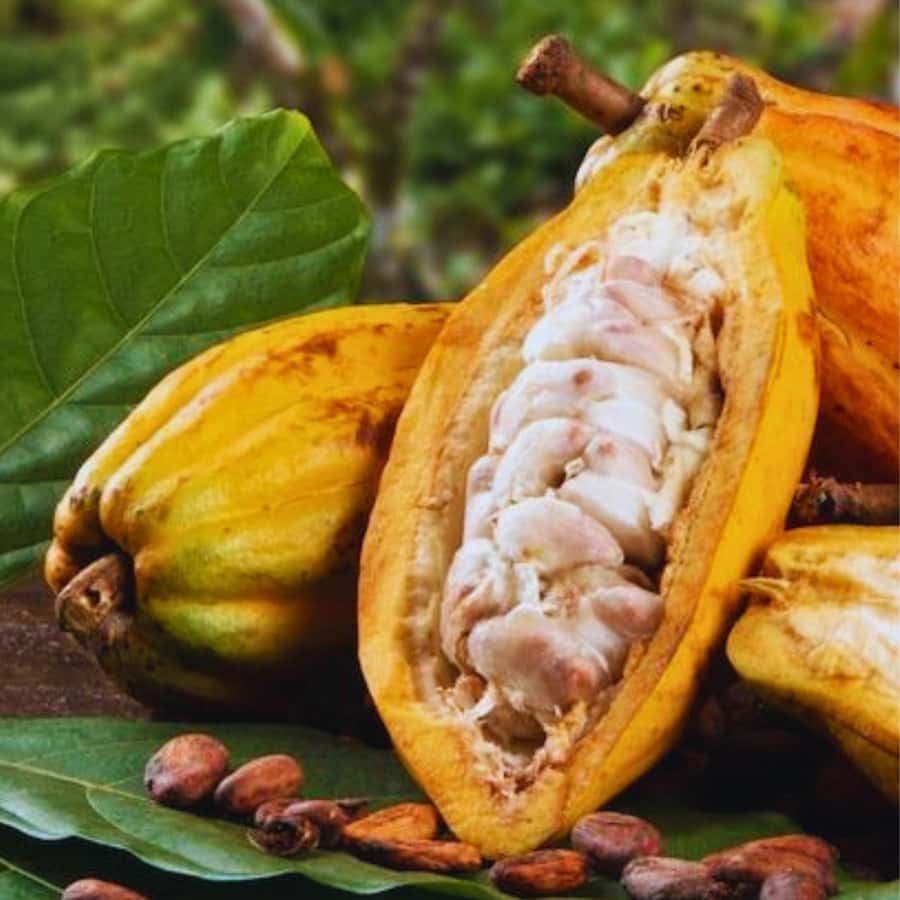
The tasting is simple but well placed. You try organic coffee and handmade cocoa products after seeing how the crops are grown and prepared. That order makes the flavors more interesting. You are not just sampling a drink or sweet; you are connecting it with the plants, the work, and the place.
The cocoa production is done manually, so the tasting may appeal to anyone who likes food experiences with a visible link to local labor. The information does not promise a large meal or a broad food spread. Food and beverages beyond the included tastings are not included, so eat beforehand or plan another meal after the tour.
A small natural pool near a waterfall provides a welcome pause. The route includes access to natural water, and a short swim may be possible. This is one of the nicest details for hot days, but bring realistic expectations. It is described as a short swim in a small natural pool, not a full beach or swimming excursion.
A reusable bottle, quick-drying clothes, and a small towel would make sense, although only the bottle is specifically requested. Since the activity can get wet and dirty, avoid carrying anything you would worry about on a forest trail.
What $41 buys you
At $41 per person, the price is fair if you want several pieces in one outing. The fee covers a local guide, a sustainable farm visit, coffee and cocoa tasting, a guided hike, nature observation, rest areas, access to natural water, assistance insurance, and a direct contribution to the community and environmental conservation.
You are not paying only for a short tasting. You are paying for the guide’s time, the farm connection, the walking route, and access to a working local project. That gives the tour stronger value than a simple transfer to a viewpoint.
The limits are clear. Transportation is not included, and neither is food or extra drink. You must reach the central park in Minca on your own. If you are staying in Santa Marta or elsewhere, budget separately for getting to Minca.
The tour is also not designed for every body or every age. It is not suitable for children under eight, pregnant women, wheelchair users, people with respiratory issues, or older participants listed as over 70, over 80, and over 95 in the booking information. Those age limits are oddly repeated and inconsistent, so anyone near those ranges should confirm before paying. The uphill route is the more useful practical warning.
Guides, pace, and the personal side
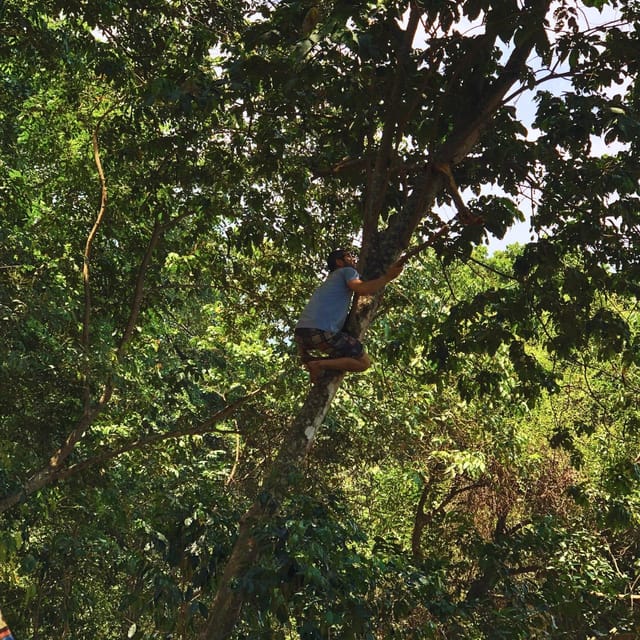
The guide can make or break a farm and nature tour. Here, Albert is described as kind and willing to answer questions. John is associated with an especially strong guiding experience, while Jorge is noted for explaining Minca’s story and showing interest in the company and its work.
Those details suggest a tour that works best when you ask questions. Ask about how coffee is harvested, how cocoa is processed by hand, and why sustainable methods matter in this area. You will get more from the experience if you treat it as a conversation rather than waiting for a long speech.
The tour is described as fully customizable, but the available details do not explain exactly what can be changed. I would not assume that the route, timing, or farm stop can be altered without checking. The safest expectation is a guided half-day outing that follows the listed route.
The pace should suit people who like to stop for explanations, views, and tastings. If you want to cover ground quickly, the guide may feel slow. If you prefer to understand where local food comes from, that pace is a strength.
What to bring for the 4.5-hour route
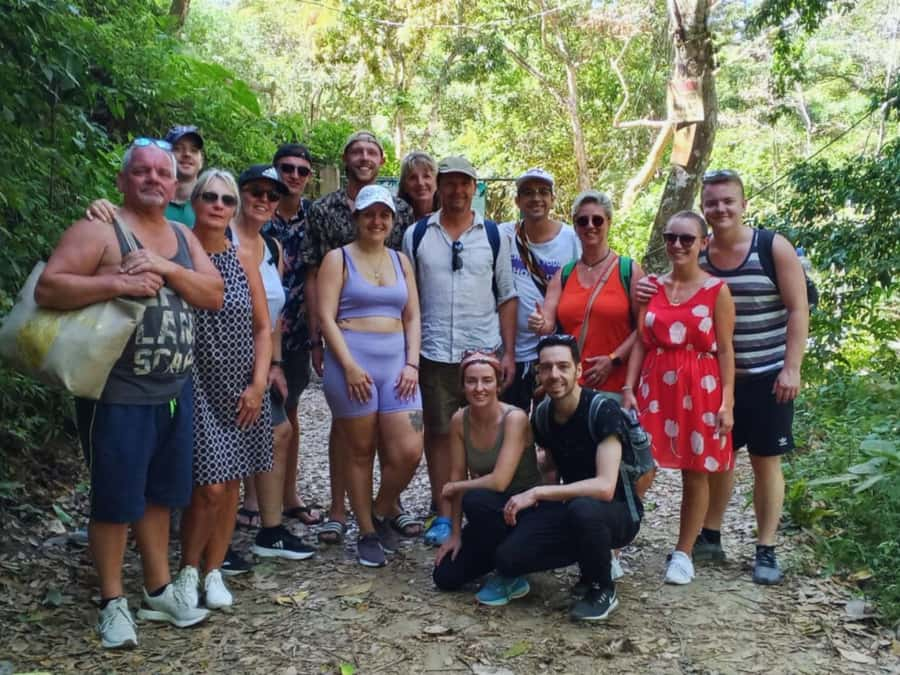
Pack lightly, but pack for changing trail conditions. The useful list is:
- Comfortable hiking or sports shoes with good grip
- Water in a reusable bottle
- Comfortable sportswear and hiking pants
- Clothing that can get dirty
- Waterproof clothing
- Biodegradable sunscreen
- A hat
- Biodegradable insect repellent
- Basic trekking gear
The tour does not include food, so do not set out hungry unless you already have a plan. Natural water access is included, but your own bottle remains essential.
Weapons, sharp objects, alcohol, drugs, nudity, and baby strollers are not allowed. The stroller rule is especially practical because the route is not designed for smooth rolling access.
Free cancellation is available up to 24 hours before the activity for a full refund. You can also reserve and pay later, which helps if your Minca plans depend on weather or transport.
Who should book this experience
I would recommend it to people who want a local food story tied to nature. It suits couples, active adults, families with older children, and anyone interested in sustainable agriculture and small-scale production.
It is also a good fit if you want a guide rather than a self-guided walk. The route has several layers of information: local farming, biodiversity, Minca’s community, and the connection between land and income.
I would think twice if you dislike uphill walking, humid outdoor conditions, mud, insects, or getting wet. The tour is not a soft introduction to Minca. It is short, but it still asks you to walk and dress for the outdoors.
Should you book the Minca coffee and cocoa tour?
Book it if you want more than a tasting and can handle a hearty uphill walk. The strongest parts are the family farm, the manual cocoa explanation, the fresh coffee and cocoa, and the chance to cool off near a waterfall.
Skip it if you need transportation included, require wheelchair access, or want a flat and highly structured outing. For everyone else, $41 is a reasonable price for a community-focused half-day that connects Minca’s crops, people, and mountain setting.
FAQ
Where does the tour begin?
It begins at the central park in Minca, beside the church or small chapel.
Where does the tour end?
The activity ends back at the central park in Minca.
How long does the tour last?
The advertised duration is 4.5 hours. The farm stop contains an inconsistent timing entry, so confirm the precise schedule when booking.
What languages are available?
The tour is available with a live guide in Spanish or English.
Is transportation included?
No. Transportation is not included. You must reach the meeting point at Minca’s central park independently.
Are food and drinks included?
Food and beverages are not included. The experience does include tastings of organic coffee and handmade cocoa products.
Is swimming part of the tour?
The route includes access to natural water sources, and a short swim may be possible in a small natural pool near a waterfall.
What should I wear?
Wear comfortable hiking or sports shoes, sportswear, hiking pants, and clothing that can get dirty. Waterproof clothing, sunscreen, a hat, and biodegradable insect repellent are also recommended.
Can children or wheelchair users join?
The activity is not suitable for children under eight or wheelchair users. It is also not suitable for pregnant women, people with respiratory issues, and the older age groups listed in the booking information.
Just added around Colombia
- Waterfalls, Animal Reserve and Chocolate: Mango Passage★ 5.0 · 2 reviews
- Cocoa Tour – San Rafael Antioquia from Medellín★ 5.0 · 2 reviews
- Minca: Hidden Waterfall + Coffee and Cocoa Workshop★ 4.9 · 6 reviews
- Medellín: Chocolate Tour & Exfoliation in beautiful river★ 5.0 · 3 reviews
- Chocolate tour near the Medellín★ 5.0 · 13 reviews
- Cartagena: Express Rum and Chocolate Tasting Experience★ 5.0 · 10 reviews
- Bean to Bar: Cocoa and Chocolate Workshop★ 5.0 · 5 reviews
- Cartagena: The Legendary Colombian Rum and Chocolate Tasting★ 5.0 · 8 reviews
Colombia Chocolate Tours, compared.
Cartagena: Boutique Rum and Chocolate Tasting at Lunático
Read our review →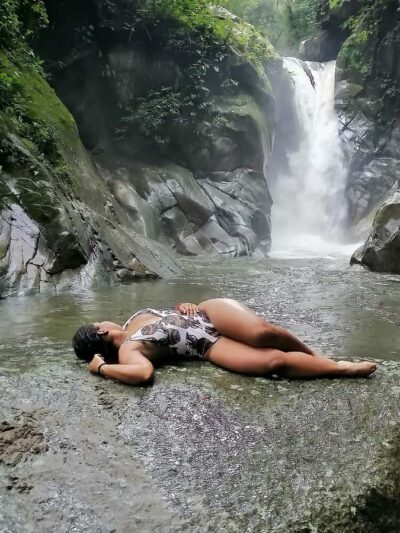
Santa Marta: Minca Coffee, Cocoa, & Waterfall Full-Day Trip
Read our review →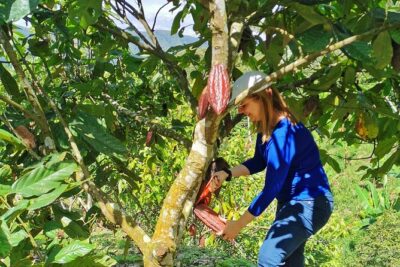
Coffee & Chocolate Private Tour in Medellin: Genuine Experience
Read our review →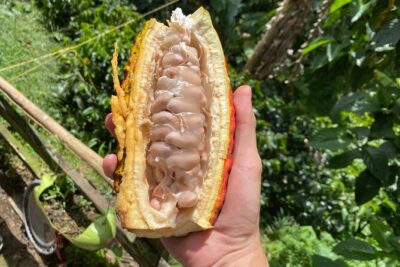
Trekking History and Indigenous Heritage in Minca + Cacao & Coffee + Waterfall
Read our review →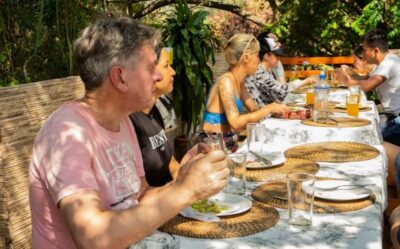
Browse the lists this tour appears in