
REVIEW · PARIS
Paris: Entrance Ticket to the Chocolate Museum
The most enjoyable part of this Paris museum is that the lesson comes with samples. You trace cocoa from ancient Olmec, Maya, and Aztec rituals to modern chocolate production, then taste products made on-site. The virtual demonstration by two Meilleurs Ouvriers de France adds a useful look at how chocolate gets its glossy finish.
I like the museum’s broad timeline, which explains why cocoa mattered long before it became a sweet treat. I also like the family-friendly treasure hunt, activity booklet, and tasting stops. The main drawback is value: at about $21 per person, this is a small museum, and some visitors finish in under an hour. Take your time, use the optional audioguide, and sample everything to make the ticket worthwhile.
Key points to know before you go
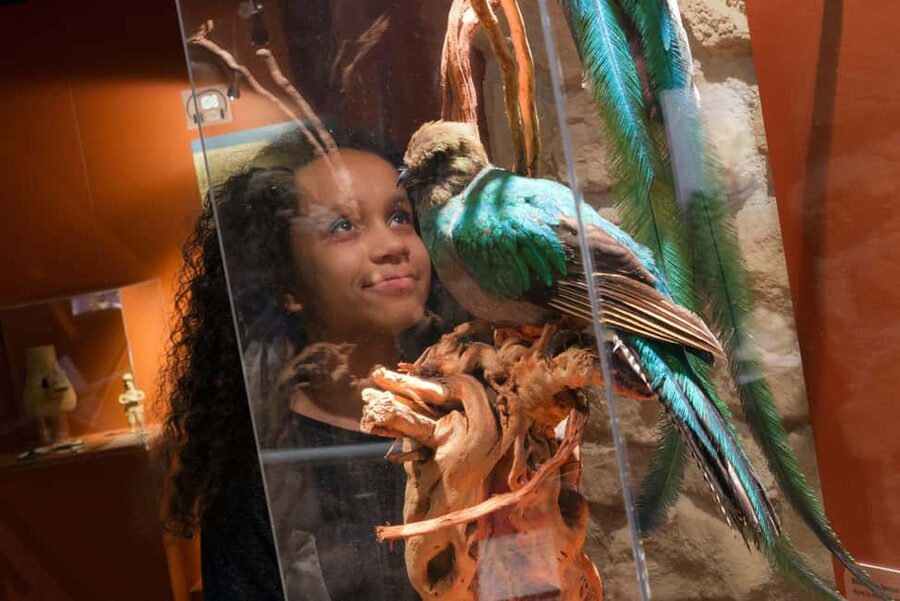
- 4,000 years of cocoa history: Follow chocolate from the Olmecs, Maya, and Aztecs through its arrival in Europe and modern production.
- More than 1,000 objects: See chocolate-making tools, serving pieces, containers, and other cocoa-related artifacts across 850 square meters.
- Expert chocolate demonstration: Watch a virtual presentation featuring two Meilleurs Ouvriers de France and learn how chocolate gets its polished outer coat.
- Tastings included: Sample chocolate products made on-site, including praliné and ganache, with flavors linked to cocoa from places such as Costa Rica, Peru, and Vanuatu.
- Good for children: A treasure hunt, stickers, and an activity booklet give younger visitors something to do beyond reading display panels.
- A self-guided visit: Panels are in English, French, and Spanish. An audioguide costs €3 per person and is available in seven languages.
A chocolate museum that starts before the candy bar
Le Musée Gourmand du Chocolat is at 28 Boulevard de Bonne Nouvelle in the 10th arrondissement. It is not a grand palace museum, and the visit does not try to be one. Instead, it gives you a focused lesson on cocoa, with enough visual material and tasting stops to keep the subject from becoming dry.
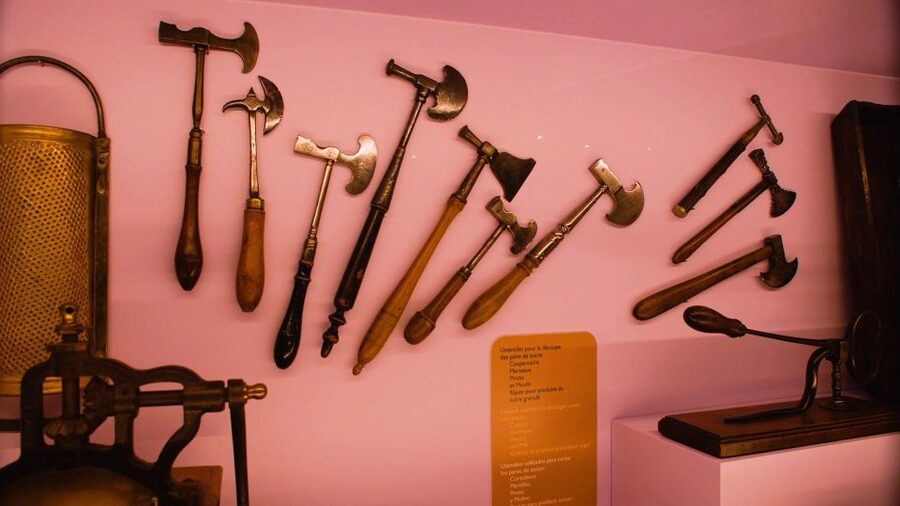
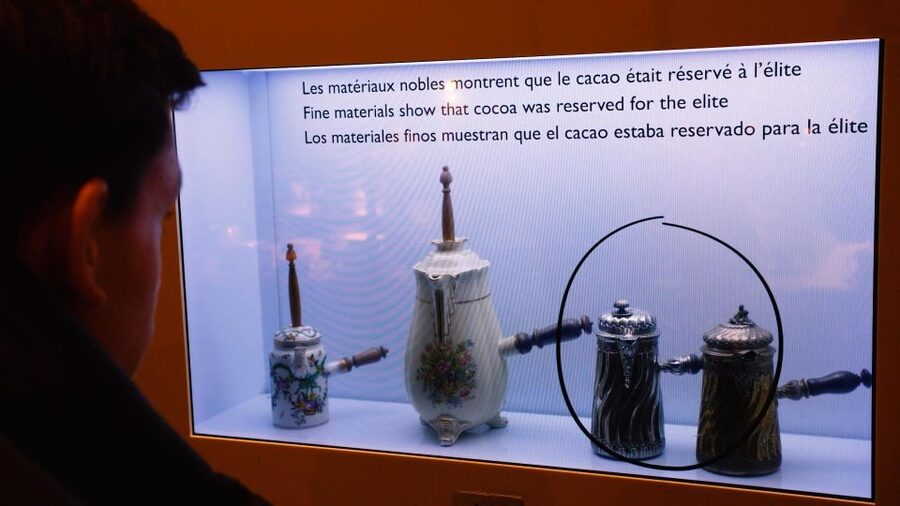
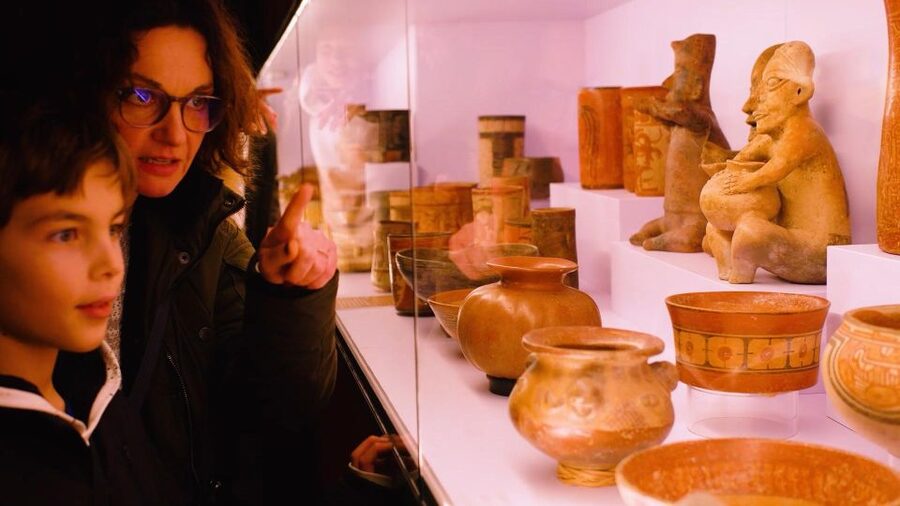
The museum covers about 850 square meters and displays more than 1,000 chocolate-related objects. You will see artifacts tied to chocolate preparation, serving, and trade, along with displays about the cocoa bean itself. The collection helps explain that chocolate has a much longer story than its familiar modern form suggests.
I like that the visit begins with cultivation and culture rather than jumping straight to French confectionery. You first learn about cocoa’s place in the civilizations of Central America, then see how its meaning changed when Europeans encountered it.
More Chocolate Museums in Paris:
- Paris: 45-minute Chocolate Making Workshop at Choco-Story
★ 4.4 · 444 reviews - Choco-Story Paris – The Chocolate Museum
★ 4.0 · 183 reviews - Paris : 45 min Chocolate Workshop at Choco-Story Paris
★ 4.0 · 51 reviews
From ancient rituals to Columbus’s unimpressed sip
The early galleries cover the Olmecs, Maya, and Aztecs, with special attention to the ceremonial role of cocoa. In these cultures, cocoa was not simply a dessert ingredient. It could be tied to social customs, trade, and mystical rituals, which gives you a better sense of why the bean mattered so much.
The museum also explains the drink made from cocoa in the Americas. It was quite different from the sweet, smooth chocolate most people know today. Christopher Columbus was the first European to taste the drink known as tchocoatl, but he did not care for it and paid little attention to the discovery.
That small historical detail makes the story more human. Columbus did not recognize the future importance of cocoa, and fortunately for chocolate lovers, other Europeans were more willing to experiment. The displays then follow cocoa into Europe and show how recipes and production changed over time.
If you read the panels carefully, this section offers more than dates. It explains why flavor, preparation, and cultural meaning shifted as cocoa moved between continents. The panels are written in English, French, and Spanish, so you can follow the central story without paying extra for audio.
European chocolate becomes a modern trade
The next part follows the transformation of chocolate production. You see how the trade became more organized and how improved methods made chocolate smoother, more consistent, and easier to produce.
This is also where the museum connects raw cocoa with the finished sweets sold in shops. The lesson is practical: chocolate’s texture and shine depend on careful handling, not just on melting a bar and pouring it into a mold.
A virtual demonstration with two Meilleurs Ouvriers de France shows the technique behind the glossy outer coating on chocolate treats. The title refers to France’s highly respected craftspeople, and their appearance gives the demonstration a professional edge without turning the visit into a formal cooking class.
You should set your expectations correctly. The included activity is a demonstration, not a full hands-on workshop for every ticket holder. Some past information about the museum has caused confusion around workshops, so ask at the welcome desk if a separate chocolate-making activity is being offered during your visit.
The tasting stops are the real payoff
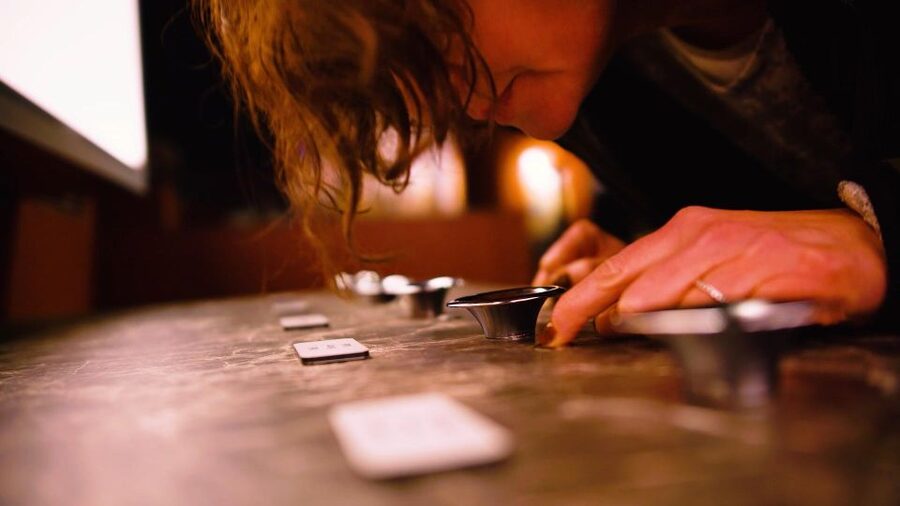
The tastings make this more than a collection of display cases. You can try chocolate products made on-site, including praliné and ganache, and compare cocoa flavors from different regions.
The examples include milky smooth chocolate from Costa Rica, fruitier chocolate from Peru, and cocoa with sweet aromas from Vanuatu. These samples give you a simple way to notice how cocoa can vary by origin. You do not need expert taste vocabulary. Just pay attention to the differences in sweetness, fruitiness, aroma, and texture.
Some people describe the samples as generous, even calling the experience all-you-can-eat. The official inclusions specify chocolate samples, not an unlimited serving policy, so I would treat the tasting as plentiful but not promise unlimited portions. Either way, the sampling is central to the visit and helps justify the admission price.
The museum also discusses possible health benefits associated with chocolate. Take that section as context, not a reason to eat without limits. The useful point is that cocoa contains more than sugar and cream, while the finished chocolate product depends heavily on its ingredients and preparation.
Hot chocolate needs a little care when budgeting. It is a popular part of the experience, and the drink has been praised as a highlight, but it may cost an additional €3 per cup. It is not listed among the included features, so check the current price before ordering. If you have already sampled several chocolates, you may decide that the extra drink is not necessary.
A few more chocolate tours around Paris worth a look
- Lindt Home of Chocolate Museum Entry Ticket
★ 4.7 · 9,329 reviews - Cologne: Chocolate Museum Entrance Ticket
★ 4.4 · 2,790 reviews - Zurich Sights: Cruise, Lindt Chocolate and optional FIFA Ticket
★ 4.0 · 1,028 reviews - Princeville Botanical Gardens Tour and Chocolate Tasting Ticket
★ 5.0 · 774 reviews
A practical visit for families
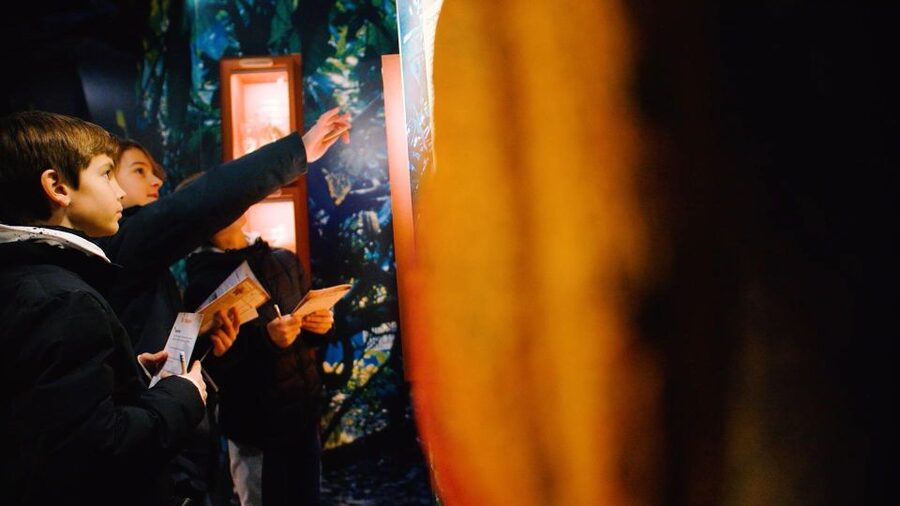
Children have more to do here than simply follow adults from case to case. The museum offers a treasure hunt, an activity booklet, stickers, and a prize element for young participants. These tasks turn the history displays into a search, which can hold the attention of children around elementary-school age and older.
The format works especially well for families with children around five to eleven. Younger children may focus on the hunt and samples, while older children can read about cocoa cultivation and chocolate production. Teenagers may appreciate the visual objects and tasting stops, though the amount of reading could feel less engaging if they are not interested in food history.
I like that the children’s activities do not replace the museum content. They give children a reason to look closely at the displays while adults follow the larger story. If you are visiting with a child, ask for the activity materials when you arrive rather than assuming they will be handed over automatically.
The museum is also wheelchair accessible. Large bags and luggage are not allowed, so do not plan to arrive with suitcases or bulky day bags. That rule matters most if you are visiting between hotels or heading directly to a train station.
How long should you allow?
The ticket is valid for one day, but that does not mean the museum takes a full day to visit. Your actual time depends on how closely you read the panels, how long you spend at the demonstration, and how seriously you take the tasting stops.
A quick visit could take less than an hour. A slower visit with children, audio commentary, samples, and time in the shop could take two or three hours. One past family visit lasted about three hours, while another person found the museum possible to finish in less than 30 minutes. Both experiences make sense because the museum is self-guided.
I would allow roughly 90 minutes as a practical starting point, with extra time if you have children or enjoy reading museum text. Arrive early enough to avoid rushing. Last admission is at 4:30 PM, so a late-afternoon arrival leaves little room for a relaxed visit.
The self-guided format gives you useful freedom. You can move quickly through familiar material, linger over the artifacts you like, and pause around the tastings. The tradeoff is that there is no guide shaping the pace or explaining every object in person.
Audioguide or display panels?
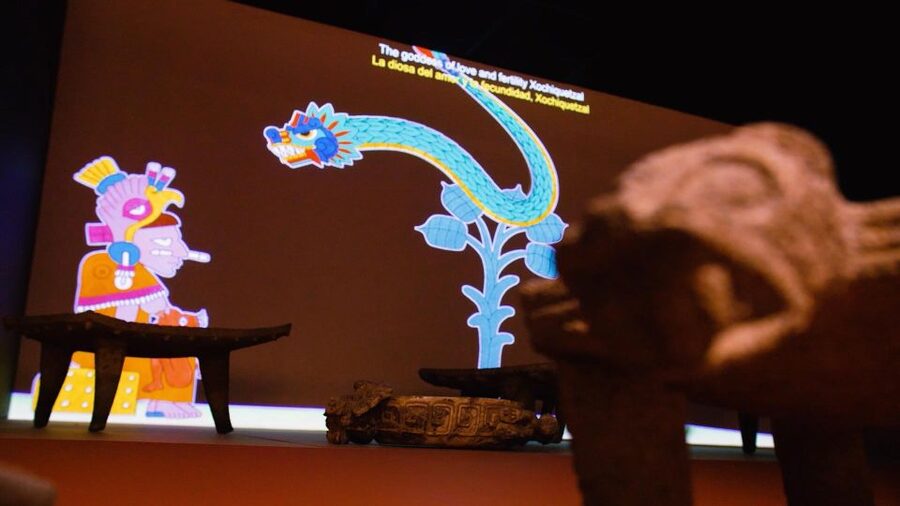
The descriptive panels are available in English, French, and Spanish. For many visitors, that is enough to follow the main story, especially if you are looking for a casual food museum rather than an academic study of cocoa.
An audioguide is available at the welcome desk for €3 per person in English, French, German, Dutch, Spanish, Italian, and Portuguese. I would consider paying for it if you enjoy museum interpretation or want more context without stopping to read every panel.
The audioguide can also help if you are traveling with children and need to keep moving. One adult can listen while the rest of the group focuses on the visual displays and activities. If your budget is tight, skip it and read the panels in your preferred language.
Is $21 good value?
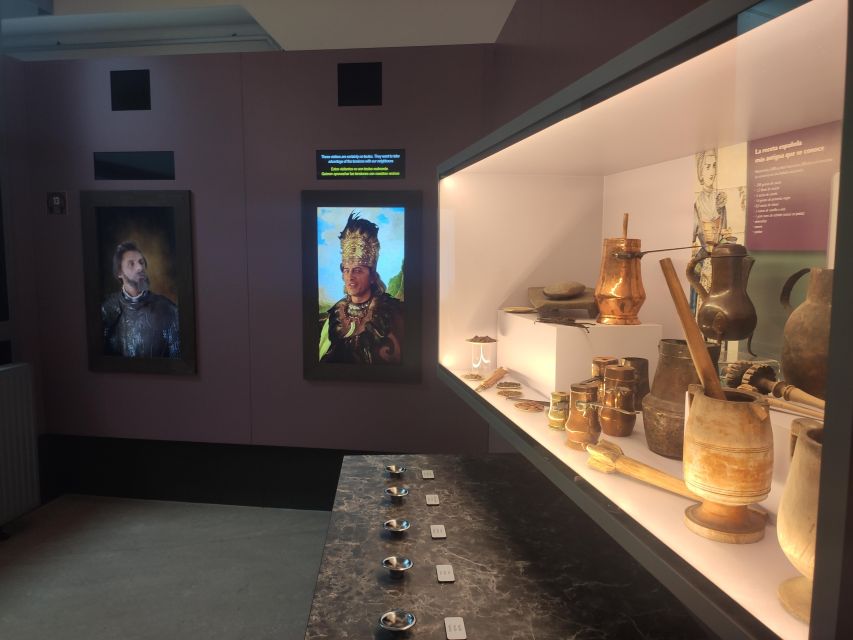
At $21 per person, the ticket is fair for a focused museum with tastings, but it is not an automatic bargain. You are paying for the collection, the historical displays, the demonstration, the samples, and the convenience of a central Paris activity. You are not paying for a full-day guided workshop.
The value improves if you do three things: read the history, watch the demonstration, and use the tasting stops. If you walk quickly through the cases and leave after a few samples, the price can feel high for the museum’s size.
Families may get better value because the children’s hunt and activity booklet add structure without a separate child-focused attraction. Chocolate lovers also get more from the visit because the regional tasting notes provide a reason to compare the samples rather than simply eat them.
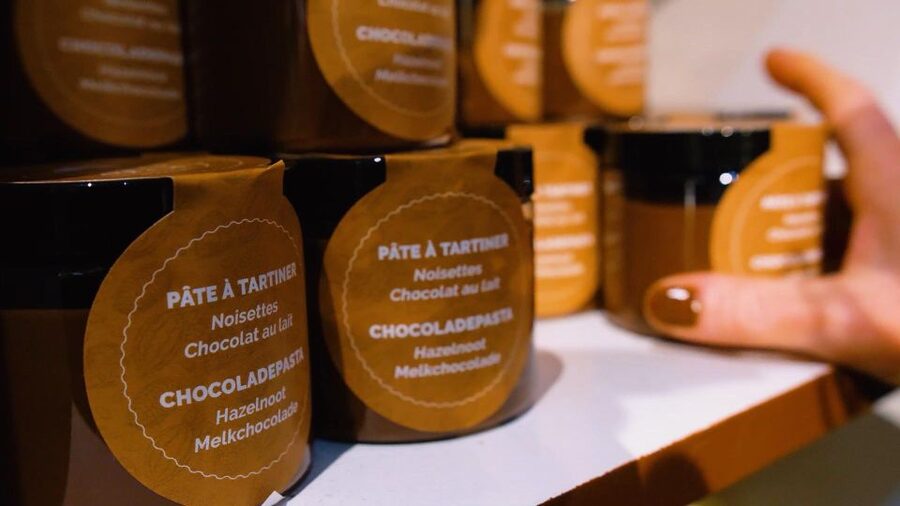
The shop adds another spending opportunity, with books, souvenirs, chocolate products, and unusual items such as chocolate molds. You do not need to buy anything, but it is a useful place to find a small food-related souvenir instead of a standard Paris trinket.
Who will enjoy this Paris stop?
I would recommend the museum to:
- Families seeking an indoor activity with food and a children’s task
- Chocolate fans who want to compare cocoa from different regions
- Adults who enjoy the link between food, trade, and culture
- Visitors looking for a shorter break between major Paris sights
- Anyone traveling with someone who normally avoids traditional museums
The museum is especially useful on a rainy day or when you want a change from art, churches, and monuments. Its subject is light, but the historical material gives it more substance than a simple chocolate shop.
I would be more cautious if you want a large, formal museum or a long hands-on class. The visit is self-guided, the space is focused, and the demonstration is virtual. If your main goal is making chocolate yourself, confirm whether a separate workshop is available before booking.
Booking and timing tips
The museum is at 28 Boulevard de Bonne Nouvelle, 75010 Paris. Check the available starting times when booking, even though the visit is self-guided. The ticket is valid for one day, and cancellation is allowed up to 24 hours before the visit for a full refund.
Reserve now and pay later if your schedule is still changing. That option can be useful in Paris, where weather and museum plans often shift. Keep in mind that large bags and luggage are not permitted.
If you want hot chocolate, bring room in your budget for the possible €3 extra charge. If you have children, plan to collect the treasure-hunt materials at the start. If you want the fullest explanation, add the €3 audioguide.
Should you book the Chocolate Museum Paris?
Book it if you want a relaxed, family-friendly museum with history, tastings, and a clear focus. The strongest parts are the ancient cocoa story, the regional samples, the glossy-chocolate demonstration, and the children’s treasure hunt.
Skip it if you are looking for a major Paris landmark, a guided culinary class, or a full-day attraction. At $21, the museum rewards a curious visitor who reads, watches, and tastes. It is less satisfying if you rush through the displays.
For most families and chocolate lovers, I think it is a pleasant break from the standard sightseeing route. Just arrive before the 4:30 PM last admission, leave your large bags elsewhere, and remember that hot chocolate may cost extra.
FAQ
Where is the Chocolate Museum Paris?
The museum is at 28 Boulevard de Bonne Nouvelle, 75010 Paris, in the Ile-de-France region.
How much does admission cost?
The listed price is $21 per person.
Is the visit guided?
No. This is a self-guided visit. An audioguide is available at the welcome desk for €3 per person.
Which languages are available for the audioguide?
The audioguide is available in French, English, German, Dutch, Spanish, Italian, and Portuguese.
Are the museum panels available in English?
Yes. The descriptive panels are in English, French, and Spanish.
Are chocolate tastings included?
Yes. Chocolate samples are included, including samples of products made on-site. Hot chocolate may cost an additional €3 per cup.
Is the museum suitable for children?
Yes. Children can use a treasure hunt and activity booklet, with stickers and a prize element included in the children’s activities.
Is the museum wheelchair accessible?
Yes, the activity is wheelchair accessible. Large bags and luggage are not allowed.
Just added around Paris
- Private Wine and Chocolate Tasting Experience★ 4.4 · 3 reviews
- Molded Bonbons Chocolate making class in Paris (collective)★ 4.5 · 20 reviews
- Private Wine and Chocolate Tasting in Paris★ 4.5 · 4 reviews
- Paris Sweet & Chocolate Family Treasure Hunt★ 5.0 · 37 reviews
- Pure Chocolate Tour in Paris★ 5.0 · 20 reviews
- Paris Marché d’Aligre Walking Tour with Chocolate and Cheese Tasting★ 3.5 · 24 reviews
- Private Family Chocolate Making Class in Paris★ 5.0 · 16 reviews
- Paris Saint-Germain Private Tasting Tour with Chocolate plus Pastries & Macaron★ 5.0 · 10 reviews
Paris Chocolate Tours, compared.
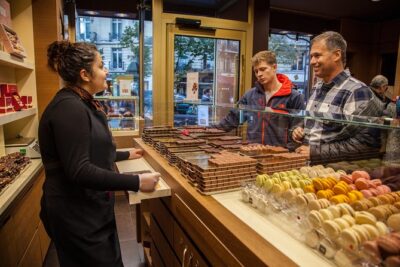
Paris French Sweets Tasting Tour with Pastries and Chocolates
Read our review →
Brussels and Bruges Tour & Optional Chocolate Tasting
Read our review →
A Morning in Paris Food Tour: Croissants, Baguettes & Chocolate
Read our review →
Saint-Germain: Gourmet Chocolate & Pastry Walking Food Tour
Read our review →
45-minute Chocolate Making Workshop at Choco-Story
Read our review →
Paris Chocolate, Macaron & Pastry Food Tour: 10 Gourmet Tastings
Read our review →
Paris Pastry Tour – Croissants, Macarons & Iconic French Desserts
Read our review →
Discover Brussels and Bruges & Optional Chocolate Tasting
Read our review →Browse the lists this tour appears in