
REVIEW · ITALY
Become a chocolatier for a day, in Modica raw chocolate
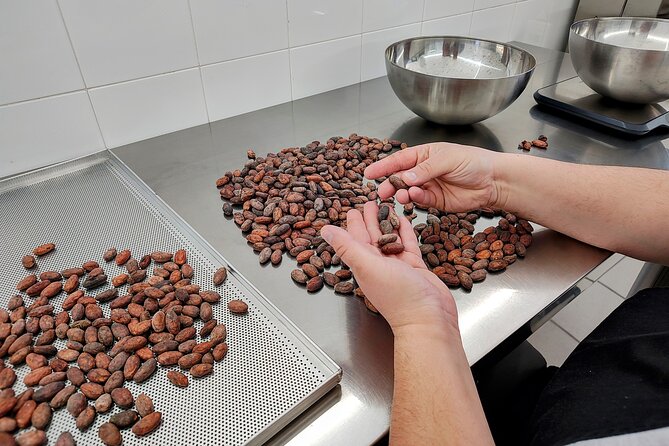
Modica’s chocolate tradition becomes hands-on in this small laboratory workshop. You learn how cocoa beans turn into raw chocolate, taste the ingredient at different stages, then make a personalized bar to take home. It is part lesson, part tasting, and part edible souvenir.
I like the practical format: equipment and ingredients are supplied, so you do not need chocolate-making skills or special clothing. I also like the private setup, since only your group takes part. The main consideration is that the activity takes place in a production laboratory rather than a grand museum, and an interpreter costs an extra 50 euros per group if you need one.
Key points to know
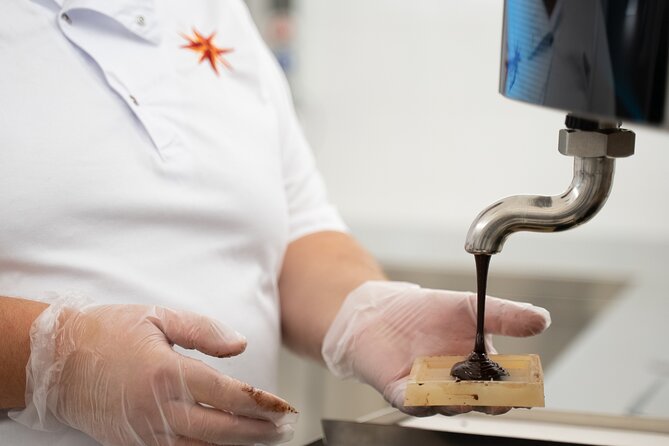
- Make your own chocolate bar: You create a personal bar during the session and take it home.
- Learn the raw chocolate process: The workshop covers cocoa varieties, production stages, and artisanal techniques.
- Private three-hour format: Only your group participates, with the start time coordinated directly with you.
- Protective gear is supplied: A disposable gown, cap, gloves, equipment, and raw materials are included.
- A strong family option: Children aged 12 and under can attend when accompanied by an adult.
- Budget for language help if needed: An interpreter is available for an additional 50 euros per group.
Why Modica chocolate makes a good workshop subject
Modica is well known for its distinctive chocolate style, and this experience puts the making process ahead of a simple shop tasting. You are not only handed finished sweets. You are shown the raw material, the stages of production, and the basic craft behind the bar in your hand.
The focus is raw chocolate. That makes the session useful for anyone curious about how cocoa behaves before it becomes a smooth, finished confection. You will learn about different cocoa beans and taste the chocolate while paying attention to its individual flavor notes.
That tasting element matters. Chocolate can seem like one broad flavor when you buy a bar from a supermarket. Here, the point is to notice differences in the cocoa itself and to connect those differences with the production method. I would treat this as a gentle introduction to chocolate tasting rather than a professional training course.
The workshop is held at i Sapori degli Iblei, in Modica Alta. The address is Via Passo Gatta, 36/A, in Modica. You return to the same meeting point when the activity ends, so there is no second location to find or transport plan to arrange.
More Chocolate Making Workshops in Italy
- Chocolatier for a day: raw bean to bar chocolate in Modica
★ 5.0 · 33 reviews - Turin: 45-Minute Chocolate Workshop at Choco-Story
★ 4.7 · 25 reviews - Artisan Chocolate Making Class in Perugia
★ 3.0 · 3 reviews
What happens during the three-hour visit
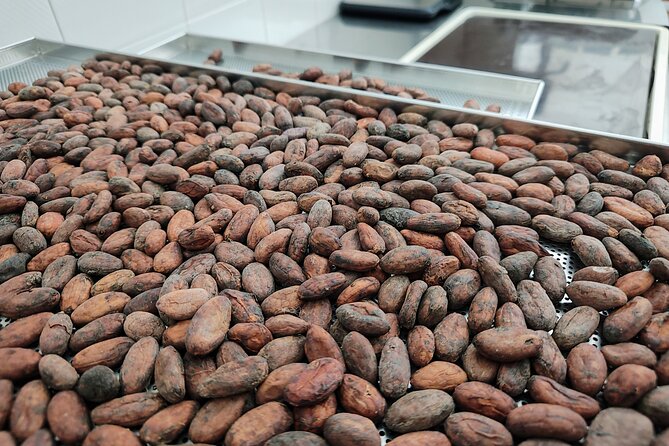
The experience begins with an introduction to the chocolate laboratory and its raw materials. You learn about cocoa beans and the varieties used in production, then follow the basic path from bean to chocolate bar.
The exact order may depend on the group and the coordinated starting time, but the activity is designed as a step-by-step process. That makes it a good choice if you prefer an experience with a clear beginning, middle, and end rather than an informal tasting with little explanation.
You are given a disposable gown, cap, and gloves before working with the chocolate. Equipment and raw materials are included as well. This is practical, especially if you are traveling with children or packing light. You can turn up ready to work instead of carrying an apron or buying ingredients.
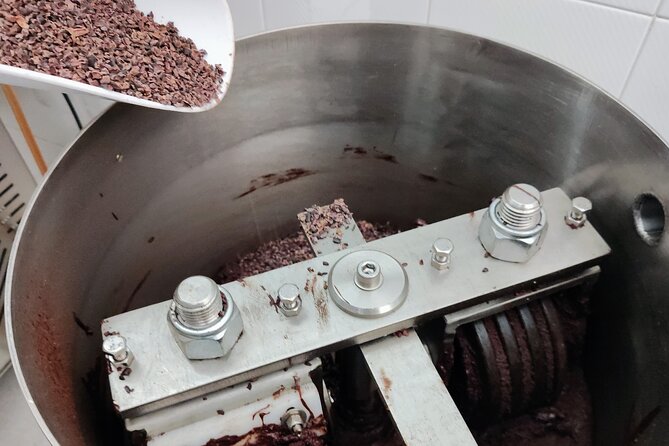
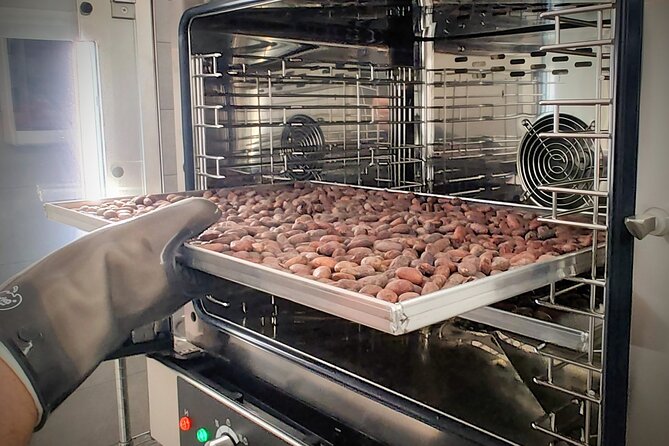
The production portion is the heart of the visit. You take part in the process of transforming cocoa into raw chocolate, with guidance through the various stages. The information provided does not specify every technique or machine used, so you should not expect a detailed factory tour with a fixed list of equipment. What you can expect is direct participation in a small laboratory setting.
Then comes the tasting. You sample the chocolate and consider its flavor notes, including the character of the cocoa itself. Bottled water is included, which is a small but useful touch during a tasting session.
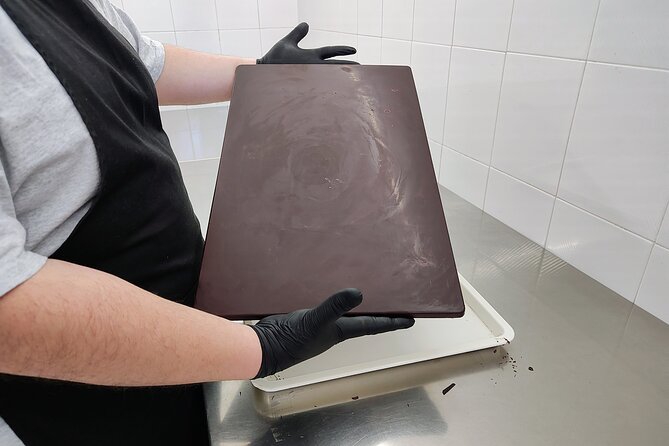
Finally, you make your own bar. The personalized chocolate is more than a snack for the ride home. It gives the workshop a clear result and lets you connect the finished product with the work you have just learned about. You leave with an edible souvenir made during your visit, rather than only a packaged item purchased from a shelf.
The private format changes the feel
This is a private activity, so only your group participates. That is one of its strongest features. You do not have to share the workbench with a large public class or compete for the instructor’s attention during the tasting.
A private booking can also suit mixed-age groups. One person may be interested in cocoa production, another may care more about tasting, and children may want to get straight to making the bar. A smaller group gives you more room to ask questions and work at a comfortable pace.
The start time is coordinated with the customer rather than fixed at one public departure time. That can make the workshop easier to fit around a day in Modica. Still, you should arrange the time in advance and allow the full three hours. This is not a quick stop you can squeeze between two tightly timed visits.
The private format has a tradeoff. A smaller session usually feels personal, but it does not guarantee a long formal lecture or a large display of machinery. If your main goal is a major chocolate museum or a full-scale factory visit, this may feel modest. If you want to make something yourself, the format is a better match.
The chocolate tasting is more than a sweet break
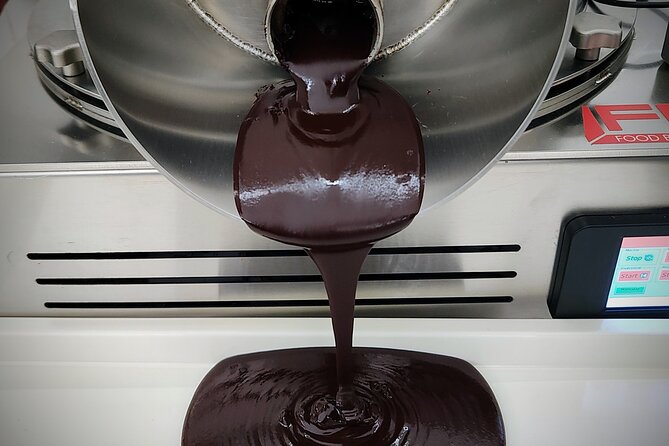
The tasting gives the experience its sensory side. You get to try the chocolate while learning about the cocoa and the stages that shape the finished flavor. The purpose is not simply to eat as much as possible. It is to understand what you are tasting.
I like that the activity connects tasting with production. You learn about the raw material, then taste the result with a clearer idea of where its flavor begins. That link can make a short workshop feel more worthwhile than a standard sampling session.
The information does not list the exact number of samples, cocoa origins, or flavor combinations. You should not book this expecting a detailed tasting menu with a published lineup. The emphasis is on learning the process and making a bar, with tasting built into the lesson.
The chocolate is also described as using few natural ingredients in the available feedback. That is a useful detail for shoppers who prefer a simple product, though you should ask at the venue about any specific dietary concerns or ingredients that matter to you.
Same place, a different way to taste it:
- Turin: Visit to the Chocolate and Gianduja Museum, Choco-Story Torino
★ 4.6 · 221 reviews - Pizza Cooking Class with Tiramisù and Wine Tasting in Milan
★ 5.0 · 172 reviews - The Turin Chocolate & Wine Tasting Experience
★ 4.7 · 87 reviews - Turin Sweet & Chocolate Walking Food Tour by Do Eat Better
★ 4.5 · 86 reviews
Making a custom bar to take home
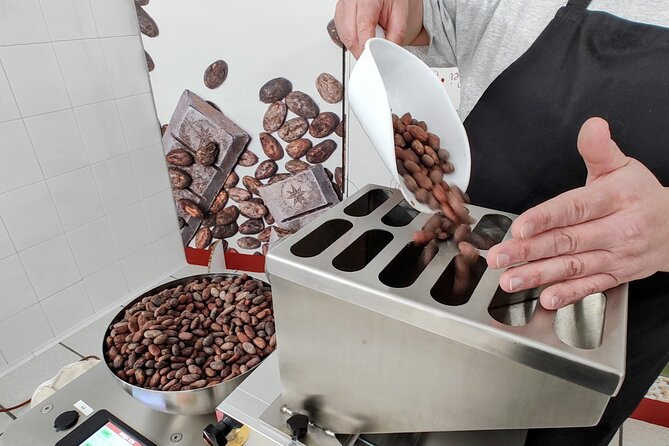
The bar you make is the most memorable part of the experience. You are not just watching a chocolatier work. You are creating a finished object yourself and taking it home to share.
The activity description does not state which decorations, flavors, or additions are available, so do not assume you can choose from a long menu of toppings. The important promise is personalization, not unlimited design options.
For families, this final step gives children a clear goal. They can see the process build toward something they can carry away. Children aged 12 and under must be accompanied by an adult, and the private format should make it easier for a parent to stay involved.
One especially warm detail comes from the way the workshop handled a birthday visit. A family received a small party arrangement for a daughter’s birthday, along with a fun chocolate-making session. This does not mean a party package is automatically included, but it suggests you should mention a birthday or special occasion when arranging the start time.
Who will get the most from this experience
I would recommend this workshop to several kinds of visitors:
- Families with older children: The work is hands-on, the food is familiar, and the finished bar gives children something to remember.
- Couples and small private groups: You get a shared activity without joining a large class.
- Chocolate fans: The cocoa discussion and tasting add context to the finished product.
- Visitors looking for a local food experience: You spend time in a Modica laboratory rather than only browsing shops.
- People who like making souvenirs: Your bar is produced during the visit and taken home afterward.
It may be less suitable if you want a broad tour of Modica, a city walk, or a long historical lecture about Sicilian chocolate. The experience stays focused on chocolate production and tasting.
It is also worth thinking about language. The booking information does not identify the guide by name or confirm a particular language included in the base price. An interpreter can be arranged for 50 euros per group, paid at the venue. If your group does not speak the main language used during the visit, settle that point before you arrive.
Is $68.78 a fair price?
At $68.78 per person, this is not the cheapest chocolate tasting in Sicily. The value depends on what you want from the visit.
You are paying for about three hours, a private session, instruction, use of equipment, raw materials, protective clothing, bottled water, tasting, and a bar made by you. The private format is important here. A simple shop tasting would cost less, but it would not give you the same amount of time or participation.
The price makes more sense for a small group that wants a planned activity with a personal feel. It is also easier to justify if you value the finished bar and the lesson, not just the amount of chocolate consumed.
The extra interpreter fee can change the total cost. It is 50 euros per group, not per person, but you need to include it in your budget if language assistance is required. Ask about it before confirming the session so there are no surprises at the laboratory.
This experience is booked about 45 days ahead on average. That does not mean you must reserve exactly 45 days in advance, but it is a useful warning for a tightly scheduled Sicily trip. Private activities have fewer available time slots than large group tours, so I would reserve early if this is important to your itinerary.
Timing, meeting point, and practical planning
The workshop lasts approximately three hours and begins at i Sapori degli Iblei, Via Passo Gatta, 36/A, 97015 Modica RG, Italy. It also ends there.
Because the start time is coordinated with you, pay close attention to the confirmation after booking. Do not assume the activity begins at a standard public time. Give yourself enough time to reach Modica Alta and find the laboratory without rushing into a food workshop.
A mobile ticket is accepted, which keeps the booking simple. Confirmation is provided at the time of booking. Keep the ticket accessible on your phone, and save the address so you can show it to a driver or compare it with your map.
The supplied equipment means you can pack normally for a day in Sicily. You receive a disposable gown, cap, and gloves at the venue. Since this is a food production activity, wear clothing you are comfortable working in, though the supplied protective items handle the main practical need.
Free cancellation is available if you cancel at least 24 hours before the local start time. Cancellations or changes made less than 24 hours ahead do not qualify for a refund, so keep that cutoff in mind when arranging transport and other Modica plans.
How this compares with a standard chocolate stop
A chocolate shop visit is easier and faster. You can browse, buy a bar, and move on. This workshop asks for three hours, a planned arrival, and active participation.
In exchange, you get a clearer look at the craft. You handle ingredients, learn the production stages, taste the chocolate, and make a bar. That makes it a stronger choice for you if the process matters as much as the product.
The setting is also more personal than a large attraction. Only your group participates, which can make the activity feel relaxed and easy to follow. The tradeoff is that the experience may not provide the scale, displays, or broad historical context found at a dedicated museum.
I would not choose this as a replacement for sightseeing around Modica. I would add it to a day when you want a food-focused break and have enough time to enjoy the workshop without watching the clock.
Final call: should you book it?
Book this experience if you want to make chocolate rather than simply taste it. The private format, supplied equipment, guided production steps, tasting, and personalized bar give you a well-defined activity with a satisfying finish.
It is particularly well suited to families, small groups, birthday visits, and anyone who enjoys local food experiences with a hands-on element. Reserve ahead, confirm the coordinated start time, and ask about the interpreter if needed.
Skip it if your priority is a quick tasting, a city tour, or a large chocolate museum. At $68.78, the value comes from the three-hour private workshop and the chance to create your own bar. For the right kind of visitor, that makes this a sweet and practical addition to a Modica itinerary.
FAQ
Where does the chocolate workshop take place?
It takes place at i Sapori degli Iblei, Via Passo Gatta, 36/A, 97015 Modica RG, Italy.
How long does the experience last?
The workshop lasts approximately three hours.
What will I do during the activity?
You will learn about cocoa beans and raw chocolate production, follow the production stages, taste the chocolate, and create a personalized bar to take home.
Is the activity private?
Yes. Only your group participates in the activity.
Is equipment provided?
Yes. Equipment and raw materials for producing the chocolate bar are included.
Do I receive protective clothing?
Yes. A disposable gown, cap, and gloves are provided.
Can children participate?
Yes. Children aged 12 and under must be accompanied by an adult.
Is an interpreter included in the price?
No. An interpreter is available for an additional 50 euros per group, paid at the venue.
Just added around Italy
- Willy Wonka in Turin – A chocolate adventure★ 3.7 · 6 reviews
- Venchi Pantheon: Chocolate Tasting Experience in Rome★ 5.0 · 2 reviews
- Venchi Duomo: Chocolate Tasting Experience in Florence★ 4.3 · 4 reviews
- Turin’s Sweet Delights: A Chocolate Walking Tour★ 4.9 · 26 reviews
- Venchi Rialto: Chocolate Tasting Experience in Venice★ 5.0 · 5 reviews
- Turin Chocolate Tasting Walking Tour★ 5.0 · 4 reviews
- Fine Chocolate Tasting in Turin★ 5.0 · 26 reviews
- Chocolate Made in Piedmont: Guided Tour with Tastings★ 4.5 · 10 reviews
Italy Chocolate Tours, compared.
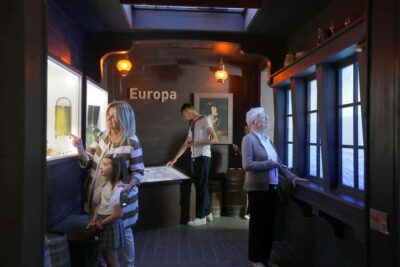
Visit to the Chocolate and Gianduja Museum, Choco-Story Torino
Read our review →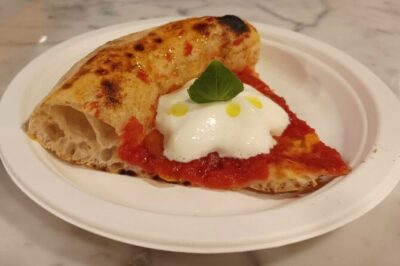
Pizza Cooking Class with Tiramisù and Wine Tasting in Milan
Read our review →
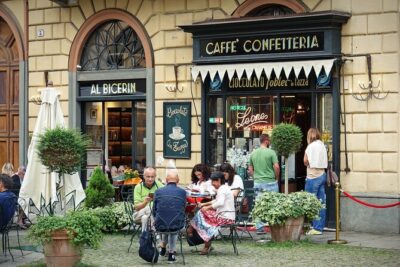
Turin Sweet & Chocolate Walking Food Tour by Do Eat Better
Read our review →
Chocolate & Sweets of Turin: La Dolce Vita Torino | Semi-Private
Read our review →Browse the lists this tour appears in