
REVIEW · ITALY
Artisan Chocolate Making Class in Perugia
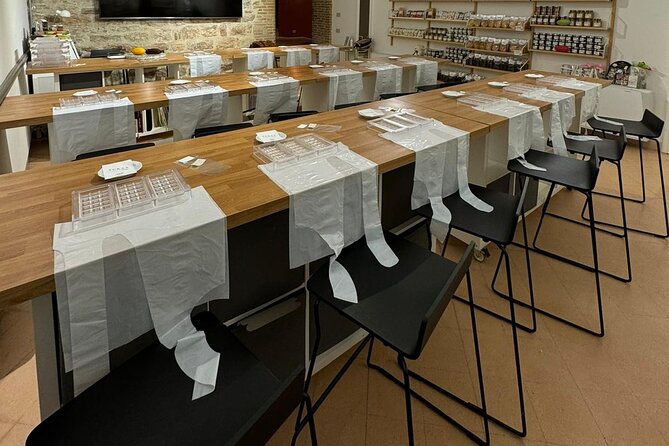
Perugia’s chocolate appeal becomes hands-on in this short class. You’ll learn how cocoa is grown and processed, work with melted chocolate, and make a bar with your own choice of fruit and nuts. The setting is a lovely cafe, and the chocolate is sourced from Peru.
I like the friendly, well-informed instructor and the chance to taste chocolate while learning the basics. I also like that the class is short enough to fit neatly into a morning of sightseeing. The main caution is that the practical work may be simpler than the promotional wording suggests: you may pour chocolate into a mold rather than temper, roll, and decorate it from scratch.
Key points at a glance
- Peruvian chocolate in a Perugia cafe: The class uses chocolate sourced from Peru and takes place in a pleasant cafe setting.
- A 45-minute introduction: You’ll cover cocoa, manufacturing, melting, molding, and simple decoration without giving up half your day.
- Your own chocolate bar: Add fruit and nuts to a molded bar and take part in making the final product.
- English and Italian instruction: You can book the class in either language.
- Small maximum group: The class accepts up to 15 people, so the lesson should remain fairly compact.
- A practical expectation check: This is closer to a guided chocolate workshop and tasting than a full professional tempering course.
Perugia, cocoa, and a short morning lesson
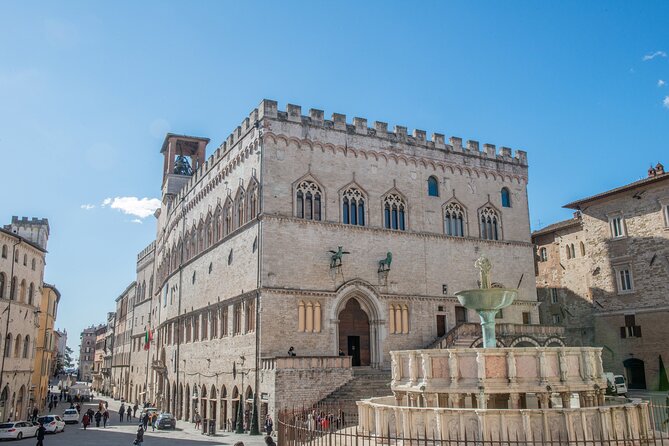
This class begins at 11:00 am on Via dei Priori, 52, in central Perugia. You make your own way there, since transportation is not included. That is useful if you are already exploring the city on foot, but it also means you should allow time to find the address before the start.
Perugia is one of Italy’s best-known chocolate cities, so the setting gives the lesson a clear local reason for being on your schedule. The class does not simply hand you a finished sweet and send you on your way. It introduces the path from cocoa plant to finished chocolate, then gives you a small taste of the work involved.
The session lasts about 45 minutes. I see that as both a strength and a limit. You can fit it between a morning walk and lunch, or use it as a compact activity with children and other family members. On the other hand, 45 minutes leaves little room for a long technical lesson or several separate chocolate projects.
The instructor explains how cocoa grows and how it is turned into chocolate. That background matters because it gives context to the bar you make. You are not just handling a sweet ingredient. You are seeing where the raw material begins and how processing changes it into something smooth, workable, and ready for a mold.
More Chocolate Making Workshops in Italy
- Chocolatier for a day: raw bean to bar chocolate in Modica
★ 5.0 · 33 reviews - Turin: 45-Minute Chocolate Workshop at Choco-Story
★ 4.7 · 25 reviews - Become a chocolatier for a day, in Modica raw chocolate
★ 5.0 · 8 reviews
Working with chocolate in a cafe
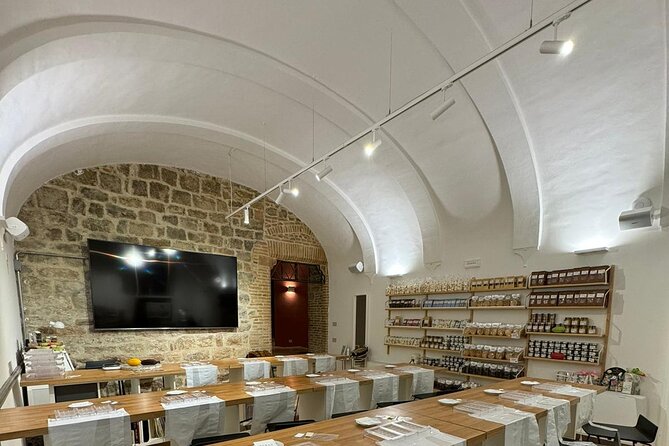
The practical section takes place in a cafe described as lovely and uses a traditional manual method. That setting sounds more relaxed than a formal cooking school, which may suit you if you want an easy activity rather than a serious pastry course.
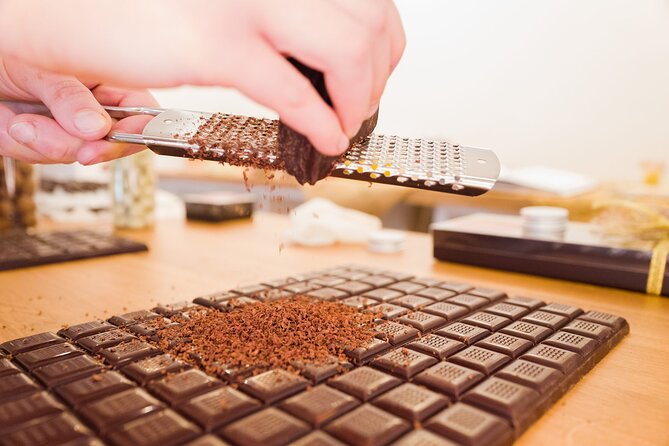
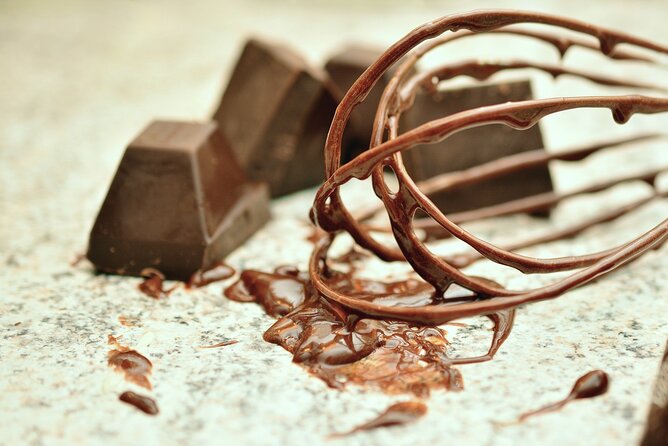
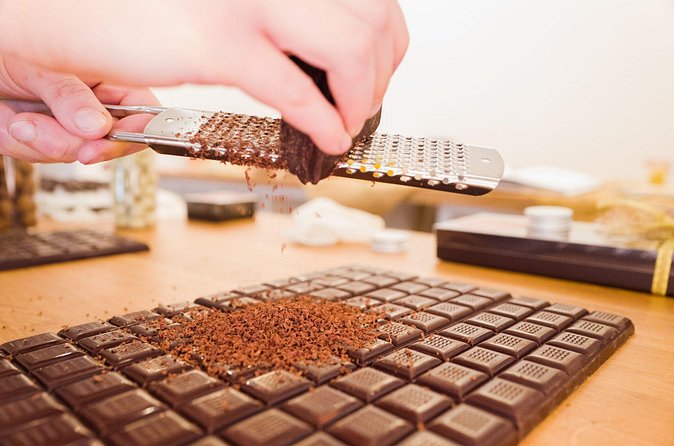
The core task is straightforward. Melted chocolate goes into a mold, then you add fruit and nuts. As the bar hardens, the instructor continues with the explanation of cocoa and chocolate production. You get to handle the ingredients and shape the finished item, but the process is not described as a full bean-to-bar workshop.
This is a useful distinction when you decide if the price feels right. If you want a quick, social introduction, pouring and decorating a bar can be enough. If you already make chocolate at home or want to practice professional techniques, you may find the hands-on work too light.
The description refers to processing, tempering, and decorating techniques. In practical terms, you should confirm your expectations before booking. The activity includes making a bar in a mold and adding toppings, while the detailed account of the session does not confirm that you will personally temper, roll, or shape individual chocolates. The class may explain those methods without giving you time to perform each one.
The chocolate bar you make
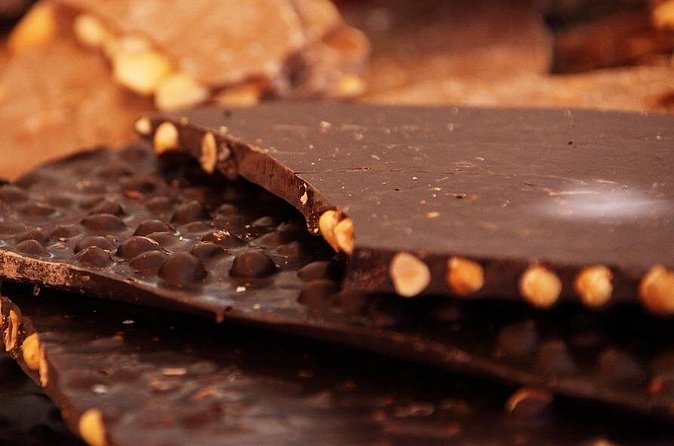
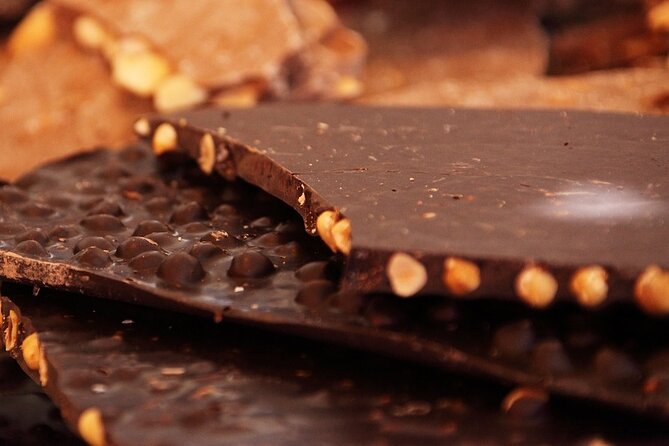
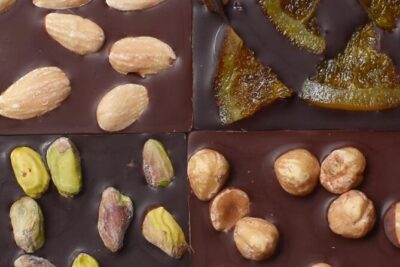
Your finished product is an artisanal chocolate bar with fruit and nuts. The simple format has an advantage: you can see the result clearly, and you do not need advanced kitchen skills to take part.
The toppings also add a small creative choice to the lesson. You are not merely watching an instructor work. You take part in finishing the bar, then have a tangible reminder of the class. The available information does not specify which fruits or nuts are offered, so you should not book expecting a particular ingredient.
The bar is also the main measure of value. At $72.56 per person, the price is high if you think of this only as the cost of a chocolate bar. You are paying for instruction, tasting, the setting, and the chance to make the bar yourself. That can make sense for a visitor who enjoys food activities and wants something different from another museum or walking tour.
Still, this is not a bargain chocolate-making lesson. The short duration and limited number of practical steps mean the price works best when you value the setting and explanation as much as the finished chocolate. If the making process is your main goal, a longer workshop with more stages may offer better value, but this particular activity does not promise one.
What the chocolate lesson teaches
The educational portion covers several useful basics:
- How cocoa grows
- How cocoa is processed and manufactured into chocolate
- The general role of melting and molding
- The idea of tempering and decoration
- How fruit and nuts can be used to finish a chocolate bar
The class is therefore aimed at beginners. You do not need prior chocolate-making experience, and the practical task does not sound demanding. The instructor is described as friendly, engaging, and well informed, which matters in a short class. A rushed or unclear explanation would make 45 minutes feel thin, while a good teacher can make a compact lesson worthwhile.
The tasting adds another layer. You can sample chocolate while learning how it is made, rather than treating the activity as a demonstration alone. The information does not specify the number of samples or the varieties offered, so I would think of the tasting as a small part of the workshop rather than a full chocolate flight.
Same place, a different way to taste it:
- Turin: Visit to the Chocolate and Gianduja Museum, Choco-Story Torino
★ 4.6 · 221 reviews - Pizza Cooking Class with Tiramisù and Wine Tasting in Milan
★ 5.0 · 172 reviews - The Turin Chocolate & Wine Tasting Experience
★ 4.7 · 87 reviews - Turin Sweet & Chocolate Walking Food Tour by Do Eat Better
★ 4.5 · 86 reviews
A compact group and simple logistics
The maximum group size is 15 people. That is not a private lesson, but it is small enough for a focused class if everyone gathers around the same work area. The actual group may be smaller, though no guaranteed size is provided.
The activity begins and ends at the same meeting point on Via dei Priori. Since there is no included transport, this suits you best if your hotel or sightseeing route already puts you in central Perugia. You should plan your own route and arrive ready for the 11:00 am start.
A mobile ticket keeps the booking simple. Confirmation is sent within 48 hours, subject to availability, so do not assume the reservation is final the instant you submit it. The class is often booked well ahead, with an average booking lead time of 46 days. That is a useful signal if your dates are fixed, especially during a busy visit to Perugia.
The cancellation policy is forgiving if your plans may shift. You can cancel for a full refund up to 24 hours before the start time. Changes or cancellations made less than 24 hours ahead are not accepted for a refund, and the cutoff follows local time.
English instruction and language choices
The class is offered in English and Italian. That makes it a practical option for visitors who want to understand the technical explanation without relying on gestures or translation.
You should select the language that suits your booking when available. The experience information does not name the instructor, so I would not plan around a particular teacher. What matters more here is that the lesson covers both the chocolate-making task and the explanation of cocoa production in a language you can follow.
The class may also work well for mixed-language groups, though the available details do not explain how instruction is divided between English and Italian. If you have a specific language need, check that the selected session is offered in your preferred language before finalizing the booking.
Who will enjoy this Perugia activity
I would recommend this class to you if you want a light food activity with a clear beginning and end. It fits especially well for:
- First-time chocolate makers
- Families looking for a short indoor activity
- Couples who enjoy cooking and tasting
- Visitors with a free morning in Perugia
- Anyone curious about cocoa and chocolate production
- People who want a handmade edible souvenir
The class is also a reasonable choice when weather makes outdoor sightseeing less appealing. You get a warm cafe setting, a small creative task, and a finished bar without committing to a half-day cooking program.
I would be more cautious if you are seeking advanced technique. The description uses language connected with tempering and decoration, but the practical details point to a simpler process: pour, add toppings, and let the bar harden. You may hear about professional methods without carrying them out in full.
It may also disappoint you if you expect a large tasting menu. The included food is chocolate, with artisanal chocolate bars specifically mentioned. There is no promise of pastries, drinks, multiple courses, or a broad range of confections.
Is $72.56 a fair price?
The honest answer depends on what you want from the morning. At $72.56, this is not an inexpensive snack stop. The fee includes the chocolate class and tasting, but not transportation. You are paying for an organized lesson in a central Perugia setting, the instructor’s time, the ingredients, and the personal bar you make.
I think the value is fair for a visitor who sees it as a short cultural food experience. You learn about cocoa, hear how chocolate is manufactured, handle the ingredient, and leave with something you helped create. The English option also adds value if you want a clear explanation rather than a purely visual demonstration.
I would not call it strong value for a serious chocolate hobbyist. The practical work appears limited, and the session lasts only 45 minutes. If you expect to practice tempering, rolling, and detailed decoration, the price may feel high for the amount of technique you perform.
A useful way to decide is to ask yourself what you will remember. If the answer is the cafe setting, the Peruvian chocolate, the cocoa lesson, and the fun of adding your own toppings, the class can earn its place in your itinerary. If the answer is a technically demanding finished product, choose with caution.
My booking advice
Book this activity if you want a short, beginner-friendly chocolate workshop in central Perugia and you enjoy learning through a simple hands-on task. The friendly instructor, cocoa explanation, tasting, and custom bar give the class more substance than a standard food sample.
Before booking, set your expectations at the right level. This is best treated as an introduction to artisan chocolate, not a full pastry-school session. You will likely make a molded bar with fruit and nuts, while the more advanced work may be explained rather than practiced in detail.
The class is a good fit for a morning schedule, an indoor break, or a family outing. It is less suitable if you want extensive technique, a long tasting, or a substantial meal. For the right audience, the short format is its main virtue. For anyone seeking serious chocolate training, it is the main limitation.
FAQ
Where does the chocolate class meet?
The meeting point is Via dei Priori, 52, 06123 Perugia PG, Italy. The activity ends back at the same meeting point.
What time does the class start?
The class starts at 11:00 am.
How long does the experience last?
The class lasts approximately 45 minutes.
Is transportation included?
No. Transportation to and from the meeting point is not included.
Is the class offered in English?
Yes. The experience is available in English and Italian.
What is included in the price?
The price includes the chocolate class and a chocolate tasting. You also make artisanal chocolate bars during the activity.
How many people can join?
The maximum group size is 15 people.
Can I cancel for a refund?
Yes. You can cancel at least 24 hours before the local start time for a full refund. Cancellations or changes made less than 24 hours before the start time are not refunded or accepted.
Just added around Italy
- Willy Wonka in Turin – A chocolate adventure★ 3.7 · 6 reviews
- Venchi Pantheon: Chocolate Tasting Experience in Rome★ 5.0 · 2 reviews
- Venchi Duomo: Chocolate Tasting Experience in Florence★ 4.3 · 4 reviews
- Turin’s Sweet Delights: A Chocolate Walking Tour★ 4.9 · 26 reviews
- Venchi Rialto: Chocolate Tasting Experience in Venice★ 5.0 · 5 reviews
- Turin Chocolate Tasting Walking Tour★ 5.0 · 4 reviews
- Chocolate Made in Piedmont: Guided Tour with Tastings★ 4.5 · 10 reviews
- The Turin Chocolate Tasting Experience★ 4.5 · 31 reviews
Italy Chocolate Tours, compared.
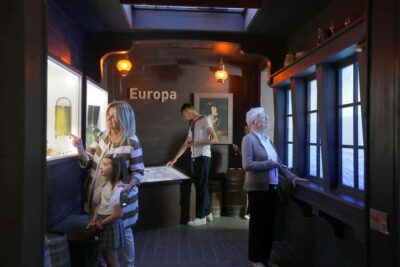
Visit to the Chocolate and Gianduja Museum, Choco-Story Torino
Read our review →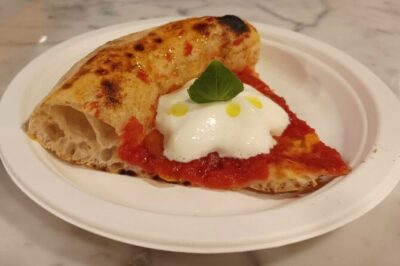
Pizza Cooking Class with Tiramisù and Wine Tasting in Milan
Read our review →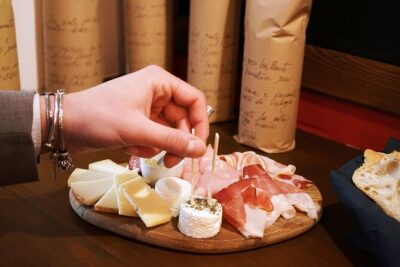
Turin Sweet & Chocolate Walking Food Tour by Do Eat Better
Read our review →
Chocolate & Sweets of Turin: La Dolce Vita Torino | Semi-Private
Read our review →Browse the lists this tour appears in