
REVIEW · COLOMBIA
Coffee & Chocolate Private Tour in Medellin: Genuine Experience
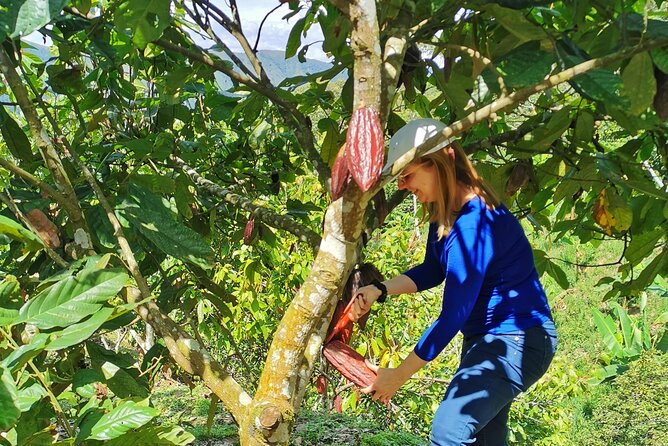
The best part of this Medellín day trip is that you do not merely taste coffee and chocolate. You walk through the crops, pick coffee cherries and cacao pods, handle the raw ingredients, and follow them toward the finished product. At the cacao farm, local families welcome you into a working rural setting rather than a polished visitor center.
I like the private format, which gives your guide time to answer questions and set a comfortable pace. I also like the hands-on work, especially making chocolate with ingredients such as ginger, lemon zest, salt, vanilla, or green pepper. The main thing to consider is the steep 800-foot uphill walk to the coffee farm. It takes only about 10 to 15 minutes, but wet natural ground can be slippery.
Key points to know
- A real farm-to-cup day: Pick coffee, process beans, taste fresh cacao, and make chocolate.
- Private pickup: Your guide collects you in El Poblado or Laureles and drives you north of Medellín.
- A short but steep hike: The coffee farm has no road access, so you climb roughly 250 meters on foot.
- Lunch with a view: A traditional regional meal and fresh lemonade are included.
- Warm local hosts: The farm families help make the day feel personal and connected to daily rural life.
- Good value for a full day: The $179 price covers private transport, a bilingual guide, farm entry, and lunch.
From Medellín to the farms north of the city
Your day begins with hotel or accommodation pickup in El Poblado or Laureles. That saves you from crossing town to find a meeting point, and private transport makes the roughly one-hour drive north much easier.
The road leads away from Medellín and into mountain country. Your guide can talk about the region, agriculture, and Colombian food traditions as you go. Guides Sara and Laura have been especially strong at bringing energy and clear explanations to the drive and the farm visits, but the assigned guide may vary.
The vehicle is air-conditioned, and you have the comfort of leaving bags and extra layers inside while you walk. Since the full experience lasts about eight and a half hours, that small convenience matters. You are not spending the day figuring out buses, directions, or a return ride.
This is a private activity, so only your group takes part. That makes it easier to pause for photographs, ask basic questions, or spend more time with a farm host without worrying about holding up a large group.
More Chocolate and Coffee Tastings in Colombia:
- Santa Marta: Minca Coffee, Cocoa, & Waterfall Full-Day Trip
★ 4.6 · 102 reviews - Trekking History and Indigenous Heritage in Minca + Cacao & Coffee + Waterfall
★ 4.9 · 63 reviews - Minca: Full-Day Coffee and Cocoa Tour from Santa Marta
★ 4.5 · 61 reviews
The uphill walk to the coffee farm
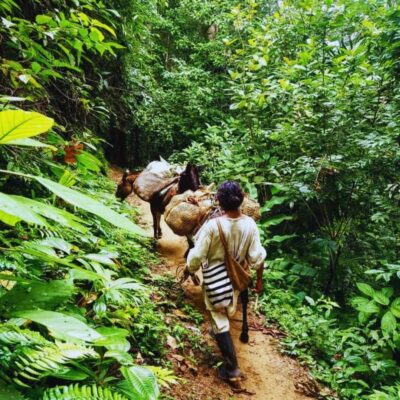
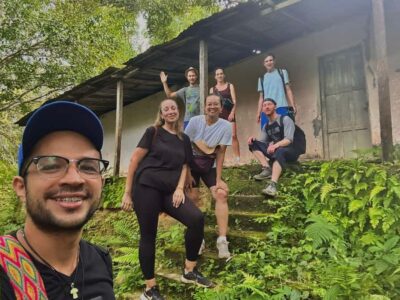
The vehicle stops at the cacao farm, but the coffee farm sits higher up and has no road access. You walk about 800 feet uphill, or roughly 250 meters, on a natural trail. The climb takes around 10 to 15 minutes, followed by an eight to 10-minute walk back down later.
The distance is modest, but the slope can feel sharp. If the ground is wet, the trail may be muddy or slick. Wear shoes with firm grip, ideally trekking shoes or boots, and bring sunscreen and insect repellent. You can stop as often as needed, and the views give you a good reason to catch your breath.
This is not a polished coffee attraction with easy paved paths. That is part of the appeal, but it also means you should not treat the walk as an afterthought. Anyone with limited mobility or difficulty on steep ground should think carefully before booking.
Coffee, picked and processed by hand
At the coffee farm, your hosts begin with a cup of Colombian coffee. A coffee specialist explains the role of coffee in Colombia and then shows you the work behind the drink in your cup.
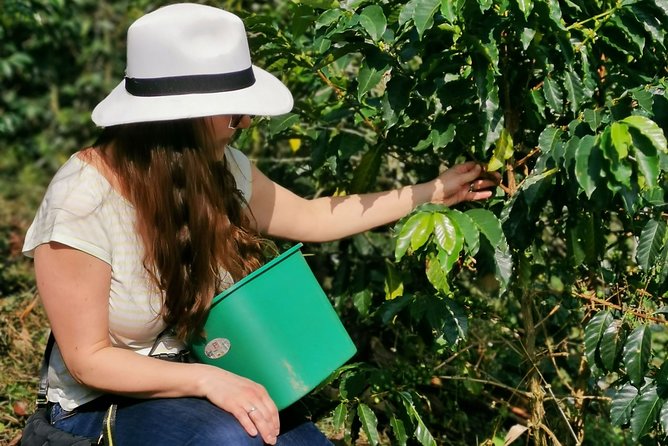
You walk among the coffee plants and pick beans by hand. The process continues with depulping, fermentation, and drying, using traditional methods. These steps help you understand why coffee flavor depends on far more than roasting. The farm setting lets you see the manual work and the care required before the beans ever reach a café.
You also brew coffee using two traditional methods. This is a useful part of the visit because you can compare preparation styles while drinking coffee made close to where it was grown. The lesson feels practical rather than technical, and your guide can translate details between you and the farm hosts.
The coffee portion lasts about two hours. It includes the climb, the welcome drink, the farm walk, the processing demonstration, and brewing. Take your time here. The quiet mountain setting and broad views are as important as the coffee lesson.
Freshly roasted coffee is available to buy at the farm. If you find a blend or roast you enjoy, this is a more meaningful souvenir than a generic bag from a city shop because it comes from the place you just visited.
A traditional lunch with a mountain view
After the coffee activities, you sit down to a regional lunch at the farm. The meal is included, as is fresh farm-made lemonade.
The food is described as a traditional local meal that is not commonly found in restaurants. That gives the lunch real value beyond simply filling a gap between activities. You are eating in the setting where the ingredients and farming way of life make sense.
The meal also gives you a natural pause before the cacao work. This is a long day, and the schedule includes walking, standing, and hands-on tasks. A proper lunch and time to sit down help keep the pace comfortable.
Breakfast is not included, so eat before pickup. The morning starts with a drive and a climb, and you may not reach the farm coffee until after arrival and introductions.
A few more chocolate tours around Colombia worth a look
- Puerto Plata Private City Tour with Mount Isabel & Rum &Chocolate
★ 4.5 · 123 reviews - Customizable Roatán Private Tour: Rum, Chocolate & Island Culture
★ 5.0 · 115 reviews - Private Tour to Aelan Chocolate Factory in Port Vila
★ 4.5 · 83 reviews - Tony`s private city tour with picnic & chocolate degustation
★ 5.0 · 80 reviews
Cacao among other local crops
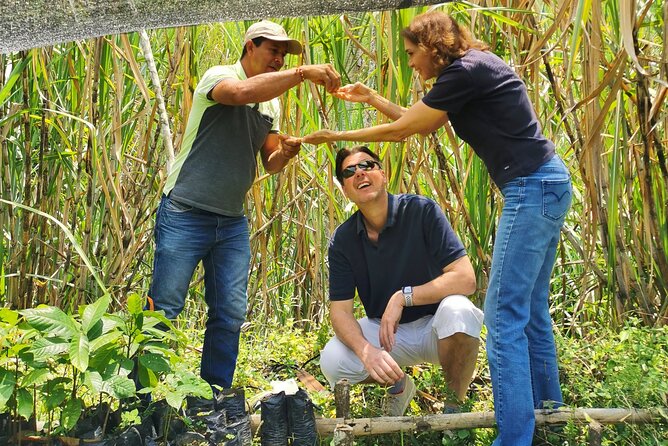
After lunch, you say goodbye to the coffee hosts and walk to the cacao farm. The cacao section begins with an explanation of chocolate production around the world, cacao plantation care, common pests, and sustainable ways to control them.
The lesson connects the plant in front of you with the chocolate bar you buy at home. You learn how cacao grows alongside other local crops and how farmers keep a plantation healthy. The setting is small-scale and practical, which makes the subject easier to grasp than a general museum display.
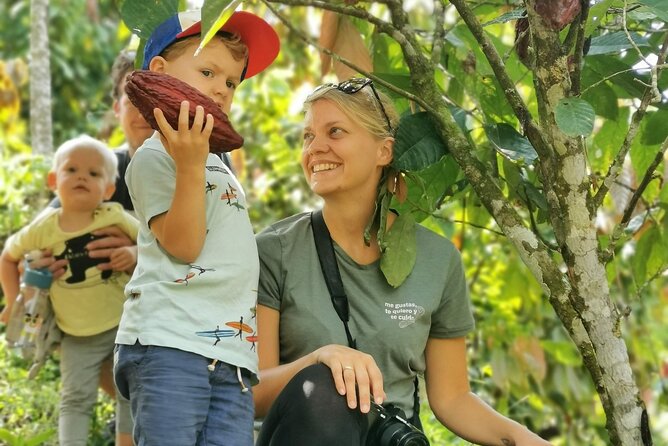
You then walk through the plantation and look for cacao pods. The harvest is hands-on, so you can see the plants in their natural setting and take part in the work. The route through the trees and other crops adds a little uneven walking, so sturdy footwear remains useful.
This portion takes about three hours and covers both the farm lesson and the early chocolate work. It is the longest section of the day, but the variety keeps it moving.
From sweet cacao seeds to handmade chocolate
Back at the farm, you open cacao pods and remove the seeds. The fresh seeds have a sweet coating and can be tasted raw. This is one of the most memorable moments because raw cacao does not taste like a finished chocolate bar.
The seeds would normally ferment in wooden boxes for about six days. They are then dried in a solar greenhouse, known locally as a marquesina, for five to 10 days. You do not wait through those long stages during the tour. Instead, the farm explains and shows how the process works before using prepared beans for the next steps.
The beans are roasted over a wood fire, which gives the chocolate a light smoky note. Once the beans cool, you remove the husks with your fingernails. You then grind the beans until friction warms the mixture and turns it into a smooth chocolate paste.
This part makes the labor very clear. The finished product seems simple when you see it on a shop shelf, but the work of sorting, roasting, shelling, and grinding takes time and care.
Your own chocolate bar, with unusual flavor choices
The final activity is the most playful. You mix the ground chocolate with ingredients supplied at the farm. Options include powdered milk, vanilla, salt, lemon zest, ginger, and green pepper.
You can keep the flavor simple or try a less familiar combination. The chocolate is molded and placed in the refrigerator to set. You leave with a handmade creation linked to the farm, not just a sample handed over at the end.
You can also buy coffee and chocolate produced at the farms. The small-scale setting gives these purchases a clear connection to the families who grow and process the ingredients.
Why the private guide matters
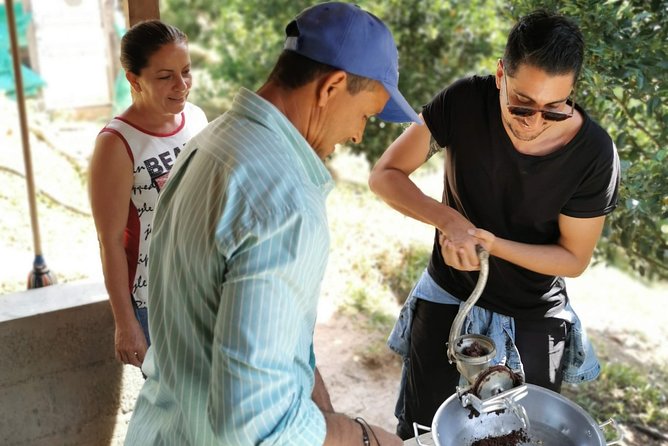
A private guide changes the rhythm of the day. You are not tied to a fixed group pace during the uphill walk, and you can ask for another explanation when a farming term or processing step is new to you.
Sara and Laura have guided this experience, and both have been praised for their warmth, energy, and ability to explain agriculture and nature in Colombia. The guide also acts as a bridge between you and the local families. That matters because the farm visits depend on conversation, not just watching a demonstration.
The guide can help with the practical side too: finding the safest footing, translating questions, explaining what you are tasting, and keeping the day on schedule. Since the hosts are welcoming you into private working farms, a good guide helps the visit feel respectful and relaxed.
What $179 buys you
At $179 per person, this is not a cheap countryside outing. You are paying for a full private day rather than a basic shared transfer. The price includes pickup and drop-off in El Poblado or Laureles, a private air-conditioned vehicle, a bilingual guide, entry to both farms, and lunch.
The value is strongest for couples, friends, or families who want personal attention and do not want to arrange rural transport themselves. A private vehicle alone would add cost and planning effort, while the guide gives context throughout the drive and farm work.
The price is less compelling if you only want a quick coffee tasting or a short chocolate workshop. This experience takes most of the day, includes a physical walk, and is built around meeting working farm families. You should book it because you want the full process and rural setting, not just the final products.
The experience is often reserved about 27 days ahead, so plan early if your Medellín dates are fixed. Free cancellation is available until 24 hours before the start time. If poor weather forces cancellation, you can choose another date or receive a full refund.
Who should book this day trip
I would recommend it to you if you enjoy food, agriculture, local families, and practical activities. It works well for couples and friends, and families with children can take part if everyone is comfortable with the uphill walk and uneven farm paths.
It is also a good choice if you want a break from Medellín’s city life without giving up comfort. You get private transport, a guide, and lunch, but the main settings remain simple farms rather than staged attractions.
You may want a different activity if you have trouble with steep walking, dislike mud or insects, or prefer a tightly scheduled indoor tour. The climb is short, but it is real. The cacao and coffee farms are working rural places, so expect natural ground and a little dust or dampness.
Should you book the coffee and chocolate tour?
Book this tour if you want to understand how Colombian coffee and chocolate begin, and if you value time with local producers more than a polished tourist show. The strongest parts are the private guide, the friendly farm families, the mountain views, the unusual lunch, and the chance to make chocolate from roasted cacao.
Before booking, be honest about the hike. Bring shoes with grip, sunscreen, insect repellent, and a little patience for a long day outdoors. If that sounds appealing, the $179 price buys a well-filled private experience with transport, food, and a genuine connection to the people doing the work.
FAQ
Where does the tour pick me up?
Pickup and drop-off are provided at your accommodation in El Poblado or Laureles.
How long does the experience last?
The tour lasts approximately eight hours and 30 minutes.
How far is the farm area from Medellín?
The drive to the farms takes about one hour, heading north from Medellín.
Is the tour private?
Yes. Only your group participates in the activity.
How difficult is the walk to the coffee farm?
You walk uphill about 800 feet, or 250 meters. The ascent takes around 10 to 15 minutes, and the descent takes about eight to 10 minutes. The trail is natural and can be steep or slippery when wet.
What should I wear for the farm visits?
Wear trekking boots or shoes with good grip. Sunscreen and insect repellent are also recommended.
Is lunch included?
Yes. Lunch and fresh farm-made lemonade are included. Breakfast is not included.
Can I buy coffee or chocolate at the farms?
Yes. You can purchase freshly roasted coffee and chocolate made at the farms.
What happens if the weather is poor?
The experience requires good weather. If it is canceled because of poor weather, you can select another date or receive a full refund. You can also cancel for a full refund if you do so at least 24 hours before the start time.
Just added around Colombia
- Waterfalls, Animal Reserve and Chocolate: Mango Passage★ 5.0 · 2 reviews
- Cocoa Tour – San Rafael Antioquia from Medellín★ 5.0 · 2 reviews
- Minca: Hidden Waterfall + Coffee and Cocoa Workshop★ 4.9 · 6 reviews
- Medellín: Chocolate Tour & Exfoliation in beautiful river★ 5.0 · 3 reviews
- Coffee, Cocoa and Trekking Tour in Minca: Nature, Crops and Production★ 4.7 · 21 reviews
- Chocolate tour near the Medellín★ 5.0 · 13 reviews
- Cartagena: Express Rum and Chocolate Tasting Experience★ 5.0 · 10 reviews
- Bean to Bar: Cocoa and Chocolate Workshop★ 5.0 · 5 reviews
Colombia Chocolate Tours, compared.
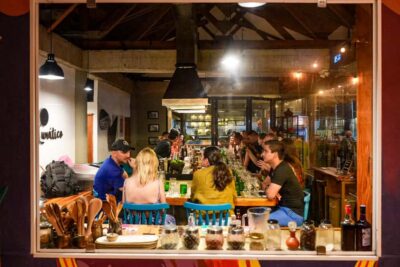
Cartagena: Boutique Rum and Chocolate Tasting at Lunático
Read our review →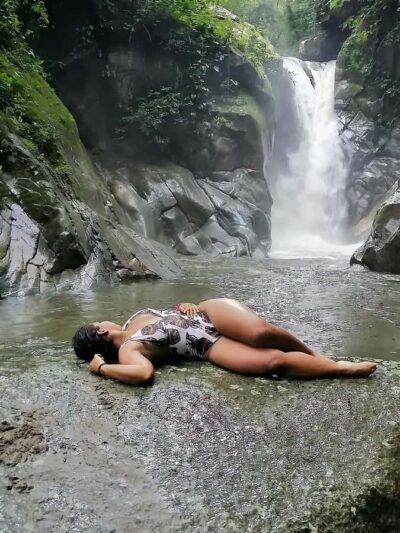
Santa Marta: Minca Coffee, Cocoa, & Waterfall Full-Day Trip
Read our review →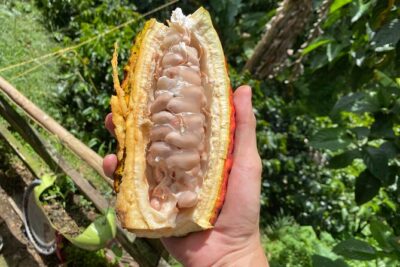
Trekking History and Indigenous Heritage in Minca + Cacao & Coffee + Waterfall
Read our review →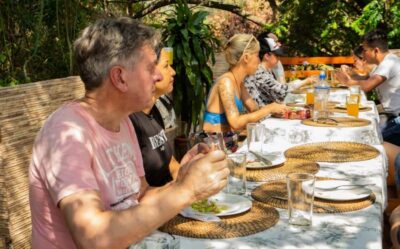
Coffee, Cocoa and Trekking Tour in Minca: Nature, Crops and Production
Read our review →Browse the lists this tour appears in