REVIEW · BRUGES
✨Small-Group Tour of Bruges with a local + Praline/ -3€ boat
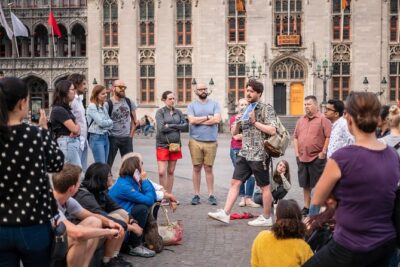
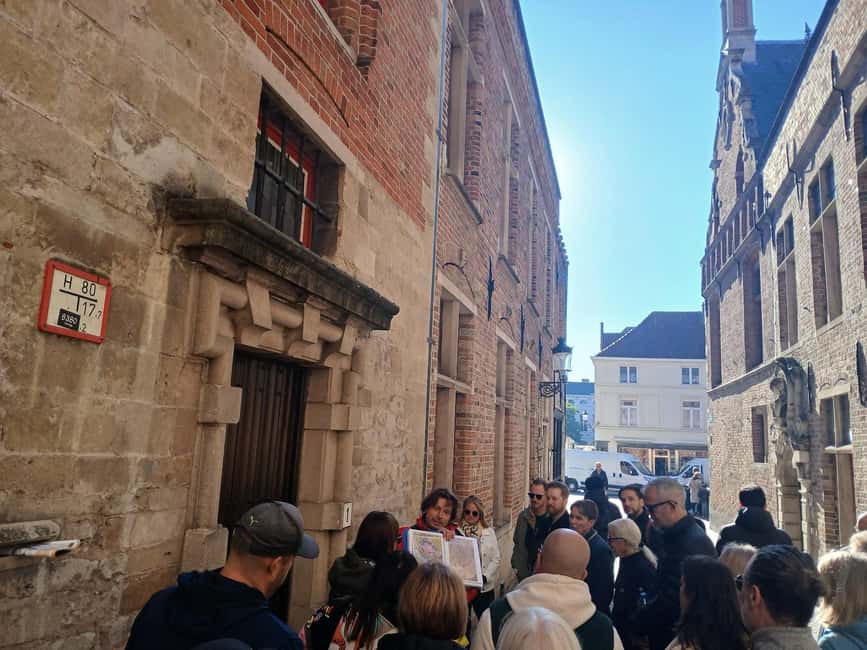
Bruges reveals its best side when someone who grew up here points out what you would otherwise miss. This two-hour walk with local guide Nick moves from the Belfry and Burg Square to the Holy Blood Chapel, Michelangelo’s Madonna and Child, a secret doorway, and a chocolate shop with a Belgian truffle included.
I like the small-group format, which makes it easier to ask about food, beer, customs, and the city’s past. I also like the mix of famous sights and odd little details, including the smallest non-dead-end street and a personal story linked to the Church of Our Lady. The main consideration is pace: two hours covers a lot, so several stops are introductions rather than long visits.
Key details that make this Bruges walk different
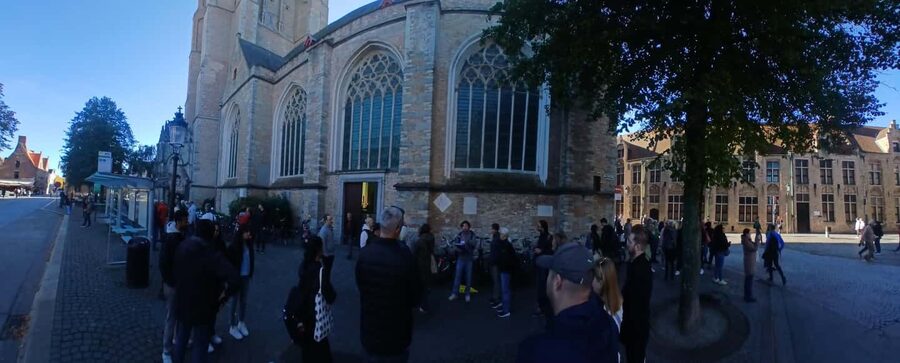
- A local guide named Nick: He grew up in Bruges and adds personal stories, practical advice, and humor to the city’s past.
- Chapel access: The route includes the Holy Blood Chapel and Saint Basil’s Chapel, an unusual feature for a short city walk.
- Michelangelo in plain sight: You enter the Church of Our Lady for a look at the Marble Madonna and Child.
- Secret corners: The Door to Narnia and Bruges’ smallest non-dead-end street add character beyond the standard postcard stops.
- A Belgian truffle included: The chocolate stop gives you a small taste of Bruges without adding another purchase to the tour price.
- A useful finish: The tour ends at Halve Maan Brewery, a good place to continue with Belgian beer or a meal.
Starting beneath the Belfry in the Grand Market Square
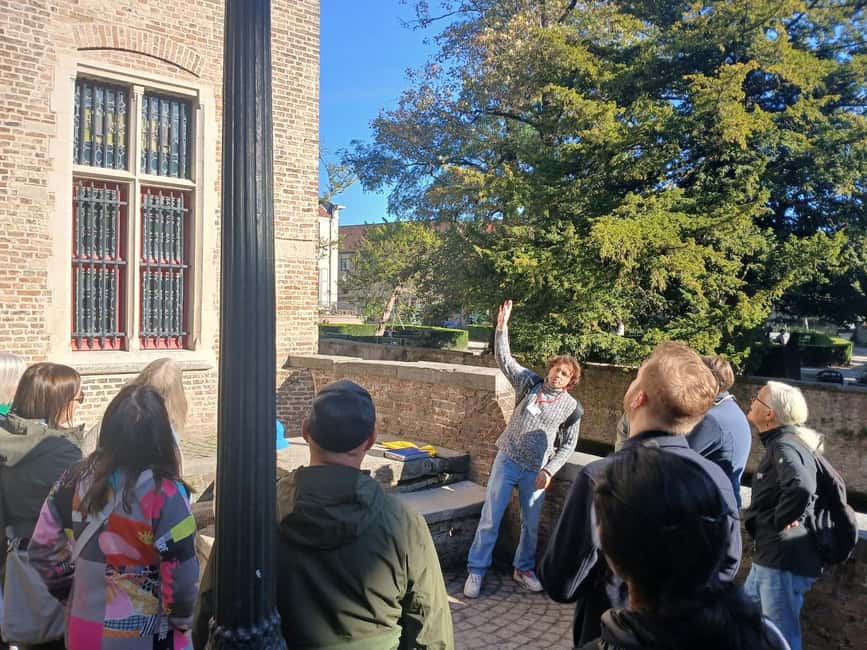
The meeting point is in front of the Belfry Tower on Bruges’ Grand Market Square. Look for a black umbrella with a gold Nostalgic Tours logo. That is a much clearer marker than simply searching for a guide in a crowded square.
The opening talk explains how Bruges became a wealthy trading center and how that success later faded. This rise-and-fall story gives the rest of the walk a useful shape. You are not just looking at attractive buildings. You are seeing the remains of a city that once held major commercial power and then lost much of its influence.
The Belfry is presented as a symbol of that wealth and power. The tour information says the route enters the tower, though the published itinerary lists the Belfry as the starting point rather than a separate timed visit. If tower entry matters to you, confirm exactly what is included when you book. In two hours, the guide has plenty of ground to cover, and a full climb would require extra time.
That is one of the few points I would clarify before arriving. The walk clearly begins at the Belfry and explains its importance. The exact nature of any interior access should not be assumed.
More Chocolate Making Workshops in Belgium
- Belgian Chocolate Workshop in Bruges
★ 5.0 · 660 reviews - Bruges: Belgian Praline and Mendiants Chocolate Workshop
★ 4.7 · 620 reviews - Bruges: Chocolate Making Workshop and Chocolate Museum Entry
★ 4.6 · 395 reviews
Burg Square and two chapels with very different moods
From the Market Square, the walk continues to Burg Square, identified as the oldest square in Bruges and the place where the city began. This is one of the most important stops for understanding how the town developed around civic and religious power.
The tour includes the Holy Blood Chapel and Saint Basil’s Chapel. Many quick walking tours remain outside these buildings, so going in gives this experience a little more substance. The Holy Blood Chapel is also one of Bruges’ most famous religious sites, linked to a relic believed by some to be the blood of Jesus Christ.
The wording around seeing the relic is careful: you might catch a glimpse. Religious displays can vary by opening conditions, services, and timing, so treat the chapel visit as the main promise and the relic viewing as a possibility rather than a guarantee.
Saint Basil’s Chapel offers a quieter counterpoint. Seeing both chapels helps you compare their roles and atmosphere, while Nick’s commentary connects them to the city’s long religious and civic life. Bring respectful clothing and remember that dogs cannot enter either church or the Holy Blood Chapel.
From the old Fish Market to Tanner’s Square
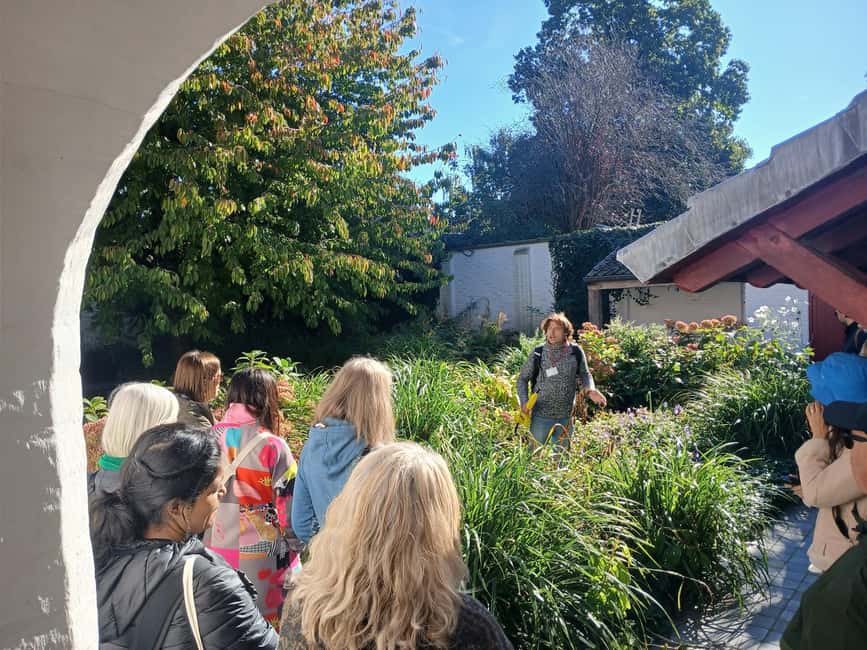
The route then turns toward the Fish Market, once described as the smelliest part of Bruges. Next comes Tanner’s Square, which apparently had an even less pleasant reputation when leather work took place there.
These stops are useful because they strip away some of Bruges’ polished image. Medieval and early modern cities were working places, not just pretty streets for photographs. Markets, fish sellers, and tanners shaped daily life, and unpleasant smells were part of the deal.
Today, the areas are much easier on the nose. The value is in hearing what happened there and seeing how the city’s commercial districts fit together. I especially like this kind of stop because it gives you a practical way to read the city. A square is not just a square. It may have been a market, workshop area, religious center, or trade hub.
Rosary Quay, canal views, and the film connection
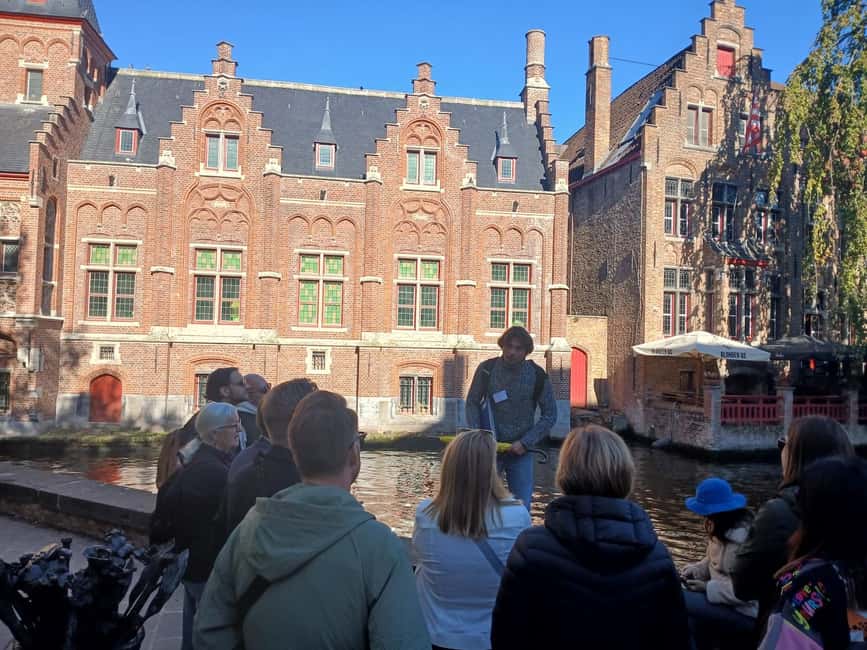
At Rosary Quay, the group strolls along the water and pauses near the hotel where Colin Farrell stayed while filming In Bruges. The movie reference adds a modern layer to a city that is often presented only through medieval history.
You can expect this part of the route to be scenic and compact. The quay is one of the places where Bruges’ canals, old facades, and narrow streets come together in a single view. It is also the kind of stop where a guide can help you take a better photograph or explain which details deserve attention.
The next stop is the so-called Bridge of Love. The tour gives it an ironic twist by pointing out that it is not especially romantic. That sort of humor is part of Nick’s approach. The aim is not a solemn march from monument to monument, but a walk with room for local jokes and questions.
More Chocolate Making Workshops in Bruges
- 2-Hour Historical Walking Tour in Bruges with Praline Included
★ 5.0 · 291 reviews - Bruges: Belgian Chocolate Making Workshop with Beer Tasting
★ 4.9 · 203 reviews - Bruges: Chocolate Truffle Making Class
★ 4.6 · 149 reviews - Chocolate Workshop at Choco-Story Brugge
★ 5.0 · 84 reviews
Gruuthuse Palace and the smallest Gothic window
Near the Palace of Gruuthuse, Nick points out what is described as the smallest Gothic window in Bruges. This is exactly the sort of detail you are unlikely to notice while moving between major landmarks.
Gruuthuse itself adds another layer to the story of Bruges’ wealthy families. You will see the palace as part of the route, but the tour is not presented as a full museum visit. Think of this as an exterior stop with a close look at a small architectural feature, not a long palace tour.
For me, details like the tiny window are a strong reason to choose a local walk. You leave with things to look for during the rest of your stay. Once someone shows you one miniature feature, you begin examining doorways, windows, carved stone, and rooflines instead of simply walking past them.
Church of Our Lady and Michelangelo’s Madonna and Child
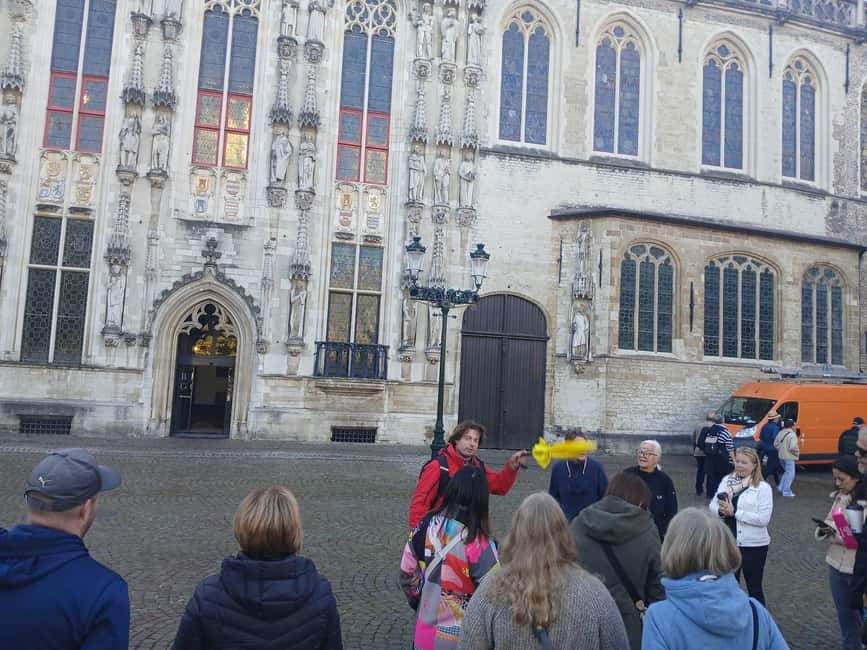
The Church of Our Lady is one of the major highlights. The tour enters through the Paradise Portal and includes a look at Michelangelo’s Marble Madonna and Child.
The sculpture is a major work, but the tour promises a sneak peek, not an extended art lecture or a guaranteed front-row viewing. That distinction matters. The church may be busy, and the available view can depend on the day and the movement of other visitors.
Still, this is a meaningful inclusion in a two-hour walk. You receive context for one of Bruges’ most important works without needing to plan a separate art visit. Nick also shares a personal story connected to the church spire, which gives the stop a local human angle rather than treating the building as a list of dates and names.
The church is also one of the places where practical planning matters. Dogs cannot go inside, and you should wear suitable clothing for religious sites. Good shoes help throughout the walk, but especially on old streets and during stops where you may stand for a while.
Saint John’s Hospital and the Door to Narnia
After the Church of Our Lady, the group passes the site of Saint John’s Hospital, one of the oldest hospitals in Bruges. This stop adds social history to the route. Bruges was not only a place of merchants and grand churches. It also needed institutions to care for the sick and poor.
The route then reaches what Nick calls the Door to Narnia, a concealed corner that is difficult to discover without someone who knows the city well. The name is playful, but the point is serious: Bruges has plenty of small passages and tucked-away views that do not appear on the standard sightseeing list.
The tour does not spell out exactly what you will see through this doorway, and that is part of the fun. I would not expect a major monument. Expect a memorable, atmospheric stop that makes the city feel less like a set piece and more like a lived-in place.
Chocolate, a small street, and a useful finish
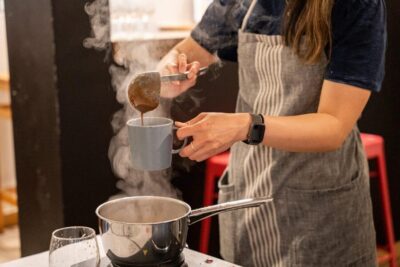
The chocolate stop takes you into one of Bruges’ artisanal chocolate shops, with a Belgian truffle included. This is a modest extra, but it adds real value at a listed price of about $3.53 per person, assuming that unusually low price is still available when you book.
At that rate, the truffle alone is not the main reason to go. The value comes from the combination of a guided city orientation, chapel access, local stories, and food advice. Still, prices can change, and the displayed amount is exceptionally low for a two-hour guided walk, so check the current total before relying on it.
Nick also gives recommendations for chocolate shops, waffles, restaurants, and breweries. That advice is especially useful if Bruges is your base for more than one day. You can use the tour to decide where to return after the walk instead of buying sweets at the first attractive shop you see.
The route includes the smallest street in Bruges that is not a dead end. Again, this is a small detail, but it rewards curiosity. You are being shown the city’s odd corners, not just its biggest squares.
The walk ends at Huisbrouwerij De Halve Maan. The brewery is associated with beer flowing beneath the streets, so the finish ties the city’s old brewing culture to modern Bruges. The tour ends here rather than returning to the Belfry, which is useful if you want to continue with a brewery visit. It is less convenient if your hotel or train connection is near the Market Square, though the city center is compact.
How the small-group format changes the experience
The strongest pattern in the feedback is the praise for Nick’s friendly, funny, personal style. People describe him as easy to talk to, willing to answer questions, and good at keeping the group involved. Several also appreciated that he grew up in Bruges.
That matters more on a city walk than it might on a large coach tour. You can ask about local customs, food, beer, or the best time to return to a church. A small group also makes it easier to hear stories in narrow streets and to stop at small features without blocking a large crowd.
The tone is lively rather than academic. If you want a formal lecture packed with dates, this may not be the right fit. Nick uses humor, and one piece of feedback noted that it was not always clear where a joke ended and a historical fact began. I would simply ask when you are unsure. His style works best if you enjoy conversation and do not mind history delivered with a wink.
Families can also consider it. A six-year-old and a ten-year-old were specifically described as enjoying the experience, and the route is only two hours. Still, expect continuous walking and several church visits, not a child-focused activity.
Timing, comfort, and practical points
The tour lasts two hours and is offered in English. That is enough time to get your bearings and gather a solid first look at central Bruges, but not enough for long interior visits at every stop.
Wear good walking shoes and dress for the weather. Bruges is best explored on foot, and the route includes canals, squares, church interiors, and old streets. A rainy day will not ruin the experience, but suitable clothing will make it much easier to listen rather than spend the whole walk worrying about your coat.
The tour is wheelchair accessible according to the supplied information. Because the route includes churches, narrow historic areas, and the possible Belfry element, you may still want to confirm the exact access arrangements for your date.
Dogs are welcome outdoors but cannot enter the churches or Holy Blood Chapel. If you bring a dog, plan for someone to wait outside during those stops.
Free cancellation is available up to 24 hours before the tour, and you can reserve now and pay later. Those terms are useful if your Bruges visit depends on changing day-trip plans. The boat reference in the title mentions a 3 euro reduction, but the supplied details do not explain the exact boat arrangement. Confirm whether a canal boat ticket is optional, discounted, or separate before booking if that matters to you.
Who should book this Bruges walk?
I would choose this tour if you want a fast, personal introduction to Bruges with more character than a basic landmark circuit. It suits first-time visitors, couples, families with older children, and anyone who wants restaurant, chocolate, waffle, and brewery suggestions from a local.
It is also a good first-morning or first-afternoon activity. Afterward, you will know which places deserve a longer visit and which streets you want to revisit with your camera.
I would hesitate if your priority is a slow art tour, a full Belfry climb, or extended time inside each church. The two-hour schedule is broad by design. You see many places, but the guide cannot give every one a long examination.
Should you book it?
Book this walk if you value local stories, humor, small-group access, and practical advice more than a rigid lecture. Nick’s Bruges background, the two chapel visits, Michelangelo’s Madonna and Child, the Door to Narnia, and the truffle make the price attractive when the listed rate is available.
Skip it only if you want a narrow focus on art, a full brewery visit, or a long canal boat ride. For most first visits, this is a smart way to understand Bruges quickly, then spend the rest of your stay following your own interests.
FAQ
Where does the tour begin?
It begins at the Belfort, the Belfry Tower, in Bruges’ Grand Market Square. The guide carries a black umbrella with a gold Nostalgic Tours logo.
Where does the tour finish?
The walk finishes at Huisbrouwerij De Halve Maan Brewery.
How long does the tour last?
The tour lasts two hours.
What language is the tour in?
The live tour is conducted in English.
Does the tour enter the Holy Blood Chapel?
Yes. The experience includes the Holy Blood Chapel and Saint Basil’s Chapel, though viewing the Holy Blood relic is not guaranteed.
Can I see Michelangelo’s Madonna and Child?
Yes. The route enters the Church of Our Lady and includes a sneak peek of the Marble Madonna and Child sculpture made by Michelangelo.
Are dogs allowed?
Dogs are allowed on the tour outdoors, but they cannot enter the Church of Our Lady or the Holy Blood Chapel.
Just added around Bruges
- Private Belgian Chocolate Tour in Bruges★ 5.0 · 19 reviews
- Private Bruges’ Iconic Sites and Chocolate Tasting Tour★ 5.0 · 8 reviews
- Unique Belgian Chocolate Making Workshop in Bruges★ 5.0 · 47 reviews
- Evening Delights: Bruges Tour with Beer & Chocolate★ 4.0 · 4 reviews
- Secrets of Bruges: Walking Tour With a Chocolate and Waffle Bite★ 5.0 · 27 reviews
- Bruges Beer Tour with chocolate pairing by a young local★ 5.0 · 13 reviews
- Tasty massage chocolate and spicy stories!★ 4.5 · 17 reviews
- Authentic and Complete Bruges, with Local Guide and Chocolate★ 5.0 · 12 reviews
Bruges Chocolate Tours, compared.
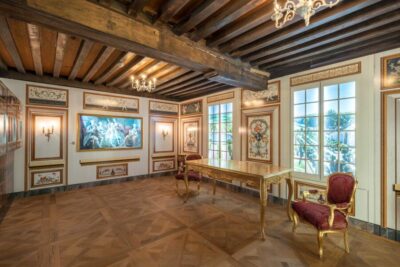
Choco-Story Museum with Audio Guide and Tastings
Read our review →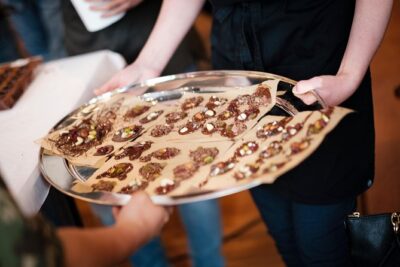
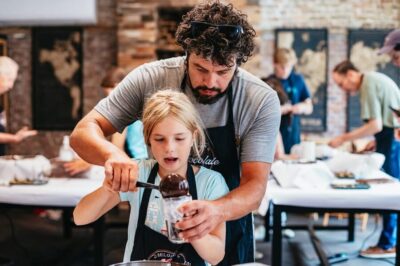
Belgian Praline and Mendiants Chocolate Workshop
Read our review →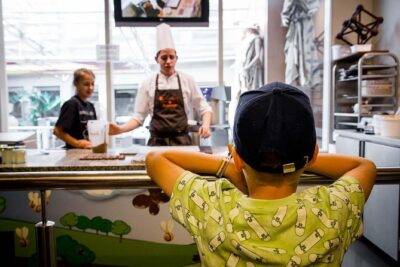
Chocolate Making Workshop and Chocolate Museum Entry
Read our review →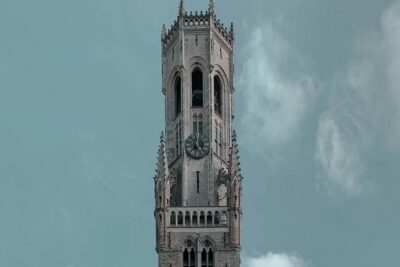
2-Hour Historical Walking Tour in Bruges with Praline Included
Read our review →