
REVIEW · USA
Thousand Islands Bioluminescent Kayak Tour with Cocoa Kayaking!
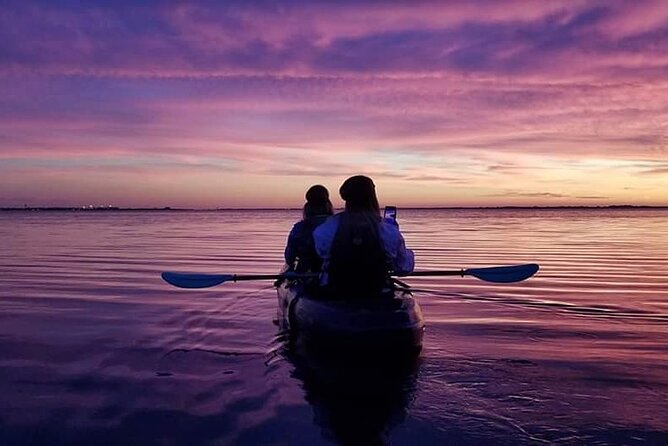
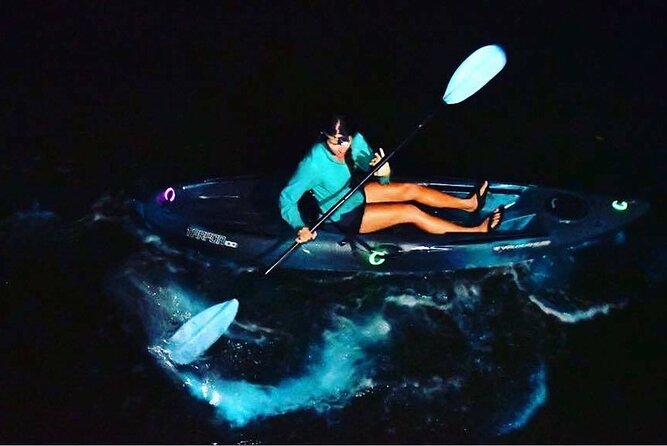
The water is the star here. After dark, each paddle stroke can stir up blue-green bioluminescence, and you may spot comb jellies glowing like tiny underwater lanterns. The route moves through Cocoa Beach’s Thousand Islands, where the quiet mangrove channels make the glow easier to notice.
I like the small maximum group of 10, which gives guides such as Jeff, Ian, JD, and Michael room to help with paddling and questions. I also like the chance to see living comb jellies up close, along with fish, jumping fish, dolphins, or even an alligator if nature happens to provide a bonus.
The catch is simple: the glow cannot be guaranteed. Bioluminescent organisms move with the currents, and moonlight can wash out the effect. You should also prepare for mosquitoes, wet clothes, and a meeting area where a restroom may not be available.
Key points to know before you book
- Best season: Plan for July through mid-October, when conditions are considered best for the glow.
- Best moon phase: A new moon gives you the darkest sky and the strongest chance of seeing bioluminescence.
- Possible wildlife: Comb jellies, fish, jumping fish, dolphins, and alligators have been seen, but none are promised.
- Small group size: The tour accepts no more than 10 people, a useful advantage in narrow, dark waterways.
- Bring your own water: Kayak, paddle, and life jacket are included, but bottled water is not.
- Prepare to get wet: Long sleeves, long pants, closed shoes, insect repellent, and clothes that can get wet are smart choices.
Why the water glows after dark
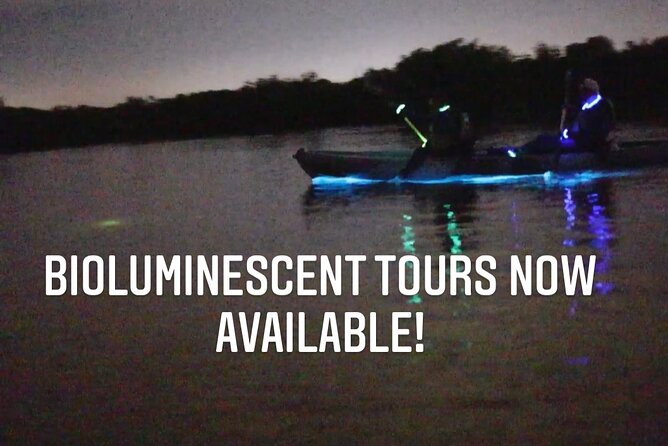
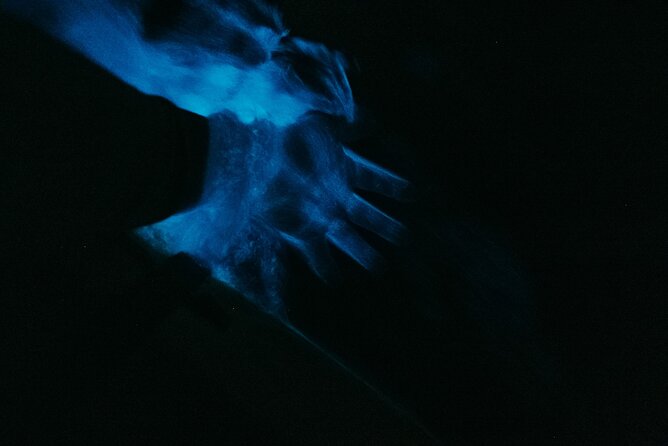
Bioluminescence is produced by living organisms in the water. When your paddle moves through the surface, or when a hand stirs the water, the organisms can flash with a blue-green glow.
That makes this different from a standard evening kayak trip. You are not simply paddling beneath the stars. You are watching the water react to your movement. The effect can be subtle, bright, scattered, or nearly absent, depending on currents, water conditions, and moonlight.
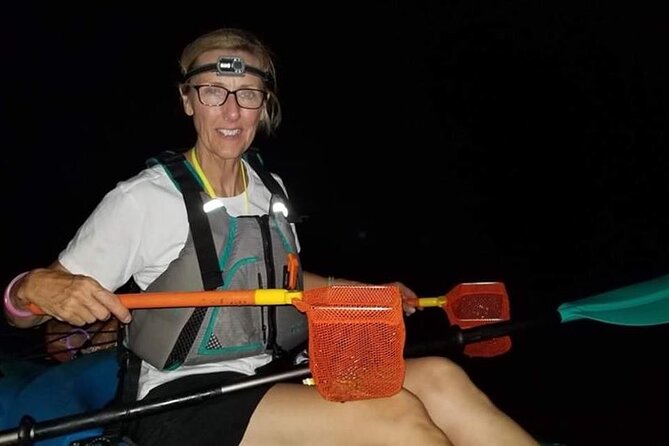
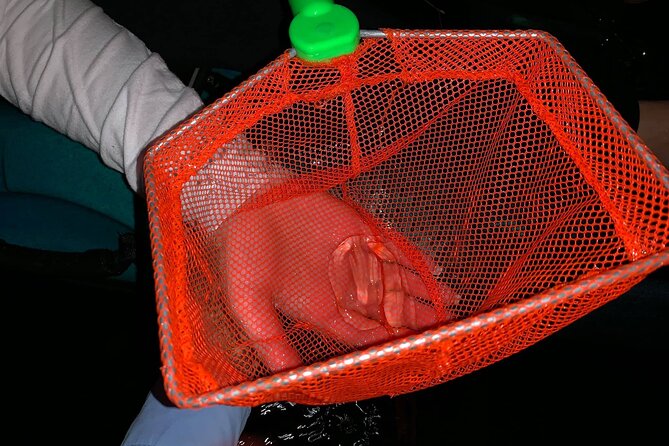
The tour also looks for bioluminescent comb jellies. These are not the same as the stinging jellyfish many people picture. The appeal is seeing their delicate glow as they move through the dark water. Some outings provide small nets for carefully catching and viewing them before releasing them, according to the experience described by past participants.
I would set your expectations correctly. This is a natural event, not a timed stage show. One outing may produce bright glowing water, while another on the same general date may be much weaker. The operator specifically notes that no refund is provided simply because the glow does not match your preference.
That uncertainty is part of the deal. If you need a guaranteed spectacle, this is the wrong kind of activity. If you enjoy nature at its most unpredictable, the changing conditions are part of what makes the night memorable.
A few more chocolate tours around the USA worth a look
- Thousand Island Mangrove Tunnel, Manatee & Dolphin Kayak Tour w/Cocoa Kayaking
★ 5.0 · 923 reviews - Thousand Islands Mangrove Tunnel Kayak Tour with Cocoa Kayaking!
★ 5.0 · 46 reviews - Thousand Islands Mangrove Tunnel Sunset Kayak Tour with Cocoa Kayaking!
★ 5.0 · 43 reviews
Paddling through Cocoa Beach’s Thousand Islands
The tour begins at ATM5000 Tom Warriner Boulevard in Cocoa Beach and returns to the same meeting point. The activity lasts about two hours, including the launch, paddling, wildlife watching, and return.
You will receive a kayak, paddle, and life jacket. The route takes you through the Thousand Islands, a network of calm waterways and mangrove-lined channels near Cocoa Beach. In daylight, this area is known for its coastal scenery. At night, the details fade, and your attention shifts to the water, guide instructions, and occasional movement nearby.
That quiet can be a real strength. One family described the calm of paddling in the darkness as a major part of the appeal, especially because the guide did not fill every moment with talking. Other outings included more explanation and help from the guide. The amount of commentary may depend on the guide and the conditions, so ask questions if you want more background.
You may paddle to more than one location in search of stronger activity. Jeff was specifically praised for leading a group to several spots, and Ian was noted for guiding people toward areas where the plankton and comb jellies were easier to see. This matters because the glow can vary from one patch of water to another.
What the two-hour outing feels like
Plan to arrive early enough to check in, use the restroom if one is available, apply insect repellent, and get fitted with a life jacket. The meeting instructions have recommended arriving 30 minutes before departure, but one account noted that a restroom was not available at the launch area. I would not count on one nearby.
After safety guidance and a basic explanation of how to handle the kayak, you will head onto the water. The guides help with launching and getting settled. This is especially useful after dark, when getting into a kayak can feel awkward even if you are comfortable paddling during the day.
Once the group is moving, the pace is likely to be gentle rather than athletic. The aim is to search for glowing water, not cover a long distance. If you are new to kayaking, the short duration and calm-water setting make this more approachable than a strenuous open-water trip, though you still need enough mobility to enter and exit a kayak.
The central moment comes when you stir the water. A paddle stroke may create a short flash. A hand moving through the surface can produce a brighter burst. If comb jellies are present, you may be able to view them close by, which adds a hands-on element for families and curious adults.
At the end, the group returns to the original meeting point. You should expect damp clothing, wet paddles, and possibly wet feet. The tour provides no bottled water, so bring enough for yourself and your group.
The guides can shape the night
The experience has featured guides including Michael, Jeff, JD, Ian, Chris, Marcus, and Erin. Several were praised for patience, clear help, and making children feel comfortable. Ian was especially noted for working well with a family that included children ages 3, 8, and 12, while Jeff was praised for assisting both adults and children.
That does not mean every guide will lead the tour in exactly the same way. Some guides give plenty of information about the waterways and wildlife. Others speak less and let the darkness and quiet take over. I see value in both styles, but you should speak up if you cannot hear instructions or want more explanation.
A guide’s role matters after dark. You need help finding the best patches of glowing water, handling the kayak, and watching for other boats or natural obstacles. Chris was described as patient and helpful with tour instruction, while Michael was singled out for creating an especially enjoyable outing.
The small group limit helps here. With no more than 10 participants, the guide is not managing a large flotilla. You have a better chance of receiving assistance when launching, collecting a comb jelly, or adjusting your position on the water.
Same place, a different way to taste it:
- Lahaina: Maui Ku’ia Estate Guided Cacao Farm Tour and Tasting
★ 5.0 · 1,103 reviews - Princeville Botanical Gardens Tour and Chocolate Tasting Ticket
★ 5.0 · 774 reviews - Kauai Chocolate Farm Tasting Tour
★ 5.0 · 666 reviews - NYC: Holiday Yacht Cruise with Jazz, Cocoa & Carols
★ 4.7 · 568 reviews
Wildlife beyond the blue glow
Bioluminescence is the main reason to book, but the lagoon can offer extra wildlife sightings. Fish and jumping fish have appeared during outings. Dolphins have also circled a group, and one family saw an alligator. These are possible surprises, not scheduled parts of the tour.
That distinction is important. You should not book this expecting a dolphin encounter or an alligator sighting. Think of those moments as bonuses that can make an already unusual night even more memorable.
The comb jellies are the most relevant wildlife find because they connect directly to the tour’s purpose. Seeing one glow when gently handled gives you a clearer sense that the light comes from a living organism, not an underwater lighting system.
You may also notice how dark and quiet the waterways become. The absence of daytime scenery puts more focus on small sounds, paddle movement, and flashes below the surface. For some people, that peaceful setting will be just as valuable as the glow itself.
Timing your booking for the strongest conditions
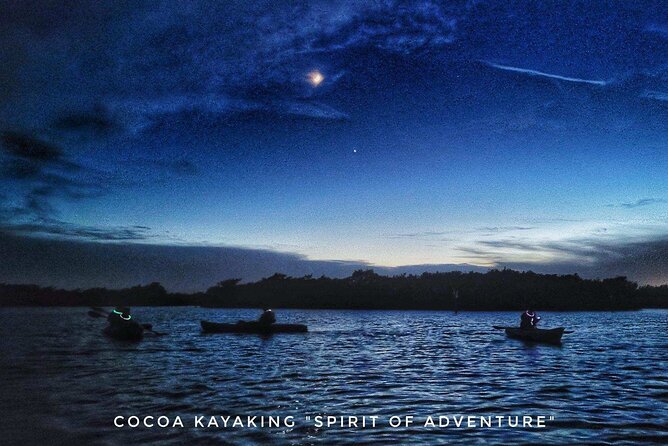
This is a seasonal tour. The recommended period is July through mid-October, with the best glow expected during that window. A new moon is the preferred time because the sky is darkest.
A full moon can make the outing less effective by adding natural light to the water. One couple still enjoyed a tour after a last-minute change connected to full-moon conditions, but the bioluminescence was not the main highlight. They saw an alligator and glowing jellyfish instead.
Weather can also affect the outing. If poor conditions force a cancellation, you can be offered another date or a full refund. The operator may send a weather-watch message and, if needed, a cancellation notice about one hour before the scheduled time.
I would avoid planning this as your only possible evening activity if your schedule is tight. Conditions can change, and the natural glow may vary even when the weather is fine. Keep a little flexibility around the booking.
The activity is popular enough that it is booked, on average, 24 days ahead. That is useful planning information for a summer visit to Cocoa Beach, especially if you want a new-moon date or a particular departure time.
What to wear and bring
You should dress for insects and water, not for a dry sightseeing cruise. Long pants, long sleeves, and closed shoes that can get wet are practical. One family specifically found that loose clothing helped, while another suggested long sleeves and long pants for keeping mosquitoes away.
Bring your own insect repellent even though some guides may offer it. Florida mosquitoes can be aggressive, particularly around still water and mangroves. Apply repellent before launching, then follow any instructions from the guide.
You also need drinking water. Bottled water is not included, and the heat and humidity can linger after sunset. Bring water for everyone in your group.
Leave expensive electronics at home or protect them carefully. The tour information makes clear that you should be prepared to get wet. A phone in a waterproof case can be useful, but dark water and moving kayaks make photography difficult. Your eyes will usually catch the glow better than a standard phone camera.
Is $150 a fair price?
At $150 per person, this is not a budget paddle. The value comes from the timing, specialized route, equipment, guide support, and chance to see a natural event that is not available year-round.
Your fee includes the kayak, paddle, and life jacket, plus about two hours on the water with a guide. The maximum group of 10 is another positive. You are paying for a guided search in a particular area and season, not simply renting a kayak for two hours.
The price feels easier to justify if you are already planning a Cocoa Beach trip and want one unusual evening activity. It is also a reasonable choice for families with children who can participate comfortably, couples looking for something beyond a standard dinner, and anyone interested in marine life.
The value is weaker if you dislike mosquitoes, do not want to get wet, or need a guaranteed bright display. You are paying for access to the conditions and the search, not a promise that every paddle stroke will glow.
Who should book this Cocoa Beach outing?
I would recommend it to people who enjoy nature, quiet water, and a little uncertainty. The experience has worked well for families, including children, and guides have helped younger paddlers take part.
It also suits couples and friends who want a memorable night activity. A dolphin circling the kayaks or a rocket launch appearing in the distance would be remarkable extras, but the basic trip does not depend on those events.
Solo visitors can also book. The group limit keeps the setting relatively small, and guides can help with the practical parts of getting on and off the water.
I would hesitate to recommend it to anyone with strong concerns about mosquitoes, wet clothing, or sitting in a kayak for two hours. You should also think carefully if the glow itself is your only reason for booking. Nature may not cooperate.
The tour is listed as suitable for most people, allows service animals, and is near public transportation. Confirmation is received at booking, and the activity is conducted in English.
Cancellation and planning details
You can cancel for a full refund up to 24 hours before the start time. Changes or cancellations made inside that window are not accepted for a refund, and no refund is provided for a no-show.
If bad weather cancels the tour, you can receive another date or a full refund. A minimum number of participants is also required, so a cancellation for low enrollment may result in another date, another activity, or a refund.
The meeting point is ATM5000 Tom Warriner Boulevard, Cocoa Beach, Florida 32931. The tour ends there as well. Since the activity begins after dark and restroom access may be limited, take care of those needs before arrival.
Should you book it?
Book this tour if you want a rare natural sight and can accept changing conditions. Choose a date between July and mid-October, aim for a new moon, bring water and strong insect protection, and wear clothing that can get wet.
I especially like the combination of a small group, helpful guides, and the chance to see comb jellies close up. Just remember that the glowing water is not guaranteed. If you treat the night as a guided search for bioluminescence, rather than a guaranteed light show, the $150 price can make sense for a special Cocoa Beach evening.
FAQ
How long is the bioluminescent kayak tour?
The tour lasts approximately two hours and ends at the original meeting point in Cocoa Beach.
When is the best time of year to book?
The tour is seasonal, with July through mid-October recommended for the best glow.
Is a new moon important?
Yes. A new moon provides darker conditions and is recommended for the strongest bioluminescence.
What equipment is included?
A kayak, paddle, and life jacket are included. Bottled water is not included.
Can I see glowing jellyfish?
You may see bioluminescent comb jellies, but sightings depend on the living organisms, currents, and natural conditions.
What happens if bad weather cancels the tour?
You can be offered another date or a full refund if the tour is canceled because of poor weather.
Just added around the USA
- Waterfall, Chocolate Tour, Rainforest, Royal Historical★ 4.6 · 16 reviews
- Vegas: Taste, Explore & Shop Chocolate Tour★ 3.4 · 16 reviews
- Two- Hour Group Surfing Lesson in Cocoa Wrightsville Beach, NC★ 5.0 · 13 reviews
- Churches & Chocolate Cart Tour★ 5.0 · 4 reviews
- Make your own Chocolate Bars & Chocolate Box★ 4.5 · 38 reviews
- Santa Barbara’s Ultimate Wine and Chocolate Walking Tour★ 5.0 · 19 reviews
- San Francisco’s Essential Chocolate Chip Cookie Workshop★ 5.0 · 31 reviews
- Santa Fe Chocolate Tasting and History Exploration Tour★ 5.0 · 6 reviews
USA Chocolate Tours, compared.

Maui Ku’ia Estate Guided Cacao Farm Tour and Tasting
Read our review →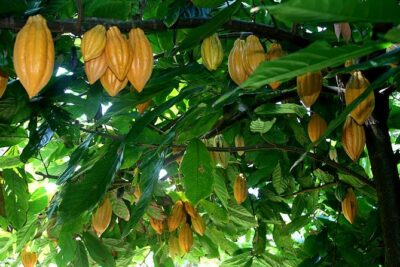
Princeville Botanical Gardens Tour and Chocolate Tasting Ticket
Read our review →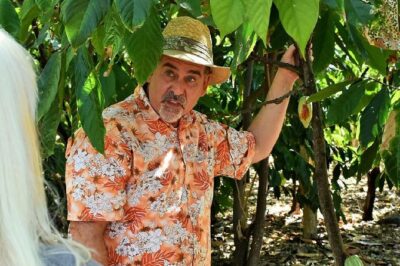
Award Winning Farm Tour: Coffee, Chocolate and Unique Gifts
Read our review →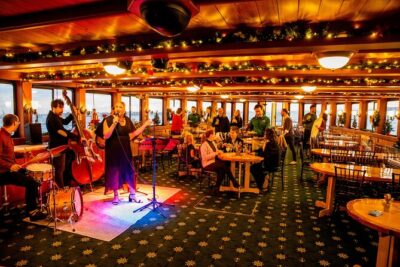

Nashville’s Goo Goo Chocolate Tasting & Candy Making Class
Read our review →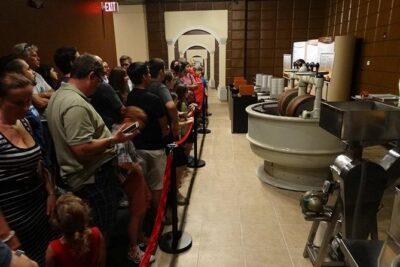
Volcano, Chocolate and Waterfalls of the Big Island
Read our review →
Browse the lists this tour appears in