
REVIEW · TURIN
Hands-On Turin Cooking Class with Gnocchi, Wine & Chocolate
The best part of this Turin cooking class is its setting: a small attic apartment inside a traditional casa di ringhiera, only about five minutes from Porta Nuova station. You start with an aperitivo of Toma cheese, breadsticks, and seasonal bites, then make gnocchi by hand before sitting down to a three-course meal with Piedmont wine.
I like the very small group size, capped at four people, because Francesca and Francesco can give you real help rather than shout instructions across a crowded room. I also like the practical menu: homemade gnocchi, a local Castelmagno cheese sauce, dessert, espresso, and a gianduiotto are all things you can connect directly to Turin.
The main limitation is dietary flexibility. This class cannot accommodate gluten-free, dairy-free, or egg-free diets, and a dog lives in the home, so it may not suit anyone with dog allergies. At $107.17 per person, the price is fair for the food, wine, instruction, and intimate setting, but it is not the right pick if you only want a quick demonstration.
Key points to know
- Historic casa di ringhiera setting: Cook in an attic apartment with the open-balcony style associated with old Turin residential buildings.
- Small four-person maximum: You get direct attention from Francesca and Francesco while shaping the gnocchi.
- Gnocchi from the basics: The dough begins with eggs and flour, with attention to texture, balance, and shape.
- Piedmont on the plate: Toma, Castelmagno, local wine, and Turin’s gianduiotto chocolate give the meal a strong regional identity.
- Three-hour morning plan: The class begins at 10:30 a.m. and ends back at the meeting point with lunch included.
- Recipes go home with you: Digital recipes make this more useful than a meal you simply enjoy and forget.
Starting Near Porta Nuova at 10:30 a.m.
The meeting point is at C.so Vittorio Emanuele II, 71, about five minutes from Porta Nuova station and within easy reach of central Turin. That location matters. You do not need to spend half a morning crossing the city, and the class can fit neatly into a sightseeing day.
The start time is 10:30 a.m. Plan for roughly three hours. Since lunch is part of the experience, you will leave around lunchtime rather than needing to find a restaurant afterward. That makes the class a useful choice for your first full day in Turin, when you may still be getting your bearings, or for a day when you want a slower break from museums and palaces.
The experience is offered in English, and confirmation arrives when you book. It is also near public transportation, so the practical side is simple. The activity ends back at the meeting point, not at a separate restaurant or cooking school across town.
More Chocolate and Wine Tours in Italy
- The Turin Chocolate & Wine Tasting Experience
★ 4.7 · 87 reviews - The Turin Chocolate & Wine Tasting Experience
★ 5.0 · 62 reviews - Pizza Cooking Class with Tiramisù and Wine Tasting in Milan
★ 5.0 · 172 reviews
An Attic Apartment in a Casa di Ringhiera
You are welcomed into a historic casa di ringhiera, a traditional Italian building organized around open balconies and shared access areas. The apartment is described as a charming attic home, which gives the class a personal feel that a commercial kitchen cannot easily copy.
This setting is a big part of the appeal. You are not just watching a chef in a polished studio. You are cooking in a home, with the hosts, their kitchen, and their friendly dog. That also explains the need for a little self-awareness: the dog lives there, so anyone with an allergy should choose another activity.
The maximum group size is four. That is unusually intimate for a cooking class and changes how the instruction works. When you mix dough or shape gnocchi, you can expect the hosts to see what you are doing and correct small problems before they become large ones. The small group also makes the meal feel more like a shared lunch than a scheduled class with a line of people waiting for their turn.
Francesca and Francesco are the hosts and teachers. The comments about their patience, kindness, and hospitality point to the tone you can expect: relaxed, hands-on, and friendly rather than formal. One especially useful detail is that the class is designed to help you repeat the techniques at home. You are not required to be an experienced cook.
Toma Cheese and a Proper Piedmont Aperitivo
The class opens with an aperitivo featuring Toma cheese, bread, breadsticks, and seasonal bites. Toma is a Piedmont cheese, so this is more than a generic snack before the cooking begins. It gives you an early taste of the region and sets up the local character of the meal.
I like this opening because it gives you something to eat while the class gets started. You are not standing around hungry while waiting for the main dish. The aperitivo also introduces a normal Italian social rhythm: a small drink and a few bites, followed by a meal that takes its time.
The exact seasonal items can vary, and the information does not promise a fixed selection beyond the cheese and bread. That is worth noting if you prefer a tightly defined menu. The appeal is the local, informal start rather than a long list of guaranteed appetizers.
This is also a good moment to tell the hosts about any needs or concerns. The class cannot accommodate gluten-free, dairy-free, or egg-free diets, which is important here because those ingredients appear in the meal and the hands-on preparation. The stated restrictions are firm, so do not book this class hoping for substitutions.
Making Gnocchi From Eggs and Flour
The central lesson is fresh gnocchi made from scratch. You begin with the basics, using eggs and flour, and work through the texture, shape, and balance of the dough. That is the sort of instruction that has value beyond this one lunch. Once you understand what the dough should feel like, you have a better chance of making it again in your own kitchen.
Gnocchi looks simple, but the texture can go wrong quickly. Too much flour can make it heavy. Too little structure can make it fall apart. The class focuses on the steps that make homemade pasta work, rather than simply placing a finished plate in front of you.
This is where the four-person limit matters most. You can work with your hands, ask questions, and get help with shaping. The experience is not a passive cooking show. You will be expected to take part, so wear clothes you are comfortable cooking in and arrive ready to work.
The feedback from the class points to a lesson that is easy to follow even if you are not confident with gnocchi. That does not mean the result is automatic. You still need to pay attention to texture and technique, but the instruction is meant to make the process approachable.
You also receive digital recipes to take home. That is a useful inclusion. A cooking experience is much more valuable when you can reproduce at least part of it after your trip, and the recipes give you a practical reminder of what you learned.
More Chocolate and Wine Tours in Turin:
- Melbourne: Yarra Valley Wine, Gin, Whisky and Chocolate Tour
★ 5.0 · 3,667 reviews - Epic Yarra Valley Wine Tour + Lunch, Chocolate & Gin/Beer Option
★ 5.0 · 1,819 reviews - Amazing Yarra Valley Wine Tour + Chocolate, Farm Fresh, Gin
★ 5.0 · 1,566 reviews - Melbourne: Yarra Valley Wine, Gin, Whisky and Chocolate Tour
★ 4.9 · 1,209 reviews
Gnocchi al Castelmagno, Turin’s Main Course
Your finished gnocchi is served with Castelmagno, a prized Piedmont cheese. The result is a creamy and comforting main course, with the cheese providing the main regional signature.
Castelmagno is not just a sauce chosen for convenience. It ties the cooking lesson to Piedmont’s food traditions and gives you a taste you may not encounter in an ordinary pasta class. If you enjoy cheese, this is likely to be one of the most memorable parts of the meal.
The menu is focused rather than sprawling. You are not making several different pasta shapes or a long sequence of dishes. Instead, the class spends its effort on one main preparation and shows how technique, sauce, and local ingredients work together.
That focus is a benefit if you want to leave with a skill. It may be less satisfying if your main goal is variety. You will not be preparing a full banquet from multiple regions of Italy. You will be learning one important dish, then eating it as part of a complete lunch.
Dessert, Wine, Espresso, and Gianduiotto
After the gnocchi, you prepare a traditional homemade dessert. The listed options are tiramisu or zabaglione. Both fit the relaxed, home-cooking character of the experience, and each gives you another chance to see how a familiar Italian dessert comes together.
The exact dessert may depend on the day, so do not assume you will receive both. If tiramisu is served, one particularly praised detail is Tommy’s version, which was singled out as a memorable finish. The supplied information does not identify Tommy’s role, so the useful point is simply that the tiramisu has earned special attention.
The meal comes with local wine. Wine is included, but the type and amount are not specified, so you should not expect a formal tasting or a choice of several bottles. Think of it as a regional pairing for lunch, served in the easy style of a meal at home.
The final course is an Italian espresso with a gianduiotto. Gianduiotto is Turin’s signature chocolate, made famous by the city’s long connection with chocolate production and hazelnuts. This small sweet gives the experience a clear local ending rather than finishing with a generic coffee or packaged dessert.
The progression works well: aperitivo, hands-on cooking, three-course lunch, wine, espresso, and chocolate. It is a full morning and early afternoon activity, not a quick snack stop.
What the $107.17 Price Covers
At $107.17 per person, this is priced above a simple market tasting or short demonstration. The value comes from the combination of instruction and lunch. You receive the welcome aperitivo, hands-on class, three-course meal, local wine, coffee, gianduiotto, and digital recipes.
The small group is the strongest reason the price can make sense. With no more than four people, the fee pays for personal attention from two hosts, not just ingredients and a seat. You are also paying for the home setting and the chance to practice the dish yourself.
I would compare it with the cost of a good lunch plus a separate cooking class in Turin. Since this experience includes both, the price is reasonable for someone who wants an activity with a lasting takeaway. The recipes and gnocchi technique are worth more than a meal that ends when you leave the table.
The value is weaker if you do not enjoy cooking, cannot eat the listed ingredients, or want a large professional kitchen with a polished production. It is also not designed as a wine course or a broad survey of Piedmont cuisine. The strength is its narrow focus and personal scale.
Who Will Enjoy This Class Most
This class suits you if you like food, small groups, and direct contact with local hosts. It is especially useful for couples, solo visitors, and small families who want an activity that feels personal and leaves room for questions.
It also works well for people who want to recreate something at home. The gnocchi lesson starts with basic ingredients and concentrates on technique, while the digital recipes provide a prompt after your trip. You do not need advanced cooking skills to take part.
The experience may appeal less to you if you dislike eating in a private home, prefer a fully professional venue, or want total control over the menu. The dog is another clear consideration. Anyone with a dog allergy should avoid this class.
Diet is the largest practical issue. Gluten, dairy, and eggs are part of the experience, and no adjustments are available for gluten-free, dairy-free, or egg-free diets. This is not a minor note to overlook.
Timing, Cancellation, and Small Practical Details
The class begins at 10:30 a.m. and lasts about three hours. Give yourself enough time to reach C.so Vittorio Emanuele II, 71, and remember that you are entering a residential building rather than a clearly marked restaurant.
The experience has a mobile ticket and is offered in English. It is near public transportation, and the activity returns to the same meeting point. Confirmation is provided at booking.
Free cancellation is available if you cancel at least 24 hours before the start time. Cancellations or changes made within 24 hours are not refunded or accepted, and the cut-off follows Turin local time. Since the class has only four places, book dates carefully.
Should You Book This Turin Cooking Class?
Book it if you want a warm, personal introduction to Turin through food, especially if homemade pasta sounds more appealing than a standard restaurant lunch. The four-person limit, the home setting, and the patient teaching from Francesca and Francesco make this a strong choice for learning rather than simply eating.
The class is particularly good for cheese lovers and anyone curious about Piedmont ingredients. Toma, Castelmagno, local wine, gianduiotto, and espresso give the meal a clear regional identity.
Skip it if you need a gluten-free, dairy-free, or egg-free menu, have dog allergies, or prefer a larger class with several dishes and a formal culinary-school feel. For everyone else, the $107.17 price buys a three-hour activity, a generous meal, direct instruction, and recipes you can use after Turin. That is a solid deal for a small and genuinely hands-on food experience.
FAQ
Where does the cooking class take place?
The class takes place in an attic apartment inside a historic casa di ringhiera at C.so Vittorio Emanuele II, 71, 10128 Torino, Italy.
How far is the location from Porta Nuova station?
The apartment is about five minutes from Porta Nuova station and a short walk from Turin’s city center.
What time does the experience begin?
The class begins at 10:30 a.m.
How long does the cooking class last?
The experience lasts approximately three hours.
What food will I prepare?
You will make fresh gnocchi from eggs and flour, served as gnocchi al Castelmagno. You will also prepare a traditional dessert, listed as tiramisu or zabaglione.
What food and drinks are included?
The experience includes an aperitivo with local cheese such as Toma and bread, a three-course lunch, local wine, coffee, and a gianduiotto chocolate.
Is the class offered in English?
Yes. The activity is offered in English.
Can the class accommodate dietary restrictions?
No. Gluten-free, dairy-free, and egg-free diets cannot be accommodated.
How many people can join the class?
The maximum group size is four people.
More Cooking Classes in Turin
- Paris Cooking Class: Chocolate Éclairs and Cream Puffs
★ 5.0 · 87 reviews - Chocolate & Churros Cooking Class in Madrid
★ 5.0 · 54 reviews
Just added around Turin
- Willy Wonka in Turin – A chocolate adventure★ 3.7 · 6 reviews
- Turin’s Sweet Delights: A Chocolate Walking Tour★ 4.9 · 26 reviews
- Turin Chocolate Tasting Walking Tour★ 5.0 · 4 reviews
- Chocolate Made in Piedmont: Guided Tour with Tastings★ 4.5 · 10 reviews
- The Turin Chocolate Tasting Experience★ 4.5 · 31 reviews
- Fine Chocolate Tasting in Turin★ 5.0 · 26 reviews
- Guided Tour of the Chocolate Factory: Tasting Included★ 4.5 · 3 reviews
- CioccolaTOur, discover the sweet side of Turin tasting the most famous chocolate★ 4.5 · 3 reviews
Turin Chocolate Tours, compared.
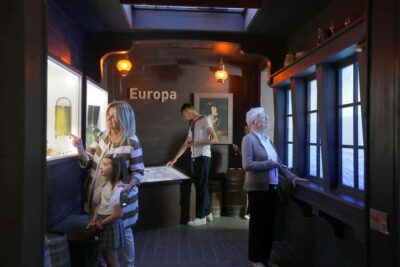
Visit to the Chocolate and Gianduja Museum, Choco-Story Torino
Read our review →
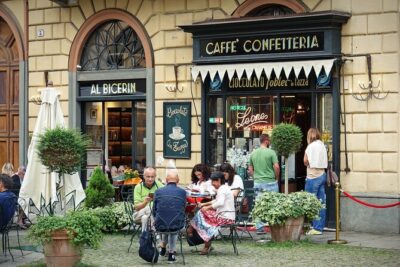
Turin Sweet & Chocolate Walking Food Tour by Do Eat Better
Read our review →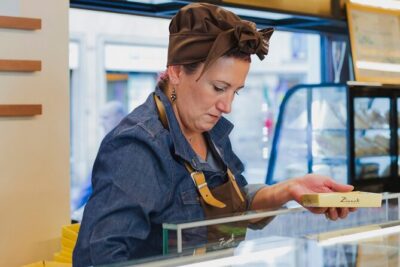
Chocolate & Sweets of Turin: La Dolce Vita Torino | Semi-Private
Read our review →Browse the lists this tour appears in