
REVIEW · PARIS
Croissants and pains au chocolat with a pastry chef in Paris
The best part of this Paris experience is that you do not simply watch a chef shape pastry. At Joannie’s home near Boulevard Voltaire, you work through the key stages of croissants and pains au chocolat, from dough and butter to shaping and baking. The class is limited to six people, so everyone gets a real turn at the table.
I like two things in particular. First, Joannie uses dough at different stages to explain a process that normally takes two or three days, making the lesson practical within a two-and-a-half-hour visit. Second, the setting feels personal: you bake in an old Parisian building, talk about places to eat and visit, and meet the household cat. The main consideration is the price, $126.98 per person, which is fair for a small hands-on class but high if you mainly want to eat a pastry.
Key points at a glance
- Small class of no more than six: You receive direct help instead of standing at the back of a large demonstration.
- Croissants and pains au chocolat: You learn the shared dough and lamination techniques, then shape both classic pastries.
- Chef Joannie teaches in a home kitchen: The atmosphere is relaxed and personal, with a cat in the home.
- A useful take-home skill: The recipe and practical tips are sent after class so you can repeat the process.
- Fresh pastries to enjoy and take away: You bake your own results and have food for later in the day.
- Central Paris location: The meeting point is 115 Boulevard Voltaire in the 11th arrondissement, near public transportation.
Why this pastry class feels different from a Paris food tour
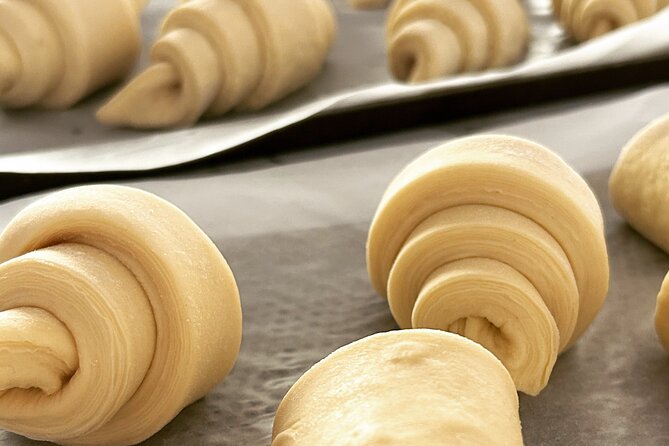
Paris offers plenty of ways to eat a croissant. This class is for learning why a good one works. You handle the dough, watch the butter become part of the layers, and see how shaping affects the final pastry.
That makes the experience more useful than a short tasting. You leave with a better sense of what makes a croissant flaky, why fermentation matters, and how pains au chocolat use the same basic dough with a different filling and shape.
The class takes place in Joannie’s home rather than a formal school kitchen. That changes the mood. You are entering a lived-in Parisian setting, not a polished cooking studio designed for a large audience. For many people, this is the charm. It creates room for conversation about Paris, local bakeries, restaurants, and family travel plans.
It also means you should be comfortable with a home setting. A cat lives there, and the activity is not suitable for people with cat allergies or anyone who is afraid of cats.
More Chocolate and Pastry Tours in France
- Paris French Sweets Tasting Tour with Pastries and Chocolates
★ 4.5 · 947 reviews - Saint-Germain: Gourmet Chocolate & Pastry Walking Food Tour
★ 4.8 · 495 reviews - Paris Chocolate, Macaron & Pastry Food Tour: 10 Gourmet Tastings
★ 5.0 · 339 reviews
Meeting Joannie at 115 Boulevard Voltaire
The class begins at 115 Boulevard Voltaire, 75011 Paris, in the 11th arrondissement. The address is near public transportation, and the activity finishes at the same place.
Allow enough time to find the entrance and arrive ready to begin. This is not a tour with a guide waiting outside a famous monument. You are visiting a private home, so the meeting point matters more than it would on a standard walking tour.
The location can also shape the rest of your day. Since you finish where you started, you can plan a meal or another stop in eastern Paris afterward. The class itself produces enough pastry to become breakfast or a snack later, so you may want to schedule it early in your stay.
One practical tip comes from the class format: book it near the beginning of your Paris visit if you can. You may leave with several croissants and pains au chocolat, which gives you an easy breakfast for the next morning or a snack during a busy sightseeing day.
The first lesson: dough, butter, and patience
Croissants look simple on a bakery shelf, but the dough is not forgiving. The class begins with the basic mixture and explains the role of the ingredients before moving into the technical work.
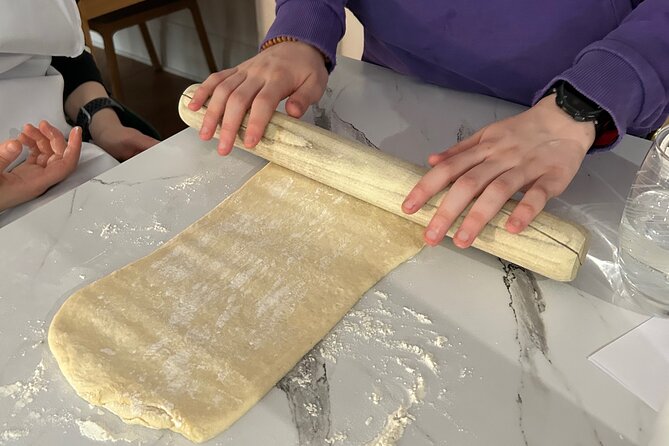
You learn that the job is not just to mix dough and add butter. Temperature, timing, rolling, folding, and resting all affect the layers. Joannie guides you through these stages and uses prepared dough at different points so you can see what changes during the process.
This is a smart approach for a short class. A true croissant process includes fermentation and resting periods that cannot be rushed without changing the result. By preparing several stages in advance, Joannie can show you the full method while still letting you perform the important hands-on steps.
The class is well suited to beginners because you do not need previous baking experience. The instructions are broken into manageable parts, and Joannie can correct your technique while you work. More experienced home bakers may still appreciate the chance to ask about lamination, shaping, and the use of scraps.
Lamination is the real pastry lesson
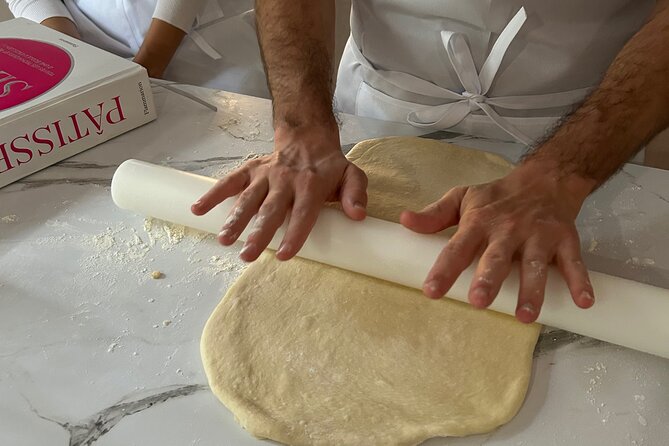
Lamination is the stage that turns ordinary dough into a croissant. You roll and fold dough with butter so the finished pastry contains thin layers that separate in the oven.
This is where the small group matters. With no more than six people, Joannie can watch how you roll the dough and offer help before the butter breaks through or the dough becomes uneven. In a larger class, you might see the technique from a distance but have less time to practice it yourself.
You also learn why the dough must be handled with care. Too much pressure can damage the layers. Uneven rolling can create thick and thin sections that bake differently. The lesson is not only about following a recipe. It is about noticing how the dough feels and responds.
That practical knowledge is one reason the class offers more value than a simple pastry demonstration. You are learning a skill that takes practice, but you get a clear starting point for trying it at home.
More Chocolate and Pastry Tours in Paris
- Paris Pastry Tour – Croissants, Macarons & Iconic French Desserts
★ 5.0 · 232 reviews - Saint-Germain The Original Chocolate Tasting Tour with Pastries and Macaron
★ 4.5 · 215 reviews - Paris: Montmartre Chocolate & Pastries Tour with 8+ Tastings
★ 4.7 · 131 reviews - Paris: Pastries and Chocolate Walking Food Tour
★ 4.8 · 57 reviews
Shaping croissants and pains au chocolat
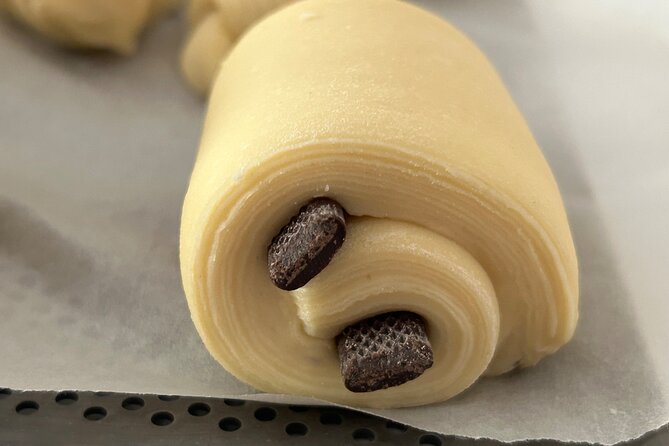
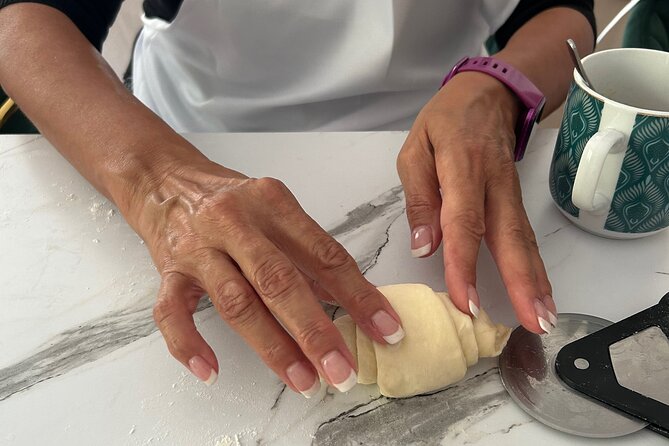
Once the dough has been rolled and prepared, you shape two classic French pastries. Croissants are formed into their familiar curved shape. Pains au chocolat are made with chocolate inside and shaped in a more compact form.
Making both is useful because you can compare how one dough becomes two different pastries. You also get a better feel for size, spacing, and sealing the dough around the chocolate.
The shaping stage is friendly for families and mixed-age groups, as long as children meet the official age requirement. The activity is not available for children under 10. Some families have managed the tasks with older children and teenagers, while one individual account described an eight-year-old participating with help. That does not change the stated rule, so families with younger children should confirm before booking rather than rely on another group’s arrangement.
Teenagers can be especially good candidates. The class offers a real skill, plenty of hands-on work, and a memorable Paris activity that does not involve another museum or monument.
Fermentation and baking: seeing the payoff
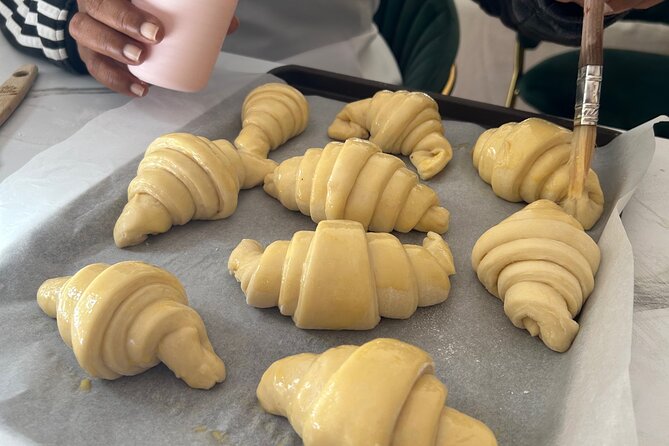
The class covers fermentation as well as baking. Fermentation is easy to overlook because it happens between the visible steps, but it affects flavor, texture, and the finished shape.
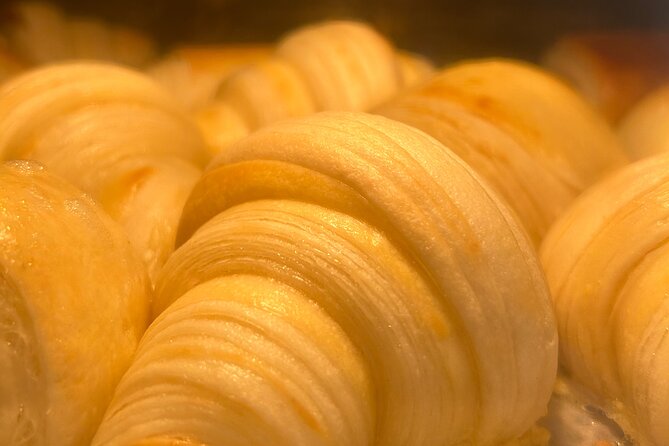
Joannie explains how the prepared stages fit together, then helps you move toward baking. The payoff is immediate: your shaped pastries become golden croissants and pains au chocolat that you can eat during or after the class.
You also get a surprise French pastry made by Joannie, along with the chance to sample the baked results. A hot drink is included in the stated experience, although one account noted that tea or coffee was not offered during that particular visit. If the drink matters to you, it is sensible to confirm what will be served when you book.
Expect the final results to be rich and buttery. This is not a light activity, and the amount of pastry can add up quickly. If you are planning lunch soon afterward, consider sharing or saving some for later.
What you take home after the two and a half hours
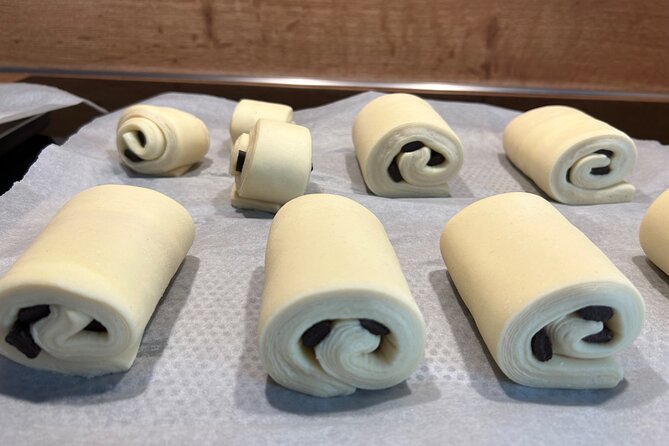
The class is not only about eating what comes out of the oven. You are able to take some of your baked goods with you, and the recipe and tips are sent afterward.
The amount of pastry to take away may vary with the group and the day. One account noted that pastries were divided among three bags for a group of five, rather than providing a separate bag for each person. That is a small but useful detail if you are counting on carrying a full batch back to your hotel.
The recipe is the more lasting souvenir. Croissants require patience and practice, so you may not recreate bakery-perfect results on your first attempt. Still, you leave with a method, notes from the chef, and a clearer idea of where things can go wrong.
The class also covers what to do with scraps, which is a practical touch for home bakers. You are less likely to waste the dough when you know how to use the trimmings.
A relaxed way to ask about Paris
Joannie does more than explain pastry technique. During the class, she discusses your Paris plans and offers suggestions for local patisseries and restaurants.
That conversation is one of the strongest reasons to choose this experience over a larger cooking school. You can ask specific questions about where to eat, what is nearby, or how to plan a family day. The advice is connected to the neighborhood and to your own interests, rather than delivered as a general speech.
The pace also gives you a break from sightseeing. Paris can become a string of timed entries, crowded rooms, and long walks. Sitting down to work with dough offers a slower morning or afternoon, while still giving you something active to do.
The setting is warm and informal, but do not confuse informal with unstructured. Joannie is described as organized, prepared, patient, and clear in her teaching. One especially useful feature is the way she handles the long pastry process without skipping the important steps.
How much value do you get for $126.98?
At $126.98 per person, this is not a budget breakfast. You could buy several croissants in Paris for far less. The price makes sense only if you value the class, personal instruction, small group, and recipe as much as the food.
For that cost, you receive about two and a half hours of instruction, hands-on work with both pastries, tastings, a surprise pastry, some baked goods to take away, and follow-up instructions. The maximum group size of six is important here. You are paying for access to the chef and for a chance to perform the steps yourself.
I would consider it good value for a couple, a family with older children, or a small group of friends who want a shared activity. It is less appealing if you are looking for a quick food stop, a formal professional kitchen, or the cheapest way to eat French pastry.
The activity is booked an average of 54 days ahead, so planning early matters. That is particularly true if you need a certain date for a family itinerary. Free cancellation is available up to 24 hours before the start time. Changes or cancellations inside that window are not accepted for a refund.
Who should book this Paris baking class?
I would choose this class if you enjoy learning by doing. You should be ready to roll dough, follow several steps, and pay attention to details rather than simply watch a chef work.
It is a good fit for:
- Couples looking for a shared food activity
- Families with children aged 10 and older
- Teenagers who enjoy cooking or want a break from museums
- Home bakers who want to improve their croissant technique
- Small groups seeking a personal Paris experience
- Visitors who like local restaurant and bakery advice
I would pause before booking if you have a gluten-free or lactose-free diet. The activity is not recommended for either. It is also unsuitable if you have a cat allergy or are uncomfortable around cats.
The class is offered in French, English, and Italian. The listed option is available in English, so you can choose the language that makes technical baking instructions easiest to follow.
Should you book it?
Book this experience if you want to bring home a skill, not just a box of pastries. Joannie’s patient teaching, the six-person limit, the use of dough at different stages, and the relaxed Parisian home setting give the class a personal feel.
The price is the main hurdle, and the take-home portion may vary. Still, for a family or couple that values hands-on food experiences, it can be a fine use of a Paris morning. Schedule it early in your trip, check the age and dietary rules, and plan to enjoy the pastries throughout the day.
FAQ
Where does the croissant class take place?
The class begins and ends at 115 Boulevard Voltaire, 75011 Paris, France.
How long does the experience last?
The class lasts approximately two hours and 30 minutes.
What pastries will I make?
You will make croissants and pains au chocolat, including the dough, lamination, fermentation, shaping, and baking stages.
How many people can join the class?
The maximum group size is six people.
Is the class offered in English?
Yes. The activity is available in French, English, and Italian, and the listed experience is offered in English.
Are children allowed to participate?
The activity is not available for children under 10 years old. Families with younger children should confirm the age policy before booking.
Is the class suitable for dietary restrictions?
It is not recommended for people following gluten-free or lactose-free diets.
Is there a cat in the home?
Yes. The pastry chef has a cat, so the class is not recommended for people allergic to cats or afraid of them.
Can I cancel for a refund?
You can cancel up to 24 hours before the experience start time for a full refund. Cancellations or changes made less than 24 hours in advance are not accepted for a refund.
Just added around Paris
- Private Wine and Chocolate Tasting Experience★ 4.4 · 3 reviews
- Molded Bonbons Chocolate making class in Paris (collective)★ 4.5 · 20 reviews
- Private Wine and Chocolate Tasting in Paris★ 4.5 · 4 reviews
- Paris Sweet & Chocolate Family Treasure Hunt★ 5.0 · 37 reviews
- Private Family Chocolate Making Class in Paris★ 5.0 · 16 reviews
- Pure Chocolate Tour in Paris★ 5.0 · 20 reviews
- Paris Marché d’Aligre Walking Tour with Chocolate and Cheese Tasting★ 3.5 · 24 reviews
- Paris Saint-Germain Private Tasting Tour with Chocolate plus Pastries & Macaron★ 5.0 · 10 reviews
Paris Chocolate Tours, compared.
Paris French Sweets Tasting Tour with Pastries and Chocolates
Read our review →
Brussels and Bruges Tour & Optional Chocolate Tasting
Read our review →
A Morning in Paris Food Tour: Croissants, Baguettes & Chocolate
Read our review →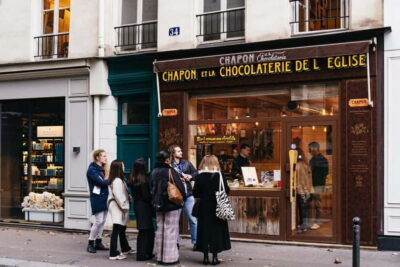
Saint-Germain: Gourmet Chocolate & Pastry Walking Food Tour
Read our review →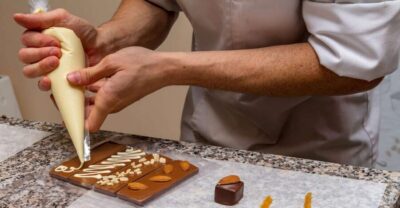
45-minute Chocolate Making Workshop at Choco-Story
Read our review →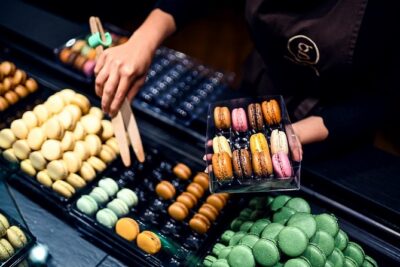
Paris Chocolate, Macaron & Pastry Food Tour: 10 Gourmet Tastings
Read our review →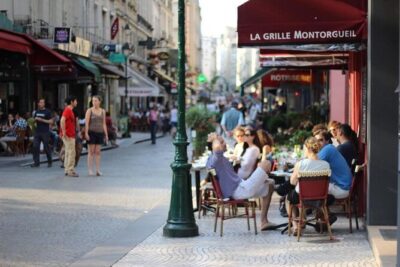
Paris Pastry Tour – Croissants, Macarons & Iconic French Desserts
Read our review →Browse the lists this tour appears in