
REVIEW · USA
Volcano, Chocolate and Waterfalls of the Big Island
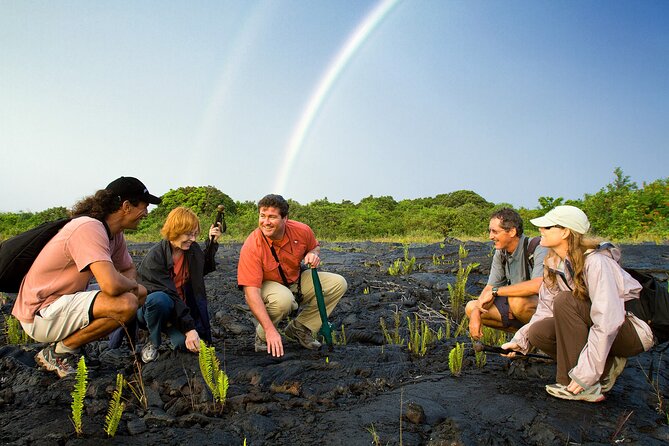
Kilauea is the star here, and this tour gives you a full day to see what volcanic activity has done to the Big Island. You may walk through a private lava tube, cross smooth pahoehoe lava, peer into a crater, and learn how recent eruptions reshaped Halemaumau.
I like the small groups of no more than 12 and the care taken with the practical details, including lunch, snacks, drinks, walking sticks, sunscreen, bug repellent, and sometimes extra gear for changing weather. I also like the mix of volcano science, Hawaiian history, cacao farming, and a short waterfall stop.
The tradeoff is simple: this is a long day, roughly 11 and a half hours, with substantial driving and walking on uneven ground. Rainbow Falls is pleasant but brief, and the tour is not suitable for anyone who cannot comfortably walk up to two miles over rough terrain.
Key details before you book
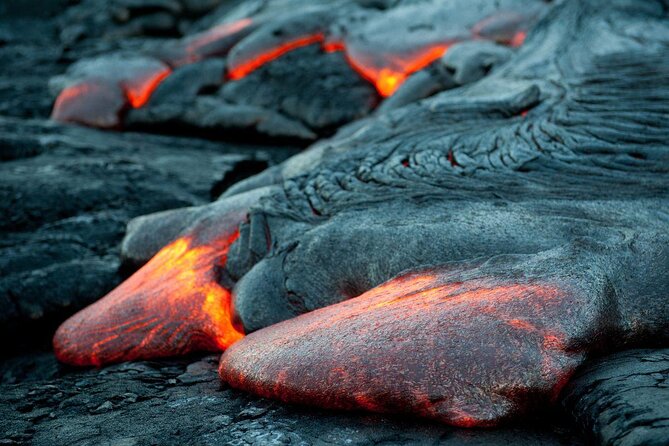
- Kilauea takes up most of the day: Plan for about four hours in Hawaii Volcanoes National Park, with craters, lava fields, forest, and a lava tube.
- A small group makes a difference: The van holds a maximum of 12 people, giving you more time to ask questions and hear the guide.
- The guides are the main strength: Guides such as Tracy, Jon, Adam, Eugene, Taj, Rob, and Matteo are praised for clear explanations, local stories, and friendly care.
- Lunch and drinks are included: You receive lunch, snacks, Hawaiian juices, flavored sparkling waters, and refillable filtered water.
- The walking is moderate but real: Closed-toe shoes, long pants, sun protection, and a light jacket are required.
- The tour connects three very different places: Volcanic terrain, a working tropical farm, and an 80-foot waterfall give the day variety.
Why Kilauea makes this a special Big Island tour
Many Big Island excursions offer a quick roadside view of volcanic rock. This one gives you time to understand the forces behind it. Hawaii Volcanoes National Park is not simply a place to photograph a crater. It is a living study in collapse, eruption, forest recovery, and changing ground.
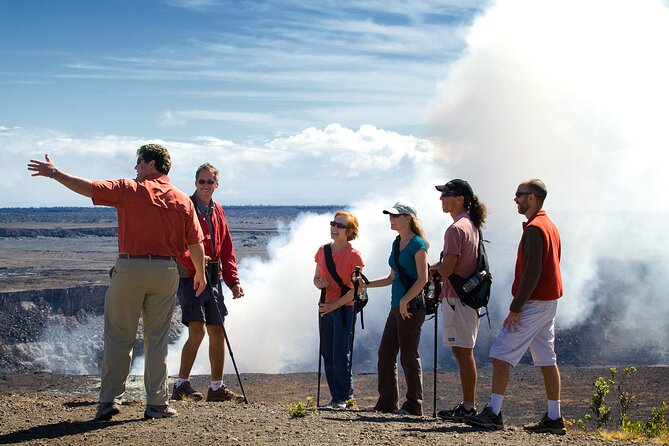
Your National Park Certified interpretive guide leads the main portion of the day. The focus includes the large collapse of Halemaumau Crater and the way Kilauea has changed through recent volcanic activity. Conditions can affect exactly what you see, but the guide uses the current setting to explain what is happening beneath the surface.
I value that approach. A volcano can look like a field of black rock until someone explains the difference between lava textures, crater formation, and newer flows. Several guides, including Tracy, Jon, Adam, Eugene, Taj, Rob, and Matteo, have been singled out for making the science easy to follow while adding Hawaiian stories, island history, plants, animals, and cultural context.
The scenery changes as you travel from the coast toward the park and mountain country. That long drive is part of the experience, but it also adds to the day’s length. If you are staying on the west side of the island, expect an especially late return and bring patience for the ride home.
A few more chocolate tours around the USA worth a look
- Lahaina: Maui Ku’ia Estate Guided Cacao Farm Tour and Tasting
★ 5.0 · 1,103 reviews - Princeville Botanical Gardens Tour and Chocolate Tasting Ticket
★ 5.0 · 774 reviews - Kauai Chocolate Farm Tasting Tour
★ 5.0 · 666 reviews
Walking through lava fields and a private lava tube
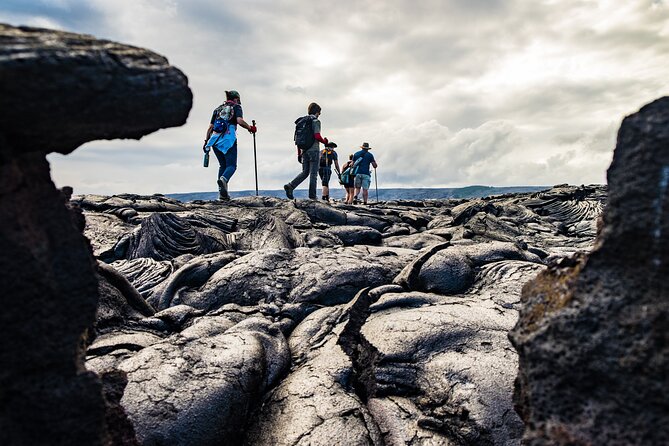
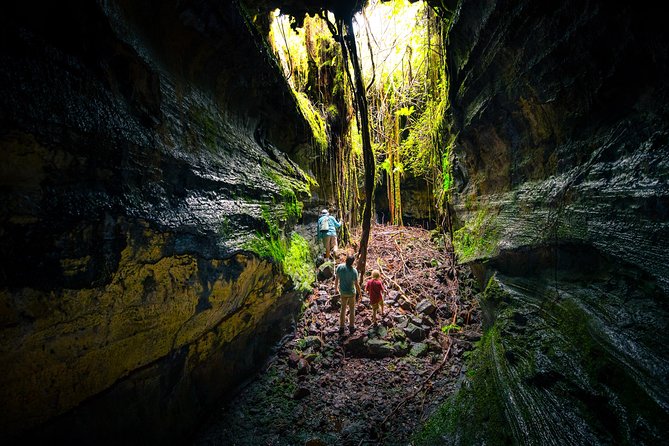
The walking portion is one of the strongest reasons to choose this experience instead of touring the park from a car. You may cross smooth pahoehoe lava, walk near craters, and move between open volcanic ground and forest.
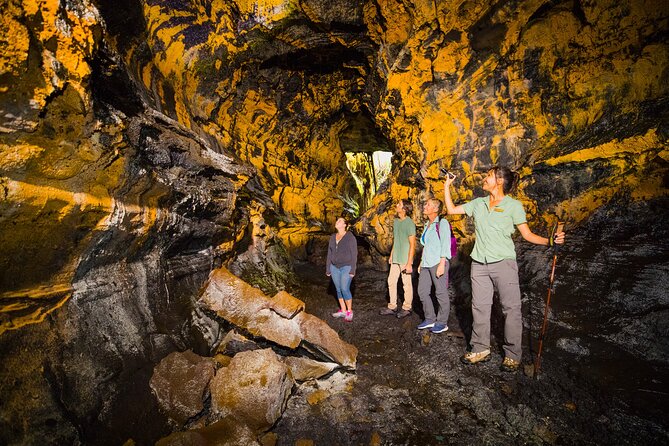
The private lava tube is a highlight. It gives you a chance to walk inside a formation created by flowing lava, rather than simply viewing volcanic rock from the roadside. The tube is reached by an unpaved, bumpy road, so anyone prone to motion sickness should take that warning seriously.
The route is not described as strenuous, but it is not a gentle stroll either. You need to manage short distances of up to two miles on uneven terrain. The tour supplies walking sticks, which can be useful on rocky sections, but good shoes still matter more.
Wear closed-toe walking shoes with solid comfort. Long pants are required, and a light sweatshirt or jacket is recommended. The park can feel different from the warm coast, and conditions may shift during a full day outdoors. Sunglasses, a hat, and sunscreen are also required. Bug repellent is supplied.
Some guides have carried useful extras such as rain coats, flashlights, blankets, hot cocoa, and tea. Those touches may vary, so I would still dress properly rather than count on borrowed gear. The company also provides refillable filtered water, but bottled water is not included.
Four hours in Hawaii Volcanoes National Park
The park portion lasts about four hours, making it the heart of the tour. You have enough time to do more than stop, take a picture, and climb back into the van.
The exact views depend on volcanic conditions and park access. You may see Kilauea after a recent eruption, look into a pit crater, examine lava flows, and walk across the pahoehoe surface. One guide used a telescope to help the group view lava in the crater when conditions allowed.
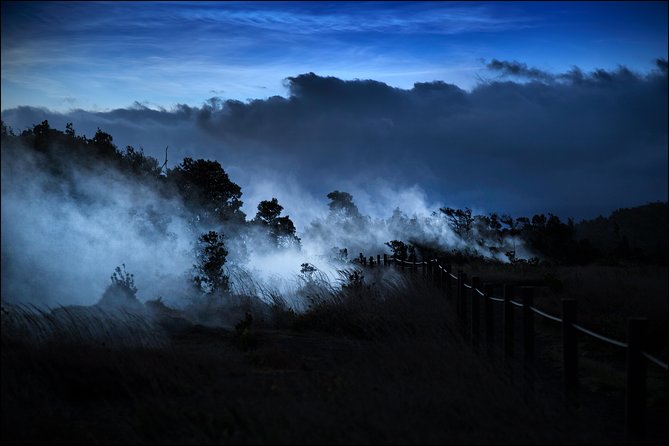
That is an important point: volcanic scenery is not fixed. A crater may look smoky, glowing, quiet, or changed by a new collapse. The tour’s value comes partly from having a guide who can explain what you are seeing at that moment instead of treating the park like a static attraction.
You will also hear about Hawaiian legends, native plants, animals, and the islands’ past. One outing even produced a surprise sighting of a wild boar during a forest walk. Wildlife is never promised, but the story shows why walking away from the main overlooks can add more to the day.
I would not book this tour expecting a long, strenuous backcountry hike. The emphasis is on a series of walks, explanations, volcanic viewpoints, and the lava tube. One person looking for more hiking wanted additional time on foot, while most of the praise centers on the amount learned and the variety of places visited.
Lunch, snacks, and a well-stocked van
Food matters on an 11.5-hour outing. Lunch is included, along with snacks and drinks throughout the day. Hawaiian juices, flavored sparkling waters, and refillable filtered water are provided, so you are not left to manage every drink stop yourself.
The meals are designed for convenience rather than a restaurant experience. That keeps the schedule moving and lets you spend more time in the park. One family found the food good, while another felt the meal might not be enough for two hungry teenage boys. If you eat large portions, carry an approved personal snack if possible, even though snacks are supplied.
The van setup also receives praise. USB ports, adjustable drink holders, and walkie-talkies for communication have been provided on outings. Those details may sound small, but they help on a full day with long stretches on the road.
I especially like the practical spirit of this tour. Walking sticks, sunscreen, bug repellent, drinks, and park access are built into the price. You still need to bring your own comfortable clothing and shoes, but many of the easy-to-forget items are handled for you.
Same place, a different way to taste it:
- Thousand Island Mangrove Tunnel, Manatee & Dolphin Kayak Tour w/Cocoa Kayaking
★ 5.0 · 923 reviews - NYC: Holiday Yacht Cruise with Jazz, Cocoa & Carols
★ 4.7 · 568 reviews - Award Winning Farm Tour: Coffee, Chocolate and Unique Gifts
★ 5.0 · 484 reviews - New York City Cocoa and Carols Holiday Cruise
★ 4.5 · 318 reviews
Cacao trees and chocolate at the 1,000-acre farm
After the volcano country, the tour turns to Hilo and a very different kind of Hawaiian agriculture. You visit a private 1,000-acre tropical fruit and chocolate farm for about an hour.
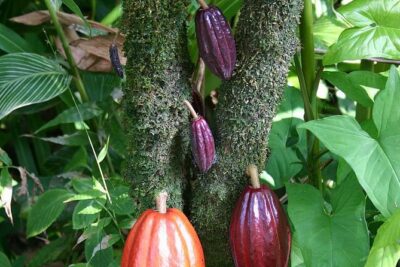
The focus is the path from cacao tree to chocolate. You learn how cacao grows and how the beans are transformed into the finished food. Small samples of different chocolates add a pleasant, hands-on finish to the lesson.
This stop works because it gives the day a second story about the island’s land. At the park, you see how heat and pressure shape rock. At the farm, you see how climate, soil, and careful processing shape food. The contrast keeps the tour from becoming four straight hours of geology followed by a long ride home.
The farm visit is not a full-day chocolate workshop. It is a one-hour educational stop, so set your expectations accordingly. You will get an introduction to cacao production and samples, not an extended cooking class.
Rainbow Falls is brief but worthwhile
Rainbow Falls is the final named stop, with about 15 minutes to view the 80-foot cascade. It drops against a lush tropical setting near Hilo and gives you a welcome change from black lava, crater rims, and open volcanic ground.
I would treat this as a scenic pause, not the main attraction. Fifteen minutes is enough for a look and photographs, but not enough for a long walk or relaxed exploration. The waterfall can feel modest after the scale of Kilauea, yet it breaks up the day and lets you stretch your legs before returning to the meeting point.
The stop also shows how quickly the Big Island can change. Within the same day, you may move from stark volcanic rock to thick green growth and flowing water. That contrast is one of the tour’s best features.
The guides shape the experience
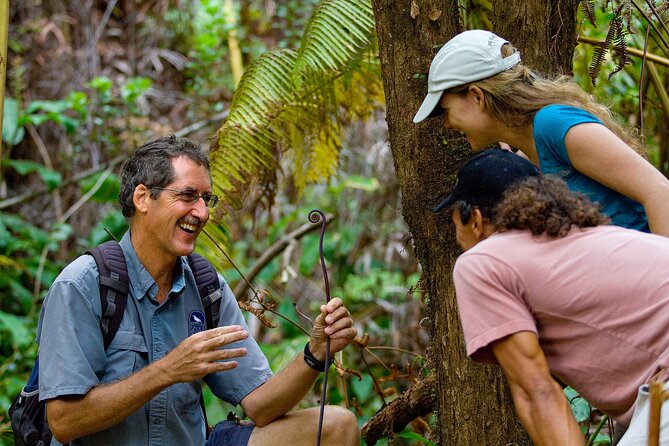
The guide is not just a driver here. The best part of the day depends on someone who can keep the long drive useful and connect geology with Hawaiian culture.
Jon has been praised for explaining eruption dates, island history, native stories, and volcano science. Tracy is known for strong explanations and memorable stories. Adam has been described as energetic and enthusiastic, while Eugene is noted for being friendly, accommodating, and able to keep the group engaged during a long day.
Taj brings humor, patience, and care for the natural setting. Rob and Matteo have also been praised for preparation and clear explanations. Guide assignments can change, so you cannot book a specific person based on these names. Still, the repeated pattern is encouraging: the company puts trained, engaged people in front of the group.
A good guide matters even more when visibility changes or a volcanic feature looks less dramatic than expected. You cannot control an eruption, weather, or park access. You can control how well the day is explained.
Is the $308.90 price fair?
At $308.90 per person, this is not a budget sightseeing ride. I think the price can make sense if you want one organized day that combines transportation, park access, a trained guide, lunch, snacks, drinks, a private farm visit, and the lava tube.
The small group is important to the value. With a maximum of 12 people, you are more likely to hear the explanations and ask questions than on a large coach tour. The price also saves you the work of planning the long drive, choosing park stops, arranging food, and finding the private lava tube on your own.
You are paying for access and interpretation as much as transportation. If you only want a quick crater photo, the cost may feel high. If you want context, practical support, and a full day covering several parts of the island, the price is easier to justify.
I would compare this with the cost of a rental car, fuel, meals, park planning, and your own time. The tour is also a good fit if volcanic geology is a main reason for visiting the Big Island and you do not want to drive a long route yourself.
Timing, meeting points, and who should skip it
The listed start time is 7:30 a.m., but your actual pickup time can differ. Confirm the meeting time directly before the day of the tour. Central meeting locations are provided, and the activity returns to the meeting point rather than ending at a different location.
The experience lasts about 11 hours and 30 minutes. That makes it a poor choice if you have evening plans, a tight airport schedule, or a cruise ship departure. Cruise ship passengers cannot be accommodated because of the timing.
You must be at least six years old. A moderate fitness level is required, and you should be comfortable walking short distances, up to two miles, on uneven terrain. The tour is not appropriate if you are physically challenged or unable to manage rocky ground.
Free cancellation is available up to 24 hours before the start time. Cancellations or changes made inside that window are not refunded or accepted. The tour also requires a minimum number of people, so a cancellation by the operator would result in another date or experience, or a full refund.
Should you book Volcano, Chocolate and Waterfalls of the Big Island?
I would book this tour if you want a strong first look at the Big Island’s volcanic side and prefer a guide to handle the driving, park planning, food, and equipment details. The lava tube, crater country, and small group give it more substance than a basic sightseeing loop.
I would skip it if you want a relaxed half-day, dislike bumpy roads, or need a guaranteed eruption view. The day is long, the waterfall stop is short, and the walking takes place on uneven ground.
For most physically capable visitors with one open day, this is a well-balanced way to connect Kilauea, Hawaiian stories, cacao farming, and Hilo scenery. Pack proper shoes, long pants, a light jacket, and enough patience for a full day on the road.
FAQ
How long does the tour last?
The tour lasts approximately 11 hours and 30 minutes and returns to the original meeting point.
What time does the tour start?
The listed start time is 7:30 a.m., but your actual pickup time may be different. You should contact the operator to confirm the meeting time.
What is included in the price?
The tour includes a National Park Certified interpretive guide, park and chocolate farm access fees, lunch, snacks, Hawaiian juices, flavored sparkling waters, refillable filtered water, walking sticks, sunscreen, bug repellent, and transportation from central meeting locations.
Is bottled water included?
No. Bottled water is not included, but refillable filtered water is provided.
How much walking is involved?
You should be prepared to walk short distances of up to two miles on uneven terrain. A moderate level of physical fitness is required.
What should I wear?
Wear comfortable closed-toe walking shoes, sunglasses, a hat, sunscreen, long pants, and a light sweatshirt or jacket.
Can children join the tour?
Yes. Participants must be at least six years old.
Can cruise ship passengers take this tour?
No. Cruise ship passengers cannot be accommodated because of the tour’s timing requirements.
Just added around the USA
- Waterfall, Chocolate Tour, Rainforest, Royal Historical★ 4.6 · 16 reviews
- Vegas: Taste, Explore & Shop Chocolate Tour★ 3.4 · 16 reviews
- Two- Hour Group Surfing Lesson in Cocoa Wrightsville Beach, NC★ 5.0 · 13 reviews
- Churches & Chocolate Cart Tour★ 5.0 · 4 reviews
- Make your own Chocolate Bars & Chocolate Box★ 4.5 · 38 reviews
- Santa Barbara’s Ultimate Wine and Chocolate Walking Tour★ 5.0 · 19 reviews
- San Francisco’s Essential Chocolate Chip Cookie Workshop★ 5.0 · 31 reviews
- Santa Fe Chocolate Tasting and History Exploration Tour★ 5.0 · 6 reviews
USA Chocolate Tours, compared.
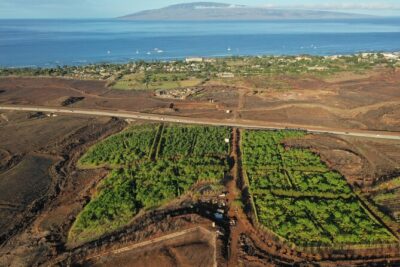
Maui Ku’ia Estate Guided Cacao Farm Tour and Tasting
Read our review →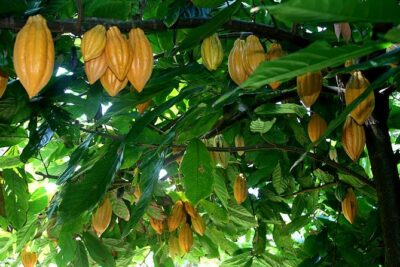
Princeville Botanical Gardens Tour and Chocolate Tasting Ticket
Read our review →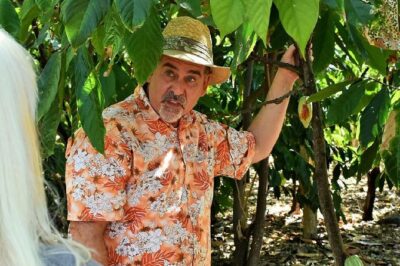
Award Winning Farm Tour: Coffee, Chocolate and Unique Gifts
Read our review →

Nashville’s Goo Goo Chocolate Tasting & Candy Making Class
Read our review →
Waterfall, Rainforest, Chocolate Tour & Historical Sites
Read our review →Browse the lists this tour appears in