
REVIEW · USA
Award Winning Farm Tour: Coffee, Chocolate and Unique Gifts
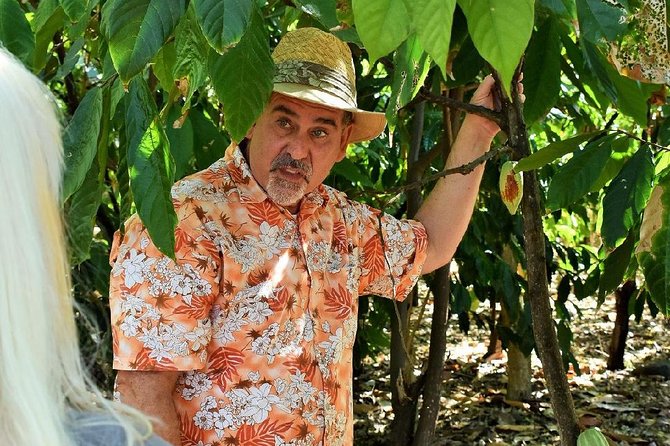
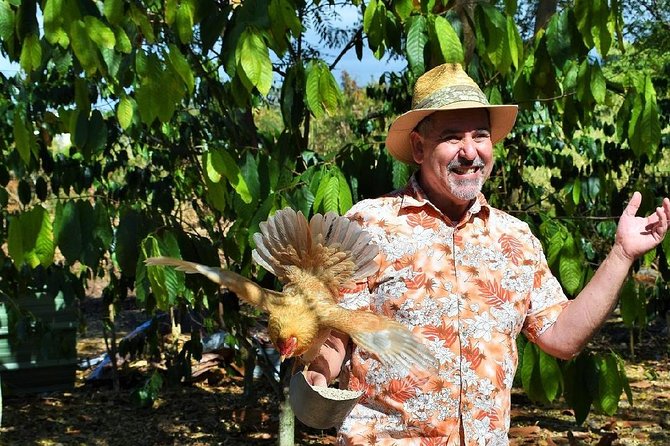
The best part of this Kona farm tour is that it reaches beyond coffee. You’ll walk through a working coffee and cacao plantation, taste products made on site, and then see how the farm’s natural soaps are produced. Greg Colden leads much of the experience with humor, stories, and a clear respect for the land.
I like the wide Pacific views from the farm’s perch 1,200 feet above Kona, and I like the honest mix of farming, food, and small-business life. The tastings add real value to the $50 price, especially if you plan to buy coffee, chocolate, soap, or gifts afterward.
The main thing to consider is focus. If you want a detailed coffee-only tour, this may feel too centered on cacao and soap. Groups can reach 30 people, and the tour is offered on Tuesday mornings, so check the schedule before building your day around it.
Key points to know before you book
- Three farm experiences in one: Learn about coffee, cacao, and natural soap production during one visit.
- A scenic Kona setting: The farm sits about 1,200 feet above Kona, with Pacific Ocean views and glimpses of Hualālai.
- Greg Colden leads with humor: Expect personal stories, jokes, practical farming talk, and time for questions.
- Tastings are part of the value: Sample coffee and chocolate made by the farm, then shop for soaps, pottery, food products, and island gifts.
- Best for adults and older children: Children under 12 are not recommended, and all children must stay closely supervised.
- Plan for a Tuesday morning: The listed tour time is 9 a.m. to noon, with the experience ending where it starts.
A Kona farm above the coffee belt
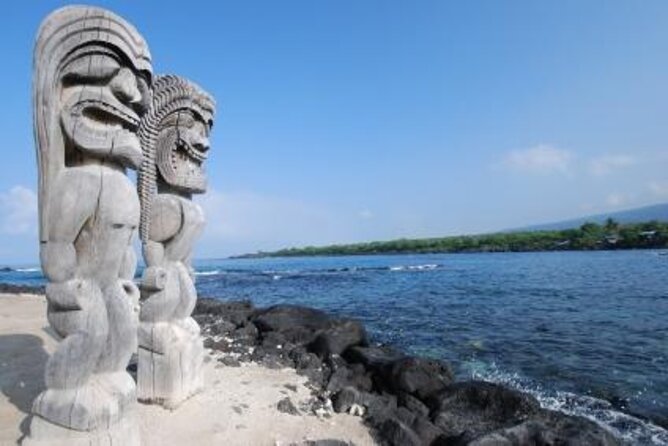
The drive to 78-6749 Mamalahoa Highway in Holualoa sets the mood before the walking tour begins. As you climb above Kona, the Pacific opens below you. From the farm’s position at roughly 1,200 feet, you can look across the coast and understand why this part of the island is so prized for agriculture and scenery.
You’ll also see Hualālai, the dormant volcano that rises above the Kona side of the island. Its volcanic ground helped shape the soil that supports the area’s coffee farms, cacao trees, fruit, and other crops. The route passes through rainforest and tropical growth, so the trip to the farm is part of the experience rather than a plain transfer from town.
The setting gives the tour useful context. Kona coffee is not simply a product on a shelf. It comes from a particular strip of volcanic slopes, with changing elevation, weather, and soil. At the farm, you get to connect that famous name with the place where the plants grow.
Parking is free, though the entrance includes a rocky area. Drive slowly when you arrive and take care as you pull in. The property is easy to access, but this is still a working farm, not a polished theme park attraction.
More Cocoa Farm Tours in the USA:
- Lahaina: Maui Ku’ia Estate Guided Cacao Farm Tour and Tasting
★ 5.0 · 1,103 reviews - Lahaina: Maui Ku’ia Estate Guided Cacao Farm Tour & Tasting
★ 4.8 · 137 reviews - Oahu: Chocolate Farm Tour with Tasting – Kamananui Cacao
★ 5.0 · 33 reviews
Walking among coffee, cacao, and other crops
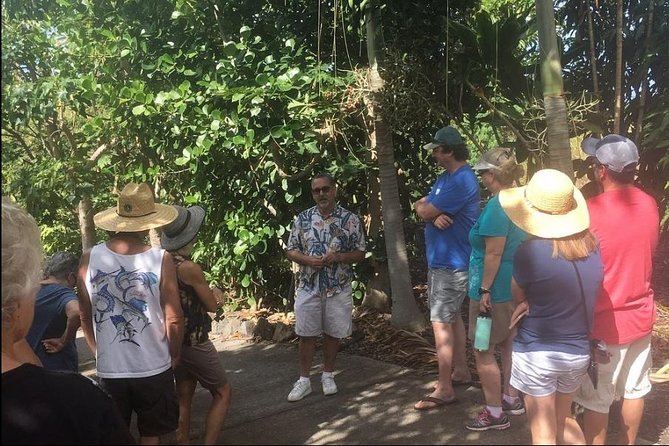
The farm walk is gentle rather than strenuous. You move between stops, hear about the property and its development, and learn how biodiversity fits into the way the owners work the land. There are places to sit at each stop, which helps if you want to listen without standing for the whole three hours.
Greg Colden is a major part of the experience. He brings a relaxed style and plenty of humor, but the jokes support the subject rather than replace it. You’ll hear about the challenges of farming on the island, the history of the property, and the choices involved in producing food and household goods on a small scale.
I especially like the attention to biodiversity. The tour does not treat coffee and cacao as isolated crops. It shows how a farm can include several plants and products, and how care for the land affects what can be grown and made. That broader view makes this more useful than a quick coffee tasting at a shop in town.
The coffee portion is informative, but you should set your expectations correctly. This is not necessarily the best choice for someone seeking a highly technical lesson on every stage of Kona coffee farming. One part of the tour places more emphasis on cacao and soap, while coffee remains one piece of a larger visit.
That balance is either the tour’s strength or its weakness, depending on your interests. If you enjoy seeing how a small farm supports several kinds of work, you’ll find plenty to hold your attention. If your only goal is a long coffee-production lecture, a coffee-focused farm visit may suit you better.
Why the chocolate tasting matters
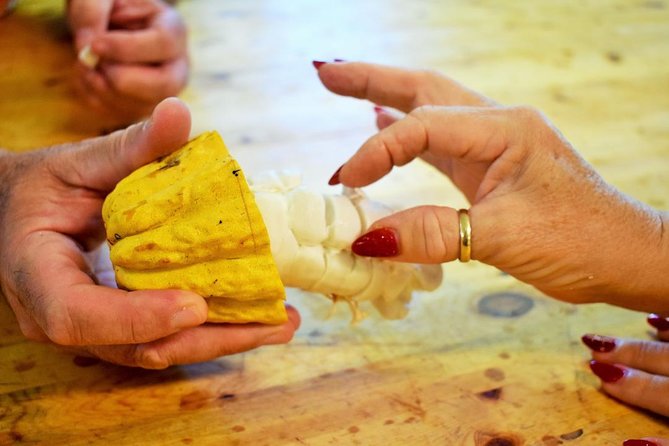
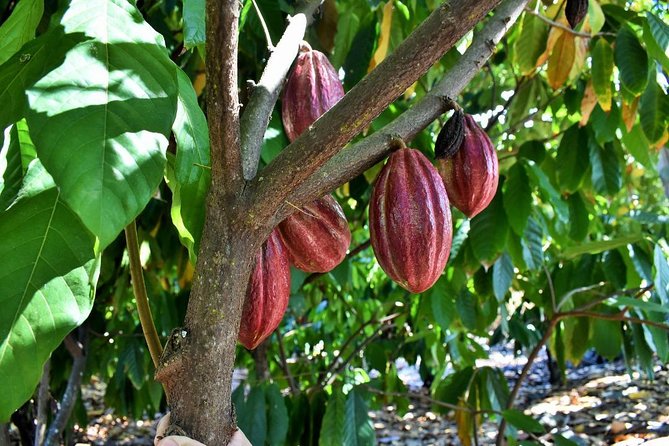
The cacao portion gives the tour a hands-on reward. You learn how the crop connects to the finished chocolate, then taste chocolate produced on the property. Chocolate nibs are also part of the tasting experience, giving you a chance to notice the difference between a finished sweet and a less processed form of cacao.
The tasting is not just a snack at the end. It helps you understand the amount of work between a tropical fruit and the chocolate you buy. The farm’s products are made in small quantities, and the tasting lets you decide what you actually like before spending money in the shop.
I would keep room in your schedule for this section. The combination of walking, stories, demonstrations, and samples makes the three hours pass quickly. If you are not a coffee drinker, the chocolate and soap sections keep the experience worthwhile.
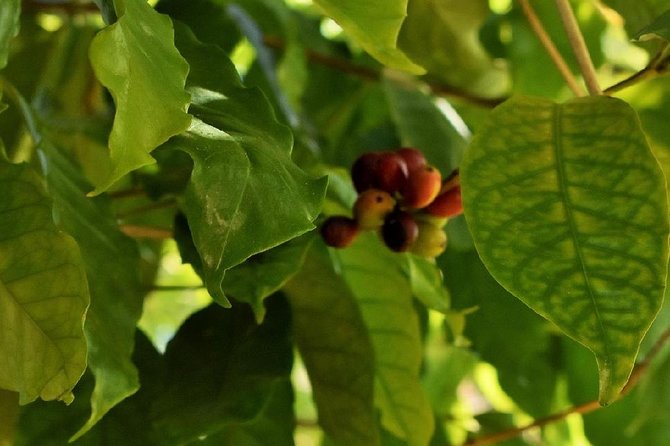
Coffee tasting is included as well. The farm produces its own coffee, and the sample gives you a direct way to judge the flavor rather than relying on a label. One memorable detail from the tour’s feedback is that a non-coffee drinker became more interested after tasting this Kona coffee. That does not mean every palate will change, but it shows why a sample can be more useful than a sales pitch.
The unexpected soap-making stop
The soap workshop is one of the tour’s most distinctive features. Kona Natural Soap is the experience provider, and the visit includes an explanation and demonstration of how the farm’s homemade soaps are made. This turns the tour into more than a standard plantation walk.
You’ll hear about natural, plant-based scents and see how the soap work fits into the business. The products use plant-based fragrances unless you have an allergy to a particular plant, such as lavender. If you are scent-sensitive, this is worth keeping in mind before you arrive.
The soap section also gives you a closer look at the people behind the farm. Greg, Marty, Paul, Nancy, and other staff members may take part in the visit, sharing different parts of the operation. The tone is personal and informal, with the sense of a small team that works closely together.
This is where the tour feels especially authentic. You are not only shown the farm’s crops. You are shown how the owners turn local materials, labor, and practical skill into products that can support the business year-round. The result is a better understanding of why the gift shop includes more than coffee and chocolate.
More Chocolate and Coffee Tastings in the USA:
- Portland’s Best Chocolate and Coffee Walking Tour
★ 5.0 · 28 reviews - Savannah History plus Coffee and Chocolate Walking Tour
★ 5.0 · 28 reviews - Coffee, Donuts & Chocolate Tour
★ 5.0 · 20 reviews - 4×4 Dominican Adventure with Chocolate and Coffee Tasting
★ 5.0 · 2,920 reviews
A gift shop with useful souvenirs
The shop is a meaningful part of the stop, not a forced add-on. You can browse farm-made coffee, chocolate, natural soaps, essential sprays, pottery, and other island or farm souvenirs. The selection gives you a way to take home something made by the people you just met.
Soap may be the most practical purchase. It is light, useful, and easy to give as a gift. The farm also offers online ordering, which helps if you decide later that you want more. A flat shipping cost of $15 to a United States address has been noted for orders, regardless of order size, though you should confirm current terms when buying.
I like the way the store connects to the tour. You first see the ingredients, tools, and work involved. Then you can choose a product with some idea of how it was made. That makes the purchase feel less like buying a generic souvenir and more like supporting a small island business.
Still, remember that the $50 admission does not mean every shop item is included. The tastings are part of the visit, while purchases cost extra. If you enjoy local food and handmade goods, you may want to budget for shopping rather than treating the tour fee as your full spending limit.
The guide makes the difference
Greg Colden is the personality at the center of the tour. He mixes farming information with personal stories and a steady stream of jokes. His style is friendly and direct, so you can ask questions without feeling as if you are interrupting a formal lecture.
That approach works well for a three-hour experience. A long explanation about soil, crops, or soap production can become dry if the guide simply recites facts. Greg keeps the pace human, and the other staff members add their own knowledge and warmth.
The tour also allows discussion. If you want to ask about biodiversity, island farming, coffee, cacao, or soap, there is room for questions. The exact balance may depend on the group and the guide leading a particular visit, but the experience is built around conversation rather than a silent route from sign to sign.
The small-business setting has a trade-off. You get a more personal visit than you would at a large commercial attraction, but the presentation can feel less standardized. I see that as part of the charm, though visitors who prefer a tightly timed, highly technical tour may want something more formal.
Timing, group size, and who should go
The advertised visit lasts about three hours and runs on Tuesday from 9 a.m. to noon during the listed operating period. That makes it easy to pair with other Kona-area plans, but you should avoid booking a morning activity elsewhere on the same day. The farm experience ends back at its meeting point.
The maximum group size is 30 people. That is not a private or tiny farm visit, and the size can affect how close you are to the guide or how many questions you can ask. The tour has previously been described with a smaller group limit, so I would confirm the current size if that detail matters to you.
The experience is best suited to adults, couples, families with older children, and anyone who likes food production, sustainability, handmade goods, or local business stories. Children under 12 are not recommended. Families who do bring children must keep them supervised and guided throughout the visit, and repeated disruption can lead to a family being asked to step aside or leave.
Most people can take part, and service animals are allowed. The walk is not described as strenuous, and seating is available at stops. Even so, wear practical shoes for a farm setting and be mindful of the rocky parking entrance.
Is $50 a fair price?
At $50 per person, this tour is priced above a basic tasting but below a full-day food excursion. The value comes from the number of subjects covered: coffee, cacao, soap, farm practices, local geography, tastings, and access to a small producer’s shop.
I think the price works best if you take advantage of the full visit. Listen to the farming discussion, ask questions, taste the products, and allow time to browse. If you only want a quick coffee sample, you may find the tour too long for the purpose.
The handmade products also add indirect value. You are not simply paying for a walk and a cup of coffee. You are getting an introduction to a working operation that grows, processes, and sells several types of goods. The visit can help you make better choices about what you buy, especially if natural soap or small-batch food interests you.
The strongest value is for someone who would otherwise buy local gifts. You can learn how the products are made, then purchase directly from the source. If you do not shop, the tour still offers a full morning of scenery, tastings, and instruction, but the connection between the tour and the store is an important part of the experience.
Booking and cancellation details
The tour is available with a mobile ticket and is conducted in English. It is often reserved well ahead, with an average booking time of about 53 days, so I would not leave it until the last moment if Tuesday is your only workable day.
You can cancel for a full refund up to 24 hours before the start time. Changes or cancellations made within 24 hours are not refunded. The experience depends on good weather and a minimum number of participants. If the operator cancels for either reason, you can choose another date or experience, or receive a full refund.
For groups larger than six, contact the provider before booking. The stated maximum is 30 people.
Should you book this Kona farm tour?
Book it if you want more than a standard coffee stop. The combination of Pacific views, farm walking, coffee and chocolate tasting, and soap production gives you a fuller picture of small-scale Kona agriculture. Greg Colden’s humor and the involvement of the wider team make the visit feel personal rather than packaged.
I would especially recommend it to adults, older families, couples, and shoppers who like natural products and handmade gifts. It is also a good choice if you want a slower morning with scenery and conversation.
Skip it if you want a coffee-only lesson, a very small private group, or a fast tasting with little walking. The group may reach 30, and cacao and soap can receive as much attention as coffee.
For most visitors who enjoy food, farming, and local products, the $50 fee is fair. Book ahead for the Tuesday morning schedule, arrive ready for a working farm, and leave room in your suitcase for chocolate, coffee, soap, and a few gifts made on the island.
FAQ
Where does the coffee and chocolate farm tour meet?
The tour starts at 78-6749 Mamalahoa Highway, Holualoa, Hawaii 96725. It ends back at the same meeting point.
How long does the experience last?
The tour lasts approximately three hours, from 9 a.m. to noon on the listed Tuesday schedule.
What will I taste during the tour?
You can taste coffee and chocolate made on the farm. Chocolate nibs are also included as part of the tasting experience.
Is the tour suitable for children?
Children under 12 are not recommended. All children who attend must remain supervised and guided throughout the visit.
How many people can join the tour?
The maximum group size is 30 people. If you need to book more than six people, contact the provider.
Can I cancel for a refund?
Yes. You can cancel up to 24 hours before the experience for a full refund. Cancellations or changes made less than 24 hours before the start time are not refunded.
Just added around the USA
- Waterfall, Chocolate Tour, Rainforest, Royal Historical★ 4.6 · 16 reviews
- Vegas: Taste, Explore & Shop Chocolate Tour★ 3.4 · 16 reviews
- Two- Hour Group Surfing Lesson in Cocoa Wrightsville Beach, NC★ 5.0 · 13 reviews
- Churches & Chocolate Cart Tour★ 5.0 · 4 reviews
- Make your own Chocolate Bars & Chocolate Box★ 4.5 · 38 reviews
- Santa Barbara’s Ultimate Wine and Chocolate Walking Tour★ 5.0 · 19 reviews
- San Francisco’s Essential Chocolate Chip Cookie Workshop★ 5.0 · 31 reviews
- Santa Fe Chocolate Tasting and History Exploration Tour★ 5.0 · 6 reviews
USA Chocolate Tours, compared.
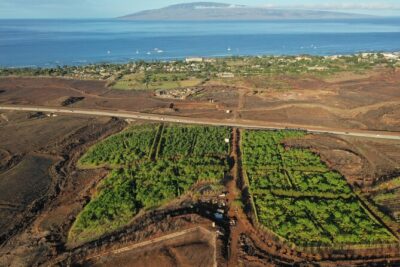
Maui Ku’ia Estate Guided Cacao Farm Tour and Tasting
Read our review →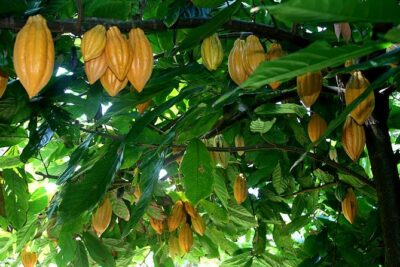
Princeville Botanical Gardens Tour and Chocolate Tasting Ticket
Read our review →
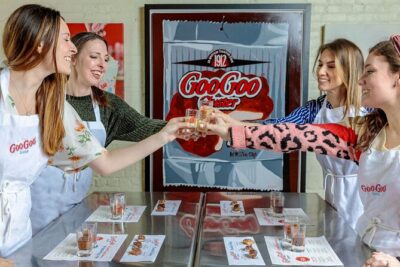
Nashville’s Goo Goo Chocolate Tasting & Candy Making Class
Read our review →
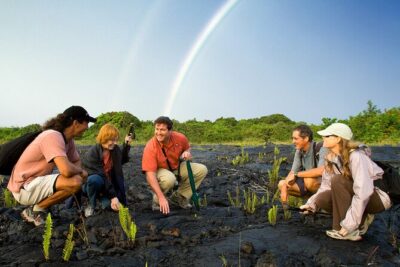
Volcano, Chocolate and Waterfalls of the Big Island
Read our review →
Waterfall, Rainforest, Chocolate Tour & Historical Sites
Read our review →Browse the lists this tour appears in