
REVIEW · USA
Big Island Hawaii: Craft Chocolate Tasting and Farm Tour
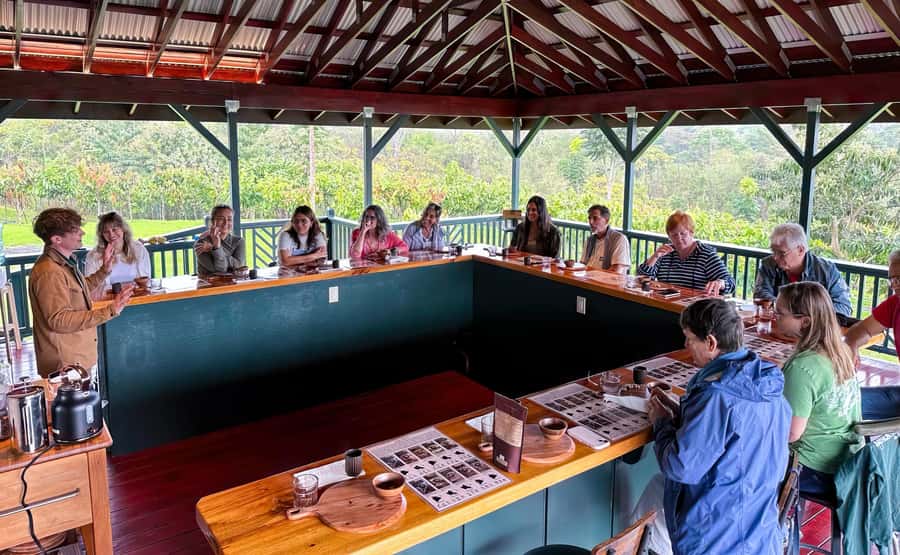
Hawaii’s craft chocolate story begins in the orchard, not on the dessert plate. At Honolii Orchards near Hilo, you’ll follow cacao from tree to fermented bean, then taste how farms across the islands turn that work into distinctive chocolate. I especially like the orchard walk and the side-by-side tasting of at least 10 bars, since they connect farming choices with what ends up on your palate.
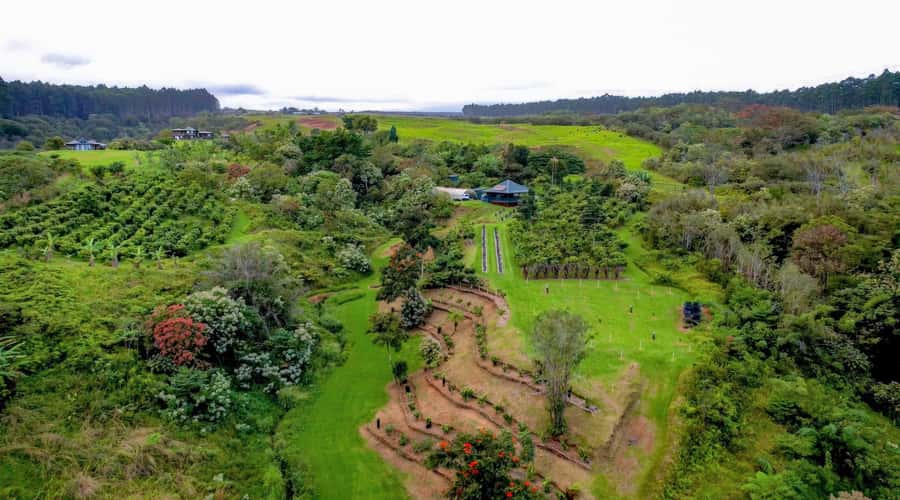
The setting is another strong point: a quiet tasting room above the orchard canopy with ocean and valley views. The main drawback is the remote-feeling final approach, even though the farm is only about five minutes from Hilo. Give yourself time to find the entrance, and do not count on a quick Uber pickup afterward.
Key Points
- Taste Hawaiian cacao by origin: Compare at least 10 single-origin bars made with cacao from farms across the Hawaiian Archipelago.
- See the work before the chocolate: Tour the orchard and fermentation room to understand cultivation, harvesting, and post-harvest processing.
- Try cacao in several forms: Sample fresh cacao juice, roasted cacao beans, cacao tea, chocolate-covered macadamias, and seasonal fruit.
- Meet passionate guides: Wren leads the agricultural and chocolate discussion, while Jude helps host the tasting and serves the farm treats.
- Enjoy a scenic Hilo-area setting: The tasting room looks over the orchard canopy, valley, and ocean.
- Plan for a farm road: The entrance is 1.7 miles up Puia Road, which Google Maps may label differently.
Why This Hilo Chocolate Tour Is More Than a Tasting
Many chocolate outings begin and end with a plate of samples. This one takes a longer route, and that is its value. You spend about three and a half hours learning why cacao behaves differently from one farm to another, then use your own palate to test those ideas.
That order matters. If you taste ten bars without context, the differences can blur together. After seeing the trees, pods, and fermentation area, you have a better sense of why a bar may taste fruity, earthy, nutty, floral, sharp, or more familiar.
The focus is craft chocolate made from Hawaiian cacao. The tasting includes bars sourced from different farms across the islands, so the experience is not limited to one orchard or one producer. You get a small tour of Hawaii’s developing cacao industry without spending a day driving from farm to farm.
I would choose this tour for someone who enjoys food with a story behind it, especially if you like coffee, wine, cheese, or other products shaped by place and processing. You do not need prior chocolate knowledge. The explanations are designed to make technical ideas understandable, including for visitors who do not speak English as their first language.
More Chocolate Tastings in the USA
- Lahaina: Maui Ku’ia Estate Guided Cacao Farm Tour and Tasting
★ 5.0 · 1,103 reviews - Princeville Botanical Gardens Tour and Chocolate Tasting Ticket
★ 5.0 · 774 reviews - Kauai Chocolate Farm Tasting Tour
★ 5.0 · 666 reviews
Finding Honolii Orchards From Hilo
The farm is at 1533 Puia Road in Paukaa, just outside Hilo. From Mamalahoa Highway, turn onto Kulana Street, continue through Paukaa Town, and then turn onto Puia Road near the Paukaa Kingdom Hall of Jehovah’s Witnesses.
There is one important navigation wrinkle. Puia Road is mislabeled as Woa Road in some map references, so use the supplied Google Maps pin and follow the map’s directions rather than relying on roadside names. The drive continues about 1.7 miles uphill and usually takes five to ten minutes.
Look for the open green gate on the left with a large vinyl sign. The route passes through scenic backroads and old agricultural country, with breadfruit, sugarcane, macadamia, and cattle land in the surrounding area. This is part of the experience, but it also means the farm does not feel like a standard roadside attraction.
Build in a little extra arrival time. A taxi or rideshare may get you to the farm, but pickup can be slow because of the rural approach and the confusing road labels. One practical tip: arrange your return ride in advance instead of assuming a driver will find the gate quickly.
A Welcome in the Tasting Room
You begin in the tasting room, where there is time for casual conversation and welcome refreshments before the outdoor portion starts. The room sits above the orchard canopy, with broad views toward the valley and ocean.
This opening gives the visit a relaxed pace. You are not rushed directly from the car into a lecture or a sample tray. The setting also helps explain why this farm works well for adults who want a thoughtful food experience rather than a quick family stop.
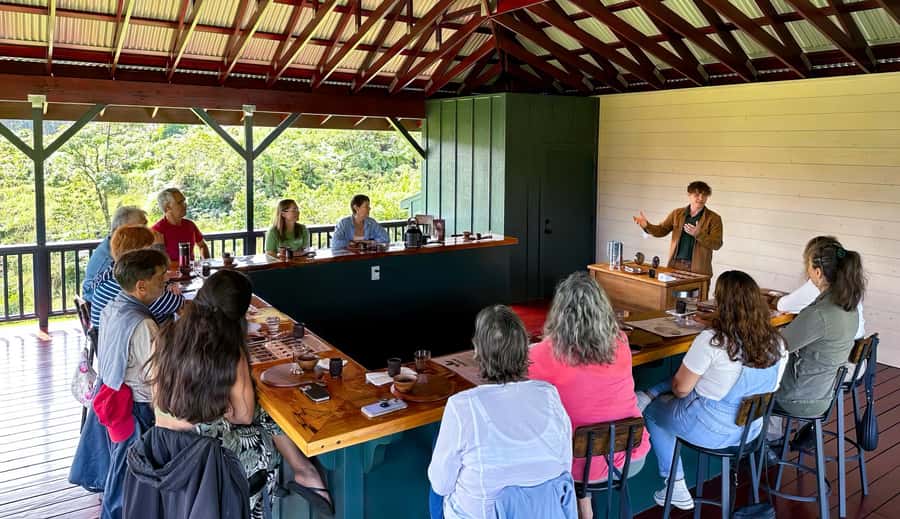
The room is used again later for the chocolate lesson and final tasting. That change of pace is useful. Outside, you study the crop and processing. Inside, you connect what you saw with flavor, history, and production methods.
The property is not set up for large luggage, coolers, strollers, bicycles, handcarts, or oversized bags. Smoking is not allowed indoors, outdoors, or in the vehicle. The experience is also not suitable for children under nine, and unaccompanied minors are not permitted.
Walking Through the Cacao Orchard
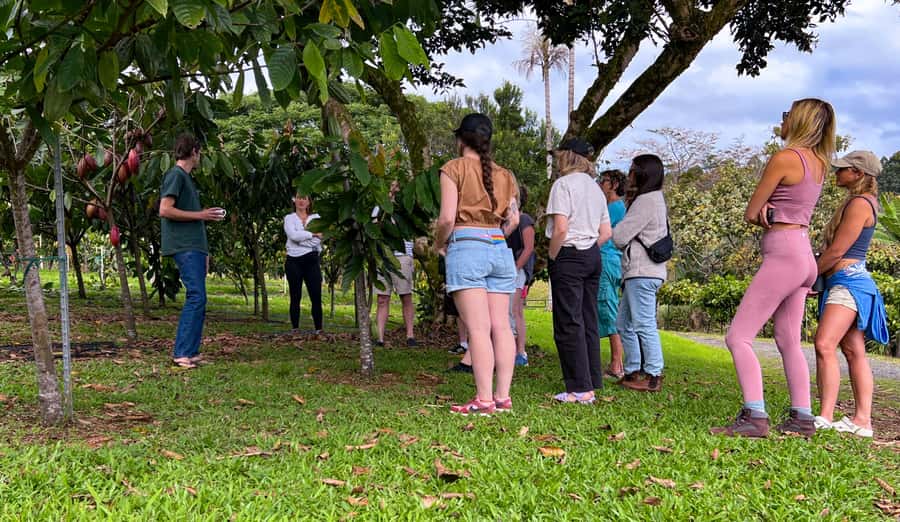
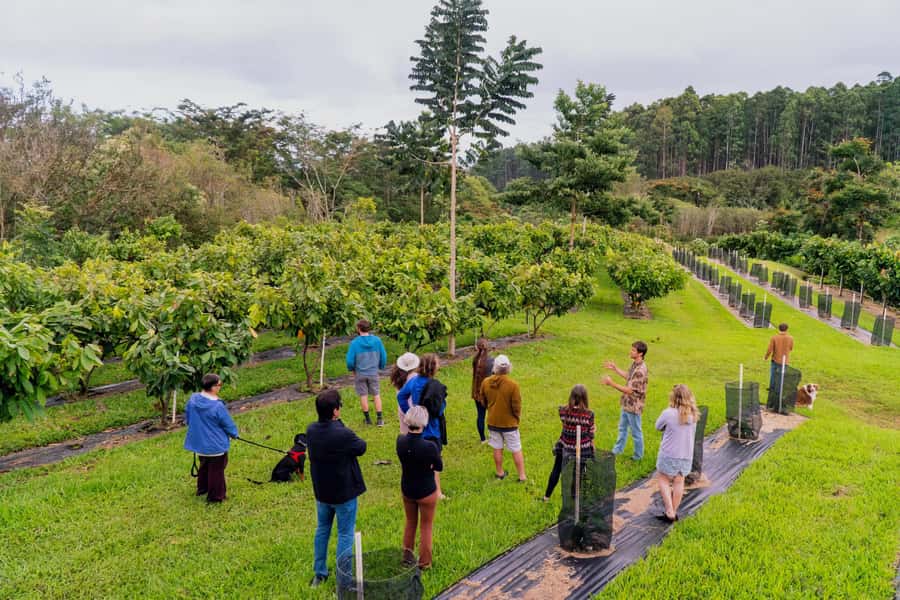
The orchard tour explains the cacao tree’s journey from cultivation to harvest. Your guide discusses how the trees grow, how cacao pods are handled, and how the farm manages the crop before it becomes chocolate.
This is where the tour gains its strongest sense of place. Cacao is not simply a tropical ingredient that grows everywhere in the same way. Genetics, soil, climate, and farming decisions all affect the beans. Those factors later show up in the tasting.
Wren is described as the main agricultural guide, and his enthusiasm for cacao production comes through in the way the information is presented. He covers both the practical work of farming and the larger goal of improving cacao production and craft chocolate making at Honolii Orchards.
You can ask questions throughout the walk. That matters because cacao farming has many steps that are easy to miss in a polished chocolate bar. The tour gives you a chance to ask about the tree, the pod, harvest timing, and what happens after the beans leave the fruit.
The broader agricultural story also includes the Hamakua Coast’s former sugarcane industry. That context helps place cacao within Hawaii’s changing farm economy. The orchard is not presented as an isolated novelty. It is part of a region shaped by several crops and waves of agricultural work.
Wear something comfortable for walking and standing. If you have mobility concerns or find it difficult to stand for extended periods, contact the farm before booking so the staff can discuss the visit with you.
More Cocoa Farm Tours in the USA:
- Award Winning Farm Tour: Coffee, Chocolate and Unique Gifts
★ 5.0 · 484 reviews - Lahaina: Maui Ku’ia Estate Guided Cacao Farm Tour & Tasting
★ 4.8 · 137 reviews - Oahu: Chocolate Farm Tour with Tasting – Kamananui Cacao
★ 5.0 · 33 reviews - Finca 18 Puerto Vallarta Tequila Tour + Chocolate Pairing
★ 5.0 · 393 reviews
The Fermentation Room and the Part Most People Miss
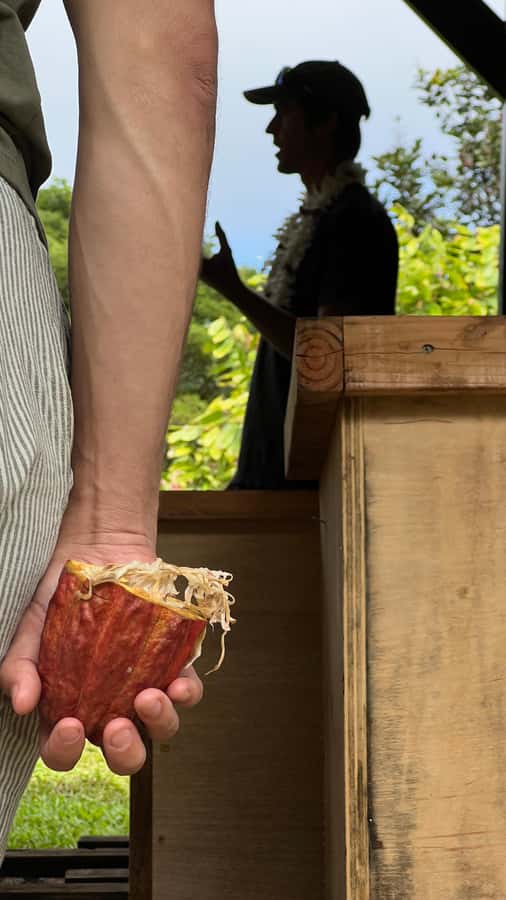
After harvest, cacao still does not taste like chocolate. Fermentation is a crucial stage in turning fresh cacao into beans suitable for roasting and chocolate making. At Honolii Orchards, you visit the fermentation room and learn about the science of this post-harvest process.
This may be the most useful part for anyone who wants to understand craft chocolate rather than simply sample it. Fermentation affects the compounds that later shape aroma and flavor. It is one reason two cacao lots can produce very different results even when the final recipe looks similar.
The tour treats fermentation as agricultural work, not as a minor technical footnote. You see how much care is required before roasting and grinding begin. That can change the way you think about the price of well-made chocolate.
There is a practical balance here. The fermentation room is educational, but it may be less visually dramatic than the tasting room or orchard views. If you are looking only for sweets and photographs, this section could feel more technical. If you care about how food is produced, it gives the tasting real purpose.
Chocolate’s Journey From Mesoamerica to Hawaii
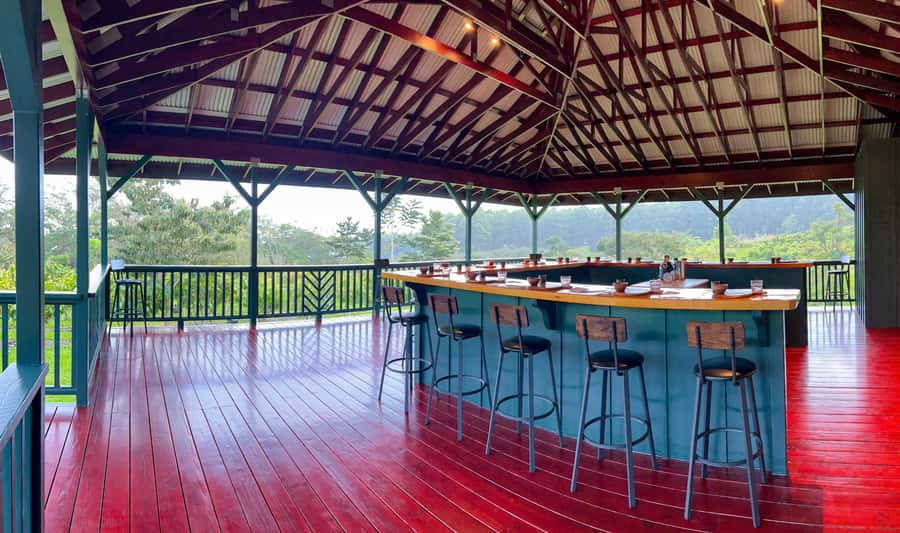
Back in the tasting room, the guide traces chocolate from ancient Mesoamerica to the modern craft chocolate movement. You also learn how craft chocolate differs from mass-produced chocolate.
The historical portion gives you a useful frame without requiring a full lecture on world food history. Cacao has moved through different cultures, uses, and production systems, and Hawaii now has a small but ambitious place in that story.
The comparison with mass-produced chocolate is especially practical. Large-scale chocolate often aims for consistency and broad appeal. Craft chocolate pays more attention to the origin of the cacao, the agricultural conditions, fermentation, roasting, and how those elements shape the final bar.
That does not mean every craft bar will suit your taste. In fact, the tasting is more useful because you may find some bars too sharp, too earthy, or simply less appealing than others. The point is not to declare one universal winner. It is to help you identify the flavors and styles you prefer.
Tasting at Least 10 Hawaiian Chocolate Bars
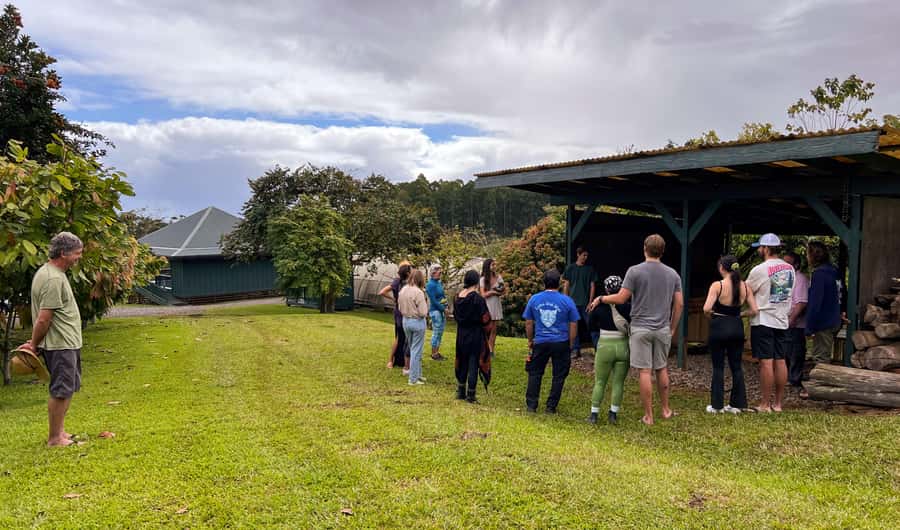
The final tasting includes at least 10 single-origin craft chocolate bars from farms across Hawaii. Some tastings may include more. The number creates enough range for comparison without turning the session into a hurried sample line.
You may notice clear differences from bar to bar. The tasting is designed to show how terroir affects chocolate, with genetics, soil, and climate contributing to different flavor profiles. Think of it as a guided comparison rather than a standard dessert course.
Jude hosts the tasting and keeps the chocolate moving while also serving a chocolate drink. The experience includes fresh cacao juice, roasted cacao beans, cacao tea, chocolate-covered macadamias, seasonal fruit, and other farm-fresh treats.
Fresh cacao juice is particularly useful because it lets you taste the fruit before it becomes a roasted bean or chocolate bar. Roasted cacao beans offer another contrast, with a more direct connection to the ingredient’s flavor and texture. Cacao tea adds yet another preparation to the lineup.
You do not have to like every sample. That is part of the value. One visitor tasted 15 types and found some good, some less appealing, and some remarkable, while still being able to tell the bars apart. A successful tasting helps you understand your own preferences, not simply agree with the guide.
You can purchase the chocolates you taste afterward, along with chocolate tea and brewing chocolate. That is convenient if you find a favorite, but the purchases are not included in the $130 tour price.
Is the $130 Price Worth It?
At $130 per person, this is not a cheap chocolate stop. The price makes more sense when you consider the length and scope: about 210 minutes, a guided orchard tour, access to the fermentation room, a history and production lesson, at least 10 chocolate samples, and several additional farm products.
You are paying for instruction and access as much as for food. If you only want a few free samples, this is too much. If you want to understand cacao farming, compare Hawaiian origins, and spend a relaxed half-day in a scenic setting, the price is easier to justify.
The small-scale, personalized approach also matters. The guides can answer questions and explain technical subjects in plain language. The experience is not a generic factory tour where you watch a process from behind glass and move on.
I would compare it with the cost of several separate food stops around Hilo. Here, the tasting, farm visit, views, and educational program are combined. You also have the option to buy only the bars you truly like instead of taking home a preselected box.
Who Will Enjoy This Experience Most?
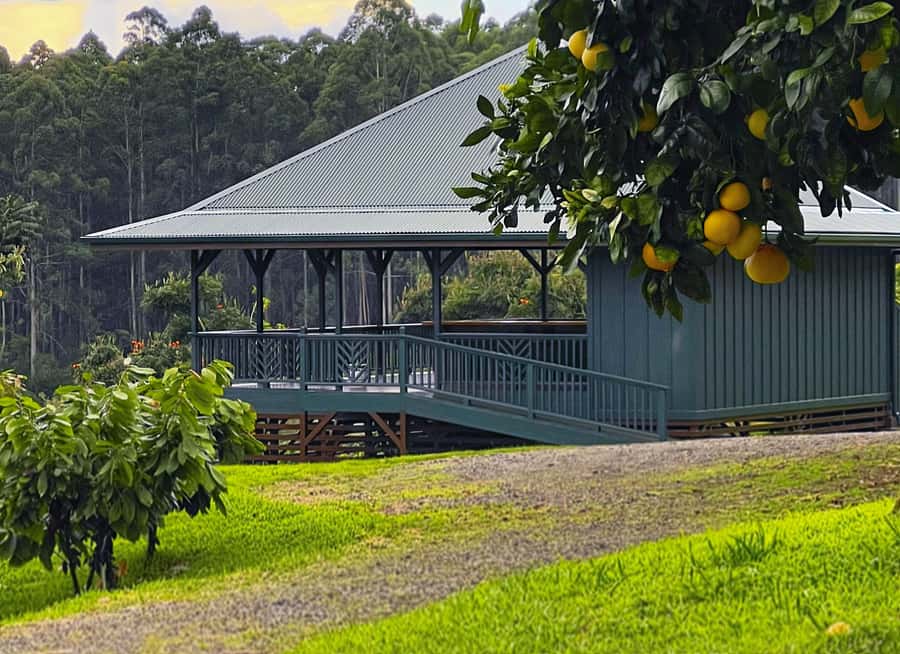
This tour suits adults and older children, with the minimum age set at nine. It is a good pick for chocolate fans, food-focused visitors, gardeners, agriculture students, and anyone curious about how a tropical crop becomes a finished product.
It also works well for people who enjoy guided tastings but want something more substantial than a restaurant dessert. The combination of outdoor walking, agricultural discussion, processing information, and seated tasting gives the visit a clear rhythm.
You may want to skip it if your schedule is tight or if you dislike technical explanations. The tour lasts three and a half hours, and part of that time involves standing and walking. It is also not a good fit if you need a stroller, carry large bags, or plan to bring a cooler.
The English-language tour is accessible in its presentation, with scientific terms explained rather than simply tossed around. Still, English is the only listed tour language, so keep that in mind when planning.
Practical Details Before You Book
The experience runs from the farm at 1533 Puia Road and lasts 210 minutes. Starting times vary, so check availability for your date.
Wear clothing suitable for an orchard visit and bring only what you need. Weapons, sharp objects, large luggage, alcohol, drugs, speakers, scooters, bikes, and other listed items are not allowed. Smoking and littering are prohibited.
The farm allows free cancellation up to 24 hours before the experience for a full refund. You can also reserve now and pay later, which helps if your Big Island plans are still changing.
After the formal tour, you may stay in the tasting room or take a leisurely walk through the orchards. That extra time is a pleasant option if you do not need to hurry back to Hilo.
Should You Book This Cacao Farm Tour?
Book it if you want to understand why Hawaiian chocolate tastes different from mass-produced chocolate, and if you appreciate meeting the people behind a small agricultural operation. The orchard, fermentation room, and broad tasting make this much more than a sample platter.
I would be especially comfortable recommending it to a couple, small group of friends, or solo food lover who can spare half a day near Hilo. The strongest reasons to go are the range of Hawaiian bars, the clear explanation of fermentation, the scenic tasting room, and the personal guidance from Wren and Jude.
Skip it if you want a fast activity, have trouble standing for long periods, or prefer sweet treats without a farm and science lesson. For everyone else, $130 buys a careful look at one of Hawaii’s most interesting young food industries, plus enough chocolate to help you find your own favorites.
FAQ
Where is Honolii Orchards located?
The farm is at 1533 Puia Road in Paukaa, Hawaii, about five minutes from Hilo. The entrance is 1.7 miles up Puia Road.
How long does the experience last?
The tour lasts 210 minutes, or about three and a half hours.
What does the tour include?
It includes a guided tour of the cacao orchards, a guided tour of the fermentation room, at least 10 single-origin Hawaiian craft chocolate bars, fresh cacao juice, roasted cacao beans, cacao tea, seasonal fruits, and other farm-fresh treats.
What else can I taste besides chocolate bars?
You can try fresh cacao juice, roasted cacao beans, cacao tea, chocolate-covered macadamias, seasonal fruit, and a chocolate drink.
Can I buy chocolate after the tour?
Yes. You can purchase the chocolates tasted during the experience, along with chocolate tea and brewing chocolate. These purchases are not included in the tour price.
Is the experience suitable for children?
The tour is not suitable for children under nine. Unaccompanied minors are not permitted.
What should I use for directions?
Use the supplied Google Maps pin. Puia Road may be mislabeled as Woa Road, so follow Google Maps and ignore private road signs along the way.
What is the cancellation policy?
You can cancel up to 24 hours in advance for a full refund. You can also reserve now and pay later.
More Food and Drink Tours in the USA
- Nashville’s Goo Goo Chocolate Tasting & Candy Making Class
★ 5.0 · 247 reviews - Craft Chocolate Tasting and Farm Experience on the Big Island
★ 5.0 · 95 reviews - Craft Chocolate Tasting
★ 5.0 · 32 reviews - New York City: 2-Hour Chocolate Tasting Tour
★ 4.2 · 28 reviews
Just added around the USA
- Waterfall, Chocolate Tour, Rainforest, Royal Historical★ 4.6 · 16 reviews
- Vegas: Taste, Explore & Shop Chocolate Tour★ 3.4 · 16 reviews
- Two- Hour Group Surfing Lesson in Cocoa Wrightsville Beach, NC★ 5.0 · 13 reviews
- Churches & Chocolate Cart Tour★ 5.0 · 4 reviews
- Make your own Chocolate Bars & Chocolate Box★ 4.5 · 38 reviews
- Santa Barbara’s Ultimate Wine and Chocolate Walking Tour★ 5.0 · 19 reviews
- San Francisco’s Essential Chocolate Chip Cookie Workshop★ 5.0 · 31 reviews
- Santa Fe Chocolate Tasting and History Exploration Tour★ 5.0 · 6 reviews
USA Chocolate Tours, compared.
Maui Ku’ia Estate Guided Cacao Farm Tour and Tasting
Read our review →
Princeville Botanical Gardens Tour and Chocolate Tasting Ticket
Read our review →
Award Winning Farm Tour: Coffee, Chocolate and Unique Gifts
Read our review →
Nashville’s Goo Goo Chocolate Tasting & Candy Making Class
Read our review →
Volcano, Chocolate and Waterfalls of the Big Island
Read our review →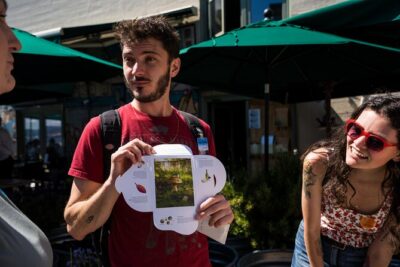
Browse the lists this tour appears in