
REVIEW · TURIN
Fine Chocolate Tasting in Turin
Turin’s chocolate story begins with Gianduja, the city’s silky blend of chocolate and toasted Piedmont hazelnuts. This one-hour tasting at Chocolate7 takes that local specialty as its starting point, then moves through Italian and international bean-to-bar chocolate in a small shop setting.
I like the generous range of samples, and I like that the tasting explains how chocolate is made rather than simply handing you sweets. You’ll also get a clear look at the difference between ordinary industrial chocolate and carefully made chocolate with distinct flavors.
The main drawback is the setting. The boutique is small, and one account found that a few more chairs would have helped. This is a standing or close-quarters tasting rather than a spacious café experience, and it is not suitable for wheelchair users.
Key points about this Turin tasting
- Gianduja comes first: Taste Turin’s signature chocolate and hazelnut creation made with Piedmont hazelnuts.
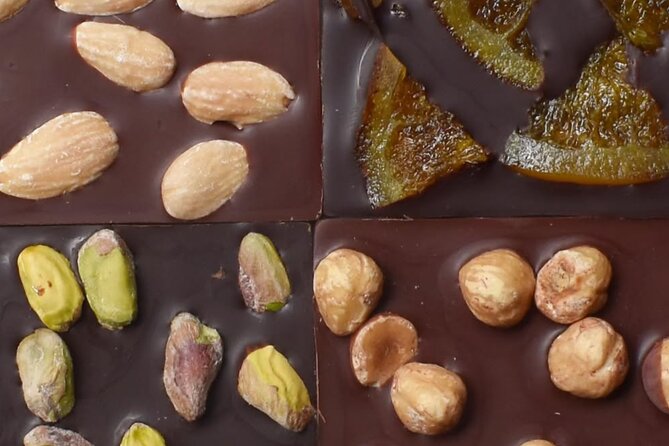
- Four chocolate styles: Sample four primary types of chocolate from local, Italian, and international makers.
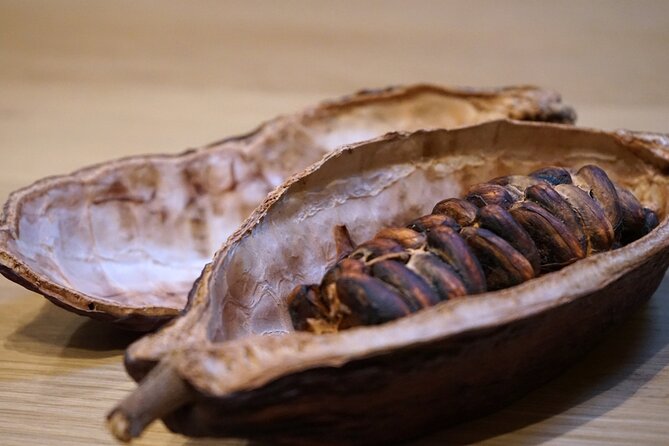
- Bean-to-bar focus: Learn how small producers control the process from cocoa bean to finished chocolate.
- Pure ingredients: The chocolates are mainly organic and made without emulsifiers, allowing their natural flavors to come through.
- Small group format: The group is limited to eight people, giving you time to ask questions and compare flavors.
- A generous one-hour stop: The session is short but packed with samples, making it easy to fit into a day in Turin.
Starting at Chocolate7 in Turin
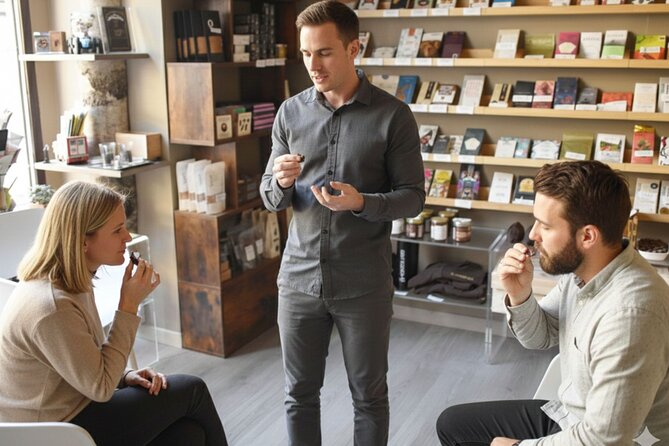
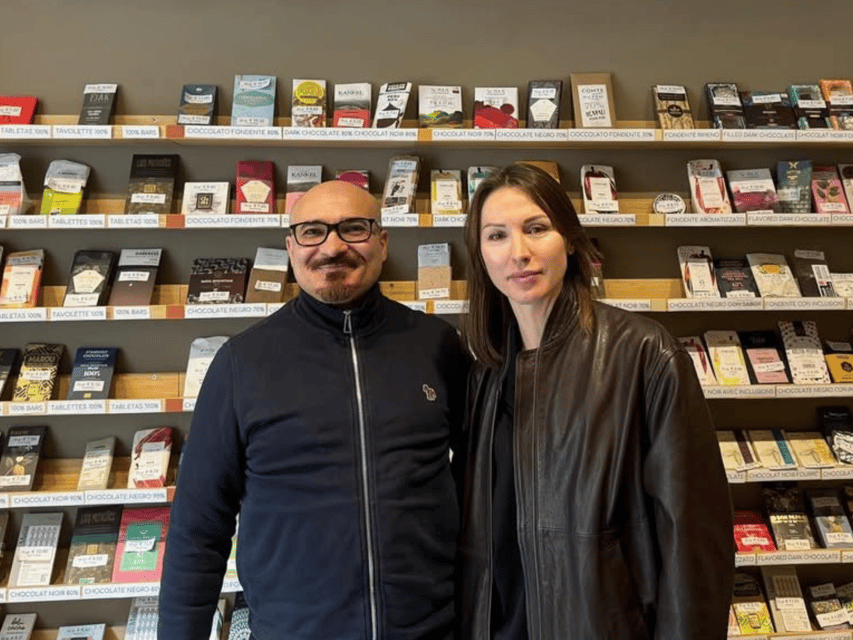
You meet the host inside Chocolate7, a small chocolate boutique to the left of a sushi restaurant. Enter the shop, show your ticket, and the tasting begins there. Since transportation is not included, you’ll need to make your own way to the venue.
That simple meeting point matters. This is not a large factory tour with machinery, visitor galleries, or a formal tasting room. It is a personal introduction inside a working chocolate shop, surrounded by a wide selection of chocolate in different shapes, flavors, and sizes.
The host is identified as Giovanni in several accounts, and he is described as warm, attentive, and deeply committed to chocolate. One booking account names Giuseppe instead, so if knowing the host’s name matters to you, confirm it when booking. The tasting is available in English, Italian, and French.
Groups are capped at eight participants. That is a good size for this kind of activity. You can hear the explanations, ask about ingredients, and take your time with the samples without being lost in a crowd.
More Chocolate Tastings in Italy
- The Turin Chocolate & Wine Tasting Experience
★ 4.7 · 87 reviews - The Turin Chocolate Tasting Experience
★ 4.7 · 83 reviews - The Turin Chocolate & Wine Tasting Experience
★ 5.0 · 62 reviews
Why Gianduja is the right place to begin
The tasting opens with Gianduja, Turin’s most famous chocolate style. It combines chocolate with hazelnuts from Piedmont, producing a smooth, creamy texture and a nutty flavor that is closely tied to the region.
This is more than a sweet introduction. Gianduja helps explain Turin’s place in Italian chocolate-making. The city has a long connection with hazelnut and chocolate confectionery, and this blend gives you a direct taste of that local tradition.
If you normally think of chocolate as simply dark, milk, or white, Gianduja adds another useful category. The hazelnut changes the texture as much as the flavor. It softens the chocolate, brings a toasted note, and gives the sample a distinctly Piedmontese character.
Hazelnut allergies are taken seriously. If you are allergic or intolerant, tell the host at the beginning. Alternatives can be provided, but you should not wait until the tasting is under way.
Comparing local and Italian chocolate
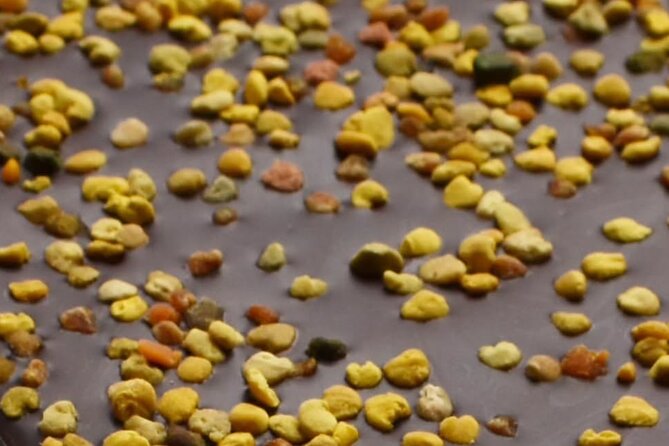
After Gianduja, you taste more chocolate from local and Italian producers. This part gives the tasting a clear sense of place. Instead of treating Turin as a backdrop, the host connects what is in front of you with Piedmont’s chocolate traditions and the work of Italian makers.
The point is comparison. You may notice differences in sweetness, texture, aroma, and how long the flavor remains on your palate. The host explains tasting notes so you can pay attention to details that are easy to miss when you eat chocolate quickly.
You do not need to arrive with any special vocabulary. The tasting is presented as an accessible lesson, not a test. Start by letting a piece soften in your mouth, then notice the first flavor, the texture, and the aftertaste. The host’s guidance helps you slow down and separate those impressions.
This is where the experience works particularly well for people who usually buy familiar supermarket brands. The contrast between industrial chocolate and fine chocolate can be striking, especially in the texture and the way flavors develop. You may leave with a better idea of what you actually like, not just which packaging catches your eye.
Finishing with international bean-to-bar chocolate
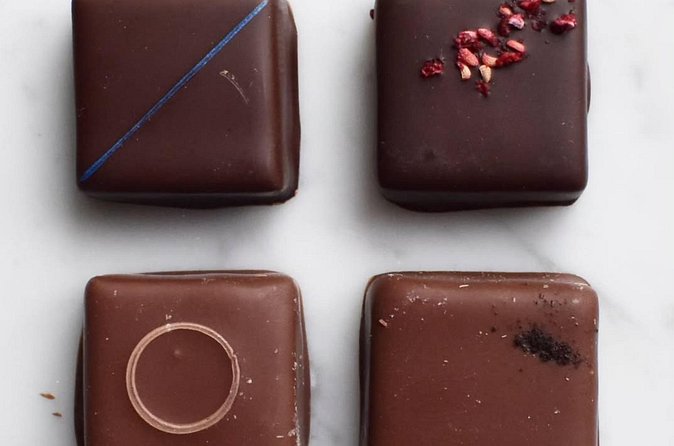
The final section turns to international bean-to-bar chocolate. You taste dark, milk, and white chocolate among the international selections, along with the fourth primary type included in the tasting.
Bean-to-bar means the chocolate maker oversees the process from the cocoa bean through to the finished bar. That control can affect the roast, texture, sweetness, and balance of the final product. The tasting explains this method in practical terms, so you understand why small-batch chocolate can taste different from mass-produced chocolate.
The international samples also give you a useful comparison with the Piedmont and Italian selections. You can focus on how each maker handles the cocoa and how the chocolate’s flavor changes from one sample to the next.
The selection is mainly organic and made without emulsifiers. That does not mean every person will prefer every sample, but it does make the tasting more revealing. Without a uniform industrial texture, differences between makers are easier to notice.
The host also discusses tasting notes. Think of this as a chocolate version of a wine tasting, a comparison several people find helpful. You will not simply be told that one sample is better. You’ll be encouraged to notice the details that make each chocolate different.
More Chocolate Tastings in Turin:
- The Turin Chocolate Tasting Experience
★ 4.5 · 31 reviews - Fine Chocolate Tasting in Turin
★ 5.0 · 26 reviews - Chocolate Made in Piedmont: Guided Tour with Tastings
★ 4.5 · 10 reviews - The Turin Chocolate Factory Guided Tour & Tasting
★ 4.2 · 8 reviews
What the one-hour schedule feels like

The entire activity lasts one hour and takes place at Chocolate7. There is no separate transportation, walking route, or long presentation. You arrive, settle into the boutique, taste through the selection, and return to the same place where you started because the tasting does not move elsewhere.
That compact schedule is one of the strongest reasons to book it. You can fit it between sightseeing stops, use it as an afternoon break, or add it to a food-focused day in Turin without sacrificing several hours.
At the same time, an hour goes quickly. If you want a long lesson on cocoa farming, a factory visit, or a full meal built around chocolate, this is not that experience. It is a focused tasting with explanations and plenty of samples.
The volume of chocolate can also surprise you. Several accounts describe the samples as plentiful and generous. I recommend arriving ready to taste, rather than immediately after a large dessert. You are unlikely to leave hungry, even though this is not marketed as a meal.
The small shop setting: personal but tight
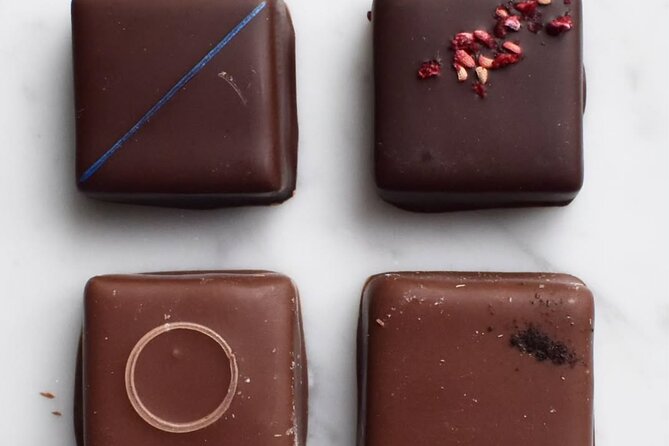
Chocolate7 gives the tasting a friendly, informal feel. You are close to the products, and the shop’s broad selection helps you see chocolate as something more varied than a few standard bars.
The tradeoff is space. The boutique is small, and seating may be limited. One account specifically suggested adding more chairs, so do not expect a roomy room where everyone can sit comfortably for the full hour.
You should also wear comfortable shoes, as requested for the activity. The location is not suitable for wheelchair users, so accessibility should be considered before booking.
The intimate setting suits couples, families, and small groups who enjoy direct conversation. It may be less appealing if you prefer a polished tasting room, lots of personal space, or a formal sit-down format.
The host makes the difference
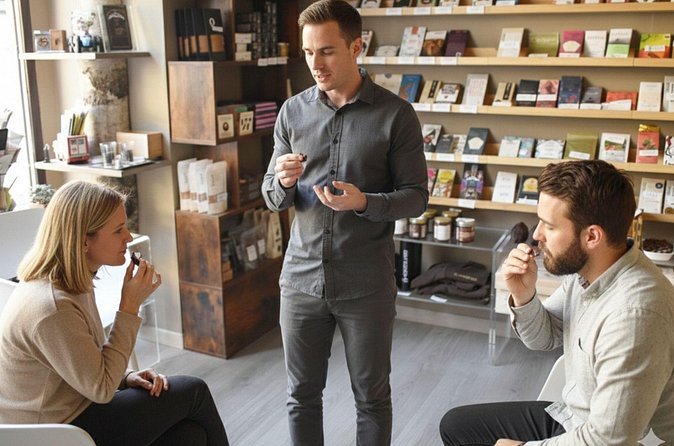
A chocolate tasting depends heavily on the person leading it. Here, the host’s role is not just to pass around samples. He explains Turin’s chocolate traditions, introduces the bean-to-bar method, describes tasting notes, and answers questions about the makers and ingredients.
Giovanni is named repeatedly as the host and is described as especially passionate and attentive. One family found the hour educational and delicious, while another person who bought the experience as a gift for a spouse said the recipient loved it. That makes this a practical choice for a couple or family with different levels of chocolate interest.
The language options are English, Italian, and French. If you are comfortable in one of those languages, you should be able to follow the explanations and take part in the discussion.
The host can also provide hazelnut alternatives if you announce your allergy or intolerance at the start. That is useful in a Gianduja-focused tasting, where hazelnuts are central to the first part of the experience.
Is $36 a fair price?
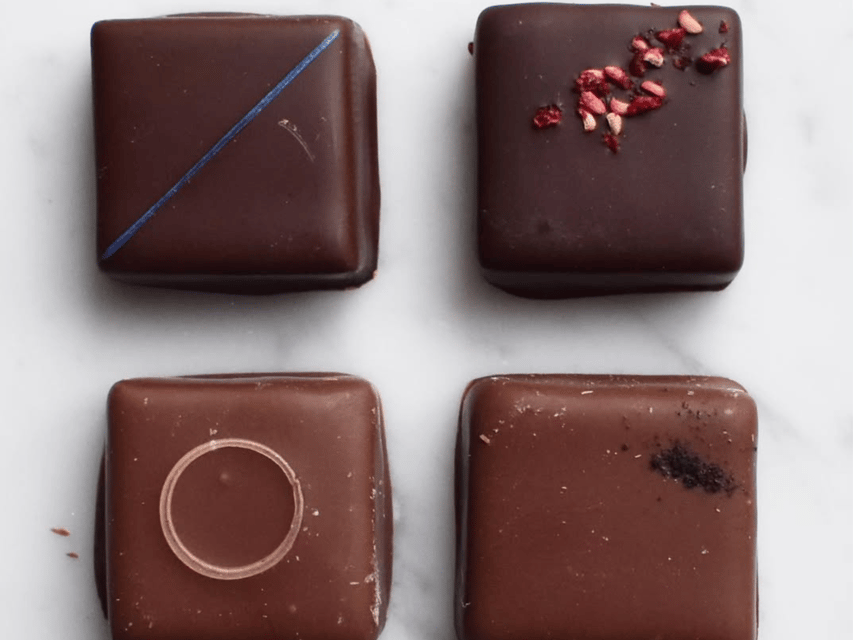
At $36 per person, this is not the cheapest way to eat chocolate in Turin. You could buy several bars for less. The value comes from the guided comparisons, the range of producers, the explanation of bean-to-bar production, and the chance to taste a selection you might not choose on your own.
The price makes the most sense if you want to learn what separates fine chocolate from ordinary chocolate. You are paying for the host’s guidance as much as for the samples. The instruction helps you understand the ingredients, production method, texture, and flavor notes, which can make future chocolate purchases more rewarding.
The small group also improves the value. With no more than eight participants, the host has a better chance to respond to questions and notice dietary concerns. A one-hour tasting is long enough to feel substantial but short enough to fit into a busy Turin schedule.
If you are only looking for a quick sweet snack, $36 may feel high. If you enjoy food education, local specialties, and carefully selected tastings, the price is reasonable, especially since the samples are described as generous.
Who will enjoy this experience most?
I would recommend this tasting to chocolate lovers who want to understand what they are eating, not just sample a few sweets. It is also a good fit for people interested in Turin’s food traditions, since Gianduja gives the experience a strong local connection.
Families can enjoy it too. One account called it an ideal hour for a chocolate-loving family, and the short format is manageable for many children who would not last through a long food lecture. Still, the shop is small, so families should be comfortable in a close setting.
This is also a useful rainy-day activity or a simple afternoon plan. You do not need to build an entire day around it. The tasting begins and ends at Chocolate7, and the one-hour duration leaves plenty of time for other Turin sights.
You may want to skip it if you dislike chocolate, need a fully accessible venue, or want a tour with extensive transport and sightseeing. It is also not the right choice for anyone expecting a full meal or a large-scale factory visit.
What to know before booking
Book with enough time to check the available starting times. The activity lasts one hour, but exact start times depend on availability.
You can cancel up to 24 hours before the activity for a full refund, and the reserve-now, pay-later option lets you keep your plans flexible. These terms are useful if your Turin schedule is still changing.
Wear comfortable shoes, arrive at Chocolate7, and show your ticket inside the shop. If you have a hazelnut allergy or intolerance, tell the host immediately. Do not assume that avoiding the first Gianduja sample is enough, since hazelnuts are central to the local chocolate selection.
Should you book the Chocolate7 tasting?
Book it if you want a compact, personal introduction to Turin’s chocolate culture, especially Gianduja and bean-to-bar production. The combination of local Piedmont chocolate, Italian makers, international samples, and detailed tasting guidance gives you more than a simple shop visit.
I would be less keen if you need generous seating, wheelchair access, or a large venue with room to spread out. But for $36, a one-hour session with a small group and abundant samples offers solid value for anyone who enjoys food with a story behind it.
Come ready to taste, ask questions, and slow down. The best part is not simply eating more chocolate. It is learning why one piece tastes creamy and nutty, another tastes darker and more intense, and another leaves a completely different finish.
FAQ
Where does the fine chocolate tasting take place?
The tasting takes place at Chocolate7 in Turin, Piedmont, inside a small chocolate shop to the left of a sushi restaurant.
How long does the chocolate tasting last?
The experience lasts one hour.
How much does the tasting cost?
The price is $36 per person.
What types of chocolate will I taste?
You will taste four primary types of chocolate, including Gianduja, dark, milk, and white chocolate selections.
Will I taste chocolate from outside Italy?
Yes. The tasting includes local and Italian chocolates, followed by international bean-to-bar fine chocolates.
What is Gianduja?
Gianduja is a smooth blend of chocolate and toasted hazelnuts from Piedmont. It is a specialty closely linked with Turin’s chocolate tradition.
Is the tasting available in English?
Yes. The host can lead the tasting in English, Italian, or French.
Can I attend if I have a hazelnut allergy?
Yes, alternatives can be provided, but you must tell the host about your allergy or intolerance at the beginning of the tasting.
Is the experience wheelchair accessible?
No. The activity is not suitable for wheelchair users.
More Food and Drink Tours in Turin
- Turin Sweet & Chocolate Walking Food Tour by Do Eat Better
★ 4.5 · 86 reviews - Turin Chocolate Tasting Walking Tour
★ 5.0 · 4 reviews - Guided Tour of the Chocolate Factory: Tasting Included
★ 4.5 · 3 reviews - CioccolaTOur, discover the sweet side of Turin tasting the most famous chocolate
★ 4.5 · 3 reviews
Just added around Turin
- Willy Wonka in Turin – A chocolate adventure★ 3.7 · 6 reviews
- Turin’s Sweet Delights: A Chocolate Walking Tour★ 4.9 · 26 reviews
- Turin Chocolate Tasting Walking Tour★ 5.0 · 4 reviews
- Chocolate Made in Piedmont: Guided Tour with Tastings★ 4.5 · 10 reviews
- The Turin Chocolate Tasting Experience★ 4.5 · 31 reviews
- Fine Chocolate Tasting in Turin★ 5.0 · 26 reviews
- Guided Tour of the Chocolate Factory: Tasting Included★ 4.5 · 3 reviews
- CioccolaTOur, discover the sweet side of Turin tasting the most famous chocolate★ 4.5 · 3 reviews
Turin Chocolate Tours, compared.
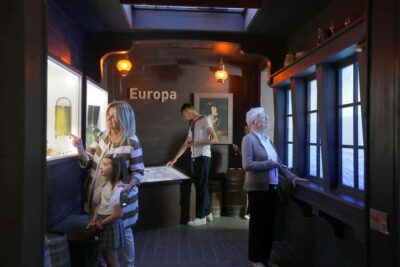
Visit to the Chocolate and Gianduja Museum, Choco-Story Torino
Read our review →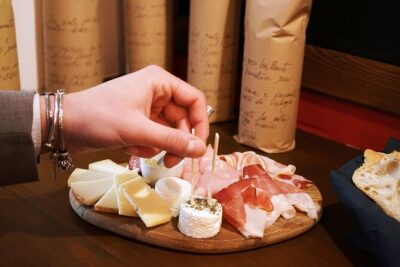
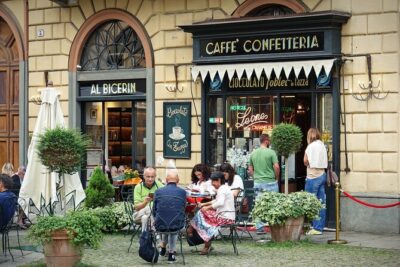
Turin Sweet & Chocolate Walking Food Tour by Do Eat Better
Read our review →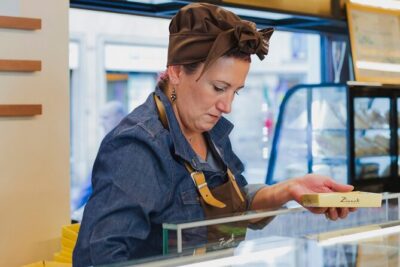
Chocolate & Sweets of Turin: La Dolce Vita Torino | Semi-Private
Read our review →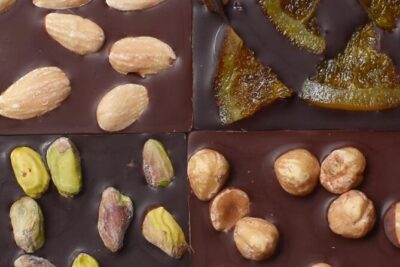
Browse the lists this tour appears in